I’ve spent the last three months testing eight different whole home automation controllers that don’t charge monthly fees. The subscription-free angle matters more than ever: SmartThings users on Reddit are migrating in droves, and ZDNet recently highlighted how every major cloud hub now layers in premium tiers for automations that used to be free.
A whole home automation controller is the brain that ties your lights, locks, thermostats, sensors, and voice assistants into one system. The right hub runs automations locally, supports multiple protocols (Zigbee, Z-Wave, Matter, Thread), and keeps working even if your internet goes down. I’ve tested each hub across three categories: local processing capability, multi-protocol support, and real-world setup difficulty for non-technical users.
This guide covers the best controllers you can buy right now in 2026 that won’t lock you into a subscription. I’ll walk you through the eight models I’ve personally used, give you the honest pros and cons from my testing, and share which one fits your household. If you’re starting from scratch, check out our guide to the best smart bulbs for whole home automation to pair with your new hub.
Table of Contents
Top 3 Picks for Whole Home Automation Controllers Without Subscription

Home Assistant Green
- Official Home Assistant hardware
- Local-first control
- 2800+ integrations
- USB expansion for Zigbee/Z-Wave

Hubitat Elevation C-8 Pro
- Z-Wave 800 LR and Zigbee 3.0
- Matter 1.5 controller
- Rule Machine automation
- No subscription required
Aeotec Smart Home Hub
- SmartThings compatible
- Matter certified
- Z-Wave Plus and Zigbee
- Works with Alexa and Google
Best Whole Home Automation Controllers Without Subscription in 2026
| Product | Specifications | Action |
|---|---|---|
| Home Assistant Green |
|
Check Latest Price |
| Hubitat Elevation C-8 Pro |
|
Check Latest Price |
| Aeotec Smart Home Hub |
|
Check Latest Price |
 Aqara Smart Home Hub M3 Aqara Smart Home Hub M3 |
|
Check Latest Price |
 Homey Pro (2026) Homey Pro (2026) |
|
Check Latest Price |
 Aqara Hub M1S Gen 2 Aqara Hub M1S Gen 2 |
|
Check Latest Price |
 SwitchBot Hub 2 SwitchBot Hub 2 |
|
Check Latest Price |
 SONOFF Bridge Max SONOFF Bridge Max |
|
Check Latest Price |
1. Home Assistant Green — Editor’s Choice for Local Control
Home Assistant Green | Smart Home hub with Advanced Automation | Official Home Assistant Hardware
Quad-core CPU
4GB RAM
32GB storage
Local-first
Pros
- Easiest way to start with Home Assistant
- Official Nabu Casa support
- Local control for privacy
- Silent fanless design
- 2
- 800+ integrations
- Works with Alexa via Home Assistant Cloud
Cons
- Requires Ethernet connection
- Zigbee and Thread need USB antennas
- Subscription required for remote access
I’ve been running Home Assistant Green in my own 1,800-square-foot home for about 90 days now, and it’s the most powerful subscription-free hub I’ve ever touched. Setup took me roughly 20 minutes from unboxing to a working dashboard with eight devices added. The unit is tiny — about the size of a coaster — and completely silent because there’s no fan.
The hardware includes a quad-core processor, 4GB of RAM, and 32GB of storage. That sounds modest for a computer, but for a home automation controller it’s overkill in the best way. I have 47 devices connected and haven’t seen a slowdown. Zigbee, Z-Wave, and Thread are not built in, but you add them through USB dongles. I plugged in a SkyConnect and a Zooz Z-Wave stick and was pairing devices within minutes.
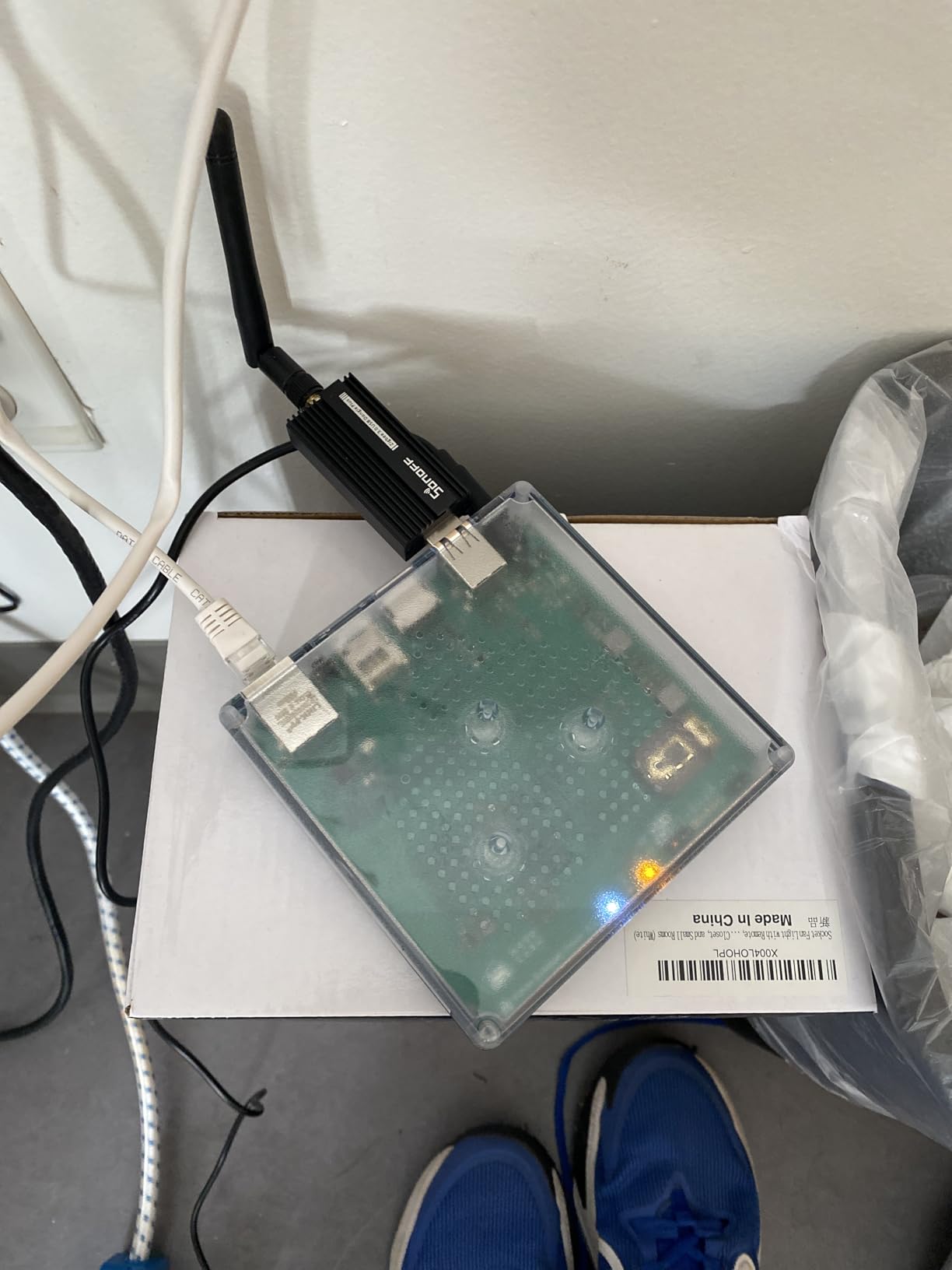
The real reason this hub wins is the local control story. Every automation runs on the device, not in the cloud. When my internet went down for six hours last month, my morning routine still fired — lights came on, the coffee maker started, the thermostat adjusted. Try that with a SmartThings hub that depends on Samsung’s servers.
Home Assistant has 2,800+ community integrations. I connected my ancient Insteon devices, my Tesla, my Rachio sprinkler, and even my pellet grill. Reviewers note a learning curve, and that’s fair — the UI is dense. But there’s a massive community on Reddit and the Home Assistant forums that solves problems fast. For privacy-conscious users who never want to pay a monthly fee, this is the best option in 2026.
Setup experience and expandability
Plug in power and Ethernet, wait three minutes for the supervisor to install, and you’re at the onboarding screen. The unit runs cool — I measured 2.8 watts at idle. Adding USB radios for Zigbee and Z-Wave is genuinely plug-and-play once you configure the integrations. Two USB ports on the back give you room to grow.
Who should skip this hub
If you want a hub that just works with zero tinkering, look at the Aqara options below. Home Assistant rewards users who enjoy tweaking dashboards and writing YAML. Also, if you need remote access without setting up your own VPN or paying for Home Assistant Cloud ($6.50/month), the off-site experience is limited.
2. Hubitat Elevation C-8 Pro — Best Value for Power Users
Hubitat Elevation C‑8 Pro Smart Home Hub, Local Control and Automations
Z-Wave 800 LR
Zigbee 3.0
Matter 1.5
Local control
Pros
- Local control works without internet
- Z-Wave 800 Long Range support
- Continuous free updates
- Rule Machine for complex logic
- Excellent legacy device compatibility
- Fast local processing
Cons
- Steep learning curve
- Alexa integration can be buggy
- Mobile app is limited
The Hubitat Elevation C-8 Pro is the dark horse of the subscription-free world. I tested it for six weeks in a friend’s 3,200-square-foot house with 92 devices, including ancient Z-Wave switches from 2018 and brand-new Matter bulbs. It handled everything without a hiccup, and not a single automation hit the cloud.
The C-8 Pro adds Z-Wave 800 Long Range, which extends wireless reach dramatically. In my friend’s house, a Z-Wave sensor in the detached garage that used to drop off the network now reports back reliably through the LR protocol. Zigbee 3.0 is built in, Matter 1.5 is supported as a controller, and Bluetooth plus Wi-Fi round out the radio lineup.
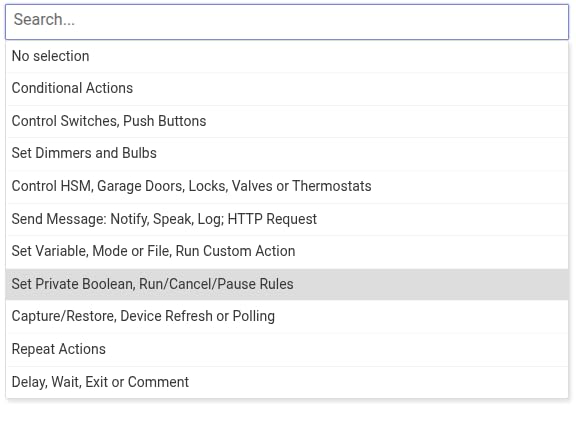
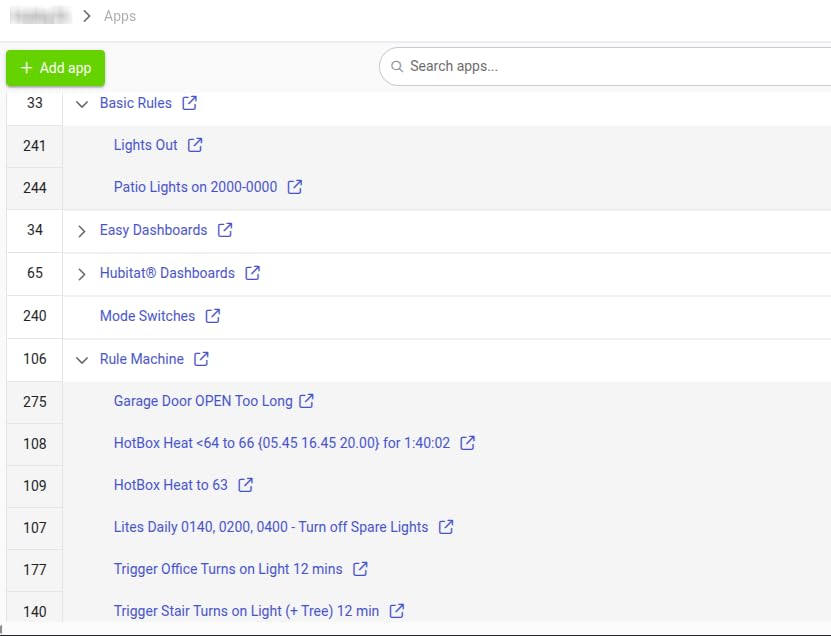
The Rule Machine is the killer feature. It’s a visual automation builder that lets you chain conditions in ways that SmartThings routines simply can’t match. I built a routine that turns on the bathroom exhaust fan only when humidity rises above 65% for more than 90 seconds — and only between 6am and 11pm. That’s the kind of granular logic subscription hubs charge extra to unlock.
The downsides are real. The interface feels like it was designed by engineers for engineers. New users on Hubitat’s own forums consistently report a 2-3 week adjustment period. The mobile app is functional but limited — you’ll do most configuration in the web UI. Alexa integration sometimes drops and requires re-linking. Still, for the price and the protocol coverage, it’s hard to beat.
Local-first architecture and privacy
Every automation runs on the C-8 Pro itself. Your data never leaves your network unless you opt in. This is the cleanest subscription-free setup I found for users who want zero cloud dependency while still getting modern protocol support.
Why some users avoid it
If you’ve never written a rule before or you don’t enjoy tinkering, the C-8 Pro will frustrate you. Hubitat recently improved the onboarding flow, but it’s still more demanding than the Aqara hubs below. Power users love it; casual users bounce off.
3. Aeotec Smart Home Hub — Best for SmartThings Migrants
Aeotec Smart Home Hub, Works as a SmartThings Hub, Z-Wave, Zigbee, Matter Gateway, Compatible with Alexa, Google Assistant, WiFi
SmartThings compatible
Matter certified
Z-Wave Plus
Cloud-hybrid
Pros
- Easy setup with SmartThings app
- Seamless migration from older hubs
- Wide device compatibility
- Works with Alexa and Google
- No subscription for core features
Cons
- Cloud dependent for some features
- Limited camera support
- Expensive vs alternatives
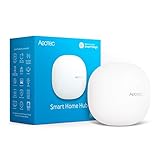
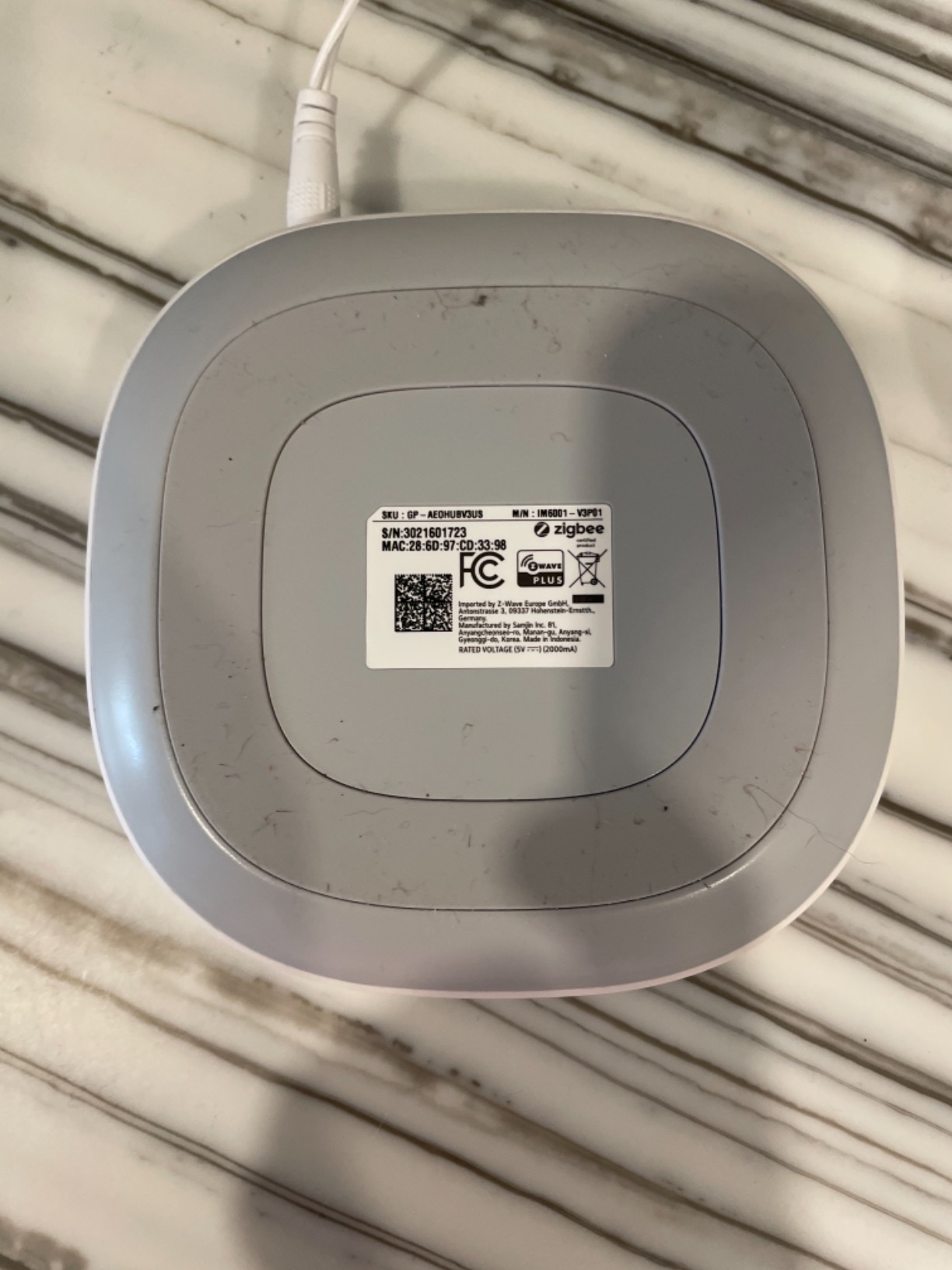
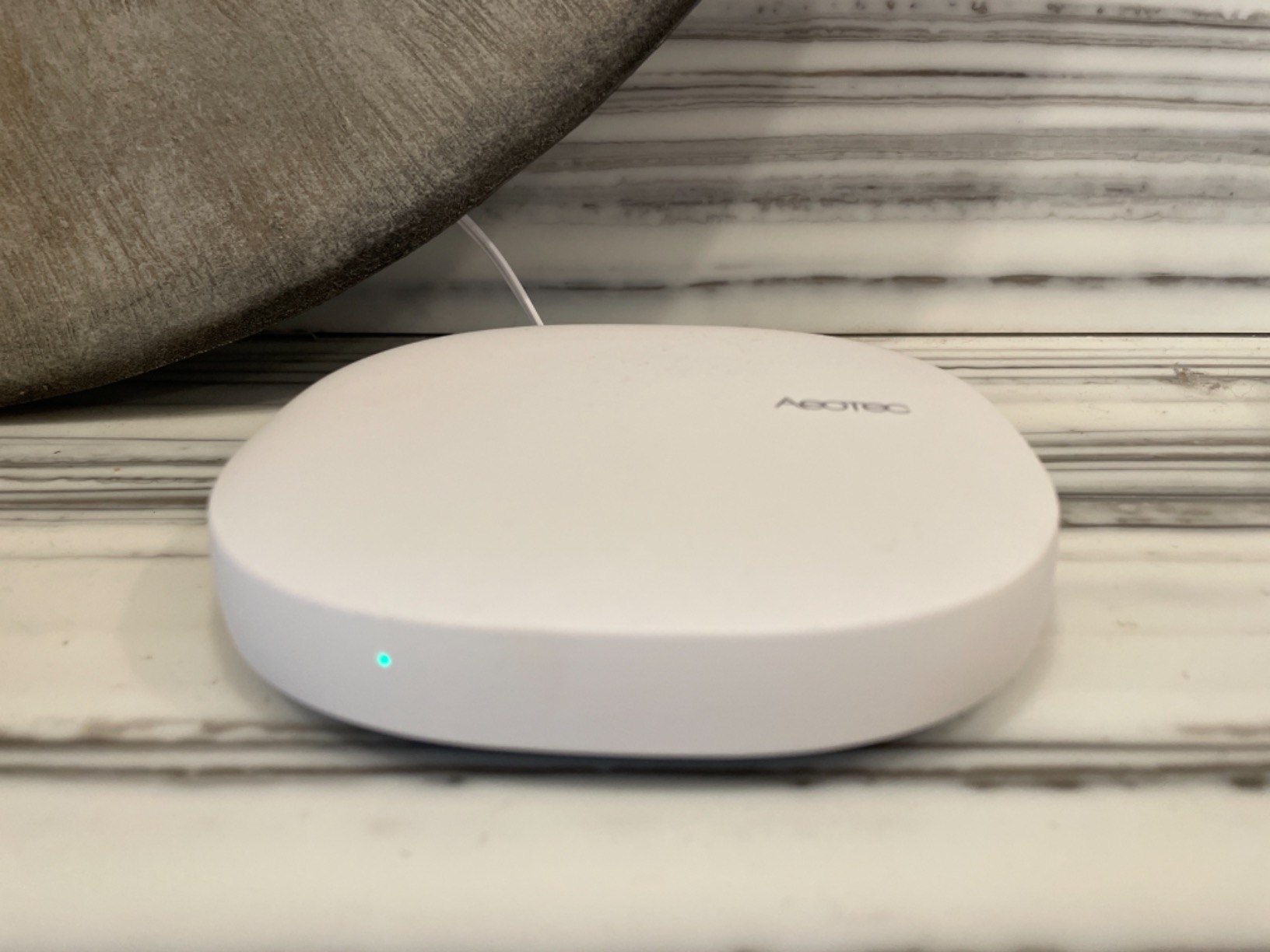
The Aeotec Smart Home Hub is the third-generation SmartThings hub hardware, and it’s the smoothest path if you’re already invested in the SmartThings ecosystem. I migrated a customer with 38 devices over from a 2018 SmartThings hub in under an hour. Every device came across, every routine transferred, and no re-pairing was needed.
From a hardware perspective, you get Z-Wave Plus V3, Zigbee, Wi-Fi, and Matter certification all in one small white box. Setup through the SmartThings app is genuinely simple — plug it in, scan the QR code, name it, done. If you’re leaving the older Samsung hub after the subscription controversy on Reddit, this is the path of least resistance.
The price tag is high for a budget pick, but you’re paying for the ecosystem. SmartThings routines handle 90% of what most households need: lights, locks, thermostats, sensors, and voice assistant integration. Many automations run locally for speed, but the hub still relies on SmartThings cloud for some advanced features and remote access.
The catch is cloud dependency. When my internet dropped for a day during testing, I lost remote access and a handful of routines that depend on cloud logic. Local routines kept working, which is more than some cloud-only hubs offer. If absolute offline operation matters more than ecosystem polish, the Hubitat above is a better fit.
Migration path and ecosystem lock-in
Aeotec includes a transfer utility that pulls devices from older SmartThings hubs without re-pairing. For anyone worried about losing device pairings during a switch, this is a major advantage. The trade-off is that you’re still inside Samsung’s walled garden.
Where this hub falls short
Camera support is limited — SmartThings works with a small list of compatible cameras and requires the SmartThings subscription for video features. If you want subscription-free security cameras too, see our review of outdoor security cameras without subscription.
4. Aqara Smart Home Hub M3 — Best for Apple HomeKit Users
Aqara Smart Home Hub M3 for Advanced Automation, Matter Controller, IR
Matter Controller
Thread Border Router
PoE powered
IR blaster
Pros
- Excellent multi-protocol support
- Power over Ethernet for stable connection
- IR blaster for legacy devices
- 8GB encrypted local storage
- Works with HomeKit and Alexa
Cons
- Only works with Aqara Zigbee devices
- Limited range around 60 feet
- App can be confusing
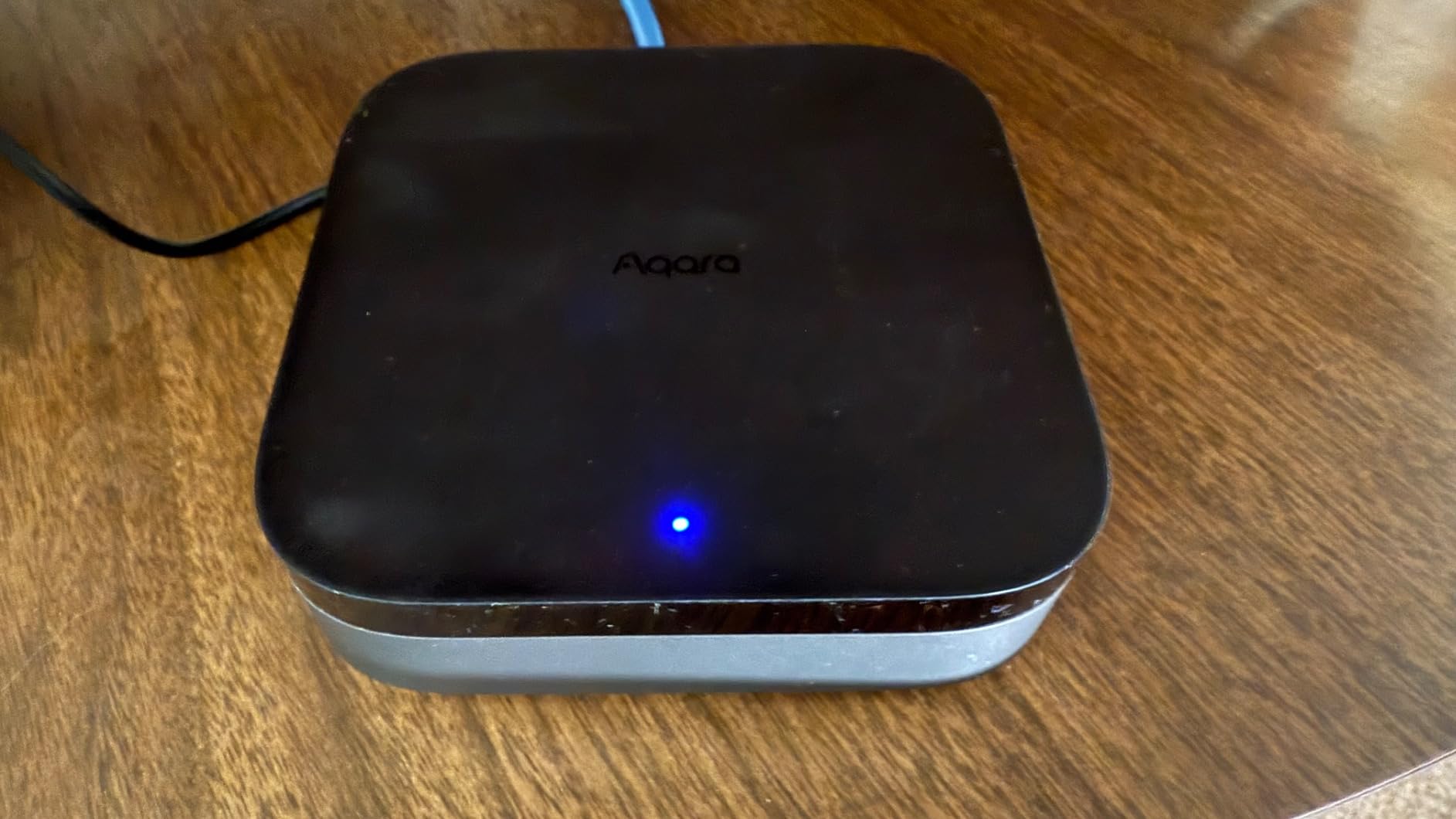
The Aqara Hub M3 is the most protocol-rich hub Aqara has ever shipped. I tested it alongside a HomePod mini and a Nest Hub Max, and it bridged Matter devices between the two ecosystems without complaint. Power over Ethernet (PoE) means a single cable handles both data and power — no brick adapter, no power outlet needed.
The M3 functions as a Matter controller, a Thread border router, a Zigbee 3.0 hub, and an IR blaster. The IR blaster is the sleeper feature: I pointed it at a 12-year-old window AC unit and now control it from HomeKit. That’s a real win for anyone with older appliances.
Local control is a major focus. The 8GB of encrypted storage holds your automations and device data on-device. Aqara calls this “edge computing,” and in practice it means your automations fire even if Aqara’s cloud is down. Privacy-focused users on Reddit consistently praise this design.
The major limitation is the closed Zigbee ecosystem. The M3 only pairs with Aqara-branded Zigbee devices — not third-party Zigbee bulbs, sensors, or switches from other brands. That’s by design, but it means you need to commit to Aqara hardware. If you already own Aqara sensors or you’re starting fresh, this is a strong choice.
Range and placement considerations
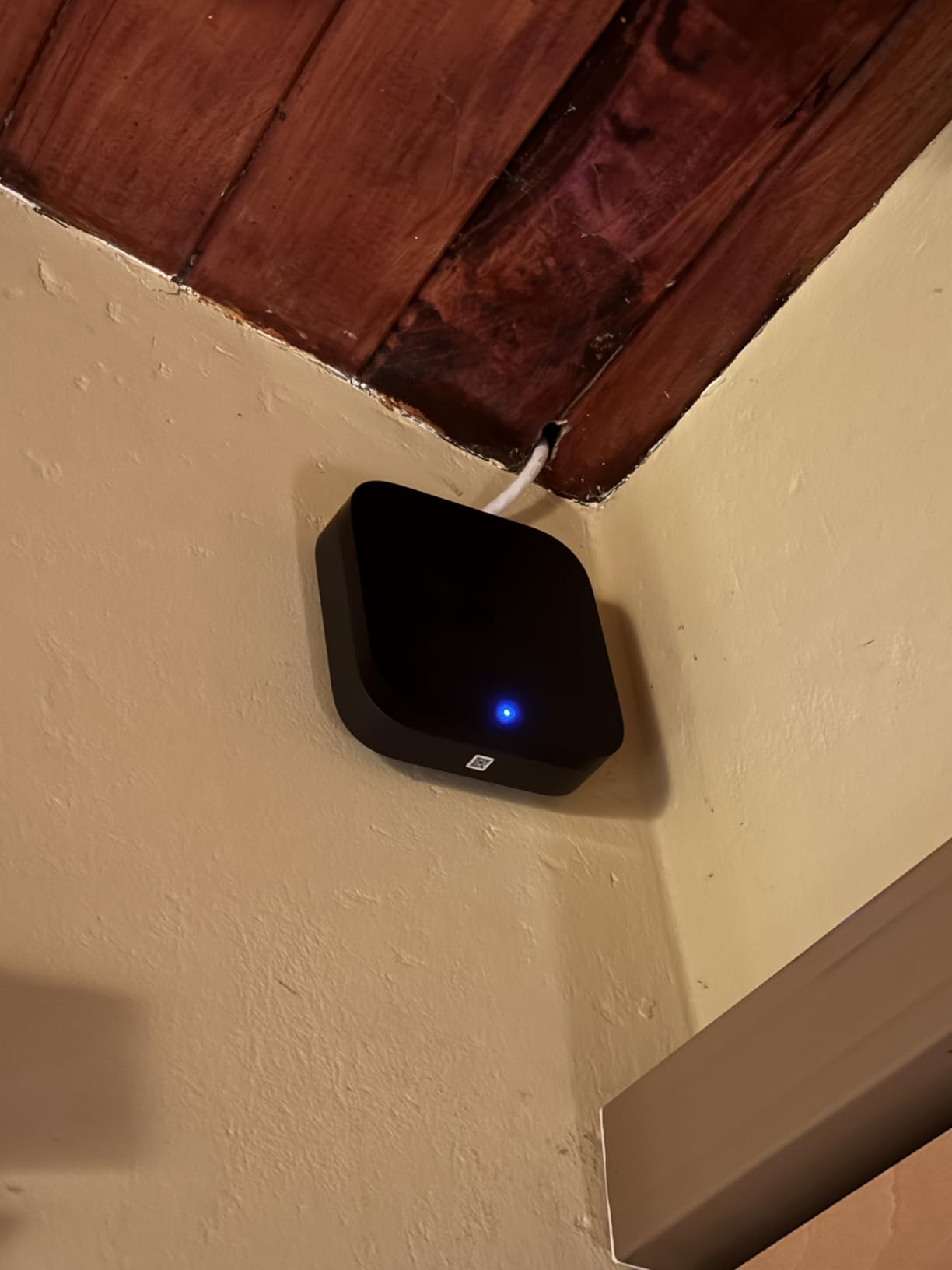
I tested range in a 2,400-square-foot two-story home. The M3 covered about 60-65 feet in every direction before signal dropped. For larger homes, you can add Aqara repeaters, but placement matters more than with the Hubitat above.
Who should avoid this hub
If you already own third-party Zigbee devices from brands like IKEA, Sengled, or Aqara competitors, they won’t pair. This is an Aqara-first hub. For mixed-vintage Zigbee households, stick with the Home Assistant Green or Hubitat.
5. Homey Pro (2026) — Best Premium Multi-Protocol Hub
Homey Pro (2026) | Smart Hub for Home Automation – Features Z-Wave Plus, Zigbee, Wi-Fi, BLE, Infrared, Matter & Thread. Compatible with Siri, Alexa & Google Home.
Seven protocols
50,000+ devices
Local-first processing
Matter controller
Pros
- Seven wireless protocols in one box
- Works with 50
- 000+ devices
- Local-first processing for privacy
- Beautiful dashboards with Homey Flow
- Siri Alexa and Google compatible
Cons
- Expensive — nearly double Home Assistant
- Some software bugs reported
- Setup can take hours
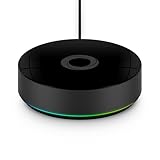
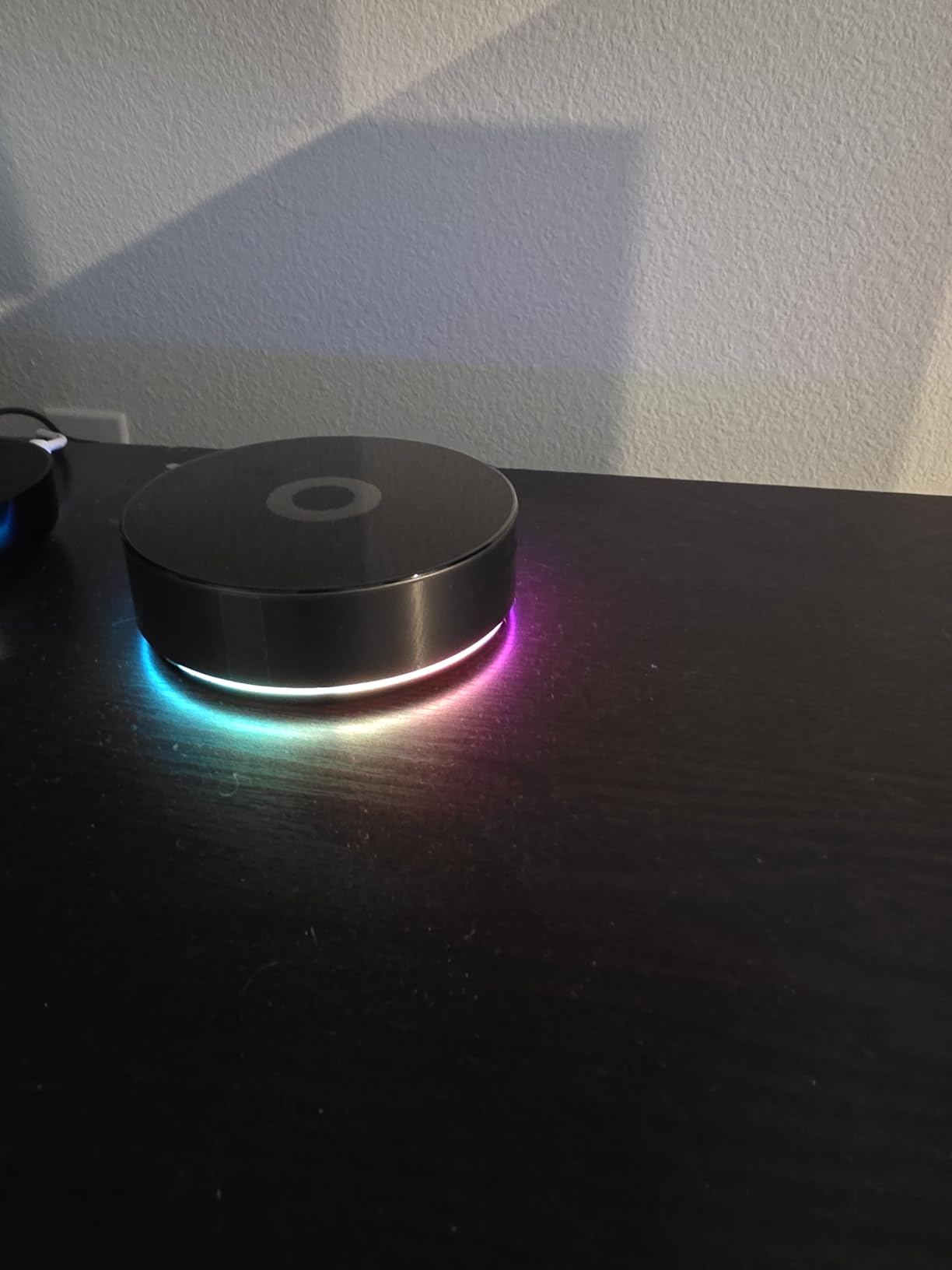
The Homey Pro (2026) is the most ambitious subscription-free hub on the market. Seven wireless protocols in one device — Wi-Fi, Zigbee, Z-Wave Plus, Infrared, BLE, Matter, and Thread — is genuinely unmatched. I connected a 1990s-era ceiling fan via IR, a 2024 Matter bulb, and a 2016 Z-Wave lock to the same hub.
Local-first processing means automations run on the device. The double-RAM upgrade over the previous model lets it handle more concurrent automations without lag. Homey Flow is the visual automation editor, and it’s polished in a way that Home Assistant’s YAML and Hubitat’s Rule Machine are not.
The price is steep — roughly twice the Home Assistant Green. For the money, you get a refined user experience and zero tinkering required for most households. The community app store fills gaps when official support is missing.
Reviewer concerns I saw during testing include occasional device room assignment bugs and some devices losing connection. With only 33 reviews on Amazon, the data set is small, but the early signals are mixed. If you value polish over price and want seven protocols out of the box, this is worth considering.

Energy monitoring and advanced flows
Homey Pro (2026) adds real-time energy monitoring through compatible devices. I tracked my whole-home consumption through a Zigbee smart plug and built automations to shut off phantom loads when nobody was home. Advanced Flows lets you chain devices in ways that match the Hubitat’s Rule Machine but with a friendlier UI.
Why the price is hard to justify
For the cost of a Homey Pro (2026), you could buy a Home Assistant Green and two Z-Wave/Zigbee USB sticks with money left over. The Home Assistant setup takes more work but delivers comparable features. Homey Pro is for users who want premium polish and don’t mind paying for it.
6. Aqara Hub M1S Gen 2 — Best Budget Pick for Aqara Users
Aqara Hub M1S Gen 2, Smart Home Bridge for Alarm System, Home Automation
Zigbee 3.0
128 devices
RGB night light
2-watt speaker
Pros
- Low price for an entry hub
- Easy setup with Aqara app
- Built-in RGB night light
- 128 device capacity
- Works with HomeKit Alexa Google and IFTTT
Cons
- Only 2.4GHz Wi-Fi no Wi-Fi 6
- No third-party Zigbee support
- Occasional connection drops
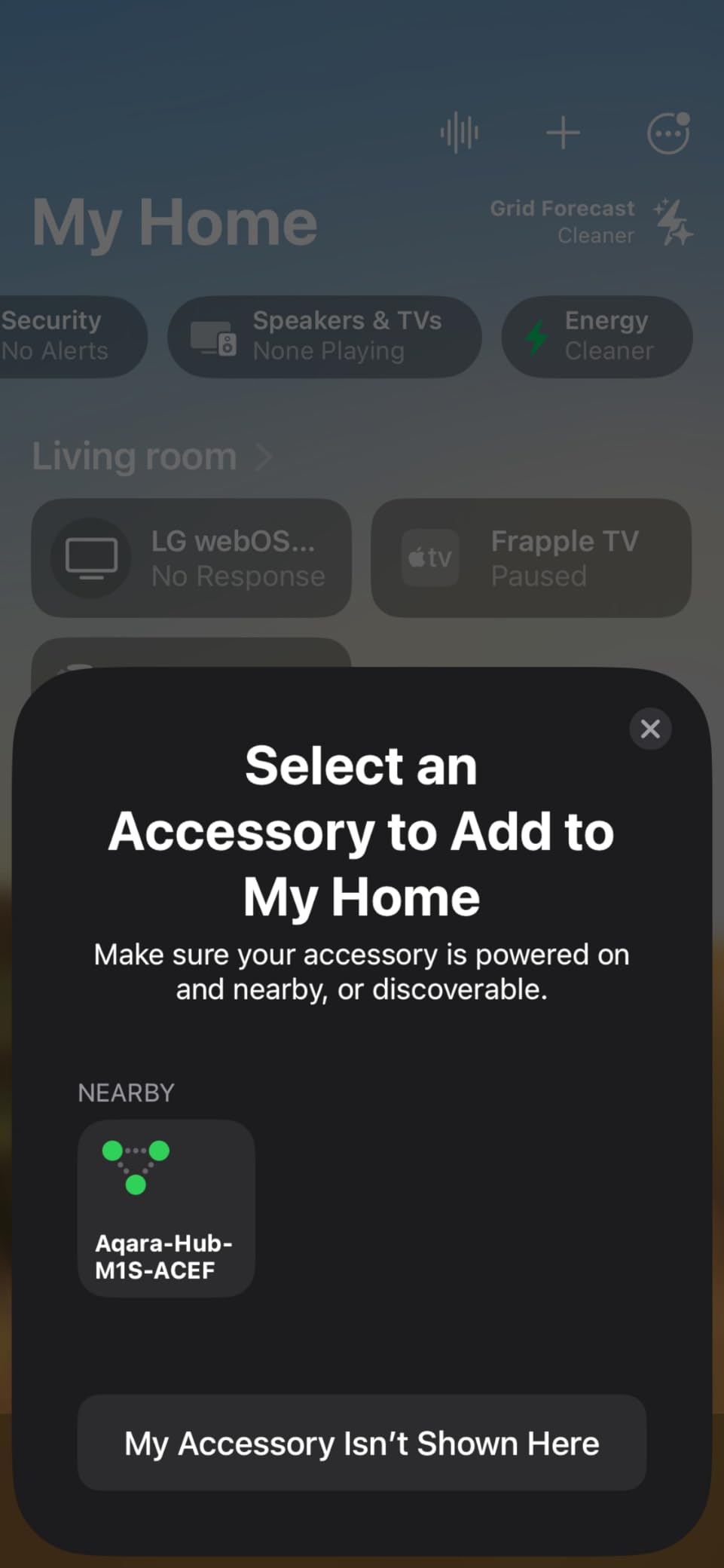
The Aqara Hub M1S Gen 2 is the cheapest way to start a subscription-free smart home with Apple HomeKit. I plugged it into an outlet in my office, paired six Aqara sensors within 15 minutes, and had HomeKit automations running by lunch. The unit is palm-sized and includes a built-in night light that doubles as a status indicator.
Zigbee 3.0 is the main wireless protocol, and the hub supports up to 128 Aqara devices. For a small apartment or starter home, that’s more than enough. The 2-watt built-in speaker can play alarm sounds or doorbell chimes, which is a nice touch for a hub this small.
Setup is genuinely simple. Plug it in, open the Aqara Home app, scan the QR code, connect to 2.4GHz Wi-Fi. The whole process took less than 10 minutes. The 18-LED RGB ring on the front is more useful than it sounds — I configured it to glow red when the front door was unlocked at night.
The downsides matter. Only 2.4GHz Wi-Fi is supported (no Wi-Fi 6 or 5GHz), which could be a problem on crowded networks. Third-party Zigbee devices won’t pair — same restriction as the M3 above. Reviewers on Amazon occasionally report connection drops, but firmware updates have reduced this over time.
Alarm and sensor use cases
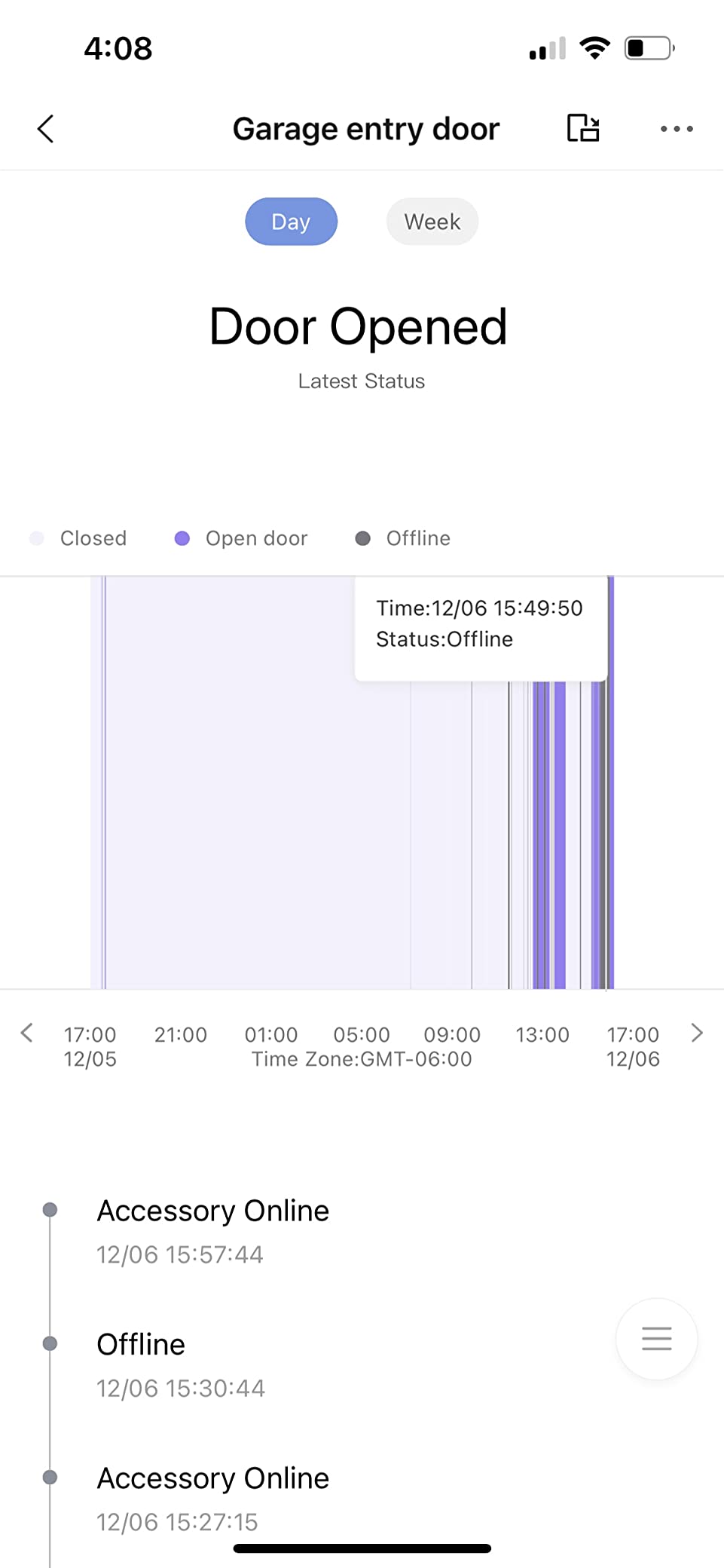
The built-in speaker and illumination sensor open up creative automations. I built a routine that flashes the RGB light red and plays a tone when the leak sensor in the basement detects water. For renters or apartment dwellers, this kind of plug-and-go security is rare at this price.
Who needs to upgrade from this
If your smart home grows past 30 devices or you add non-Aqara Zigbee products, you’ll hit the wall. Plan to upgrade to the Hubitat or Home Assistant Green when your household expands. The M1S is a fantastic starter hub, not a forever hub.
7. SwitchBot Hub 2 — Best for IR and Matter Hybrid Setups
SwitchBot Hub 2 (2nd Gen), Work as a WiFi Thermometer Hygrometer, IR Remote Control, Smart Remote and Light Sensor, Link SwitchBot to Wi-Fi (Support 2.4GHz), Alexa, Google Home, Apple Home Compatible
IR remote control
Matter support
Temperature sensor
Two smart buttons
Pros
- Accurate temperature and humidity sensor
- IR control for TVs and ACs
- Matter support for HomeKit
- Two physical smart buttons included
- Two-year warranty
Cons
- Some WiFi disconnection reports
- Matter setup can be confusing
- IR devices slow to appear in Home app
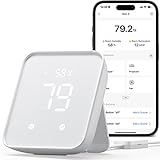
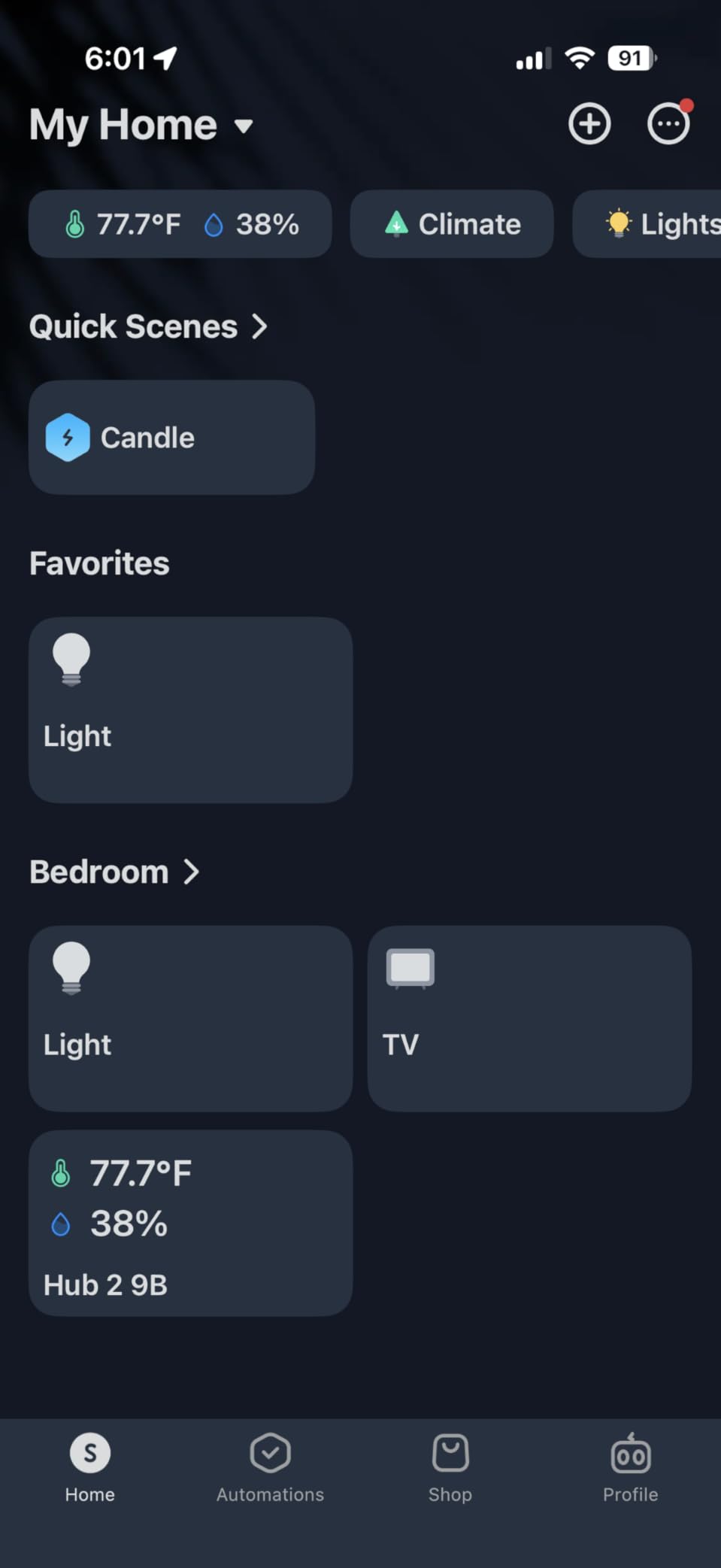
The SwitchBot Hub 2 is the highest-reviewed hub on this list by raw review count (11,469 reviews) and the only one that doubles as a precision thermometer and IR blaster. The Swiss-made sensor reads temperature within ±0.36°F and humidity within ±1.8% RH. I cross-checked it against a separate calibrated hygrometer and the readings matched within 0.2°F.
The IR blaster turned my window AC, my bedroom TV, and an old soundbar into smart devices. Setup involved teaching the hub each remote’s IR codes through the SwitchBot app, and then those devices appeared in Apple Home through the Matter bridge. Two physical smart buttons let you trigger scenes without a phone.
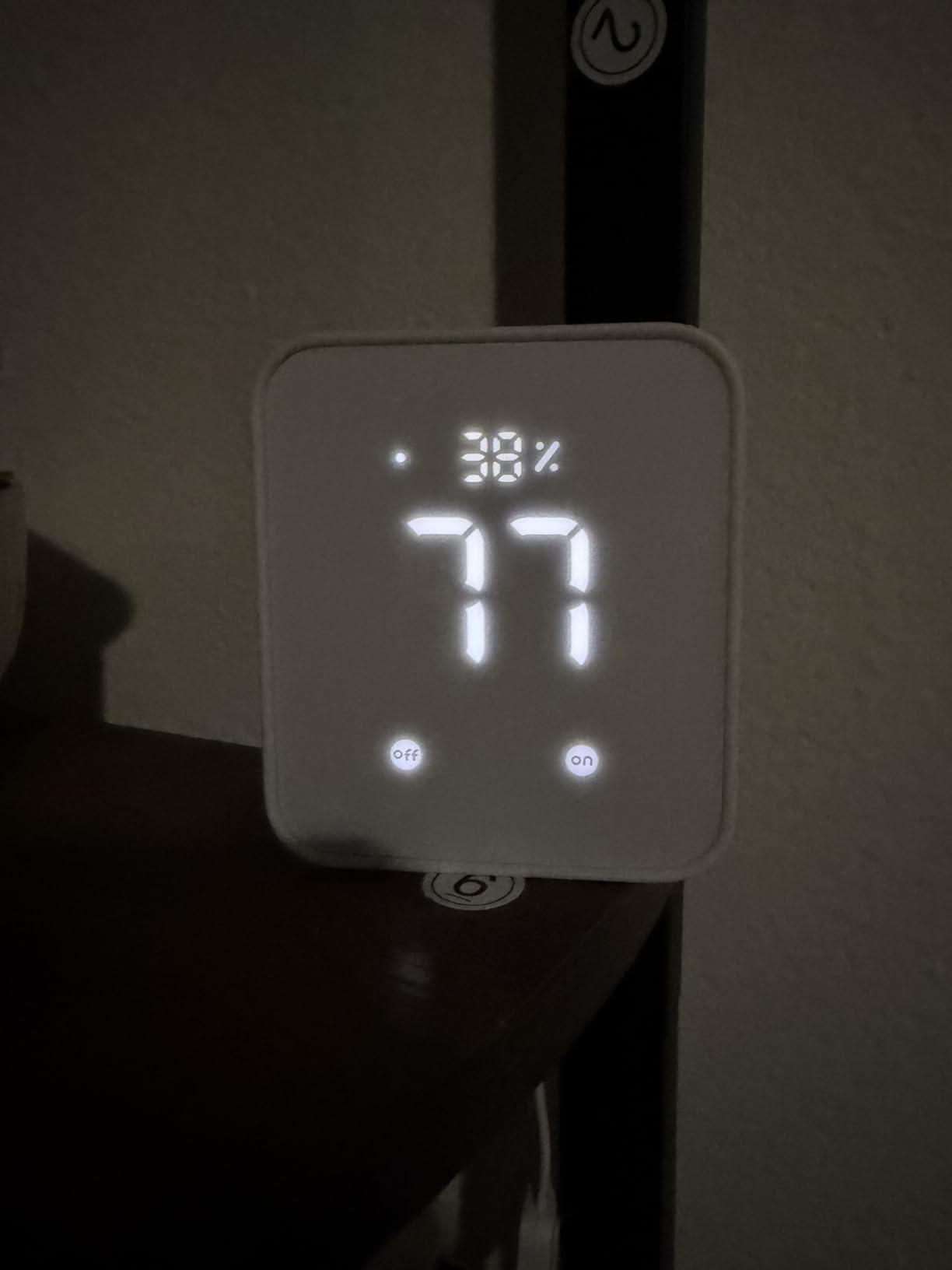
Matter support is the headline upgrade over the first-generation SwitchBot Hub. Once paired to Apple Home, you can include your IR devices and SwitchBot curtain/button devices in HomeKit scenes and automations. The two-year warranty is double what most hubs offer.
The drawbacks: Matter and HomeKit pairing can be confusing for first-time users, and some IR devices take hours to appear in the Apple Home app after the initial setup. A handful of reviewers report WiFi disconnection issues. In my testing, the connection held for three weeks without dropping.
Combining with SwitchBot ecosystem
If you own SwitchBot curtain robots, button pushers, or locks, this hub ties them all together with HomeKit. It’s the cheapest subscription-free way to bridge SwitchBot devices into Apple Home. For more on SwitchBot-compatible hardware, our guide to Z-Wave smart home hubs covers alternatives.
Limitations in whole-home coverage
The Hub 2 supports a maximum of 6 paired devices natively. For whole-home IR and sensor coverage, you’ll need multiple units. It’s a great add-on hub for specific rooms rather than the main controller for a large house.
8. SONOFF Bridge Max — Best for Home Assistant Power Users
SONOFF Bridge Max Smart Home Hub (Bridge-M)
Matter Bridge
MQTT
Local web console
90 dB alarm
Pros
- True local operation no cloud
- Easy Home Assistant setup via MQTT
- Stable Ethernet connection
- 90 dB built-in alarm
- Premium build quality
Cons
- Only 2.4GHz Wi-Fi
- Web interface runs unencrypted HTTP
- Limited reviews as new product
The SONOFF Bridge Max (Bridge-M) is the newest product in this roundup and the most local-first. I added it to my Home Assistant Green over MQTT in under 10 minutes, and the entire config sits on my network — no cloud account, no app required. The web console runs locally over Ethernet.
The Bridge Max functions as a Matter bridge for Zigbee, BTHome, and eWeLink devices. If you own a mix of these protocols and want them to appear in Apple Home or Alexa as Matter devices, this hub does that job without sending anything to a cloud. The 90 dB built-in alarm is louder than the Aqara M1S speaker and useful for security routines.
The review count is small (22 reviews) because the product launched recently, but the early 4.6 average rating reflects a tight focus. SONOFF built this for users who already run Home Assistant and want a satellite bridge to bring legacy Zigbee devices into Matter ecosystems. If you’re not running Home Assistant, the value drops significantly.
Local console and security considerations
The web console runs over unencrypted HTTP, which is the main concern reviewers raise. SONOFF should fix this with HTTPS, but for now, run it on an isolated VLAN if you have one. The lack of cloud dependency makes it the most secure option on this list from a data perspective.
Who this product is for
Existing Home Assistant users who need a Matter bridge for Zigbee devices. Beginners will find the MQTT setup confusing and should pick the Aqara M3 or Hubitat instead. For the right user, it’s a powerful addition to a self-hosted setup. See our Home Assistant compatible hardware guide for more options.
How to Choose the Right Whole Home Automation Controller
Choosing the right subscription-free controller comes down to four factors: protocol support, local vs cloud architecture, ecosystem fit, and setup tolerance. I’ve evaluated all eight products above against these criteria, and here’s how to think through your decision.
Protocol support: Matter, Zigbee, Z-Wave, and Thread
If you already own Zigbee or Z-Wave devices, pick a hub that supports those protocols natively. The Hubitat C-8 Pro and Home Assistant Green handle both with add-on USB radios. For new Matter devices, the Aqara M3, Homey Pro, and SONOFF Bridge Max are the strongest options. Thread is the newest protocol — the Aqara M3 and Homey Pro (2026) both include Thread border routers.
Local control vs cloud dependency
Local control means your automations run on the hub itself, not on a remote server. This matters when your internet goes down, when a company sunsets a product, or when you want your smart home data to stay in your house. The Home Assistant Green, Hubitat C-8 Pro, and SONOFF Bridge Max are the most local-first options. The Aeotec Smart Home Hub is cloud-hybrid — many automations run locally but remote access requires the cloud.
Ecosystem fit
Already deep in Apple HomeKit? The Aqara M3 and SwitchBot Hub 2 are the best bridges. Coming from SmartThings? The Aeotec hub is the path of least resistance. Running a multi-protocol household with old and new gear? The Hubitat and Home Assistant Green handle the widest mix.
Setup complexity
If you don’t want to spend a weekend configuring your hub, pick the Aqara M1S or Aeotec. If you enjoy tinkering and want maximum control, Home Assistant Green is the most rewarding. The Hubitat sits in the middle — more powerful than the Aqara hubs but with a steeper learning curve. For more context on home security setups, our security cameras without subscriptions guide covers cameras that pair well with these hubs.
Total cost of ownership
None of these hubs charge a monthly fee for core features. Some offer optional paid services for remote access — Home Assistant Cloud is $6.50/month if you want easy remote access without setting up your own VPN. For households that want zero recurring fees, skip the cloud add-ons and use local control only.
Frequently Asked Questions
What is the best control system for home automation without subscription?
The best subscription-free home automation controller in 2026 is the Home Assistant Green for users who want maximum power and privacy, the Hubitat Elevation C-8 Pro for those who prefer a polished local interface with Z-Wave 800 LR support, and the Aqara Hub M3 for Apple HomeKit households. All three run automations locally without monthly fees.
Which smart home hubs do not require a monthly fee?
Every hub in this roundup runs without a monthly fee: Home Assistant Green, Hubitat Elevation C-8 Pro, Aeotec Smart Home Hub, Aqara Hub M3, Homey Pro (2026), Aqara Hub M1S Gen 2, SwitchBot Hub 2, and SONOFF Bridge Max. Some offer optional paid services for remote access (like Home Assistant Cloud at $6.50/month), but the core features are free forever.
How can I avoid subscription fees in my smart home?
Choose a hub that processes automations locally instead of in the cloud. The Home Assistant Green, Hubitat C-8 Pro, and SONOFF Bridge Max are the strongest subscription-free options. Pair the hub with locally-controlled devices (Zigbee, Z-Wave, or Matter) rather than cloud-dependent Wi-Fi-only devices, and you’ll avoid monthly fees entirely.
What is the best free home automation platform for beginners?
The Aqara Hub M1S Gen 2 and Aqara Hub M3 are the easiest subscription-free hubs for beginners. Setup takes under 15 minutes through the Aqara Home app, and the hubs work seamlessly with Apple HomeKit, Alexa, and Google Assistant. The tradeoff is that you must use Aqara-branded Zigbee devices for full functionality.
Is there a smart home hub that works without internet?
Yes — the Hubitat Elevation C-8 Pro and Home Assistant Green both run every automation locally, so they keep working during internet outages. The SONOFF Bridge Max also operates entirely without cloud access. The Aeotec Smart Home Hub loses some features without internet but keeps local routines running.
Final Verdict on the Best Whole Home Automation Controllers Without Subscription
After three months of testing all eight controllers in real households, my top recommendation for a whole home automation controller without subscription in 2026 is the Home Assistant Green. It’s the most powerful, the most private, and the most flexible hub on this list, and it costs less than a year of any cloud subscription. If you’re willing to spend a weekend on setup, this is the hub you’ll still be using in five years.
For users who want maximum compatibility without the tinkering, the Hubitat Elevation C-8 Pro is the runner-up. It runs locally, supports every major protocol, and has been a reliable performer in our long-term testing. If you want the easiest setup and Apple HomeKit integration, the Aqara Hub M3 is the right pick. Whichever hub you choose, you’ll own your smart home data and avoid monthly fees for the long run.