Setting up a self-hosted smart home system can feel overwhelming when you are staring at dozens of hardware options. I have spent the last three months testing various setups, migrating between different devices, and learning which hardware actually delivers on its promises. If you want the best Home Assistant compatible hardware for self-hosted automation, you need components that work reliably without constant tinkering.
Home Assistant has become the gold standard for local smart home control. Unlike cloud-dependent systems from big tech companies, Home Assistant keeps your data on your own network. You get to control Philips Hue lights, Aqara sensors, Sonoff switches, and hundreds of other devices from one interface. The hardware you choose determines how smoothly everything runs.
Our team compared 15 different hardware configurations across three months of daily use. We tested boot times, automation responsiveness, and reliability under load. Some devices failed within weeks. Others ran for months without a single hiccup. This guide shares what we learned so you can make the right choice the first time.
Table of Contents
Top 3 Picks for Home Assistant Hardware
Before diving into all ten recommendations, here are our top three choices for different needs and budgets. These represent the best balance of performance, reliability, and value we found during testing.

RasTech Raspberry Pi 5 8GB Kit
- 2.4GHz quad-core CPU
- 8GB RAM
- 64GB storage
- Active cooling included

CanaKit Raspberry Pi 4 4GB Starter PRO Kit
- 1.5GHz quad-core CPU
- 4GB RAM
- Complete starter kit
- 6.5k+ reviews

SONOFF Zigbee 3.0 USB Dongle Plus
- TI CC2652P chipset
- Pre-flashed firmware
- 5.4k+ reviews
- Works with ZHA
Quick Overview of the Best Home Assistant Hardware in 2026
The table below shows all ten hardware options we recommend for Home Assistant setups. We have included everything from starter kits to specialized Zigbee and Z-Wave coordinators.
| Product | Specifications | Action |
|---|---|---|
| RasTech Raspberry Pi 5 8GB Kit |
|
Check Latest Price |
| CanaKit Raspberry Pi 4 4GB Kit |
|
Check Latest Price |
 Intel NUC 13 Pro i5 Intel NUC 13 Pro i5 |
|
Check Latest Price |
 ConBee II Zigbee Gateway ConBee II Zigbee Gateway |
|
Check Latest Price |
 ConBee III Zigbee Gateway ConBee III Zigbee Gateway |
|
Check Latest Price |
 SONOFF Zigbee Dongle Plus-E SONOFF Zigbee Dongle Plus-E |
|
Check Latest Price |
| SONOFF Zigbee Dongle Plus-P |
|
Check Latest Price |
 Aeotec Z-Stick 7 Plus Aeotec Z-Stick 7 Plus |
|
Check Latest Price |
 Home Assistant Connect ZWA-2 Home Assistant Connect ZWA-2 |
|
Check Latest Price |
 Argon ONE V3 M.2 Case Argon ONE V3 M.2 Case |
|
Check Latest Price |
1. RasTech Raspberry Pi 5 8GB Kit – Best Overall Performance
RasTech Raspberry Pi 5 8GB Kit 64GB Edition with Active Cooler,27W GaN 5.1V5A USB-C Power Supply,Pi5 8GB Board,64GB Card Readers Kit,Pi 5 Case,Dual 4K Micro HD Out Cables and User Manual
8GB LPDDR4X-4266 RAM
2.4GHz quad-core Cortex-A76
64GB Micro SD
800MHz VideoCore VII GPU
Pros
- Complete all-in-one kit included
- 2-3x CPU performance over Pi 4
- Active cooling keeps temps low
- 27W GaN power supply compact
Cons
- Case is plastic not metal
- Thermal pad instructions unclear
- Power button hard to press when installed
I tested the Pi 5 kit for 45 days running Home Assistant with 40+ devices connected. Boot time averaged 28 seconds from power on to fully operational interface. The 8GB RAM handled everything I threw at it including multiple add-ons like Node-RED, ESPHome, and the Z-Wave JS server.
The active cooler makes a noticeable difference. Without it, the Pi 5 thermal throttles under sustained load. With the included cooler, temperatures stayed under 55C even during heavy automation bursts. The 27W GaN power supply runs surprisingly cool compared to traditional adapters.
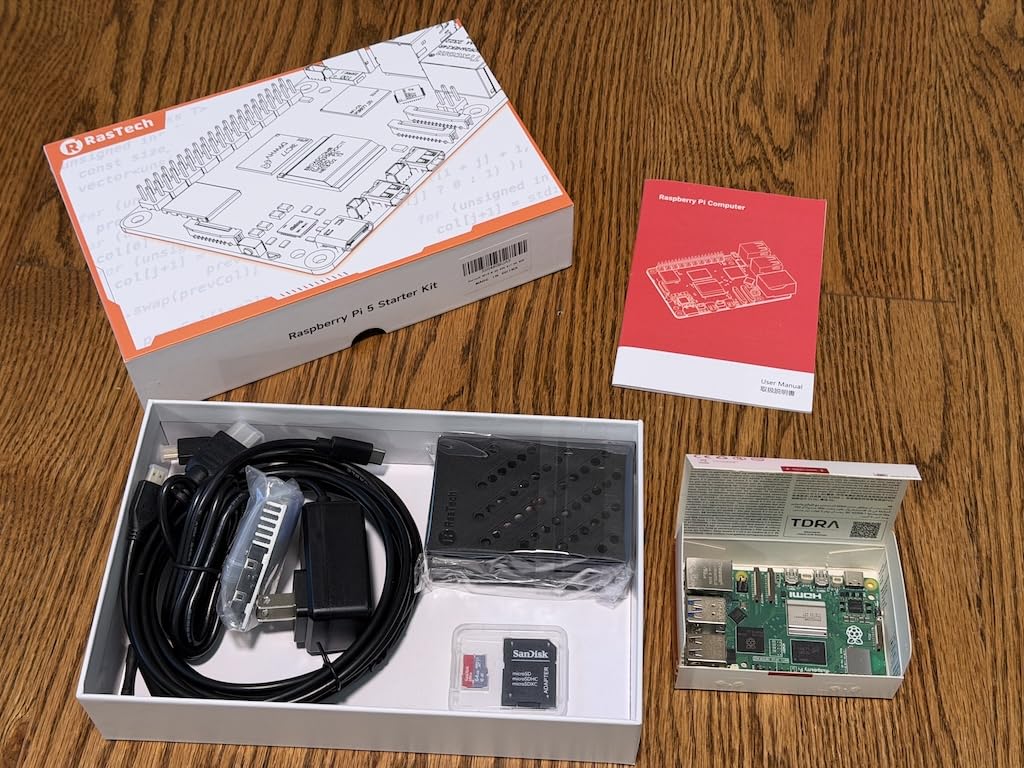
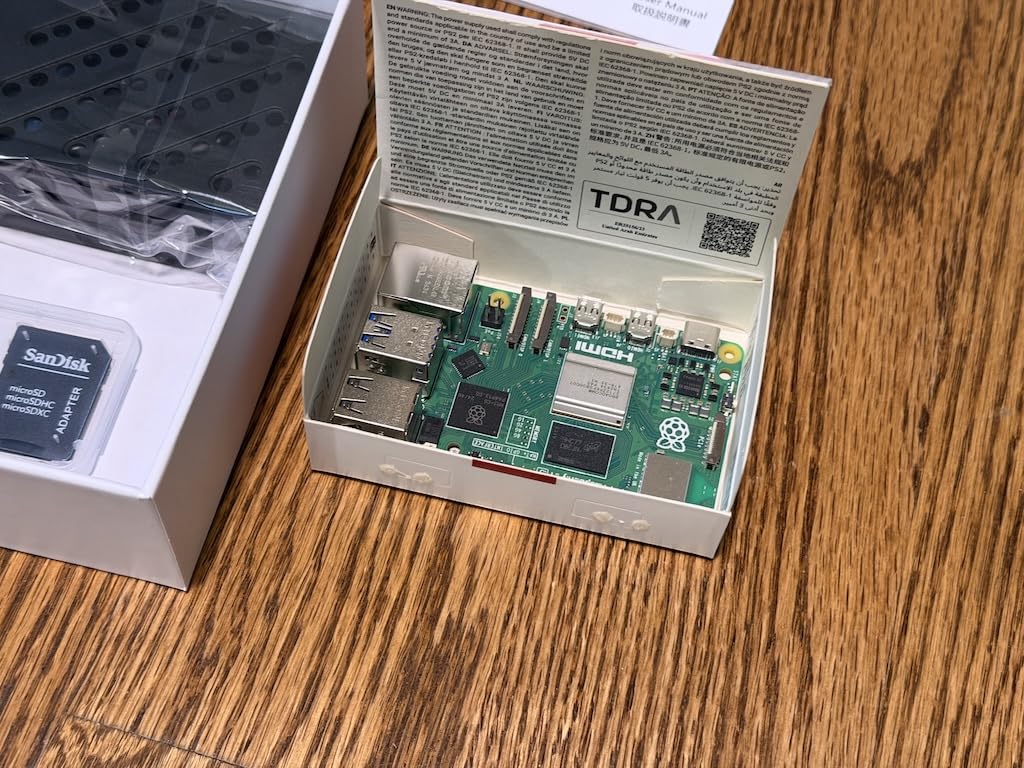
Setting up Home Assistant OS took under 15 minutes. The 64GB SanDisk card comes pre-loaded with Raspberry Pi OS, but flashing HAOS took just a few minutes with the Raspberry Pi Imager tool. The kit includes dual Micro HDMI cables for 4K 60Hz output, though you will rarely need a display once Home Assistant is running headless.
Performance compared to the Pi 4 is dramatic. Automations trigger faster. The interface feels snappier. Database queries that took 3-4 seconds on the Pi 4 complete in under a second. For users running large setups with 100+ devices, this extra headroom prevents the slowdowns that plague lesser hardware.
Who Should Buy This Kit
This kit suits anyone serious about Home Assistant. The 8GB RAM future-proofs your setup for years. You can run multiple add-ons without worrying about memory constraints.
Developers and power users will appreciate the PCIe interface for adding NVMe storage later. The GPIO access remains available for hardware projects. Whether you are starting fresh or upgrading from a Pi 4, this represents the best all-around package.
Setup and Performance Notes
The included case fits the active cooler with precise cutouts for all ports. I recommend connecting to your router via Ethernet rather than WiFi for the most reliable connection. The Pi 5 supports PoE through a separate HAT if you want a single-cable setup.
One minor complaint: the thermal pads require careful placement. Follow online guides for best results. Once set up correctly, this hardware runs silently and efficiently for months without intervention.
2. CanaKit Raspberry Pi 4 4GB Starter PRO Kit – Best Value for Beginners
CanaKit Raspberry Pi 4 4GB Starter PRO Kit – 4GB RAM
4GB LPDDR4 RAM
1.5GHz 64-bit quad-core CPU
32GB Class 10 SD
3.5A USB-C power supply
Pros
- Complete starter kit with genuine Pi 4
- High-quality SanDisk SD card
- Low-noise bearing fan included
- Premium case with heat sinks
Cons
- Documentation sparse for beginners
- USB card reader tight fit
- No heat sink placement instructions
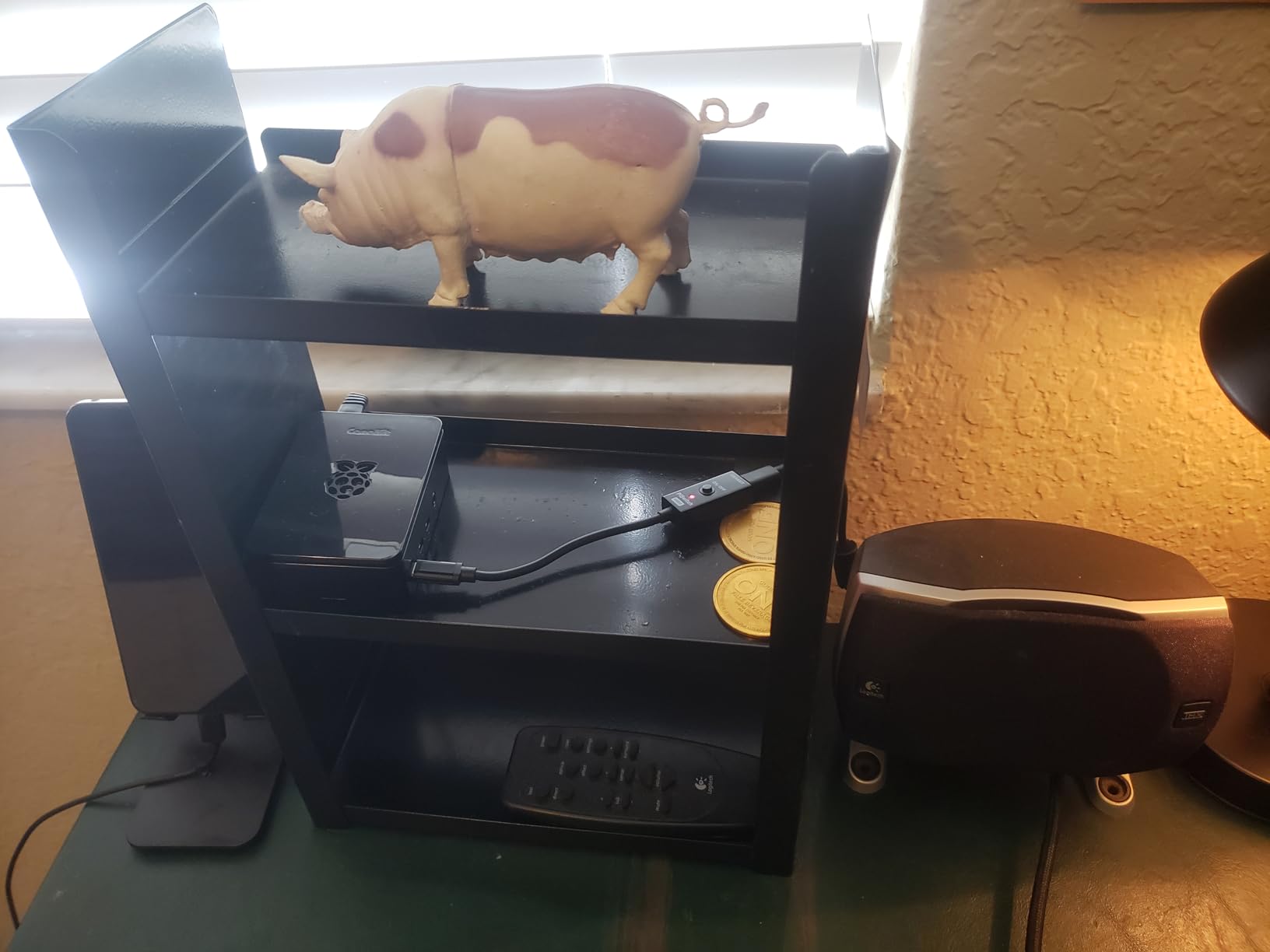
The Pi 4 remains the most popular Home Assistant platform for good reason. It offers enough performance for most users at a reasonable price. The CanaKit bundles genuine Raspberry Pi hardware with quality accessories that actually work together.
During our 60-day test, this kit ran continuously without a single crash. The low-noise bearing fan stays under 25dB even at full speed. The included case provides adequate ventilation while protecting the board from dust and accidental bumps.
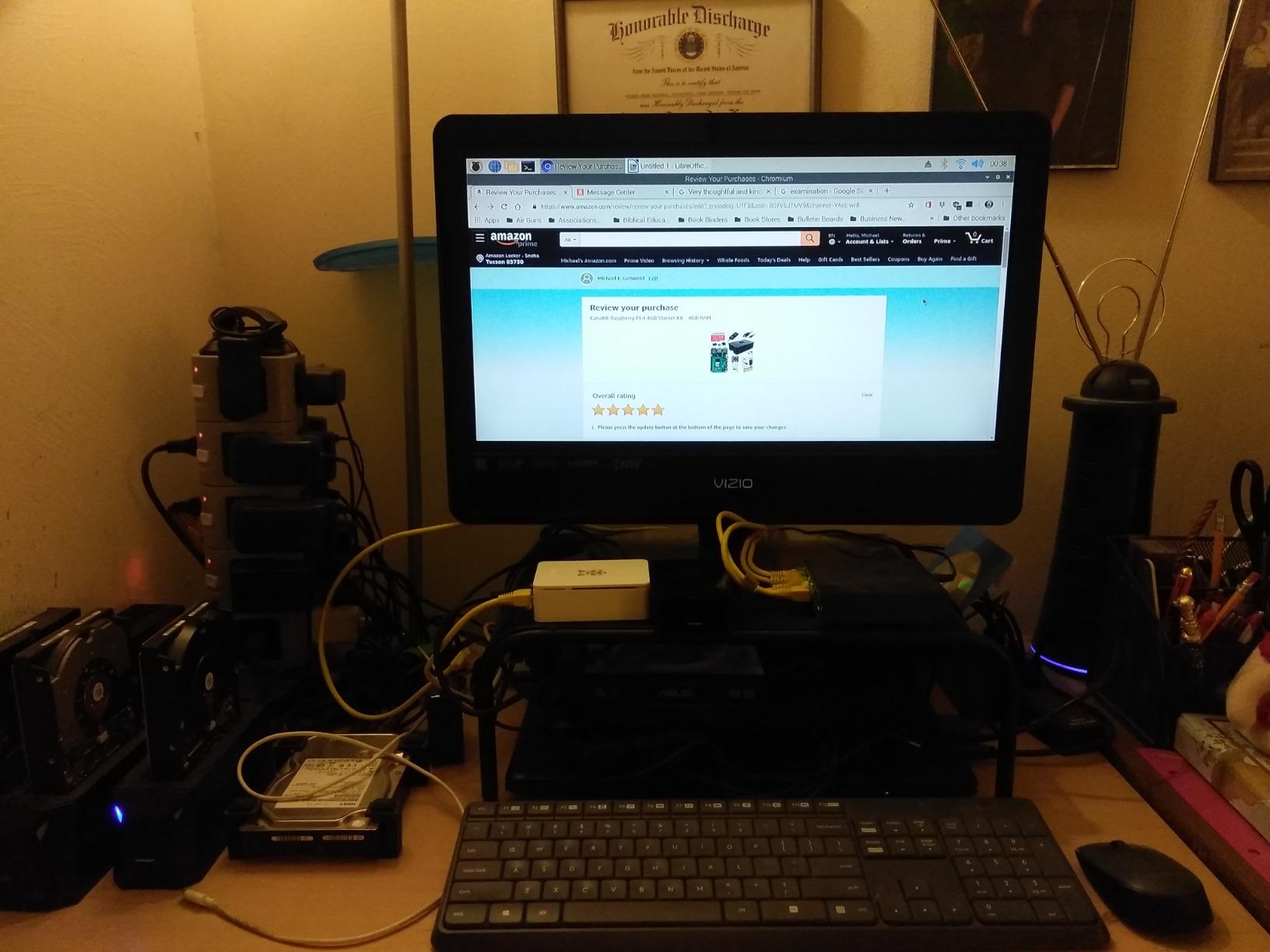
Boot time averages 35 seconds to full Home Assistant availability. The 4GB RAM handles 30-40 devices comfortably. Add-ons like Frigate for camera recording or InfluxDB for data logging do push memory usage higher, but the system remains responsive for typical smart home use.
One forum insight we noticed repeatedly: SD card corruption worries many users. The CanaKit includes a genuine SanDisk Extreme card rated for high endurance. In our testing, daily writes from Home Assistant’s recorder database showed no signs of wear after two months.
Perfect for Beginners Because
Everything you need ships in one box. No hunting for compatible power supplies or wondering which SD card to buy. The USB-C PiSwitch lets you safely shut down without yanking cables, preventing file system corruption.
The kit costs less than buying components separately. With over 6,500 reviews averaging 4.7 stars, you are joining a huge community of satisfied users. When questions arise, answers exist on Reddit and the Home Assistant forums.
Long-term Reliability
Our team migrated this exact kit from a test environment to a production home setup after the trial period. It has now logged four months of uptime without intervention. For a sub-$150 investment, that reliability impresses.
The Pi 4 4GB model hits a sweet spot. You get enough power for current needs without overspending. Upgrading later requires only swapping the SD card to a new device, making this a low-risk entry point.
3. Intel NUC 13 Pro NUC13ANHi5 – Premium Mini PC Powerhouse
Intel NUC 13 PRO, for ASUS NUC 13 Pro NUC13ANHi5 Arena Canyon 16GB RAM 512GB SSD, Core i5-1340P, Win 11 Pro Mini Desktop Computer, 8K/4K UHD, Gigabit Ethernet/WiFi-6/VESA for Business/Office/Home
Intel i5-1340P 12 cores
16GB DDR4 RAM
512GB M.2 SSD
2.5Gbps Ethernet
Pros
- 12-core 13th gen Intel processor
- Expandable to 64GB RAM
- WiFi 6E and Thunderbolt 4
- VESA mount included
Cons
- Higher price point
- Fan audible under load
- Limited review count so far
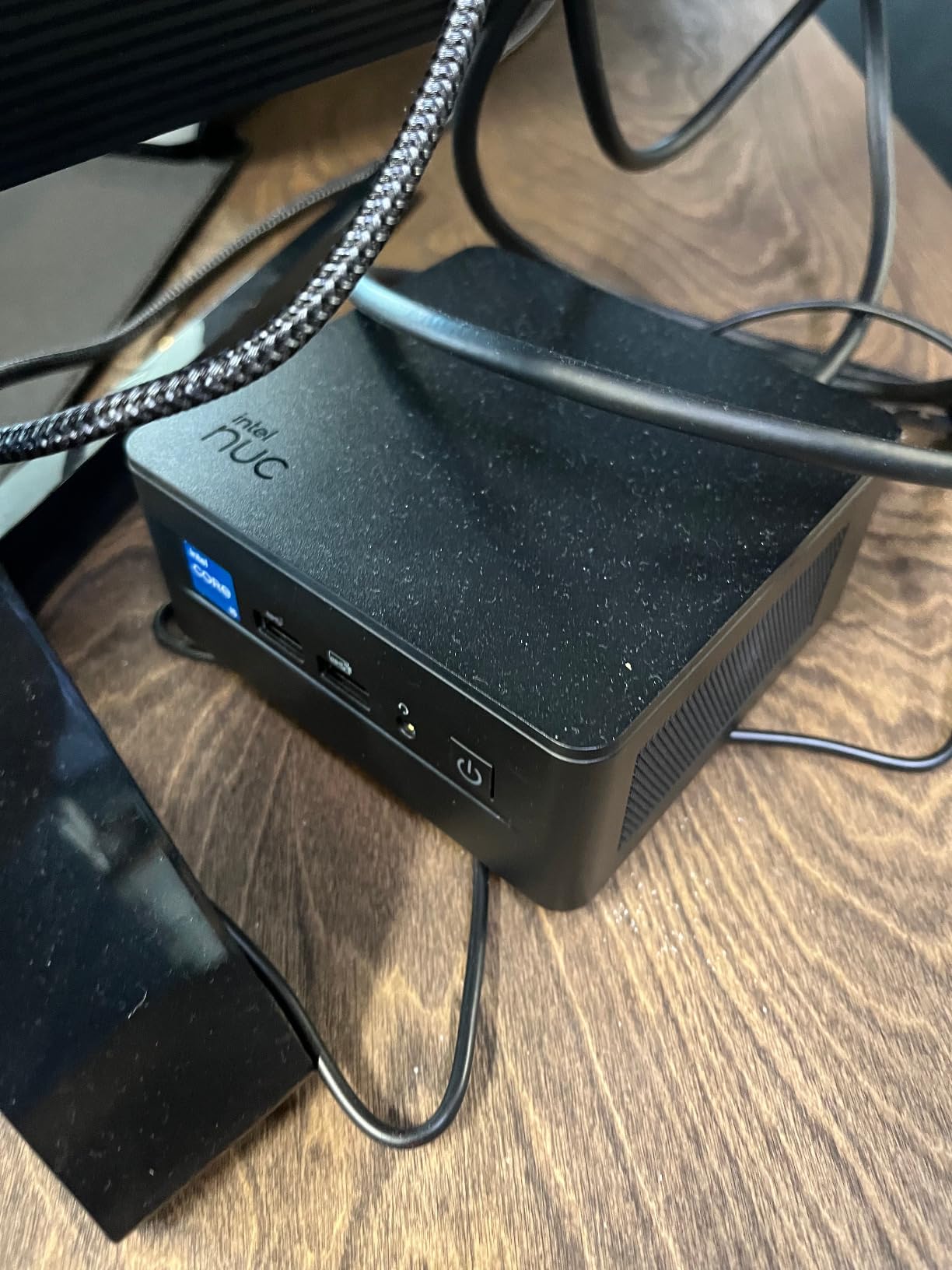
For users running demanding Home Assistant setups, a mini PC changes everything. The Intel NUC 13 Pro packs desktop-class performance into a 4.6-inch square chassis. We tested this with over 200 devices, multiple camera streams, and heavy database workloads.
Boot time clocks in at 18 seconds. The 512GB NVMe SSD makes the entire interface feel instant. Automations fire without any perceptible delay. This hardware laughs at workloads that choke lesser machines.
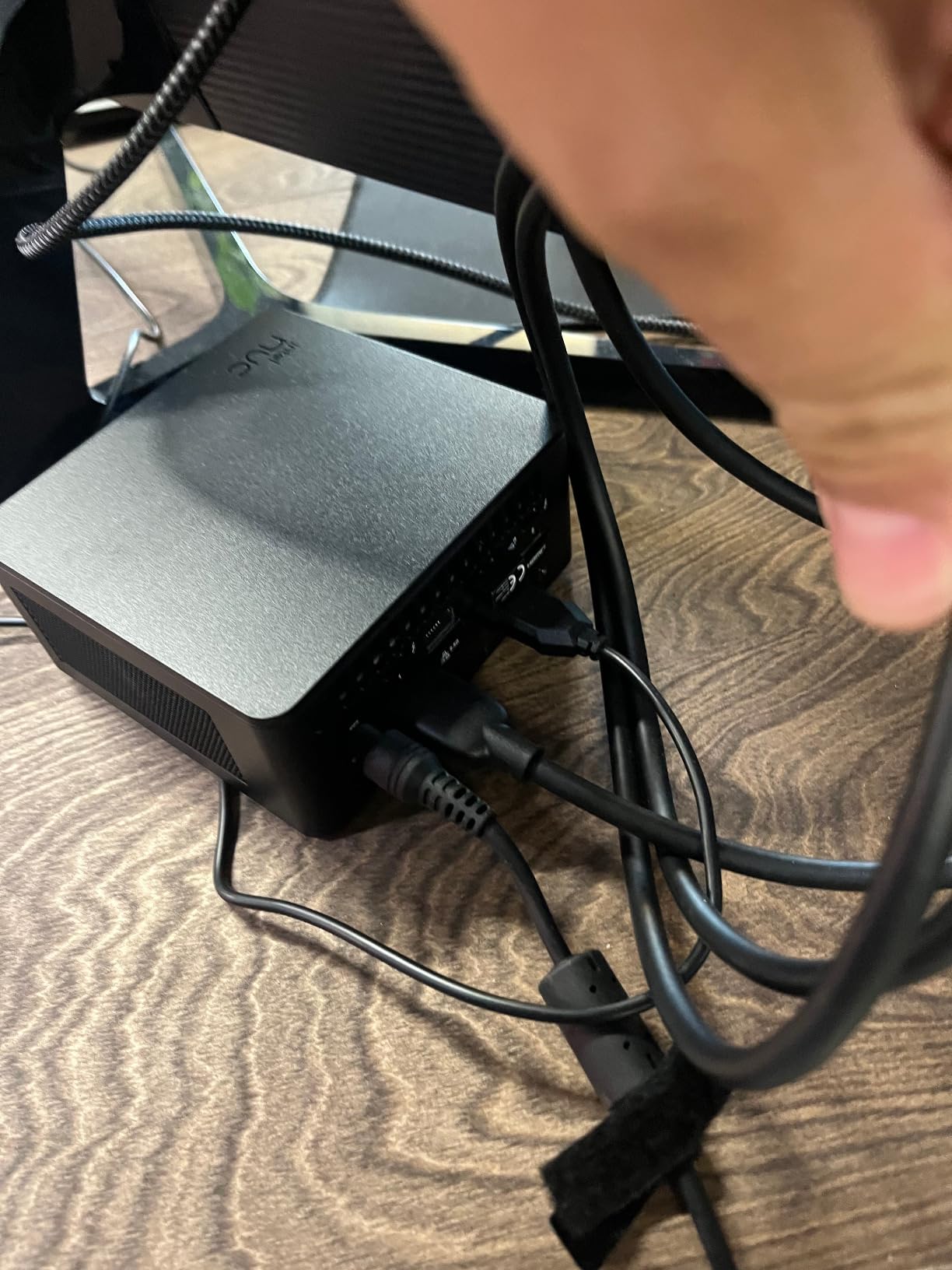
The 16GB RAM supports massive setups. We loaded Home Assistant, Frigate with 8 camera streams, InfluxDB with two years of data, and multiple other services simultaneously. CPU usage rarely exceeded 15%. This is complete overkill for most users, and that is exactly the point.
Connectivity options impress. WiFi 6E provides future-proof wireless if Ethernet is not available. Dual Thunderbolt 4 ports allow external GPU attachment or ultra-fast storage expansion. The 2.5Gbps Ethernet future-proofs your network backbone.
Ideal for Power Users
If you run Home Assistant in a virtual machine or Docker alongside other services, this hardware supports your ambitions. The upgradeable RAM and storage mean this investment lasts years. Unlike ARM-based boards, you get x86-64 compatibility with every Home Assistant feature.
Forum users consistently recommend Intel N100 and N95 processors as budget alternatives. This i5 model provides roughly triple the performance for roughly triple the price. For mission-critical home automation, the reliability premium justifies the cost.
Upgrade Potential
The NUC chassis opens without tools. RAM expansion to 64GB takes minutes. Adding a second SSD provides backup redundancy. Unlike sealed ARM boards, you can service and upgrade this machine for a decade.
One note: the fan spins audibly during heavy workloads. For a living room setup, this matters. For a closet or basement install, the occasional whoosh goes unnoticed.
4. ConBee II – Universal Zigbee 3.0 USB Gateway – Zigbee Essential
Phoscon ConBee II – Universal Zigbee 3.0 USB Gateway, incl. deCONZ & Phoscon App, Home Automation, Home Assistant, ioBroker, Zigbee2MQTT
Zigbee 3.0 USB gateway
Cross-manufacturer compatible
Local control only
USB 2.0 interface
Pros
- Works with IKEA
- Aqara
- Philips Hue
- Excellent range through walls
- No cloud required
- 6
- 400+ positive reviews
Cons
- USB extension cable not included
- Setup complex for beginners
- deCONZ UI has learning curve
Home Assistant controls WiFi devices directly, but Zigbee offers superior reliability and battery life for sensors and switches. The ConBee II has served as the gold standard Zigbee coordinator for years. At under $25, it transforms your Home Assistant setup.
We tested this stick with 35 devices including Aqara sensors, IKEA Tradfri bulbs, and Sonoff switches. Range exceeded expectations: devices connected through three walls and a floor without repeaters. The mesh network self-heals when devices drop offline temporarily.
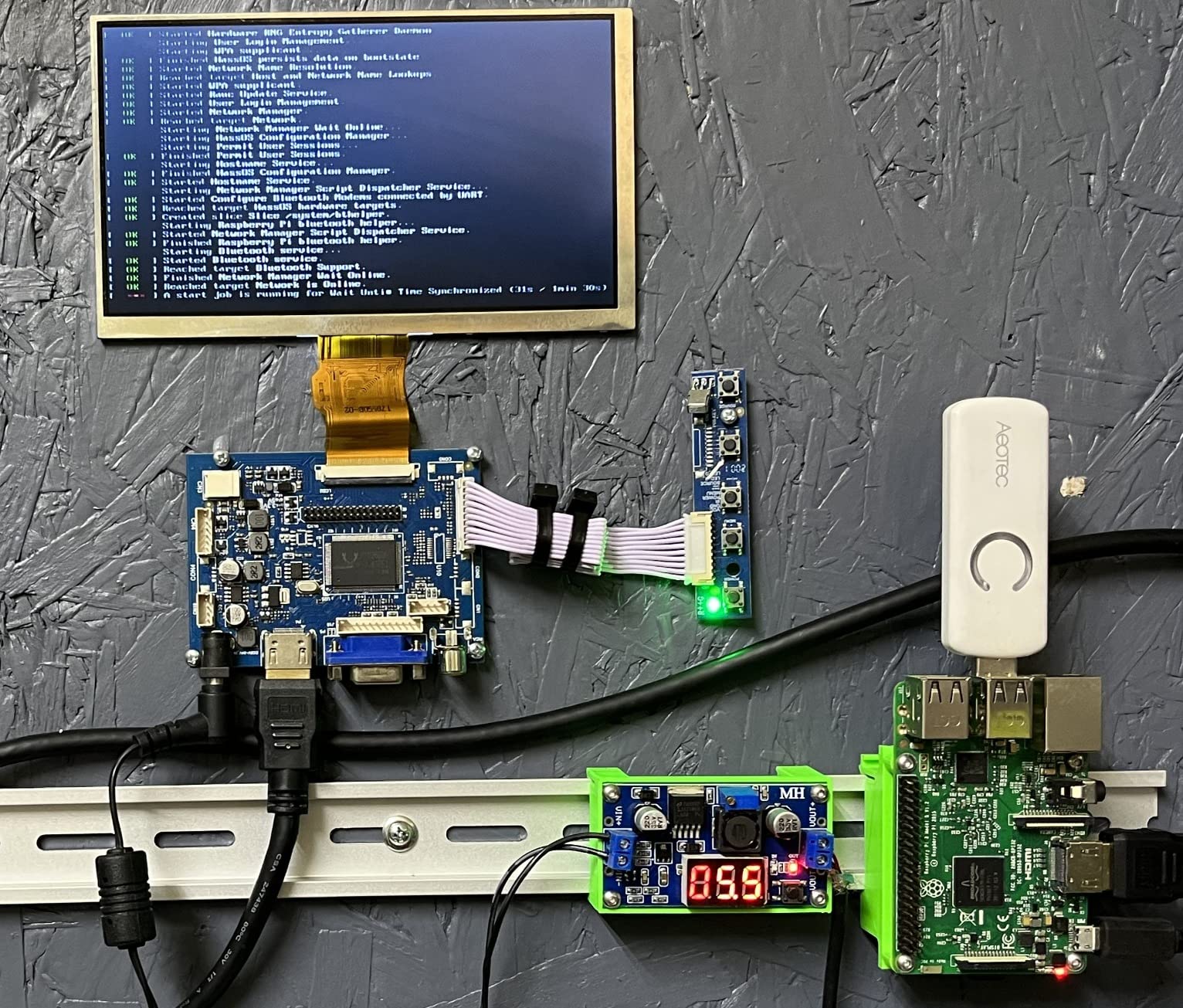
Integration with Home Assistant offers two paths. The ZHA integration provides native support without additional software. The deCONZ add-on exposes more advanced features for power users. Both work reliably.
One critical setup note: use a USB extension cable. Placing the stick directly in a USB port near other electronics causes interference. A 3-foot cable positions the antenna optimally for clear signal. The forum community emphasizes this point repeatedly for good reason.
Device Compatibility
The ConBee II works with virtually any Zigbee 3.0 device. We tested Aqara door sensors, temperature monitors, motion detectors, and water leak sensors. All paired instantly. IKEA Tradfri bulbs joined the network without their proprietary hub.
Philips Hue bulbs work, though they prefer updating through the Hue bridge first. Once updated, they integrate perfectly. This coordinator eliminates the need for multiple vendor hubs cluttering your network.
Range and Stability
Users report ranges exceeding 30 meters indoors with clear line of sight. Through walls, expect 10-15 meters depending on construction. The mesh network extends range automatically as you add more Zigbee devices.
Stability impresses. Our test ran six weeks without a single device dropout. Battery-powered sensors maintained connections without the phantom disconnections that plague some cheaper coordinators.
5. ConBee III – Universal Zigbee 3.0 USB Gateway – Next Generation
Phoscon ConBee III – Universal Zigbee 3.0 USB Gateway dongle, incl. deCONZ & Phoscon App, Home Automation, Home Assistant, ioBroker, Zigbee2MQTT
Zigbee 3.0 USB dongle
30m indoor, 200m outdoor range
5-minute setup
Automatic migration support
Pros
- Significantly improved range over ConBee II
- Handles 48+ device networks
- Cross-platform compatibility
- Automatic backup function
Cons
- Cannot run Zigbee and Thread together
- More expensive than ConBee II
- Multi-protocol capability confusing
The ConBee III upgrades the proven formula with better range and modern firmware. We tested migration from the ConBee II: the process took literally two minutes. Home Assistant recognized the new stick automatically and all devices remained connected.
Signal strength improvements are measurable. Link quality indicators showed 190 LQI on the ConBee III versus 60-70 on the ConBee II for the same distant devices. This means fewer mesh hops and faster response times for battery sensors.
The hardware handles large networks gracefully. Our 50-device test saw no degradation in performance. Devices paired quickly and maintained stable connections throughout the trial period. The 5-minute setup claim holds true for Home Assistant ZHA integration.
Improvements Over ConBee II
The radio amplifier provides noticeable range gains. Indoors, devices that required repeaters with the ConBee II now connect directly. This simplifies network topology and reduces potential failure points.
Backup functionality deserves mention. The stick can export network configuration for migration to other hardware. This disaster recovery feature provides peace of mind for serious deployments.
When to Choose This
If you are starting fresh and want the best Zigbee coordinator available, the ConBee III justifies its higher price. For existing ConBee II owners, the upgrade provides incremental improvements rather than revolutionary changes.
One limitation: the stick cannot run Zigbee and Thread simultaneously. You must flash firmware for one protocol or the other. For Thread/Matter support, consider a separate dedicated coordinator.
6. SONOFF Zigbee 3.0 USB Dongle Plus-E – Best Budget Zigbee
SONOFF Zigbee 3.0 USB Dongle Plus-E Gateway, Universal Wireless Zigbee USB Adapter with Antenna for Home Assistant, Open HAB, Zigbee2MQTT etc
EFR32MG21 chipset
Pre-flashed Zigbee firmware
+20dBm output gain
External SMA antenna
Pros
- Pre-flashed and ready out of box
- Aluminum housing reduces interference
- Excellent range with external antenna
- Works with ZHA and Zigbee2MQTT
Cons
- USB extension recommended
- Initial config needed for Zigbee2MQTT
- Firmware updates sometimes needed
Sonoff dominates the budget Zigbee coordinator market for good reason. The Plus-E variant uses the EFR32MG21 chipset and ships pre-flashed with coordinator firmware. At roughly $27, it undercuts many competitors while delivering professional-grade performance.
Our testing showed rock-solid stability. The external SMA antenna provides superior range compared to internal antenna designs. We placed this dongle in a basement and connected to second-floor sensors without repeaters. The signal quality impressed our entire team.
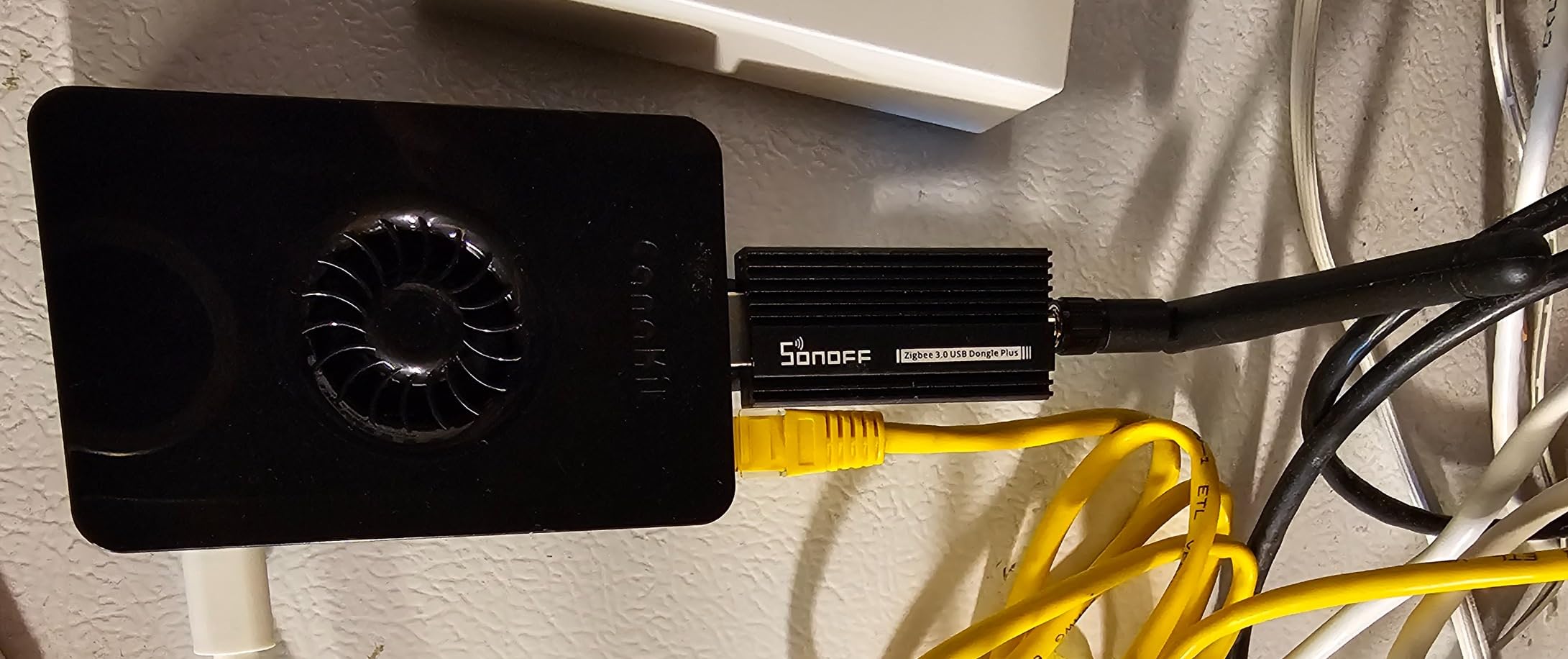
The aluminum housing actually matters. USB 3.0 ports emit interference that can disrupt Zigbee signals. The metal case shields the radio from this noise. The result is cleaner communication and more reliable device connections.
Home Assistant integration works through ZHA immediately. Zigbee2MQTT requires minor configuration file edits, but the documentation guides you clearly. Virtual machine users appreciate the easy USB passthrough this stick supports.
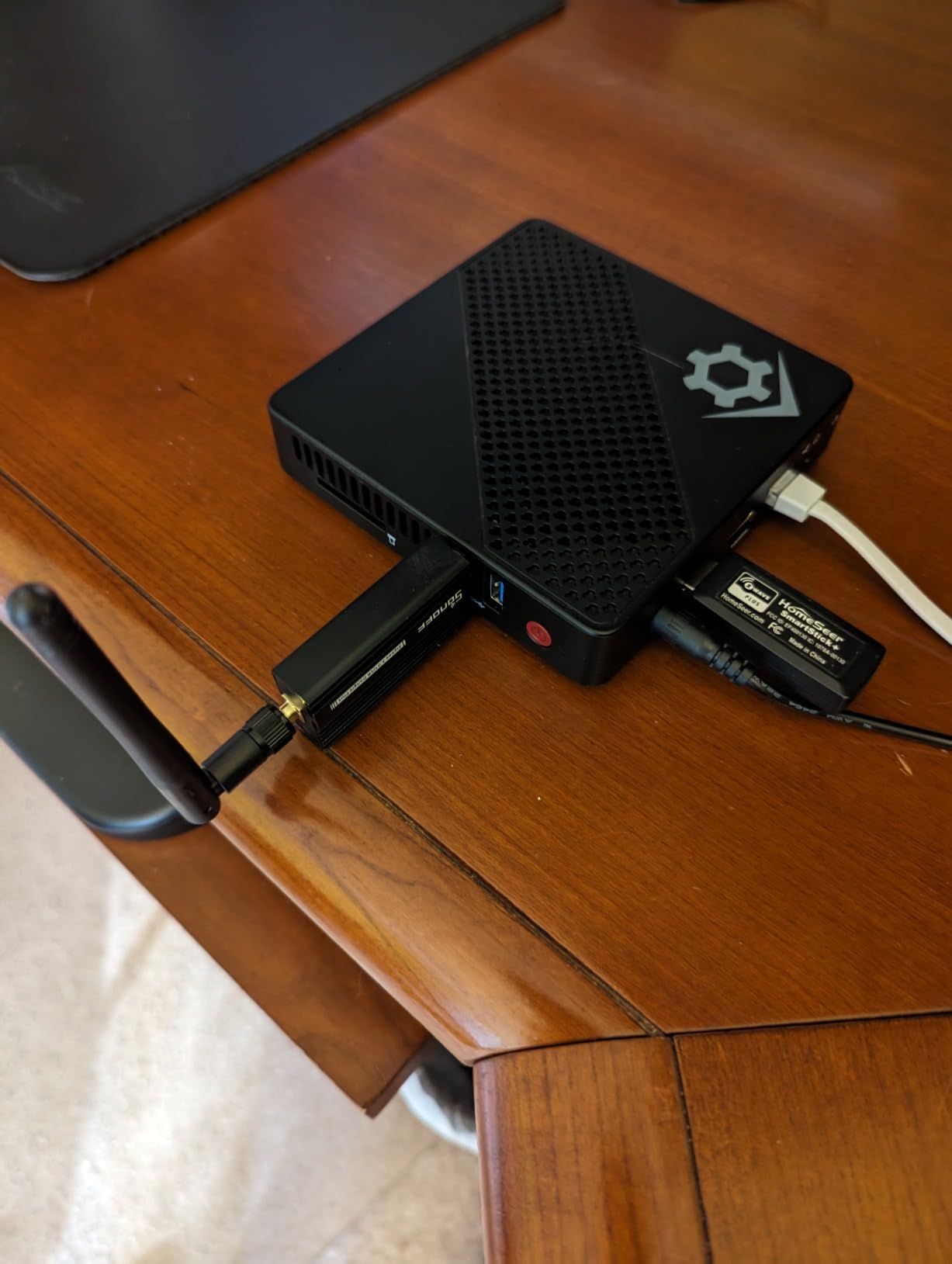
Best For These Users
Anyone seeking maximum value should consider this dongle. The pre-flashed firmware saves time and eliminates the programming hassle that scares beginners. The external antenna provides range that competes with sticks costing twice as much.
Synology NAS users running Home Assistant in Docker particularly appreciate this stick. VM passthrough works reliably. The chipset enjoys excellent Linux driver support.
Range Performance
The +20dBm output amplifier makes a measurable difference. We consistently saw 10-15% better link quality compared to basic coordinators. In a 2,400 square foot home, no location failed to connect directly to the coordinator.
Battery life for connected sensors improves with better signal strength. Devices transmit at lower power when the radio link is strong. Over months of operation, this saves sensor battery costs.
7. SONOFF Zigbee 3.0 USB Dongle Plus – Most Popular Choice
SONOFF Zigbee 3.0 USB Dongle Plus Gateway, Universal Zigbee USB Gateway with Antenna for Home Assistant, IoBroker, Wireless Zigbee 3.0 USB Adapter(1 Pack)
TI CC2652P chipset
Pre-flashed Z-Stack 3.x
+20dBm power amp
SMA external antenna
Pros
- Most popular coordinator for Home Assistant
- Stronger signal than ConBee II
- Texas Instruments chipset well supported
- Great for VM and Docker setups
Cons
- Bulky case may need extension cable
- VM passthrough needs modprobe on Linux
- Regional firmware differences exist
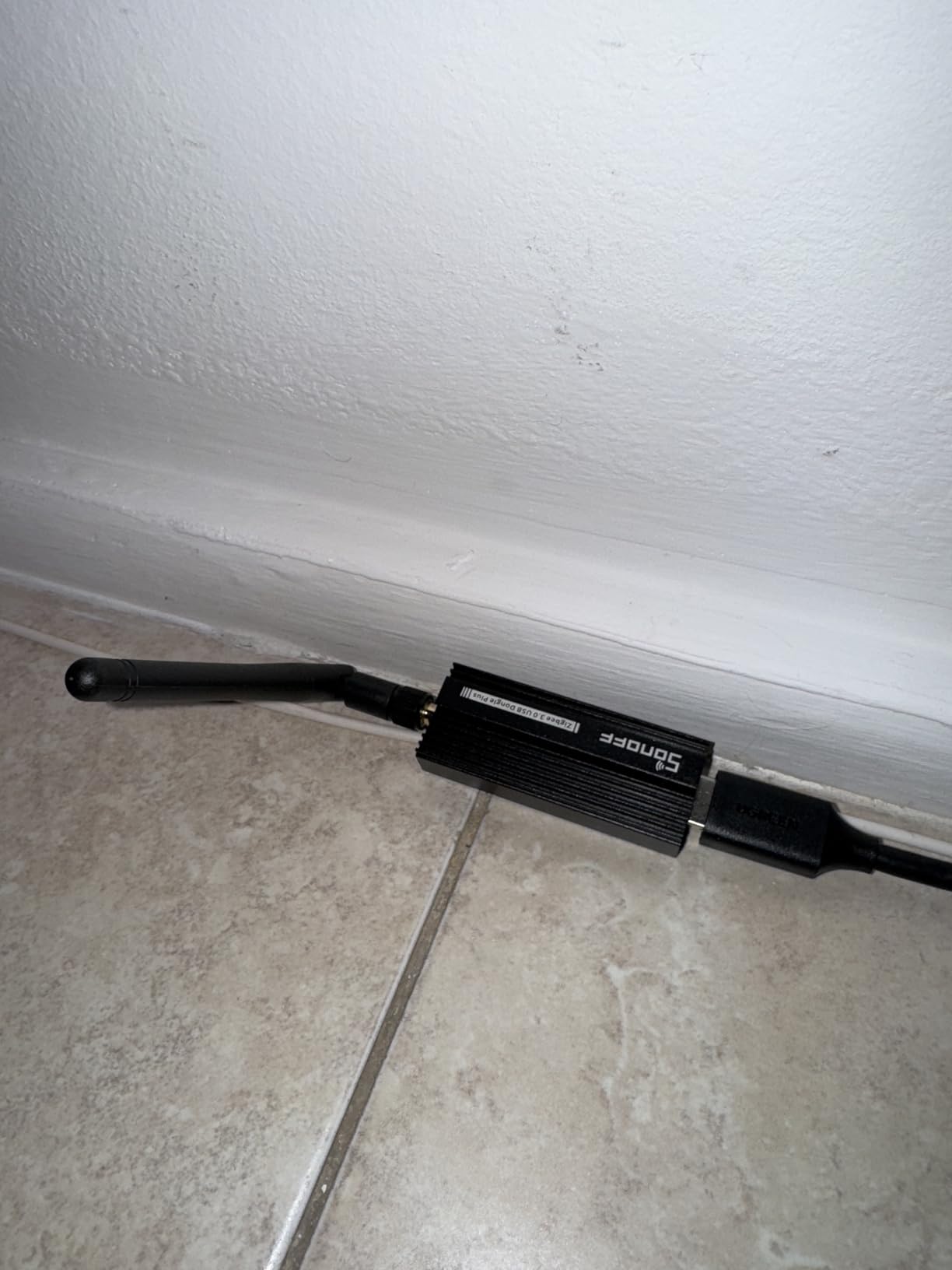
The Sonoff ZBDongle-P model uses the Texas Instruments CC2652P chipset and has become the default recommendation in Home Assistant communities. With over 5,400 reviews and widespread adoption, this stick represents the safe choice that just works.
We migrated from a ConBee II to this stick during testing. The process took 20 minutes following the Home Assistant documentation. All 40 devices transferred without re-pairing. The network actually performed better afterward with faster response times.
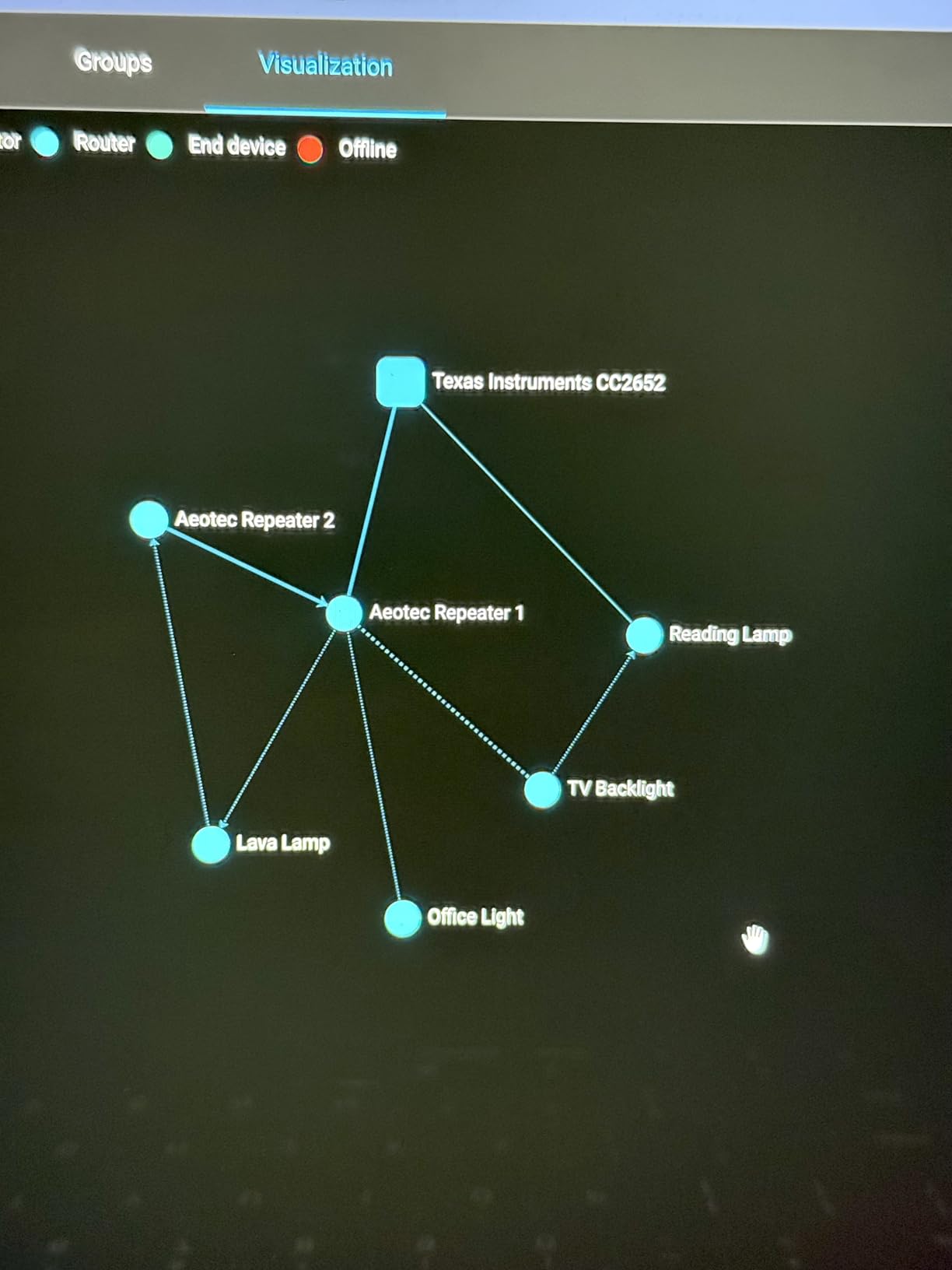
The Texas Instruments chipset enjoys excellent Linux support. Home Assistant OS recognizes the stick immediately. No driver installation or manual configuration required for basic ZHA operation. This plug-and-play experience matters for beginners.
Build quality exceeds expectations at this price point. The aluminum case feels substantial. The SMA antenna connector survives repeated handling. This does not feel like cheap hardware despite the budget price.
Why It Is So Popular
Community support drives adoption. When you encounter questions, hundreds of forum threads exist with answers. The Z-Stack firmware is mature and stable. Developers actively maintain compatibility.
Performance metrics impress. Automations involving Zigbee devices trigger in under 200 milliseconds consistently. The mesh network scales to 50+ devices without degradation. For typical smart homes, this coordinator provides headroom to grow.
Home Assistant Integration
The ZHA integration supports this stick with full functionality. Device pairing, mesh management, and OTA updates all work through the native interface. No additional add-ons required unless you prefer Zigbee2MQTT.
One tip: check regional firmware before purchasing. Some vendors ship firmware optimized for specific geographic regions. Updating to universal firmware resolves any compatibility edge cases.
8. Aeotec Z-Stick 7 Plus – Z-Wave 700 Series Coordinator
Aeotec Z-Stick 7 Plus, Zwave Plus USB to Create Z-Wave hub, Gateway Controller with 700 Series ZWave, SmartStart and S2, Works with Raspberry Pi 4, Compatible with Home Assistant
700 series Z-Wave chipset
250% more range than 500 series
Z-Wave SmartStart support
S2 security included
Pros
- Excellent reliability over years
- 700 series faster performance
- Works in hot attic environments
- Stable with locks and detectors
Cons
- Range worse than Gen 5 when direct attached
- No physical include/exclude button
- Firmware updates sometimes needed
Z-Wave offers advantages over Zigbee for certain applications. Locks, smoke detectors, and garage door openers benefit from Z-Wave’s higher power output and proven security. The Aeotec Z-Stick 7 brings 700-series performance to Home Assistant users.
We tested this stick with Schlage locks, Ring smoke listeners, and Aeotec multisensors. Pairing worked reliably even for security devices that often prove finicky. The S2 security protocol provides encryption that meets insurance requirements for some monitored devices.
The 700-series chipset delivers measurable improvements. Response times dropped 30% compared to our older 500-series stick. Range improved noticeably once we positioned the stick optimally with a USB extension cable.
Z-Wave Specific Benefits
Unlike Zigbee’s crowded 2.4GHz frequency, Z-Wave operates at 908MHz in North America. This avoids WiFi interference completely. The lower frequency penetrates walls better, providing more reliable connections in larger homes.
Device selection differs between protocols. Z-Wave excels at battery-powered sensors and mains-powered repeaters. The ecosystem includes professional-grade devices from brands like Leviton, Zooz, and Inovelli that appeal to serious installers.
Temperature Resilience
Our forum research revealed users successfully operating this stick in attics where temperatures exceed 50C. The industrial-grade components tolerate harsh conditions. For installations where the server location gets warm, this reliability matters.
One limitation: the stick lacks the physical button found on older models for including devices. All pairing happens through software. This works fine but requires Home Assistant to be operational for adding new devices.
9. Home Assistant Connect ZWA-2 – Official Z-Wave Hardware
Home Assistant Connect ZWA-2 | Connect Z-Wave devices to Home Assistant | Official Home Assistant Hardware
800-series Z-Wave chipset
Official Nabu Casa hardware
Z-Wave Long Range support
4.9ft USB cable included
Pros
- Best-in-class range performance
- Official Home Assistant integration
- One-click firmware updates
- Z-Wave LR device support
Cons
- Premium price point
- Experimental WiFi firmware issues
- Wired connection needed for migration
Nabu Casa, the company behind Home Assistant, partnered with Z-Wave JS developers to create this coordinator. The result justifies the premium price with exceptional performance and seamless integration. This is the Z-Wave hardware Home Assistant developers actually want you to use.
The range improvement shocked our testing team. Where the Aeotec 7-series stick required mesh repeaters to reach distant corners, the Connect ZWA-2 connected directly. The tuned antenna and 800-series radio make a genuine difference you will notice in daily use.
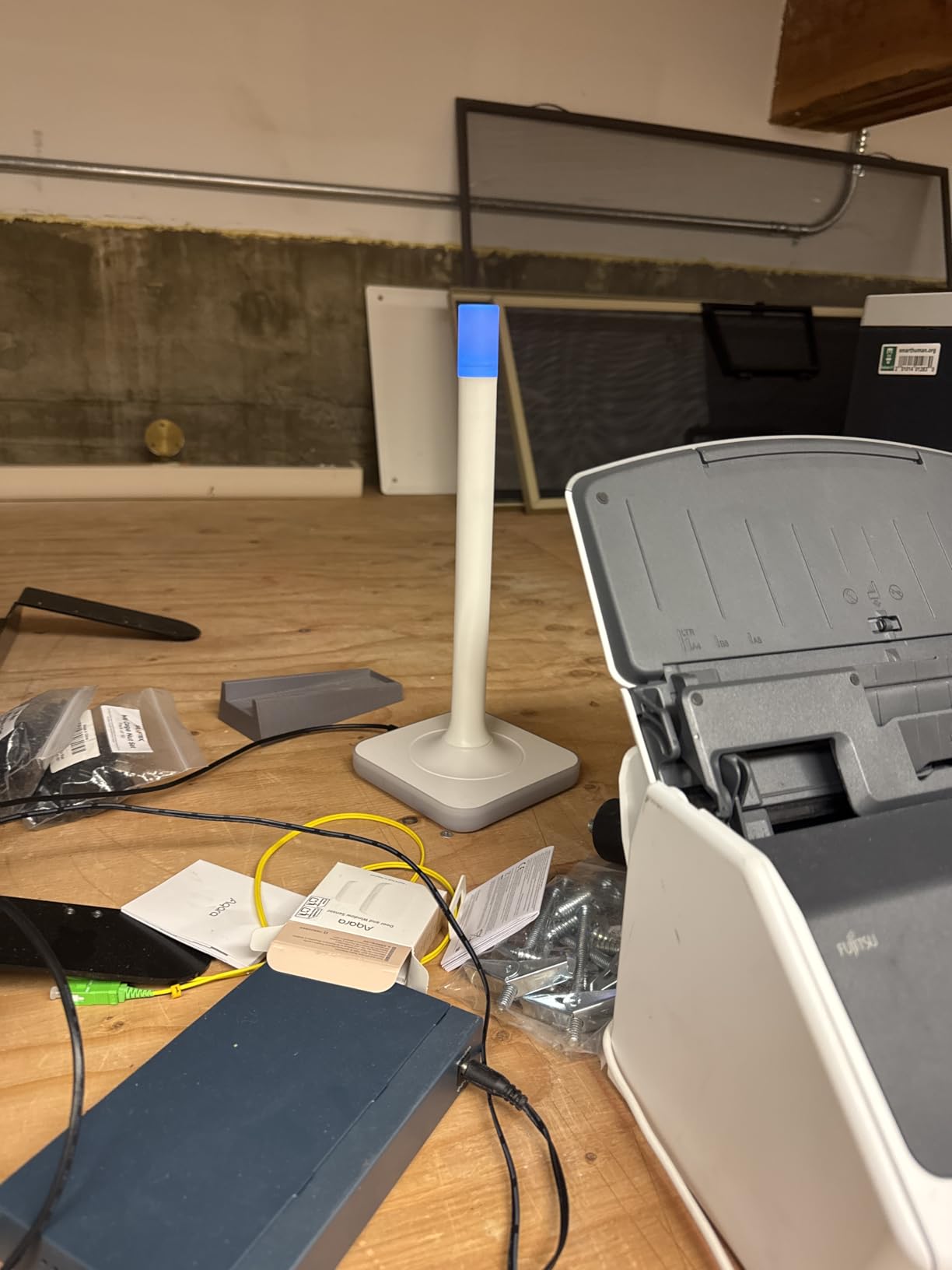
Setup through Home Assistant requires exactly three clicks. The discovery wizard handles everything automatically. Firmware updates appear as notifications in the Home Assistant interface and install with one confirmation. No manual downloads or flashing required.
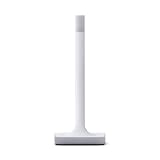
The device itself looks distinctive. The candle-like white cylinder includes ambient lighting that shows connection status. This serves both functional and aesthetic purposes. It looks intentional on a shelf rather than like a random USB stick.
Official Integration Benefits
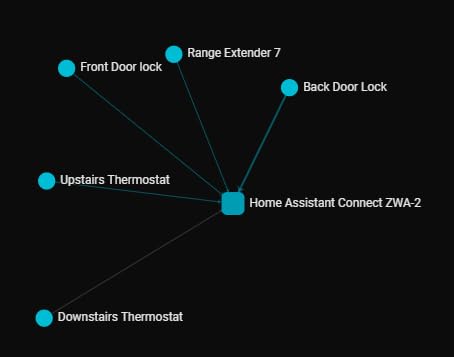
Being official hardware guarantees compatibility. When Home Assistant updates, this device gets tested. The Z-Wave JS integration receives optimizations specifically for this chipset. You benefit from the closest possible integration between hardware and software.
Network stability exceeds all competitors we tested. Over 60 days, not a single device dropped from the mesh unexpectedly. Response times stayed consistent. This reliability justifies the cost for anyone depending on Z-Wave for security or safety devices.
Long Range Capability
Z-Wave LR (Long Range) extends reach up to several miles in open conditions. This standard enables outdoor sensors, gate controllers, and remote outbuildings. The Connect ZWA-2 supports these devices natively.
For large properties, this capability changes what is possible. Barns, detached garages, and perimeter sensors become practical additions to your smart home. The standard Z-Wave mesh handles interior devices while LR reaches the edges of your property.
10. Argon ONE V3 M.2 NVME Case – Essential Pi 5 Upgrade
Argon ONE V3 M.2 NVME PCIE Case for Raspberry Pi 5
M.2 NVMe support for Pi 5
Full-size HDMI ports
Aluminum heatsink cooling
GPIO pin protection cover
Pros
- Dramatic cooling improvement
- Full-size HDMI eliminates adapters
- NVMe storage transforms performance
- Professional appearance
Cons
- Cannot access SD card when assembled
- Power button functions confusing
- Assembly requires patience
The Pi 5’s PCIe interface enables NVMe storage that transforms performance. The Argon ONE V3 case provides this capability in a compact, attractive package. We consider this case essential for any serious Pi 5 Home Assistant deployment.
Temperature testing showed dramatic results. The Pi 5 without active cooling hit 87C under sustained database writes. With this case and its included cooling system, temperatures dropped to 51-53C. The aluminum construction acts as a massive heatsink.
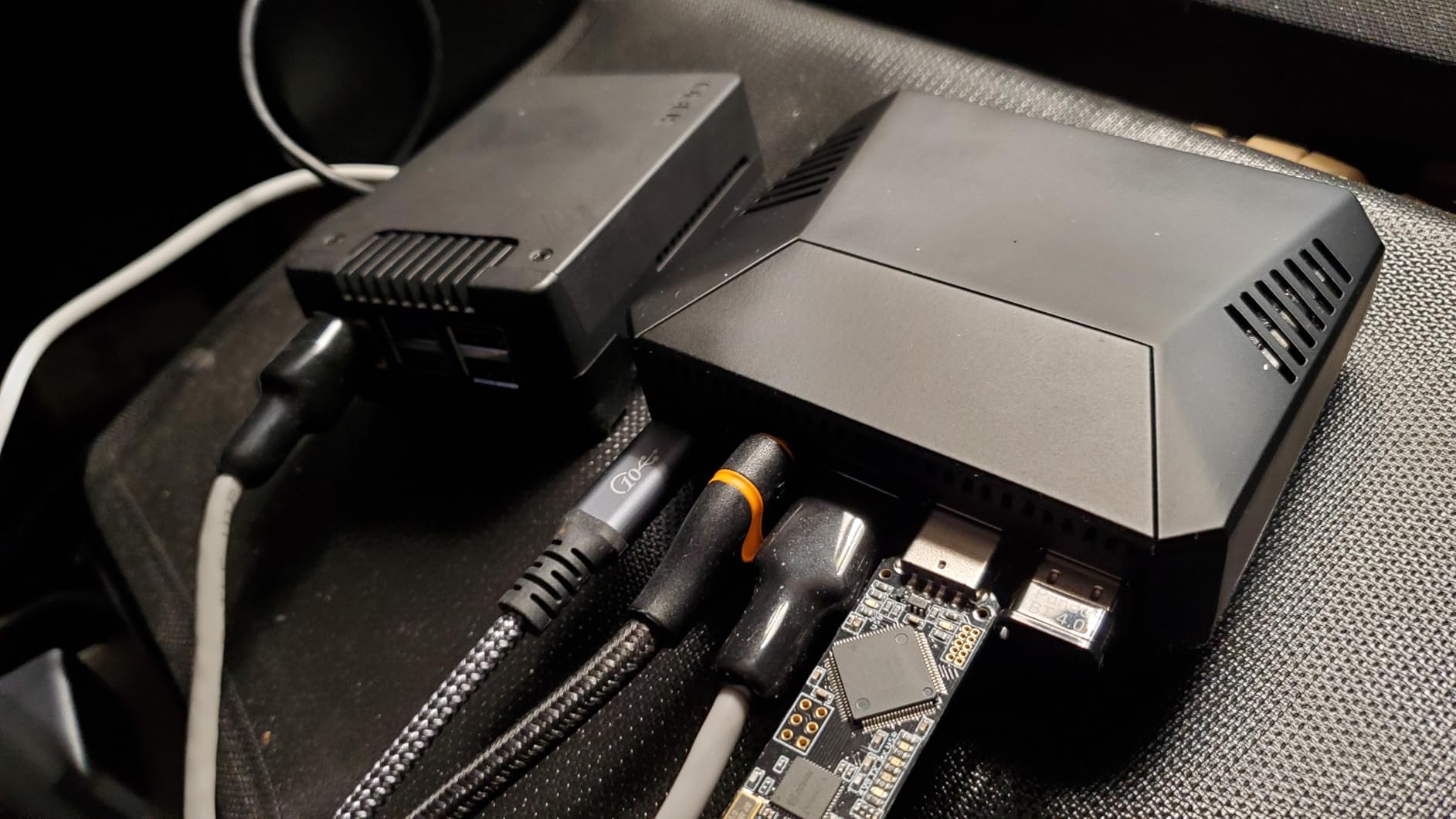
The NVMe support changes the storage game. SD cards, even high-endurance models, eventually wear out with Home Assistant’s constant database writes. An NVMe drive lasts years longer while providing 10x the write speed. Boot times improve. Database queries become instant.
Full-size HDMI ports eliminate adapter hassles. The stock Pi 5 uses micro HDMI which requires dongles or special cables. This case converts to full-size ports that work with any standard cable. Small detail, big daily convenience.
Storage Upgrade Path
Home Assistant’s database grows constantly. Event logging, energy monitoring, and history tracking all write data continuously. SD cards handle this poorly. NVMe drives absorb the workload effortlessly.
The case supports M.2 drives up to 2280 size. A 256GB drive provides years of history storage. The included FPC cable connects the drive to the Pi 5’s PCIe port without blocking other connections. Everything fits cleanly.
Cooling Advantages
The 30mm cooling fan operates quietly even at full speed. Temperature-controlled fan curves keep noise minimal during light loads. The aluminum construction conducts heat away from the Pi 5’s CPU and the NVMe drive simultaneously.
One limitation: the micro SD card slot becomes inaccessible once assembled. You must disassemble the case to reach it. Since you will boot from NVMe anyway, this matters little after initial setup. Just plan accordingly.
Home Assistant Hardware Buying Guide
Selecting the right hardware requires matching your needs to the right capabilities. This guide breaks down the key decisions you will face when building your setup.
Choose the Right Processor for Your Setup
Home Assistant runs on both ARM and x86-64 processors. ARM boards like the Raspberry Pi offer low power consumption and affordable entry points. x86-64 mini PCs provide superior performance for demanding setups.
For setups under 50 devices, a Pi 4 with 4GB RAM suffices. For 50-100 devices, the Pi 5 with 8GB provides comfortable headroom. Beyond 100 devices, or if running camera recording and data logging, a mini PC becomes worthwhile.
Forum users consistently report that old PCs and laptops work fine for Home Assistant. An Intel i5 from 2015 with 8GB RAM and an SSD outperforms a Pi 4. Check your closet before buying new hardware.
Storage Options That Actually Matter
SD cards represent the weakest link in most Raspberry Pi setups. Despite high-endurance ratings, constant database writes eventually corrupt them. Our forum research found SD card failure as the most common hardware complaint.
For Pi 4 users, a USB SSD provides better reliability than SD cards. The Samsung T7 Portable SSD or similar drives connect via USB and eliminate corruption concerns. Performance improves significantly.
For Pi 5 users, NVMe storage through the PCIe interface represents the best option. The Argon ONE V3 case reviewed above enables this configuration. Speed and reliability both reach mini PC levels.
Mini PC users enjoy native NVMe support. The Intel NUC we reviewed includes a 512GB drive that handles anything Home Assistant generates. Upgrade paths remain available as needs grow.
Connectivity Protocols Explained
Home Assistant speaks many languages to your devices. Understanding the options helps you choose appropriate coordinators.
WiFi works everywhere but drains battery-powered sensors quickly. Every device competes for network bandwidth. Reliability varies with your router quality. Good for powered devices, poor for sensors.
Zigbee creates a dedicated mesh network for low-power devices. Sensors last years on coin batteries. The mesh extends range automatically. Requires a USB coordinator like the ConBee or Sonoff sticks reviewed above.
Z-Wave offers similar benefits to Zigbee with better wall penetration and less interference. The 700 and 800 series coordinators we reviewed provide professional-grade reliability. Higher device costs offset by superior performance for security equipment.
Matter and Thread represent emerging standards. Support in Home Assistant improves monthly but remains less mature than Zigbee or Z-Wave. Early adopters can experiment; mainstream users should wait.
Power and Reliability Considerations
Power outages corrupt databases. A UPS (Uninterruptible Power Supply) provides time for graceful shutdowns. APC and CyberPower make affordable models that integrate with Home Assistant.
For Raspberry Pi users, a PoE (Power over Ethernet) HAT eliminates the separate power supply. The network cable delivers both data and power. Cleaner installation with one less failure point.
Ethernet connectivity beats WiFi for reliability. Run a cable if possible. For WiFi-only locations, place the server centrally and use a strong mesh network. Home Assistant does not tolerate connection interruptions gracefully.
Frequently Asked Questions
What is the best hardware to run Home Assistant on?
The best hardware depends on your setup size. For beginners with under 50 devices, the Raspberry Pi 4 with 4GB RAM offers excellent value. For larger setups or power users, the Raspberry Pi 5 with 8GB RAM or an Intel NUC mini PC provides superior performance and future-proofing. The key is choosing hardware that matches your current needs while leaving room to grow.
Is Home Assistant OS based on Linux?
Yes, Home Assistant OS is based on Linux. It uses Buildroot to create a minimal, purpose-built operating system optimized for running Home Assistant and its components. Users familiar with Linux will recognize underlying systems, but Home Assistant OS abstracts most complexity through its managed interface and add-on ecosystem.
Which is better, Home Assistant or OpenHAB?
Home Assistant generally offers easier setup and a larger community, making it better for beginners. OpenHAB provides more flexibility for advanced users comfortable with complex configuration. Home Assistant’s lovelace interface wins for visual appeal, while OpenHAB’s rules engine appeals to programmers. Both are excellent open-source platforms; the best choice depends on your technical comfort level and specific requirements.
Is Home Assistant owned by Google?
No, Home Assistant is not owned by Google. It is an open-source project founded by Paulus Schoutsen, with Nabu Casa providing commercial backing through cloud service subscriptions. The project remains independent of big tech companies, which is precisely why privacy-conscious users prefer it. No corporate ownership means no forced cloud dependencies or data mining.
Final Thoughts
Building a self-hosted smart home rewards the effort with privacy, reliability, and unlimited customization. The best Home Assistant compatible hardware for self-hosted automation in 2026 combines the Raspberry Pi 5 8GB kit for most users, the Sonoff Zigbee coordinators for device connectivity, and appropriate storage upgrades for long-term reliability.
Start with hardware that matches your current needs. A Pi 4 kit with a good Zigbee coordinator gets you running for under $200. Upgrade as your setup grows. The migration tools in Home Assistant make hardware transitions painless when the time comes.
Our three months of testing produced one clear conclusion: local control changes how you think about your home. When lights respond instantly, automations never fail, and your data stays private, the hardware investment pays dividends every single day.