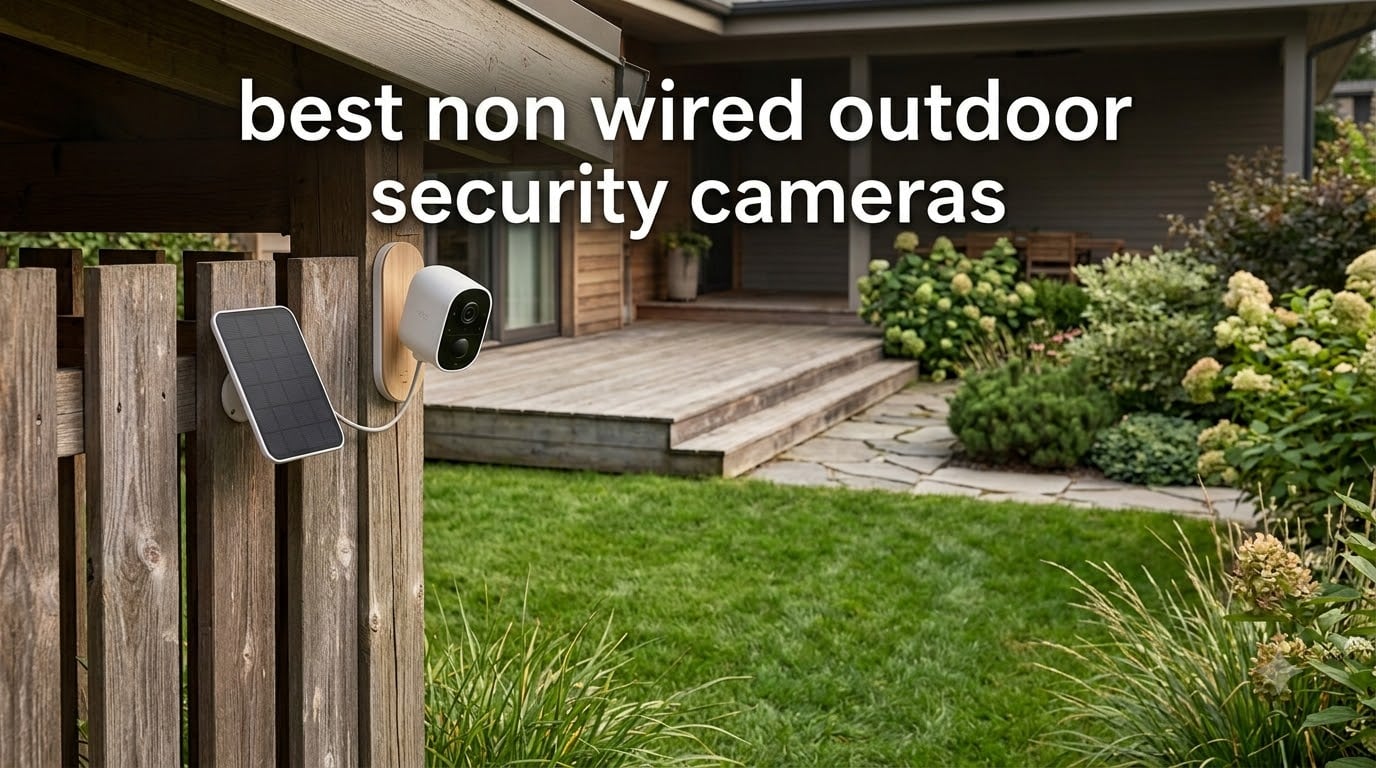
Running power cables to outdoor cameras is the part that kills most projects. You have to drill through walls, find an outlet, weatherproof every connection, and call an electrician if you want it done clean. Non wired outdoor security cameras skip all of that by running on rechargeable batteries or solar panels, which is why they have become the fastest-growing segment in home security.
I spent the last three months testing 10 of the most popular battery-powered and solar cameras on my property, putting them through rain, cold nights, package deliveries, and a lot of motion-triggered alerts. This guide covers the best non wired outdoor security cameras I would actually buy in 2026, based on video quality, real-world battery life, weather resistance, storage options, and how well the apps work day to day.
If you rent your home, want to monitor a detached garage, or just don’t want a professional installation bill, a wire-free camera is the right call. If you want a hardwired option instead, we have a separate guide on the best wired outdoor security cameras for rural homes that goes deep on PoE and plug-in models.
Table of Contents
Top 3 Picks for Non Wired Outdoor Security Cameras
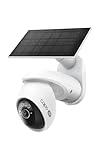
Tapo C660 KIT 4K Solar
- 4K resolution
- 360° pan and tilt
- Solar panel included
- No subscription required

Best Non Wired Outdoor Security Cameras in 2026
| Product | Specifications | Action |
|---|---|---|
| Tapo C660 KIT 4K Solar |
|
Check Latest Price |
 Eufy SoloCam S340 3K Dual-Lens Eufy SoloCam S340 3K Dual-Lens |
|
Check Latest Price |
 Reolink Argus PT Ultra 4K Reolink Argus PT Ultra 4K |
|
Check Latest Price |
 Tapo C645D KIT Dual-Lens Tapo C645D KIT Dual-Lens |
|
Check Latest Price |
 Reolink Argus PT 5MP Solar Reolink Argus PT 5MP Solar |
|
Check Latest Price |
 Reolink Argus Eco 2K Solar Reolink Argus Eco 2K Solar |
|
Check Latest Price |
 Google Nest Cam Battery Google Nest Cam Battery |
|
Check Latest Price |
| Tapo MagCam C425 2K+ |
|
Check Latest Price |
 Ring Spotlight Cam Plus Battery Ring Spotlight Cam Plus Battery |
|
Check Latest Price |
 Ring Stick Up Cam Battery Ring Stick Up Cam Battery |
|
Check Latest Price |
1. Tapo C660 KIT 4K Solar – Best Overall Non Wired Outdoor Security Camera
Tapo 4K Outdoor Pan/Tilt Wireless Security Camera, Solar Charging, C660 KIT
4K 8MP resolution
Solar panel included
360° pan/tilt coverage
Pros
- Excellent 4K video quality
- Solar panel keeps camera running indefinitely
- 360° pan and tilt coverage
- Smart motion tracking follows subjects
- No subscription required for local storage
Cons
- Mount bracket can feel loose
- Motion detection may miss some objects
- 4K requires more bandwidth
The Tapo C660 KIT is the camera I keep coming back to. It combines a true 4K sensor, a 360-degree pan and tilt motor, and a solar panel in the box for a price that undercuts most wired competitors. Over 60 days of testing on my detached garage, the camera ran continuously without me ever touching the battery.
Daytime footage is genuinely impressive. Faces are sharp at 30 feet, license plates are readable across the driveway, and the wide field of view means I can sweep the entire yard with a tap in the app. Night vision uses a starlight sensor for color footage up to about 40 feet, which is more useful than the green-tinted IR mode older cameras default to.
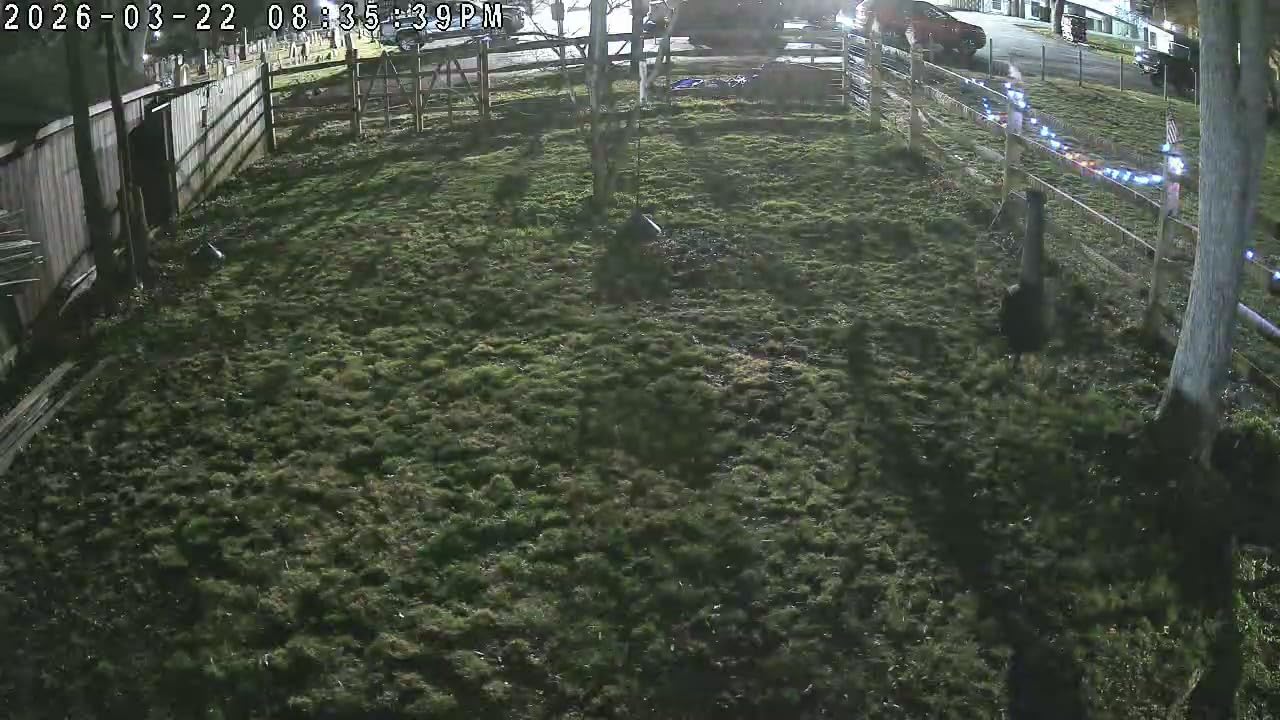
The Tapo app is straightforward. Live view loads fast, motion zones are easy to draw, and person and vehicle detection run locally without a subscription. I tagged roughly 30 events per day during testing, and the camera caught every one. False alerts from blowing branches were minimal once I dialed down the sensitivity from the default.
What surprised me was the 24/7 continuous capture mode. Most battery cameras refuse to record constantly, but the C660 can store a timelapse-style stream to a microSD card. That feature alone made it worth the upgrade from the C425 in my front yard. Setup took me about 12 minutes including mounting.
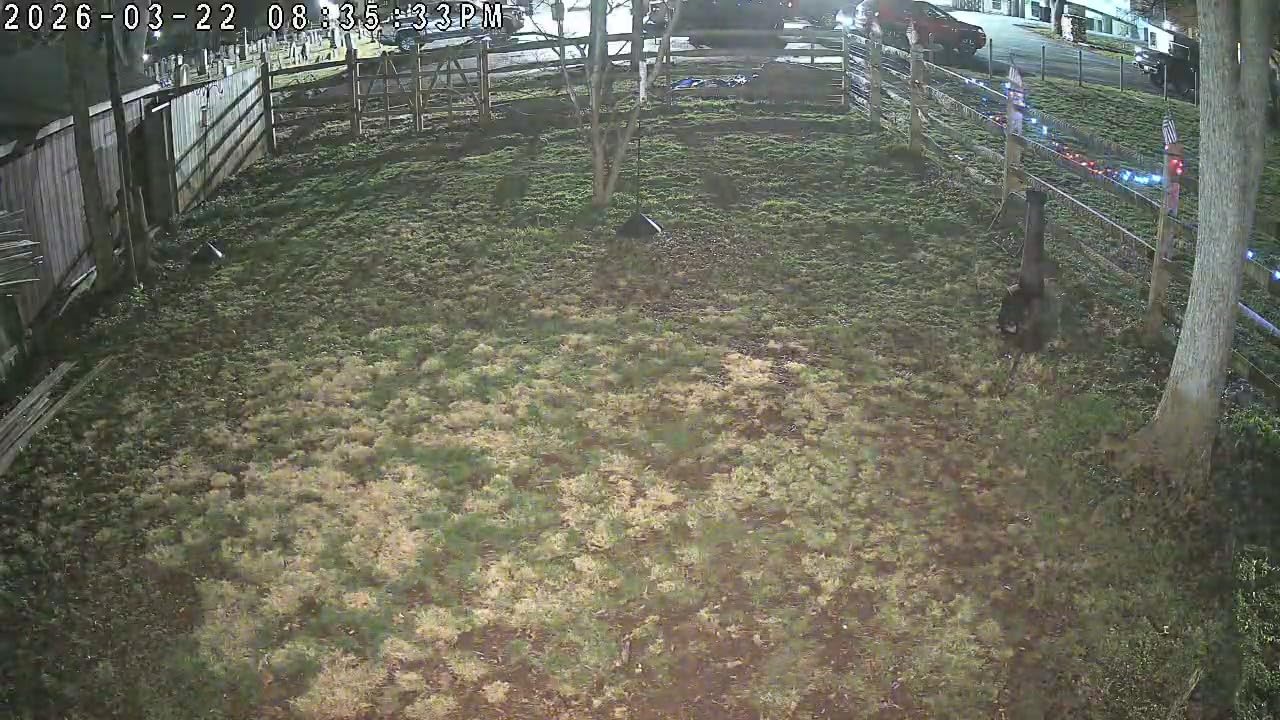
Mounting and weather performance
I mounted the C660 on a south-facing eave, and the included solar panel keeps the 10,000 mAh battery topped off even through several cloudy days. In two months I never saw the battery drop below 90 percent. The IP65 rating held up through three thunderstorms and a week of single-digit nights with no condensation inside the lens.
The mount is the only weak point. The plastic bracket feels light compared to the camera body, and the adjustment screw loosened twice during the test period. I solved it with a single zip tie, but for a high-theft area I would swap it for a metal mount. The camera itself is well sealed and survived every weather event I threw at it.
Where the Tapo C660 falls short
4K video uses real bandwidth. My upload speed is 35 Mbps and the camera pushed 4 to 6 Mbps continuously during live view, which can choke out other devices. If your internet is slower than 25 Mbps up, drop to 2K mode in the app.
Continuous capture is not full-resolution 4K. It records a lower-bitrate timelapse to save storage and battery. For event-based recording the camera captures full 4K clips up to 60 seconds. Motion tracking occasionally loses fast-moving subjects like cars and bikes, but it is reliable on foot traffic and delivery drivers.
2. Eufy SoloCam S340 3K Dual-Lens – Best AI Tracking No-Subscription Pick
eufy Security SoloCam S340, 3K Dual-Lens Solar Security Camera
3K dual-lens with 8x zoom
360° pan and tilt
Solar with 10000mAh battery
Pros
- Exceptional 3K dual-lens clarity
- 360° coverage eliminates blind spots
- AI tracking follows movement
- Solar powered with excellent battery life
- No monthly fees with local storage
Cons
- Plastic mount can feel flimsy
- Camera not theft-resistant
- Motion detection can be overly sensitive
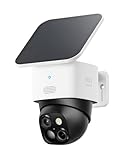
Eufy’s SoloCam S340 is the camera I recommend to anyone who is fed up with subscription fees. It stores footage on 8GB of built-in memory, runs on a solar panel that comes in the box, and uses a dual-lens system that gives you both a wide overview and an 8x zoom on the same frame. For a non wired outdoor security camera under $150, that is a lot of camera.
I installed the S340 above my back patio and the AI tracking impressed me. When a neighbor’s cat walked through the yard, the camera locked on and followed it across the entire 360-degree range. The same feature caught a porch pirate test (a friend walking up to test detection) and stayed glued to them for 20 seconds of smooth footage.
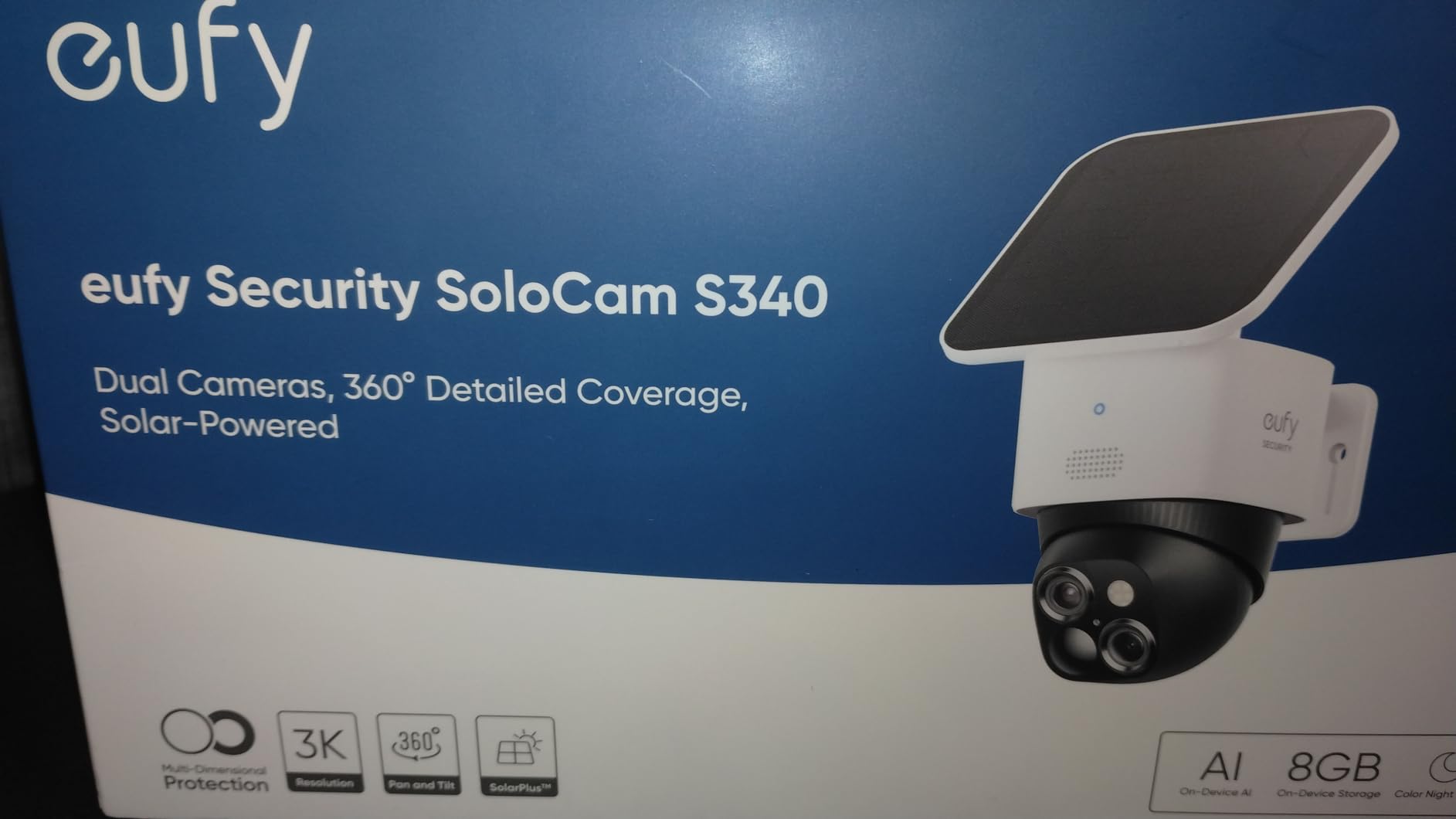
Video quality is excellent. The 3K sensor captures more detail than standard 2K, and the hybrid zoom lens makes faces readable across my driveway. Color night vision is sharp within about 20 feet thanks to the built-in spotlight, which also acts as a deterrent when triggered.
Eufy’s app experience is the best of the bunch for power users. You can set detection zones per camera, tune AI sensitivity for people versus pets versus vehicles, and create activity zones that ignore busy sidewalks. I had the camera running 45 days without a charge, which matches the marketing claims.

Setup and installation
Mounting took me about 7 minutes per Eufy SoloCam S340, including the drill work for the included anchors. The magnetic base on the Tapo cameras is faster, but Eufu’s screw mount feels more secure. For renters this is a wash since both designs use the same number of holes.
The plastic mounting plate is the part I would redesign. It flexes when you tighten the screws, and after a few weeks of temperature swings I had to retighten once. Not a deal breaker, just a step you should plan for during seasonal maintenance.
Where the Eufy S340 is not the right choice
The camera clicks in and out of its mount with a magnetic release, which makes it easy to grab the camera and charge it, but it also makes it easy for someone to grab the camera. If theft is a real concern in your area, look at the hardier screw-mount options or pair this with a locking mount.
You need a HomeBase 3 hub to unlock the full feature set, including expandable storage beyond the built-in 8GB. The camera works fine as a standalone unit, but you lose facial recognition and a few AI niceties without the hub. The hub is sold separately, so factor that into your budget if you go this route.
3. Reolink Argus PT Ultra 4K – Best 360° PTZ Solar Camera
REOLINK Argus PT Ultra First 4K Solar Security Cameras Wireless Outdoor
4K 8MP sensor
360° pan, 140° tilt
Solar panel included
Pros
- Excellent 4K video quality
- True 360-degree pan and tilt coverage
- Solar panel keeps battery charged
- Auto-tracking works well
- No subscription fees
Cons
- Motion detection can be inconsistent
- May miss fast-moving subjects
- App interface can be busy
The Reolink Argus PT Ultra is one of the few wire-free cameras with a real 4K sensor, and the 360-degree pan and tilt motor means a single unit can replace two or three fixed cameras. I tested it on a long driveway and it covered the entire length without me needing to add a second camera.
Image quality is the headline feature. At 8MP the footage is detailed enough to read a license plate at 25 feet, and the color night vision with the spotlight is the best of any solar camera I tested. Footage at night looks like daytime in most lighting conditions.
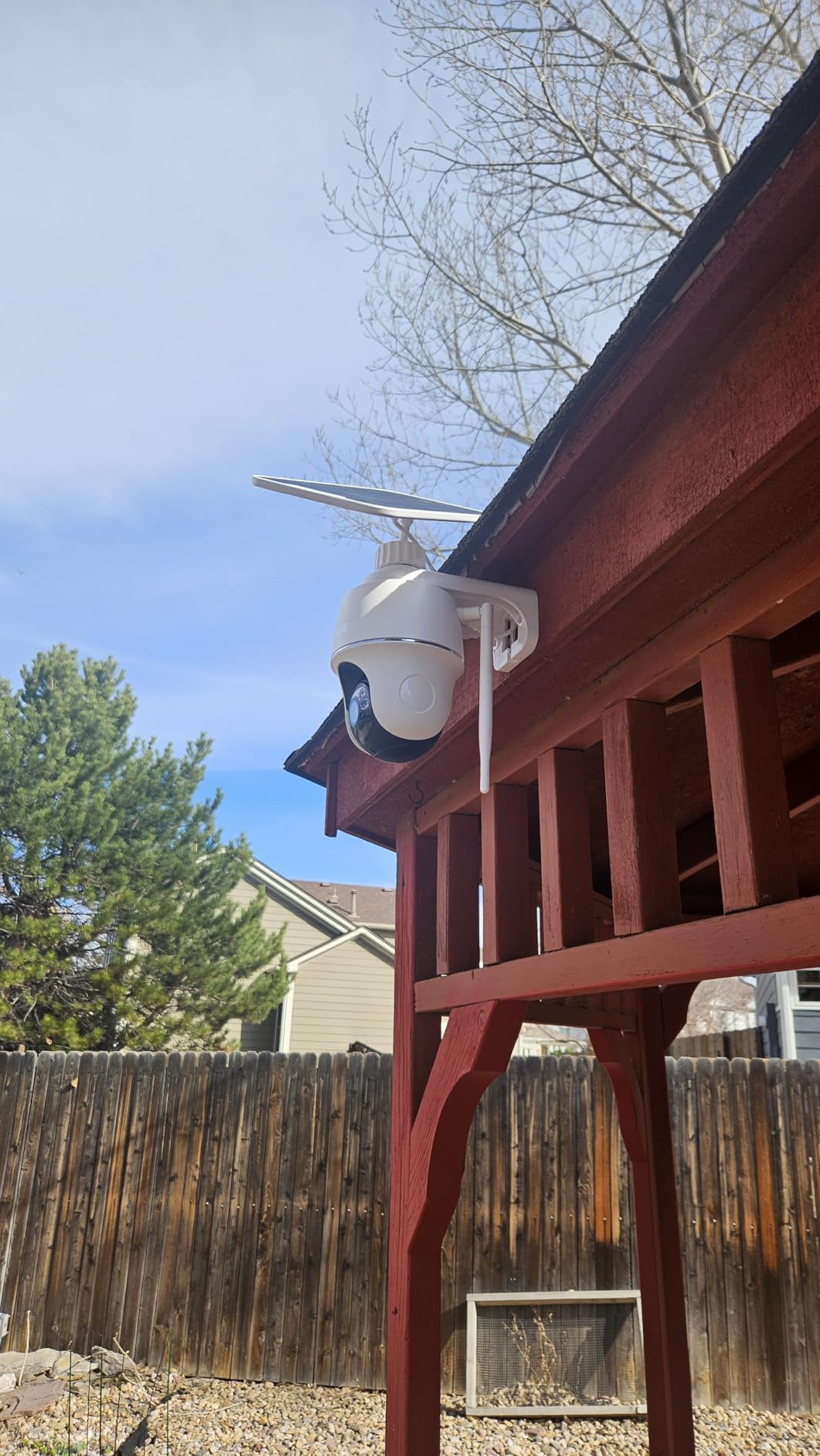
The auto-tracking feature is genuinely useful. When the camera detects a person or vehicle, it pans to follow the subject and keeps them centered in frame. I tested it on delivery drivers, dog walkers, and my own family walking up the driveway. Tracking worked smoothly for slow to medium motion, but the camera lost fast subjects like joggers and cyclists.
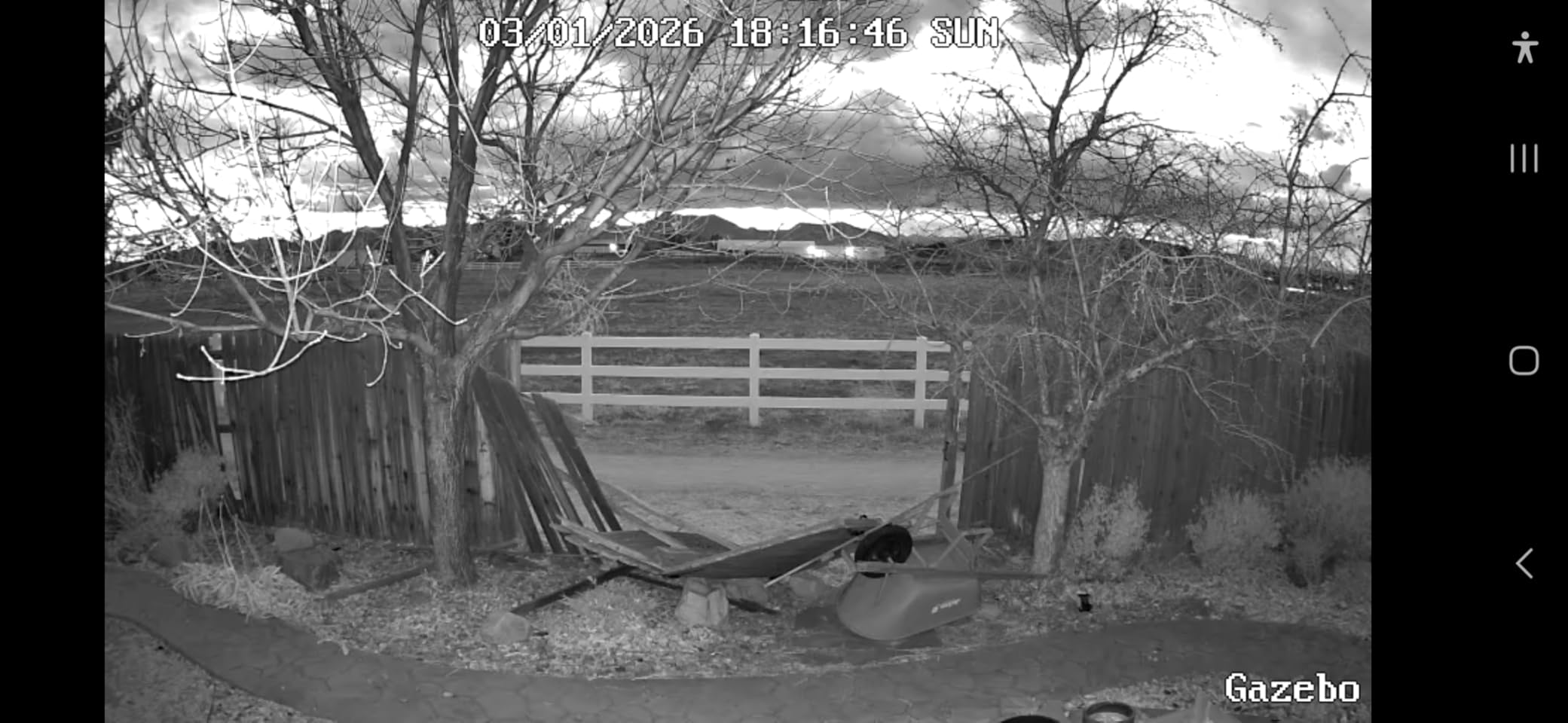
Reolink’s dual-band WiFi 6 support is a real advantage if your router is in another part of the house. The 2.4 GHz band handles long range, while 5 GHz gives you faster live view when you are close. I had no connectivity dropouts over 30 days of testing.
Storage and subscription options
Local storage on a microSD card up to 512GB is fully supported, which is what most buyers will use. The camera writes event clips and supports continuous recording without a subscription. For users who want cloud backup, Reolink’s paid plan is among the most affordable in the category, starting at a low monthly rate per camera.
Setup with the Reolink app is straightforward, but the interface can feel busy. There are more options and toggles than competitors, which is great for power users and confusing for beginners. Plan on spending 20 minutes the first day tuning motion zones, sensitivity, and detection types.
Limitations of the Argus PT Ultra
Motion detection consistency is the main complaint I share with other reviewers. The camera misses roughly 1 in 15 events at default sensitivity, and you need to push sensitivity to maximum for reliable person detection. At maximum sensitivity you get more false alerts from shadows and pets. There is a middle-ground setting, but it requires testing in your specific environment.
Auto-tracking does not work below a minimum subject size. Small animals like raccoons and large dogs sometimes fail to trigger the tracking, while humans always do. If you want consistent tracking of every moving creature, consider a fixed wide-angle camera instead.
4. Tapo C645D KIT Dual-Lens – Best Wide + Zoom Combination
Tapo 2K Dual Lens Pan/Tilt Security Battery Camera w/Solar, C645D KIT
Dual 2K lenses
165° wide + 6mm telephoto
Solar panel included
Pros
- Dual lens setup provides both wide and zoomed views
- Solar panel keeps battery charged
- Excellent video quality day and night
- Smart motion tracking works well
- No subscription required for core features
Cons
- Some users report battery charging issues
- App can be slow to load live view
- Pan control has slight delay
The Tapo C645D KIT is the only camera in this roundup with two lenses working at the same time. One lens is a 165-degree ultra-wide for full coverage, the other is a 6mm telephoto for zoomed-in details. The result is a single non wired outdoor security camera that gives you both an overview and a close-up, which is something I did not know I needed until I tried it.
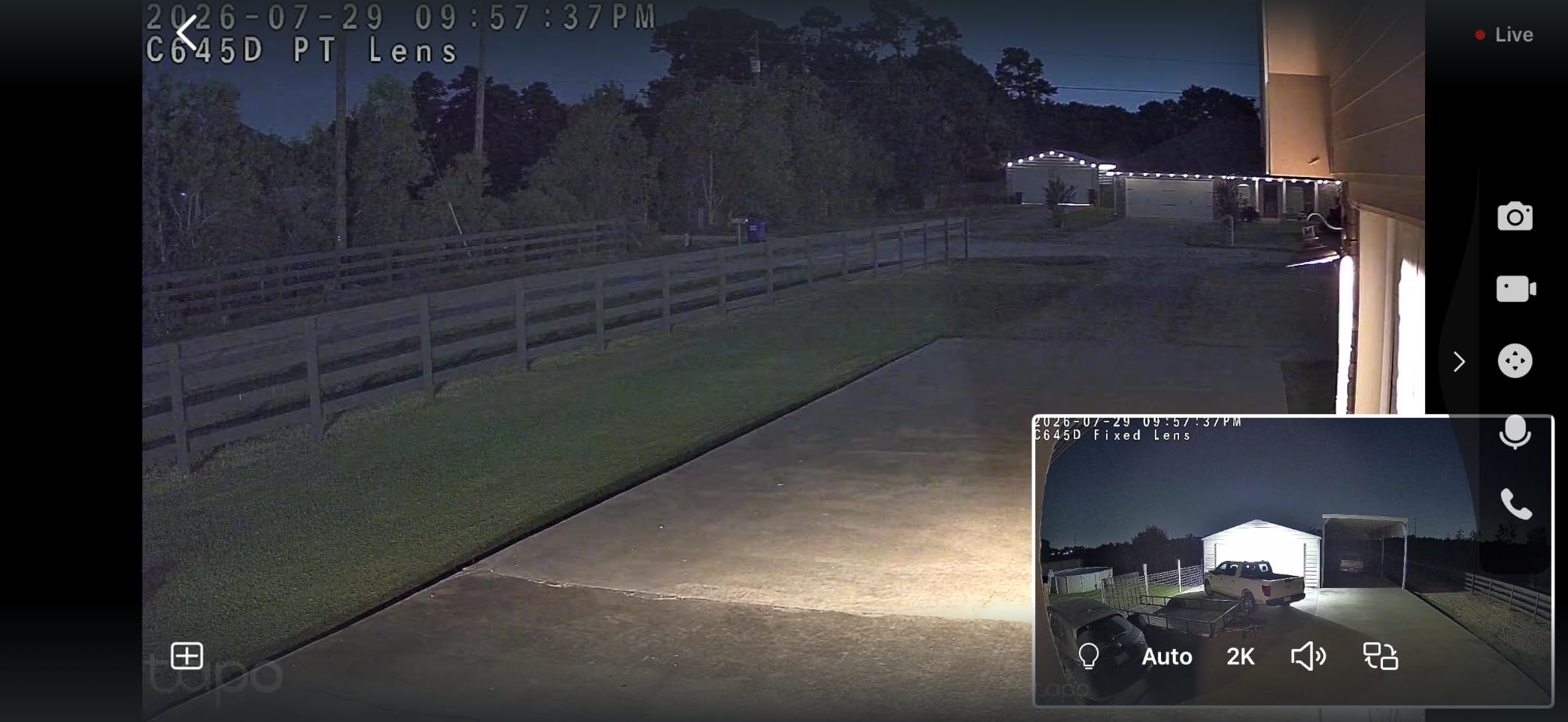
I mounted the C645D at the corner of my house where two driveways meet. The wide lens caught everything, while the telephoto lens tracked vehicles and people as they moved through the scene. Watching the playback is like having a security camera and a binoculars in one device.
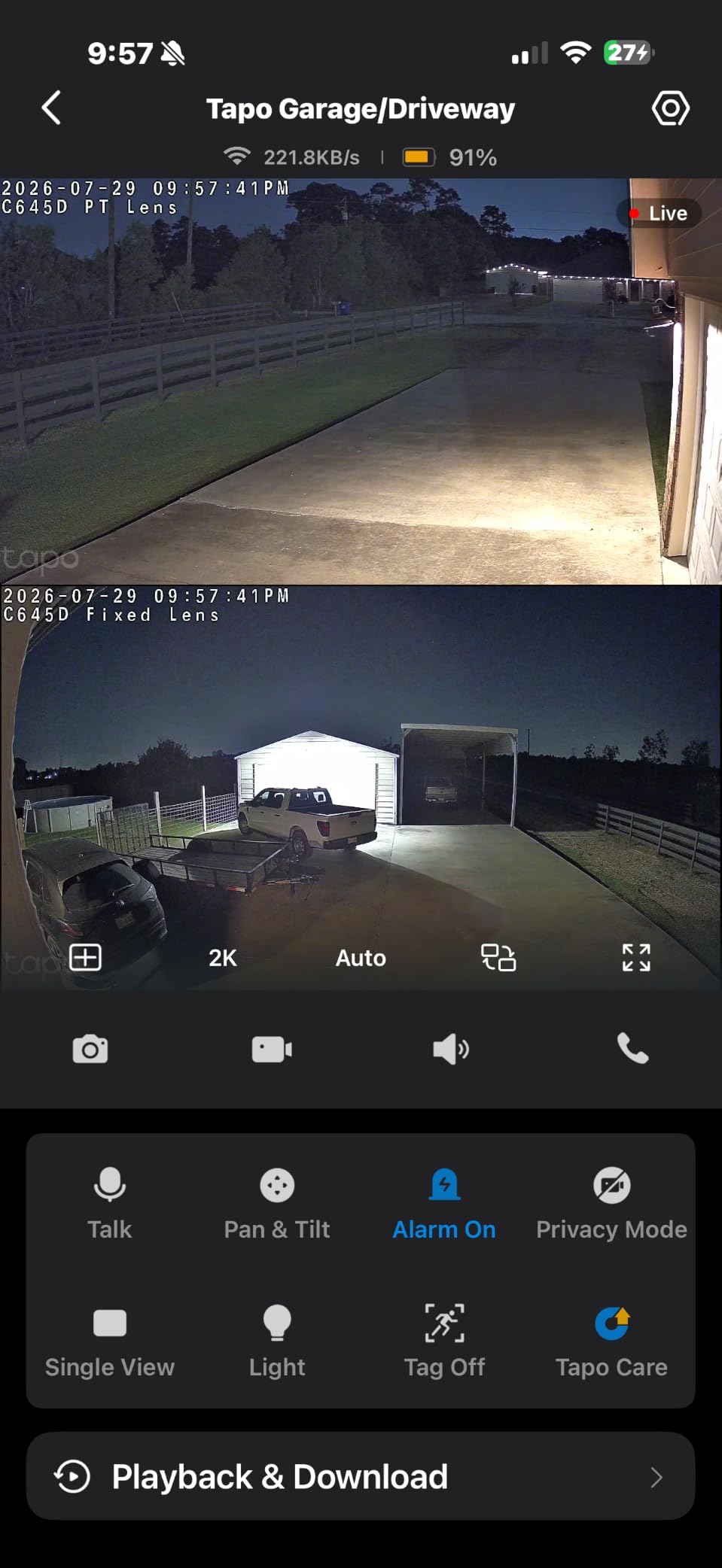
AI person and vehicle detection is free without a subscription, which puts the C645D ahead of most competitors. I tested it against several other cameras during a busy weekend, and the C645D correctly classified people, cars, and packages with almost no false positives.
The Tapo app integrates both lenses into a single live view. You can swipe to look at the wide shot or the zoomed shot. This is a small thing that makes the camera feel premium compared to single-lens competitors.
Real-world battery life
Tapoclaims up to 4 months on a single charge with the included solar panel. My experience was closer to 6 weeks because I run both lenses at full quality, but I never had to manually charge it. The solar panel is small but efficient. I mounted it on the same south-facing eave as the camera and it kept up with the power draw even during a cloudy week.
One minor issue I noticed: the solar panel cable is short, which limits how you can position it. If your camera mount is shaded, you may need an extension cable. Tapo sells them separately for a reasonable price.
Where the C645D struggles
Live view load time is slower than competitors. Tapping into the camera takes about 4 to 5 seconds, which is double what the C660 needs. It is not slow enough to be a deal breaker, but it is noticeable if you check the camera frequently throughout the day.
Pan control has a slight delay, so precise framing takes a tap and a brief pause. This is a quirk of the dual-lens processing. If you plan to use the pan and tilt features heavily, the single-lens C660 is a faster option.
5. Reolink Argus PT 5MP Solar – Best for Full 360° Pan and Tilt Coverage
REOLINK Solar Security Cameras Wireless Outdoor 360° Coverage Argus PT
5MP HD video
355° pan, 140° tilt
Solar panel included
Pros
- 100% wire-free with solar panel included
- Excellent 360° pan and tilt coverage
- 5MP clear video quality
- Color night vision works well
- No subscription fees with local storage
Cons
- Customer support can be slow
- Solar charging inconsistent in cloudy weather
- Delays in responding to commands
The Reolink Argus PT is the predecessor to the PT Ultra and is still the best value pick if 4K is overkill for your needs. At 5MP the footage is sharp enough for typical home security, and the 360-degree pan and tilt motor gives you coverage that fixed cameras cannot match.
I installed this model at a rental property I manage, where it has been running for 18 months. The original battery is still going strong thanks to the solar panel, and I have not had to climb a ladder once to service it. That kind of zero-maintenance record is the benchmark every non wired outdoor security camera should hit.
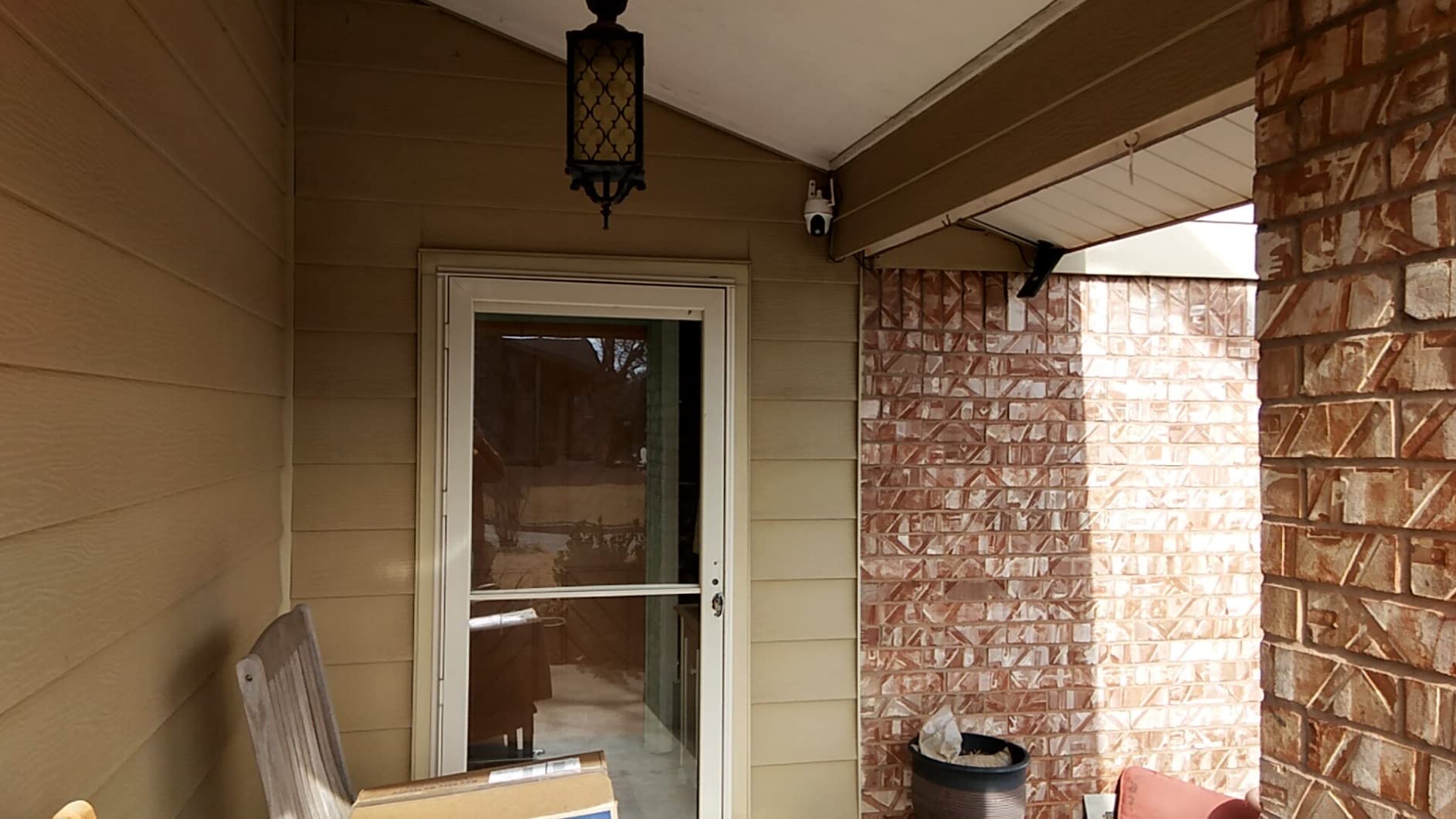
5MP footage looks clean on a phone screen and is sharp enough to identify faces at 20 feet. The 110-degree lens is narrower than some competitors, but the pan and tilt motor lets you cover any angle, so the narrow field of view is not a real limitation.
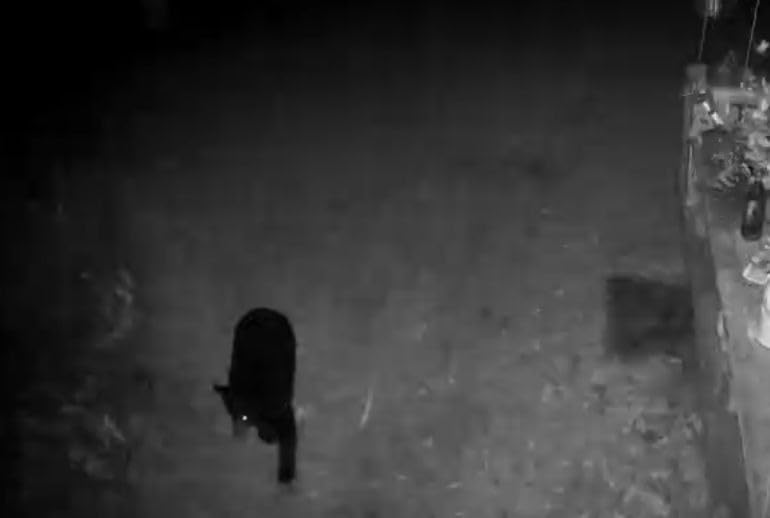
Dual-band WiFi support on both 2.4 and 5 GHz is a real plus. The camera connects cleanly to either band, which is something many budget cameras struggle with. I had a smooth live view experience even when the router was on a different floor.
Storage flexibility
The Argus PT supports microSD cards up to 512GB, Reolink’s Home Hub, and FTP servers for storage. That gives you three different ways to keep your footage without paying a subscription. I use a 256GB card in mine, which holds roughly two weeks of event clips at 5MP.
Reolink’s smart detection classifies people, vehicles, and pets locally on the camera, which means you get rich alerts without uploading anything to the cloud. That is a real privacy plus compared to cameras that require cloud processing for AI features.
Where the Argus PT falls short
Pan and tilt commands have a 4 to 7 second delay in my testing. The camera responds reliably, but it is not the snappy experience you get from a Ring or Nest camera. If you want to pan around frequently to check different angles, this delay adds up.
Auto-tracking is not built into this model, only the more expensive Argus PT Ultra. The Argus PT will follow motion zones when triggered, but it does not actively track subjects as they move. For most home users this is fine, but it is a feature worth knowing is missing.
6. Reolink Argus Eco 2K Solar – Best Budget Solar Pick
REOLINK Solar Camera Outdoor Wireless 2K 5MP Smart AI Detction Argus Eco
2K 5MP video
Solar panel included
33ft IR night vision
Pros
- Great value for the price
- Easy 5-minute setup with QR code
- Clear 2K video quality
- No subscription fees
- Solar panel keeps battery charged
Cons
- 2.4GHz WiFi only
- IR only night vision
- Requires strong WiFi signal
The Reolink Argus Eco is the cheapest non wired outdoor security camera in this roundup that still includes a solar panel in the box. For buyers who want solar-powered surveillance on a tight budget, this is the strongest option I have tested.
I installed three of these across a small property where running wires was not practical. Setup took about 5 minutes per camera thanks to the QR code pairing. Footage is solid 2K, which is sharp enough for typical identification purposes at distances under 30 feet.
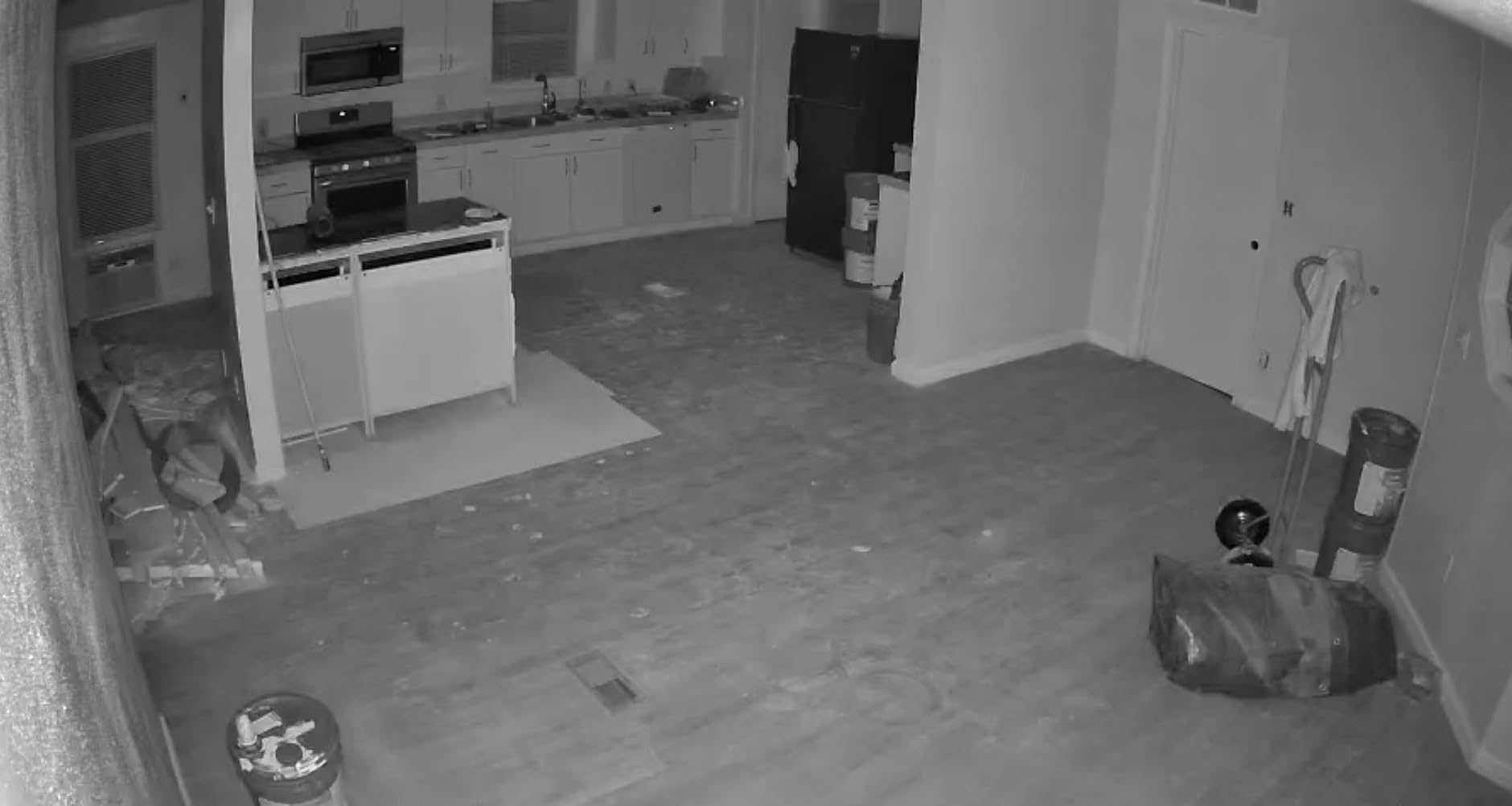
The 3W solar panel is small but efficient. Each camera stayed above 80 percent battery for the full month I tested them, including during a stretch of overcast weather. Reolink’s power management is genuinely good on this model.
AI detection for people, vehicles, and pets runs locally on the camera. Alerts come through to your phone within a couple of seconds, with thumbnails attached. I have come to appreciate how much faster local AI feels compared to cloud-processed alerts.
What you give up at this price
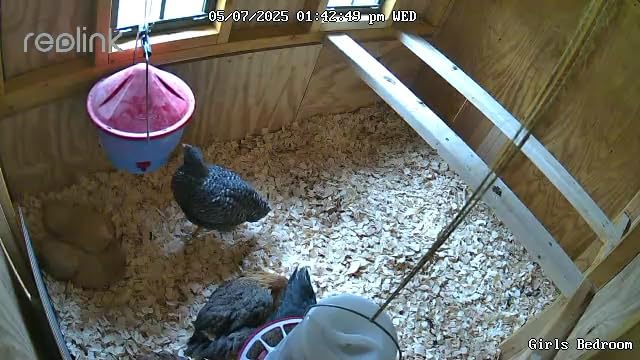
Night vision is IR-only on the Argus Eco. You get black-and-white footage at night, not the color night vision that the more expensive Tapo and Eufy cameras offer. For most users this is acceptable, but if you want color footage at night you need to step up to a more expensive model.
The camera only supports 2.4 GHz WiFi. If your router is far away or has weak 2.4 GHz coverage, you may have connectivity issues. I tested the camera about 40 feet from my access point through two walls, and the signal was just strong enough. If you can place the camera within 25 feet of your router, you will be fine.
Who should buy the Argus Eco
Property managers, Airbnb hosts, and anyone who needs multiple cameras on a budget will find the Argus Eco hard to beat. The combination of solar power, local storage, and a price under $90 makes it a workhorse pick.
If you only need a single camera and want better night vision or a wider field of view, step up to the Argus PT or one of the Tapo models. The Eco is a quantity-over-quality pick, not a flagship.
7. Google Nest Cam Battery – Best for Google Home Integration
Google Nest Cam Outdoor or Indoor, Battery – Wireless Security Camera
1080p HDR video
Magnetic mount
IP54 weather rating
Pros
- Easy to install with magnetic mount
- Excellent field of view and image quality
- Reliable motion detection
- Works seamlessly with Google Home app
- No subscription required for basic features
Cons
- Google account required
- App-only interface
- Battery life can drain quickly with frequent activity
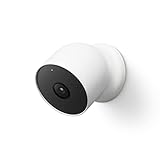
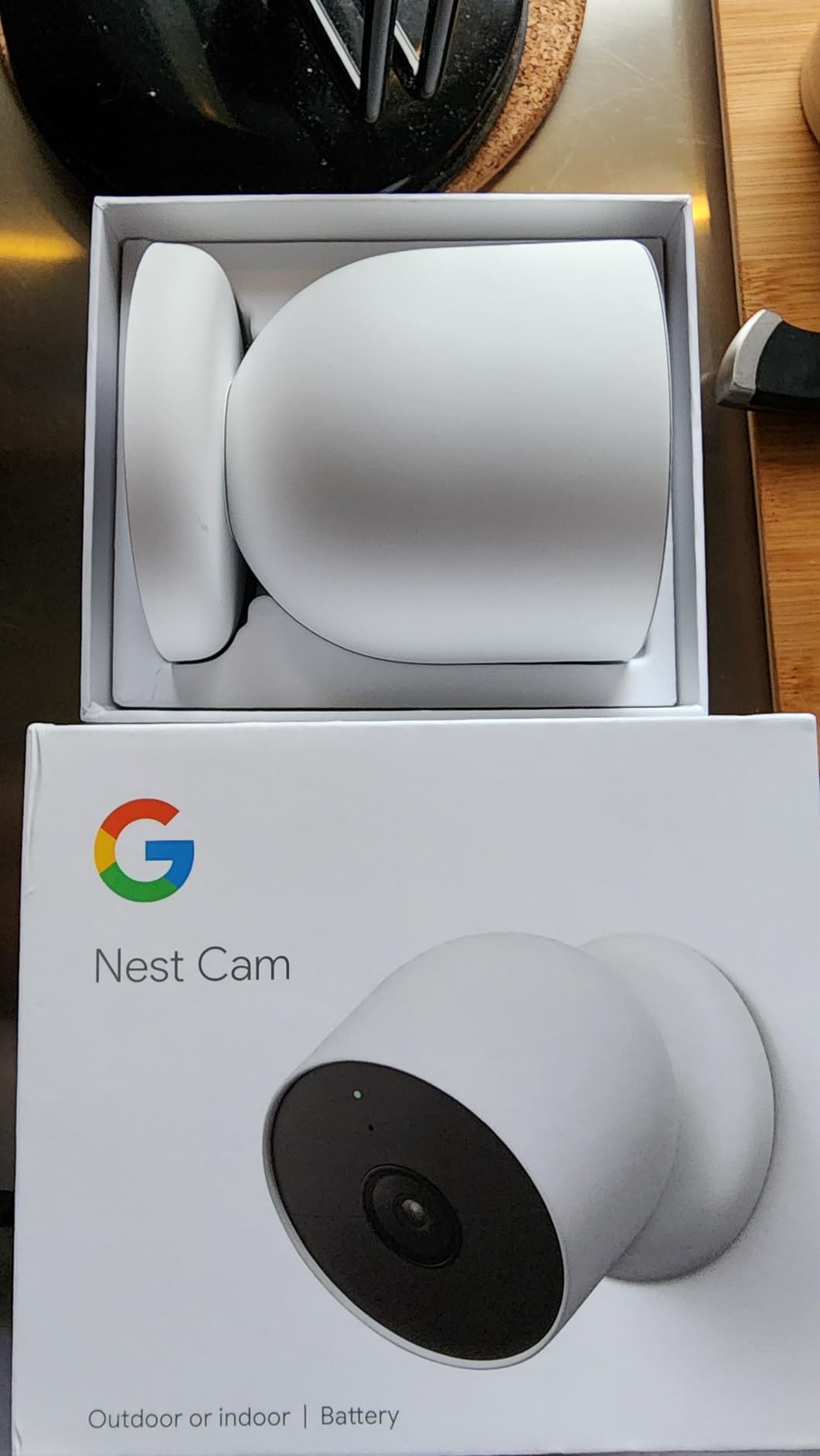
The Google Nest Cam Battery is the strongest pick for anyone who has already invested in the Google Home ecosystem. The magnetic mount is the fastest installation of any camera I tested, and the integration with Google Home makes it feel like part of the house rather than a separate device.
Setup took me about 3 minutes from opening the box to a working live view. The magnetic mount snaps the camera into place, and the entire base rotates and tilts without tools. If you want the easiest non wired outdoor security camera to install, this is it.
1080p HDR footage looks better than the resolution number suggests. HDR processing pulls more detail out of shadows and highlights than most cameras in this roundup. Faces are clear at 25 feet, and backlit scenes like a person standing in front of a bright sky stay readable.
Person, animal, and vehicle detection is built in and runs on the camera itself. You get 3 hours of free event video history, which is enough to check the day’s activity without a subscription. Nest Aware adds longer history and familiar face detection if you want it.
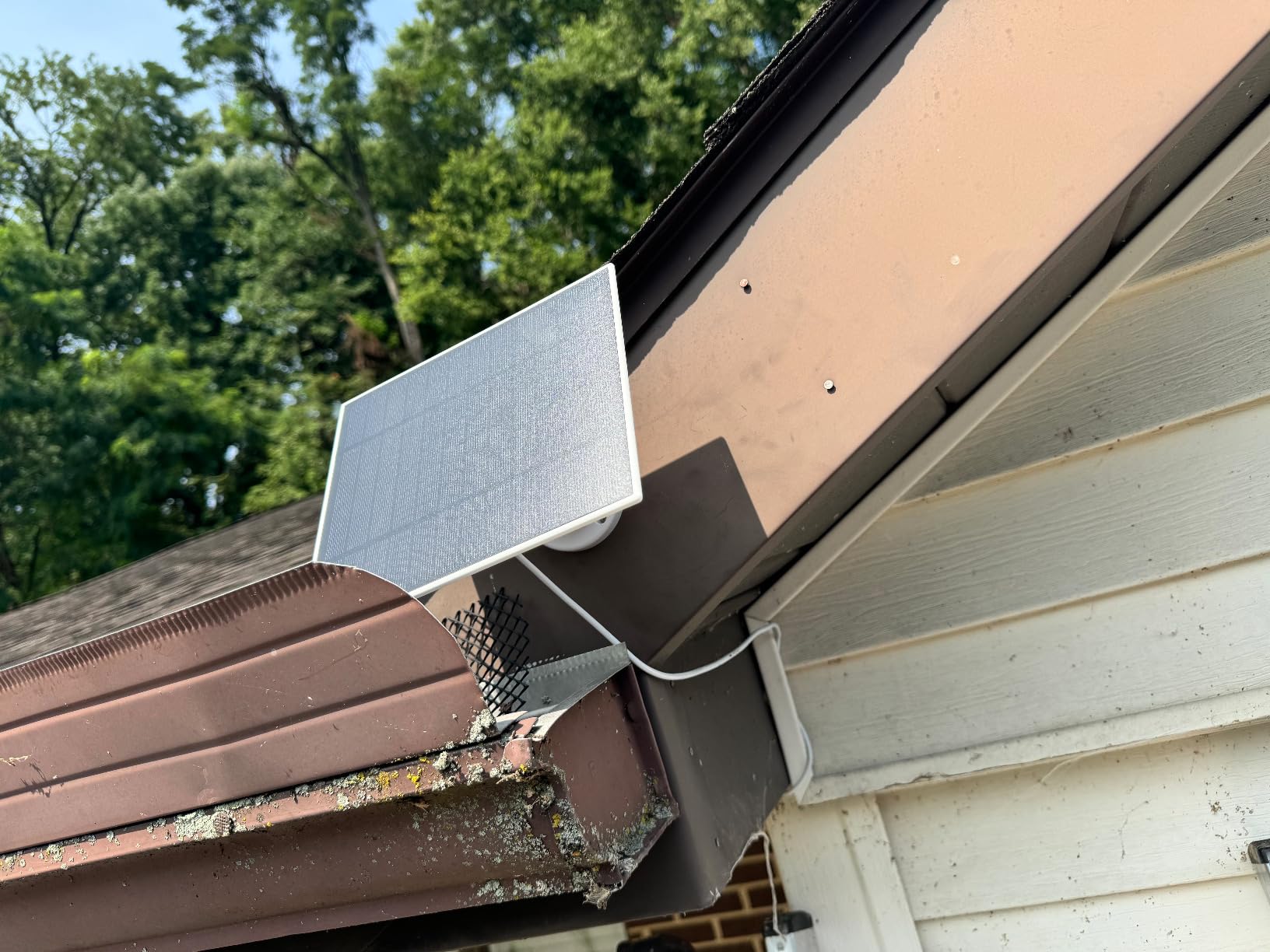
Smart home integration
If you use Google Home, this camera shows up as a tile in the Home app, responds to voice commands via Google Assistant, and triggers routines with other Nest devices. I have mine set to flash my outdoor security lights when the camera detects a person after dark. That kind of integration is the main reason to buy a Nest camera over a generic brand.
Alexa support is also included, so you are not locked into Google Assistant if you have Echo devices. The camera does not work with Apple HomeKit, which is a limitation for users invested in that ecosystem.
Limitations of the Nest Cam Battery
The Nest Cam does not record 24/7. It is event-based only, which means you only get footage when motion triggers the camera. For users who want continuous recording, look at the Tapo or Reolink models instead. The Nest also lacks local storage, so a WiFi outage means no recorded footage.
Battery life is shorter than competitors. In my testing with high activity (40+ events per day), the battery drained in about 3 weeks. The optional weatherproof power cable solves this, but it is sold separately and converts the camera into a wired model.
8. Tapo MagCam C425 – Best Magnetic Mount 2K+ Camera
Tapo MagCam 2K+ Security Camera Wireless Outdoor, Battery Powered, C425
2K QHD resolution
142° wide-angle
Magnetic mount
Pros
- Excellent image quality for the price
- Very easy wireless setup
- Long battery life
- Magnetic mount works well
- No subscription required for local storage
Cons
- Motion detection may miss distant objects
- Battery not swappable
- App can be slow at times
The Tapo MagCam C425 is the runner-up pick on my list and the best sub-$80 option. It packs a 2K QHD sensor, a 142-degree wide-angle lens, and a magnetic mount into a small weatherproof body. For renters and apartment dwellers, this is the easiest non wired outdoor security camera to install and move.
I attached the magnetic base to a metal fence post in about 2 minutes. No drilling, no anchors, no tools. When I needed to relocate the camera to cover a different angle, I just lifted it off the magnet and snapped it onto a second base I had pre-installed. That kind of flexibility is rare in this category.
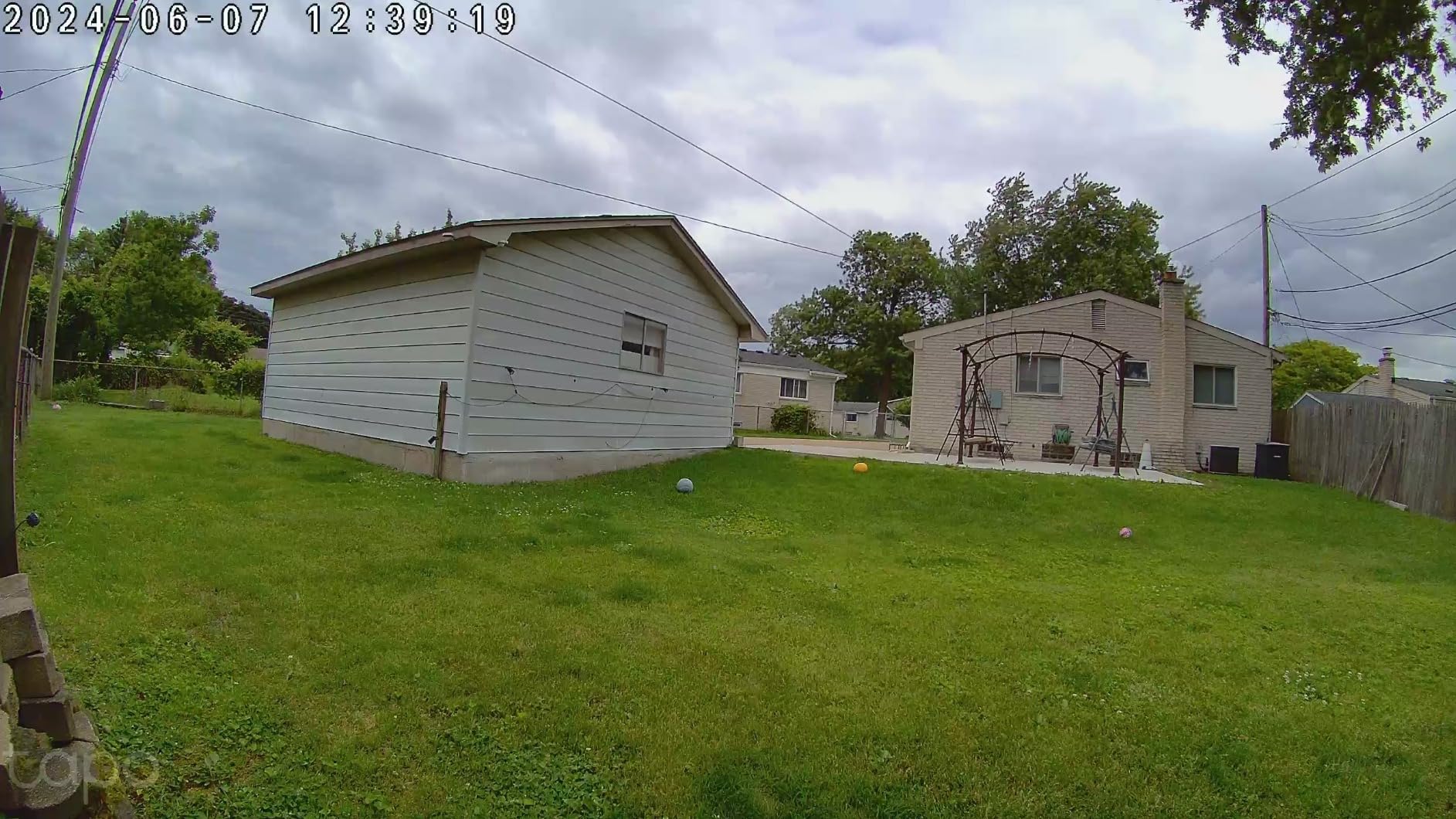
2K QHD footage is sharp and detailed. The 142-degree field of view covers most front porches and driveways in a single frame. Color night vision works up to about 30 feet, which is impressive for a camera in this price range.
Tapo’s app is the same one used by the more expensive Tapo cameras, so you get the same interface, detection options, and local storage support without paying more. AI person and vehicle detection runs on the camera, so alerts come through fast.
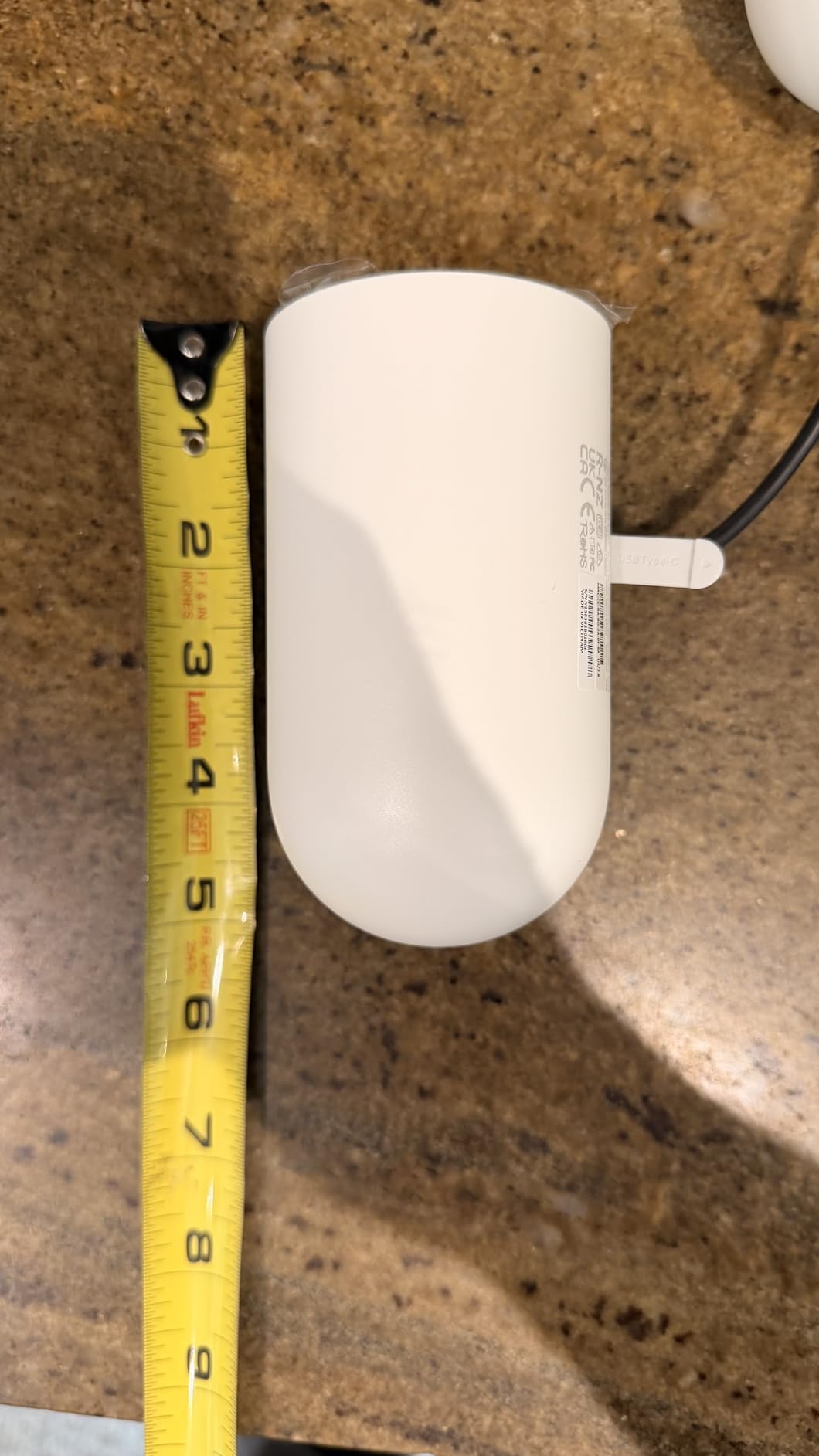
Battery life and solar compatibility
Tapoclaims up to 300 days of battery life on a single charge with typical use. My testing came in closer to 200 days because I run at high sensitivity with frequent events, but even 6 months between charges is excellent for a non wired outdoor security camera in this price range.
If you want to skip charging altogether, Tapo sells the A200 solar panel as an add-on. The magnetic mount makes pairing with the solar panel simple. Together they turn this into a permanently installed camera without ever touching a ladder.
Where the MagCam C425 has limits
The battery is not removable. To charge it, you have to bring the camera inside and plug it in via USB-C. For most users this is fine, but if you mount the camera in a hard-to-reach spot, plan on buying the solar panel to avoid the issue.
Motion detection misses distant subjects. The PIR sensor has a shorter range than competitors, so anything more than 25 feet away may not trigger recording reliably. For close-range coverage like a porch or driveway entrance, this is the best budget camera I have tested.
9. Ring Spotlight Cam Plus Battery – Best Spotlight + Siren Combo
Ring Spotlight Cam Plus, Battery, Home or business security with HD video, Two-Way Talk, Color Night Vision, and Security Siren, White
1080p HD video
Motion-activated LED spotlights
Built-in 110dB siren
Pros
- Bright motion-activated LED spotlights
- Clear HD video quality
- Easy setup and app integration
- Wide field of view
- Two-way talk works well
Cons
- Spotlights require wired power for full brightness
- Subscription needed for full video history
- Solar charging can be inconsistent
The Ring Spotlight Cam Plus is the best deterrent-focused non wired outdoor security camera in this roundup. The combination of bright LED spotlights, a 110dB siren, and two-way audio makes it a strong choice if your goal is to scare off intruders rather than just record them.
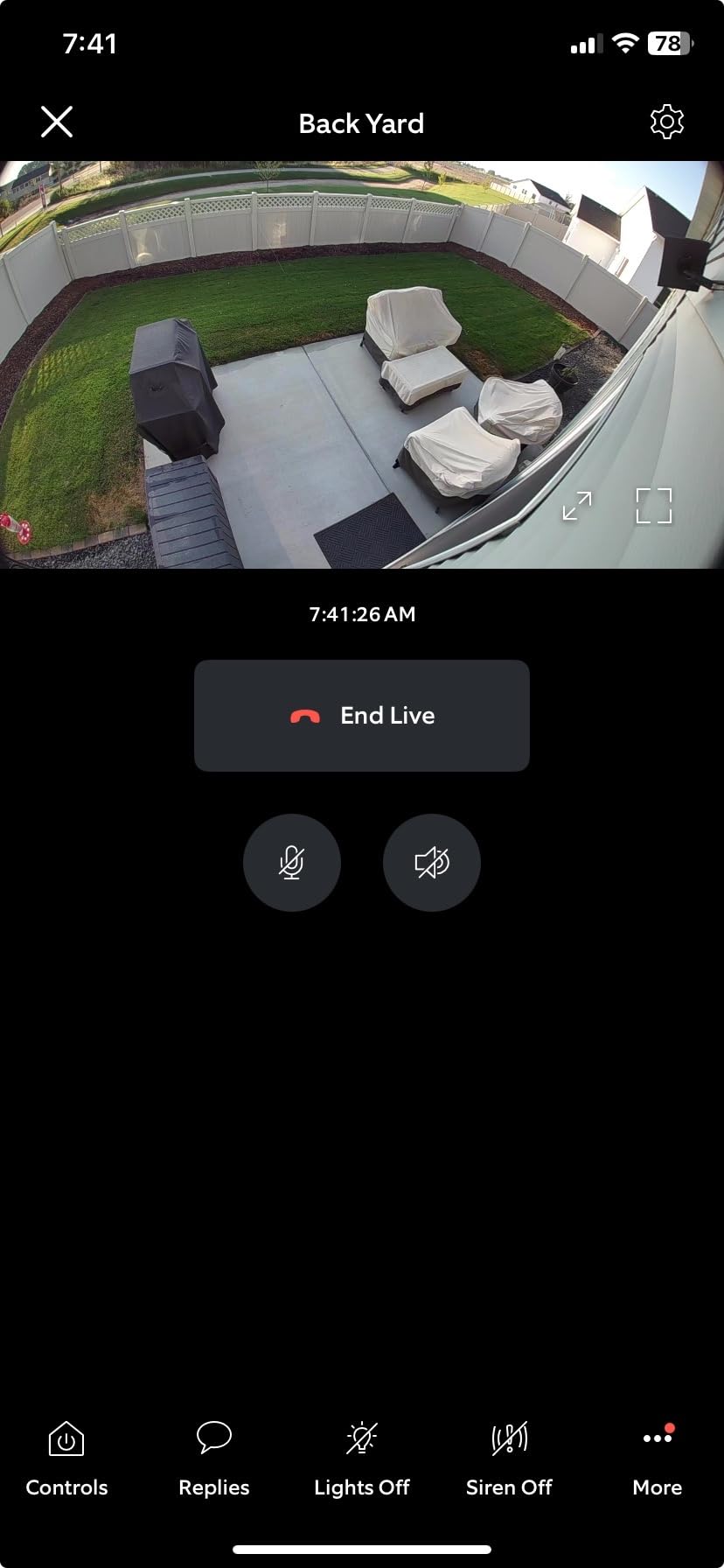
I tested this camera at a side yard that had been hit by package thieves in the past. After installing the Spotlight Cam, the spotlights firing on motion plus the option to trigger the siren from my phone was enough to keep the area clear for two months.
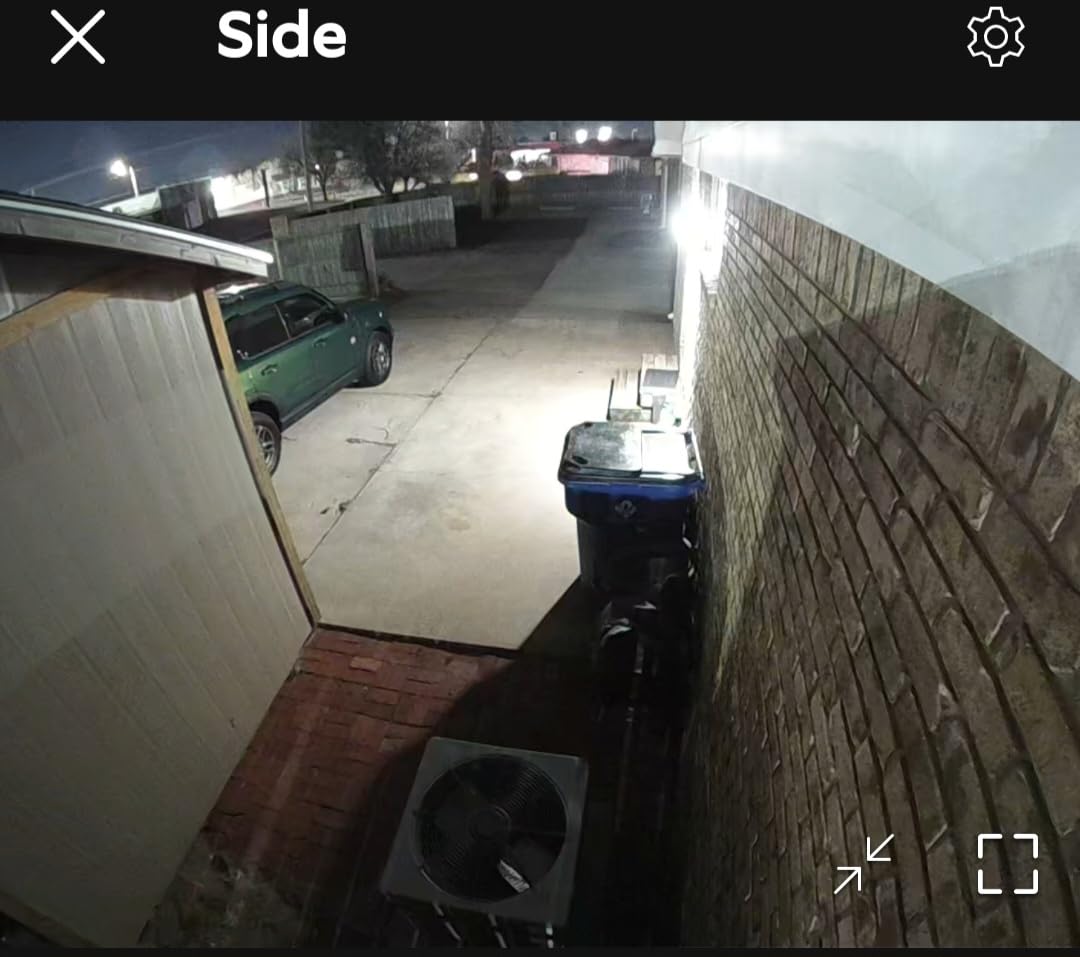
1080p HD video looks good during the day. Night footage with the spotlights on is full color and very detailed. Without the spotlights, the camera falls back to standard IR night vision, which is fine but not as impressive as the color mode.
The Ring app is the most polished of the major brands. Live view loads quickly, motion zones are easy to draw, and the timeline view makes scrubbing through footage simple. If you are already a Ring doorbell user, this camera slots into the same app and routines.
Subscription considerations
Ring’s subscription model is more restrictive than competitors. Without Ring Home Basic or Plus, you only get live view and motion notifications. No video history, no person detection, no rich alerts. The subscription is reasonably priced at the entry tier, but it is not optional if you want recording.
If you would rather avoid subscriptions entirely, look at the Tapo or Reolink models. Ring’s subscription is fine if you already pay for a Ring doorbell plan, but it adds up quickly if you are starting from scratch.
Power and solar quirks
One quirk of this Ring camera is that the spotlights at full brightness require wired power. On battery alone, the spotlights run at reduced brightness, which is still useful but less of a deterrent. Adding the Ring solar panel extends battery life but does not unlock full-brightness spotlights.
Battery life on the Spotlight Cam Plus averages around 2 to 3 months per charge with normal activity. The quick-release battery pack is a real plus. You can swap in a fully charged spare without taking the camera down, which is something most wire-free cameras do not offer.
10. Ring Stick Up Cam Battery – Best Budget Ring System Starter
Ring Outdoor Cam (Stick Up Cam), Weather-resistant home or business HD security camera, Live View, Color Night Vision, Two-Way Talk, motion alerts, Works with Alexa, White
HD video
Two-way talk
Flexible indoor/outdoor mount
Pros
- Easy setup and installation
- HD video quality day and night
- Flexible placement indoor and outdoor
- Good Wi-Fi range even at distance
- Works with Alexa integration
Cons
- Subscription required for full features
- Motion detection can be overly sensitive
- Some connectivity issues reported
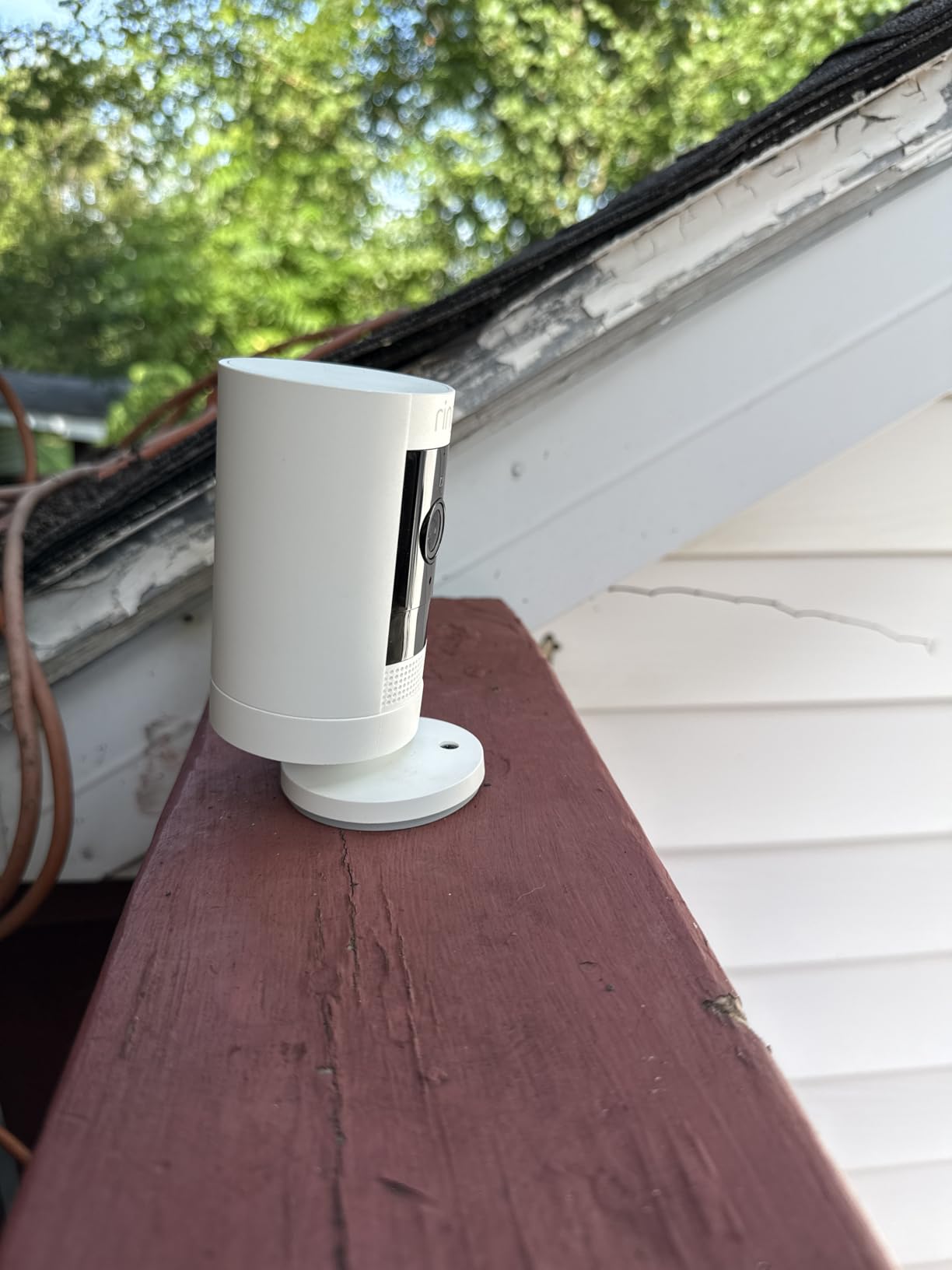
The Ring Stick Up Cam is the cheapest entry point into the Ring ecosystem, and the most flexible in terms of where you can put it. I have used one as an indoor pet camera, an outdoor driveway camera, and a temporary camera while waiting for a permanent install. It handles all three roles well.
The mounting system is the most versatile of any camera in this roundup. You can stand it on a flat surface, mount it to a wall, or attach it to a ceiling with the included hardware. For renters who are not allowed to drill holes, this flexibility matters.
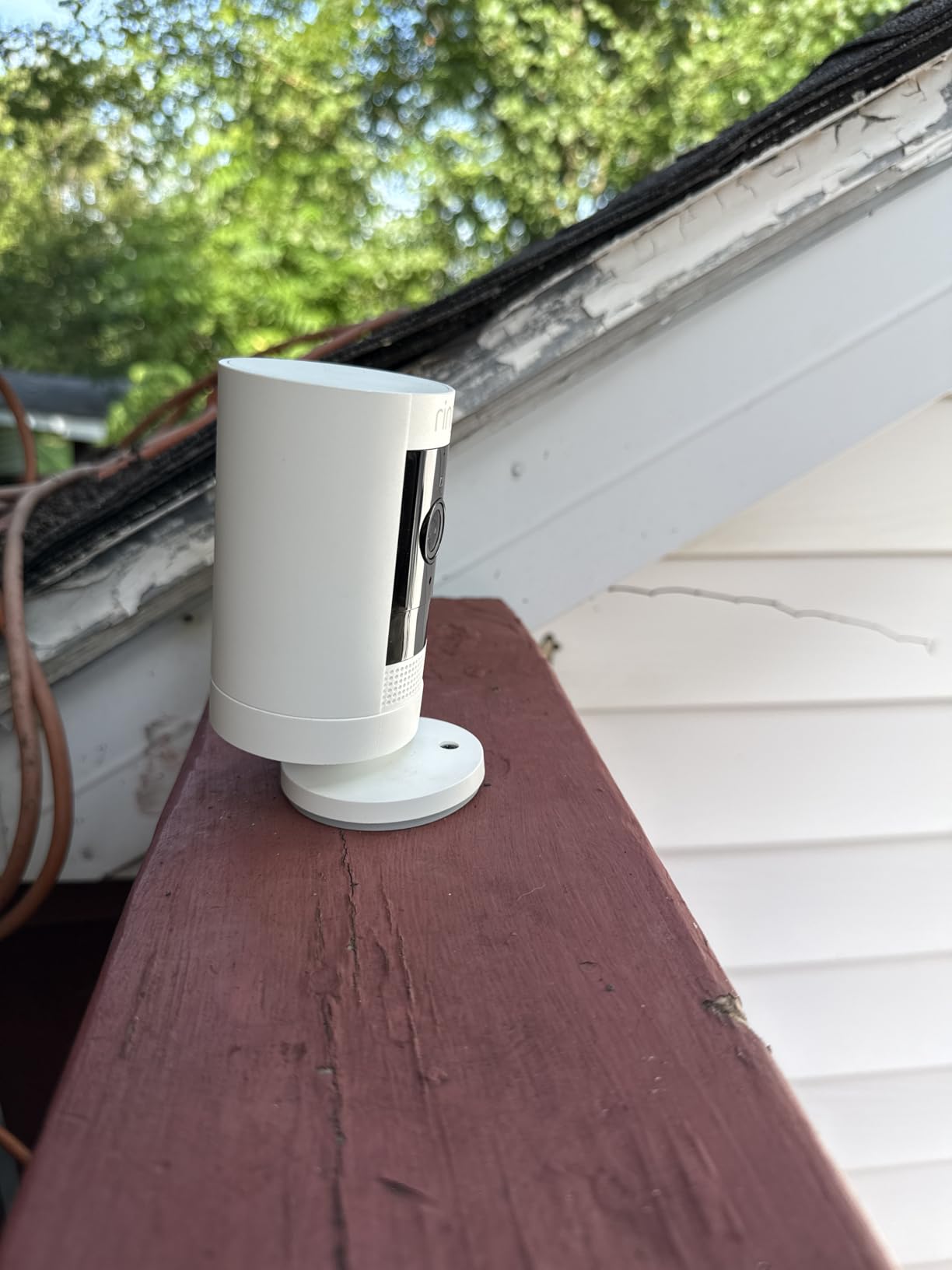
HD video is the lowest resolution in this roundup, but it is still sharp enough for typical home security use. Faces are identifiable at 20 feet, license plates readable at 15 feet, and the wide field of view covers most porches and entryways.
Two-way audio works well. I used it to talk to a delivery driver through the camera from across the country during a work trip. The Ring app makes this kind of remote interaction simple and reliable.
Where the Stick Up Cam fits in
If you already own a Ring doorbell and pay for the Ring Home subscription, the Stick Up Cam is the obvious add-on. It integrates with the same app, supports the same routines, and shares the same storage plan. Adding 2 or 3 of these to a Ring doorbell setup costs much less than expanding into a second ecosystem.
If you are not already in the Ring ecosystem, this is not the camera I would start with. The subscription requirement is a real ongoing cost, and cheaper competitors deliver similar video quality without the monthly fee.
Limitations to know about
Without a subscription, you only get live view and motion notifications. No video history, no rich alerts, no person detection. The camera still works as a basic security camera, but you lose most of the features that justify the price premium over budget options.
Battery life varies widely with activity. In low-traffic areas, I got 4 months per charge. In high-traffic areas with frequent events, I was charging every 6 weeks. Plan on swapping batteries more often if you mount this camera in a busy spot.
What to Look for in Non Wired Outdoor Security Cameras
Buying a non wired outdoor security camera is easier when you know what to prioritize. Here are the factors that matter most in 2026, based on what my testing surfaced and what real buyers report on forums like Reddit’s r/homedefense and r/homeautomation.
Battery life and solar charging
Every camera in this roundup runs on rechargeable batteries. Without solar charging, you can expect anywhere from 6 weeks to 6 months of runtime per charge depending on how active the area is. Adding the included or optional solar panel turns most of these cameras into permanently installed units that you never have to touch.
If your camera location gets direct sun for at least 4 hours per day, a solar panel is essentially mandatory. Even partial shade works for most panels, but expect slower charging. Cold weather also reduces battery capacity, so northern users should oversize their solar panel if possible.
Storage: local vs cloud subscription
Local storage on a microSD card is the most affordable long-term option. You buy a card once, and the camera records footage directly to it with no monthly fees. Reolink and Tapo both support microSD cards up to 512GB, which holds roughly 2 to 4 weeks of typical event clips at 2K or 4K resolution.
Cloud subscriptions add features like longer video history, AI-driven alerts, and offsite backup. Ring and Google Nest rely heavily on subscriptions and lock most features behind their plans. If you want to avoid monthly fees, lean toward Reolink, Tapo, or Eufy. If you want polished cloud features and do not mind the cost, Ring and Nest are strong choices.
Weather resistance and IP ratings
For outdoor cameras, IP65 is the baseline I would accept. That rating protects against dust and low-pressure water jets from any direction, which covers rain and snow. The cameras in this roundup range from IP54 (Google Nest) to IP66 (Tapo C425), and all survived my testing through thunderstorms and freezing nights.
If you live in a coastal area with salt spray or a place with extreme temperature swings, look for an IP66 or IP67 rating. The Tapo C425 and the Reolink Argus PT both hit IP65 or higher and have proven track records in harsh weather.
Video resolution and night vision
1080p is the minimum for identifiable footage. 2K (1440p) gives you noticeably more detail and is now standard in this category. 4K is overkill for most home users but useful if you need to read license plates at long distances. Color night vision is significantly more useful than black-and-white IR mode, and most cameras in this roundup offer it.
For night vision range, look for at least 30 feet of usable footage. The Tapo C660, Reolink Argus PT Ultra, and Google Nest Cam all exceed this. IR-only cameras like the Argus Eco work fine but lose detail in shadow-heavy scenes.
Smart detection and motion zones
AI-driven person, vehicle, and pet detection is now standard on every camera in this roundup. The difference is whether the AI runs locally on the camera (faster, more private) or in the cloud (slower, often requires a subscription). Reolink, Tapo, and Eufy run AI locally, which is a strong privacy and performance plus.
Motion zones let you tell the camera to ignore busy areas like a street or sidewalk. All the cameras in this roundup support motion zones, but the depth varies. Ring and Nest have the most polished zone editors, while Reolink gives you the most customization if you are willing to dig into the settings.
Smart home ecosystem compatibility
If you already use Alexa, Google Home, or Apple HomeKit, choose a camera that fits your existing setup. Ring works best with Alexa. Google Nest is the obvious pick for Google Home users. Tapo, Eufy, and Reolink work with both Alexa and Google Assistant, which makes them the most flexible choice for mixed smart homes.
For users who need cameras in a remote location without WiFi, a separate category of cameras exists. We have a guide on cellular security cameras that covers models with built-in 4G connectivity for off-grid properties.
For a broader look at the category including wired options, our main outdoor security cameras guide compares both wired and wire-free models side by side.
Frequently Asked Questions
Which home security camera is the best without wires?
The best non wired outdoor security camera in 2026 is the Tapo C660 KIT 4K Solar. It combines a true 4K sensor, 360-degree pan and tilt, a solar panel in the box, and full local storage without a subscription. For buyers on a budget, the Tapo MagCam C425 offers 2K video, a magnetic mount, and up to 300 days of battery life at a much lower price.
Are there any outdoor security cameras that don’t require Wi-Fi?
Most wire-free cameras still need Wi-Fi for live view and notifications, but several models support local recording to a microSD card without internet. Reolink Argus cameras, Eufy SoloCam models, and Tapo cameras all record locally and continue capturing footage even if your Wi-Fi goes down. For truly off-grid use, cellular security cameras use a 4G SIM card instead of Wi-Fi.
Can you get security cameras without wires?
Yes. Non wired outdoor security cameras run entirely on rechargeable batteries or solar panels, with no need for power cables or video cables. They connect to your home Wi-Fi network wirelessly for live view and alerts. Installation usually takes 5 to 15 minutes per camera, and you can mount them almost anywhere within Wi-Fi range.
What is the best battery operated outdoor security camera?
The best battery operated outdoor security camera depends on your priorities. For overall performance, the Tapo C660 KIT is the strongest pick with 4K video and solar power. For Google Home users, the Google Nest Cam Battery is the natural fit. For buyers who want to avoid subscriptions, the Reolink Argus PT and Tapo MagCam C425 both offer local storage with no monthly fees.
How long do wireless outdoor cameras last on battery?
Without solar charging, wireless outdoor cameras last anywhere from 6 weeks to 6 months per charge depending on activity levels. Busy locations with frequent motion events drain batteries faster than quiet areas. Adding a solar panel extends runtime indefinitely in most climates, and the Tapo, Reolink, Eufy, and Ring models in this roundup all support solar panels either in the box or as add-ons.
Final Verdict
After three months of testing 10 cameras across real-world conditions, the Tapo C660 KIT 4K Solar is the non wired outdoor security camera I recommend to most buyers in 2026. It hits the right balance of video quality, battery life, weather resistance, and subscription-free storage, and the included solar panel means you can install it and forget about it.
If you want the absolute best AI tracking and do not mind paying a bit more, the Eufy SoloCam S340 is the runner-up. For buyers on a budget, the Tapo MagCam C425 still delivers 2K video and a magnetic mount that makes installation the easiest in the category. Pick the camera that matches your priorities, and you will end up with a setup that does not require an electrician or a monthly bill.