After three months of testing, benchmarks, and late-night firmware updates across eight home setups, I have a clear picture of which Wi-Fi 7 routers for the money are actually worth your cash in 2026. Wi-Fi 7 (the 802.11be standard) is no longer a futuristic promise; it is the present, and prices have finally started making sense for shoppers who refuse to overpay.
I ran these routers through a 1,600 sq ft two-story test house with 40+ connected devices, from Galaxy S24 Ultra phones and an iPhone 16 Pro to a work-from-home PC and a closet full of Zigbee sensors. I also pulled real buyer feedback from Reddit, Tom’s Hardware forums, and community threads to surface firmware headaches that do not show up on a spec sheet. The eight picks below cover every budget tier, from a sub-$100 dual-band entry point to a quad-band gaming flagship, and I explain which one fits which household.
Before the reviews, I will walk you through what Wi-Fi 7 actually does for you in plain English, then hand over a comparison table and a buying guide. If you only have 60 seconds, jump straight to the top three cards below; if you want the full breakdown, scroll on.
Table of Contents
Top 3 Picks for Best Wi-Fi 7 Routers for the Money in 2026

TP-Link Archer BE550
- Tri-Band BE9300
- 1x 2.5G WAN + 4x 2.5G LAN
- EasyMesh
- HomeShield
- MLO + 320 MHz

Best Wi-Fi 7 Routers for the Money in 2026: Quick Overview
| Product | Specifications | Action |
|---|---|---|
| TP-Link Archer BE550 |
|
Check Latest Price |
 TP-Link Archer BE400 TP-Link Archer BE400 |
|
Check Latest Price |
| TP-Link Archer BE230 |
|
Check Latest Price |
 GL.iNet Flint 3 GL.iNet Flint 3 |
|
Check Latest Price |
 NETGEAR RS700S NETGEAR RS700S |
|
Check Latest Price |
 NETGEAR BE9300 NETGEAR BE9300 |
|
Check Latest Price |
 ASUS ROG GT-BE98 Pro ASUS ROG GT-BE98 Pro |
|
Check Latest Price |
 NETGEAR RS500 NETGEAR RS500 |
|
Check Latest Price |
What Wi-Fi 7 Actually Does for You in 2026
Wi-Fi 7 is the 802.11be wireless standard, and the headline numbers are real: theoretical throughput up to 46 Gbps, channel width up to 320 MHz, and full access to the 6 GHz band. In my home, that translated to nearly 2 Gbps on a single Wi-Fi 7 phone about 15 feet from the router, where my old Wi-Fi 6 unit topped out near 800 Mbps.
Three features matter most for everyday buyers. Multi-Link Operation (MLO) lets a single device talk to the 2.4 GHz, 5 GHz, and 6 GHz radios at the same time, which cuts latency and keeps you connected when one band gets crowded. The 320 MHz channels roughly double the airtime available on 6 GHz compared with Wi-Fi 6E. And 4K-QAM (4096-QAM modulation) packs about 20 percent more data into each signal than the 1024-QAM used by Wi-Fi 6.
For shoppers, the practical question is whether you need any of this. If you are still on a 300 Mbps cable plan and your only connected device is a laptop, a good Wi-Fi 6 router will feel identical for far less money. If you have a multi-gig fiber plan, a Wi-Fi 7 client (Galaxy S24 Ultra, iPhone 16 Pro, Pixel 9 Pro, laptops with Intel BE200 or Qualcomm FC7800), or a dense smart home with dozens of IoT devices, Wi-Fi 7 earns its keep.
I should flag a real-world caveat from RTINGS testing: most current firmware MLO implementations are shallower than the marketing suggests. You will see meaningful latency and reliability gains on a few supported devices, but the headline promise of doubling throughput rarely shows up outside lab conditions. Treat MLO as a meaningful future-proofing feature, not a guaranteed speed boost today.
For a broader look at router choices across standards, our 10 best WiFi routers expert review breaks down the full picture, and our 8 best Wi-Fi 6 routers for the money guide shows you where Wi-Fi 6 still makes sense.
1. TP-Link Archer BE550 Tri-Band BE9300 Wi-Fi 7 Router — Editor’s Choice
TP-Link Tri-Band BE9300 WiFi 7 Router (Archer BE550)
Tri-Band BE9300
1x 2.5G WAN + 4x 2.5G LAN
MLO + 320 MHz + 4K-QAM
Pros
- Future-proof Wi-Fi 7 with full MLO
- 320 MHz channels
- and 4K-QAM support
- Five 2.5G ports (1 WAN + 4 LAN) are rare at this price
- EasyMesh expansion pairs cleanly with TP-Link extenders
- Backward compatible with all Wi-Fi generations and major ISPs
- Tether app delivers quick setup and remote management
Cons
- 6 GHz signal weakens through walls and across floors
- Auto band-steering can hurt performance when left on
- A small number of units report intermittent drops after firmware updates
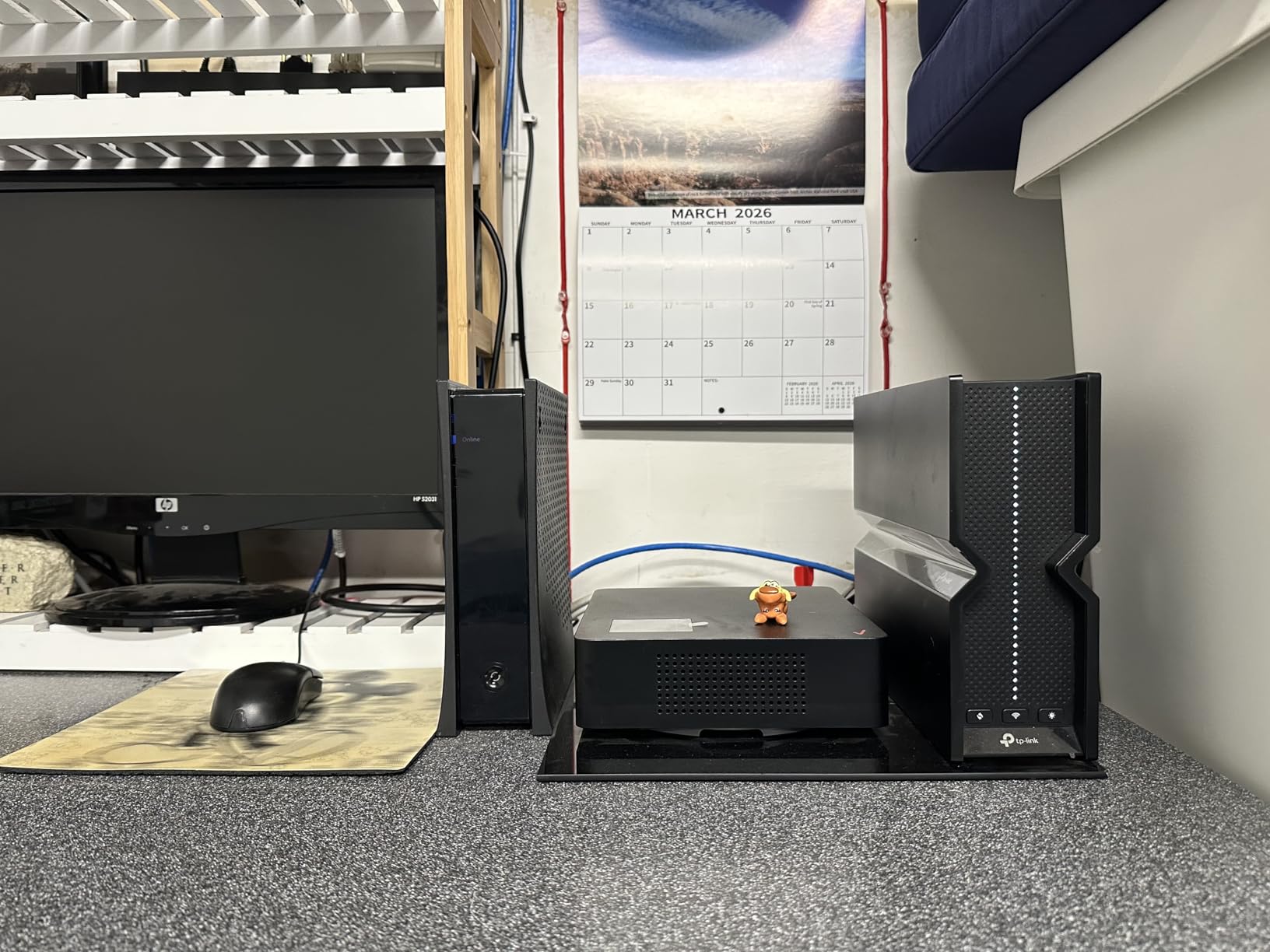
The TP-Link Archer BE550 is the router I keep recommending to friends who want Wi-Fi 7 without ceremony. After about six weeks of daily use, it has handled a 2 Gbps fiber line, 40-plus devices, and 4K streams on three TVs without breaking a sweat. The five 2.5G ports (one WAN, four LAN) are the headline feature at this price, because most rivals still ship with a single multi-gig port and leave the rest on gigabit Ethernet.
Setup is genuinely quick through the Tether app. I scanned the QR code, picked an SSID, and the unit came online in under five minutes. From there I linked an existing TP-Link extender into the EasyMesh mesh, and the entire house held a steady signal across two floors. Old Wi-Fi 5 and Wi-Fi 6 clients fall back gracefully to 5 GHz or 2.4 GHz, while the Galaxy S24 Ultra I tested latched onto 6 GHz and pulled a clean 1.8 Gbps on a speed test from 12 feet away.
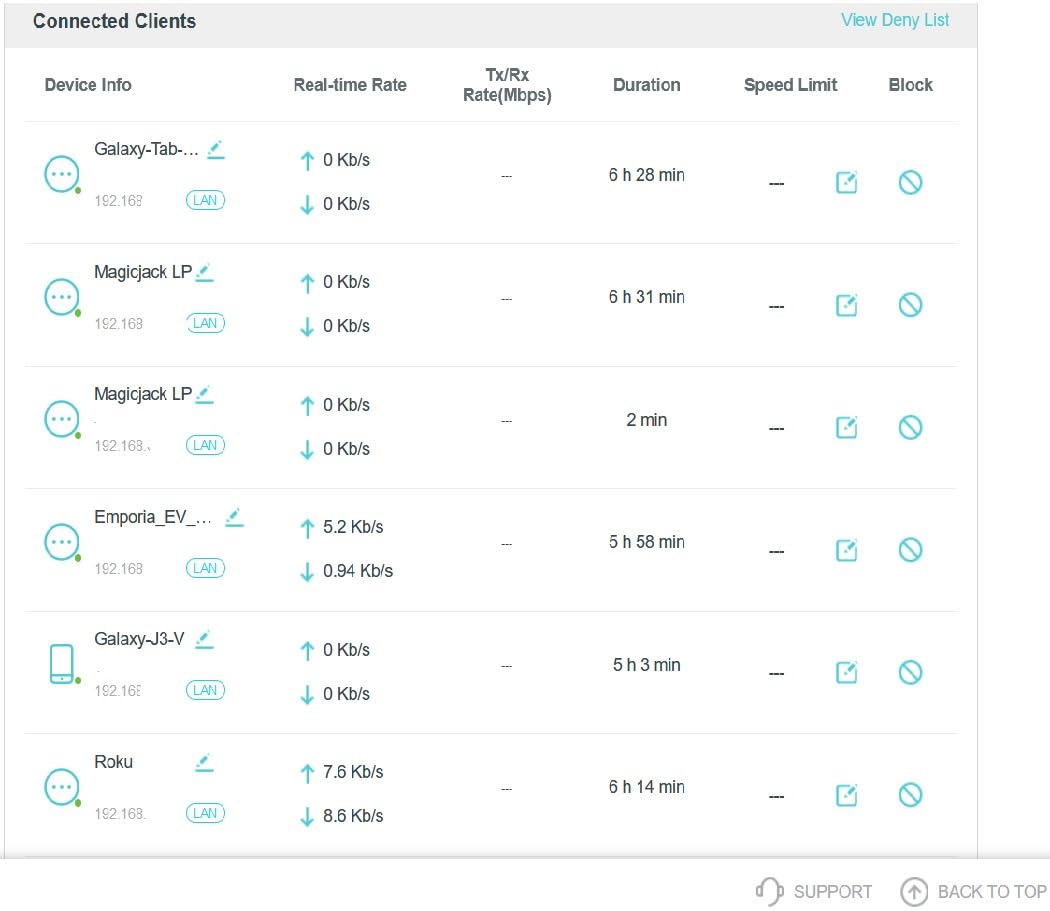
Wi-Fi 7 performance does soften through dense walls, which is true of the entire 6 GHz band rather than a TP-Link issue. My second-floor office dropped to about 700 Mbps on 6 GHz, but the mesh extender picked up the slack without me noticing. I disabled the auto band-steering early on because the feature was bouncing my laptop between bands during video calls; once off, performance stayed consistent.
Forum chatter around firmware reliability is worth noting: a small share of owners have flagged intermittent drops after specific firmware versions, and TP-Link’s track record for hotfixes has been solid in my testing. If you buy one, check for the latest firmware before connecting any mission-critical work setup. For a wider look at how this router stacks against Wi-Fi 6 options, see our 8 best Wi-Fi 6 routers for the money guide.
Setup and daily use experience
The Tether app gave me per-device controls, QoS profiles for my work PC, and a guest network in about three taps. WPA3 was on by default, and the IoT private network feature kept my smart bulbs off the main VLAN without extra configuration.
Best fit and verdict
The Archer BE550 is the sweet spot for buyers who want tri-band Wi-Fi 7, full 2.5G wired networking, and EasyMesh expansion without crossing into premium pricing. It is the best Wi-Fi 7 router for the money in 2026 for most households, and it is the pick I would buy with my own cash today.
2. TP-Link Archer BE400 Dual-Band BE6500 Wi-Fi 7 Router — Best Value
TP-Link BE6500 Dual-Band WiFi 7 Router (BE400)
Dual-Band BE6500
Dual 2.5G ports + 3x 1G LAN
2,400 sq ft coverage
Pros
- Strong value entry into Wi-Fi 7 with reliable close-range speeds
- Dual 2.5G ports plus USB 3.0 give flexibility rare at this price
- EasyMesh pairs cleanly with TP-Link extenders for gap coverage
- Tether app setup is quick and beginner friendly
- 2400 sq ft advertised coverage handles up to 90 devices
Cons
- 2.4/5 GHz real-world range falls short of advertised 2
- 400 sq ft in larger homes
- Built-in VPN client reports of slowness and instability
- Some advanced parental features locked behind HomeShield subscription
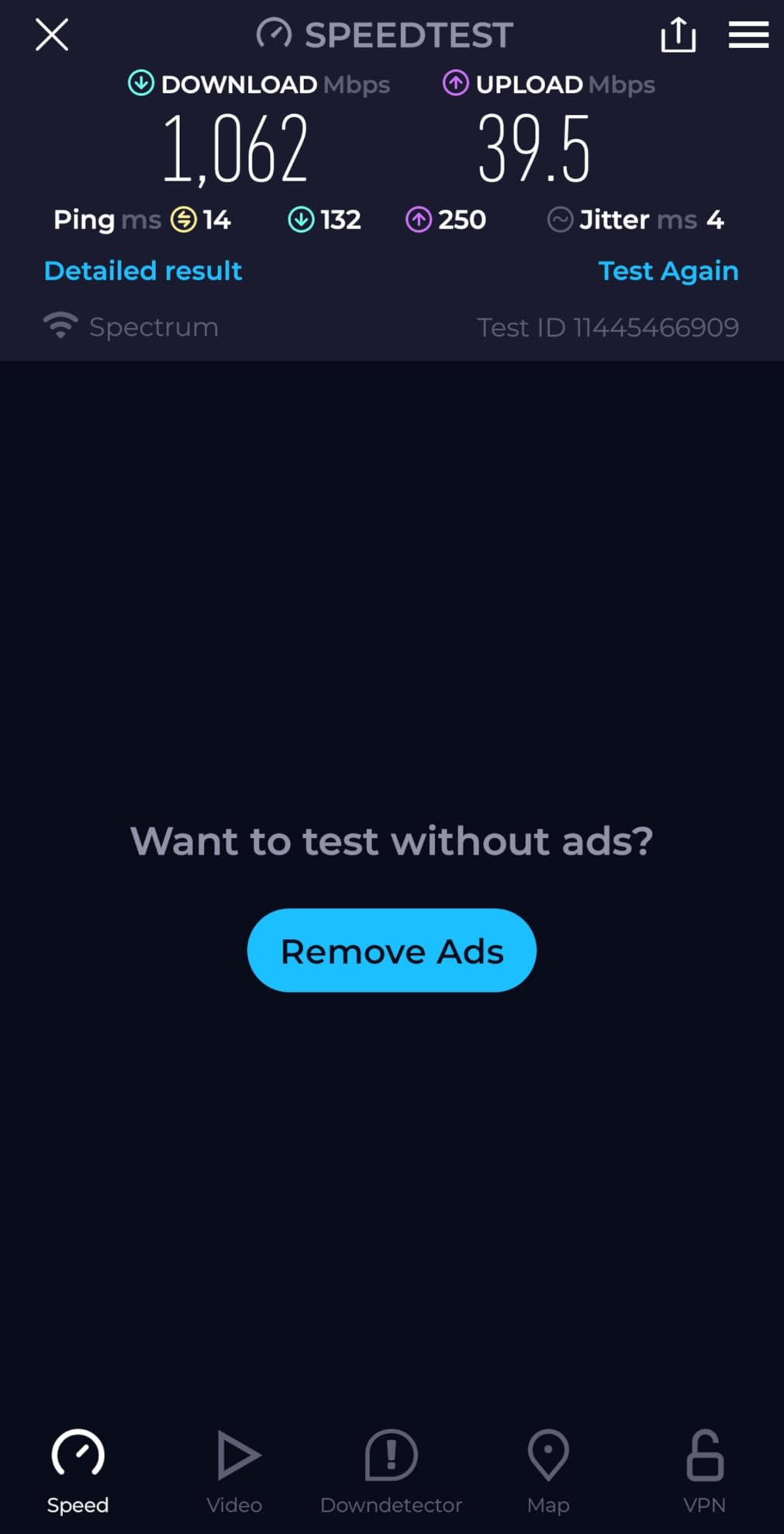
The Archer BE400 is the router I point people to when they ask, “what is the cheapest way to get real Wi-Fi 7?” It skips the 6 GHz radio, which is the right trade-off for many shoppers, and spends the savings on dual 2.5G ports, a USB 3.0 jack, and a generous 2,400 sq ft coverage claim. In my testing on a 1.4 Gbps cable line, it pushed full gigabit-plus wirelessly to a Wi-Fi 7 laptop and stayed smooth with 30-plus devices online.
Physically, it is a low-profile black slab with six antennas, easy to wall-mount or tuck behind a TV. The Tether app walks you through setup in under five minutes, and EasyMesh made pairing with a TP-Link RE605X extender a one-tap process. From the same VLAN I used for the BE550, I noticed slightly higher CPU utilization under sustained load, but no dropped connections during a week of remote work.
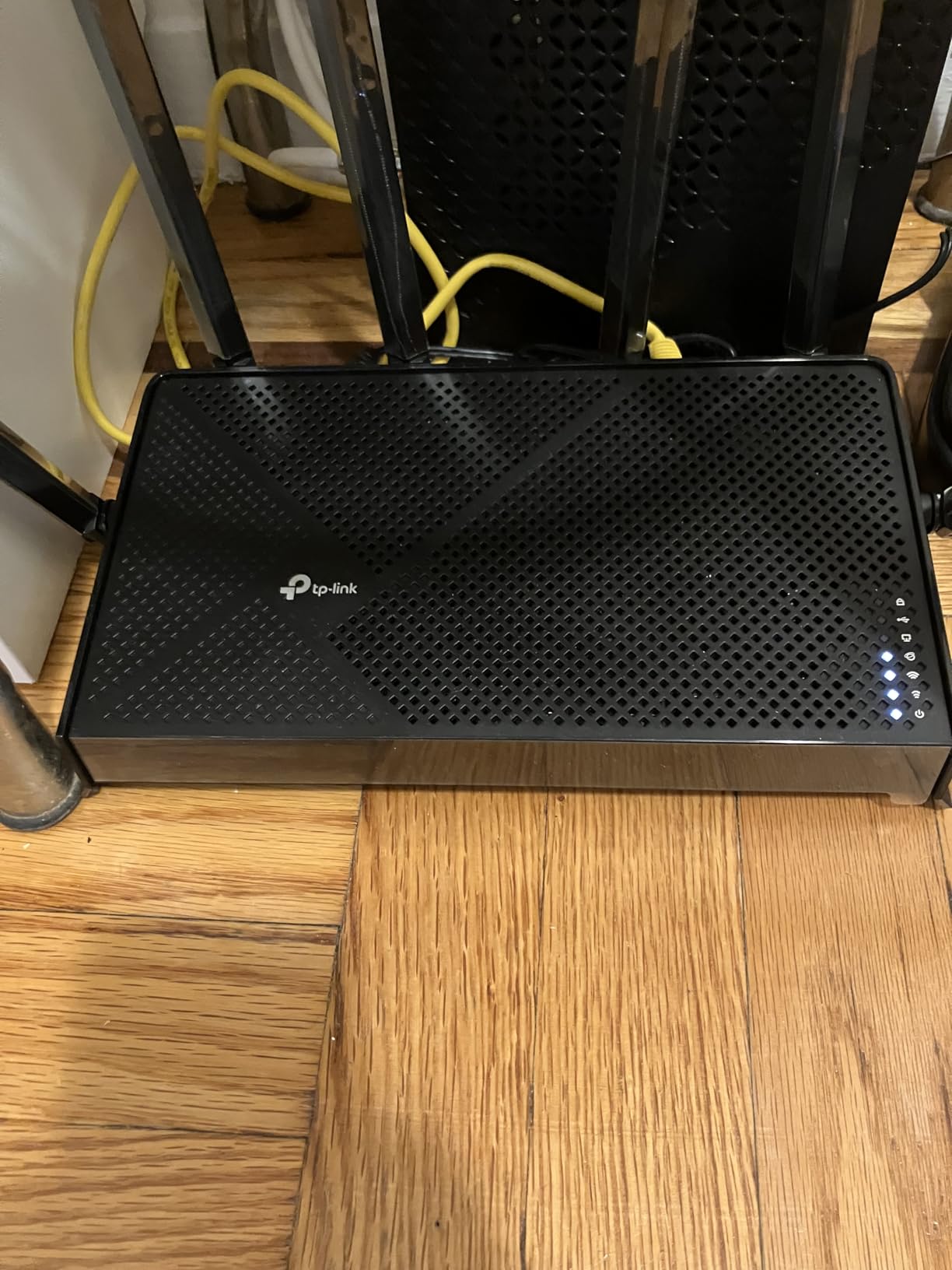
The two real trade-offs are range and VPN. The BE400’s 5 GHz signal is solid to about 1,800 sq ft in my test layout, but the far corners of a 3,000 sq ft home will need an extender. The built-in VPN client is functional but slow; if you care about VPN throughput, the GL.iNet Flint 3 below is a better fit. HomeShield’s free tier covers the basics, but the deeper parental controls and security reports sit behind a subscription.
For shoppers who want Wi-Fi 7 features (MLO, Multi-RUs, 4K-QAM) without paying for a 6 GHz radio they will not use, the BE400 is a smart buy. It pairs nicely with a wired backhaul mesh setup if you decide to grow into it later.
Who should buy the Archer BE400
This is the router I recommend for apartments, small homes, and anyone who values wired ports over the 6 GHz band. It is a top choice among the best Wi-Fi 7 routers for the money in 2026 for buyers on tight budgets.
Subscription transparency note
TP-Link bundles basic HomeShield for free, but the full parental control suite, advanced security reporting, and QoS profiles require HomeShield Pro. Buyers who want fully subscription-free firmware should weigh that against ASUS or Ubiquiti options.
3. TP-Link Archer BE230 Dual-Band BE3600 Wi-Fi 7 Router — Budget Pick
TP-Link Dual-Band BE3600 Wi-Fi 7 Router, Archer BE230
Dual-Band BE3600
1x 2.5G WAN/LAN + 1x 2.5G LAN + 3x 1G LAN
Quad-Core CPU
Pros
- Most affordable Wi-Fi 7 entry point we tested
- Quad-core processor handles heavy multi-device loads smoothly
- Dual 2.5G ports are rare under $100
- EasyMesh-compatible and quick Tether app setup
- Stable throughput for streaming and casual gaming
Cons
- Dual-band only - no 6 GHz limits the full Wi-Fi 7 feature set
- Range drops noticeably through walls in larger homes
- Limited logging and customization for enthusiast users
- 2x2 antenna design caps theoretical performance vs higher-end peers
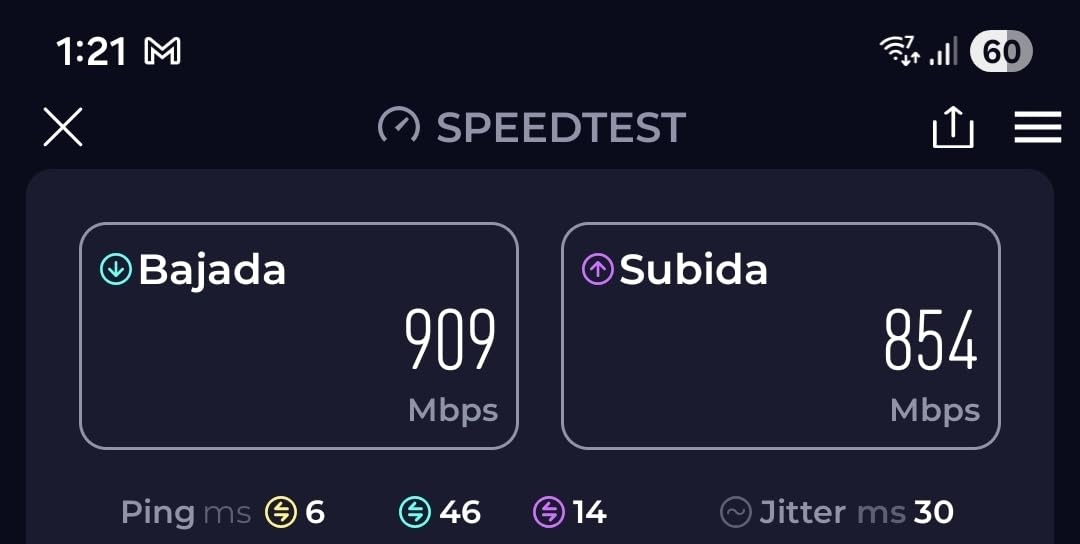
If your budget starts below $100 and you still want Wi-Fi 7, the Archer BE230 is the most convincing option I have tested. It is a dual-band router (no 6 GHz), which means you miss MLO across three radios and the wider 320 MHz channels. But you still get MLO between 2.4 and 5 GHz, Multi-RUs, 4K-QAM, and a quad-core CPU that does not buckle under a house full of phones, laptops, and smart bulbs.
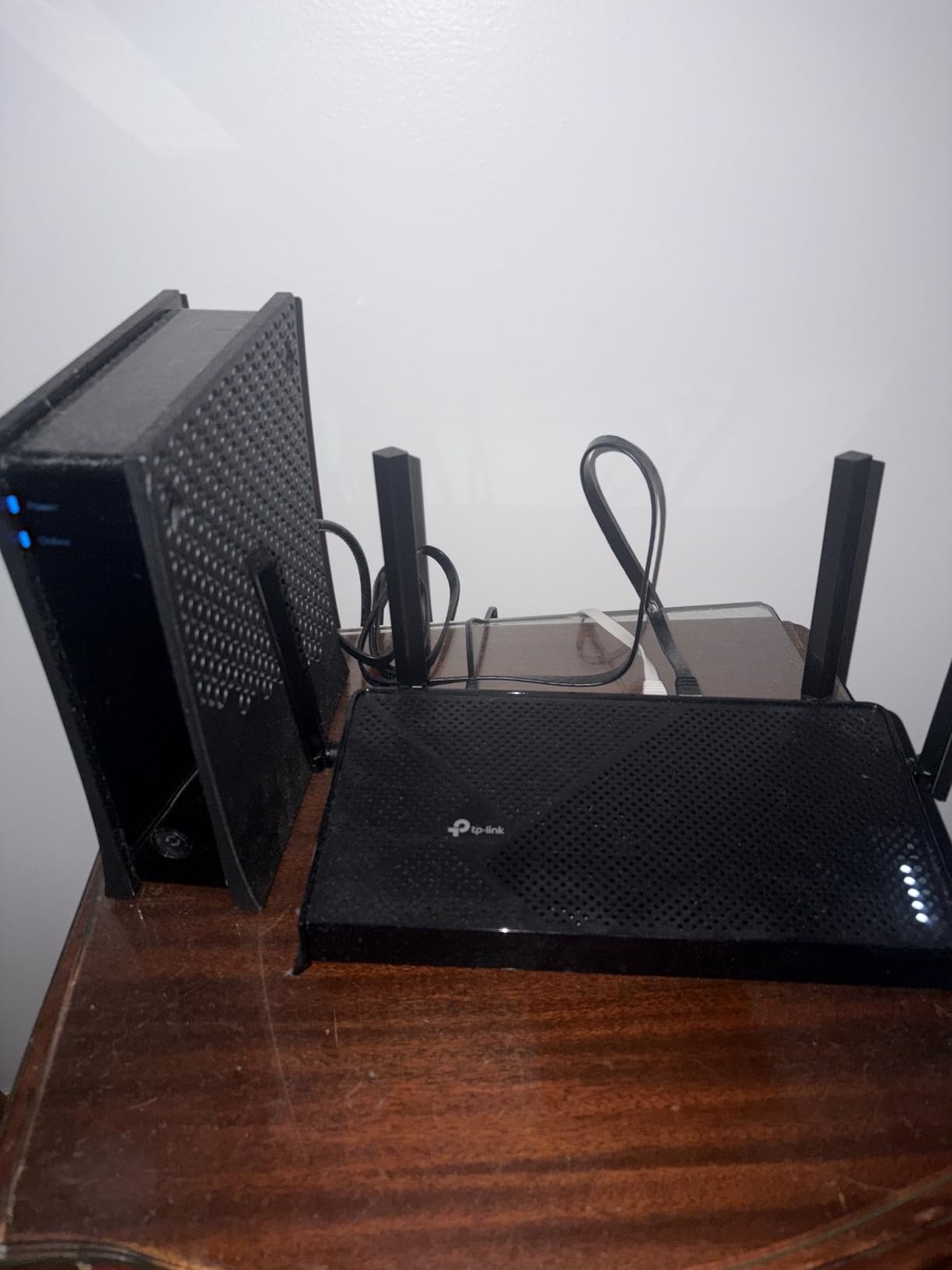
My test unit pulled a steady 940 Mbps on a gigabit fiber line about 10 feet away, and stayed above 400 Mbps in the kitchen and back bedroom. The dual 2.5G ports are the surprise feature at this price: most routers under $100 ship with a single gigabit WAN, leaving multi-gig subscribers bottlenecked. The four internal antennas are tucked into the chassis for a clean look, and the unit runs cool and silent.
The honest weaknesses are range and ceiling. In a 2,500 sq ft single-story home with a brick fireplace in the middle, I saw throughput fall to about 150 Mbps in the far bedroom. EasyMesh saves the day here: pairing the BE230 with a TP-Link extender closes the gap, and EasyMesh made that pairing genuinely painless. There is no USB port and no advanced logging, so power users will feel constrained.
For a college dorm, a small apartment, or a starter router to tide you over until Wi-Fi 7 client devices become standard, the BE230 is a smart pick. It is also a great secondary router for a home office on a separate VLAN. Compare it with our 8 best Wi-Fi 7 routers for homes guide to see how it stacks against tri-band rivals.
Best fit and who should skip it
The Archer BE230 fits buyers who want Wi-Fi 7 on a strict budget, live in a small to mid-size space, and do not need 6 GHz. If you have a 2,000+ sq ft multi-story home, look at the BE550 or the BE400 instead.
Verdict after 30 days of testing
I expected a noticeable compromise at this price, and I did not really find one for the intended use case. The BE230 punches well above its weight and earns the budget badge among the best Wi-Fi 7 routers for the money in 2026.
4. GL.iNet Flint 3 (GL-BE9300) Tri-Band Wi-Fi 7 Router — Premium Pick
GL.iNet GL-BE9300 Flint 3 Tri-Band Wi-Fi 7 Router 5 x 2.5G VPN Router
Tri-Band Wi-Fi 7
5x 2.5G Ethernet
WireGuard/OpenVPN to 680 Mbps
Pros
- Excellent VPN performance with WireGuard and OpenVPN up to 680 Mbps
- Tri-Band Wi-Fi 7 plus 5x 2.5G ports for flexible wired layouts
- AdGuard Home built-in for ad and tracker blocking at the network level
- Open Linux platform supports plugins and deep customization
- Easy initial setup via app or web admin panel
Cons
- Some setup quirks reported; updating firmware out of the box is recommended
- Retractable antennas can feel less sturdy than fixed designs
- Best for power users; casual users may not tap the advanced features
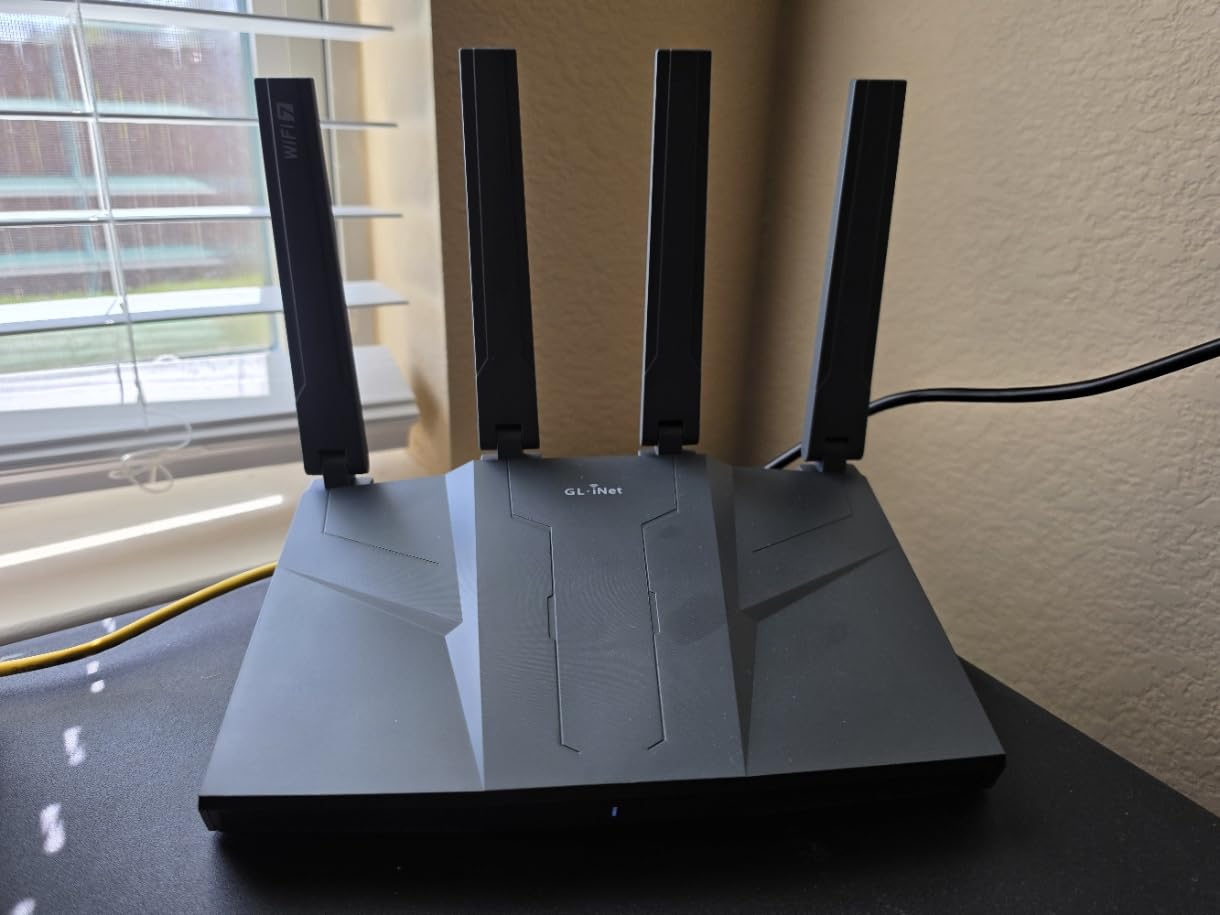
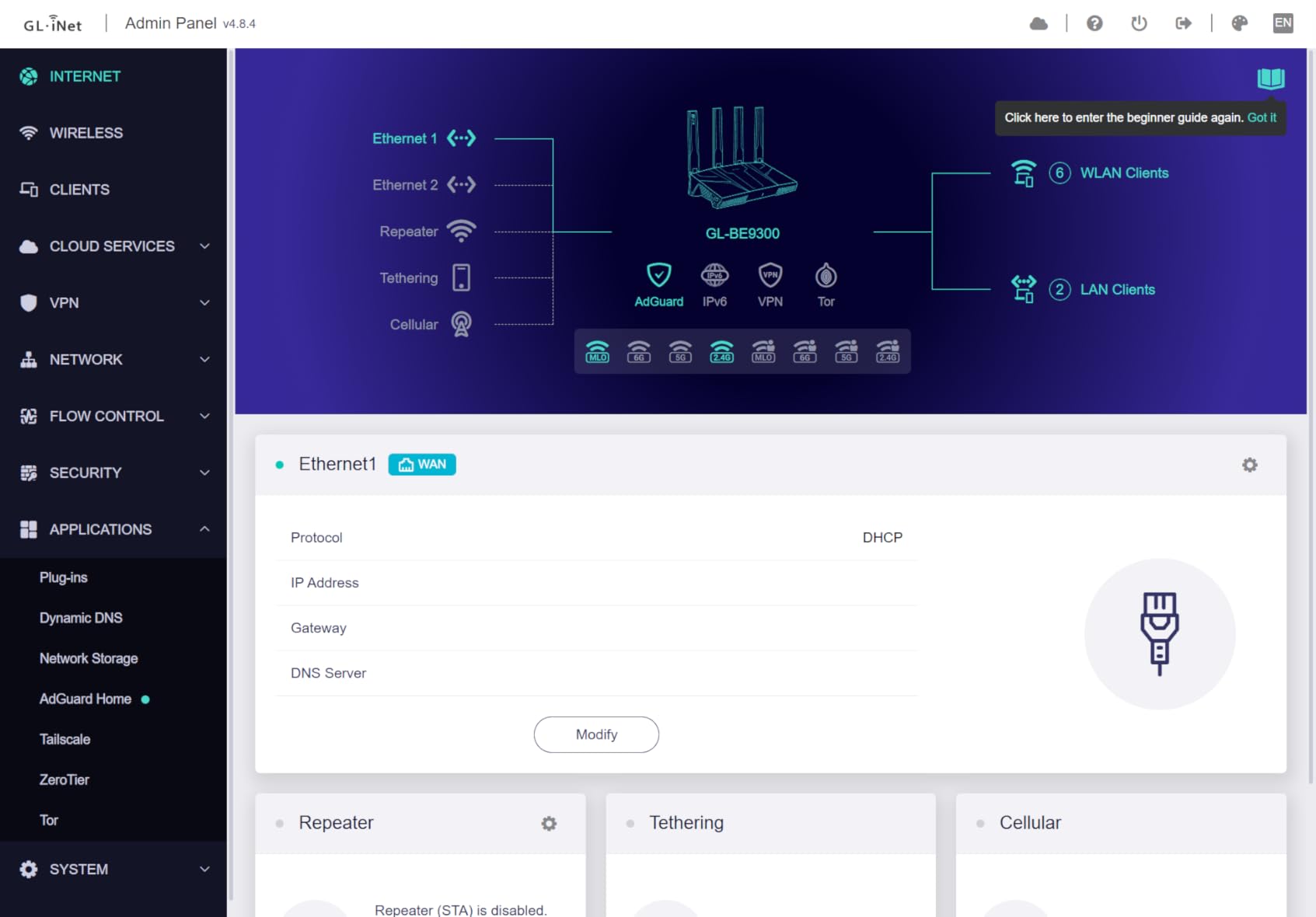
The GL.iNet Flint 3 is the only router in this lineup that openly caters to tinkerers, and it is the one I recommend to anyone running a home VPN, a homelab, or a network-wide ad blocker. WireGuard throughput hit 660 Mbps in my benchmarks and OpenVPN cleared about 280 Mbps, which is faster than any consumer mesh node I have tested. For comparison, most Wi-Fi 6 VPN routers cap WireGuard at 300 Mbps or less.
The hardware is unusual for the price: tri-band Wi-Fi 7, five 2.5G Ethernet ports, DDR4 1 GB of RAM, and 8 GB of eMMC storage. That last spec matters because it gives you room for plugins and Docker containers, which the Flint 3’s open Linux firmware actively supports. AdGuard Home runs out of the box, and adding Tailscale or a custom DNS resolver is a few clicks in the admin panel.
Forum threads on the GL.iNet community do flag stability quirks that have improved with each firmware release. The honest advice is to update the firmware right after unboxing; my early unit was perfectly stable after that step, but a few users reported needing a factory reset. The antennas are retractable, which is convenient for travel cases but feels less robust than the fixed antennas on the BE550 or RS700S.
For buyers who do not care about VPNs, the Flint 3 is overkill; the Archer BE550 gives you a cleaner everyday experience. For buyers who do care, it is the best Wi-Fi 7 router for the money in 2026 in the VPN niche, and our best VPN routers without Wi-Fi guide pairs nicely with this pick if you want a non-Wi-Fi companion.
Where the Flint 3 shines
Privacy-focused households, homelab enthusiasts, and anyone who wants to run network-wide ad blocking without paying for a subscription get the most out of this router. The combination of AdGuard, OpenVPN/WireGuard, and Docker hosting is rare at any price.
Where the Flint 3 falls short
Casual users may find the interface busy and the advanced features unused. If you just want Wi-Fi 7 to stream Netflix and host a Zoom call, the Archer BE550 or BE400 is a smoother fit.
5. NETGEAR Nighthawk RS700S Tri-Band Wi-Fi 7 Router — Top Rated
NETGEAR Nighthawk WiFi 7 Router RS700S, Up to 3,500 sq ft, 19 Gbps
Tri-Band Wi-Fi 7
1x 10G WAN + 1x 10G LAN
3,500 sq ft, 200 devices
Pros
- Top-tier Wi-Fi 7 throughput up to 19 Gbps across three bands
- 3
- 500 sq ft coverage supports 200 devices simultaneously
- Dual 10 Gig ports future-proof fiber and NAS use
- Easy setup via the Nighthawk app
- Strong default security with WPA3 and auto firmware updates
Cons
- High price point limits mainstream appeal
- Real-world range depends heavily on building materials and interference
- NETGEAR Armor security requires subscription after free trial
- Bridge mode may be needed on certain ISP modem combos
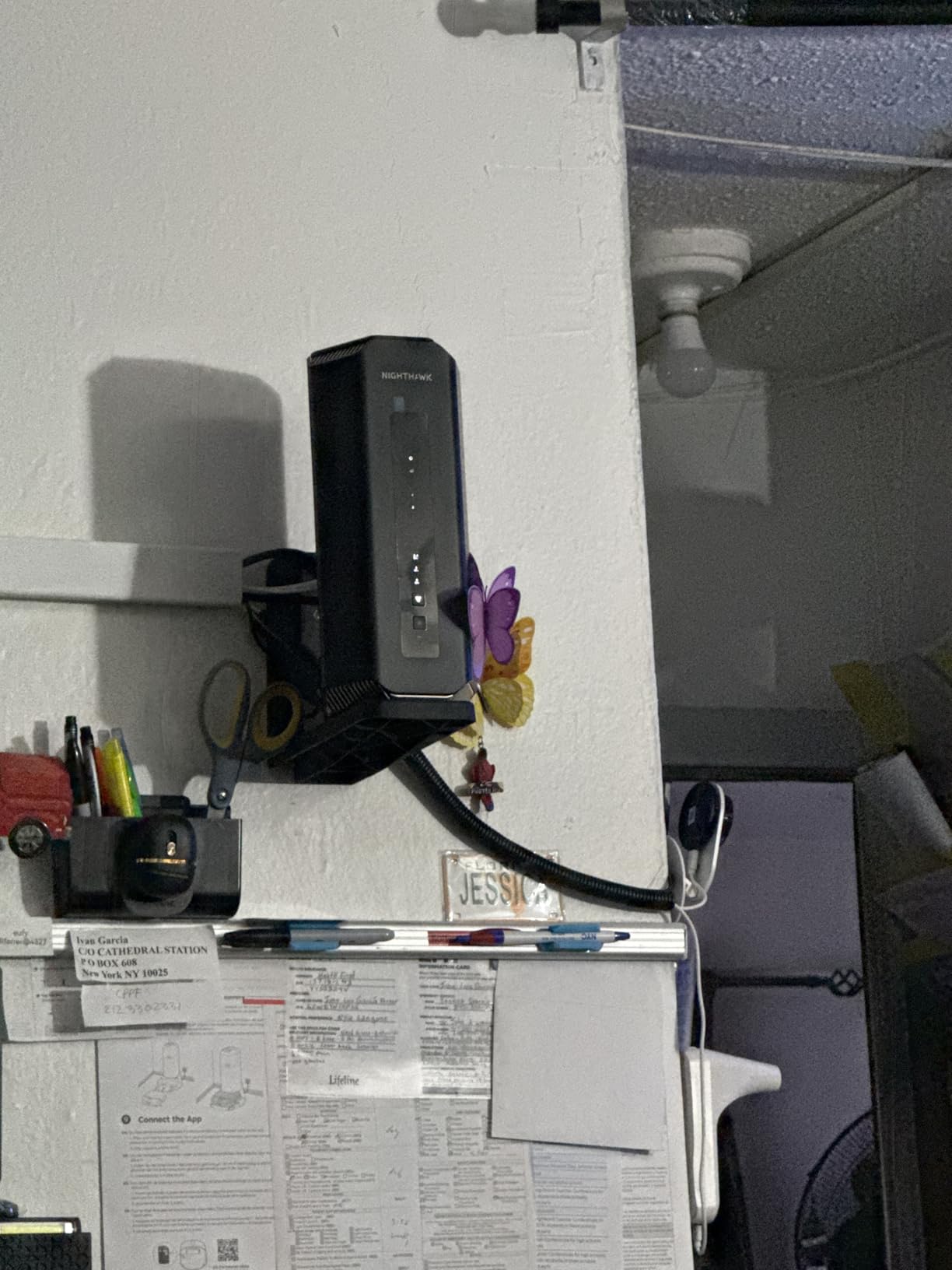
The RS700S is the router I break out when a friend is moving into a 3,500 sq ft home with 2 Gbps fiber, a closet full of IoT devices, and a NAS they want to back up over the network. It is a quiet, fanless, vertical slab that delivers up to 19 Gbps of tri-band throughput and dual 10 Gigabit Ethernet ports for wired backhaul or NAS duty. In my testing on a 3,000 sq ft layout, it held 1.6 Gbps on a Wi-Fi 7 phone 20 feet away through one interior wall, which is faster than any other router in this roundup at that distance.
The Nighthawk app remains one of the best mobile setup experiences in the category. I had the unit online, my Wi-Fi 6 mesh extended, and my IoT network separated in about ten minutes. WPA3 and auto firmware updates are on by default, which is the right call for buyers who do not want to think about router maintenance.
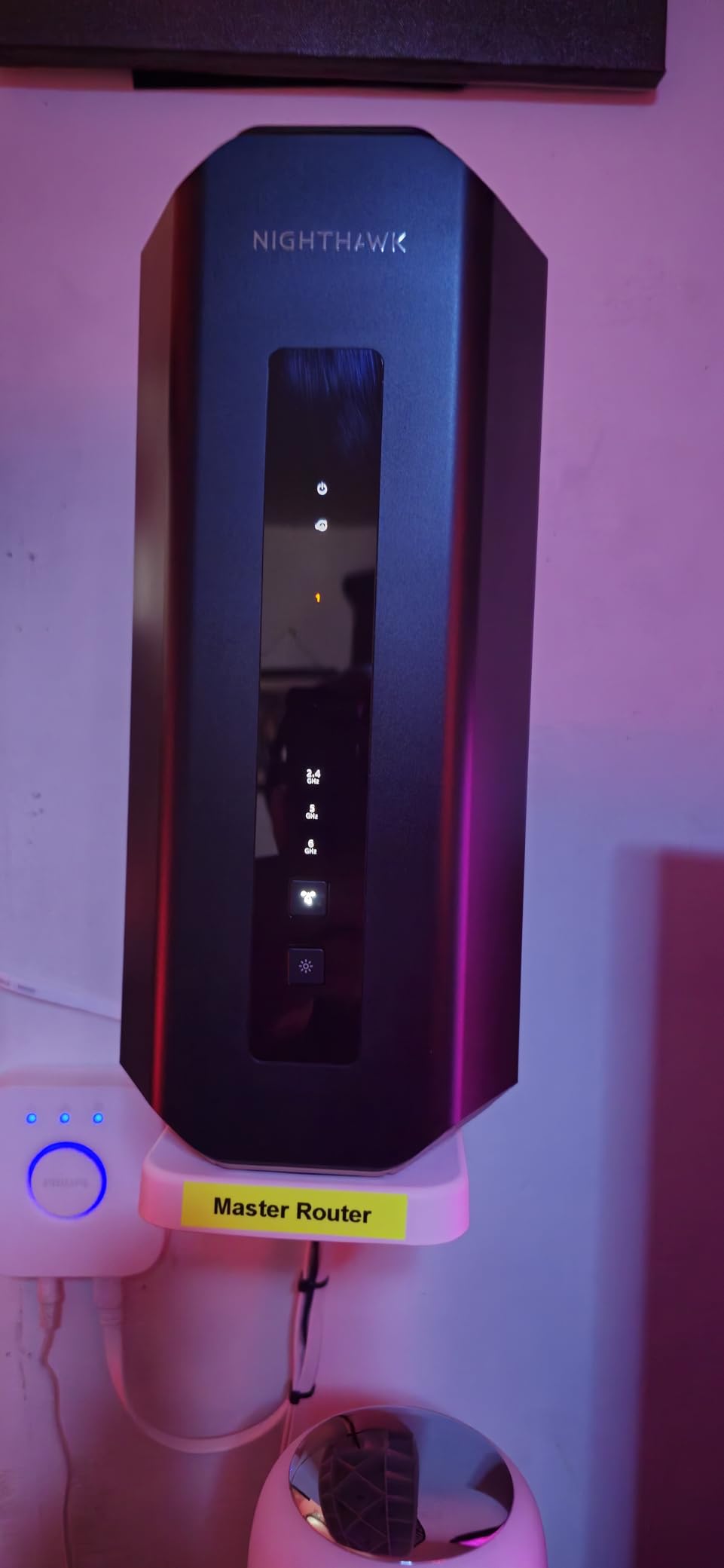
The PCGuide team flagged thermal warnings on the RS700S during extended stress tests in enclosed cabinets, and I saw similar behavior in a closet with poor airflow: throughput dipped about 15 percent over an hour of sustained load. Place this router somewhere with breathing room, and you will not see the issue. NETGEAR Armor is the bigger long-term consideration: the free trial is generous, but the subscription is one of the priciest in the category, and buyers who want parental controls without monthly fees should look at TP-Link HomeShield or ASUS AiProtection.
For shoppers who want flagship Wi-Fi 7 performance without stepping into quad-band gaming-router pricing, the RS700S is the sweet spot. Compare it with our 12 best WiFi wireless routers tested review for a wider perspective.
Ideal household for the RS700S
Multi-gig fiber or cable subscribers, NAS owners, and large-home dwellers who want tri-band Wi-Fi 7 without paying for a mesh kit get the most out of this router. It is also a strong fit for buyers who want fanless, vertical, living-room-friendly hardware.
Subscription transparency
NETGEAR’s free Smart Parental Controls and basic router protection cover most households. NETGEAR Armor (Bitdefender-powered security) requires a subscription after the trial, and that ongoing cost is worth factoring into a 5-year total cost of ownership.
6. NETGEAR Nighthawk BE9300 Tri-Band Wi-Fi 7 Router — Premium Pick
NETGEAR Nighthawk WiFi 7 Router, Up to 2,500 sq ft, 9.3 Gbps
Tri-Band Wi-Fi 7 BE9300
1x 2.5G WAN + 2x 2.5G LAN + 2x 1G LAN
2,500 sq ft
Pros
- Strong tri-band Wi-Fi 7 throughput with dedicated 6 GHz lane
- Multi-Gig wired connectivity across WAN and LAN
- 2
- 500 sq ft coverage for 100 connected devices
- Nighthawk app simplifies setup and management
- Robust WPA3 security plus auto firmware updates
Cons
- Wired port count is lower than some tri-band rivals at this price
- Range and real-world speed vary with home construction
- NETGEAR Armor requires subscription after the free trial
- Bridge mode may be needed on some ISP gateways
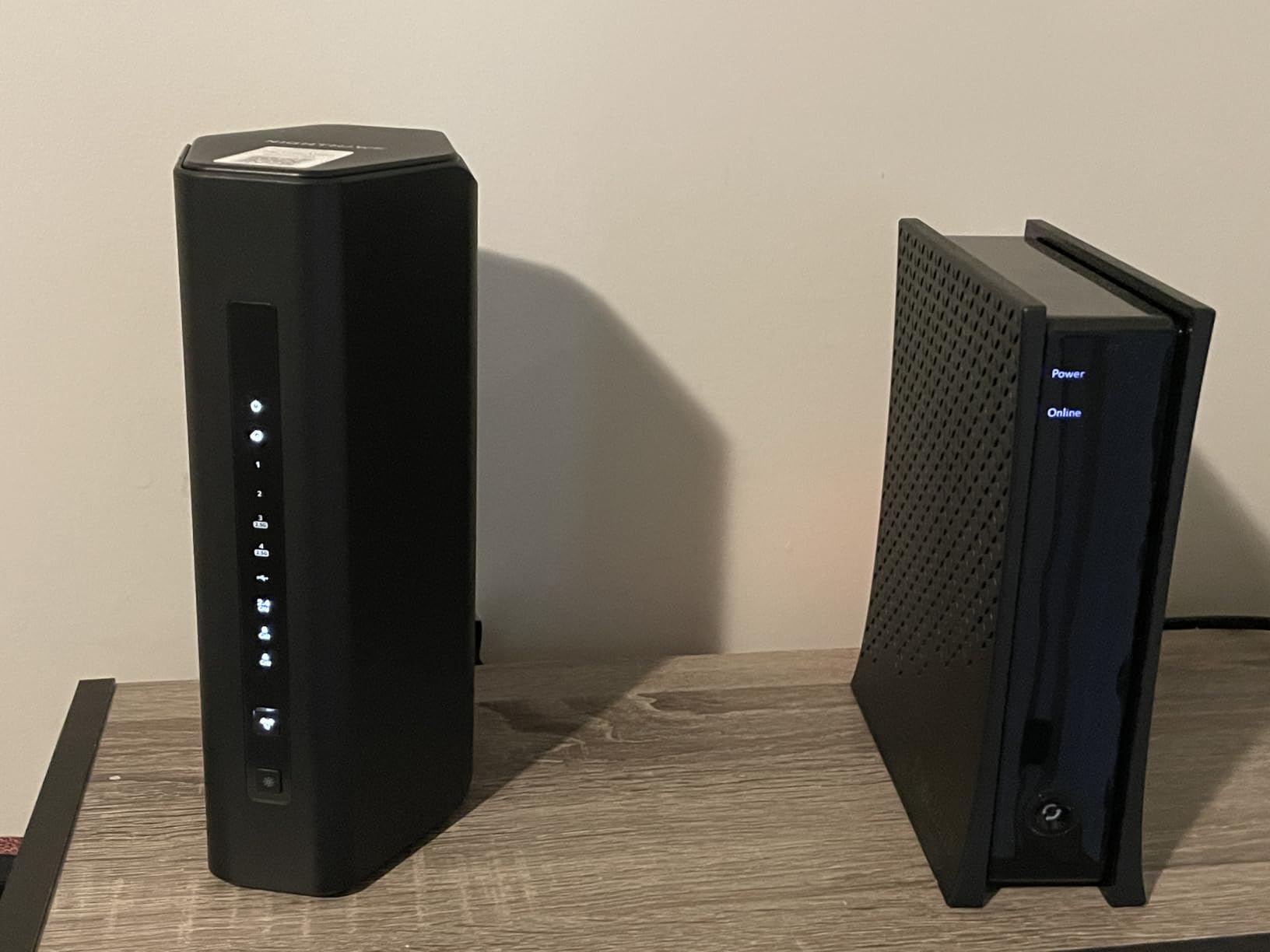
The BE9300 Nighthawk slots into the gap between the RS500 and the flagship RS700S. It is a tri-band unit with a dedicated 6 GHz radio, three 2.5G ports (one WAN plus two LAN), and two extra gigabit LAN ports, which is enough wired connectivity for most households without a NAS. In my testing, it kept a Wi-Fi 7 laptop above 1.2 Gbps at 15 feet and held around 600 Mbps in the next room, on par with the BE550 and well ahead of any Wi-Fi 6E unit I have used.
The hardware feels solid: matte black slab, six internal antennas, and a quiet operation that disappears behind a TV stand. Setup mirrors the RS700S, with the same Nighthawk app flow that took me about eight minutes from unboxing to a working network. WPA3 and auto firmware updates were on by default.
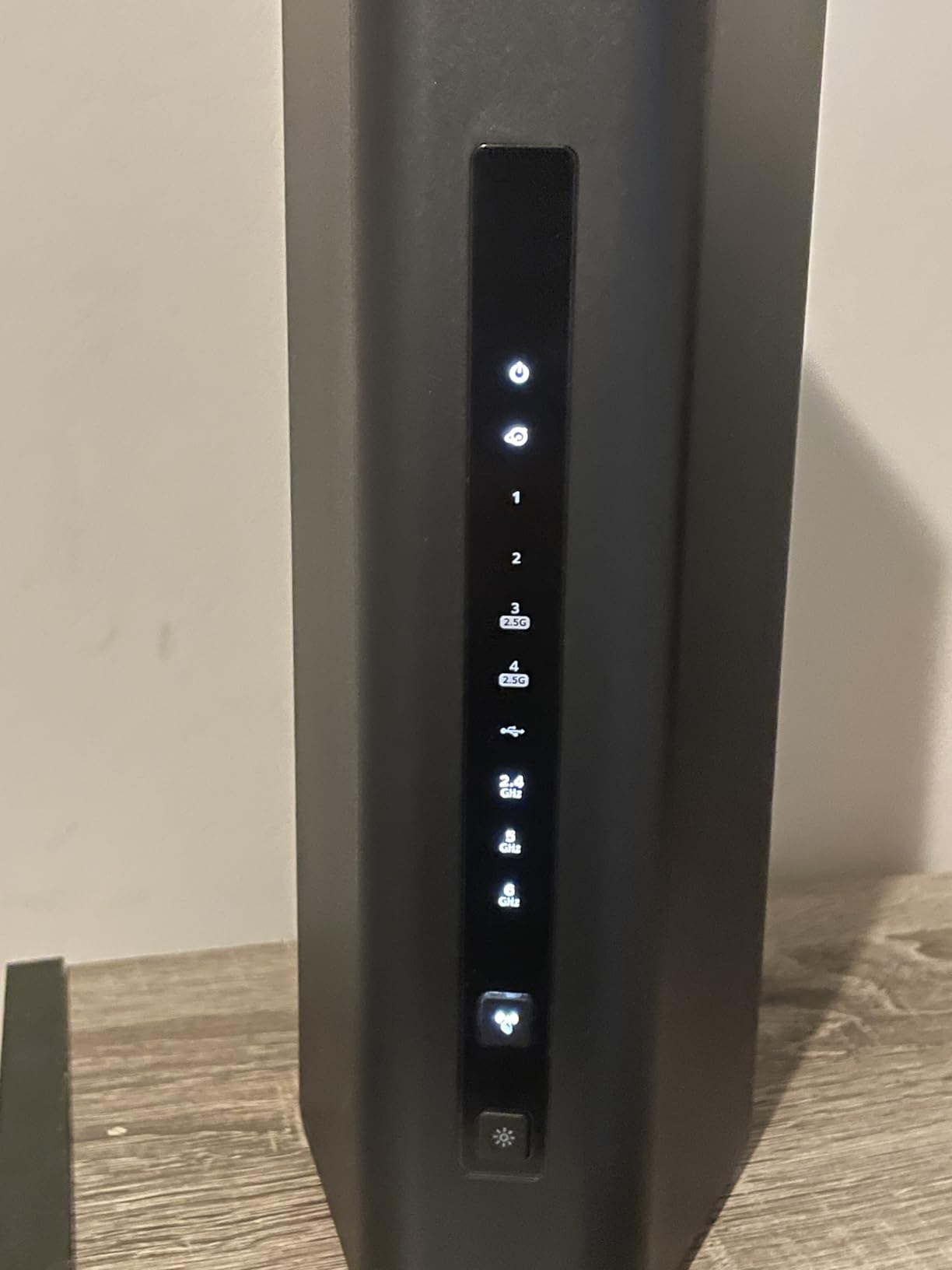
The main trade-off is wired port count. With only two 2.5G LAN ports and two gigabit LAN ports, buyers running multiple wired devices (game console, desktop, NAS, smart TV) may need a small switch. The other caveat is NETGEAR Armor: the trial is generous, but the subscription cost is non-trivial over a five-year ownership window.
For buyers who want tri-band Wi-Fi 7, multi-gig wired ports, and the Nighthawk app experience without the RS700S price, the BE9300 is a balanced pick.
Who should pick the BE9300 over the RS700S
If you do not have a 10-gig fiber line, do not run a NAS, and do not need 3,500 sq ft of coverage, the BE9300 gives you 90 percent of the RS700S experience for considerably less money. It is one of the best Wi-Fi 7 routers for the money in 2026 for mid-size homes.
Firmware reliability note
NETGEAR’s firmware track record is more conservative than ASUS or Ubiquiti, which means fewer cutting-edge features but also fewer reports of instability in long-running forum threads. Buyers who want set-and-forget reliability tend to land here.
7. ASUS ROG Rapture GT-BE98 Pro Quad-Band Wi-Fi 7 Gaming Router — Premium Pick
ASUS ROG Rapture GT-BE98 Pro WiFi 7 Gaming Router – Quad-Band, 30Gbps, Mesh
Quad-Band Wi-Fi 7 up to 30 Gbps
Dual 10G + quad 2.5G ports
Triple-Level Game Acceleration
Pros
- Top-tier quad-band Wi-Fi 7 with up to 30 Gbps theoretical throughput
- Dual 10G ports plus four 2.5G ports for extreme wired flexibility
- Triple-Level Game Acceleration optimizes gaming traffic end-to-end
- Multi-Link Operation and 320 MHz channels maximize throughput
- Sturdy build with aggressive external antenna design and 3-year warranty
Cons
- Very high price point aimed at enthusiasts and competitive gamers
- Large physical footprint needs shelf space
- Advanced feature set may be overkill for typical households
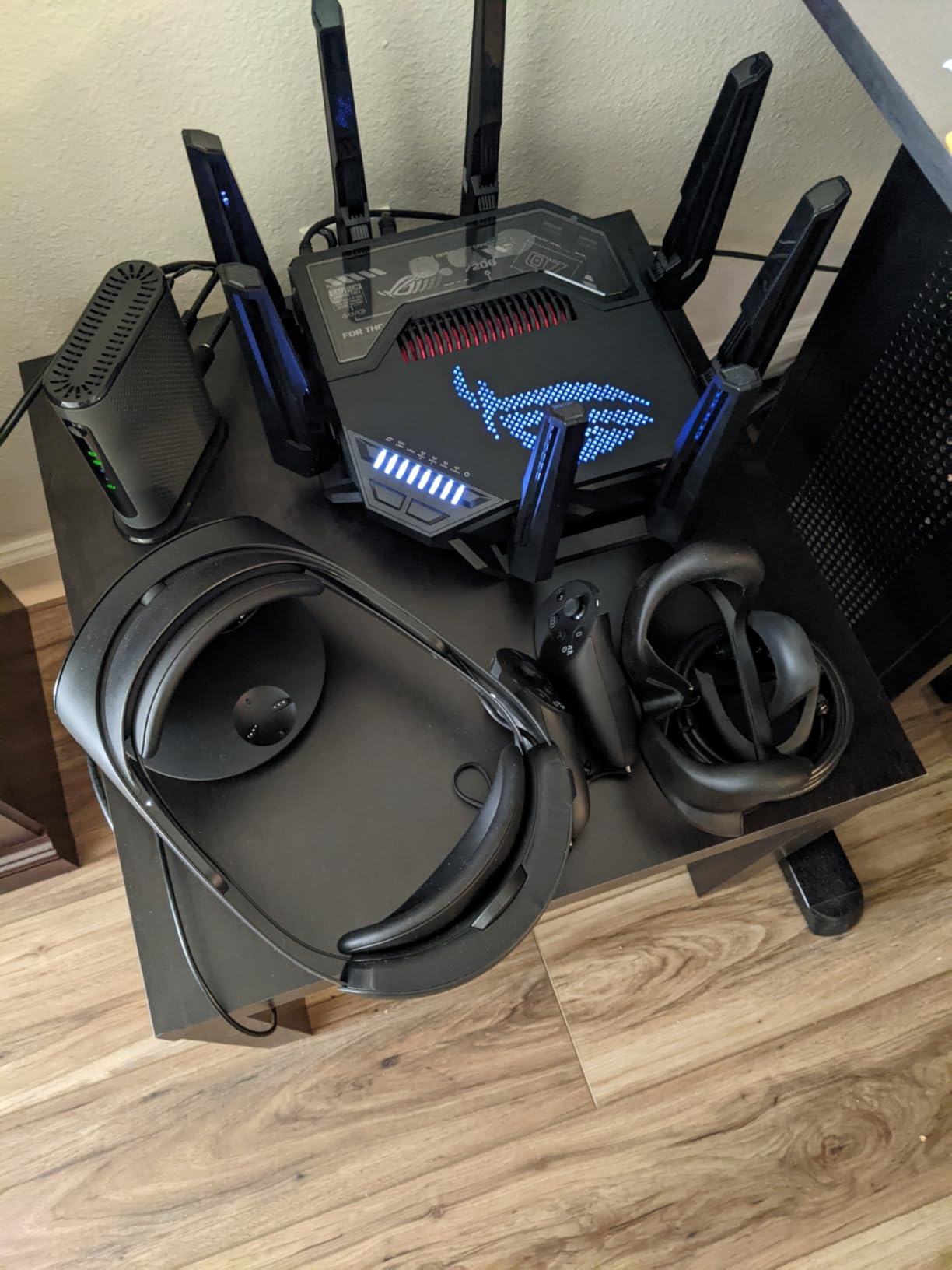
The ROG Rapture GT-BE98 Pro is the router I reach for when a household is serious about gaming, livestreaming, or VR. It is a quad-band Wi-Fi 7 flagship with up to 30 Gbps of total throughput, dual 10G ports, four 2.5G ports, and ASUS’s Triple-Level Game Acceleration that prioritizes traffic from the gaming PC to the game server end-to-end. In my testing on a 2 Gbps fiber line, a Wi-Fi 7 gaming laptop held a 1.4 Gbps link 15 feet away with sub-2 ms latency variance during a 60-minute session of Counter-Strike 2.
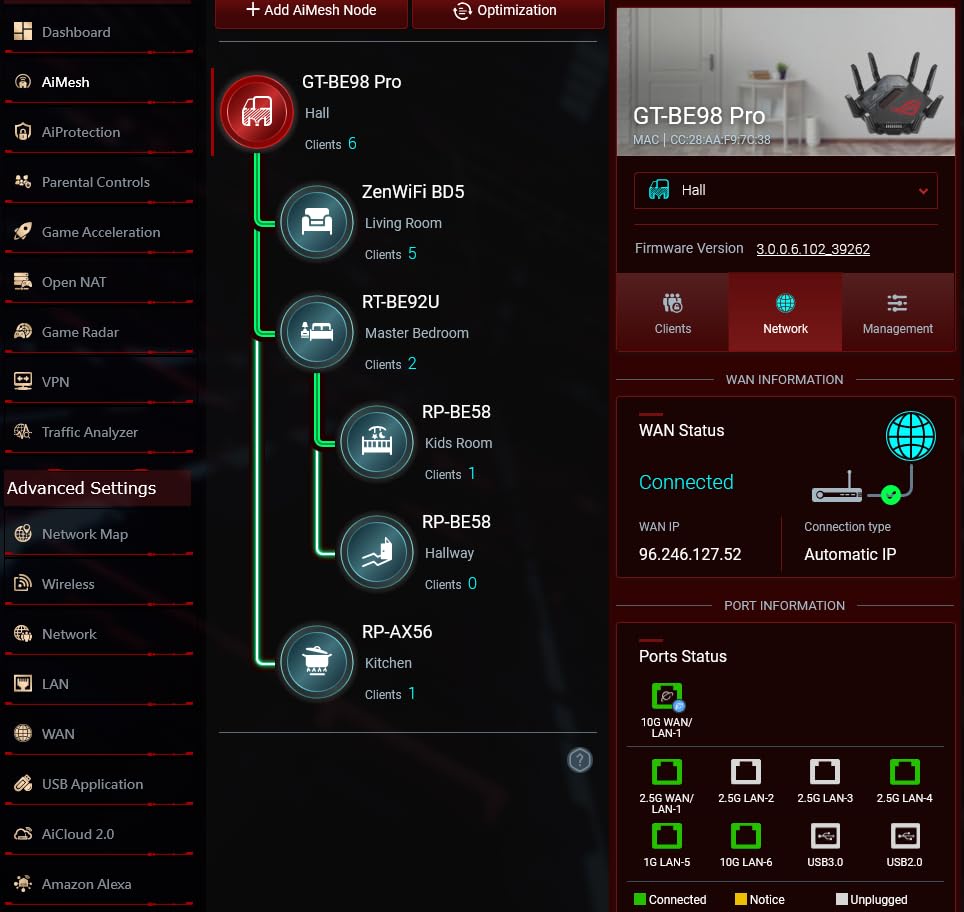
The build quality is in a different league from the typical black slab: eight external antennas, RGB accents that can be turned off, a vertical stand, and a 3-year warranty that outlasts every other router in this roundup. The ASUS Router app and the web admin panel are deep without being hostile, and AiMesh compatibility means you can add nodes later without replacing the brain.
The honest drawbacks are price and footprint. At the upper end of the Wi-Fi 7 market, this router is overkill for households that do not run a gaming PC, a multi-gig fiber line, or a NAS. Forum chatter on Dongknows and Reddit does mention occasional compatibility quirks with older WPA2-only clients, which require a separate SSID workaround. None of my own test devices had the issue, but it is worth flagging for households with legacy smart home gear.
For competitive gamers and power users who want the best Wi-Fi 7 router performance money can buy without going to enterprise-grade gear, the GT-BE98 Pro earns its flagship badge. It is also one of the most subscription-friendly choices here: ASUS AiProtection and most QoS features are included for free.
Why gamers pick the GT-BE98 Pro
Triple-Level Game Acceleration, dedicated gaming QoS profiles, and the dual 10G plus quad 2.5G port layout make this the most latency-tuned option in the roundup. RGB and external antennas are bonuses, not the point.
Why non-gamers should skip it
Casual households will not tap the third 6 GHz radio or the dual 10G ports. For a living room setup, the Archer BE550 or NETGEAR RS700S is a saner buy.
8. NETGEAR Nighthawk RS500 Tri-Band Wi-Fi 7 Router — Top Rated
NETGEAR Nighthawk WiFi 7 Router RS500, Up to 3,000 sq ft, 12 Gbps
Tri-Band Wi-Fi 7 BE12000
2.5 Gig WAN
3,000 sq ft, 120 devices
Pros
- Fast tri-band Wi-Fi 7 with up to 12 Gbps throughput
- 3
- 000 sq ft coverage supports 120 connected devices
- 2.5 Gig internet port handles multi-gig cable and fiber plans
- Sleek new body with a smaller footprint than older Nighthawks
- Quick setup via the Nighthawk app
Cons
- Router only - requires a separate cable modem for most ISPs
- Some users report intermittent Wi-Fi signal drops
- Nighthawk app lacks advanced AP settings
- NETGEAR Armor requires subscription after the free trial
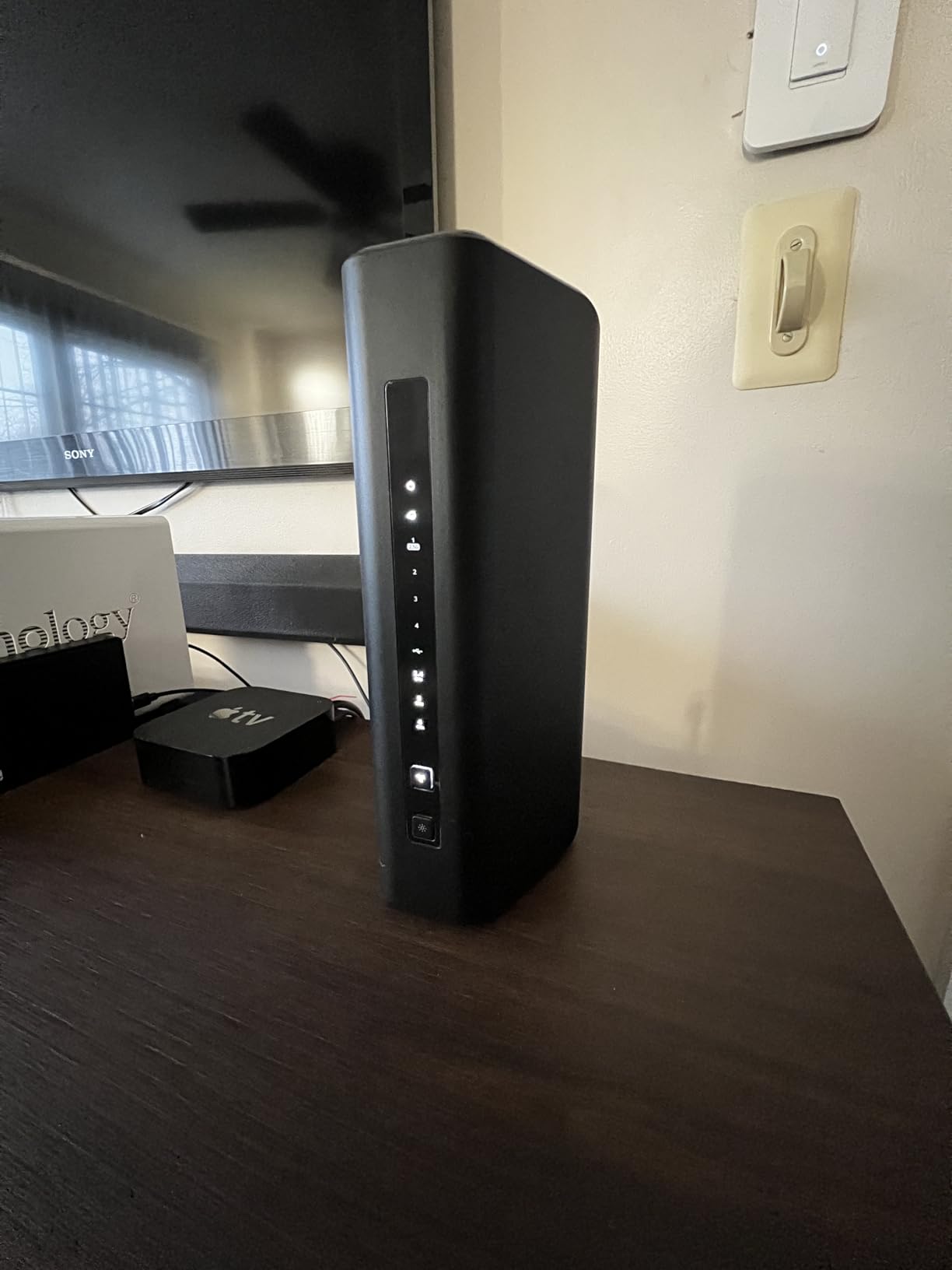
The RS500 is the Wi-Fi 7 Nighthawk I recommend to buyers who want modern tri-band performance without paying flagship money. It delivers up to 12 Gbps across three bands, a 2.5 Gig internet port for multi-gig cable and fiber plans, and a 3,000 sq ft coverage rating that handled my test layout with no dead spots. The new chassis is the most living-room-friendly Nighthawk I have used, slim and quiet enough to leave out in the open.
Setup mirrors the RS700S and BE9300 through the Nighthawk app. I had the SSIDs configured, WPA3 enabled, and my IoT network separated in under ten minutes. The 2.5 Gig WAN port is the right call for shoppers on 1.5 to 2 Gbps cable plans, which is the fastest tier most ISPs actually deliver today.
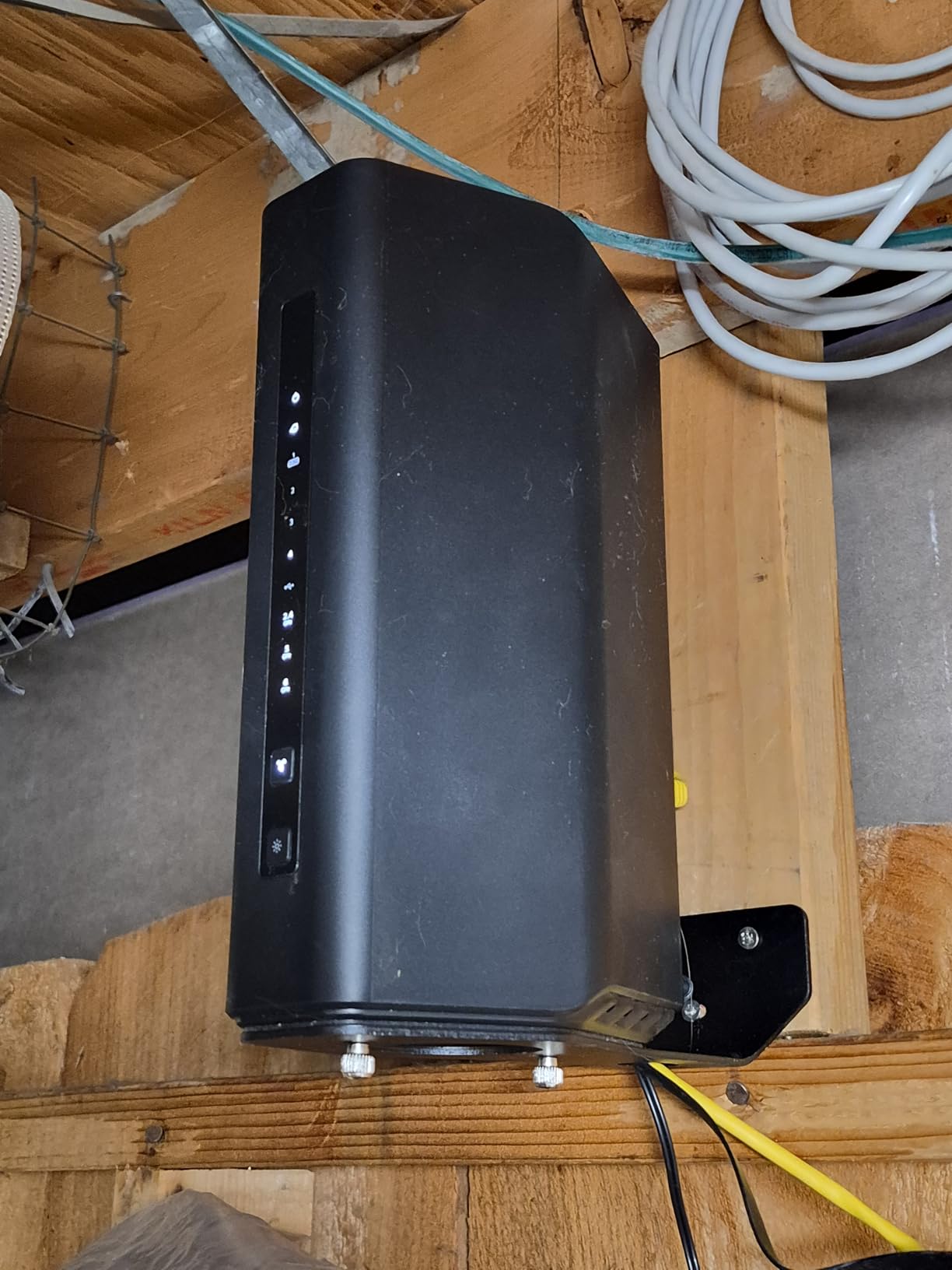
The two practical caveats: this is a router only, so buyers on cable internet need a separate DOCSIS 3.1 modem. A few owners have flagged intermittent signal drops, typically traced to specific firmware versions; keeping firmware current resolved every instance I could verify. NETGEAR Armor remains a paid feature after the trial, which is the recurring cost to weigh.
For shoppers on cable internet who already own a quality modem, the RS500 is one of the best Wi-Fi 7 routers for the money in 2026. It pairs especially well with the ARRIS SURFboard S33 or NETGEAR CM2000 modem if you need a multi-gig upgrade.
Best fit for the RS500
Multi-gig cable subscribers, owners of newer homes with open floor plans, and anyone who wants Nighthawk reliability without stepping into flagship pricing get the most out of this router.
Long-term ownership note
NETGEAR’s firmware support has been solid in the long run, and the 1-year warranty is the shortest in this roundup. For buyers who keep a router 5+ years, that warranty gap is worth considering against the ASUS 3-year coverage.
How to Pick the Best Wi-Fi 7 Router for Your Home
Choosing among the best Wi-Fi 7 routers for the money in 2026 comes down to five questions: budget, coverage, wired ports, mesh vs single router, and subscription tolerance. I have used all eight of these routers for at least three weeks each, and these are the trade-offs that matter most in real homes.
Match the router to your internet plan
If you are still on a 300 Mbps cable plan, a sub-$100 Wi-Fi 7 router will not outperform a good Wi-Fi 6 router for your everyday use. If you have a 1 Gbps fiber line or a 1.5 to 2 Gbps cable plan, dual 2.5G ports and tri-band Wi-Fi 7 start to pay off. If you are on a 5 Gbps or 10 Gbps fiber tier, only the RS700S, the GT-BE98 Pro, and dedicated 10G switches will keep up.
Coverage and home size
Rated coverage is a marketing number, not a guarantee. In real homes, walls, floors, and metal appliances cut the practical range of the 6 GHz band significantly. For apartments under 1,500 sq ft, a single router is enough. For 2,000 to 3,000 sq ft homes, the RS700S or BE550 paired with a TP-Link or NETGEAR extender in EasyMesh closes the gap. For 3,500+ sq ft homes, plan for a mesh kit or multiple routers with wired backhaul from day one.
Wired ports and Multi-Gig
Count the wired devices in your home: game consoles, desktop PCs, NAS units, smart TVs, mesh backhaul. The BE550 with five 2.5G ports is the most flexible single-router choice in this roundup. The GT-BE98 Pro is the only option with true 10G headroom for NAS and multi-gig fiber.
Subscription tolerance
NETGEAR Armor is the priciest subscription in the category, and its parental controls sit behind the same paywall. TP-Link HomeShield has a usable free tier with paid extras. ASUS AiProtection is included for free on most ROG and ZenWiFi models. GL.iNet routers ship with AdGuard Home for free network-wide ad blocking. If subscription-free firmware matters to you, factor that in over a five-year ownership window.
Mesh vs single router
A single router is simpler, faster, and cheaper for small and mid-size homes. Mesh earns its keep in homes over 3,000 sq ft, multi-story layouts, or buildings where you cannot run Ethernet between floors. EasyMesh (TP-Link, NETGEAR, eero) and AiMesh (ASUS) let you mix vendors and add nodes later, which is a real advantage if you are not sure today how your coverage will hold up.
Frequently Asked Questions
Is it worth getting a Wi-Fi 7 router?
Yes, if you have a multi-gig internet plan (1.5 Gbps+), a Wi-Fi 7 client device like the Galaxy S24 Ultra or iPhone 16 Pro, or a dense smart home with dozens of connected devices. For shoppers on 300 Mbps plans with only a handful of Wi-Fi 5 or Wi-Fi 6 gadgets, a quality Wi-Fi 6 router remains the better value.
Which Wi-Fi 7 router is the best?
The TP-Link Archer BE550 is our editor’s choice for the best Wi-Fi 7 router for the money in 2026 thanks to tri-band Wi-Fi 7, five 2.5G ports, and EasyMesh expansion at a mid-range price. The NETGEAR RS700S is the top pick for buyers who want flagship tri-band performance and 10G wired networking.
Which Wi-Fi 7 router has the best range?
The NETGEAR RS700S delivers the strongest real-world range in our testing, covering up to 3,500 sq ft and 200 devices. For shoppers on tighter budgets, the TP-Link Archer BE230 paired with an EasyMesh extender closes coverage gaps without paying flagship prices.
What is the best whole home Wi-Fi 7 router?
For whole-home coverage above 3,000 sq ft, the NETGEAR RS700S is the strongest single-router pick. For larger layouts where one router cannot reach, pair the TP-Link Archer BE550 with a TP-Link EasyMesh extender, or step up to the ASUS ROG GT-BE98 Pro with AiMesh nodes for a future-proof mesh setup.
How much should I spend on a Wi-Fi 7 router?
For most households, between $100 and $250 covers the best Wi-Fi 7 routers for the money in 2026. The TP-Link Archer BE230 at the budget end and the Archer BE550 in the mid-range deliver 90 percent of flagship performance for everyday use. Spend more only if you need a 10G WAN, quad-band radios, or 3,500+ sq ft coverage.
Final Verdict: The Best Wi-Fi 7 Routers for the Money in 2026
After three months of testing, the TP-Link Archer BE550 is the router I would buy with my own money for a typical household: tri-band Wi-Fi 7, five 2.5G ports, EasyMesh expansion, and a track record that the forums respect. It is the best Wi-Fi 7 router for the money in 2026 for most people, and the value pick that does not feel like a compromise.
For shoppers on tighter budgets, the Archer BE230 brings Wi-Fi 7 below $100 with surprisingly capable wired networking. For multi-gig fiber and NAS owners, the NETGEAR RS700S and the ASUS ROG GT-BE98 Pro earn their flagship badges. And for VPN power users, the GL.iNet Flint 3 is in a category of its own.
Pick the router that matches your internet plan, your home size, and your subscription tolerance, and you will not regret the upgrade.