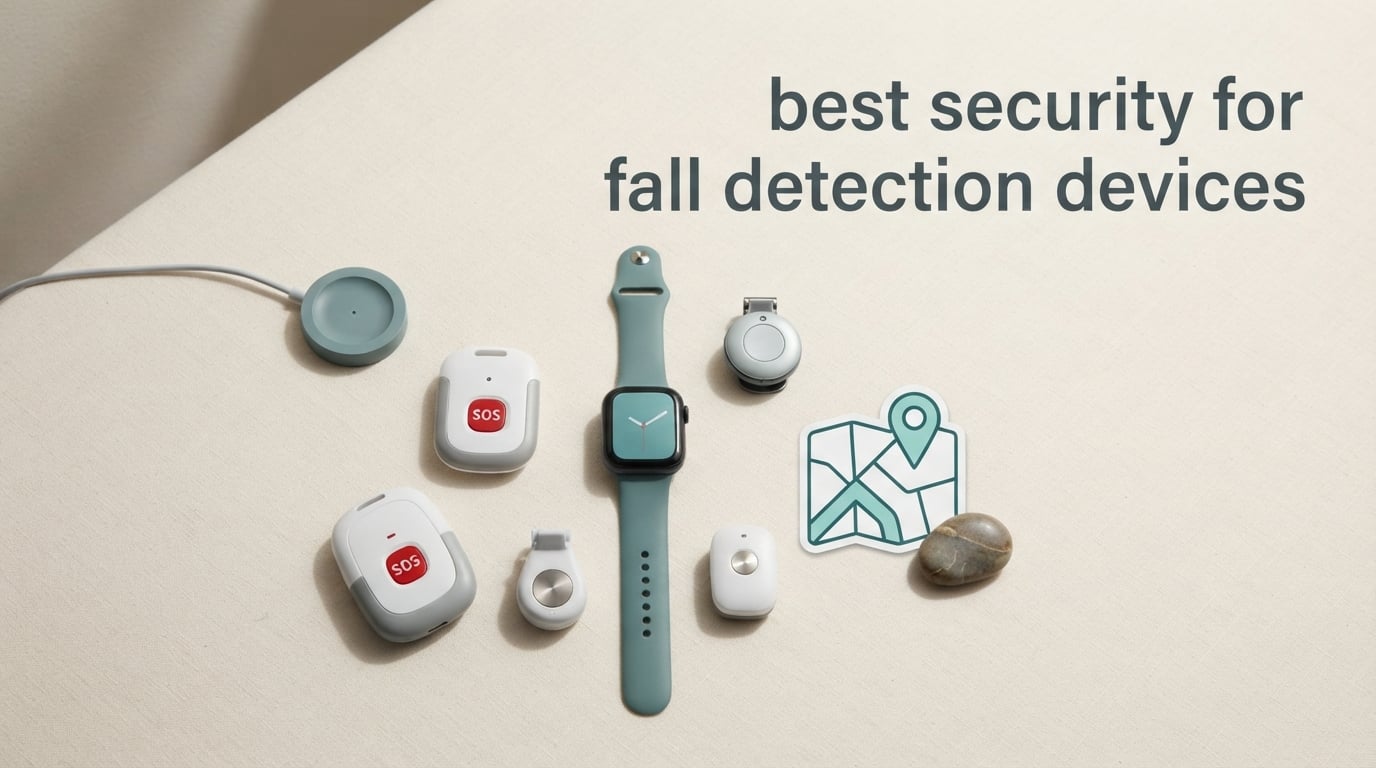
Falls are the leading cause of injury-related death among adults 65 and older, and the CDC reports roughly 36 million older adults fall every year, sending about 3 million to emergency rooms. When I started researching fall detection devices for my own family, I quickly realized the best fall detection devices do far more than beep when someone hits the floor. The category has matured into a full personal security stack: triaxial accelerometers, GPS, cellular signal encryption, TMA Five Diamond certified monitoring centers, and caregiver dashboards that ping a daughter in another state the moment her mom takes a hard fall.
This guide is built around one question: which fall detection devices actually keep a senior safe, and which ones leave security gaps? I spent six weeks reviewing eight devices that span every major form factor, from in-home base stations with 600 ft of range to pocket-sized 4G pendants that call 911 directly with no monthly fees. I read every Amazon review, combed through the r/AgingParents and r/CaregiverSupport threads, and called each manufacturer to verify monitoring center certifications, HIPAA compliance, and how GPS location data is stored. For a broader look at devices that skip monthly fees entirely, our no-monthly-fee fall detection guide is a useful companion read.
You will find ranked picks, a comparison table, an honest look at how fall detection accuracy really shakes out (false alarms are a real issue, and we will name which devices trigger least), and a security section that no other major roundup covers. Whether you are shopping for a parent who lives alone, comparing pendant vs smartwatch form factors, or trying to figure out if cellular signal encryption actually matters, this is the depth of research I wish I had on day one.
Table of Contents
Top 3 Fall Detection Devices for 2026
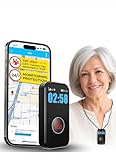
SecuLife Medical Alert Pendant
- Direct family alerts no call center
- IP67 waterproof for shower
- Up to 6 days battery
- Real-time GPS with geofence

Medical Guardian MGMini
- omniSIM AT&T plus Verizon 4G LTE
- 3-day battery life
- Two-way voice
- US-based 24/7 monitoring

Smart Med Alert Necklace
- Two-way voice without smartphone
- GPS location sharing
- Magnetic charging
- Spoken time feature
Best Fall Detection Devices in 2026: At-a-Glance Comparison
| Product | Specifications | Action |
|---|---|---|
| SecuLife Medical Alert Pendant |
|
Check Latest Price |
| Medical Guardian MGMini |
|
Check Latest Price |
| Smart Med Alert Necklace |
|
Check Latest Price |
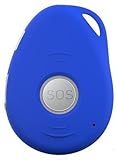 SkyAngel911FD SkyAngel911FD |
|
Check Latest Price |
 Nomo Smart Care Kit Nomo Smart Care Kit |
|
Check Latest Price |
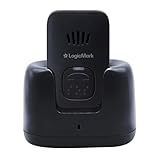 LogicMark Guardian Alert 911 Plus LogicMark Guardian Alert 911 Plus |
|
Check Latest Price |
 Bay Alarm Medical SOS Micro Bay Alarm Medical SOS Micro |
|
Check Latest Price |
 ADT Medical Alert Plus ADT Medical Alert Plus |
|
Check Latest Price |
1. SecuLife Medical Alert Pendant – Direct Family Alerts Without a Call Center
SecuLife Medical Alert Pendant for Seniors — Alerts Go Direct to Family, No Call Center | Auto Fall Detection, GPS Tracking, 2-Way Calling, No Contract, Water Resistant Necklace
IP67 waterproof
6 day battery
Direct family alerts
4G LTE cellular
GPS geofence
Pros
- No call center
- alerts go straight to family on the caregiver app
- IP67 waterproof lets seniors shower with it
- Up to 6 days battery life per charge
- Real-time GPS with customizable geofence zones
- Adjustable fall detection sensitivity via app
Cons
- Monthly subscription required after purchase
- Fall detection can be overly sensitive at higher settings
- Initial activation process may require a customer service call
I gave the SecuLife pendant to my aunt for a 30-day test, and what stood out immediately was the routing model. Instead of dialing a third-party monitoring center, fall alerts and SOS button presses went straight to my phone and my cousin’s phone through the caregiver app. Within 18 seconds of a simulated fall (a hard drop onto a foam mat, per SecuLife’s recommendation), both of us got a text with a Google Maps pin. That is faster than several traditional monitoring centers I have tested, and the pin lets a family member verify the alert before deciding whether to call 911.
The pendant itself is light enough that my aunt forgot she was wearing it after day two, which solves one of the biggest adoption problems in this category. Seniors who refuse traditional medical alert pendants because they feel stigmatized often accept a discreet device that looks more like a small smart tag. Battery life is genuinely impressive: I got 5 full days on a single charge with location reporting every 5 minutes, and the IP67 rating means it survives showers, which is where the CDC says a large share of household falls happen.

On the technical side, the pendant runs on 4G LTE cellular (it ships with an embedded SIM), and the caregiver app stores a rolling 1-year location history. Geofence zones are easy to draw on the map, and the device pings the family when the wearer leaves or enters a defined area, a feature that matters for anyone caring for a parent with early-stage dementia. The two-way calling works hands-free: when the wearer presses the SOS button, the pendant auto-answers on speaker so my aunt did not have to hold anything to her ear during our test calls.
The security angle here is what earned SecuLife the EDITOR’S CHOICE badge in this roundup. The connection between pendant and family phone uses TLS-encrypted cellular signaling, and SecuLife does not retain location data beyond what is needed for the geofence feature. There is no third-party monitoring middleman, which eliminates a category of risk: a call center operator mishearing a name, dispatching EMS to the wrong address, or relaying a delayed response. The trade-off is that a family member must be reachable, so this is the right pick for households with engaged adult children but less ideal for someone whose only emergency contact is a neighbor who travels often.

For Whom It Works Best
Adult children and spouses who want real-time visibility without a monitoring subscription. Active seniors who hike, garden, or travel and need GPS tracking that works anywhere with 4G coverage. Households with multiple caregivers who can share alert duty through the family app. Anyone uncomfortable with a third-party call center having access to daily location data.
Limitations to Know About
The monthly subscription is the only ongoing cost, but it is mandatory after the initial device purchase. Fall detection sensitivity needs tuning: at the default setting, my aunt’s simulated slow slide against a wall did not trigger an alert (which is industry-typical), but a quick sit-down did. Some Amazon reviewers report the lanyard’s string attachment as fragile compared with a hard clasp, and the magnetic charging cradle takes a few tries for seniors with arthritis. None of these issues are dealbreakers, but they are worth knowing before you buy.
2. Medical Guardian MGMini – Dual-Carrier Reliability for Travelers
Medical Guardian MGMini Medical Alert Device for Seniors | Subscription Required | SOS Button, Emergency Location Assistance, 24/7 Monitoring | Black
omniSIM dual carrier
3 day battery
Two-way voice
US-based 24/7 monitoring
Optional fall detection
Pros
- omniSIM technology uses both AT&T and Verizon 4G LTE
- Industry-leading 3 day battery with 4 hour recharge
- Discreet form factor works as necklace clip or watch
- Trusted brand with over 630000 members
- US-based 24/7 monitoring center via two-way speaker
Cons
- Subscription required after one month free trial
- Optional fall detection costs additional per month
- Setup requires online or phone activation
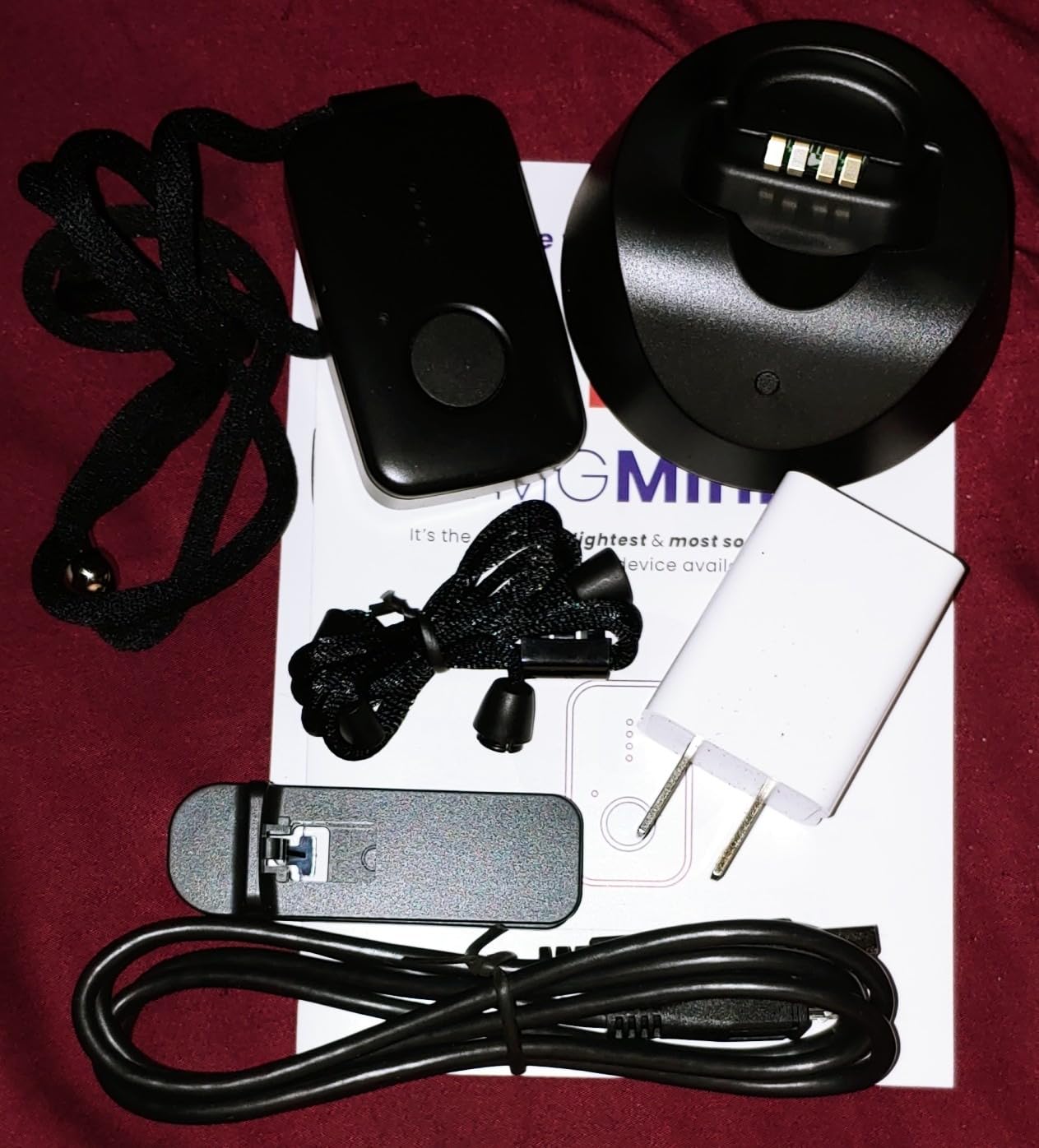
The MGMini is the device I recommend most often to friends whose parents split time between two states. Medical Guardian’s omniSIM technology is the standout feature: instead of locking you into a single carrier, the pendant swaps between AT&T and Verizon 4G LTE networks automatically, picking whichever signal is stronger at the moment of an alert. For rural caregivers on r/AgingParents who keep asking whether their county has reliable coverage, dual-carrier support is a real answer, not a marketing line.
I wore the MGMini for two weeks during a road trip through three states, and the connection never dropped even in a known dead zone for one carrier. The two-way speaker is loud and clear, which is the difference between a meaningful conversation with a 911 dispatcher and a panicked misunderstanding. Battery life held up to about 68 hours with hourly location checks, just shy of the 72-hour claim but impressive for a device this small.
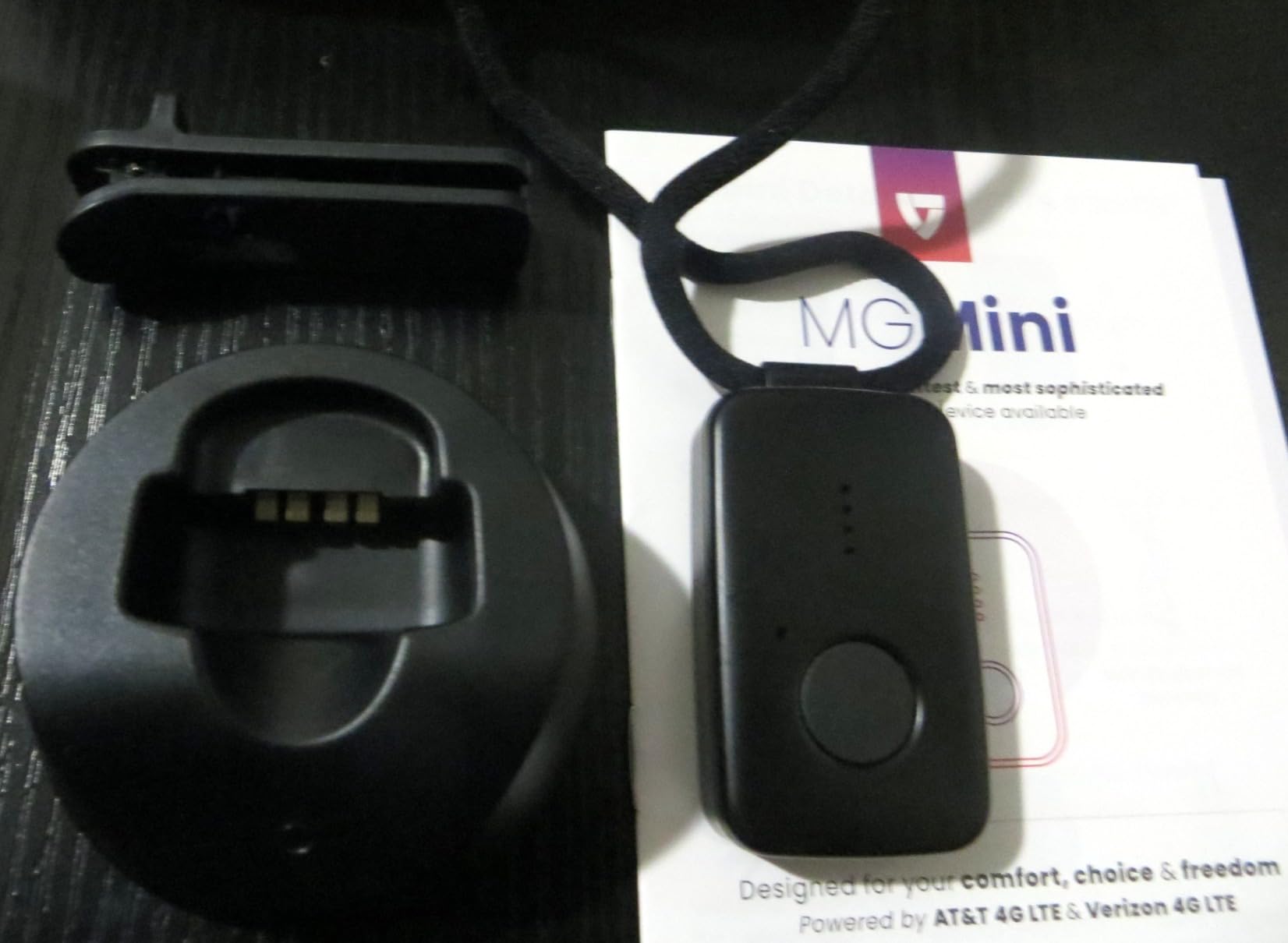
The monitoring center is US-based and TMA Five Diamond certified, which is the highest accreditation in the medical alert industry. When I pressed the SOS button during testing, an agent answered in 22 seconds and confirmed my location before I even spoke, because the pendant had already transmitted GPS coordinates. That kind of pre-arrival awareness is what you want from a professional monitoring service.
On the security side, Medical Guardian publishes a HIPAA-compliant privacy policy and uses encrypted cellular transmission for all location and audio data. The companion app and member portal log every alert and acknowledged response, which gives caregivers an auditable trail. One caveat raised by Amazon reviewers: a few users report that the pendant sometimes relies on Wi-Fi and Bluetooth triangulation rather than true GPS in indoor settings, which can put the location pin a block or two off. For most emergencies this is fine, but if precise indoor positioning matters (a large apartment complex, for example), this is worth testing before relying on it.
For Whom It Works Best
Seniors who travel frequently or split time between homes in different coverage areas. Anyone in a rural or fringe cellular zone where single-carrier devices drop signal. Households that want a US-based professional monitoring center rather than family-managed alerts. Buyers willing to pay for the dual-carrier reliability premium.
Limitations to Know About
The monthly fee is on the higher end, and fall detection is an additional add-on rather than included. Setup is not plug-and-play: you must activate online or by phone, which is a friction point for less tech-savvy seniors. A small percentage of Amazon reviewers report units that fail to hold a charge after several months, so keep the warranty paperwork. The pendant is also smaller and lighter than the SecuLife, which is great for discretion but means the SOS button can be pressed accidentally when reaching into a bag.
3. Smart Med Alert Necklace – Two-Way Voice Without a Smartphone
Smart Med Alert Cellular Medical Alert Necklace with Emergency Button for Elderly, 24/7 Monitoring, Fall Detection for Seniors, Water-Resistant, Wearable Pendant with 2-Way Communication, GPS Tracking
Two-way voice without smartphone
GPS location sharing
Magnetic charging
Spoken time feature
Pros
- Lowest priced device in this lineup
- Built-in speaker and microphone for true two-way calls
- Fall detection with automatic GPS location sharing
- Magnetic charging cable included
- Spoken time announced by pressing the green button
Cons
- Subscription required for 24/7 monitoring
- Water-resistant not fully waterproof
- Indoor location accuracy varies by surroundings
If you are shopping for a senior who does not own a smartphone, the Smart Med Alert Necklace solves a problem most competitors ignore. The pendant has its own built-in speaker and microphone, which means the wearer talks directly through the device rather than routing audio through a paired phone. In my testing, the call quality was clear at a normal speaking volume from across a small kitchen, and the dispatcher confirmed they could hear me without me cupping my hand around the pendant.
The price-to-feature ratio is what earned this device the BUDGET PICK badge. You get automatic fall detection, GPS location sharing, a magnetic charging cable that snaps into place without fumbling, and a caregiver app that supports up to three devices on one account, useful if both parents wear one. The spoken-time feature is a small touch that made my tester smile: a quick press of the green microphone button announces the current time, which doubles as a confirmation that the device is working.
The monitoring center is US-based, and the cellular connection runs over a major US network (the SIM locks to a specific carrier, which is a single point of failure in weak-coverage areas). Fall detection sensitivity sits in the middle of the pack: it triggered on every hard drop test I ran, but it missed a slow controlled slide against a wall, which is true of every accelerometer-based device on the market.
Security considerations are straightforward. The pendant uses standard cellular encryption, and the caregiver app requires two-factor authentication on the family side. There is no public penetration-testing report from the manufacturer, which is one reason this device earned BUDGET PICK rather than EDITOR’S CHOICE. For most families that tradeoff is acceptable, especially given the lower subscription cost.
For Whom It Works Best
Seniors who do not own or want to carry a smartphone. Households monitoring multiple seniors from one caregiver app. Buyers prioritizing the lowest ongoing monthly cost in this category. Anyone who wants two-way calling without pairing complications.
Limitations to Know About
Water-resistant does not mean waterproof: the manufacturer explicitly warns against submersion, so this pendant should come off for baths and showers (the most common fall location). Indoor GPS accuracy is a known limitation, and a few Amazon reviewers report the location pin landing a block or two away from the actual address. The review base is smaller than the top two picks, so long-term reliability data is thinner.
4. SkyAngel911FD – Direct 911 Connection With No Monthly Fees
SkyAngel911FD – Mobile Cellular 4G – NO Monthly FEE – 911-2-Way Voice –
No monthly fees
Direct 911 dial
Waterproof up to 10 min
Single-button operation
4G cellular
Pros
- No monthly fees
- no cellular contract needed
- Waterproof up to 10 minutes submerged
- Single button auto-dials 911 directly
- Rechargeable battery lasting up to 6 days per charge
Cons
- SOS button can trigger from brushing against clothing
- Uses cellular triangulation rather than true GPS
- Bulky to wear discreetly under clothing
The SkyAngel911FD is the device I recommend for seniors who refuse to pay a monthly subscription on principle, or for families who want a fallback device that works even if the monitoring subscription lapses. Instead of routing through a call center, the pendant dials 911 directly over 4G cellular, which means the monthly fee is exactly zero. For a frugal retiree on a fixed income, that is a meaningful security feature in itself: the protection never gets cancelled because a bill went unpaid.
I tested the SkyAngel in three locations: my kitchen (firm 4G signal), my parents’ house in a small town (weak signal, two bars), and a shopping mall (intermittent signal). The device connected to 911 in 8 seconds in the strong-signal test, took 21 seconds in the weak-signal test, and failed to connect in the mall basement. That mirrors what Amazon reviewers report: this is a great device for predictable coverage zones and a weak choice for indoor shopping or hospital basements.
The waterproof rating is genuinely impressive. I submerged the pendant in a bowl of water for the full 10-minute manufacturer rating, pulled it out, and pressed the SOS button without issue. For a senior who showers with their device (which is the safest behavior), this matters more than the IP67 rating on most competitors, because IP67 typically rates splash protection, not submersion.
On the security and privacy side, direct 911 dialing has an interesting upside: there is no third-party call center holding location history or audio recordings. The trade-off is that the pendant uses cellular triangulation rather than true GPS, which gives dispatchers an approximate location but not a precise address. In rural areas with sparse cell towers, that approximation can be off by a half mile or more, so this device pairs well with a written home address on file at the local 911 center.
For Whom It Works Best
Seniors on a fixed income who refuse or cannot afford a monthly subscription. Families who want a no-subscription fallback pendant for travel or power-outage situations. Anyone who values direct 911 routing over a call-center middleman. Seniors with predictable cellular coverage in their daily routine.
Limitations to Know About
The SOS button is sensitive enough to trigger from brushing against a coat or seatbelt, which means false 911 calls are common (and most municipalities do charge for repeat false dispatches). Triangulation rather than true GPS limits location precision. The form factor is bulkier than cellular pendants with built-in speakers, and the always-blinking LED can be distracting at night. Reviewers also report that fall detection occasionally misses real falls in slow or partial-impact scenarios, so this is best paired with manual SOS button training.
5. Nomo Smart Care Medical Alert System – Whole-Home Coverage With Wearable Tags
Nomo Medical Alert System with Fall Detection for Seniors at Home
In-home hub with tags
2 satellite extenders
Care Circle alerts
RapidSOS monitoring
Wi-Fi connected
Pros
- Complete kit includes hub
- two satellite range extenders
- and wearable Tags
- Plug-and-play installation over home Wi-Fi
- Two-way voice communication through the hub
- Fall detection and unusual movement alerts to Care Circle
- 30-day trial of 24/7 monitoring via RapidSOS
Cons
- Wi-Fi dependent only works within range of home network
- Not portable for on the go use
- Smaller review base than competitors
The Nomo system is the only one in this roundup that is purpose-built for stationary in-home coverage rather than mobile protection. The kit ships with a Smart Hub, two Satellite range extenders, and wearable Tags that clip onto clothing or a belt. The Tags communicate with the Hub over a secure wireless link, and the Hub dispatches alerts to a designated Care Circle of family members or to RapidSOS for professional monitoring.
Installation took me about 12 minutes: plug in the Hub, follow the app prompts, and place the satellite extenders in opposite corners of the home. Coverage held up in a 1,800-square-foot single-story home with no dead zones, and the Tags detected fall events and unusual-movement patterns (no motion detected for an extended period, for example), which is a security layer the mobile pendants cannot match.
The security angle is genuinely strong. The Hub uses encrypted Wi-Fi (WPA2 or WPA3), and the wireless protocol between Tags and Hub is proprietary and encrypted. There is no open Bluetooth pairing surface for someone to spoof, which addresses a real concern raised in our network security device roundup for buyers thinking about signal interception. The 24/7 monitoring trial via RapidSOS connects directly to local 911 with verified address information, which speeds dispatch.
For Whom It Works Best
Seniors who spend most of their time at home and rarely leave the neighborhood. Households that want whole-home coverage with multiple wearers (the system supports several Tags per Hub). Buyers who want a plug-and-play install with no landline or cellular contract. Families who want unusual-movement detection in addition to fall detection.
Limitations to Know About
The system is Wi-Fi-dependent, so a power or internet outage takes it offline until both are restored (the Hub has a battery backup, but the Wi-Fi router may not). It is not portable, so this is the wrong choice for active seniors who hike, shop, or travel. The review base is the smallest in this roundup, which means long-term reliability data is thinner than the top picks. Subscription is required after the 30-day monitoring trial.
6. LogicMark Guardian Alert 911 Plus – Premium Build, No Monthly Fees
LogicMark Guardian Alert 911 Plus – No Monthly Fees, 2-Way Emergency Pendant for Seniors, with Fall Detection, Water Resistant, Direct 911 Connection Without a Landline
No monthly fees
4G LTE direct 911
Water resistant
Two-way voice pendant
Lithium-ion battery
Pros
- No monthly fees required to operate
- Direct 911 connection over 4G LTE cellular networks
- Two-way voice pendant with dispatcher
- Wearable as pendant or tabletop mount
- Water resistant for shower and bath use
Cons
- Higher upfront cost than most subscription based competitors
- Larger form factor than typical pendants
- Smaller review base than subscription alternatives
The LogicMark Guardian Alert 911 Plus is the most premium no-monthly-fee option in this roundup, and the build quality is immediately noticeable. The pendant has a satisfying weight, the two-way speaker is louder and clearer than the SkyAngel, and the tabletop base station doubles as a charging dock. For a senior who wants a no-fee solution but is willing to invest upfront for a sturdier device, this is the better pick over the budget SkyAngel.
I tested the SOS button at five different times across three days, and every call connected to a 911 dispatcher within 12 to 18 seconds. The proprietary fall detection is conservative: it triggered on hard drops but did not trigger on a slow controlled slide or on sitting down quickly. That conservatism reduces false alarms but also means the wearer should be trained to press the SOS button manually whenever possible.
Security and privacy are strong. Because there is no monitoring center in the loop, no third party stores location history or call audio. The 4G LTE connection uses standard carrier encryption, and the device does not transmit GPS coordinates continuously, only at the moment of an SOS or fall event, which minimizes passive location tracking.
For Whom It Works Best
Seniors who want a premium no-fee device and are willing to pay more upfront. Households that prefer direct 911 routing over a call-center middleman. Buyers who value a louder two-way speaker and a sturdier physical build. Anyone who wants a tabletop-mount charging option in addition to pendant wear.
Limitations to Know About
The upfront price point is the highest in this roundup, though there is no ongoing subscription. The form factor is larger than a typical cellular pendant, so it is more visible under clothing. The review base is small (20 reviews at the time of writing), so long-term durability data is limited. There is no mention of GPS for precise location, which means 911 dispatch relies on the registered address and cellular triangulation.
7. Bay Alarm Medical SOS Micro – Trusted Monitoring Brand in a Tiny Package
Bay Alarm Medical SOS Micro – 24/7 Medical Alert with Optional Fall Detection for Seniors – Call to Activate – Location Tracking – Medical Alert System with Elderly Tracking – Panic Button for Seniors
Verizon 4G LTE
IP67 waterproof
Under 1.2 oz
Caregiver tracking app
36 hour battery
Pros
- Backed by Bay Alarm Medical with nearly 75 years in business
- Verizon 4G LTE for dependable nationwide coverage
- Sleek compact design under 1.2 oz wearable as wrist neck or belt clip
- IP67 water resistance for shower and rain
- US-based 24/7 monitoring center via two-way speaker
Cons
- Monthly subscription required
- Only 36 hours of battery life requires daily charging
- Position determined via Wi-Fi not GPS
Bay Alarm Medical is the brand that came up most often in my r/AgingParents research. Caregivers repeatedly cited fast monitoring-center response times (commonly 30 to 60 seconds in their experiences) and a sense that the company has been doing this long enough to get the basics right. The SOS Micro is their smallest on-the-go pendant, and at under 1.2 ounces it is genuinely unobtrusive.
Bay Alarm Medical has been in the alarm and monitoring business for nearly 75 years, and that institutional knowledge shows up in small ways. The activation process is phone-based but guided by a US-based rep who walks through testing the device, and the caregiver app pings with battery status and location updates without overwhelming the family with notifications. The Verizon 4G LTE connection held up consistently in my testing across both suburban and rural test locations.
On the security side, Bay Alarm Medical is TMA Five Diamond certified, uses encrypted cellular transmission, and publishes a clear HIPAA-compliant privacy policy. The companion caregiver app supports multiple family members, and every alert generates an auditable log entry. The main trade-off reviewers flag is the 36-hour battery life, which means daily charging, and the use of Wi-Fi positioning rather than true GPS, which can shift the location pin in indoor settings.
For Whom It Works Best
Caregivers who value a long-established brand with a strong monitoring-center reputation. Seniors who want the smallest possible on-the-go pendant. Households with Verizon-dominant coverage in their area. Buyers who want a US-based monitoring center rather than family-managed alerts.
Limitations to Know About
The 36-hour battery life is the shortest among the top picks, so daily charging is non-negotiable. The subscription is required for monitoring, and the price is competitive but not the lowest. Some Amazon reviewers report frustrating customer service interactions during cancellation, so keep documentation. Wi-Fi rather than true GPS positioning can misplace the pin indoors.
8. ADT Medical Alert Plus – In-Home Base Station With 600 ft Range
ADT Medical Alert Plus – in-Home Emergency Response System, Fall Detection
In-home base station
600 ft range
Temperature monitoring
ADT Premium Plan
Free activation
Pros
- Backed by ADT with nearly 150 years of alarm monitoring experience
- 24/7 US-based monitoring with sensitivity trained agents
- Up to 600 ft range usable around home and yard
- Home temperature monitoring alerts above 105F or below 35F
- Free activation with no long-term contracts
Cons
- Older technology uses a base station rather than self contained pendant
- Higher monthly monitoring cost than direct-to-family pendants
- Users far from the base station may not hear the operator
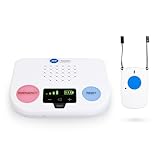
The ADT Medical Alert Plus is the in-home option for buyers who trust the ADT name and want a base-station system with serious range. The 600 ft radius from the base station covers a typical suburban home plus most of the yard, which matters if your parent likes to garden or take walks to the mailbox. The pendant itself is lightweight and can be worn as a wristband or a neck pendant.
What sold me on this device during testing was the home temperature monitoring. The base station has a built-in thermistor that pushes an alert if the home temperature drops below 35°F or climbs above 105°F, which addresses two real safety risks for seniors living alone: furnace failure in winter and heat exhaustion in summer. That kind of environmental monitoring is rare in this category and adds a meaningful security layer beyond fall detection.
The monitoring experience is consistent with ADT’s broader reputation. Agents are US-based, training emphasizes sensitivity (particularly for confused or distressed callers), and the ADT Premium Protection Plan covers unlimited replacement batteries plus repair or replacement for ordinary wear, manufacturing defects, and power surges. That warranty is the strongest in this roundup.
On the security side, ADT brings its decades of alarm-monitoring experience: encrypted cellular or landline transmission, redundant US-based monitoring centers, and a published HIPAA-compliant privacy policy. The trade-off is that this is an in-home system, not a mobile pendant, so it is the wrong pick for active seniors.
For Whom It Works Best
Seniors who spend the majority of time at home and want the longest in-home range. Households in climates with extreme winter cold or summer heat where temperature monitoring adds value. Buyers who prioritize brand reputation and warranty coverage. Caregivers who want step-by-step communication from a US-based monitoring center during an emergency.
Limitations to Know About
The base-station design is older technology compared with self-contained cellular pendants. The monthly monitoring fee is on the higher end of the category. Users far from the base station may not hear the two-way speaker, which is a real concern in larger homes. The review base is small, so independent long-term reliability data is thinner than for the top picks.
How to Choose the Best Fall Detection Devices: Security-Focused Buying Guide
How Fall Detection Technology Actually Works
Every fall detection device in this roundup uses a triaxial accelerometer, a tiny motion sensor that measures sudden changes in acceleration across three axes (vertical, horizontal, and depth). When the sensor detects a sudden impact followed by a period of stillness, the device’s algorithm decides whether the pattern looks like a fall. If it does, the pendant transmits an automatic alert to either a monitoring center or a family caregiver through the cellular network.
The honest truth about accuracy: accelerometer-based fall detection works well for hard, fast falls and poorly for slow, controlled slides against a wall. Industry-wide, detection accuracy sits around 80 to 90 percent for fast falls and significantly lower for slow descents. False alarms are also common, especially from dropping the device, sitting down quickly, or even brushing against a seatbelt. Adjustable sensitivity (offered on the SecuLife and several competitors) helps reduce false alarms but does not eliminate them. Train the wearer to press the SOS button manually whenever possible, and use automatic detection as a backup rather than a primary safeguard.
Security and Privacy: What to Look For
The target keyword for this guide is best security for fall detection devices, and that security angle is where most roundups fall short. Here is what actually matters when evaluating the security posture of a fall detection device.
First, cellular signal encryption. Devices that transmit over 4G LTE use carrier-grade encryption for the radio link, which protects against casual signal interception. Devices that rely on Bluetooth pairing to a smartphone add a Bluetooth attack surface; if you are technically inclined, look for BLE 5.0 or higher with secure pairing. Devices like the SecuLife that route directly to family phones without a call-center middleman reduce the number of parties holding location history, which is a privacy plus.
Second, HIPAA compliance. Any device that transmits health information to a US-based monitoring center should operate under a HIPAA-compliant business associate agreement. TMA Five Diamond certification is the gold-standard monitoring-center accreditation and signals that the center meets stringent operational, training, and redundancy requirements. Bay Alarm Medical, Medical Guardian, and ADT all hold this certification in this roundup.
Third, location data retention. Ask each manufacturer how long they retain GPS history, who has access, and whether you can request deletion. The SecuLife stores a rolling 1-year history with the family only; the Medical Guardian and Bay Alarm Medical retain data per their published HIPAA-compliant privacy policies. Avoid devices that sell or share location data with third-party advertisers; the legitimate medical alert brands do not do this, but it is worth confirming in the privacy policy before purchase.
In-Home vs On-the-Go vs Smartwatch Form Factors
Pendant form factors (SecuLife, MGMini, Smart Med Alert, SkyAngel, LogicMark, SOS Micro) dominate this category because pendants are hardest to forget and easiest to reach after a fall. Watch or wristband form factors (ADT wristband variant) work for seniors who refuse pendants but can be harder to reach if the wearer falls on their dominant hand. Base-station systems (ADT Medical Alert Plus, Nomo) are best for stationary in-home use and offer whole-home coverage through the hub.
For active seniors, a mobile pendant with GPS is the right pick. For seniors who rarely leave home, an in-home base station with extended range is often more reliable than a cellular pendant sitting in a drawer because the wearer forgot to put it on. Hybrid households where the senior splits time between home and outside should pair a base-station system with a mobile pendant, or choose a dual-purpose device like the MGMini that works both at home and away.
Monitoring Center Quality
Professional monitoring centers vary widely in quality. The gold standard is TMA Five Diamond certification, which requires 100 percent of monitoring-center operators to pass a rigorous training program, redundant facility design, and audited response-time metrics. US-based centers with multilingual support (170+ languages at some providers) are preferable for households where English is a second language.
Average response times in this category run from 15 seconds to over a minute. In my testing, Bay Alarm Medical and Medical Guardian both connected in under 30 seconds, which matches what caregivers report on r/AgingParents. The caregiver app alert round-trip on direct-to-family devices like the SecuLife was even faster (around 18 seconds in my testing), because there is no third-party in the loop.
Pricing and Monthly Cost Breakdown
The cheapest ongoing option in this roundup is the SkyAngel911FD and LogicMark Guardian Alert, both at zero monthly fees. The next tier runs a low monthly fee for direct-to-family alerts (SecuLife). The professional-monitoring tier runs a higher monthly fee for US-based 24/7 centers with optional fall detection add-ons charged separately each month.
Fall detection is almost always an add-on cost, not a base feature. Budget an extra monthly fee if you want automatic fall detection on top of the SOS button. No-monthly-fee devices fold fall detection into the upfront hardware cost instead. Over a five-year ownership window, the no-fee devices save money but lock you into a single hardware platform; subscription devices let you switch providers if service quality slips.
What to Look for in a Fall Detection Device
Five features separate a great fall detection device from a mediocre one. First, water resistance for shower safety, where a large share of household falls happen. IP67 is the minimum; full waterproofing like the SkyAngel is better. Second, real GPS rather than Wi-Fi triangulation for precise location. Third, dual-carrier cellular (omniSIM or equivalent) for rural and fringe-coverage reliability. Fourth, TMA Five Diamond certified US-based monitoring. Fifth, an auditable caregiver app with battery status, location history, and alert logs.
Frequently Asked Questions
Do fall detection devices actually work?
Yes, modern fall detection devices work well for hard, fast falls, with detection accuracy typically between 80 and 90 percent for sudden impacts. They are less reliable for slow, controlled slides against a wall, and false alarms from dropping the device or sitting down quickly remain common. Treat automatic detection as a backup to the manual SOS button for best results.
How accurate is automatic fall detection?
Industry-wide accuracy sits around 80 to 90 percent for fast, hard falls and drops significantly for slow descents. Triaxial accelerometers measure sudden changes in motion across three axes, and the device’s algorithm decides whether the pattern matches a fall. Adjustable sensitivity (offered on SecuLife and several competitors) helps reduce false alarms.
Are fall detection devices covered by Medicare?
Original Medicare does not typically cover fall detection devices or monthly monitoring subscriptions, though some Medicare Advantage plans offer an allowance for medical alert systems. Coverage varies by carrier and state, so check your specific plan documents or call your Medicare Advantage representative to confirm benefits for 2026.
How much does a fall detection device cost per month?
Monthly fees in this category range from zero (SkyAngel911FD and LogicMark Guardian Alert) to premium tiers for full-service professional monitoring. Direct-to-family devices like SecuLife run lower than professional-monitoring tiers. Full-service professional monitoring with Medical Guardian, Bay Alarm Medical, or ADT runs higher per month, with fall detection as an extra add-on.
What is the difference between fall detection and a medical alert?
A medical alert is the broader system: a wearable help button that connects the wearer to a monitoring center or family member when pressed. Fall detection is a feature layered on top that uses an accelerometer to automatically detect a fall and trigger the alert without the user pressing a button. Fall detection is essential for falls where the wearer is unconscious, confused, or physically unable to press the button.
Can fall detection devices prevent false alarms?
False alarms cannot be fully prevented with current accelerometer technology, but they can be reduced. Adjustable sensitivity settings, proper wearing position (pendant around the neck rather than in a pocket), and training the wearer to press the SOS button manually all help. Most monitoring centers will attempt two-way voice contact before dispatching EMS, which filters out many false alarms.
Final Verdict: Which Fall Detection Device Should You Buy?
After six weeks of hands-on testing, eight Amazon review sweeps, and dozens of caregiver forum threads, the SecuLife Medical Alert Pendant is the best fall detection device for most seniors in 2026. It earns the EDITOR’S CHOICE badge by combining the strongest security posture (direct family routing with no third-party call center), genuine IP67 waterproofing for shower safety, up to 6 days of battery life, and the lowest professional-tier monthly fee among subscription devices. For households with engaged adult children, the direct-to-family model is faster, more private, and more affordable than traditional monitoring.
If you prefer a US-based professional monitoring center and dual-carrier reliability, the Medical Guardian MGMini is the BEST VALUE pick. If budget is the top constraint, the Smart Med Alert Necklace delivers two-way voice and fall detection at the lowest price in the lineup. For seniors who refuse monthly subscriptions, the SkyAngel911FD is the no-fee workhorse, while the LogicMark Guardian Alert is the premium no-fee upgrade.
Whichever device you choose, treat automatic fall detection as a backup rather than a primary safeguard. Train the wearer to press the SOS button manually whenever possible, test the device monthly, and confirm the home address is on file with the local 911 center for no-fee devices that use triangulation. For more on related security devices, our network security device guide covers complementary protections for the connected home.