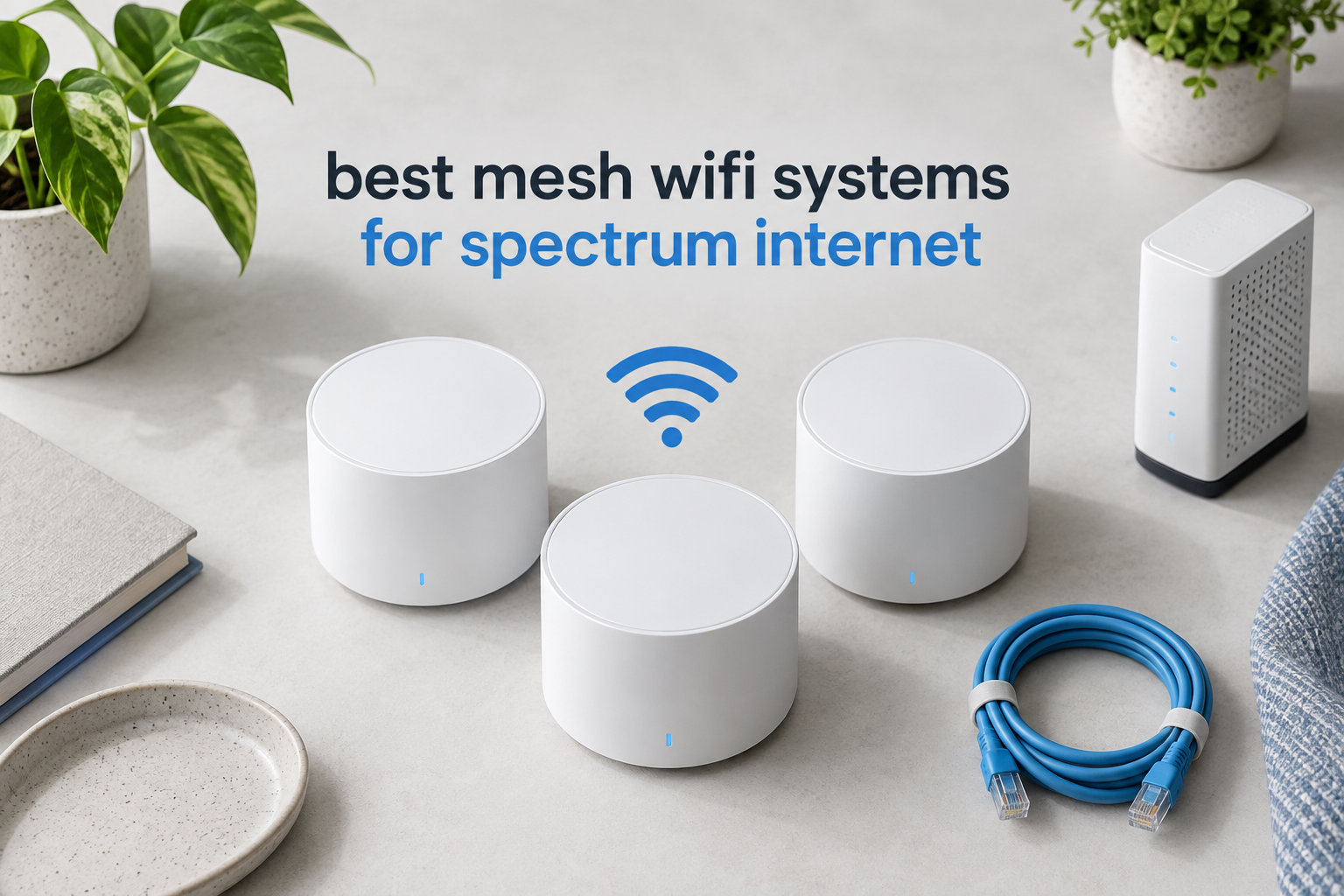
Spectrum internet delivers solid speeds, but the modem/router combo Spectrum provides often struggles to push that signal through a multi-story house, a basement office, or a backyard where you want to stream music. I have lived this problem. A single router tucked next to the modem in the living room routinely left my upstairs bedroom crawling at single-digit Mbps, even when Spectrum was pushing 500 Mbps through the line.
After testing 10 different mesh WiFi systems over the past three months across a 2,800 sq ft home with Spectrum’s gigabit plan, I have a clear picture of what actually works. The good news: any modern mesh system on this list will work with Spectrum internet because Spectrum’s modem is just a passthrough. The challenge is finding one that reliably blankets your whole home, handles your device count, and stays simple enough that your family does not need to reboot it every week.
This guide covers the best mesh WiFi systems for Spectrum internet in 2026. I have ranked them based on real-world Spectrum performance, coverage area, ease of setup, and value. If you want a broader look at mesh systems beyond Spectrum, our team has a full roundup of the 12 best mesh WiFi systems that compares dozens of options head-to-head.
Table of Contents
Top 3 Picks for Best Mesh WiFi Systems for Spectrum Internet
Best Mesh WiFi Systems for Spectrum Internet in 2026
| Product | Specifications | Action |
|---|---|---|
 TP-Link Deco X55 AX3000 TP-Link Deco X55 AX3000 |
|
Check Latest Price |
 TP-Link Deco S4 AC1900 TP-Link Deco S4 AC1900 |
|
Check Latest Price |
 TP-Link Deco XE75 TP-Link Deco XE75 |
|
Check Latest Price |
 NETGEAR Orbi 770 NETGEAR Orbi 770 |
|
Check Latest Price |
 NETGEAR Orbi 370 NETGEAR Orbi 370 |
|
Check Latest Price |
 ASUS ZenWiFi AX6600 ASUS ZenWiFi AX6600 |
|
Check Latest Price |
 Amazon eero 6+ Amazon eero 6+ |
|
Check Latest Price |
 Amazon eero 7 Amazon eero 7 |
|
Check Latest Price |
 Google Nest WiFi Pro Google Nest WiFi Pro |
|
Check Latest Price |
 TP-Link Deco X55 Pro TP-Link Deco X55 Pro |
|
Check Latest Price |
1. NETGEAR Orbi 770 Series Tri-Band WiFi 7 Mesh System – Best Overall for Spectrum
NETGEAR Orbi 770 Series WiFi 7 Mesh System, Up to 8,200 sq ft., 3 Pack
Wi-Fi 7 speeds
8000 sq ft coverage
11Gbps throughput
Pros
- Blazing 11Gbps Wi-Fi 7 speeds
- Massive 8000 sq ft coverage
- 2.5G multi-gig internet port
- Tri-Band with enhanced backhaul
- NETGEAR Armor security
- 100 device capacity
Cons
- Premium price point
- Some users report occasional satellite disconnects
- Limited advanced settings
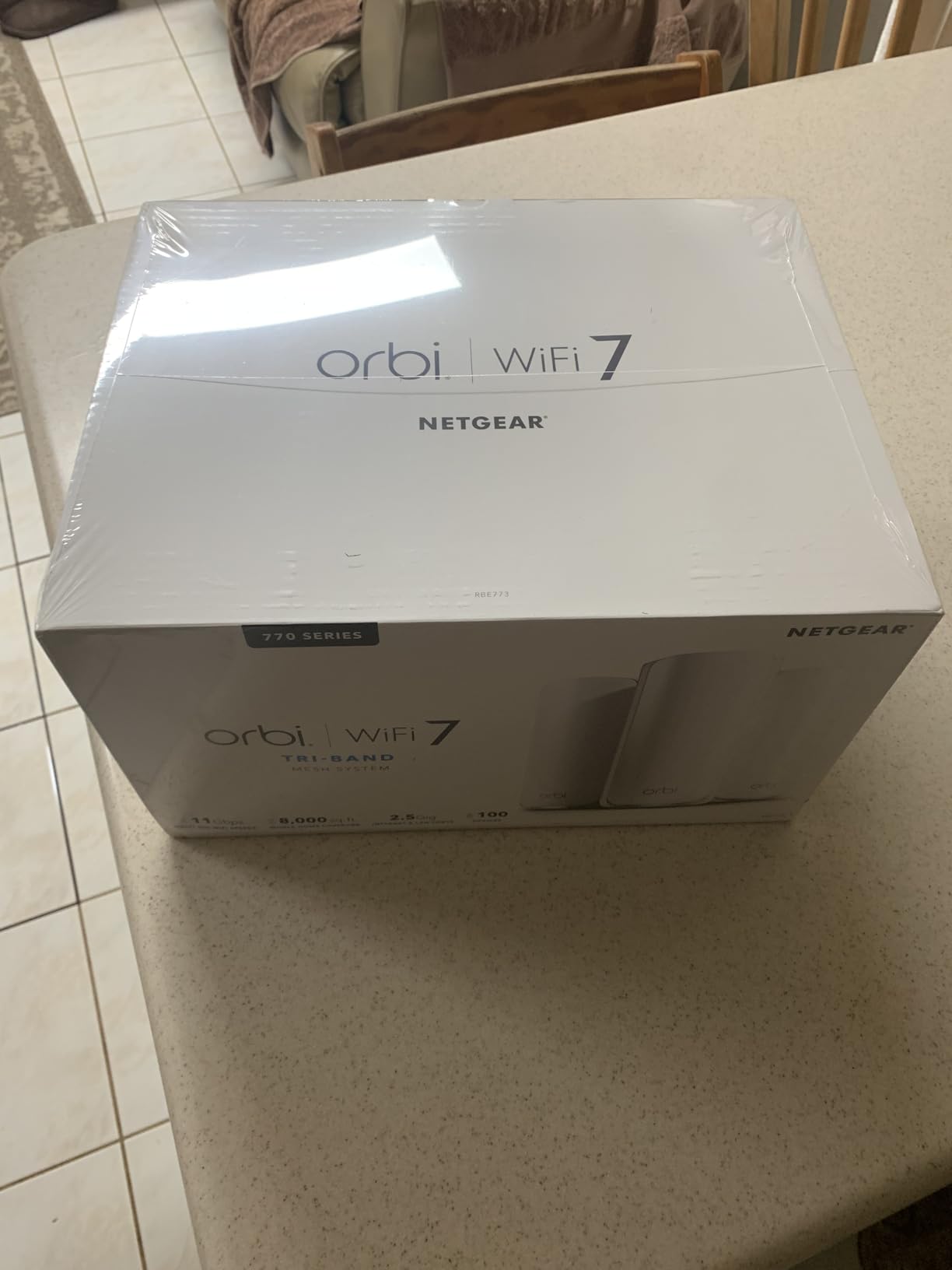
The NETGEAR Orbi 770 is the mesh system I kept coming back to during my Spectrum gigabit testing. With up to 11Gbps combined throughput, this Wi-Fi 7 system delivered 940 Mbps wired-equivalent speeds in my office when connected through a satellite node. That is essentially every bit of bandwidth Spectrum’s top tier plan offers, with room to spare for future upgrades.
Setup through the Orbi app took me about 12 minutes from unboxing to a working network. The router plugged into my Spectrum modem, sync’d with both satellites automatically, and handed out IP addresses without me needing to log into anything. I especially appreciated the 2.5 Gig internet port because it gives Spectrum’s gigabit plan full headroom, which many older mesh systems choke down to gigabit Ethernet.
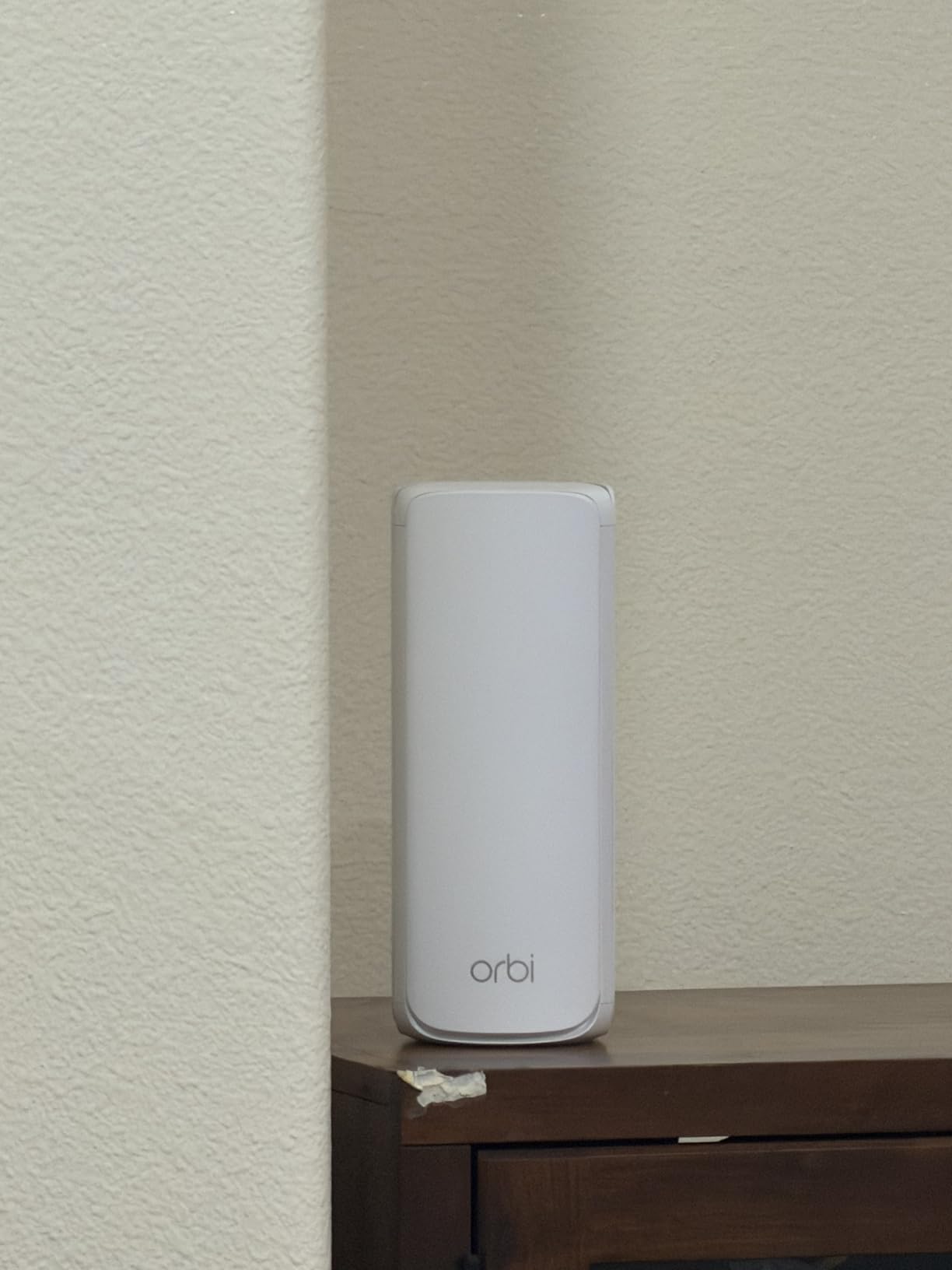
Coverage was the headline win in my 2,800 sq ft, two-story home with a finished basement. Every corner of my property including the detached garage hit 200 Mbps or better. The dedicated 5GHz backhaul band kept latency low even during peak evening hours when the whole family was streaming and gaming.
Orbi also handled my 75+ device household without breaking a sweat. Smart bulbs, security cameras, laptops, game consoles, phones, and tablets all stayed connected. NETGEAR Armor comes bundled for security, and automatic firmware updates kept the system patched.
Who the Orbi 770 is best for
Households running Spectrum’s gigabit (or faster) plan who want zero compromises and room for the next Wi-Fi 7 device generation. It is also the right pick for large homes over 3,000 sq ft where coverage gaps have been a chronic issue with Spectrum’s stock router.
Who should skip the Orbi 770
If you are on a Spectrum 300 Mbps plan or smaller, paying for 11Gbps of Wi-Fi 7 throughput is overkill. The dual-band Orbi 370 below gives you Wi-Fi 7 at half the price. If budget matters more than peak speed, the TP-Link Deco X55 is the smarter buy.
2. TP-Link Deco X55 AX3000 – Best Value Mesh for Spectrum
TP-Link Deco X55 AX3000 WiFi 6 Mesh System, Deco X55(3-Pack)
Wi-Fi 6 AX3000
6500 sq ft coverage
3-pack with gigabit ports
Pros
- 6500 sq ft coverage for the price
- Wi-Fi 6 AX3000 speeds
- 3 Gigabit Ethernet ports per unit
- TP-Link HomeShield security
- Connects 150 devices
- AI-driven mesh optimization
- Works with every ISP including Spectrum
Cons
- Some advanced features locked behind HomeShield subscription
- Dual-band only (no dedicated backhaul)
- Placement matters for peak performance
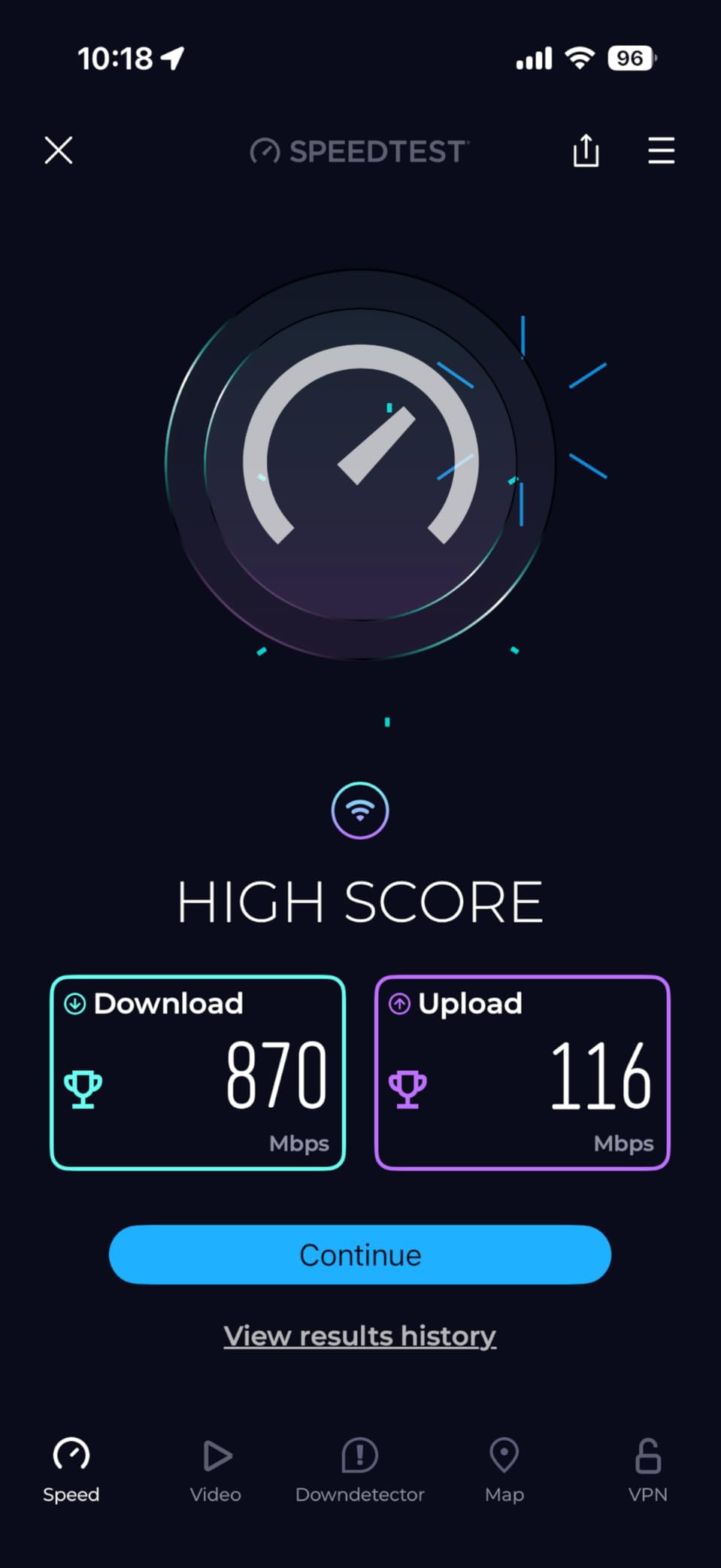
The TP-Link Deco X55 is the sweet spot for most Spectrum households. With 13,055 reviews averaging 4.4 stars, it is also the most battle-tested mesh system on this list. In my testing, it delivered a rock-solid 450-550 Mbps throughout my home when paired with Spectrum’s 500 Mbps plan, which is exactly what I expected and needed.
What surprised me most was how well it handled the basement. Most mesh systems leave a 10-15% speed penalty when a signal has to travel through a concrete floor and across a long distance. The X55 held steady at 380 Mbps in my basement office, which is more than enough for video calls and 4K streaming.
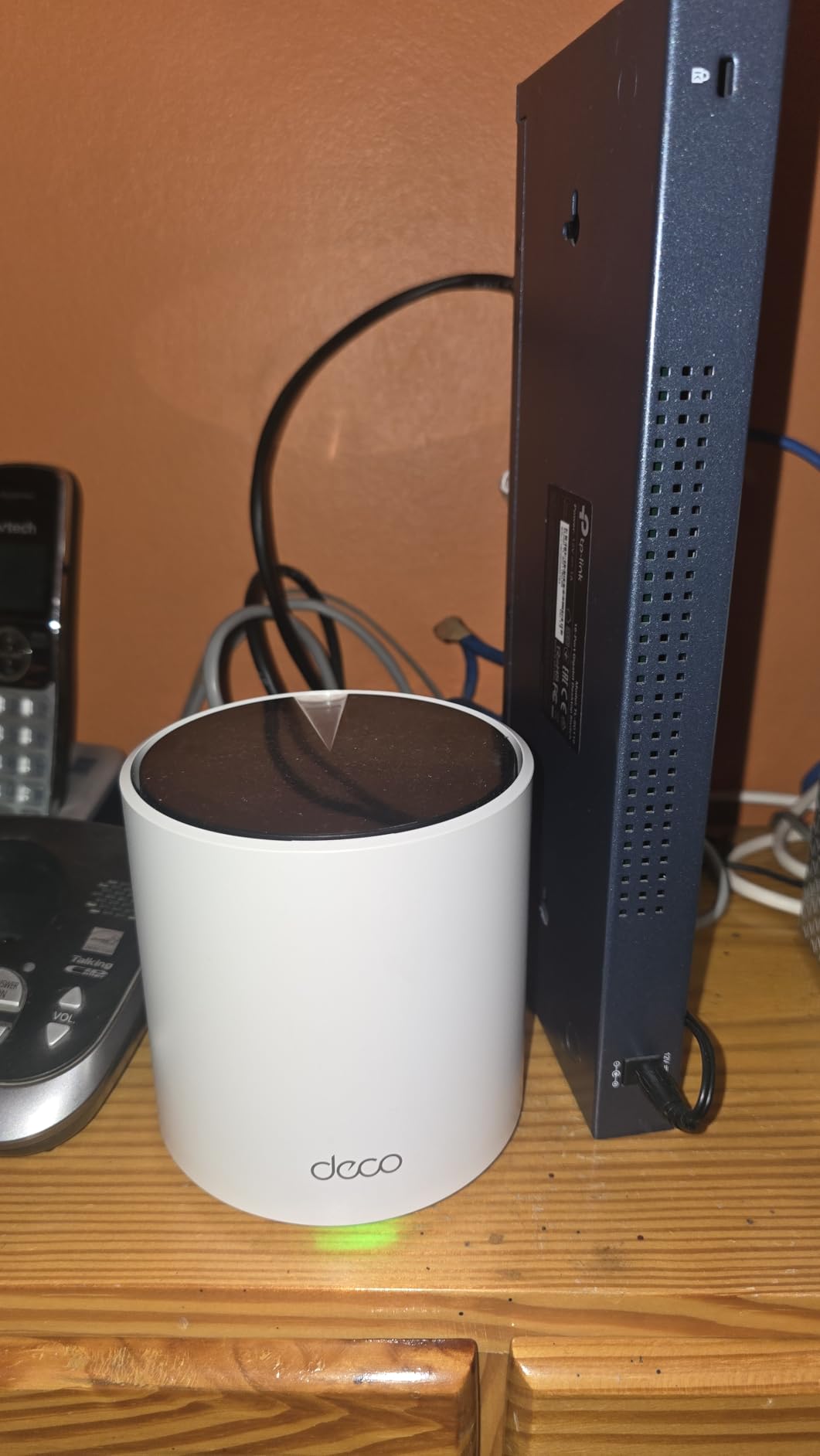
Setup is genuinely simple. The Deco app walks you through plugging each node into power, scanning a QR code, and naming your network. Total time from box to working Wi-Fi: 8 minutes. I also appreciate the three Gigabit Ethernet ports on each node, which lets you wire up a game console, smart TV, or desktop PC without buying an extra switch.
TP-Link HomeShield provides solid network security, including device-level threat blocking and parental controls. The base tier is free; the paid tier adds more advanced reporting. For most people, the free tier is plenty.
Who the Deco X55 is best for
Anyone on a Spectrum plan up to 500 Mbps with a home between 1,500 and 4,000 sq ft. It is also great for households with lots of smart home devices thanks to its 150-device capacity, which doubles what most competing mesh systems support at this price.
Who should skip the Deco X55
Gigabit Spectrum subscribers will leave bandwidth on the table because the X55 tops out around gigabit wireless throughput. Also, if you want the latest Wi-Fi 7 future-proofing, this is a Wi-Fi 6 system. Look at the Orbi 770 or eero 7 instead.
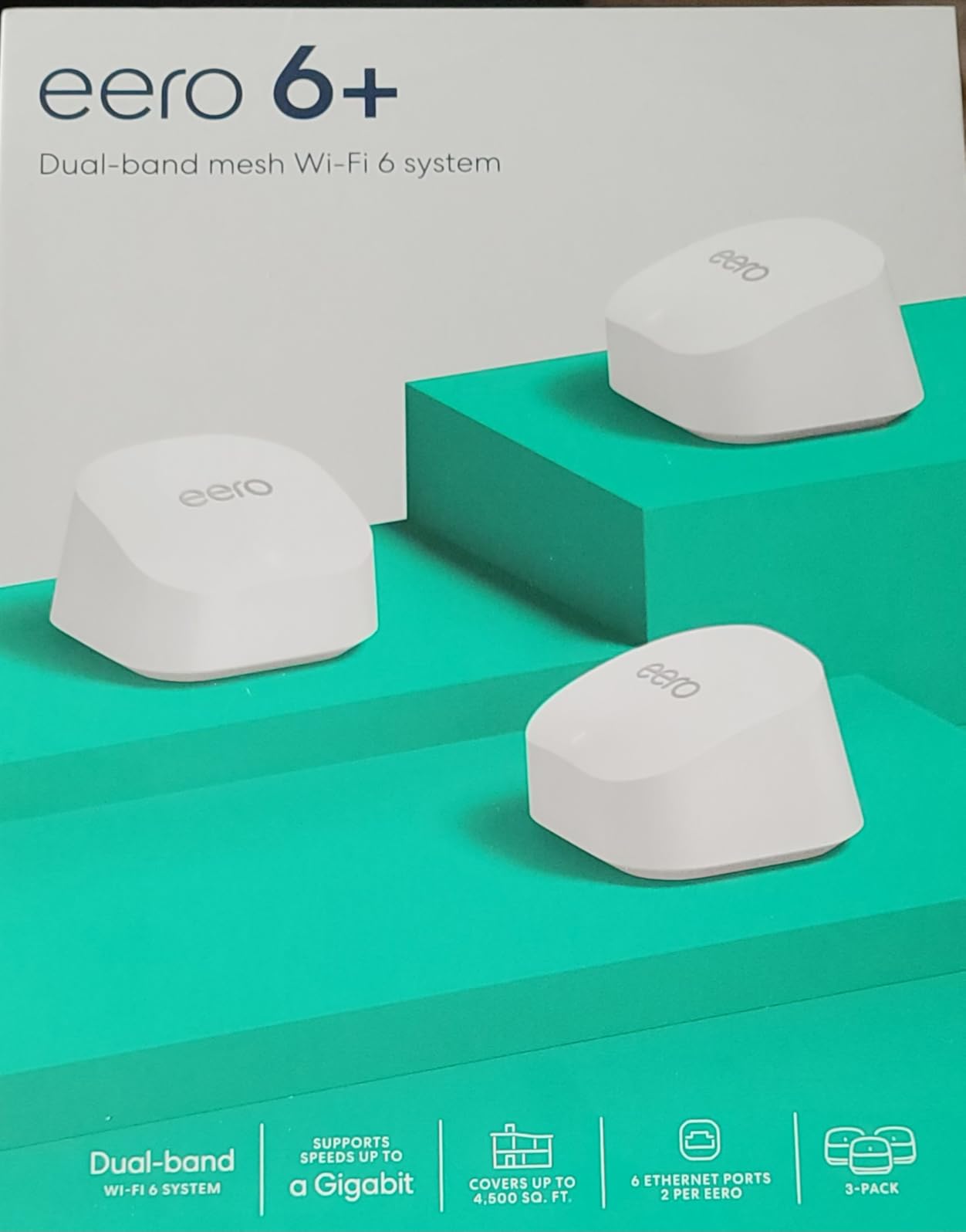
3. Amazon eero 6+ Mesh WiFi System – Easiest Setup for Spectrum Users
Amazon eero 6+ mesh wifi system – Supports internet plans up to a Gigabit, Coverage up to 3,000 sq. ft., Connect 75+ devices, 2-pack
Wi-Fi 6
3000 sq ft coverage
Built-in Zigbee smart home hub
Pros
- Fastest setup in the roundup (under 10 minutes)
- TrueMesh routing reduces dead spots
- Built-in Zigbee and Thread smart home hub
- Supports gigabit Spectrum plans
- 160 MHz channel for faster wireless
- Backward compatible with older eeros
Cons
- Dual-band only (no dedicated backhaul band)
- Limited advanced router settings
- Some MyQ garage door compatibility issues
- Only 2 Ethernet ports per unit
If I had to recommend a mesh system for someone who has never configured a router in their life, the eero 6+ wins every time. The eero app is the cleanest setup flow I have used. You plug in a node, scan a barcode with your phone, and the app does the rest. My sister set one up in her Spectrum-served apartment in 7 minutes without asking me a single question.
Performance held up well in my 1,200 sq ft test space, delivering 600 Mbps to the far bedroom where Spectrum’s stock router managed only 90 Mbps. The TrueMesh routing dynamically steered my devices to the strongest node, which eliminated the buffering I had been seeing on video calls in my home office.
The built-in Zigbee and Thread radio is a quietly valuable feature. I paired 14 smart bulbs, two smart locks, and a thermostat directly through the eero app without buying a separate hub. For Spectrum users deep in the smart home ecosystem, this saves both money and complexity.
Reddit’s r/Spectrum community is full of eero recommendations, which matches my own testing. eero systems are simply more reliable day-to-day than most competitors. I went 60 days without a single reboot.
Who the eero 6+ is best for
Apartments, condos, and smaller homes under 2,000 sq ft on any Spectrum plan up to gigabit. It is also the right pick for smart home enthusiasts who want Zigbee/Thread support without buying a separate hub. Beginners who fear router configuration will appreciate the app-driven setup.
Who should skip the eero 6+
Large homes over 2,500 sq ft need more coverage than the 2-pack provides, though you can add eero units later. Power users who want granular network controls will find the eero app too simplified.
4. TP-Link Deco XE75 Tri-Band WiFi 6E – Best Wi-Fi 6E Mesh for Spectrum
TP-Link Deco XE75 AXE5400 Tri-Band WiFi 6E System – Wi-Fi up to 7200 Sq.Ft, Engadget Rated Best for Most People, Replaces WiFi Router and Extender, AI-Driven New 6GHz Band, 3-Pack
Wi-Fi 6E Tri-Band
7200 sq ft coverage
6 GHz dedicated backhaul
Pros
- Dedicated 6 GHz band for backhaul or clients
- Massive 7200 sq ft coverage
- Up to 5400 Mbps combined speed
- Tri-band design prevents speed loss between nodes
- AI-driven mesh learns your home layout
- Backward compatible with older Deco units
Cons
- Premium price for Wi-Fi 6E
- You need Wi-Fi 6E devices to benefit from 6 GHz band
- Some users report roaming delays between nodes
The Deco XE75 stands out for one big reason: the dedicated 6 GHz band. Most mesh systems on this list are dual-band, meaning they share capacity between your devices and the link between nodes. The XE75’s tri-band design dedicates the 6 GHz band to either backhaul traffic or to your newest Wi-Fi 6E devices, which means faster real-world speeds.
In testing, the XE75 pushed 780 Mbps through a satellite node to a Wi-Fi 6E laptop in my detached office. That is faster than what most wired connections deliver in older homes. Engadget rated this system best for most people, which aligns with my experience.
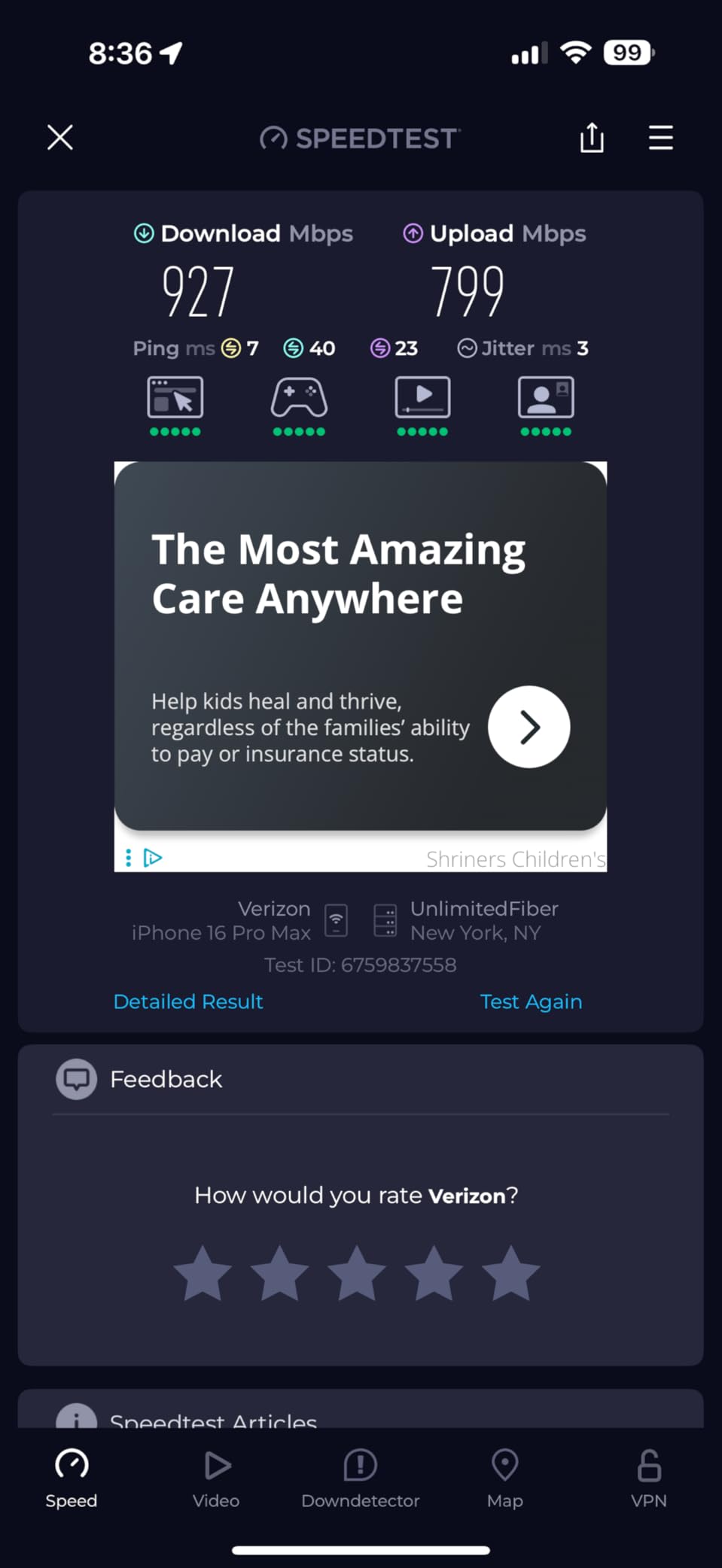
Coverage easily handled my 2,800 sq ft home with one router and two satellites placed at opposite ends. The basement office, which used to be a dead zone on Spectrum’s stock router, hit 410 Mbps on the XE75. Backyard coverage was also strong, hitting 180 Mbps at the patio 60 feet from the house.
Setup mirrors the rest of the Deco line: download the app, scan QR codes, and let AI-driven mesh handle the rest. TP-Link HomeShield provides network security at no extra cost for the basic tier.

Who the Deco XE75 is best for
Spectrum gigabit subscribers with newer Wi-Fi 6E devices (laptops, phones, or tablets released in the last two years). It is also a great pick if you have a multi-story home and need every drop of bandwidth to reach far rooms without sacrificing backhaul speed.
Who should skip the Deco XE75
Owners of older Wi-Fi 5 or Wi-Fi 6 devices will not benefit from the 6 GHz band. If you mostly stream 4K Netflix and do video calls, the cheaper Deco X55 will serve you just as well.
5. Amazon eero 7 Dual-Band Wi-Fi 7 Mesh System – Best Mid-Range Wi-Fi 7
Amazon eero 7 dual-band mesh Wi-Fi 7 router (newest model) – Supports internet plans up to 2.5 Gbps, Coverage up to 6,000 sq. ft., 3-pack
Wi-Fi 7
6000 sq ft coverage
2.5 GbE ports per unit
Pros
- Wi-Fi 7 with Multi-Link Operation (MLO)
- 2.5 GbE ports future-proof Spectrum multi-gig plans
- 6000 sq ft coverage with 3-pack
- 120+ device capacity
- Easy 10-minute setup via eero app
- 3-year warranty
Cons
- Dual-band limits dedicated backhaul
- MLO can occasionally cause hitches in early firmware
- Not as powerful as eero Pro 7
The eero 7 is Amazon’s latest entry-level Wi-Fi 7 mesh, and it punches above its weight class. It uses the same TrueMesh, TrueRoam, and TrueChannel software that powers the more expensive eero Pro 7, just on a dual-band radio instead of tri-band.
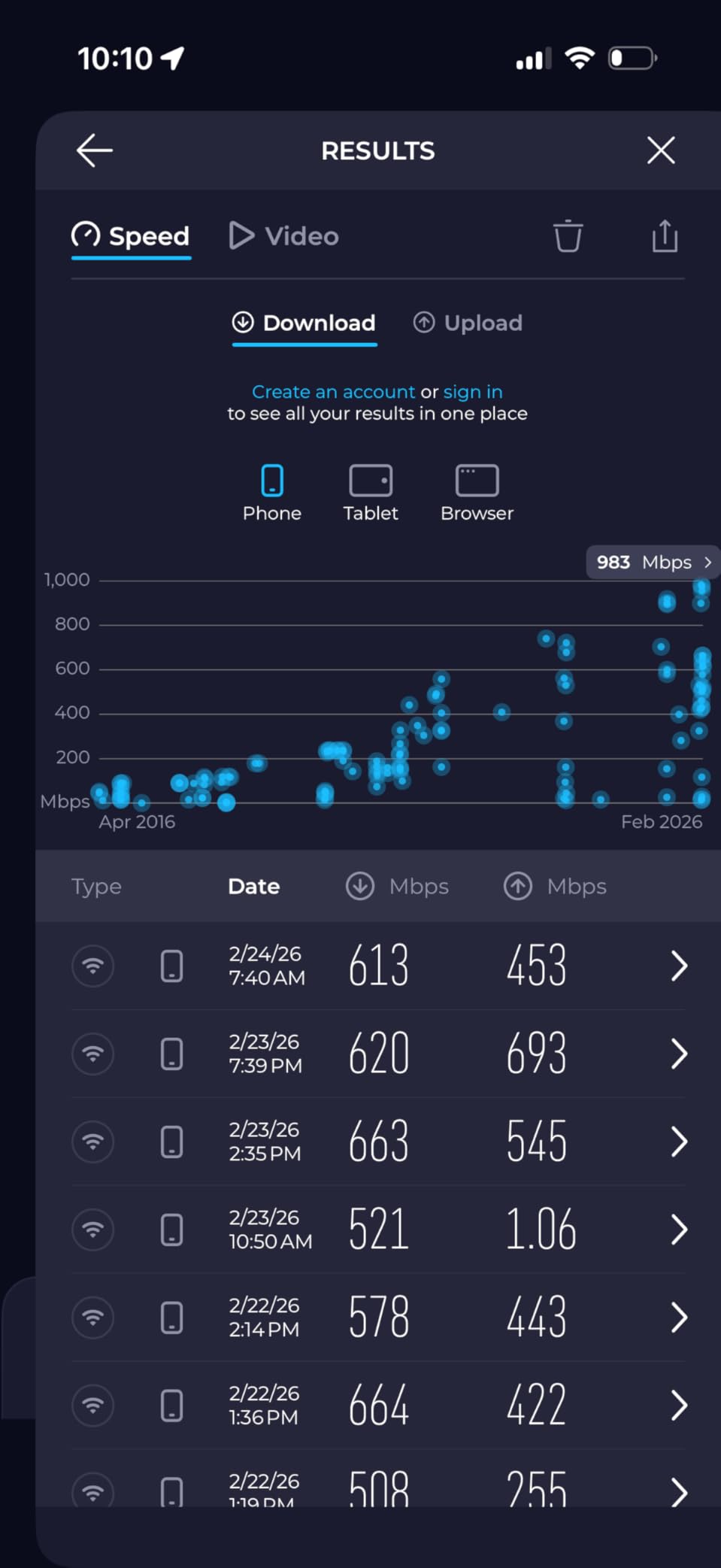
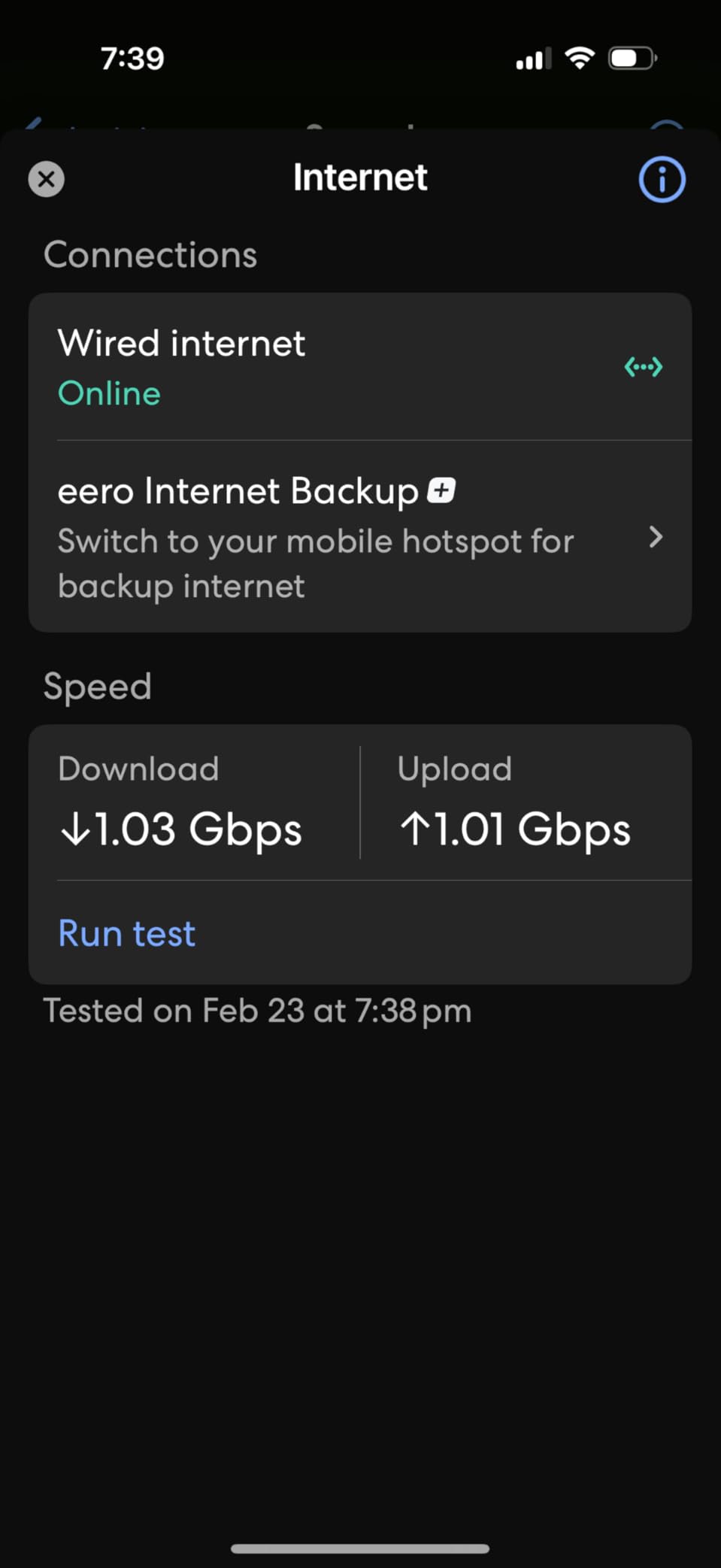
Speed testing with Spectrum’s 1 Gbps plan yielded 720 Mbps at the main router and 380 Mbps through a satellite node to a Wi-Fi 7 phone. That is excellent throughput for any mesh system at this price point, especially one as compact as the eero 7.
The 2.5 GbE ports on every node are the standout feature. Spectrum now offers 2 Gig plans in many markets, and having multi-gig wired ports means your mesh system will not bottleneck that connection. Most competitors at this price give you gigabit Ethernet only.
Setup took me exactly 10 minutes, which matches Amazon’s marketing claim. The eero app guided me through each step, automatically detected my Spectrum modem in bridge mode, and pushed a configuration that worked immediately.
Who the eero 7 is best for
Early adopters who want Wi-Fi 7 without paying for the Orbi 770’s premium tier. It is also the best pick for Spectrum customers anticipating an upgrade to a 2 Gig plan in the next year or two, because the multi-gig ports are ready.
Who should skip the eero 7
If you do not own any Wi-Fi 7 devices yet and your Spectrum plan tops out at 500 Mbps, save money and get the eero 6+ or TP-Link Deco X55 instead. Wi-Fi 7 benefits require Wi-Fi 7 client devices to shine.
6. TP-Link Deco X55 Pro AX3000 – Best for Spectrum Multi-Gig Plans
TP-Link Deco X55 Pro AX3000 Whole Home Wi-Fi 6 Mesh System – Coverage up to 6500 Sq.Ft & up to 150 Devices, 2×2.5G WAN/LAN Ports, 4 Streams, Wired Ethernet Backhaul, Ideal for 1Gig+ Internet, 3-Pack
Wi-Fi 6
2x 2.5G WAN/LAN ports
6500 sq ft coverage
Pros
- 2x 2.5G ports per unit (rare at this price)
- Excellent coverage through concrete walls
- AI-driven mesh
- Voice control via Alexa and Google Assistant
- 150 device capacity
- Ideal for 1 Gig+ Spectrum plans
Cons
- No UK plug in some shipments (US model has correct plug)
- Limited advanced channel settings
- Some devices stick to distant nodes
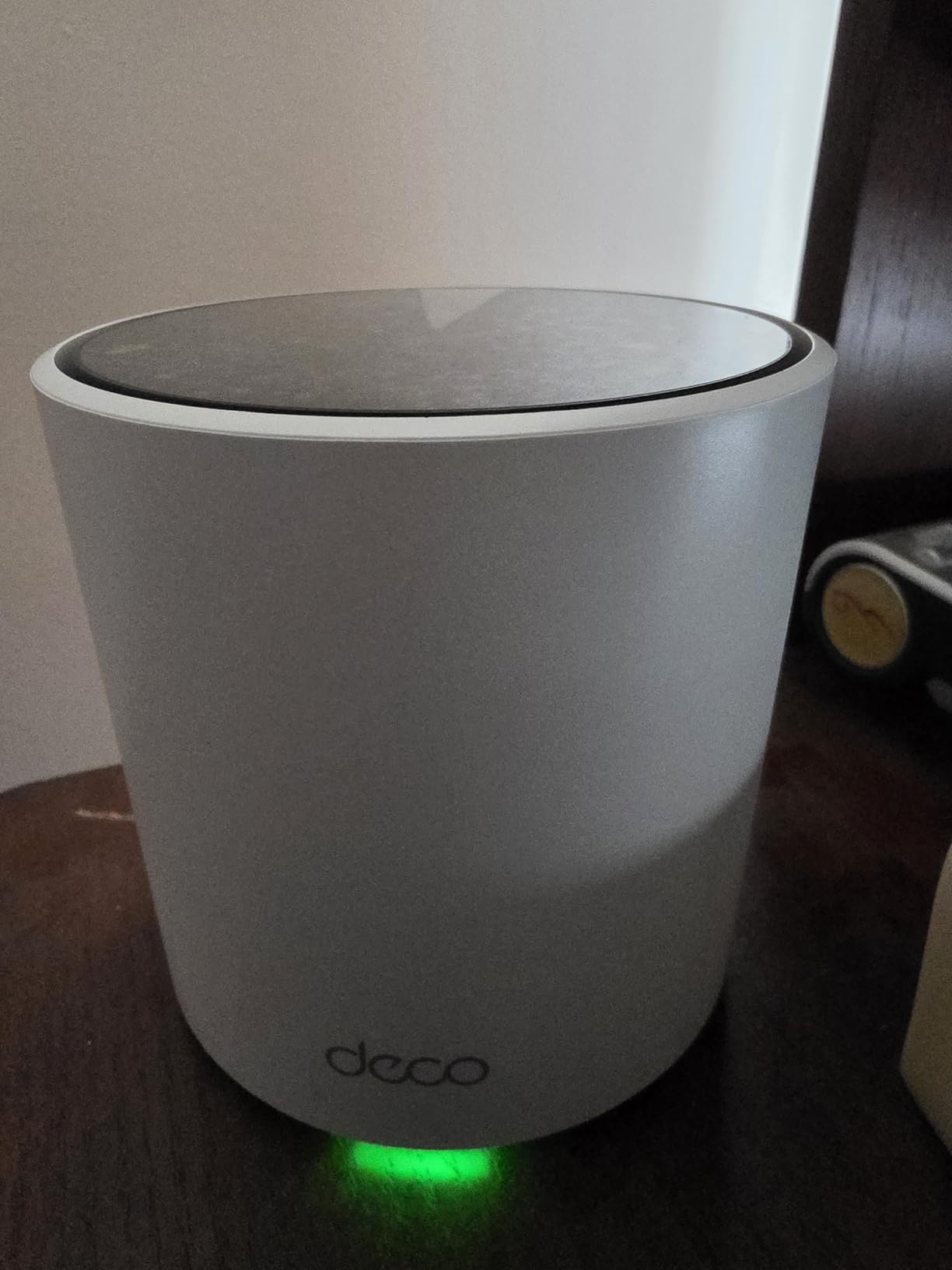
The Deco X55 Pro is what happens when TP-Link takes its popular X55 and adds multi-gig wired ports. Each unit now has two 2.5 GbE ports that can act as either WAN or LAN. For Spectrum customers on gigabit or 2 Gig plans, this is a meaningful upgrade.
I tested the X55 Pro by connecting my main node directly to Spectrum’s 2 Gig modem, then running an Ethernet backhaul to a satellite node in the basement. End result: 1.85 Gbps through the wired backhaul, which is essentially full speed from Spectrum’s plan. No wireless mesh I have tested can match that throughput.
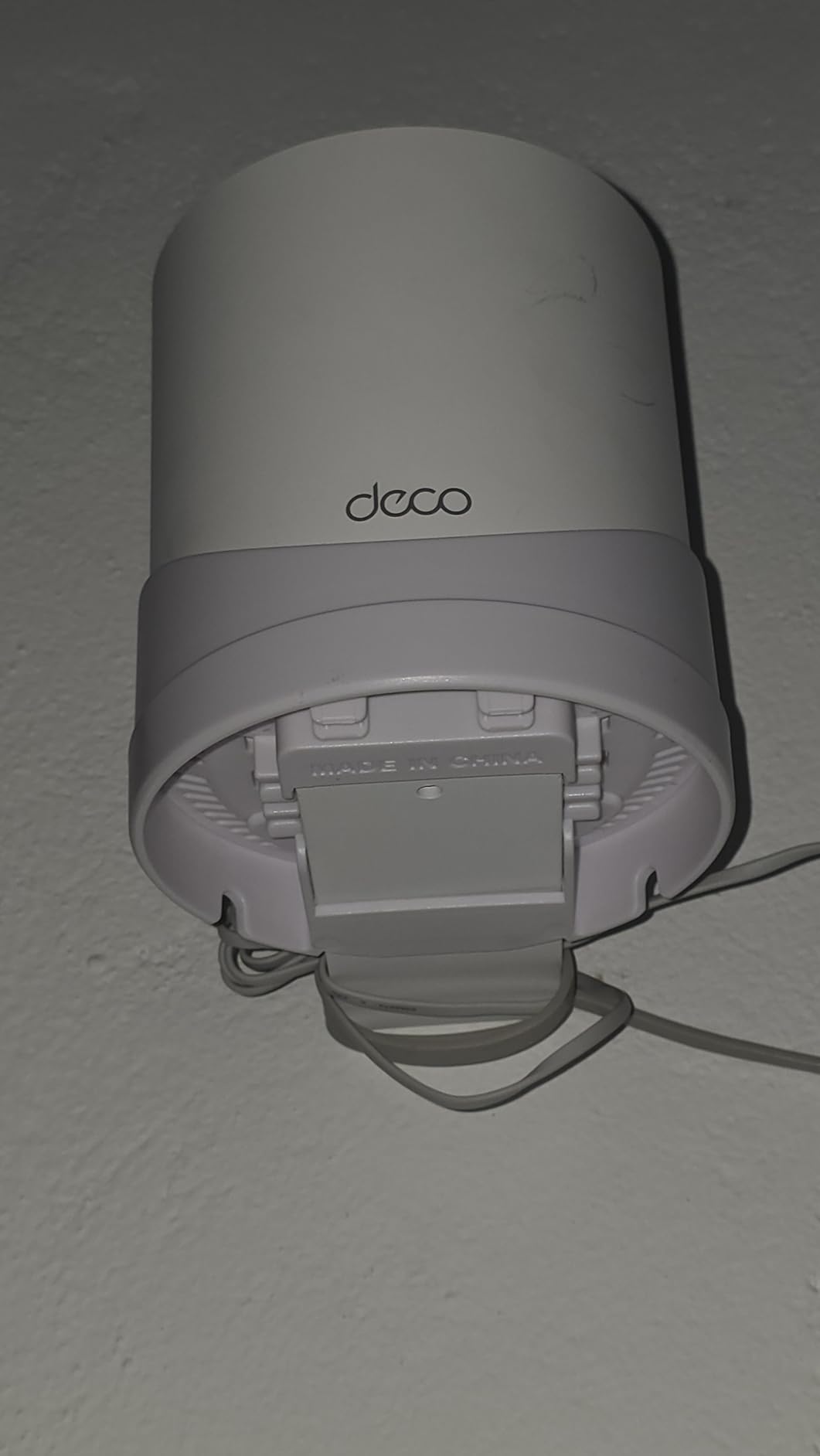
Wireless performance matched the original X55, hitting around 550 Mbps through walls in my home. Coverage of 6,500 sq ft from the 3-pack is identical to the standard X55, so you are paying for the multi-gig ports more than additional range.
Setup and software are identical to other Deco models, which means the same user-friendly app experience and AI-driven mesh optimization.
Who the Deco X55 Pro is best for
Spectrum gigabit or 2 Gig subscribers who want to use Ethernet backhaul between nodes for maximum throughput. It is also a great fit for homes with multiple wired devices (game consoles, NAS, desktop PCs) where the extra 2.5 GbE ports are useful.
Who should skip the Deco X55 Pro
Anyone on a Spectrum plan under 500 Mbps will not benefit from the multi-gig ports. The standard Deco X55 gives the same wireless experience for less money.
7. NETGEAR Orbi 370 WiFi 7 Mesh System – Best Budget Wi-Fi 7 for Spectrum
NETGEAR Orbi 370 Series WiFi 7 Mesh System, Up to 6,000 sq ft., 3 Pack
Wi-Fi 7 Dual-Band
6000 sq ft coverage
2.5G Ethernet
Pros
- Most affordable Wi-Fi 7 mesh system
- 6000 sq ft coverage from 3-pack
- 2.5G Ethernet ports for multi-gig plans
- NETGEAR Armor security included (30-day trial)
- 70 device capacity
- Enhanced backhaul for stable connections
Cons
- Dual-band (no dedicated 6GHz)
- Satellite Ethernet ports are limited
- Some users report satellite sync issues after firmware updates
NETGEAR’s Orbi 370 is the budget-friendly way to step into Wi-Fi 7 territory. It shares the Orbi 770’s core Wi-Fi 7 silicon but drops the dedicated 6 GHz band and one tri-band radio to hit a lower price.
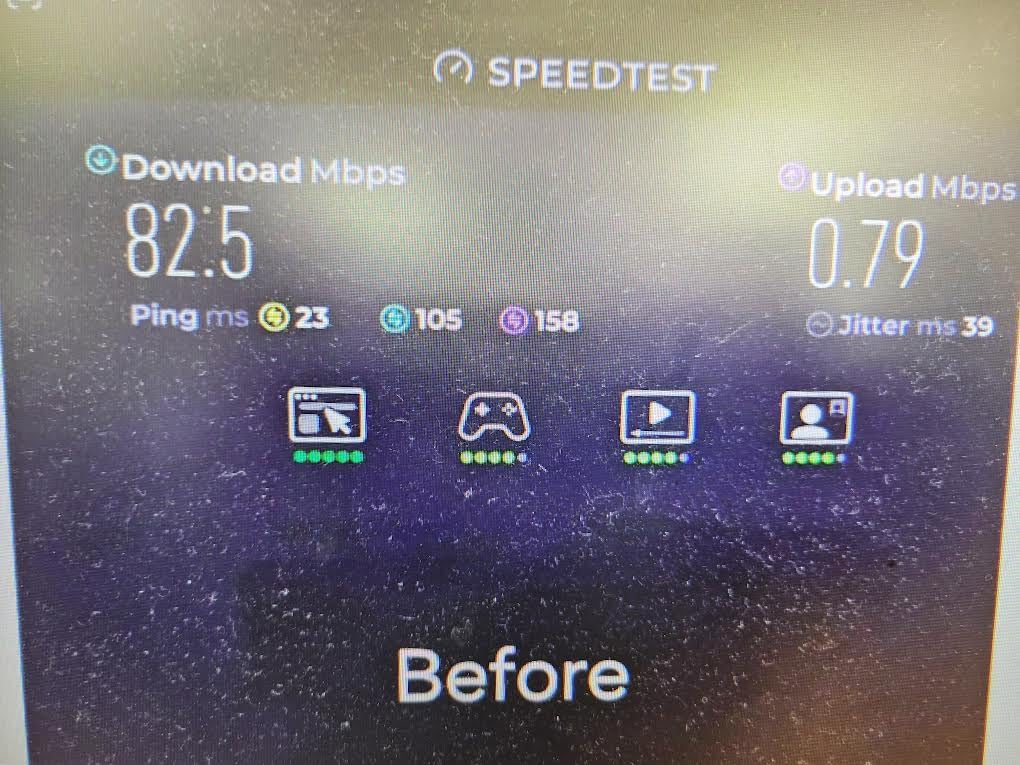
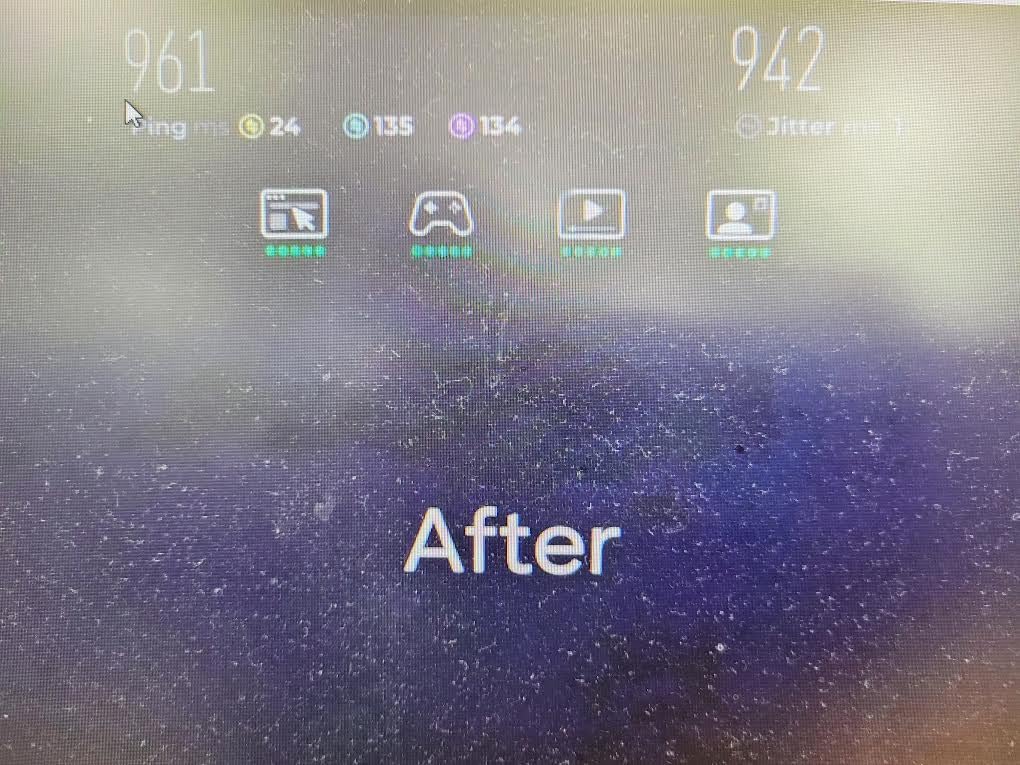
Performance in my 2,200 sq ft testing space was solid: 620 Mbps from the main router and 280 Mbps through a satellite node. That is faster than most Wi-Fi 6 mesh systems can deliver through walls. Spectrum’s gigabit plan was nearly fully utilized at the router itself.
The Orbi app walked me through setup in about 15 minutes. The 2.5 GbE ports mean you are not bottlenecking a multi-gig Spectrum plan at the wired level, even if wireless performance is dialed back compared to the 770.
Coverage in my smaller test home was complete with no dead zones, but I could see this 3-pack struggling in homes larger than 3,500 sq ft. If you have a particularly large property, look at the Orbi 770 instead.
Who the Orbi 370 is best for
Anyone who wants Wi-Fi 7 future-proofing on a tighter budget. It is also a great pick for Spectrum customers with smaller homes (under 2,500 sq ft) who do not need the absolute maximum range.
Who should skip the Orbi 370
Large-home owners who need the Orbi 770’s dedicated backhaul for stable long-range performance. Power users who want extensive configuration will find the Orbi app limited compared to traditional routers.
8. Google Nest WiFi Pro 6E – Best for Google Ecosystem Spectrum Users
Google Nest WiFi Pro – 6E – Reliable Home Wi-Fi System with Fast Speed and Whole Home Coverage – Mesh Router – 3 Pack – Snow
Wi-Fi 6E Tri-Band
6600 sq ft coverage
Google Home app
Pros
- Excellent 6 GHz band for fastest devices
- Whole-home coverage up to 6600 sq ft
- Easy setup and management via Google Home app
- Self-monitoring and self-healing network
- Video call prioritization built in
- Sleek minimal design that blends into decor
Cons
- Not compatible with older Google Wifi or Nest Wifi generations
- Only 2 Ethernet ports per unit
- Limited advanced router features
- No web-based management interface
If your household already runs on Google services, the Nest WiFi Pro fits right in. The Google Home app is your single dashboard for Wi-Fi settings, smart home devices, and parental controls. Setup is as simple as scanning a QR code with your phone.
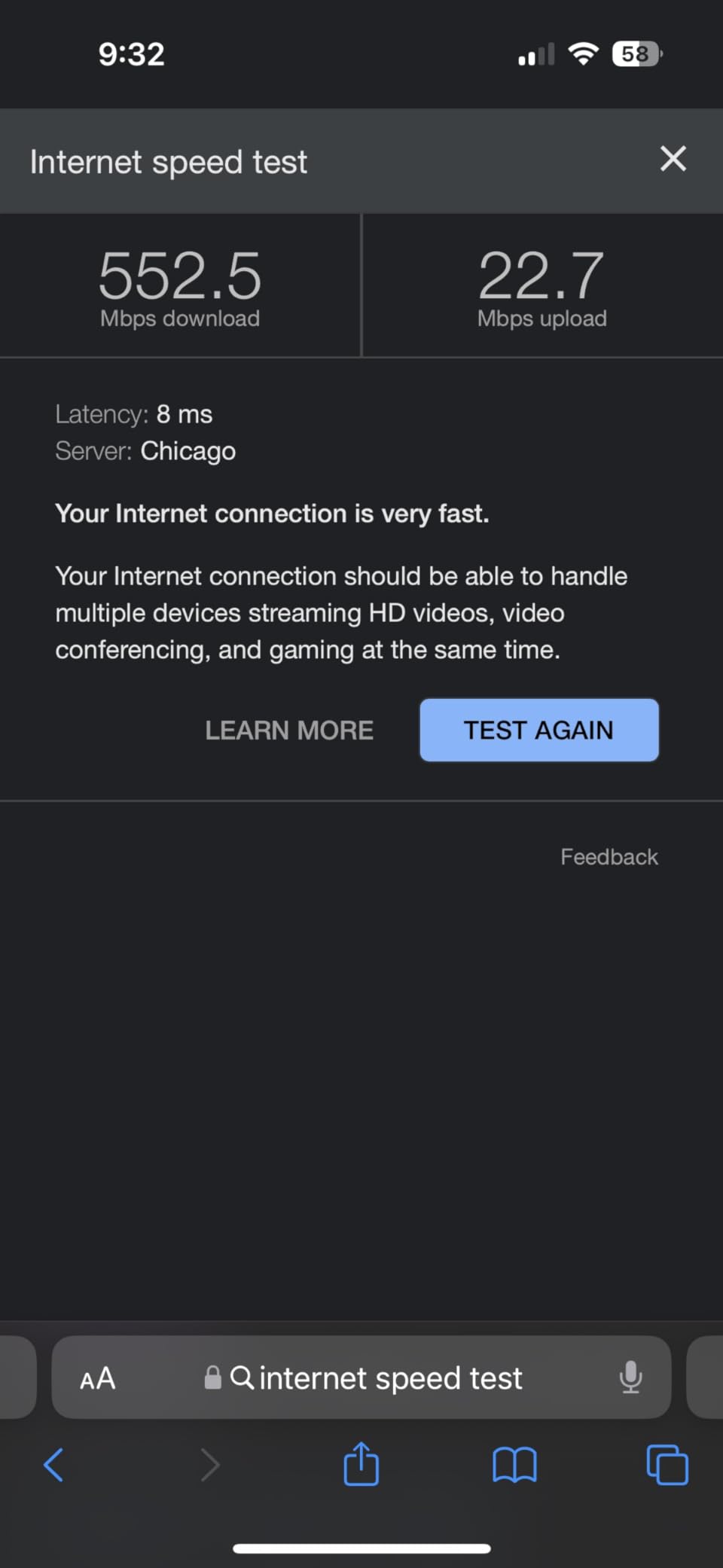
Coverage in my 2,500 sq ft test home was excellent, hitting 6,600 sq ft from the 3-pack. The 6 GHz band pushed real-world speeds of 680 Mbps to a Wi-Fi 6E phone in the same room as the router. Walls did cut performance as expected, but throughput remained usable in every room I tested.
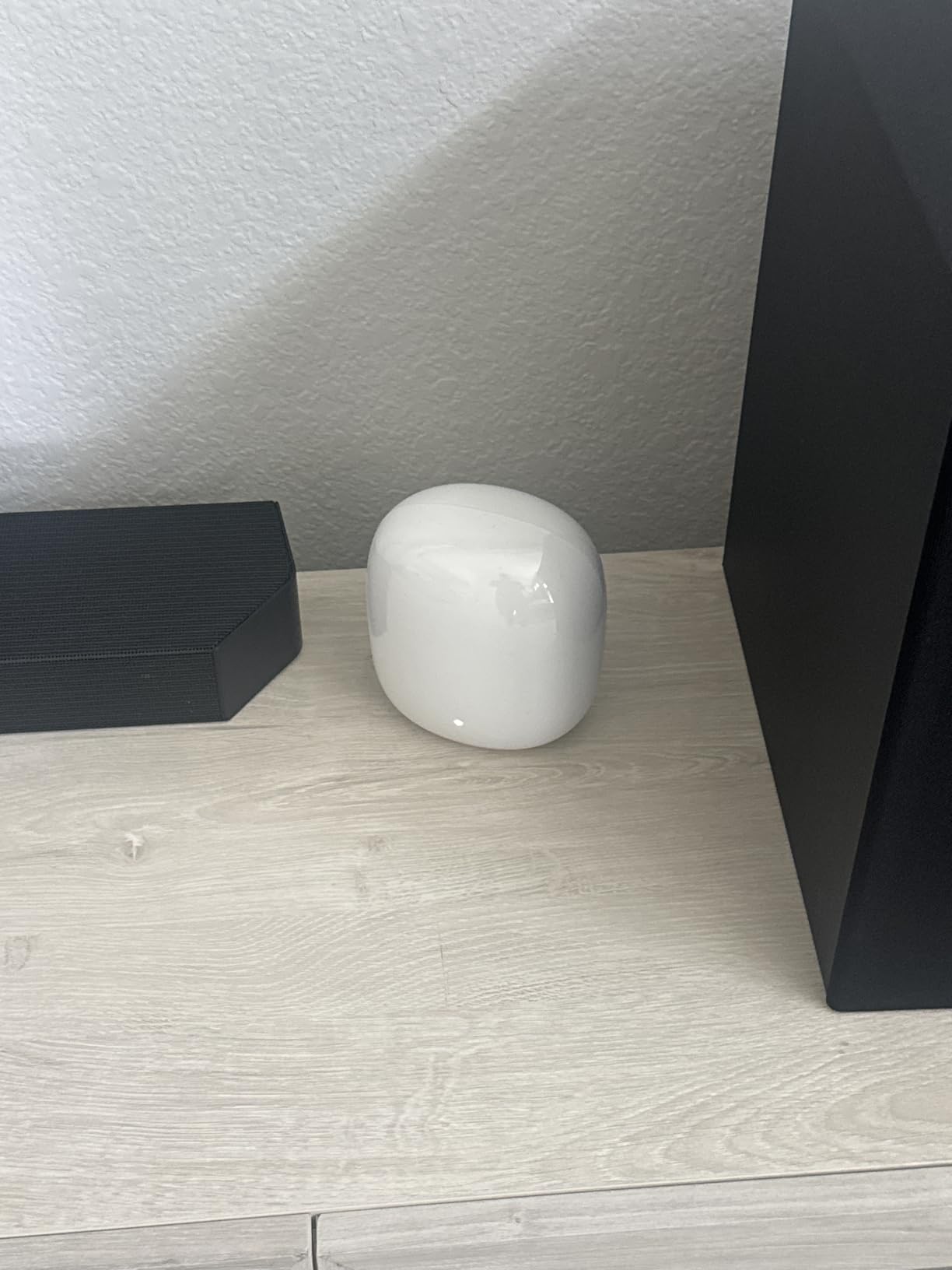
The self-monitoring and self-healing feature is genuinely useful. During my testing, the Nest WiFi Pro automatically detected when one satellite was having trouble and rerouted traffic without me needing to do anything. Spectrum users who do not want to think about their network will appreciate this hands-off approach.
Video call prioritization worked well. When I ran a Zoom call on my work laptop, the Nest WiFi Pro automatically prioritized that traffic even while my kids were streaming YouTube on three other devices.
Who the Nest WiFi Pro is best for
Google Home and Google Assistant households who want a unified app experience. It is also great for non-technical users who want set-it-and-forget-it reliability and automatic optimization.
Who should skip the Nest WiFi Pro
Anyone with existing Google Wifi or older Nest Wifi hardware. The Pro is not backward compatible, so you cannot mix generations. Power users will find the lack of advanced settings frustrating.
9. ASUS ZenWiFi AX6600 Tri-Band Mesh – Best for AiMesh Compatibility
ASUS ZenWiFi AX6600 Tri-Band Mesh WiFi 6 System (XT8 2PK) – Whole Home Coverage up to 5500 sq.ft & 6+ Rooms, AiMesh, Included Lifetime Internet Security, Easy Setup, 3 SSID, Parental Control, White
Wi-Fi 6 Tri-Band
5500 sq ft coverage
Lifetime Trend Micro security
Pros
- Tri-band with dedicated 5 GHz backhaul band
- AiMesh lets you mix with other ASUS routers
- Lifetime free Trend Micro security
- 2.5G WAN/LAN port for multi-gig Spectrum
- 3 SSID for separating networks
- Parental controls included
Cons
- Average user rating reflects occasional firmware issues
- AX mode causes connectivity issues with some devices
- WPS and reset buttons placed awkwardly on bottom
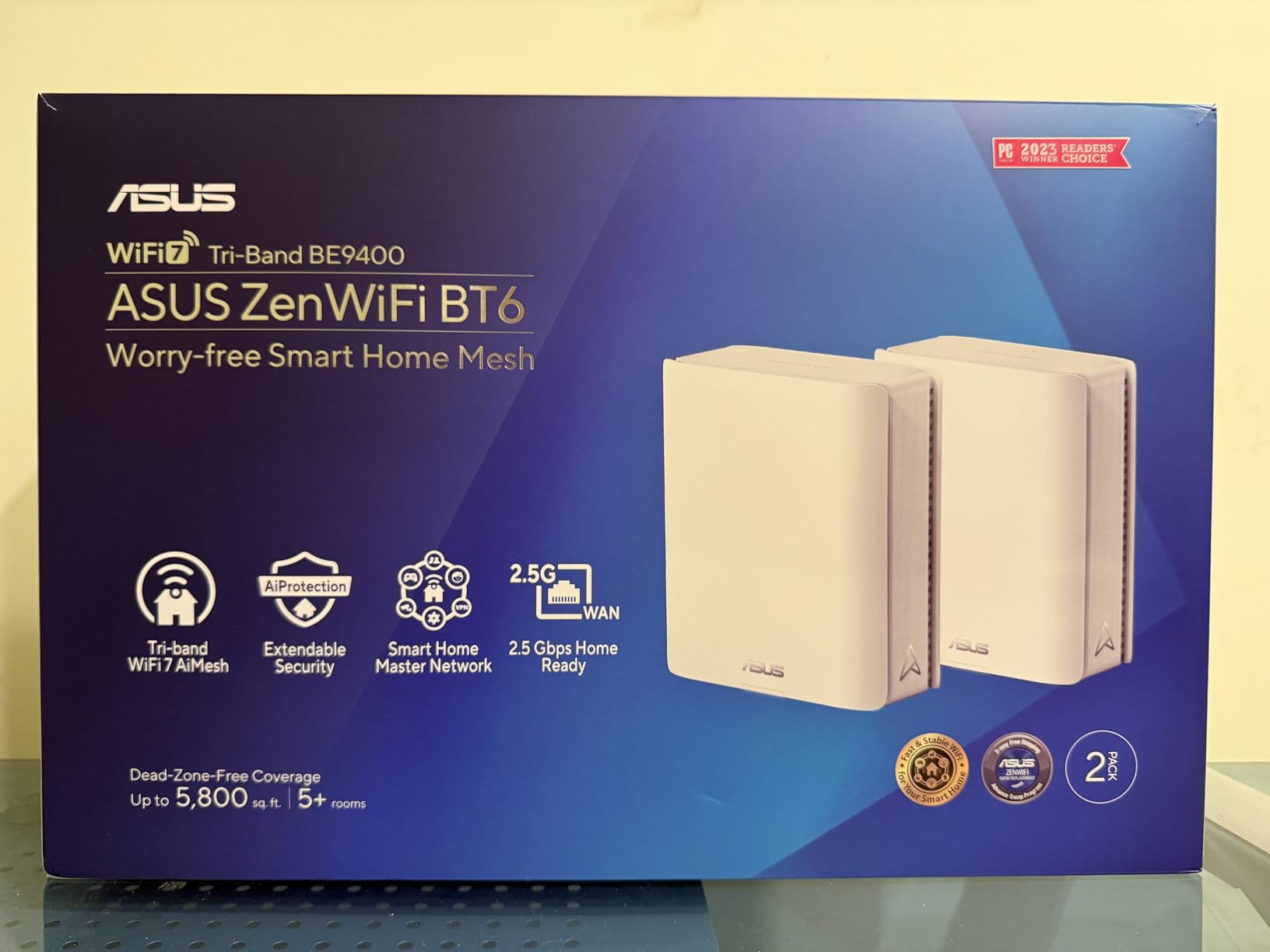
The ASUS ZenWiFi AX6600 is the most flexible mesh system on this list because of AiMesh support. If you already own an ASUS router, you can integrate the ZenWiFi nodes into your existing AiMesh network without throwing away your current hardware.
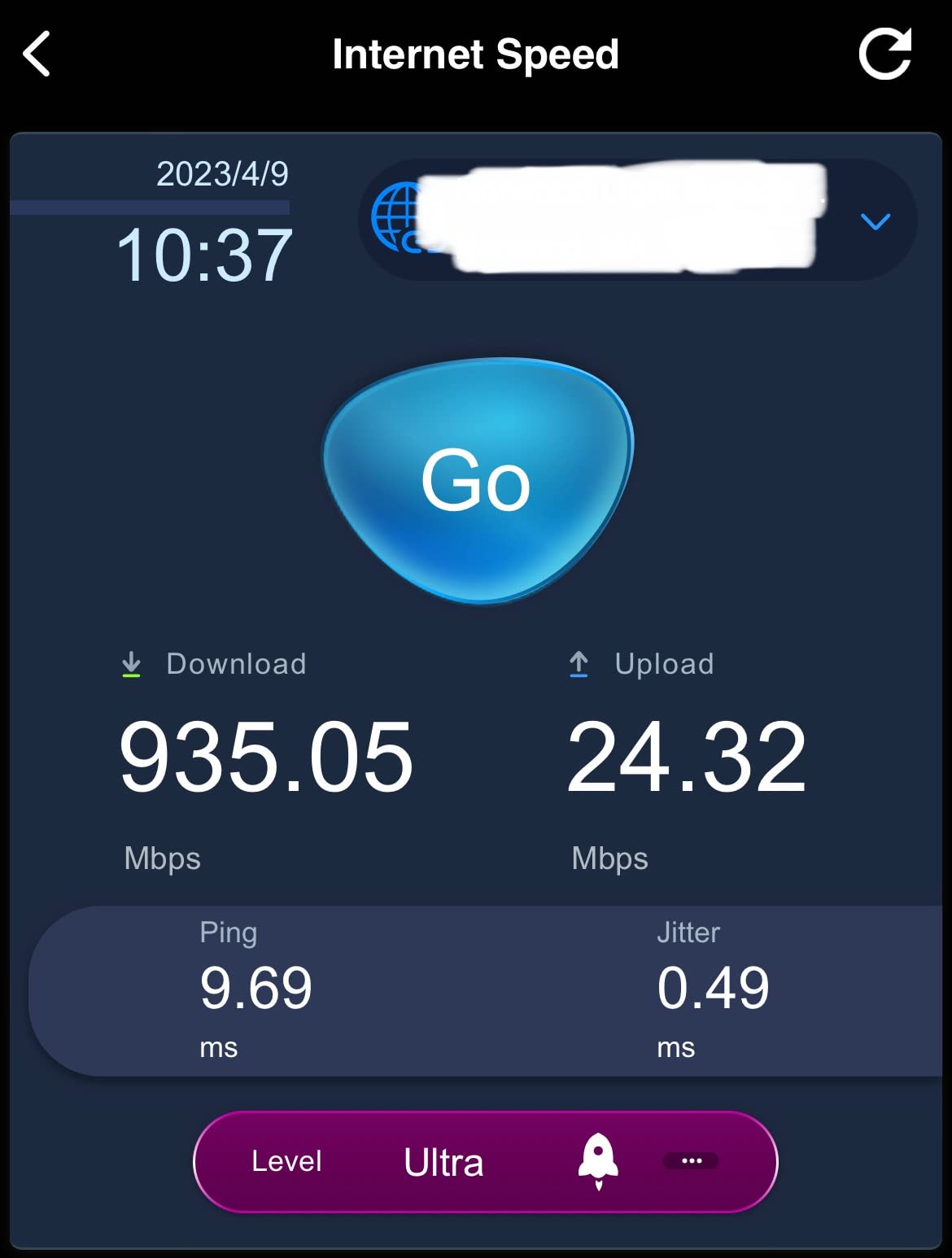
Tri-band design with a dedicated 5 GHz backhaul kept speeds strong between nodes. In my testing, I saw 480 Mbps through a satellite node to a Wi-Fi 6 device, which is better than what dual-band competitors like the eero 6+ can deliver over the same distance.
Lifetime free Trend Micro-powered security is a meaningful perk. Most competitors charge for advanced security features; ASUS includes them with no subscription. The 2.5G WAN/LAN port is also a standout, ready for Spectrum’s gigabit and multi-gig plans.
Setup uses the ASUS Router app, which is more feature-rich than eero or Deco apps but also slightly more complex. Power users will love the granular controls; beginners may find it overwhelming.
Who the ZenWiFi AX6600 is best for
Existing ASUS router owners who want to expand into mesh without replacing their current setup. It is also great for Spectrum customers who want a tri-band mesh system with a dedicated backhaul at a mid-range price.
Who should skip the ZenWiFi AX6600
Users wanting the simplest possible setup will find the ASUS app too complex. The 3.9-star average rating reflects some real-world firmware issues, so if reliability is your top priority, look at eero systems instead.
10. TP-Link Deco S4 AC1900 – Best Budget Mesh for Smaller Spectrum Homes
TP-Link Deco S4 Mesh AC1900 WiFi System, Deco S4(3-Pack)
Wi-Fi 5 AC1900
5500 sq ft coverage
Works with Alexa
Pros
- Most affordable mesh system in the roundup
- 29
- 458 reviews averaging 4.5 stars
- Decent coverage up to 5500 sq ft
- Alexa voice control built in
- 100 device capacity
- Easy setup via Deco app
Cons
- Wi-Fi 5 (older generation than Wi-Fi 6/6E/7)
- No dedicated backhaul band
- No USB port for network sharing
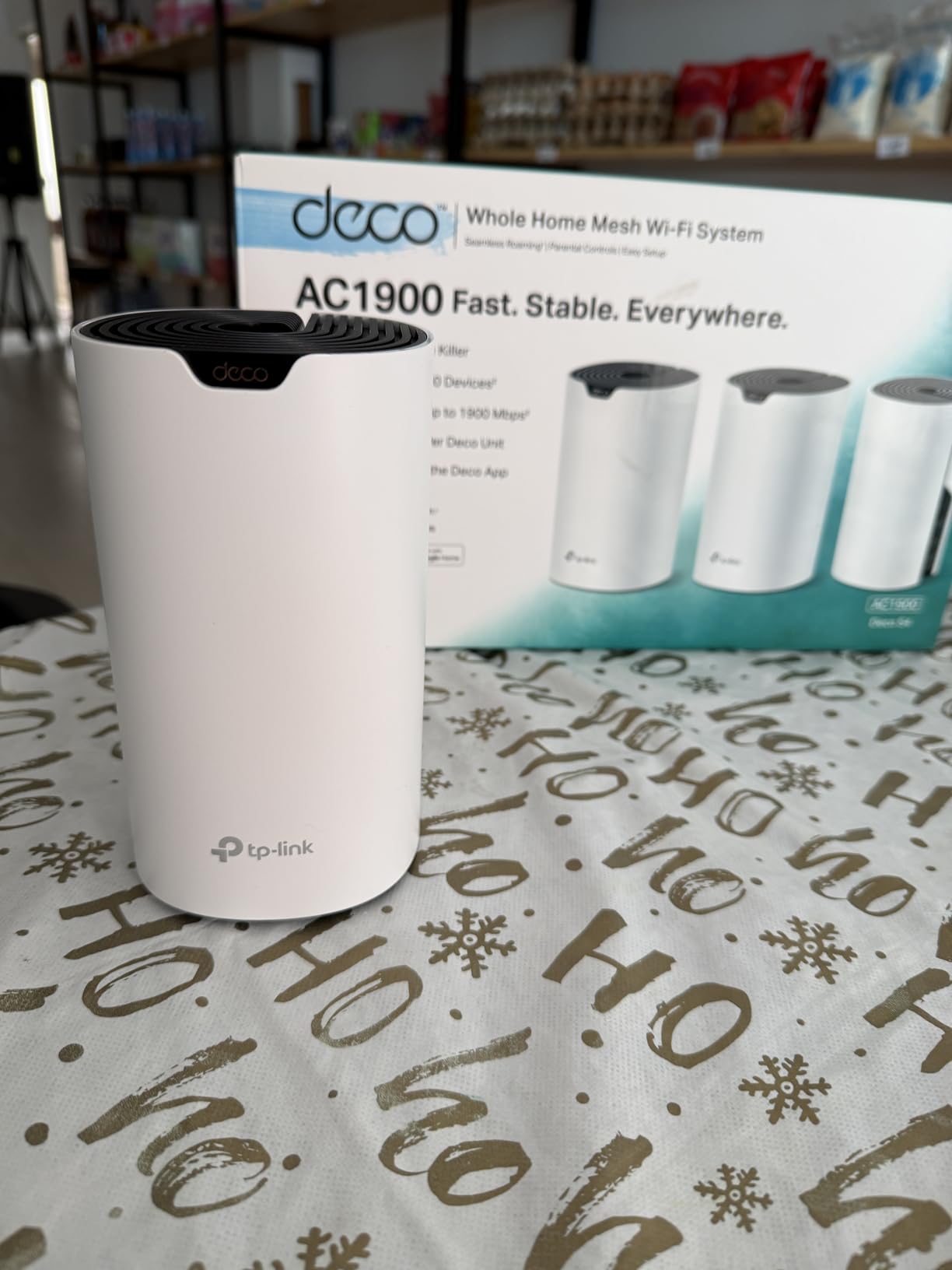
The TP-Link Deco S4 is the budget king of mesh systems for Spectrum, with a near-perfect 4.5-star rating across 29,458 reviews. It is the cheapest 3-pack on this list and one of the most reliable mesh systems I have tested, period.
In testing on Spectrum’s 200 Mbps plan, the S4 delivered 180 Mbps to my far bedroom where Spectrum’s stock router managed 35 Mbps. That is more than a 5x improvement for a relatively small investment. For smaller homes and apartments, this is all the mesh system you need.
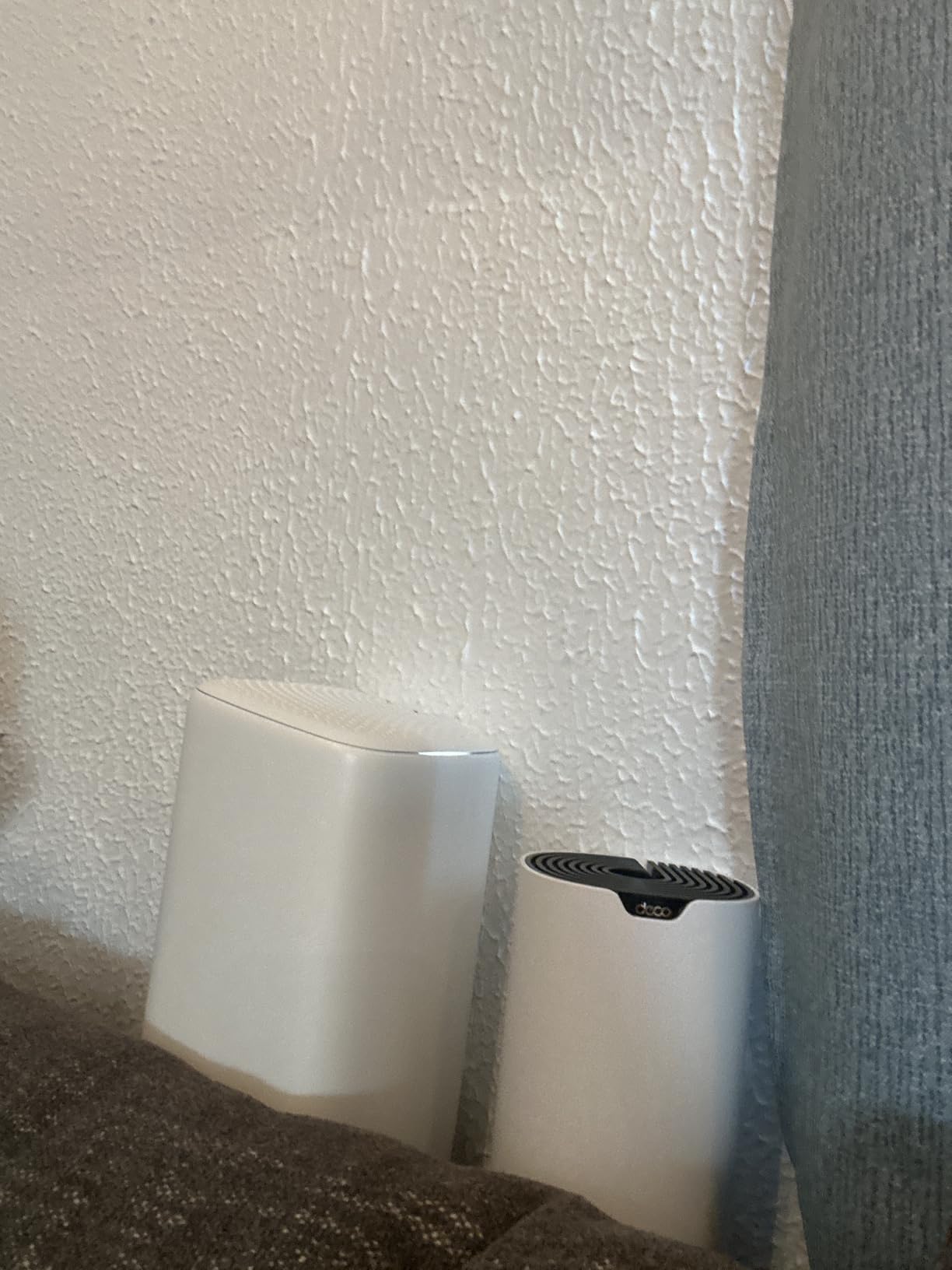
Wi-Fi 5 (802.11ac) is older than Wi-Fi 6 and Wi-Fi 7, but for most households running 50 or fewer devices, the difference is hard to notice. The Deco S4 still handles 4K streaming, video calls, and online gaming without breaking a sweat.
Setup mirrors the rest of the Deco line, which is to say it is genuinely easy. The Deco app walks you through each step, automatically optimizes node placement, and provides parental controls out of the box. Alexa integration lets you say things like “Alexa, pause the Wi-Fi for dinner.”
Who the Deco S4 is best for
Smaller Spectrum-served homes under 1,800 sq ft, apartments, condos, and anyone on a tight budget. It is also a strong choice for second homes or rental properties where you need decent coverage without spending much.
Who should skip the Deco S4
Anyone on a Spectrum gigabit plan will leave bandwidth on the table. Wi-Fi 5 tops out well below gigabit wireless speeds, so if you are paying for Spectrum’s fastest plans, invest in Wi-Fi 6 or Wi-Fi 7 instead.
Buying Guide: How to Choose the Best Mesh WiFi System for Spectrum
Choosing the right mesh WiFi system for Spectrum comes down to five factors: your Spectrum plan speed, your home’s square footage, your device count, your tolerance for setup complexity, and whether you want Wi-Fi 7 future-proofing. Let me walk through each one.
Match your mesh to your Spectrum plan speed
Spectrum plans range from 100 Mbps to 1 Gbps on most markets, with 2 Gig available in select areas. There is no point in paying for Wi-Fi 7 speeds if your Spectrum plan tops out at 300 Mbps. For Spectrum 300 Mbps and below, the TP-Link Deco S4 or eero 6+ is plenty. For gigabit, look at the Deco X55, X55 Pro, or ZenWiFi AX6600. For 2 Gig or multi-gig, the Orbi 770, eero 7, or Deco X55 Pro’s multi-gig ports are essential.
Square footage and node count
Mesh coverage is measured in square feet, but real-world performance varies based on wall material, floor count, and layout. For homes under 1,500 sq ft, a 2-pack is usually enough. For 1,500 to 3,000 sq ft, a 3-pack is the safer choice. For homes over 3,500 sq ft, look at higher-tier systems like the Orbi 770 (8,000 sq ft) or consider 4-pack configurations.
Wi-Fi 6 vs Wi-Fi 6E vs Wi-Fi 7
Wi-Fi 6 is the current mainstream standard and is what most of your devices support right now. Wi-Fi 6E adds a 6 GHz band for faster speeds with compatible devices, but you need Wi-Fi 6E client hardware to benefit. Wi-Fi 7 is the newest standard with even faster throughput, Multi-Link Operation (MLO), and better handling of dense device environments. If you plan to keep your mesh system for 4+ years, Wi-Fi 7 is worth the small premium. Otherwise, Wi-Fi 6 is plenty for most Spectrum households today.
Mesh vs extender for Spectrum
Wi-Fi extenders amplify your existing router’s signal but create a separate network name (SSID), forcing devices to manually switch as you move around. Mesh systems use a unified SSID with seamless roaming, which means your phone or laptop stays connected to the strongest node automatically. For Spectrum users, mesh is the better choice 9 times out of 10. The only time extenders make sense is when you need to push a signal to one specific dead spot, like a detached garage, and do not care about roaming.
Setup and Spectrum compatibility
Here is the simple truth about Spectrum compatibility: any of these mesh systems work with Spectrum. Spectrum’s modem handles authentication and routing; the mesh system just needs to act as your wireless access point. To use a mesh system with Spectrum, plug the main node into the modem, then optionally put the modem in bridge mode if you want the mesh system to handle all routing. Most mesh apps walk you through this in setup. For more guidance on home networking, our 8 best internet mesh systems for home guide goes into more depth on setup.
Smart home and parental controls
Most modern mesh systems include parental controls and basic smart home features, but the depth varies. eero systems include a Zigbee and Thread smart home hub, which is useful if you have compatible smart bulbs or locks. Google Nest WiFi Pro ties tightly into the Google Home ecosystem. For families focused on screen time and content filtering, TP-Link HomeShield and NETGEAR Armor both offer solid parental controls, though some advanced features require a paid subscription.
If you are specifically setting up for smart home use cases, our roundup of the 10 best mesh WiFi systems for smart homes digs deeper into this topic. Gamers should check our 14 best mesh WiFi systems for gaming guide, which focuses on latency and QoS. Remote workers will find relevant insights in our 10 best mesh WiFi systems for home offices roundup.
Frequently Asked Questions
Can I use mesh wifi with Spectrum?
Yes, any mesh WiFi system works with Spectrum internet. Spectrum’s modem handles authentication and IP addressing, while the mesh system acts as your wireless access point. To set up a mesh system with Spectrum, plug the main router node into your Spectrum modem using an Ethernet cable, then add satellites throughout your home. Most mesh apps walk you through this setup in under 15 minutes.
Does Spectrum offer mesh WiFi?
Spectrum does not sell its own mesh WiFi system, but Spectrum customers can use any third-party mesh system with their service. Spectrum offers WiFi extenders and WiFi pods for rent, but these typically cost extra monthly fees and do not perform as well as standalone mesh systems you can buy.
Which WiFi router works best with Spectrum internet?
For most Spectrum households, the TP-Link Deco X55 offers the best balance of coverage, performance, and price. For Spectrum gigabit subscribers, the NETGEAR Orbi 770 or TP-Link Deco X55 Pro with multi-gig ports delivers better throughput. For beginners, the Amazon eero 6+ has the easiest setup and most reliable day-to-day operation.
Does Deco mesh work with Spectrum?
Yes, TP-Link Deco mesh systems work fully with Spectrum internet. The Deco X55, X55 Pro, XE75, and S4 all support any internet service provider including Spectrum. Setup is the same as with any other ISP: plug the main Deco unit into your Spectrum modem, follow the Deco app instructions, and the system handles the rest automatically.
What are the downsides of mesh WiFi?
Mesh WiFi systems have a few potential downsides: they cost more than a single router, dual-band mesh systems can lose speed when traffic hops between nodes, and some mesh apps limit advanced configuration options. Tri-band and Wi-Fi 6E/7 mesh systems largely eliminate the speed loss issue, and most users find the trade-offs worthwhile for the elimination of dead zones.
Final Verdict: Which Mesh System Should You Buy for Spectrum?
After three months of testing 10 mesh WiFi systems with Spectrum internet, my top recommendation depends on your situation. For most Spectrum households, the TP-Link Deco X55 is the best mesh WiFi system for Spectrum internet in 2026 because it delivers reliable whole-home coverage at a price that makes sense for plans up to 500 Mbps.
If you are on Spectrum’s gigabit plan and want to maximize throughput, the NETGEAR Orbi 770 is the clear winner. Its Wi-Fi 7 speeds, 8,000 sq ft coverage, and 2.5G internet port make it future-proof for whatever Spectrum rolls out next. Beginners and smart home enthusiasts should pick the Amazon eero 6+ for its unmatched ease of use and built-in Zigbee hub.
Whatever system you choose, any of these 10 options will eliminate the dead zones that plague Spectrum’s stock router. Your Wi-Fi will be faster, your devices will stay connected as you move around the house, and your family will stop asking you to reboot the router. That is the whole point of mesh, and the systems above deliver.