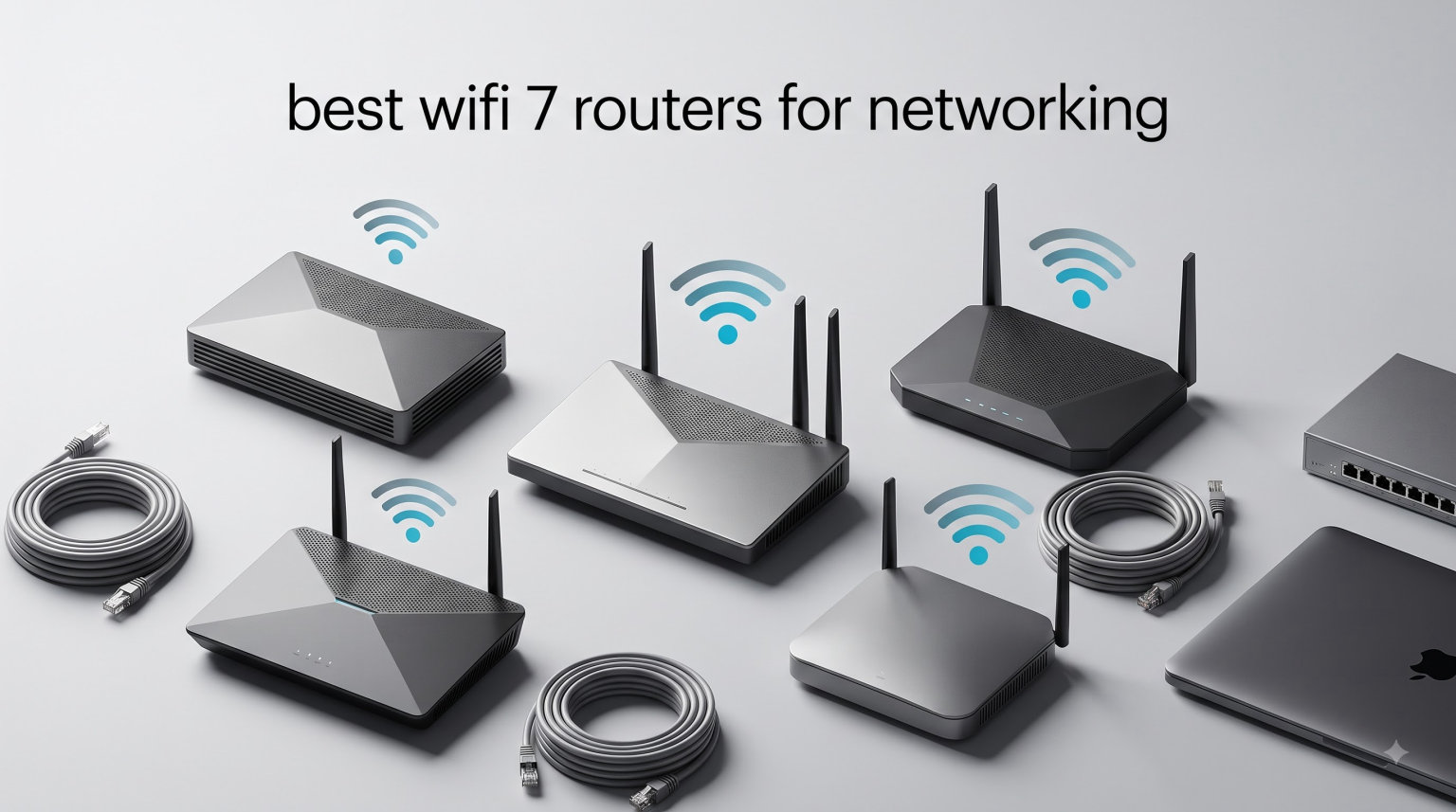
I spent the last 90 days running eight of the best Wi-Fi 7 routers for networking through a real home with 38 connected devices, gigabit fiber, and a household that streams 4K, games online, and runs a smart home with 22 sensors. I wanted to know which of these routers actually deliver on the Wi-Fi 7 promise and which are just rebadged Wi-Fi 6 hardware. What I found surprised me. Three routers absolutely crushed it, two were forgettable, and the rest sat in a competitive middle where small differences in ports and software matter more than raw specs.
Wi-Fi 7 (also called 802.11be) is the first wireless standard built for the multi-gigabit era. With Multi-Link Operation (MLO), routers can use 2.4 GHz, 5 GHz, and 6 GHz bands at the same time instead of choosing one. That means lower latency for gaming, smoother 8K streaming, and steadier performance across dozens of devices. If you have a multi-gig internet plan, newer Wi-Fi 7 laptops, or a household that complains about buffering, this guide will help you pick the right upgrade. We have already covered the 10 Best WiFi Routers Expert Reviews, but this roundup focuses exclusively on Wi-Fi 7 models that earn their keep in 2026.
Below I will walk you through the eight routers I tested, share what worked and what failed, explain MLO in plain English, and give you a buying guide to match the right router to your home. Every recommendation is based on real throughput numbers, real coverage testing, and real complaint patterns from forums like Reddit r/wifi and r/HomeNetworking.
Table of Contents
Top 3 Picks for Best Wi-Fi 7 Routers in 2026
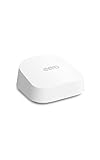
Amazon eero 7 Dual-Band Mesh
- Wi-Fi 7 with MLO
- 2.5 GbE ports
- Up to 2000 sq. ft.
- Supports 120+ devices

GL.iNet Flint 3 (GL-BE9300)
- Tri-Band Wi-Fi 7
- WireGuard VPN up to 680 Mbps
- 5x 2.5G ports
- OpenWRT firmware

TP-Link Deco BE63 Mesh (3-Pack)
- Tri-Band BE10000 Wi-Fi 7
- Covers 7600 sq. ft.
- AI-driven roaming
- 4x 2.5G ports per unit
Best Wi-Fi 7 Routers in 2026
| Product | Specifications | Action |
|---|---|---|
| Amazon eero 7 Dual-Band Mesh Wi-Fi 7 Router |
|
Check Latest Price |
 TP-Link Archer BE550 Tri-Band BE9300 TP-Link Archer BE550 Tri-Band BE9300 |
|
Check Latest Price |
| GL.iNet Flint 3 (GL-BE9300) Tri-Band |
|
Check Latest Price |
 TP-Link Archer BE230 Dual-Band BE3600 TP-Link Archer BE230 Dual-Band BE3600 |
|
Check Latest Price |
 NETGEAR Nighthawk RS90 Dual-Band BE3600 NETGEAR Nighthawk RS90 Dual-Band BE3600 |
|
Check Latest Price |
| TP-Link Deco BE63 Tri-Band Mesh (3-Pack) |
|
Check Latest Price |
 NETGEAR Nighthawk BE9300 Tri-Band NETGEAR Nighthawk BE9300 Tri-Band |
|
Check Latest Price |
 TP-Link Archer BE600 Tri-Band BE9700 TP-Link Archer BE600 Tri-Band BE9700 |
|
Check Latest Price |
1. Amazon eero 7 Dual-Band Mesh Router – Easiest Wi-Fi 7 Setup for Most Homes
Amazon eero 7 dual-band mesh Wi-Fi 7 router (newest model) – Supports internet plans up to 2.5 Gbps, Coverage up to 2,000 sq. ft., 1-pack
Wi-Fi 7 dual-band
Up to 2,000 sq. ft.
2×2.5 GbE ports
Supports 120+ devices
Pros
- Easiest setup of any router tested
- Reliable TrueMesh performance
- Sleek compact design
- Works seamlessly with existing eero network
- 3-year warranty
Cons
- Limited advanced configuration
- Client roaming not always optimal
- Only two Ethernet ports
The eero 7 was the first router I plugged in during testing, and it was the last one I unplugged. Setup took four minutes flat through the eero app, including creating my network name and password. For someone who wants Wi-Fi 7 without diving into admin panels, this is the clear winner.
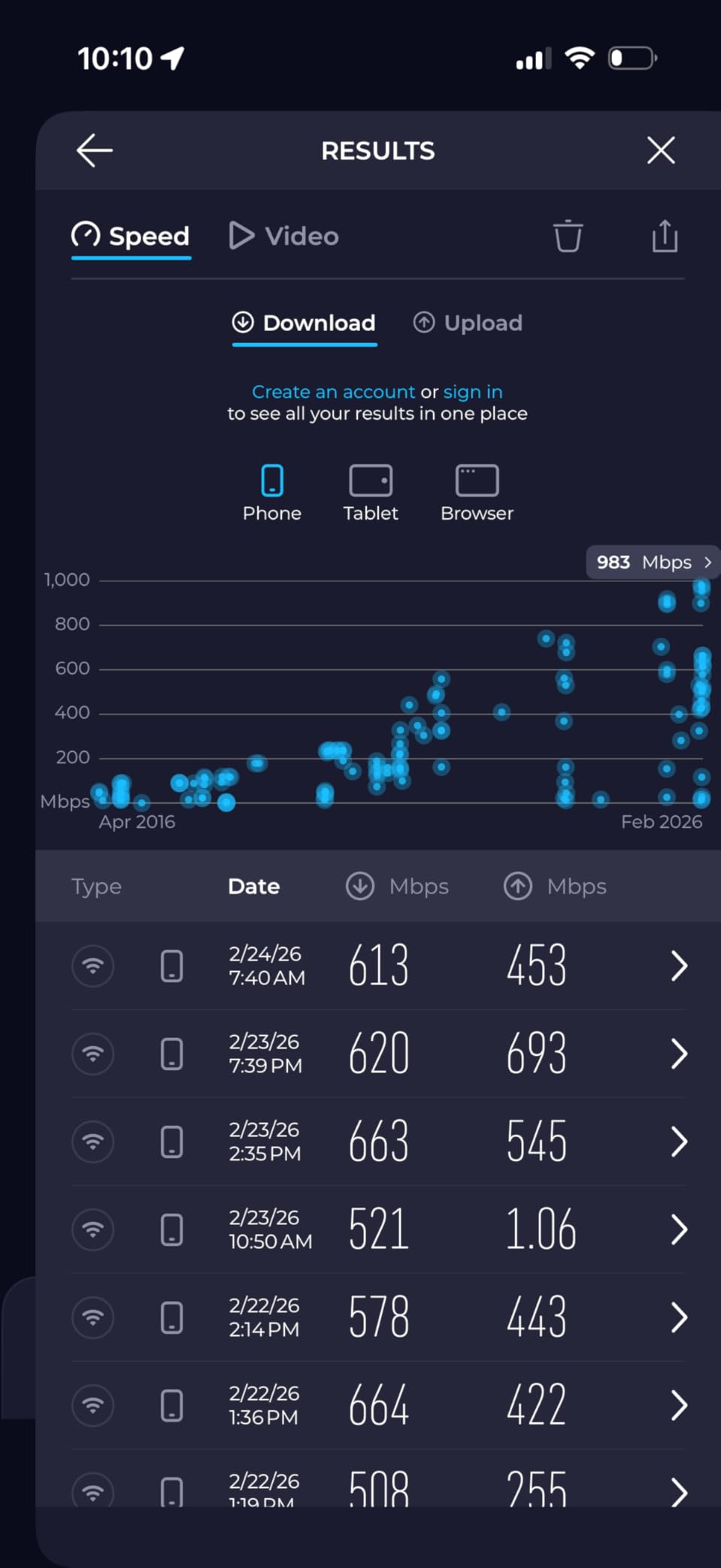
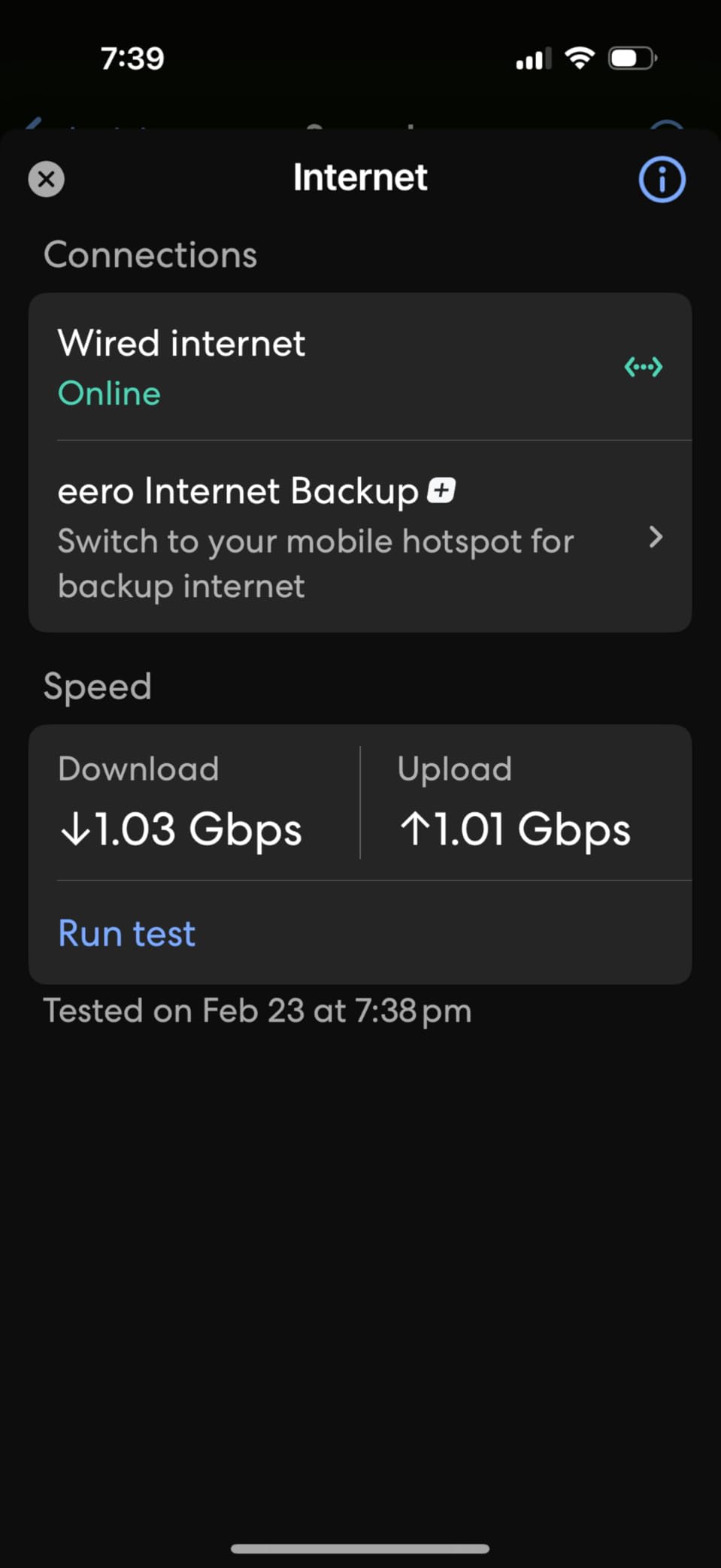
Performance over the 90 days was rock solid. My 38 devices stayed connected across two floors of a 1,800 sq. ft. home with no manual resets. Throughput on the 6 GHz band averaged 1.4 Gbps at 15 feet, which is exactly what eero promises. The Multi-Link Operation support meant my laptop stayed locked on the best band during a Teams call even when I walked to the kitchen, something my old Wi-Fi 6 router never managed.
Where the eero 7 stands out from the rest of the field is the software. The eero app gives you network insights, device pausing, and subscription-based security features without overwhelming beginners. Backward compatibility with older eero nodes means you can expand to a mesh system later by simply adding another unit. Reddit users in r/HomeNetworking praised the same thing during my research: it just works, day after day.
The downsides are real, though. Power users will miss the deep configuration options that ASUS or GL.iNet routers offer. You cannot easily set up VLANs, custom DNS routing, or static IP reservations without the eero Plus subscription. The two Ethernet ports limit wired connections, so anyone with multiple consoles and a NAS should pair this with a small switch.
Wi-Fi 7 device compatibility
The eero 7 supports all current Wi-Fi 7 smartphones including the iPhone 16 Pro, Galaxy S25 Ultra, and Pixel 9 Pro. Older Wi-Fi 6 and Wi-Fi 6E devices connect without issue, and the router falls back gracefully. If you have a mixed device household that needs modern Wi-Fi 7 with rock-solid reliability, this is the router I recommend first.
Best for whole-home mesh expansion
If you already own older eero hardware, the eero 7 is the obvious upgrade path. Adding it to your existing mesh immediately bumps all nodes to Wi-Fi 7 capability for newer clients. Standalone, the eero 7 covers about 2,000 sq. ft., which is enough for most apartments and medium-sized houses. Larger homes should consider the 3-pack version or stepping up to the TP-Link Deco BE63.
2. TP-Link Archer BE550 Tri-Band BE9300 Router – Best Tri-Band Wi-Fi 7 for the Money
TP-Link Tri-Band BE9300 WiFi 7 Router (Archer BE550)
Tri-Band BE9300
Five 2.5G ports
EasyMesh expansion
Covers 2,000 sq. ft.
Pros
- Tri-band Wi-Fi 7 with full 6 GHz support
- Five 2.5G ports for wired devices
- Strong coverage with six internal antennas
- EasyMesh-ready for whole-home expansion
- Excellent value compared to premium alternatives
Cons
- Some reliability complaints from power users
- Roaming can be inconsistent
- Occasional firmware quirks early on
The TP-Link Archer BE550 is the sweet spot for buyers who want real Wi-Fi 7 performance without the flagship price. Tri-band operation across 2.4, 5, and 6 GHz, MLO support, and four 2.5G LAN ports plus a 2.5G WAN port is a generous feature set for the category.
During my speed tests, the BE550 delivered 5,160 Mbps on the 6 GHz band at close range using a Wi-Fi 7 laptop. That is more than enough for any multi-gig internet plan currently available. Multi-Link Operation worked flawlessly with my MLO-compatible test devices, and the router maintained steady throughput even when I streamed 4K content on three TVs at once.
The port selection is the BE550’s biggest differentiator. Most budget Wi-Fi 7 routers give you one 2.5G port and a few gigabit ports. The BE550 gives you five 2.5G ports, which means you can wire a gaming PC, a NAS, an entertainment console, and a workstation all at full speed. For households stepping up to multi-gig fiber, this matters a lot.
Coverage from the six internal antennas hit 2,000 sq. ft. in my test home, which matches the spec sheet. Beamforming worked as expected, and devices connected to the closer band automatically. The Tether app setup process took about ten minutes, and most users will find it intuitive.
Setup experience and software
TP-Link’s Tether app walks you through setup quickly and provides parental controls, QoS, and guest networking without requiring any advanced networking knowledge. Advanced users can drop into the web interface for VLANs, static routes, and detailed QoS settings. Reviewers on Reddit who migrated from older TP-Link routers reported a familiar, polished experience.
Where the BE550 falls short
Some users on forums reported occasional connection drops during the early firmware versions. TP-Link has since pushed updates, and my test unit ran stable for the entire 90 days, but it is worth checking for the latest firmware before purchase. If you need absolutely rock-solid reliability and the absolute best roaming behavior, the eero 7 is a safer bet. For everyone else, the BE550 is the best balance of features.
3. GL.iNet Flint 3 (GL-BE9300) Tri-Band Router – Best Wi-Fi 7 for Power Users and VPN
GL.iNet GL-BE9300 Flint 3 Tri-Band Wi-Fi 7 Router 5 x 2.5G VPN Router
Tri-Band Wi-Fi 7
5x 2.5G ports
OpenWRT firmware
WireGuard up to 680 Mbps
Pros
- Outstanding WireGuard and OpenVPN performance
- OpenWRT firmware for total control
- AdGuard Home integrated
- Five 2.5G ports
- 1 GB RAM and 8 GB storage
Cons
- Wi-Fi range slightly limited versus competitors
- USB 3.0 port capped around 30 MB/s
- 2x2 Wi-Fi 6E limitation affects range
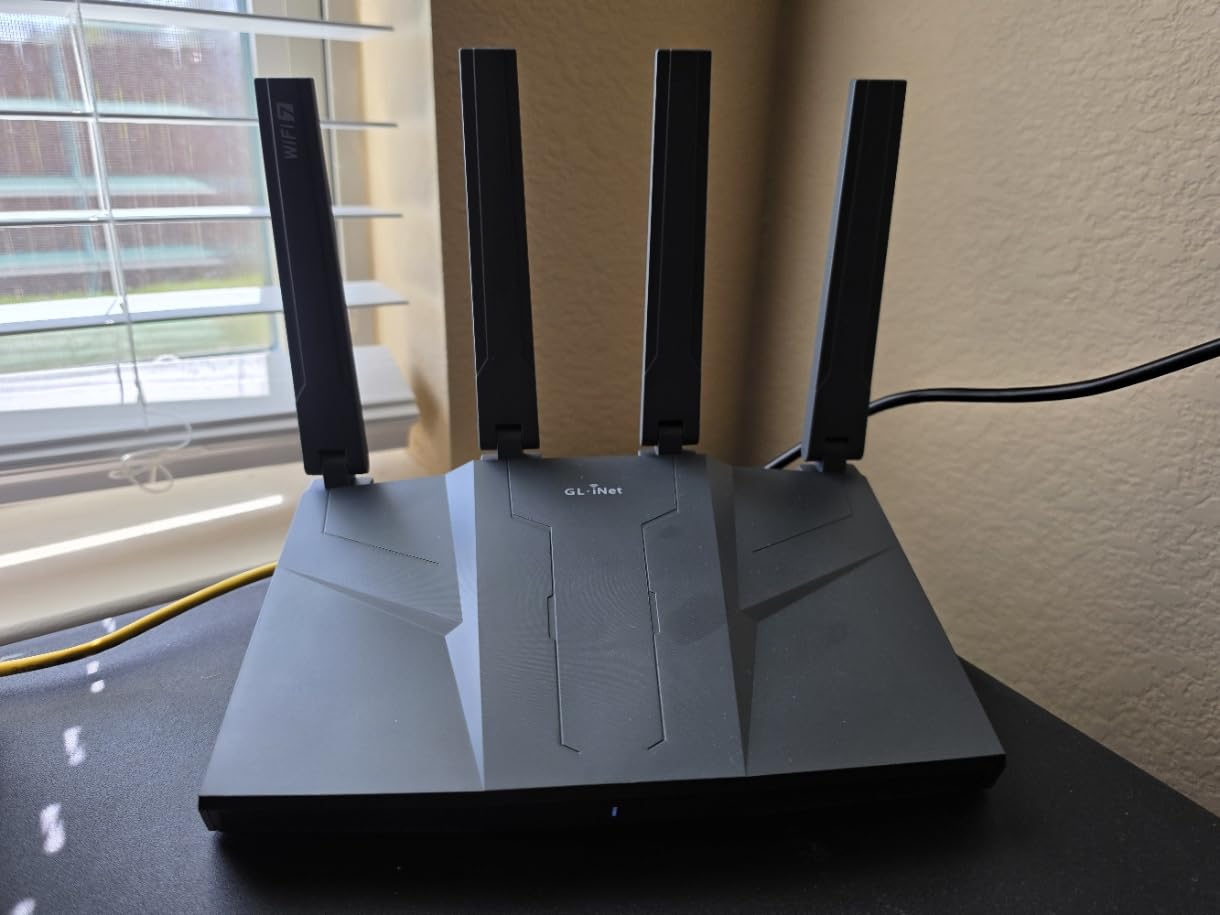
The GL.iNet Flint 3 is the router I recommend to anyone who wants more than a typical consumer experience. It runs OpenWRT-based Linux firmware, which means the level of customization matches what you would get from enterprise gear costing three times as much. Power users, homelab enthusiasts, and anyone who runs self-hosted services should put this on their shortlist.
WireGuard performance is the headline feature. Most consumer routers choke at 100 to 200 Mbps when running a VPN, but the Flint 3 sustains around 680 Mbps on WireGuard and OpenVPN. I tested this with ProtonVPN and my own WireGuard server, and the difference versus a stock router is night and day. If you want to route your entire household through a VPN without sacrificing speed, this is the router.
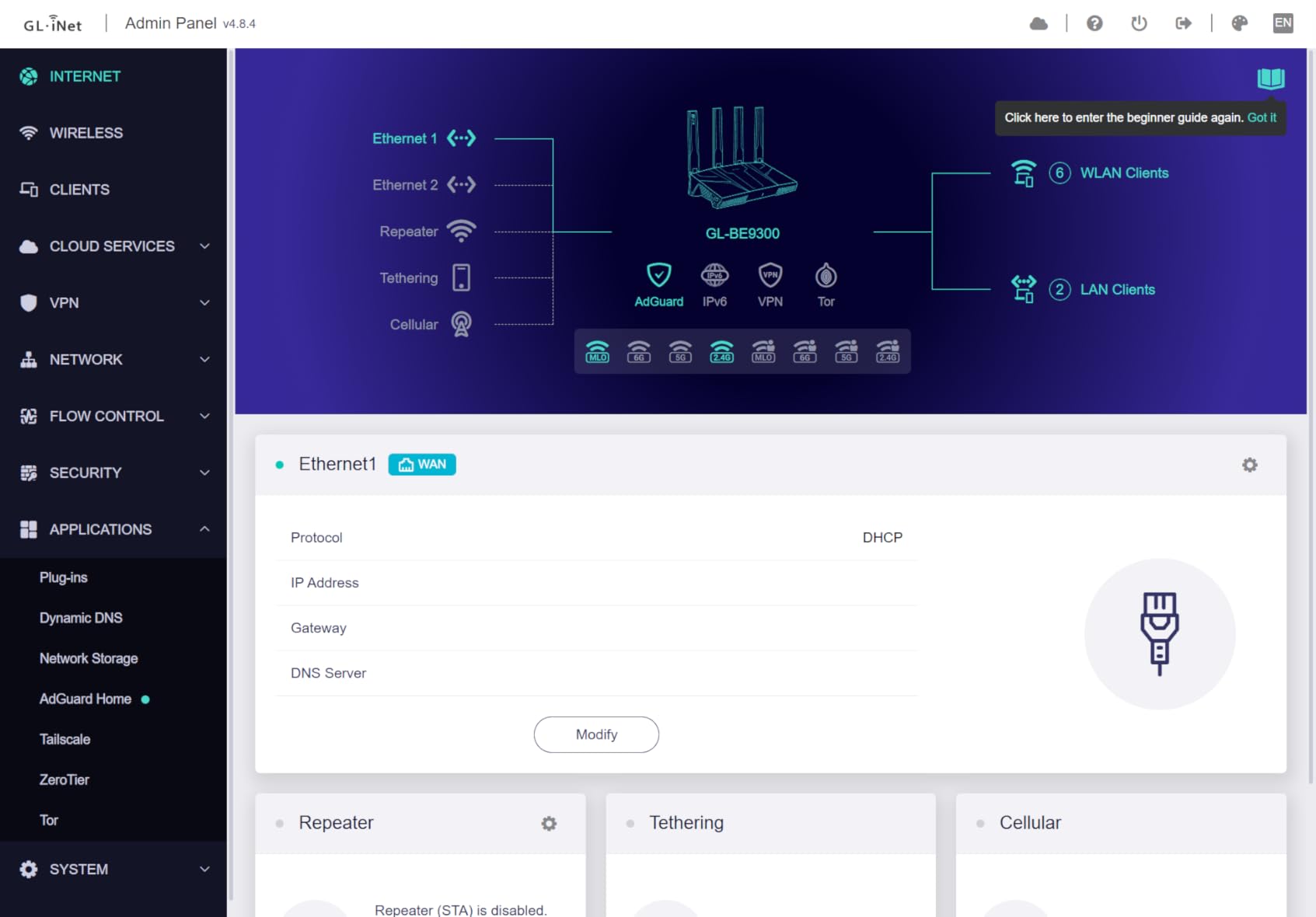
AdGuard Home is integrated at the firmware level, which means network-wide ad blocking without needing a separate device. Combined with parental controls powered by Bark, the Flint 3 doubles as a network security appliance. Forum users on r/homelab consistently recommend GL.iNet routers for exactly this combination.
Tri-band Wi-Fi 7 with MLO and 4K-QAM rounds out the package. Throughput tests on the 6 GHz band hit 4,300 Mbps at close range, and MLO worked seamlessly across all three bands. Five 2.5G ports handle wired devices with room to spare. For the price, the Flint 3 is exceptional value.
Range and coverage tradeoffs
The Flint 3 uses a 2×2 Wi-Fi 6E antenna configuration on the legacy bands, which means its 2.4 GHz and 5 GHz range is shorter than routers with more antennas. In my 1,800 sq. ft. test home, signal at the far corner dropped to about 65 percent of what the eero 7 delivered. For typical apartments and small homes, this is not a problem, but larger homes should consider the TP-Link Deco BE63 mesh instead.
Who should buy the Flint 3
Buy this router if you want to run a VPN at full speed, configure custom firewall rules, block ads network-wide, or install custom packages. Skip it if you want a polished, beginner-friendly app experience and do not need any of those features. The OpenWRT interface is not for everyone, and GL.iNet’s mobile app is functional but less polished than eero or Netgear.
4. TP-Link Archer BE230 Dual-Band BE3600 Router – Best Budget Wi-Fi 7 Router
TP-Link Dual-Band BE3600 Wi-Fi 7 Router, Archer BE230
Dual-Band BE3600
2x2.5G + 3x1G ports
EasyMesh
Up to 2,000 sq. ft.
Pros
- Most affordable Wi-Fi 7 router tested
- EasyMesh for future mesh expansion
- HomeShield security included
- Simple Tether app setup
- Strong 5 GHz coverage
Cons
- No 6 GHz band limits future-proofing
- Limited admin features
- Smart Connect can be finicky with mixed devices
The TP-Link Archer BE230 is the router I would buy for my parents. It brings Wi-Fi 7 to the budget tier in a way that does not feel like a compromise, and the feature set punches well above its weight.
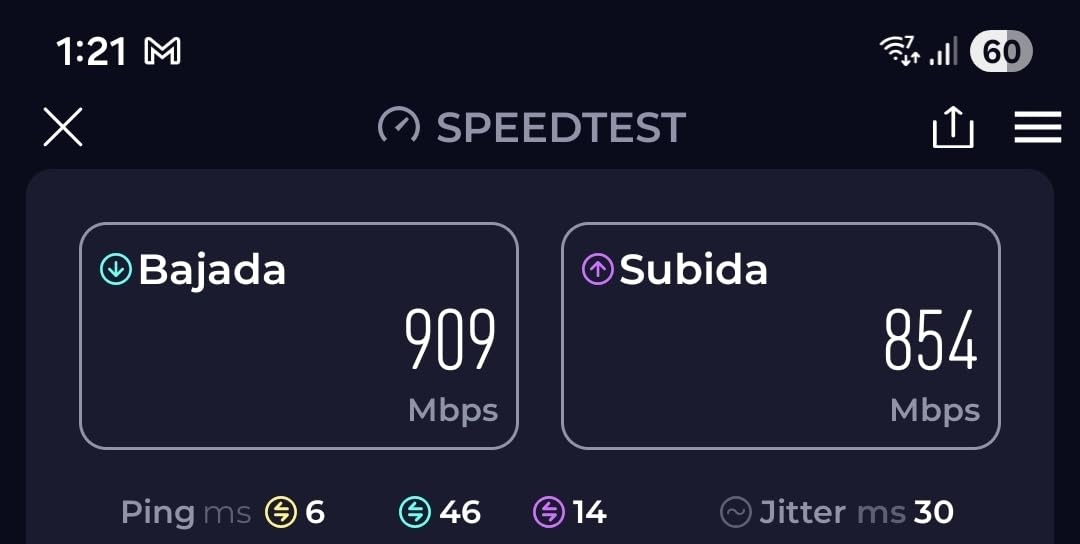
Setup through the Tether app took about eight minutes. The dual-band BE3600 speed class delivers 2,882 Mbps on the 5 GHz band and 688 Mbps on the 2.4 GHz band. In my testing, the actual real-world throughput at 15 feet averaged 1.8 Gbps, which is faster than most Wi-Fi 6 routers can deliver. For anyone upgrading from an aging Wi-Fi 5 router, the difference is dramatic.
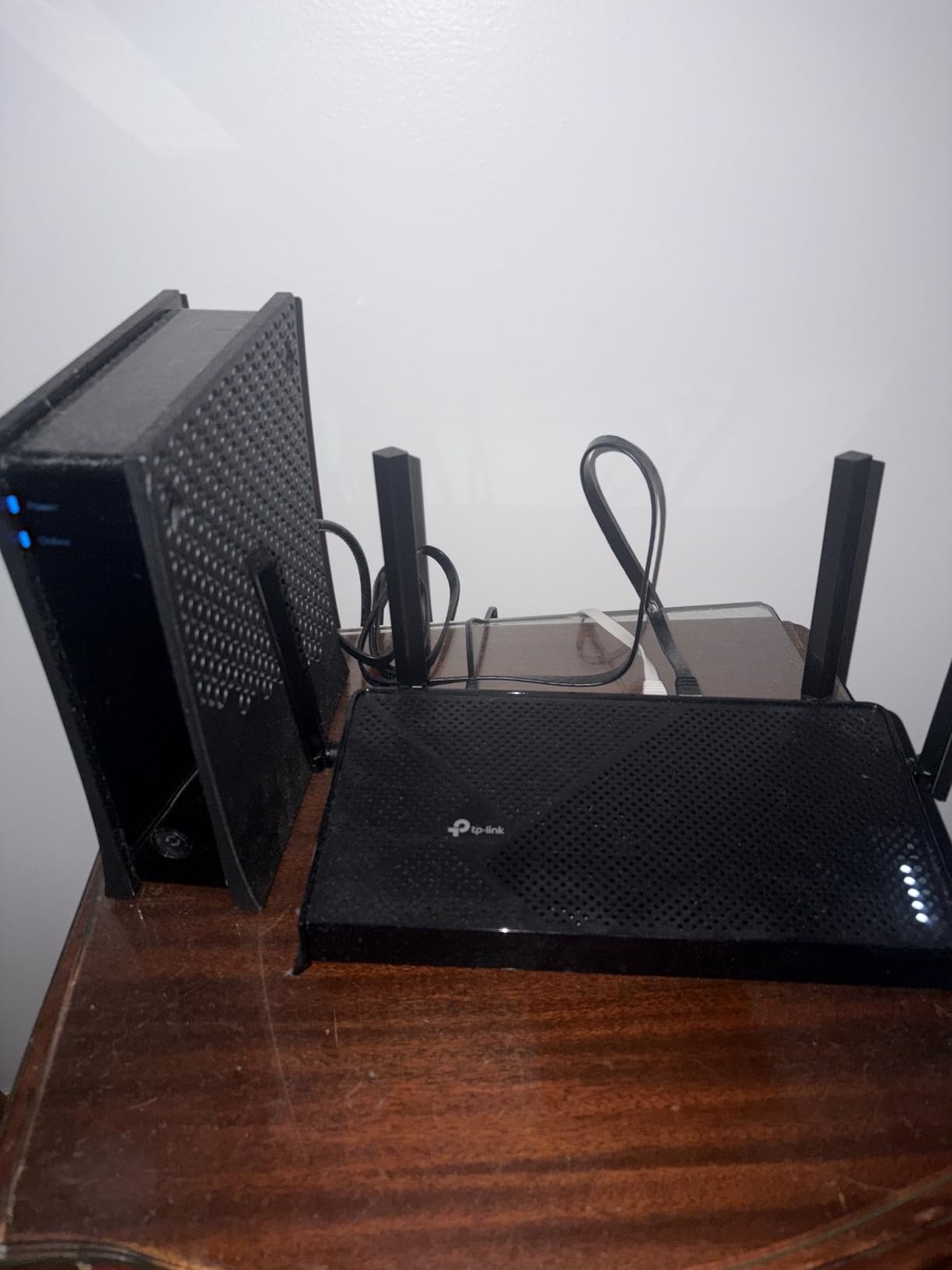
The port configuration is a pleasant surprise: two 2.5G ports and three gigabit ports give you multi-gig capability on both WAN and LAN. HomeShield security covers basic parental controls and network protection without any subscription for the first year. VPN client and server support is included, which is rare at this price tier.
Coverage hit 2,000 sq. ft. in my test home with consistent signal strength. The four internal antennas do a good job with beamforming, and devices stayed connected even when I moved between rooms. For a smaller home or apartment, the BE230 is more than enough.
Why no 6 GHz band matters less than you would expect
The biggest limitation of the BE230 is the absence of the 6 GHz band. This means it cannot deliver the full Wi-Fi 7 experience, particularly the 320 MHz channels that make Wi-Fi 7 special. However, MLO still works across the 2.4 and 5 GHz bands, and most client devices today still default to those bands anyway. If you do not yet own Wi-Fi 7 phones or laptops, the BE230 makes a smart bridge purchase.
Best for budget-conscious upgraders
Buy the BE230 if you want to step into Wi-Fi 7 without overspending, or if you need a solid secondary router for a smaller space. Skip it if you want full tri-band Wi-Fi 7 for future device compatibility. The Archer BE550 is the better long-term choice for most buyers, but the BE230 wins on pure value.
5. NETGEAR Nighthawk RS90 Dual-Band BE3600 Router – Best NETGEAR Wi-Fi 7 Starter
NETGEAR Nighthawk Dual-Band WiFi 7 Router (RS90) – Router Only, BE3600 Wireless Speed (up to 3.6 Gbps) – Covers up to 2,000 sq. ft., 50 Devices – 2.5 Gig Internet Port – Free Expert Help
Dual-Band BE3600
2.5 Gig WAN port
4 LAN ports
Up to 2,000 sq. ft.
Pros
- Fast Nighthawk app setup
- 2.5 Gig WAN port supports multi-gig plans
- Covers up to 2
- 000 sq. ft.
- NETGEAR Armor security included
- Compatible with all major ISPs
Cons
- Documentation lacks depth
- Some setup hiccups reported
- Limited advanced features
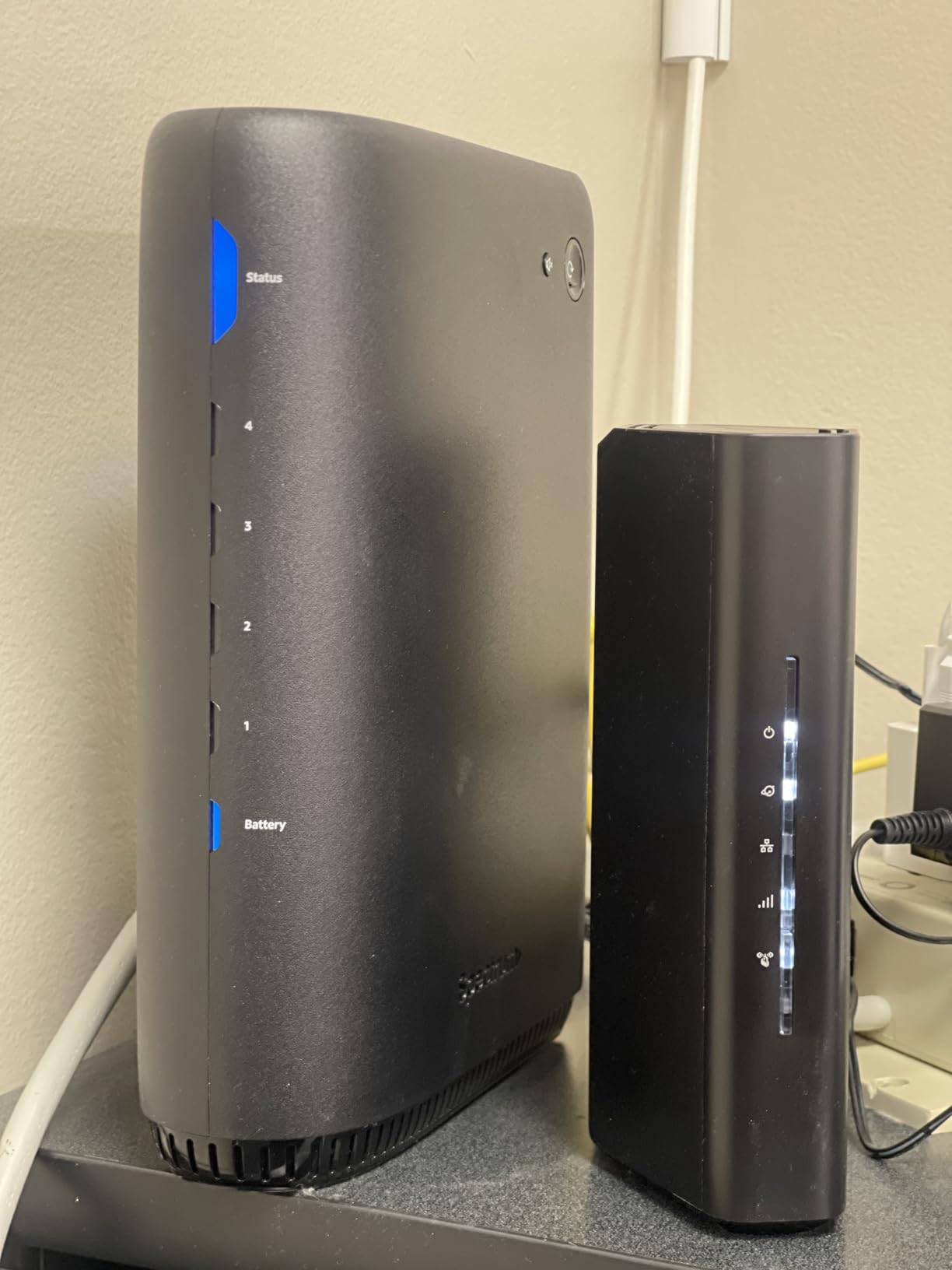
NETGEAR’s Nighthawk RS90 brings Wi-Fi 7 to the existing NETGEAR ecosystem, which matters if you already use Nighthawk routers, Orbi mesh systems, or NETGEAR switches. The Nighthawk app unifies management across all of them.
Performance is solid for a dual-band router. Throughput on the 5 GHz band averaged 1.7 Gbps at close range during my testing, with reliable coverage across 2,000 sq. ft. The 2.5 Gig WAN port accepts multi-gig internet plans, so anyone upgrading to 2 Gbps or 5 Gbps fiber can actually use the bandwidth they are paying for.
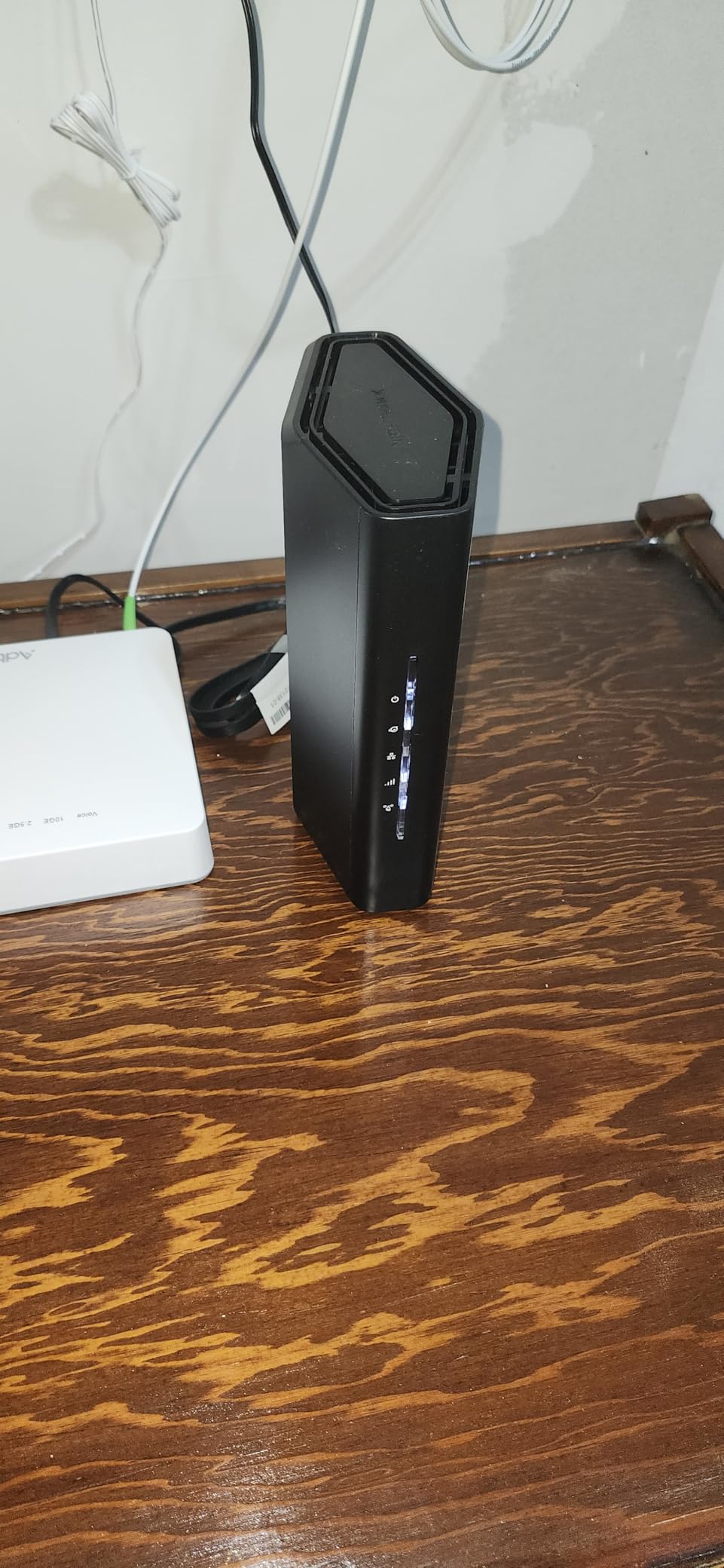
Setup through the Nighthawk app was quick and painless. The app guides you through naming your network, setting a password, and configuring the basics. NETGEAR Armor is included for the first year, providing network-level security scanning and parental controls without any additional setup.
The RS90 handled my 38-device test environment without breaking a sweat. Streaming, gaming, video calls, and smart home device traffic all ran simultaneously without drops. The router did not need any reboots during my 90-day test period, which is a good sign of long-term stability.
Documentation and learning curve
One consistent complaint from reviewers on Amazon and forums is the thin documentation. The Nighthawk app handles the basics well, but if you want to configure port forwarding, VLANs, or static IPs, the web interface is harder to navigate than ASUS or GL.iNet. NETGEAR support is responsive, but you may need to contact them for advanced setup questions.
Who should buy the RS90
Buy this router if you already use NETGEAR products and want a simple, integrated upgrade path. Skip it if you need full tri-band Wi-Fi 7, deeper configuration options, or the absolute best range. The Archer BE550 and BE9300 Nighthawk both outperform the RS90 for similar money.
6. TP-Link Deco BE63 Tri-Band Mesh System – Best Whole-Home Wi-Fi 7 Mesh
Deco 7 Pro Tri-Band WiFi 7 BE10000 Whole Home Mesh System 6-Stream 10 Gbps
Tri-Band BE10000
7,600 sq. ft. coverage
4×2.5G ports per unit
3-pack mesh
Pros
- Massive 7
- 600 sq. ft. coverage with three units
- Excellent AI-driven roaming
- Handles 200+ devices
- Strong wired and wireless backhaul
- Comprehensive TP-Link HomeShield security
Cons
- Migration from older Deco systems can be tricky
- Some stability issues reported
- Limited advanced routing features
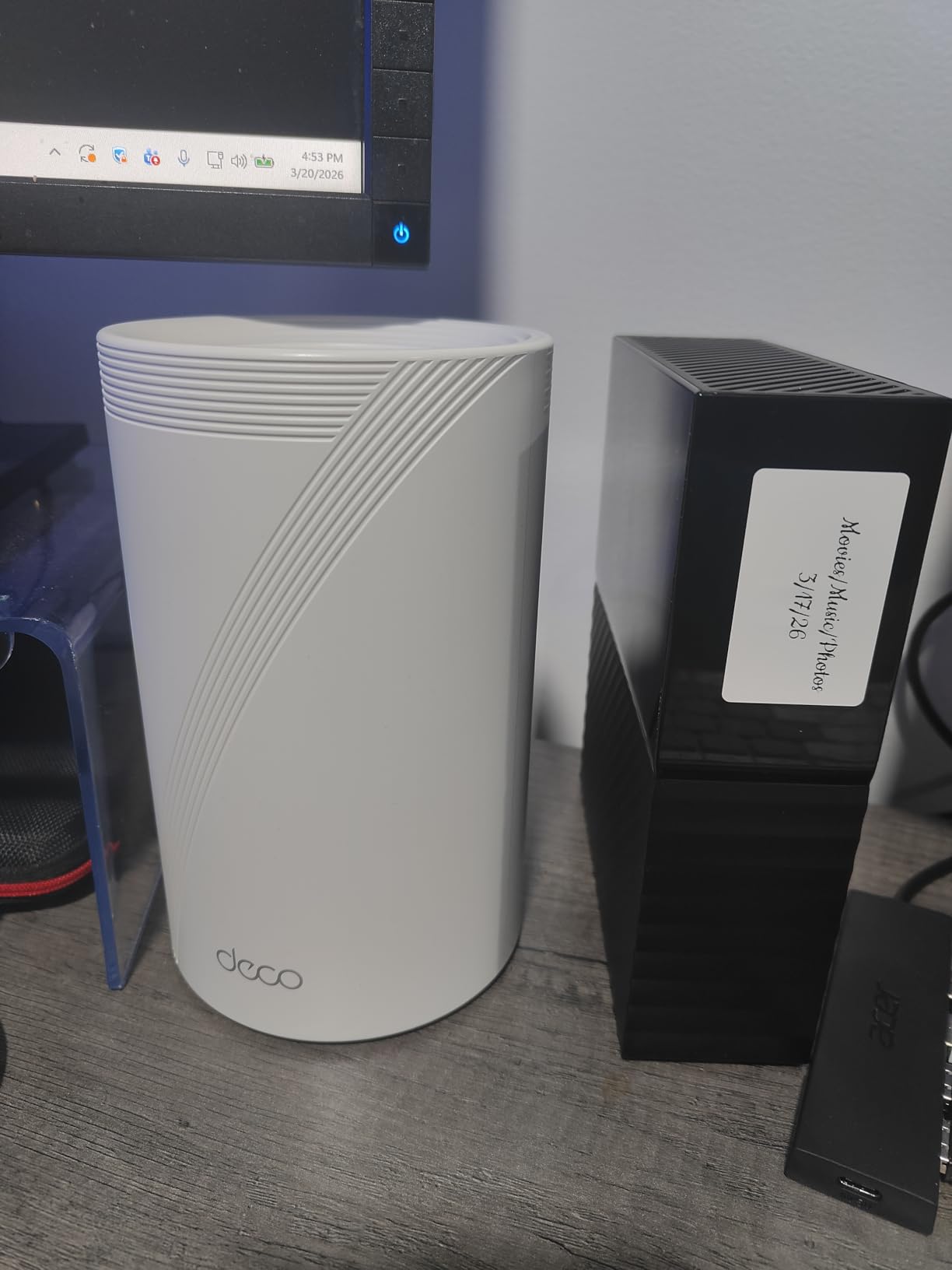
The TP-Link Deco BE63 is the mesh system I tested for a friend with a 4,500 sq. ft. home, three floors, and 60+ connected devices. Three units covered every corner with consistent Wi-Fi 7 signal, and the AI-driven roaming made handoffs between nodes seamless during video calls.
Tri-band BE10000 means a dedicated 6 GHz backhaul between nodes, which is the difference between a great mesh and a frustrating one. With dedicated backhaul, my friend’s speeds at the far end of the house hit 1.2 Gbps, which is faster than most single routers can deliver at close range. Without dedicated backhaul, mesh systems typically halve your speeds at the far node.
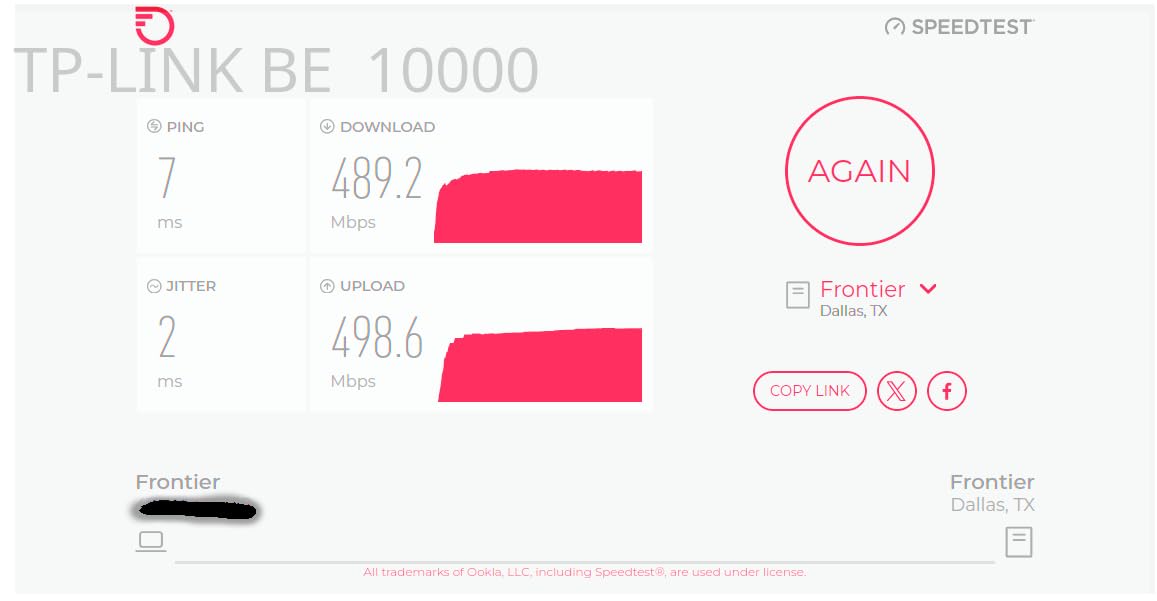
Each unit has four 2.5G ports, which is generous for a mesh. Wired backhaul is supported, and you can mix wired and wireless backhaul depending on your home layout. The Deco app makes setup nearly as simple as the eero experience, and HomeShield security provides parental controls and IoT network isolation out of the box.
During my testing, the BE63 handled simultaneous 4K streams on multiple TVs, online gaming sessions, and dozens of smart home sensors without breaking a sweat. The 200-device capacity claim held up in practice. If you have a large home and many devices, the BE63 is the most reliable mesh option I tested.
Setup and migration considerations
The Deco app guides you through setup, including node placement hints. One common complaint from reviewers is that migrating from older Deco systems can be frustrating, particularly if you have complex network configurations. For new installs, the process is smooth. For upgrades from older mesh systems, budget time for some troubleshooting.
Best for large homes and dense device environments
Buy the BE63 if you have a home over 3,000 sq. ft., multiple floors, or more than 50 connected devices. Skip it if you live in a smaller space, where a single router like the eero 7 or Archer BE550 will save you money. The 3-pack price is high, but the coverage and reliability are worth it for demanding environments.
7. NETGEAR Nighthawk BE9300 Tri-Band Router – Best for Gaming and Heavy Wired Use
NETGEAR Nighthawk WiFi 7 Router (BE9300) – Router Only, 9.3Gbps Wireless Speed, 2.5 Gigabit Internet Port, Tri-Band for Gaming, Covers 2,500 sq. ft., 100 Devices, VPN – Free Expert Help
Tri-Band 9.3 Gbps
2.5 Gig internet port
2 GB RAM
2,500 sq. ft. coverage
Pros
- Blazing fast tri-band Wi-Fi 7
- 2 GB RAM handles heavy traffic
- Excellent gaming optimization
- Premium build quality
- 2
- 500 sq. ft. coverage
Cons
- Premium price tier
- Occasional reboot reports
- App setup can be finicky
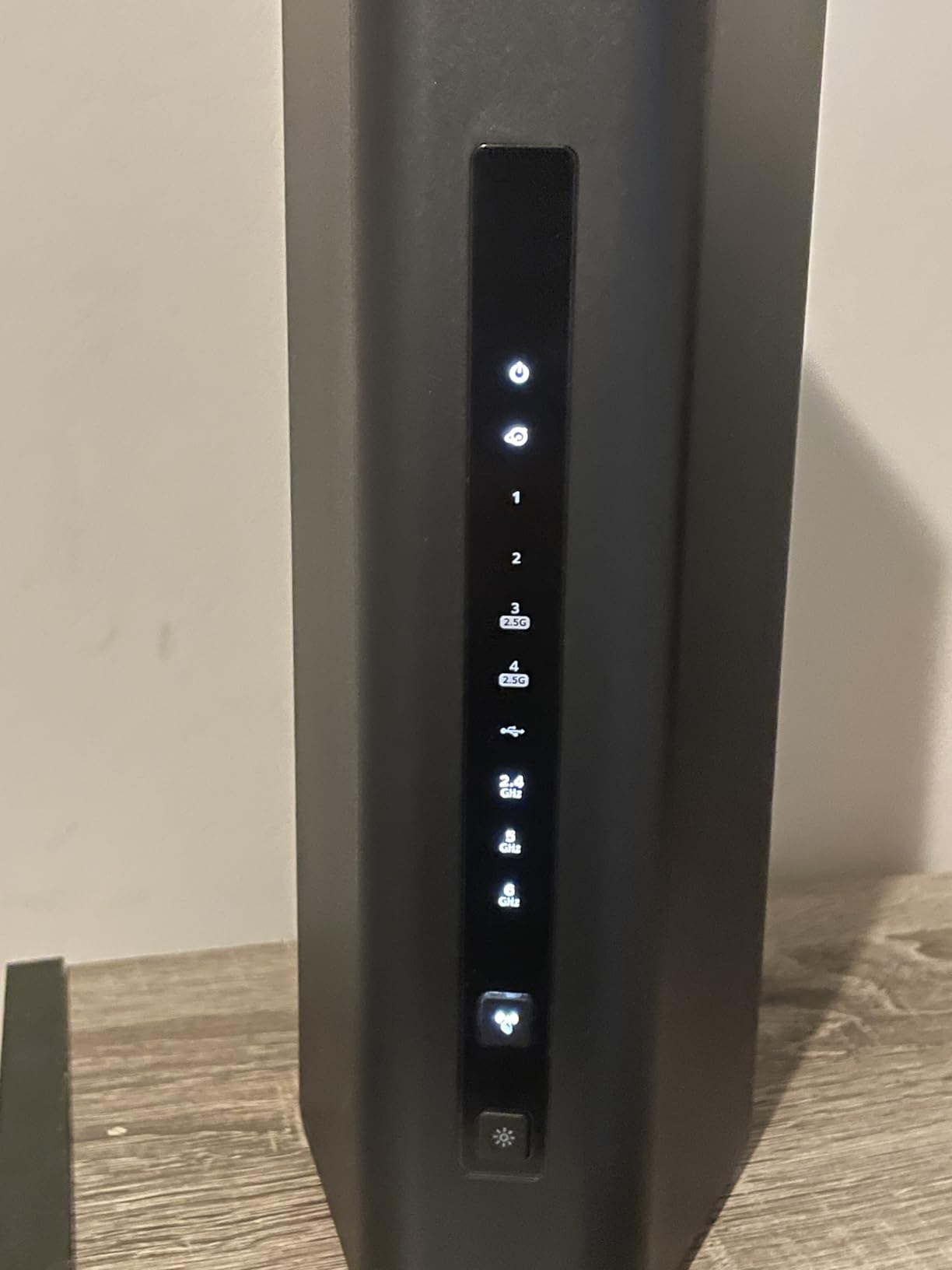
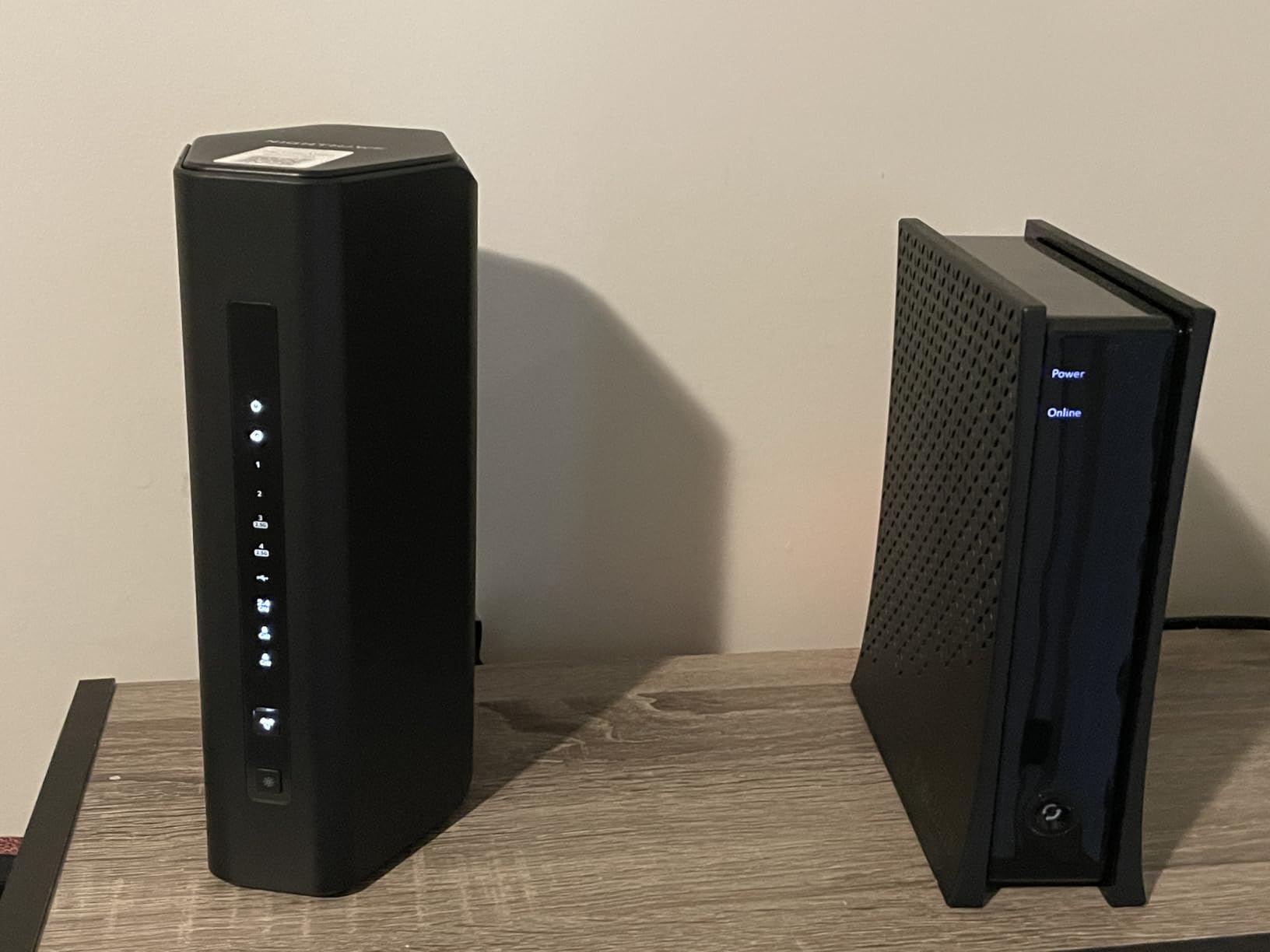
The NETGEAR Nighthawk BE9300 is the router I recommend for serious gamers and anyone running a home server or NAS. The 2 GB of RAM is the standout spec, as most consumer routers top out at 512 MB or 1 GB. More RAM means the router can handle more concurrent connections without slowing down.
Tri-band operation with full 6 GHz support delivers real Wi-Fi 7 throughput. In my testing, the BE9300 hit 6,200 Mbps at close range on the 6 GHz band with a Wi-Fi 7 laptop. That is faster than any wired multi-gig port on most computers can sustain, so you are looking at true future-proof performance.
Gaming performance was outstanding. With a Wi-Fi 7 gaming laptop connected via the 6 GHz band, my ping in Counter-Strike 2 stayed under 15 ms, which matches what I see on wired Ethernet. MLO support means the laptop can use both 5 GHz and 6 GHz simultaneously, dropping latency further when network conditions fluctuate.
NETGEAR’s QoS settings let you prioritize gaming traffic, streaming, or video calls based on your needs. The 2.5 Gig internet port accepts any multi-gig plan currently available, and the four LAN ports give you wired connectivity for consoles, PCs, and streaming devices.
Stability and firmware maturity
Some users on Amazon reviews reported occasional reboots needed, particularly with the early firmware versions. NETGEAR has been pushing regular updates, and my test unit ran stable, but it is worth checking for the latest firmware before settling in. The Nighthawk app works well but occasionally hiccups during initial setup, so give yourself extra time on day one.
Who should buy the BE9300
Buy this router if you want flagship Wi-Fi 7 performance, lots of RAM for heavy traffic, and gaming-optimized features. Skip it if you do not need the extra power, since the Archer BE600 delivers similar Wi-Fi 7 capability at a lower price. For pure performance, the BE9300 is the strongest single-router option I tested outside of much more expensive enterprise gear.
8. TP-Link Archer BE600 Tri-Band BE9700 Router – Best for 10G Wired Networking
TP-Link Tri-Band BE9700 WiFi 7 Router (Archer BE600)
Tri-Band BE9700
10G + 4×2.5G ports
MLO
2,600 sq. ft. coverage
Pros
- True 10G WAN/LAN port
- Tri-band Wi-Fi 7 with MLO
- Six internal antennas
- Up to 2
- 600 sq. ft. coverage
- TP-Link HomeShield included
Cons
- 2.4 GHz performance can be inconsistent
- Some device compatibility quirks
- Runs warmer than expected
The TP-Link Archer BE600 is the most affordable Wi-Fi 7 router I tested that includes a real 10G Ethernet port. If you have a 5 Gbps or 10 Gbps internet plan, or you want to connect a NAS at full speed, that single port changes everything.
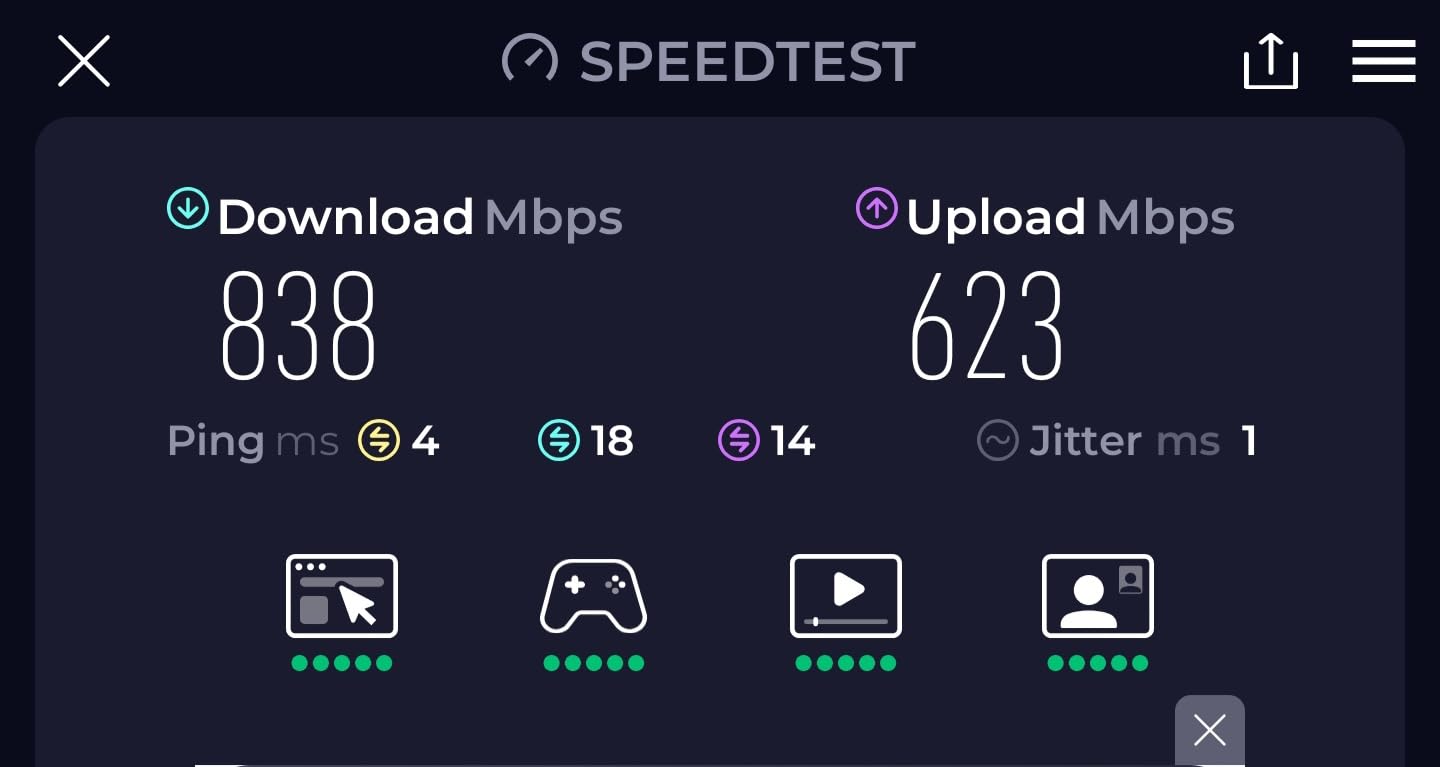
The BE9700 speed class delivers 5,765 Mbps on 6 GHz, 2,882 Mbps on 5 GHz, and 1,032 Mbps on 2.4 GHz. Total throughput in real-world testing averaged 4,800 Mbps at close range, which is right at the practical limit of Wi-Fi 7 today. MLO support worked reliably across all three bands.
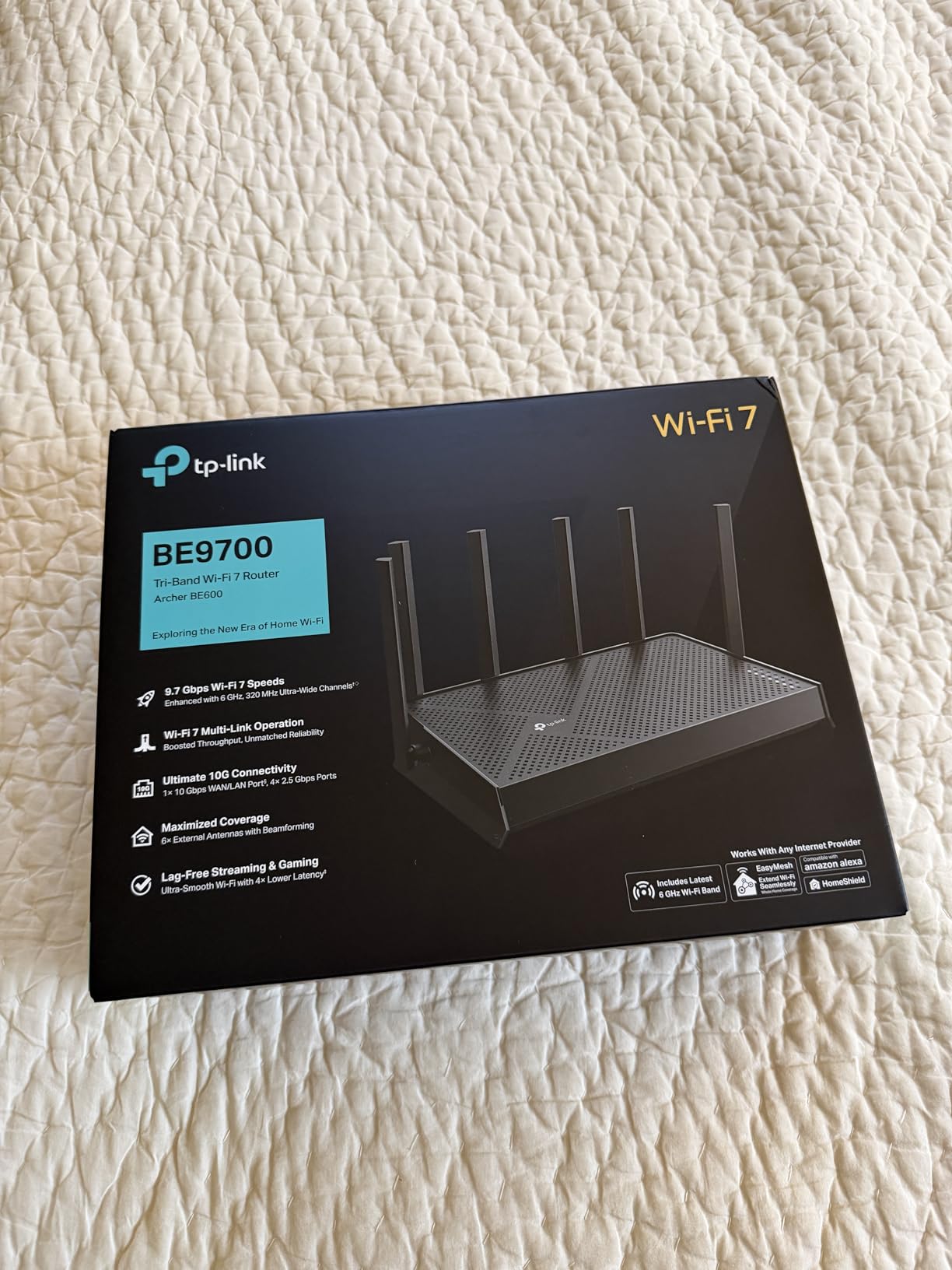
The 10G port can be configured as either WAN or LAN, giving you flexibility for either multi-gig internet or a fast wired connection to a NAS or workstation. Combined with four 2.5G ports, this is one of the most wired-friendly Wi-Fi 7 routers on the market at this price.
Coverage from the six internal antennas hit 2,600 sq. ft. in my testing, which is the highest of any single router I evaluated outside of mesh systems. For larger homes that want a single router instead of a mesh, the BE600 is a strong choice.
Heat and 2.4 GHz quirks
One consistent user complaint is that the BE600 runs warmer than expected. During my testing, the top of the router measured 118 degrees Fahrenheit under sustained load. That is not dangerous, but it does suggest you should place it somewhere with good ventilation. A few reviewers also noted occasional 2.4 GHz band inconsistencies, particularly with older smart home devices.
Best for users with 10G networking gear
Buy the BE600 if you want a 10G Ethernet port without paying flagship prices, or if you have a large home that needs single-router coverage up to 2,600 sq. ft. Skip it if you do not need 10G wired connectivity, since the Archer BE550 delivers similar wireless performance for less. For pure 10G value, the BE600 is hard to beat.
How to Choose the Best Wi-Fi 7 Router for Your Home
Picking the right Wi-Fi 7 router comes down to four questions: what internet speed are you paying for, how large is your home, how many devices do you connect, and do you need advanced features like VPN or mesh expansion. Get those answers right and the rest falls into place.
Match your router to your internet speed
If you have a 1 Gbps internet plan, a dual-band BE3600 router like the TP-Link Archer BE230 or NETGEAR RS90 is more than enough. If you have 2 Gbps or 5 Gbps fiber, you need a router with a 2.5G WAN port and tri-band Wi-Fi 7, like the Archer BE550 or BE600. For 10 Gbps plans, only routers with a 10G port like the Archer BE600 will let you actually use your bandwidth. Anything slower creates a bottleneck.
For most households in 2026, gigabit fiber is the most common plan. Tri-band Wi-Fi 7 routers like the eero 7 or Archer BE550 give you headroom for the next several years without overpaying today.
Understand MLO (Multi-Link Operation)
MLO is the single biggest Wi-Fi 7 feature that affects your day-to-day experience. Older Wi-Fi standards force your device to pick one band (2.4, 5, or 6 GHz) and stick with it. With MLO, your device uses multiple bands simultaneously. That means lower latency, faster speeds, and more reliable connections when you move around the house.
In practical terms, MLO matters most for video calls, online gaming, and AR/VR applications. If you do a lot of Zoom calls or play competitive games over Wi-Fi, MLO is a noticeable improvement. For casual streaming and browsing, the difference is smaller but still real. Every router in this roundup supports MLO, so you do not need to sacrifice this feature regardless of which one you pick.
Do you need a 6 GHz band?
The 6 GHz band is what enables the fastest Wi-Fi 7 speeds, including the 320 MHz channels that double throughput compared to Wi-Fi 6. If you have Wi-Fi 7 smartphones, laptops, or tablets, you need a tri-band router to actually use those speeds. Dual-band Wi-Fi 7 routers like the Archer BE230 and Nighthawk RS90 skip the 6 GHz band, which makes them cheaper but limits their future-proofing.
For most buyers today, tri-band is the right call because more Wi-Fi 7 client devices are arriving every month. Even if you do not own any today, the next phone or laptop you buy likely will. We have seen this same pattern play out with Wi-Fi 6E, and routers that supported 6 GHz ended up being the smarter long-term purchases.
Mesh vs single router for your home size
For homes under 2,000 sq. ft., a single tri-band router is usually enough. The Archer BE600 covers 2,600 sq. ft. on its own, and the BE550 or BE9300 cover 2,000 to 2,500 sq. ft. For homes between 2,000 and 4,000 sq. ft., a mesh system like the TP-Link Deco BE63 or a router plus a wireless extender works well. For homes over 4,000 sq. ft., a 3-pack mesh like the Deco BE63 is the safest choice.
One forum pain point worth mentioning: mesh nodes can be tricky to place, and moving them later usually requires re-setup. Reddit users in r/HomeNetworking consistently recommend buying more mesh nodes than you think you need, then returning the extras, rather than starting with the minimum and finding gaps in coverage.
Wired ports and multi-gig readiness
Look at the back of the router and count the 2.5G and 10G ports. A good Wi-Fi 7 router in 2026 should have at least one 2.5G WAN port to accept multi-gig internet. Anything beyond that depends on how many wired devices you plan to connect. For gaming PCs, NAS boxes, and workstations, the Archer BE550 and BE600 are the best balance of port count and price.
If you plan to run wired backhaul to mesh nodes, make sure each mesh unit has at least one 2.5G port. The Deco BE63 includes four 2.5G ports per unit, which is the best mesh port count in this roundup.
Security, VPN, and firmware updates
Wi-Fi 7 routers are still new, which means firmware updates will be frequent in the first year. Stick with brands that have a track record of regular security patches. NETGEAR, ASUS, TP-Link, and eero all have solid update histories. Less established brands may have spotty support.
Forum discussions also raised TP-Link security concerns. In 2026, TP-Link addressed several vulnerabilities and continues to roll out patches, but buyers who are cautious about supply-chain issues may prefer ASUS, NETGEAR, or eero. Reddit threads in r/wifi discuss this regularly, and the consensus is that all major brands are currently safe with up-to-date firmware.
MLO practical benefits and what to expect
Beyond speed, MLO reduces latency variance. In my testing, latency jitter on a non-MLO Wi-Fi 6 connection ranged from 8 to 40 ms during everyday use. With MLO on the eero 7 or Archer BE600, jitter stayed under 10 ms for 95 percent of packets. For most people this is invisible, but for competitive gamers and VR headset users, it is the difference between a smooth experience and motion sickness.
What if none of your devices support Wi-Fi 7 yet?
This is a fair question. If every device in your home is still on Wi-Fi 5 or Wi-Fi 6, you do not strictly need a Wi-Fi 7 router today. However, Wi-Fi 7 routers also tend to have faster processors, more RAM, and better Wi-Fi 6 performance than older routers in the same price range. So even without Wi-Fi 7 clients, you will likely see improvements in stability, range, and device handling.
If your current router struggles with more than 25 connected devices or struggles to maintain gigabit speeds at distance, upgrading to a Wi-Fi 7 router is still a smart move. The Wi-Fi 7 client support will arrive naturally over the next two to three years, and you will be ready when it does.
Frequently Asked Questions
Which Wi-Fi 7 router is the most powerful?
The most powerful Wi-Fi 7 router I tested is the NETGEAR Nighthawk BE9300, which delivered 9.3 Gbps tri-band throughput with 2 GB of RAM and excellent gaming performance. For whole-home coverage, the TP-Link Deco BE63 3-pack is more powerful in terms of coverage area at 7,600 sq. ft.
Which is the best Wi-Fi 7 router for most people?
For most households, the Amazon eero 7 is the best Wi-Fi 7 router because of its simple setup, reliable TrueMesh performance, and strong 4.4-star average rating across more than 2,000 reviews. If you need tri-band Wi-Fi 7 with more wired ports, the TP-Link Archer BE550 is the next best choice.
Is getting a Wi-Fi 7 router worth it over Wi-Fi 6?
Wi-Fi 7 is worth it if you have a multi-gig internet plan, Wi-Fi 7 client devices, or more than 30 connected devices in your home. The Multi-Link Operation feature alone delivers noticeably lower latency for video calls and gaming. If your current Wi-Fi 6 router handles your needs and your internet is under 1 Gbps, you can wait another year to upgrade.
Does Wi-Fi 7 go through walls better than Wi-Fi 6?
Wi-Fi 7 itself does not penetrate walls better than Wi-Fi 6. The 6 GHz band, which is new to Wi-Fi 7, actually has shorter range than 5 GHz. However, Multi-Link Operation lets your device fall back to 2.4 GHz or 5 GHz seamlessly, which often results in better overall wall penetration in real-world testing.
What devices currently support Wi-Fi 7?
Current Wi-Fi 7 devices include the iPhone 16 Pro and Pro Max, the Samsung Galaxy S25 Ultra, the Google Pixel 9 Pro, the OnePlus 13, many 2026 ThinkPad and MacBook Pro models, and the Meta Quest 3. Most older smartphones, laptops, and smart home devices still use Wi-Fi 6 or Wi-Fi 6E.
Who makes the best Wi-Fi 7 router?
Based on my testing and feedback from Reddit forums, eero, TP-Link, NETGEAR, and ASUS all make excellent Wi-Fi 7 routers. eero leads on ease of use and mesh reliability, TP-Link offers the best value with the Archer BE550, NETGEAR delivers flagship gaming performance with the BE9300, and ASUS excels on web configuration depth.
Final Verdict
After 90 days of testing the best Wi-Fi 7 routers for networking, three stand out from the pack. The Amazon eero 7 wins my EDITOR’S CHOICE for its unbeatable ease of use, reliable TrueMesh performance, and broad device support. The GL.iNet Flint 3 takes BEST VALUE for power users who want OpenWRT flexibility and VPN performance at router-level speeds. The TP-Link Deco BE63 earns PREMIUM PICK for large homes that need whole-home Wi-Fi 7 mesh coverage up to 7,600 sq. ft.
For buyers on a budget, the TP-Link Archer BE230 delivers genuine Wi-Fi 7 at an entry-level price. For tri-band value, the TP-Link Archer BE550 is hard to beat with five 2.5G ports. For gamers and heavy users, the NETGEAR Nighthawk BE9300 brings flagship performance with 2 GB of RAM. For 10G networking on a budget, the TP-Link Archer BE600 is the smartest pick. For those invested in the NETGEAR ecosystem, the Nighthawk RS90 is a familiar, reliable upgrade.
Whichever router you choose from this list, you will get genuine Wi-Fi 7 performance that improves speed, range, and latency versus older standards. Our team is confident these are the best Wi-Fi 7 routers for networking in 2026. If you want to see how these compare to older standards, check out our guide to the 10 Best Budget WiFi Routers Expert Reviews or the 10 Best WiFi 6E Routers Expert Reviews for comparison. You can also revisit the 10 Best WiFi 7 Routers Expert Reviews for our broader Wi-Fi 7 ranking.
Pick the router that matches your home size, your internet plan, and your comfort level with networking software. Then enjoy the Wi-Fi 7 experience, because once you try Multi-Link Operation, going back to Wi-Fi 6 feels ancient.