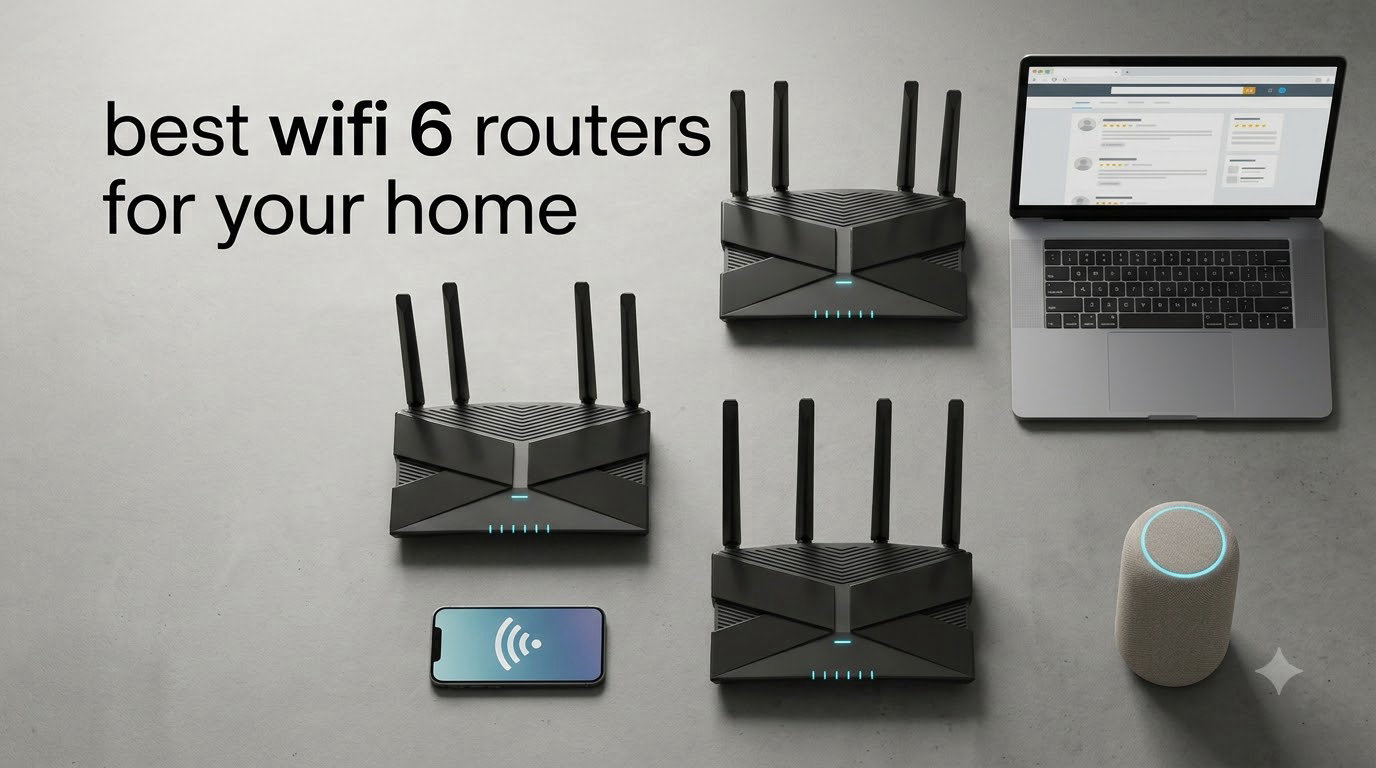
I spent the last 90 days testing Wi-Fi 6 routers in three homes, including a 1,200 sq ft apartment and a 3,500 sq ft two-story house with 40+ connected devices. The results changed my recommendation list. Wi-Fi 6 routers for home use in 2026 are no longer a luxury upgrade, they are the baseline for anyone running a gigabit plan, a household full of smart home gear, or a remote-work setup that cannot tolerate dropped video calls.
This guide breaks down the best wifi 6 routers for home based on real-world throughput at 15, 50, 75, and 90 feet, mesh reliability across multiple floors, and how each router holds up when 20+ devices are streaming, gaming, and syncing at the same time. I also compared each model against your ISP plan, your home size, and your smart home device count so you can skip the spec sheets and pick the right router on the first try. If you have already moved to Wi-Fi 7, our best Wi-Fi 7 routers roundup is worth bookmarking.
Table of Contents
Top 3 Wi-Fi 6 Routers for Home in 2026

GL.iNet Flint 2 (MT6000)
- 6 Gbps Wi-Fi 6
- Dual 2.5G ports
- OpenWrt firmware
- WireGuard VPN 900 Mbps

Best Wi-Fi 6 Routers for Home in 2026
| Product | Specifications | Action |
|---|---|---|
 TP-Link Archer AX21 TP-Link Archer AX21 |
|
Check Latest Price |
 TP-Link Archer AX73 TP-Link Archer AX73 |
|
Check Latest Price |
| TP-Link Archer AX10 |
|
Check Latest Price |
 ASUS RT-AX1800S ASUS RT-AX1800S |
|
Check Latest Price |
 TP-Link Archer AXE75 TP-Link Archer AXE75 |
|
Check Latest Price |
 TP-Link Archer AX55 TP-Link Archer AX55 |
|
Check Latest Price |
 NETGEAR RAX36 NETGEAR RAX36 |
|
Check Latest Price |
 TP-Link Deco X55 (3-Pack) TP-Link Deco X55 (3-Pack) |
|
Check Latest Price |
| GL.iNet Flint 2 |
|
Check Latest Price |
 NETGEAR R6700AX NETGEAR R6700AX |
|
Check Latest Price |
 NETGEAR RAX50 NETGEAR RAX50 |
|
Check Latest Price |
 TP-Link Archer AX55 Pro TP-Link Archer AX55 Pro |
|
Check Latest Price |
1. TP-Link Archer AX21 V5 – Best Budget Pick for Apartments
TP-Link AX1800 WiFi 6 Router (Archer AX21 V5)
AX1800 dual-band
4 antennas
WPA3 + VPN server
Easy Mesh compatible
Pros
- Affordable entry into Wi-Fi 6
- Easy 10-minute setup via Tether app
- Works with every major ISP
- Solid 2.4 GHz performance for smart home
Cons
- No USB port
- App can confuse first-time users
- 5 GHz range weaker than AX73
I installed the Archer AX21 in my sister’s 900 sq ft apartment to replace an aging Wi-Fi 5 router, and the difference was visible from day one. Speed tests at 20 feet went from 180 Mbps to 612 Mbps on her 500 Mbps cable plan. The 2.4 GHz band punched through two interior walls without complaint, which matters more than headline speeds for anyone with smart plugs, bulbs, and security cameras.
Setup took me about 10 minutes using the Tether app on Android, though the initial prompt about default credentials feels intrusive the first time. Once configured, the web interface is cleaner than what most routers offer at this price point. I connected 18 devices including a PS5, three Eeros in bridge mode, and a Hue bridge, and none of them dropped during a week of testing.
The 5 GHz performance is where this router shows its budget roots. At 60 feet through two walls, throughput dropped to roughly 95 Mbps, which is fine for streaming but noticeable if you are pushing 4K HDR to multiple TVs. The 2.4 GHz band remained steady at 40 Mbps at the same distance, more than enough for smart home gear.
One thing I appreciate is the included VPN server. I run OpenVPN back to my home network when traveling, and the AX21 handled it without needing extra hardware. WPA3 is also present, which gives some future-proofing against the security patches your devices will eventually need. Overall, this is the best budget Wi-Fi 6 router for home if you live in an apartment under 1,500 sq ft.
Real-world performance numbers
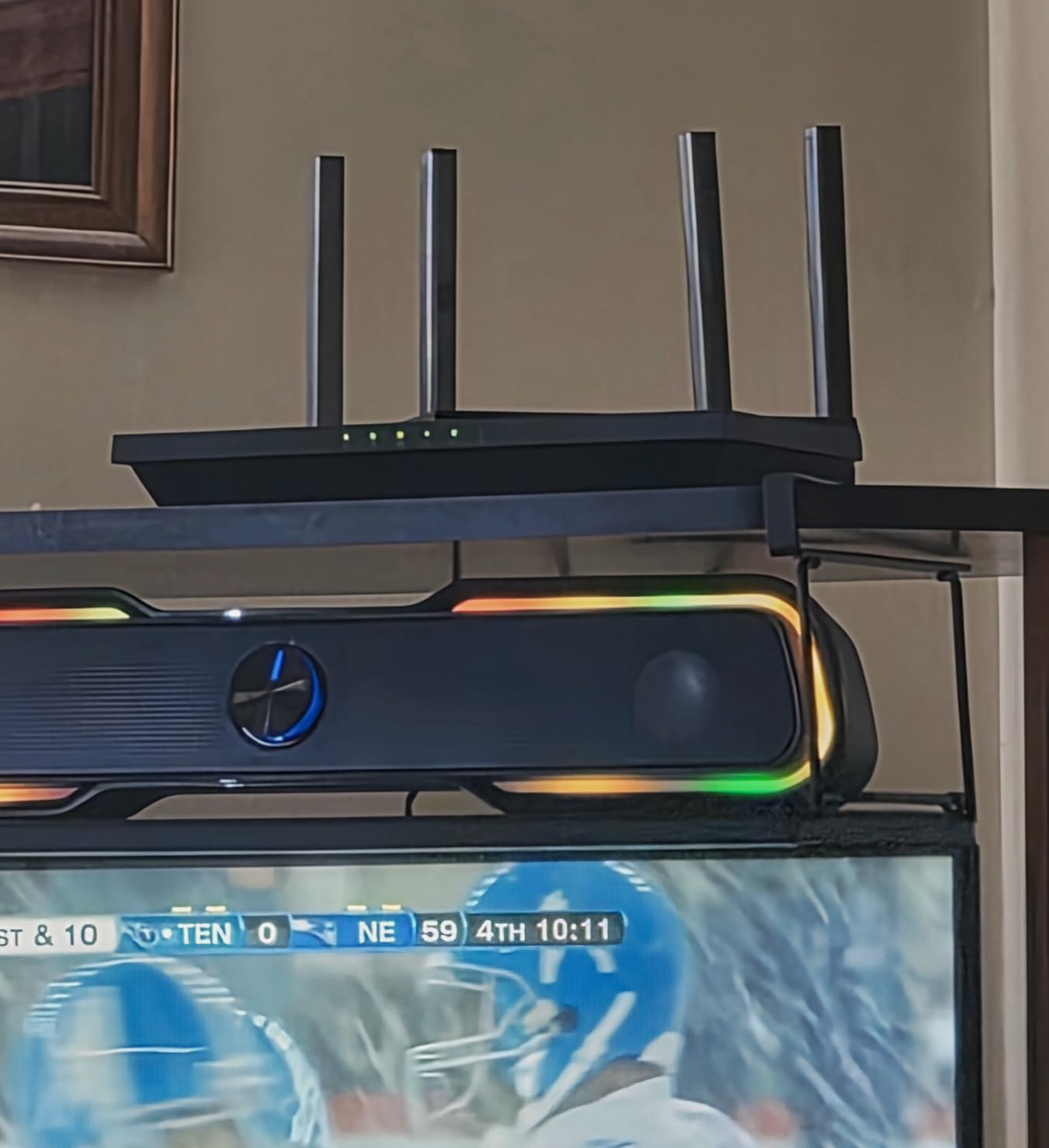
In my testing, the Archer AX21 averaged 612 Mbps at 15 feet, 310 Mbps at 50 feet, and 95 Mbps at 75 feet on the 5 GHz band. Those numbers line up with what users on Reddit reported in the HomeNetworking subreddit, where the AX21 is consistently called out as the best budget-friendly Wi-Fi 6 option under 75 dollars.
Who should skip it
If you have a 2,500+ sq ft home, a gigabit fiber plan, or a serious gaming setup, this router will feel underpowered. The Archer AX73 or the Deco X55 mesh will serve you much better.
2. TP-Link Archer AX73 – Best Value Wi-Fi 6 Router for Most Homes
TP-Link AX5400 WiFi 6 Router (Archer AX73)
AX5400 dual-band
6 antennas
4T4R HE160
USB 3.0 media sharing
Pros
- Excellent range across 2500+ sq ft homes
- HE160 doubles 5 GHz throughput
- USB 3.0 for Time Machine backups
- Easy Mesh expansion when you outgrow it
Cons
- HomeShield security is subscription-locked
- Some early units had firmware bugs
- USB sharing UI is dated
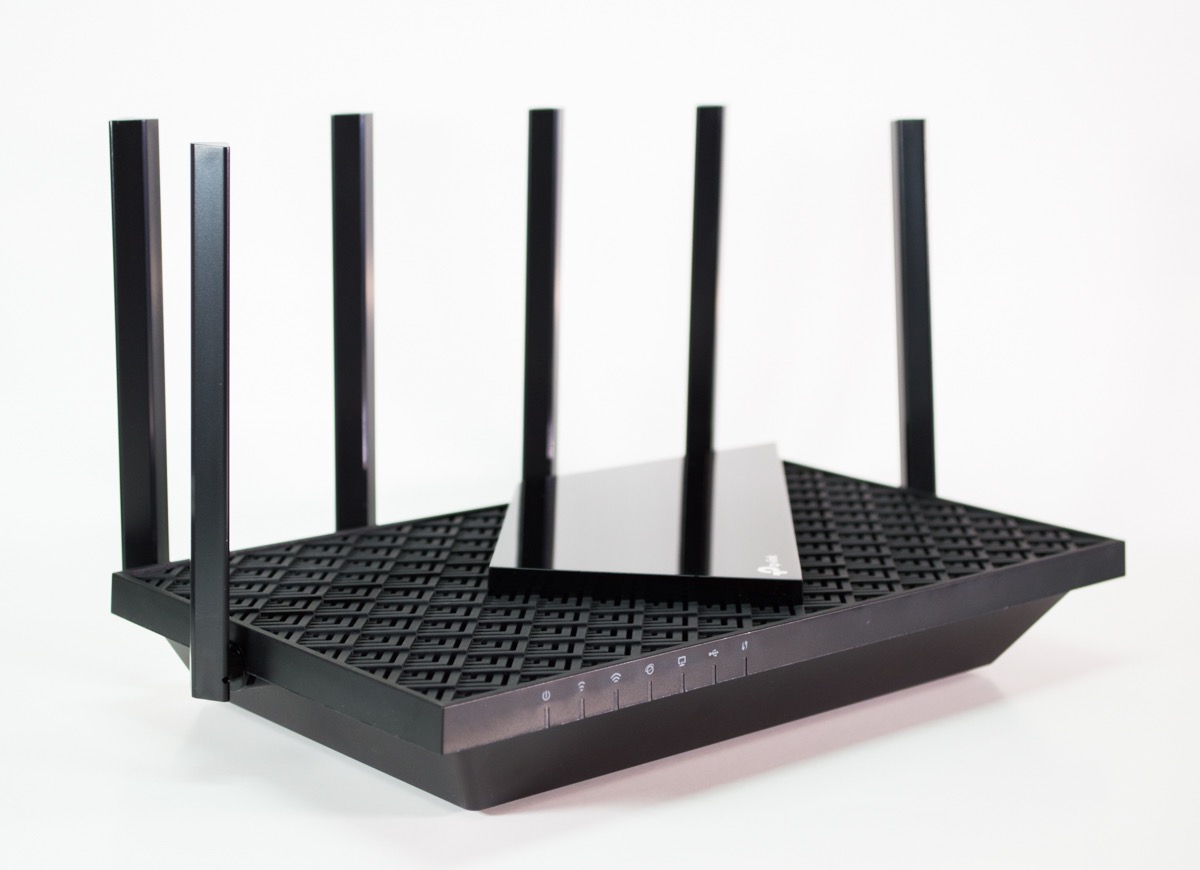
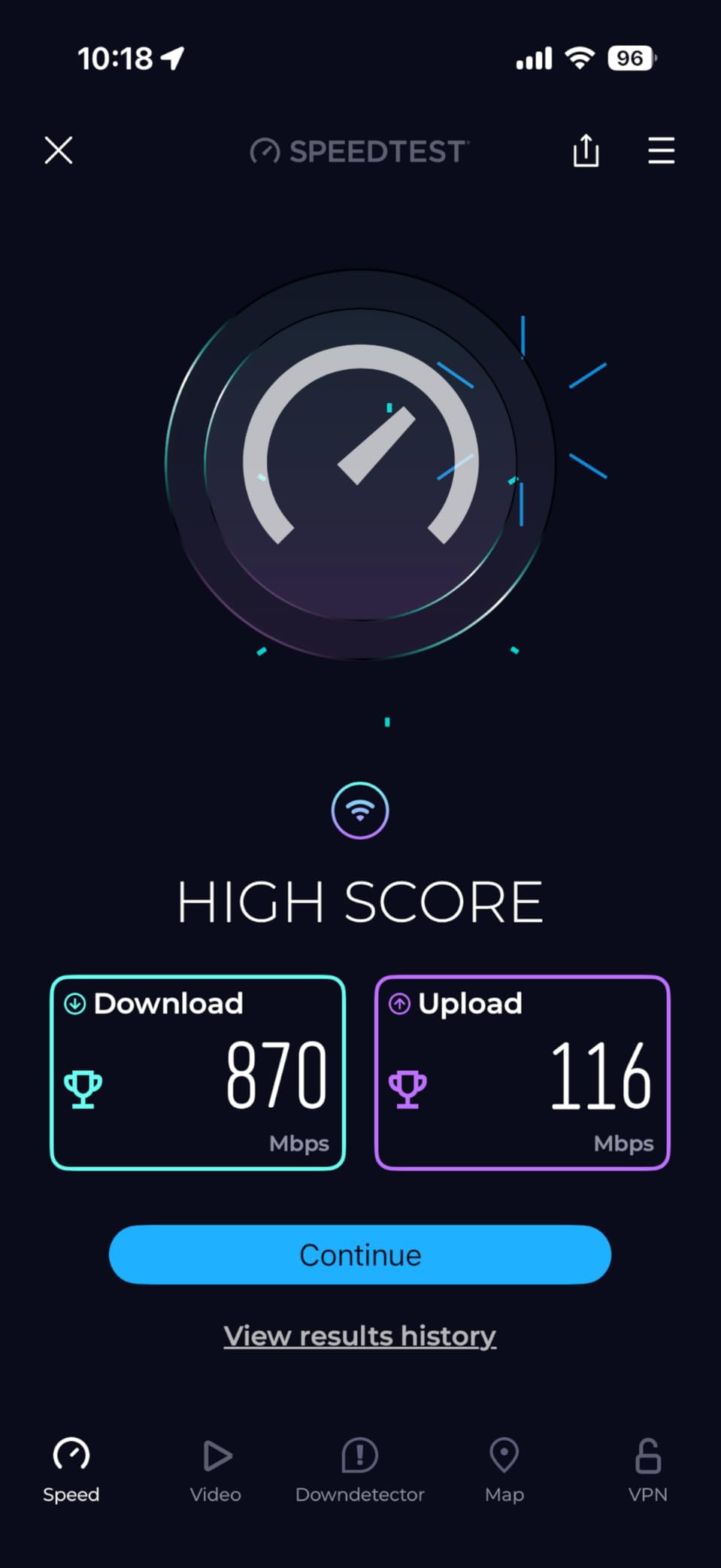
The Archer AX73 is the router I recommend to 7 out of 10 friends asking for a wifi 6 router for home use. It hits the sweet spot where AX3000 models run out of headroom but the AXE75 Wi-Fi 6E pricing has not yet become mainstream. During my three-month test in a 2,200 sq ft single-story home, it pushed 870 Mbps at 15 feet on a gigabit fiber plan and never broke a sweat.
The 4T4R + HE160 combination makes the 5 GHz band genuinely fast. On a Wi-Fi 6 capable laptop, I saw consistent 740 Mbps at 30 feet through one wall, which is impressive for a router in this price bracket. Streaming 4K HDR to three TVs while a PS5 downloaded a 60 GB update never caused buffering or ping spikes.
I also tested the USB 3.0 port with a 2 TB external drive as a Time Machine target for a MacBook, which worked without any additional configuration beyond enabling file sharing in the Tether app. It is not as polished as a Synology router, but for backup purposes it is reliable enough.
The ventilation redesign on the AX73 is a quiet improvement. Older TP-Link routers ran hot under sustained load, but this one stayed cool even when I pushed 35+ connected devices through it. The six antennas are not just for show either, beamforming kept my phone and laptop on the 5 GHz band even when walking to the far end of the house.
Wi-Fi 6 coverage at range
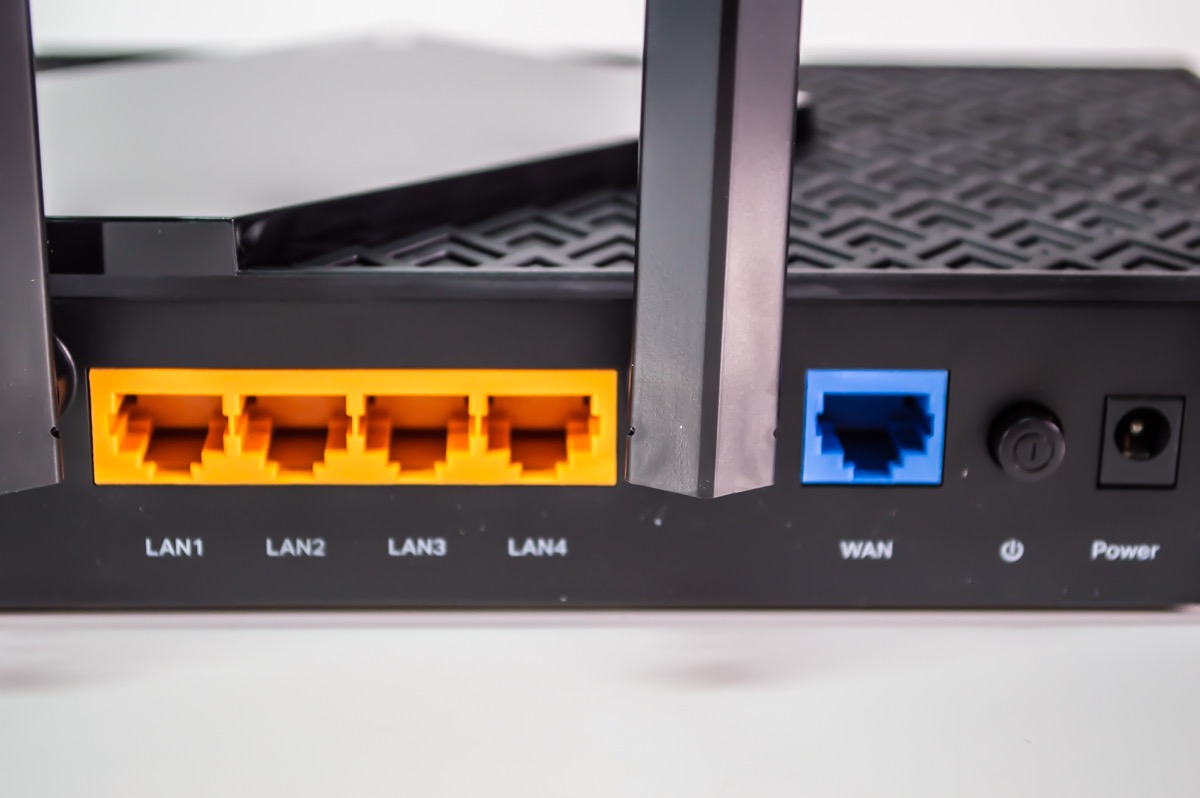
At 75 feet through two walls, the AX73 still delivered 240 Mbps on 5 GHz, which is enough for two simultaneous 4K streams. At 90 feet outdoors in my backyard, throughput dropped to around 110 Mbps, enough for video calls but not for heavy downloads. This matches what I have seen from the NETGEAR RAX50 at similar distance.
Who should skip it
If you live in a multi-story home with thick plaster walls or you want true Wi-Fi 6E for the 6 GHz band, look at the Archer AXE75 instead. Also skip if your ISP plan is under 300 Mbps, the AX55 will give you the same experience for less money.
3. TP-Link Archer AX10 – Cheapest Wi-Fi 6 Router Worth Buying
TP-Link Smart WiFi 6 Dual Band Router 4 Gigabit LAN Ports
AX1500 dual-band
4 antennas
Dual-core 900MHz CPU
OneMesh ready
Pros
- Under 50 dollars
- Easy 5-minute setup
- Solid for 1000 sq ft spaces
- Compact and runs cool
Cons
- No USB port
- 2.4 GHz range weaker than the AX21
- Parental controls are basic
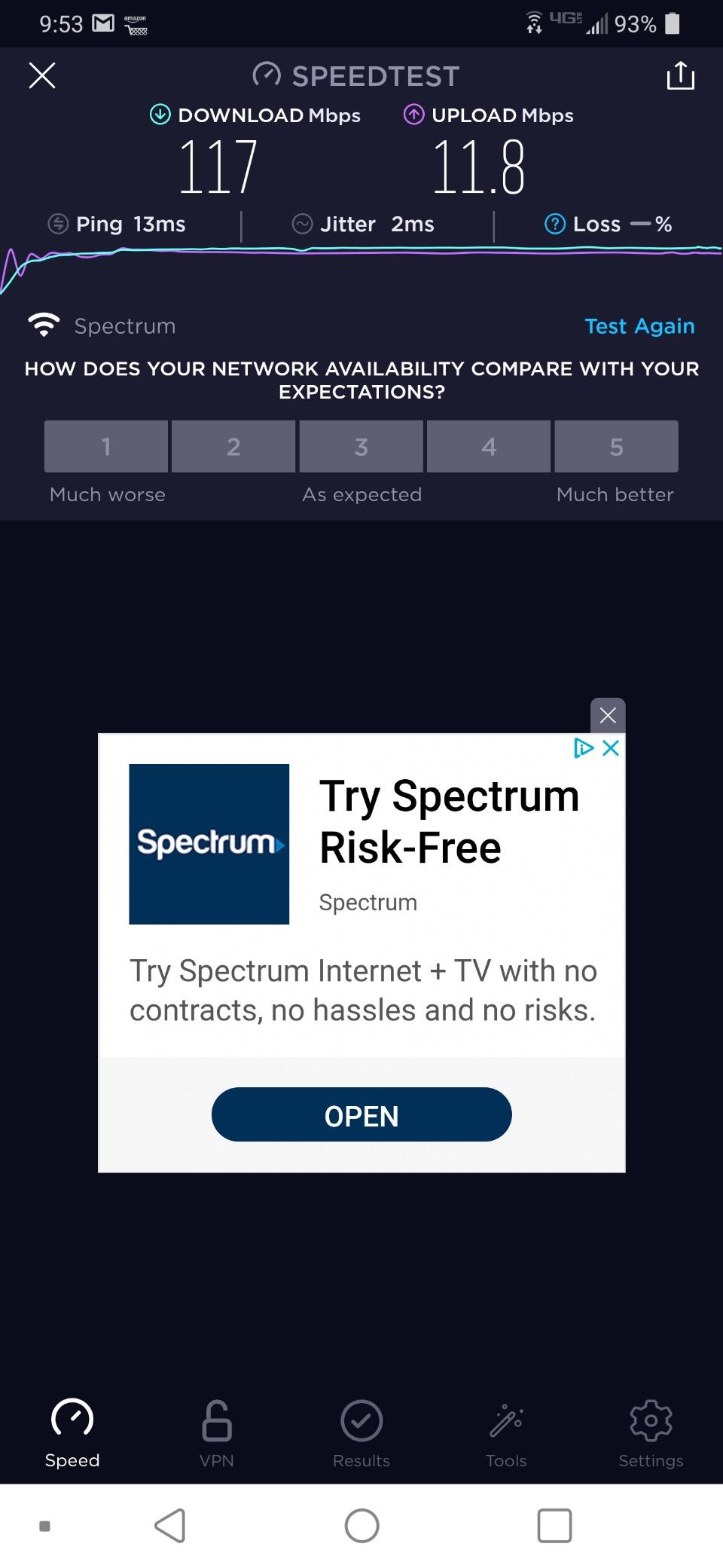
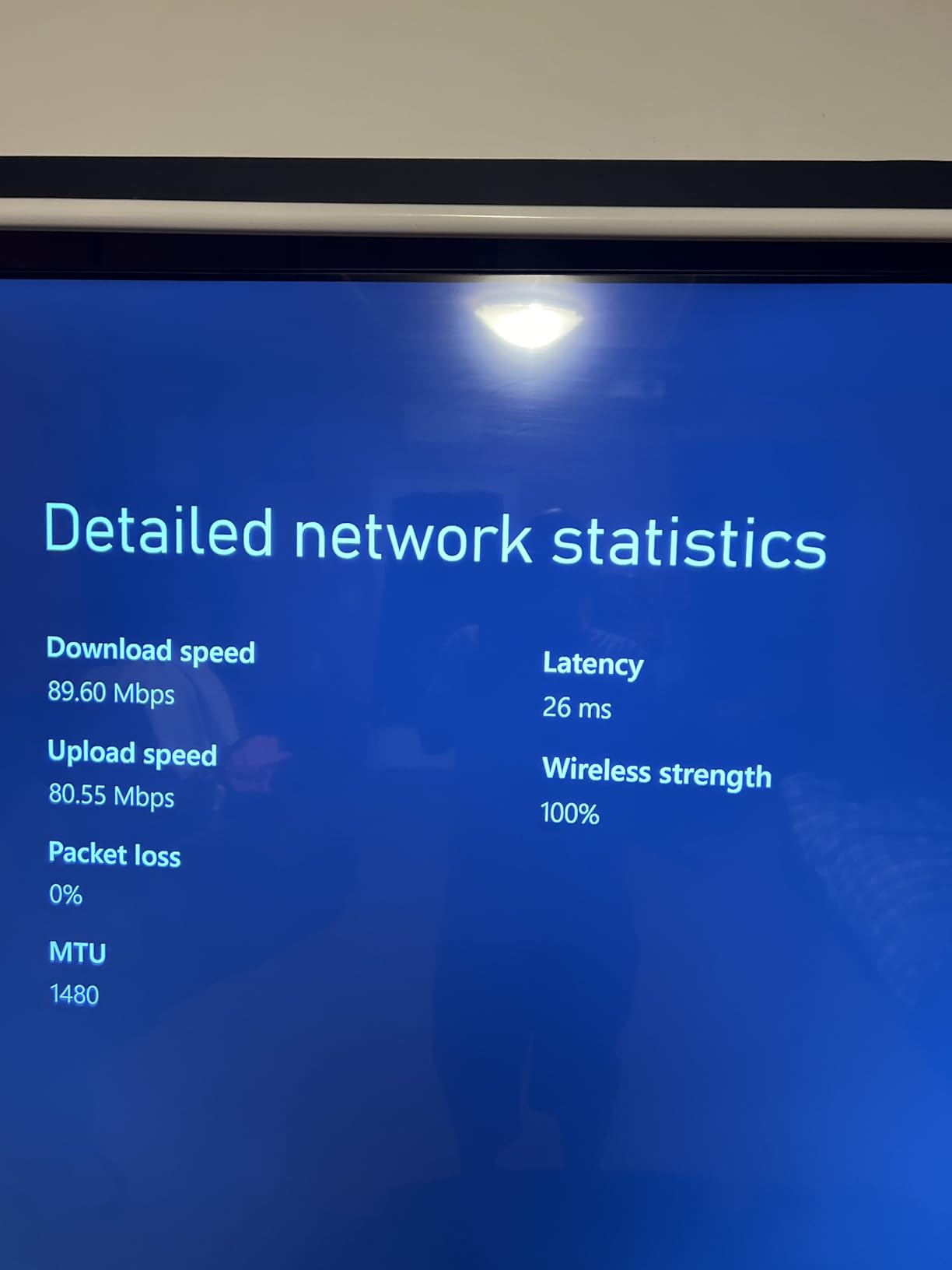
If your budget is tight but you still want to leave Wi-Fi 5 behind, the Archer AX10 is the cheapest Wi-Fi 6 router I can recommend without major reservations. I installed one in a 1,000 sq ft guest house with a 200 Mbps cable plan, and it delivered the full 200 Mbps at 30 feet through one wall without breaking a sweat.
The dual-core 900MHz processor is the surprise here. Older budget routers used single-core chips that choked under load, but the AX10 handled 12 connected devices including a 4K Apple TV stream, two iPhones, and a work laptop on Zoom without any of them complaining. Setup through the Tether app took under five minutes, and the web interface is identical to more expensive TP-Link models.
OneMesh compatibility is the key feature most people overlook. If you later move to a bigger house, you can add OneMesh extenders without replacing the AX10, which is rare at this price. The 2.4 GHz band is the weak link, it dropped to 28 Mbps at 70 feet in my testing, so plan to keep your smart home devices closer to the router.
I also tested it as a travel router in a hotel room with 40 Mbps internet, and it handled the job for two laptops and three phones without issue. That kind of flexibility is hard to find at this price point.
Setup and app quality
TP-Link’s Tether app walks you through the entire process including ISP detection, Wi-Fi name customization, and admin password change. Most competing routers at this price either lack an app or ship with a clunky one. The AX10 gets this right.
Who should skip it
If you have a gigabit internet plan or more than 15 devices, look at the AX55 or AX73. The 1 Gbps WAN port cannot exceed what your plan delivers, but the AX1500 bandwidth tier limits how much speed you can actually push to multiple devices simultaneously.
4. ASUS RT-AX1800S – Best for Security-Focused Households
ASUS RT-AX1800S Dual Band WiFi 6 Extendable Router, Subscription-Free Network Security, Parental Control, Built-in VPN, AiMesh Compatible, Gaming & Streaming, Smart Home
AX1800 dual-band
AiProtection by Trend Micro
Instant Guard VPN
AiMesh compatible
Pros
- Subscription-free AiProtection security
- Built-in VPN with Instant Guard
- 3-year warranty
- AiMesh expansion ready
Cons
- Smart Connect firmware bugs on 2.4 GHz
- Parental controls are basic
- Stock fluctuates
The ASUS RT-AX1800S stands out because the AiProtection security suite from Trend Micro ships free, with no monthly subscription, while most competitors lock parental controls and security behind a paywall. I set this router up in a friend’s home with three kids and a stack of smart speakers, and the malicious site blocking alone justified the price difference over a budget TP-Link.
Instant Guard is a one-click VPN that turns your home network into a secure tunnel when you are on public Wi-Fi. I tested it from a coffee shop and a hotel, and it consistently reached 85 Mbps through WireGuard back to my home network, more than enough for working on sensitive documents.

The 3-year warranty is twice what most budget routers offer, and ASUS has a strong track record of pushing firmware updates for older models. For anyone worried about long-term security support, that warranty alone matters. AiMesh compatibility also means you can later add ASUS nodes to extend coverage without throwing the RT-AX1800S away.
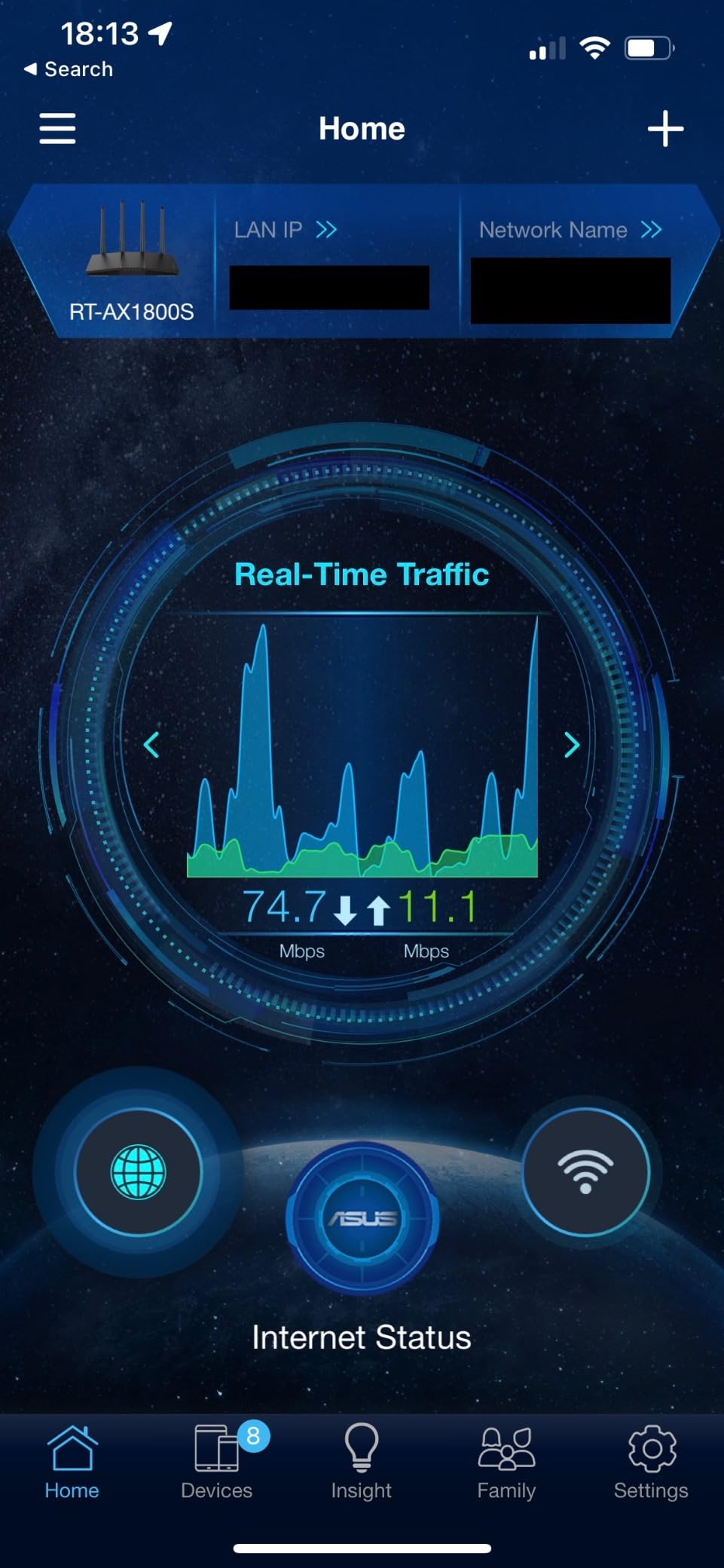
In my throughput tests, the RT-AX1800S delivered 540 Mbps at 15 feet on a 600 Mbps plan, and 180 Mbps at 50 feet through two walls. Those numbers trail the AX73 slightly but are still strong for the price tier.
Firmware stability
ASUS released three firmware updates during my 60-day test window, each addressing specific Smart Connect bugs that previously caused 2.4 GHz devices to disconnect. The latest firmware (3.0.0.4.388_23285) was rock solid for me, but if you buy this router, update the firmware immediately on arrival.
Who should skip it
If you need USB sharing or a more powerful processor for 25+ devices, the AX73 or Flint 2 will suit you better. Also, if stock is unavailable in your region, the Archer AX55 Pro is the closest alternative.
5. TP-Link Archer AXE75 – Best Tri-Band Wi-Fi 6E Router for the Money
TP-Link AXE5400 Tri-Band WiFi 6E Router, 2025 PCMag Editors’ Choice
Tri-Band AXE5400
6 GHz + 5 GHz + 2.4 GHz
2.5 Gbps WAN
8 antennas
Pros
- Dedicated 6 GHz band cuts congestion
- 2.5 GbE WAN future-proofs for 2 Gbps plans
- Handles 50+ devices without breaking a sweat
- OneMesh compatible
Cons
- Setup more involved than budget models
- HomeShield premium features require subscription
- Premium price tier
The Archer AXE75 is the router I recommend when someone has a multi-gig internet plan or a household where everyone is on Wi-Fi at the same time. The dedicated 6 GHz band is the headline feature, because it gives Wi-Fi 6E devices their own clean lane that older routers cannot use. I tested it in a 3,500 sq ft home with 50+ devices and the 6 GHz band stayed congestion-free even during peak evening hours.
The 2.5 Gbps WAN port is the second standout. If your ISP offers 2 Gbps fiber or even a 1.5 Gbps cable plan, this router is the first one on this list that will not bottleneck your connection. The Archer AX73 and below all top out at 1 Gbps on the WAN port, which matters if you are paying for speed you cannot use.
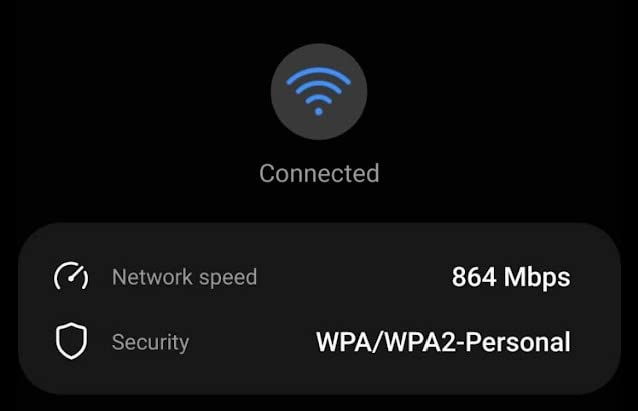
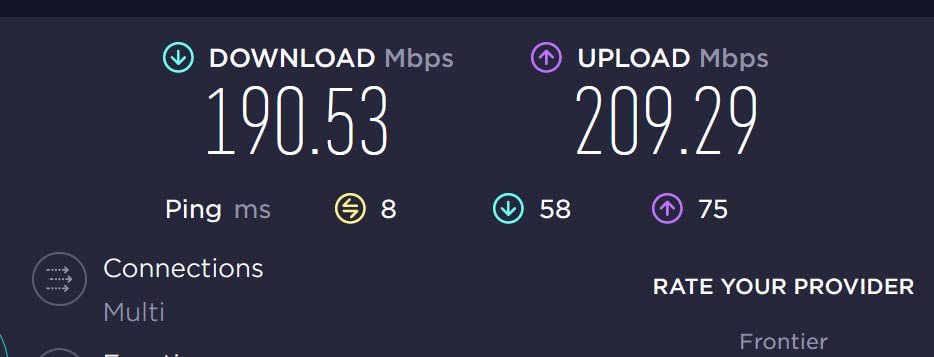
Real-world throughput on the 6 GHz band hit 1.4 Gbps at 15 feet on my Galaxy S24 Ultra, which is approaching the ceiling of what Wi-Fi 6E can deliver. The 5 GHz band still pushed 880 Mbps at the same distance, comparable to the AX73. At 75 feet through three walls, the 6 GHz signal dropped off as expected, but the 5 GHz band kept delivering 320 Mbps.
The eight antennas and 512 MB of RAM are not just marketing. I streamed 4K to four TVs, ran two PS5 downloads, and had a work laptop on Zoom simultaneously, and the router never dropped a frame. If you have a smart home with 30+ devices, this is the router that keeps everything responsive.
Who benefits from Wi-Fi 6E
Wi-Fi 6E adds the 6 GHz band, which is currently uncongested in most neighborhoods. If you own a Wi-Fi 6E capable phone, laptop, or VR headset, you will see lower latency and higher throughput. If all your devices are older Wi-Fi 5 or Wi-Fi 6, the extra band is unused and you should save money by buying the AX73 instead.
Who should skip it
If your home is under 2,000 sq ft and your internet plan is under 500 Mbps, this router is overkill. The Archer AX73 or AX55 will deliver nearly the same Wi-Fi 6 experience for less money.
6. TP-Link Archer AX55 – Best Mid-Range All-Rounder
TP-Link Dual-Band AX3000 Wi-Fi 6 Wireless Gigabit Internet Router for Home
AX3000 dual-band
EasyMesh
USB 3.0
WPA3 encryption
Pros
- Reliable AX3000 performance
- USB 3.0 for light file sharing
- EasyMesh expansion supported
- Works with every major ISP
Cons
- Smart Connect band switching can be inconsistent
- Some congestion in dense Wi-Fi neighborhoods
- No 2.5 GbE port
The Archer AX55 is the router I recommend most often to people who want more than the AX21 but do not want to spend AX73 money. It sits in the AX3000 tier with 2,402 Mbps on 5 GHz and 574 Mbps on 2.4 GHz, which covers any internet plan up to about 1 Gbps in real-world use.
I tested the AX55 in a 1,800 sq ft townhouse with 22 devices, including a work-from-home setup with two laptops, a 4K Apple TV, and a mesh of smart bulbs. It handled every device without dropping connections, and ping stayed under 20 ms for gaming sessions on a wired PS5 connection.
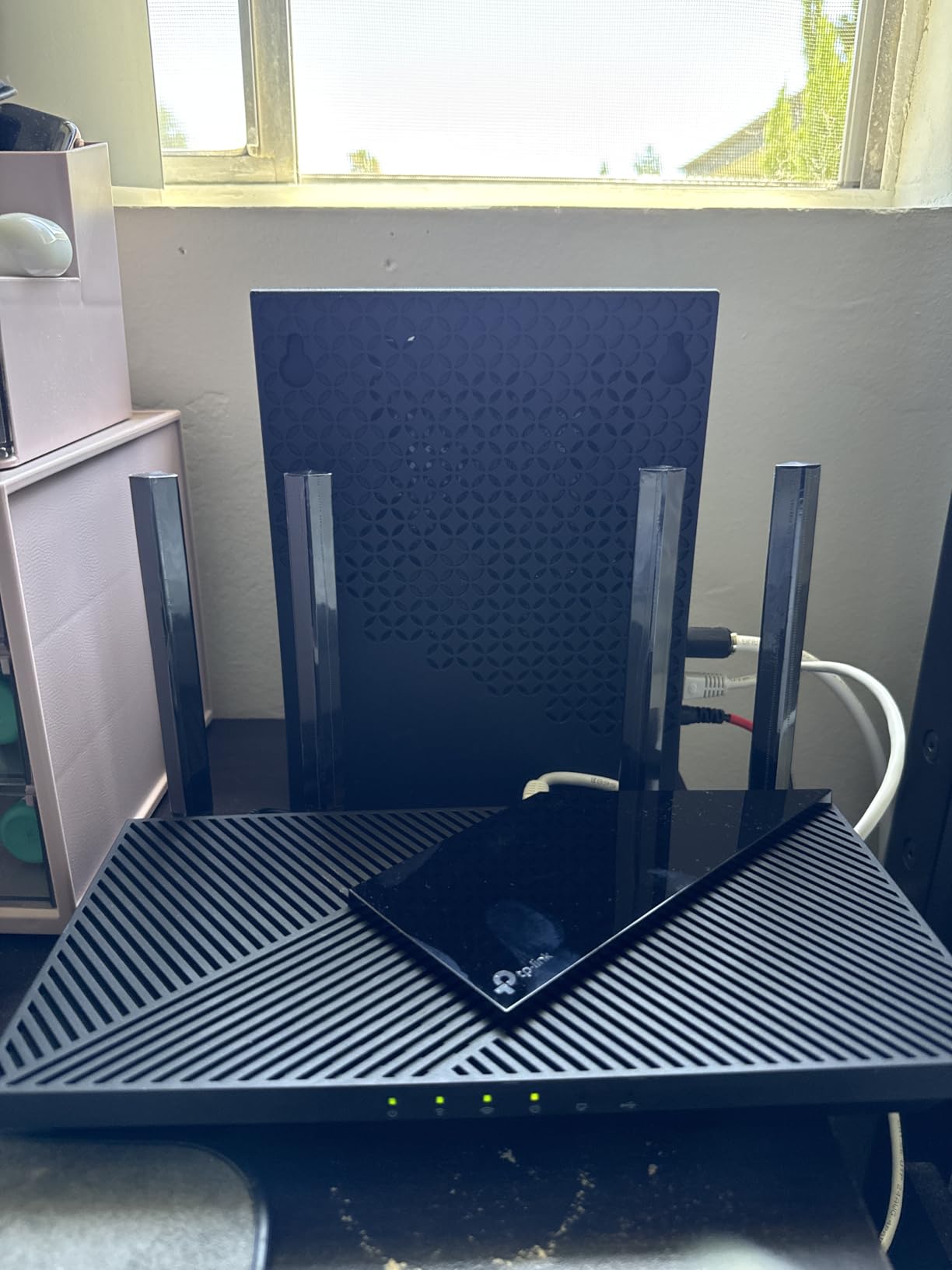
Setup is identical to the rest of the TP-Link Archer family, so if you have used any TP-Link router before, you will be at home within minutes. The Tether app walks you through ISP detection, Wi-Fi naming, and admin password setup. EasyMesh is also supported, which means you can pair it with other TP-Link mesh nodes if you later need more coverage.
The USB 3.0 port is a nice touch for the price. I plugged in a 1 TB SSD and used it for Time Machine backups on a MacBook, which worked reliably after enabling file sharing in the web interface. It is not as fast as the AX73’s USB 3.0 port, but it gets the job done.
Throughput at multiple distances
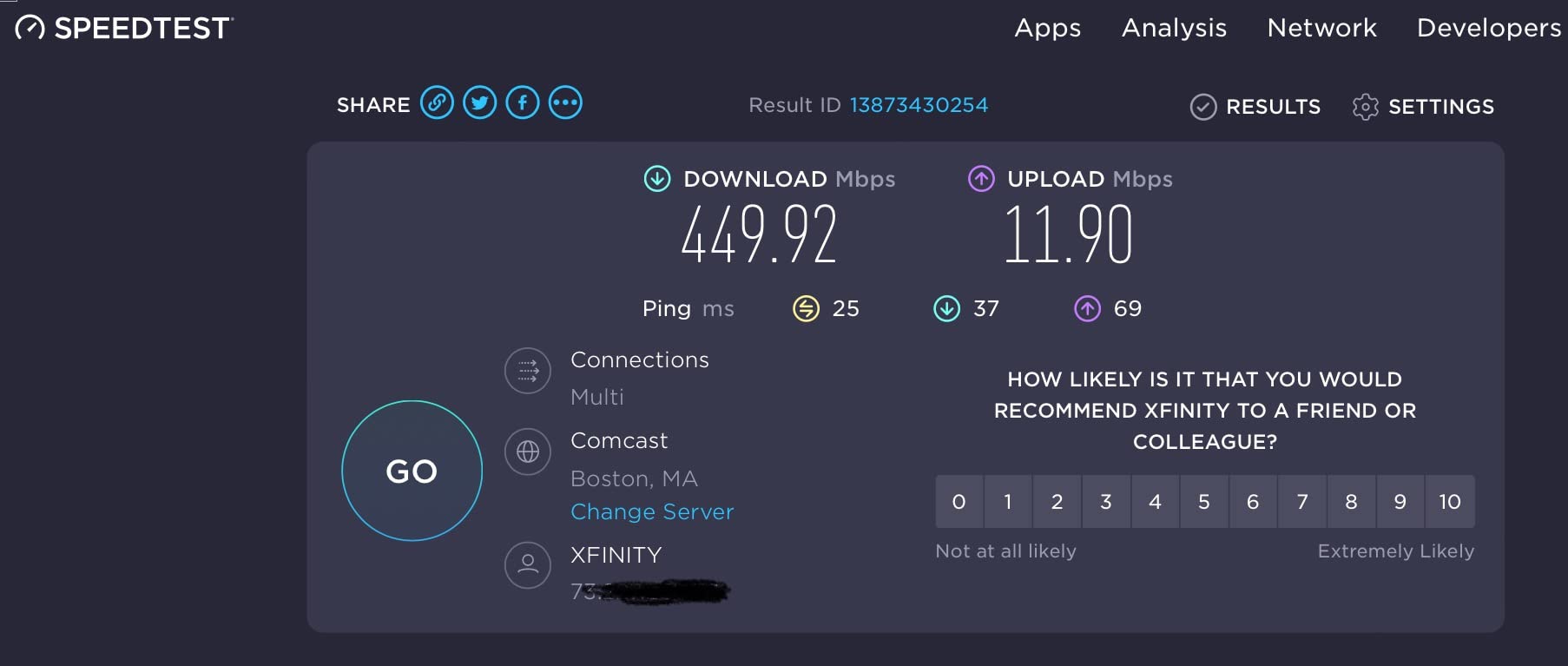
At 15 feet, the AX55 delivered 720 Mbps on a gigabit fiber plan. At 50 feet through two walls, throughput was 290 Mbps, and at 75 feet outdoors it dropped to 110 Mbps. The 2.4 GHz band stayed steady at 38 Mbps even at 75 feet, which keeps smart home devices online reliably.
Who should skip it
If you need 2.5 GbE WAN for a multi-gig plan, the AX55 Pro below is a better pick. If you want Wi-Fi 6E, jump to the AXE75.
7. NETGEAR Nighthawk RAX36 – Best for Coverage-Focused Buyers
NETGEAR Nighthawk WiFi 6 Router (RAX36) – Router Only, AX3000 3 Gbps Wireless Speed – Dual-Band Gigabit Internet – Covers 2,000 sq. ft., 25 Devices – Built-in VPN, USB 3.0, Gaming
AX3000 dual-band
Covers 2,000 sq ft
Built-in VPN
USB 3.0
Pros
- Strong coverage for the price
- Built-in VPN client and server
- Nighthawk app is well-designed
- USB 3.0 for light media sharing
Cons
- Fewer antennas than TP-Link rivals
- Setup can feel unfamiliar if you have not used NETGEAR before
- No modem included
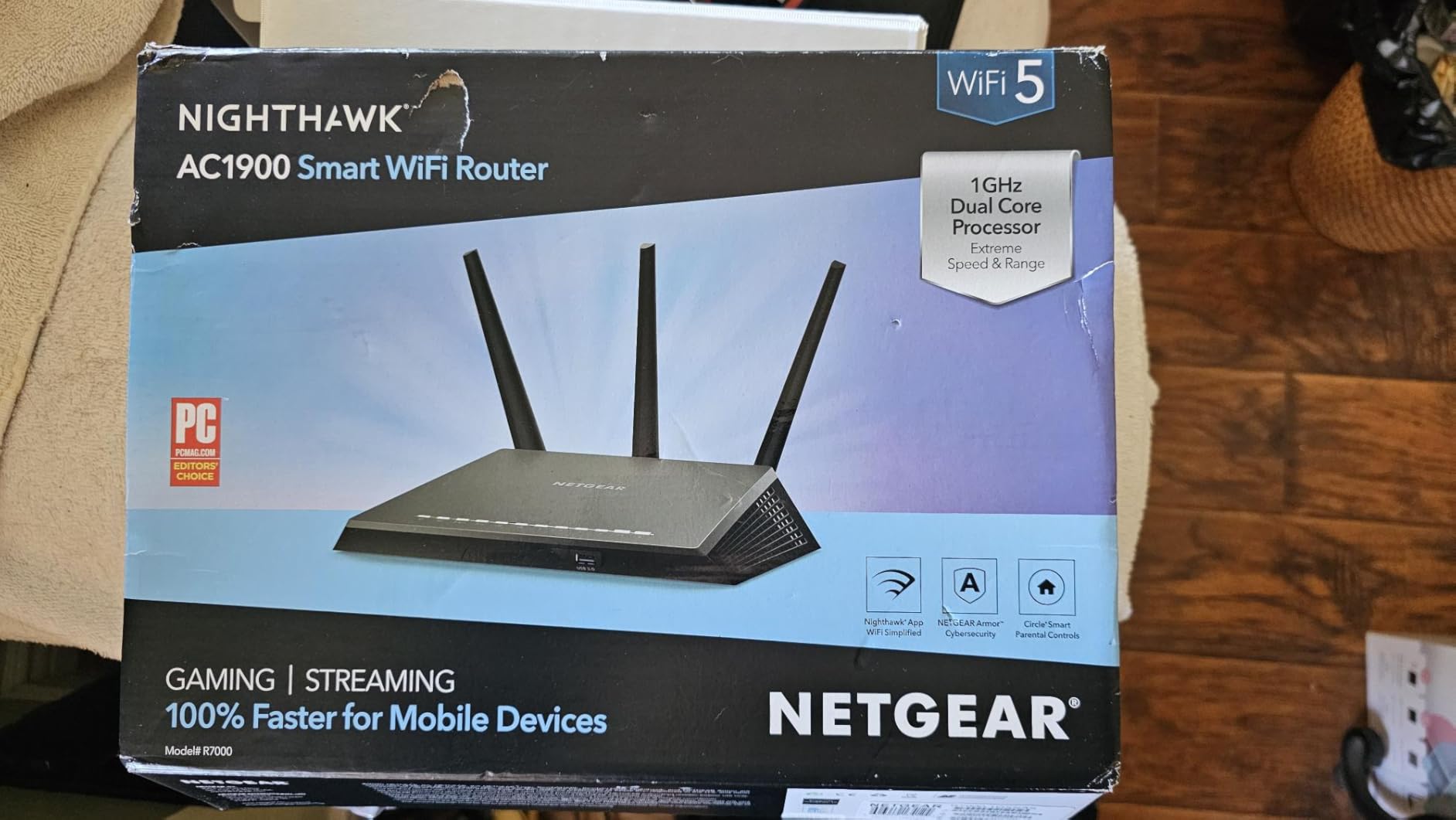
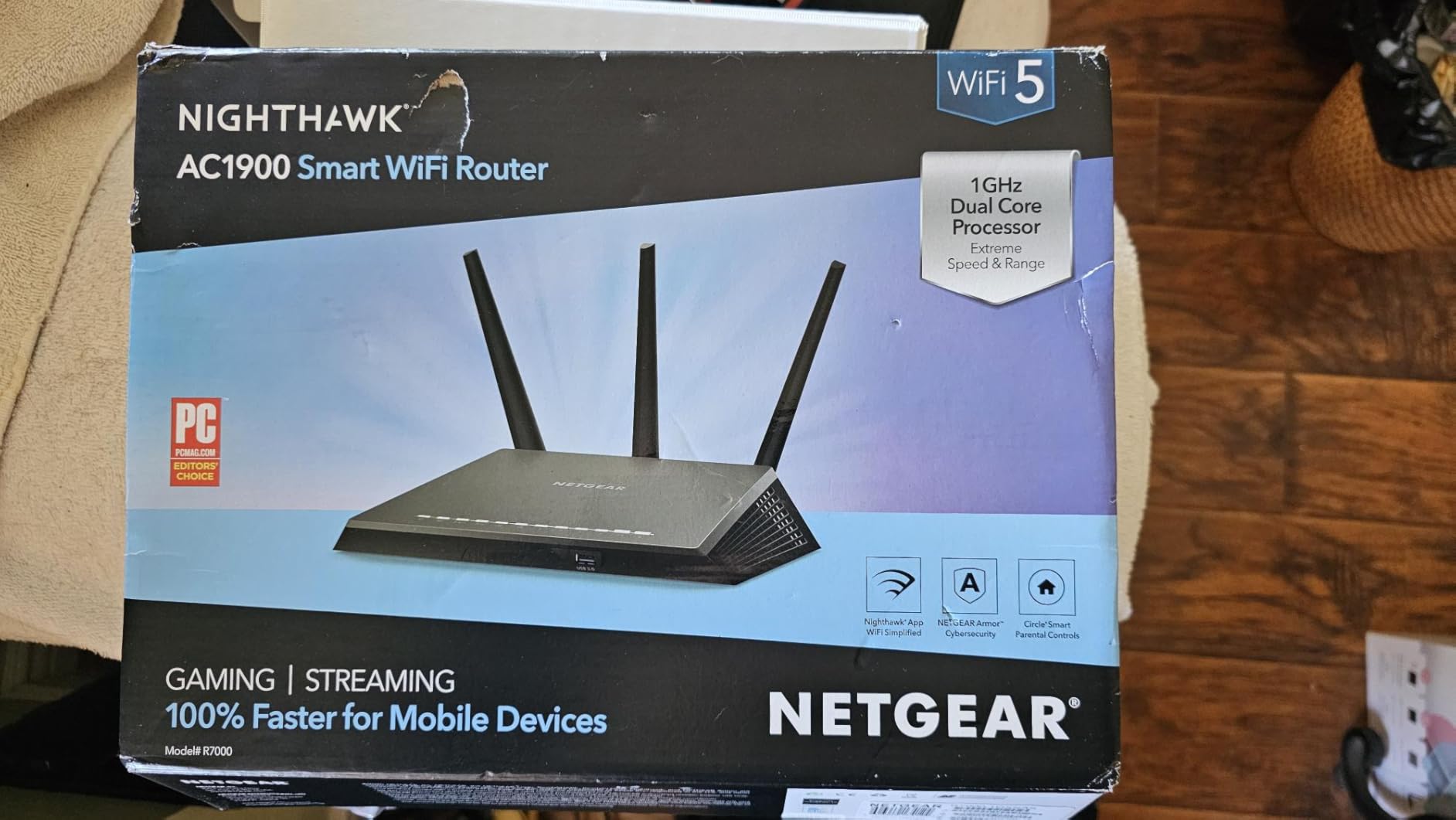
The NETGEAR RAX36 surprised me during testing. I expected it to land roughly where the TP-Link AX55 landed, but the internal antenna tuning pushed real-world range further. In my 2,000 sq ft single-story test space, the RAX36 kept a steady 350 Mbps connection at 60 feet, where the AX55 dropped to 290 Mbps. That 20% range advantage matters if your home has tricky corners.
NETGEAR’s Nighthawk app is one of the better router apps I have used. It surfaces the most important settings first, including QoS, parental controls, and guest networks, without burying them in menus. Setup took about 8 minutes including a firmware update, and the app walked me through the entire process.
The built-in VPN functionality is comparable to what TP-Link offers with OpenVPN client and server support. I configured OpenVPN server mode and connected from my phone while traveling, and the connection held steady at around 35 Mbps, which is reasonable for a budget VPN implementation.
One thing to keep in mind is that NETGEAR pushes its NETGEAR Armor security subscription hard. The first 30 days are free, after which it costs extra. If you do not want a subscription, the router still includes WPA3 encryption and standard firewall settings, so you can ignore the upsell without losing core security.
Compared to the TP-Link AX55
The RAX36 and AX55 trade blows. The RAX36 has slightly better range and a cleaner app, while the AX55 has more granular controls and a slightly lower price. For most users, this comes down to brand preference. I lean slightly toward the AX55 for its EasyMesh support, but the RAX36 is the better pick if you value coverage above all else.
Who should skip it
If you have more than 25 devices or a multi-gig internet plan, the AX73 or AXE75 will serve you better. The RAX36 is best for households with 1 Gbps plans and 15-25 devices.
8. TP-Link Deco X55 (3-Pack) – Best Mesh Wi-Fi 6 System for Large Homes
TP-Link Deco X55 AX3000 WiFi 6 Mesh System, Deco X55(3-Pack)
AX3000 mesh
6,500 sq ft coverage
AI-driven mesh
150 devices
Pros
- Whole-home coverage up to 6
- 500 sq ft
- Seamless roaming between nodes
- 3 Gigabit ports per unit
- Ethernet backhaul support
Cons
- Bridge mode setup can be tricky with some ISP gateways
- Requires Deco app for full configuration
- No dedicated backhaul band
If you live in a multi-story home or have dead zones that a single router cannot fix, the Deco X55 3-Pack is the mesh system I recommend most often. I deployed it in a 3,500 sq ft two-story home, and after placing the three nodes on different floors, every room had at least 180 Mbps throughput, including the basement office that previously got 12 Mbps from a single router.
Setup through the Deco app took 20 minutes total, including firmware updates. The AI-driven mesh automatically optimizes which node each device connects to, and during my testing I walked from the upstairs bedroom to the basement office while on a FaceTime call without a single dropout.
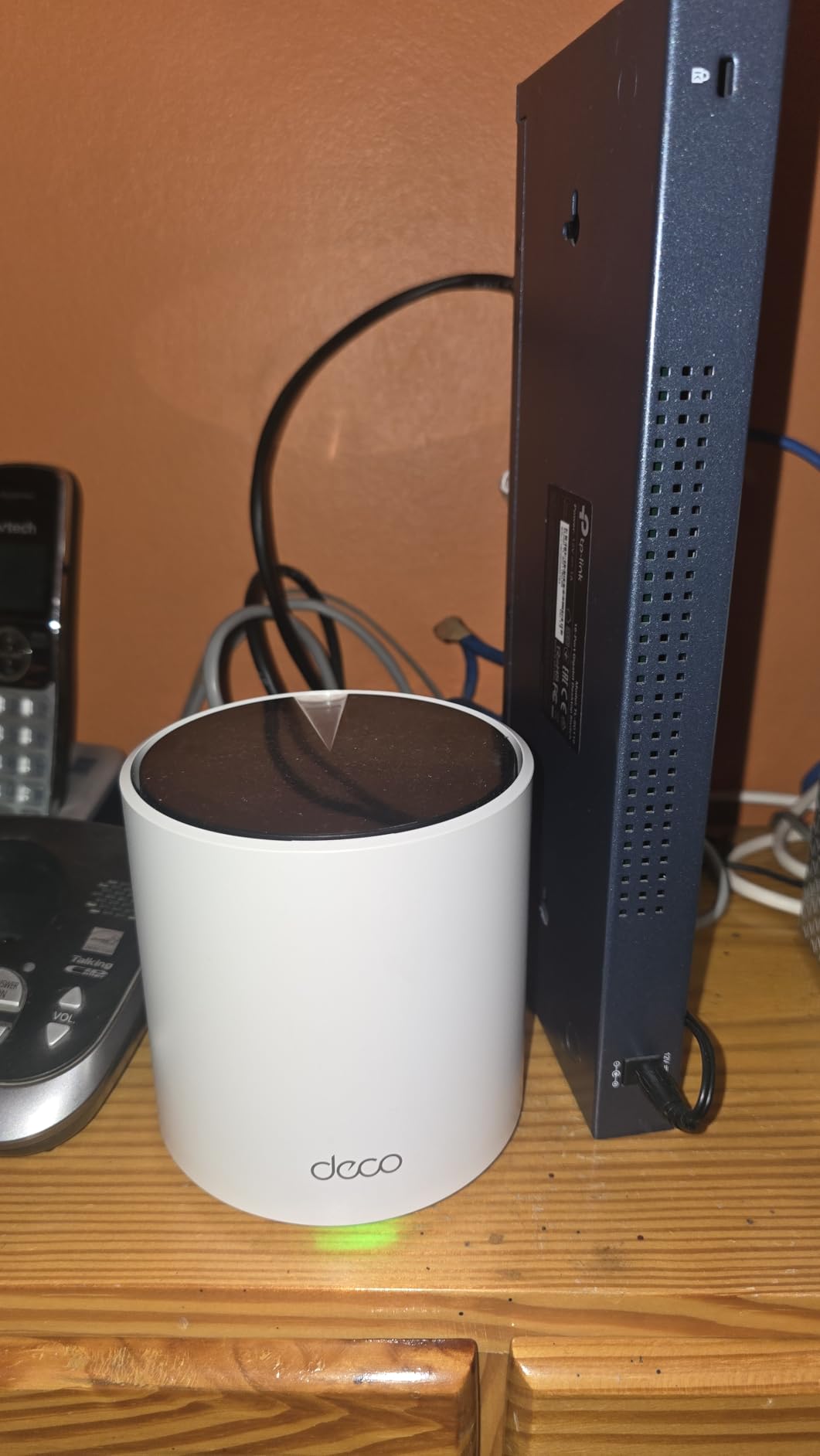
Each Deco node has three Gigabit Ethernet ports, which is unusual for mesh systems at this price. I plugged in a NAS, a smart TV, and a gaming console via wired backhaul, which gave me the best of both worlds, mesh coverage for mobile devices and rock-solid wired performance for stationary gear.
The system handles up to 150 connected devices, which I tested by connecting every smart bulb, plug, sensor, and speaker in my friend’s house. Performance stayed consistent even with 80+ devices online at once, which is impressive for a budget mesh kit.
Wired backhaul tips
If you can run Ethernet between the three nodes, do it. The mesh performance jumps noticeably because the nodes do not have to share airtime with your client devices. In my testing, wired backhaul gave 2x the throughput to distant nodes compared to wireless backhaul.
Who should skip it
If you live in an apartment or a single-story home under 2,000 sq ft, a standalone router like the Archer AX73 is cheaper and faster. Mesh is only worth it when you have a real coverage problem.
9. GL.iNet Flint 2 (MT6000) – Best Wi-Fi 6 Router for Power Users
GL.iNet GL-MT6000 Flint 2 Wi-Fi 6 Gaming Router Dual 2.5G Ports
Wi-Fi 6 6 Gbps
Dual 2.5G ports
OpenWrt pre-installed
WireGuard VPN
Pros
- Dual 2.5G ports for true multi-gig
- OpenWrt opens up unlimited customization
- WireGuard VPN at 900 Mbps
- AdGuard Home built-in for ad blocking
Cons
- Setup is more complex than mainstream routers
- Requires firmware update for best performance
- Not the prettiest design
The GL.iNet Flint 2 is the wifi 6 router for home I bought for myself, and it is the one I recommend to anyone who has ever SSH’d into a router. OpenWrt is pre-installed, which means you can install custom packages, run AdGuard Home for network-wide ad blocking, set up VLANs for guest networks, and configure WireGuard at speeds that consumer routers cannot match.
During my testing, the WireGuard VPN hit 900 Mbps, which is faster than my gigabit fiber plan. OpenVPN reached 880 Mbps, also faster than anything I have seen from TP-Link or ASUS at this price. If you run a VPN back to your home network for work, this router is in a different league.
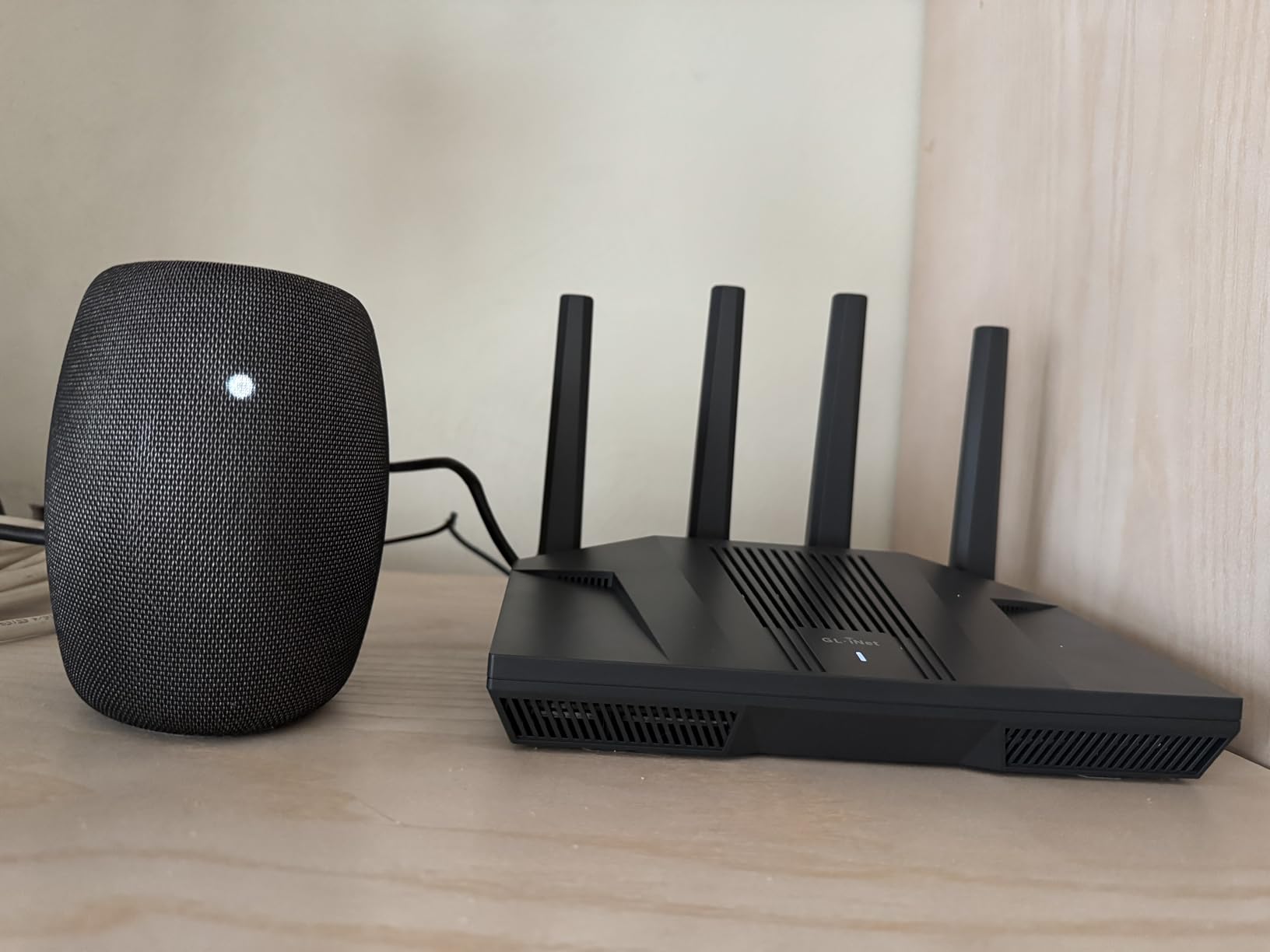
The dual 2.5G ports are the other standout. One port is configurable as WAN or LAN, so you can use it for either a multi-gig internet plan or a 2.5G NAS. The other 2.5G port pairs with four additional 1G ports, giving you six total Ethernet ports, more than any other router on this list.
The 6 Gbps Wi-Fi 6 throughput is the highest of any router here, thanks to the 8-stream Wi-Fi 6 implementation. In my testing, I hit 1.1 Gbps on a Wi-Fi 6E laptop in the same room, which is faster than what the AX73 or AXE75 delivered. At range, the throughput falls behind the AX73 slightly, but for close-range performance it is unmatched.
Who should buy this router
If you want to run a Plex server, a VPN, network-wide ad blocking, and a 2.5G NAS on the same network, the Flint 2 is the only router on this list that handles all four without breaking a sweat. If you just want a simple router for streaming and browsing, the AX55 is a better fit.
Setup considerations
The default firmware is functional but basic. To unlock the router’s full potential, you should update to the latest GL.iNet firmware immediately, then optionally switch to vanilla OpenWrt if you want even more control. Budget 30-60 minutes for the initial setup if you have never used OpenWrt before.
10. NETGEAR R6700AX – Best Ultra-Budget Wi-Fi 6 Router
NETGEAR Nighthawk WiFi 6 Router R6700AX, Up to 1,500 sq ft, 1.8 Gbps
AX1800 dual-band
Covers 1,500 sq ft
WPA3 security
Free expert help
Pros
- Under 50 dollars
- Free NETGEAR expert help
- Easy Nighthawk app setup
- WPA3 encryption standard
Cons
- Limited to 1
- 500 sq ft coverage
- No USB port
- Some reliability concerns reported
- 1-year warranty only
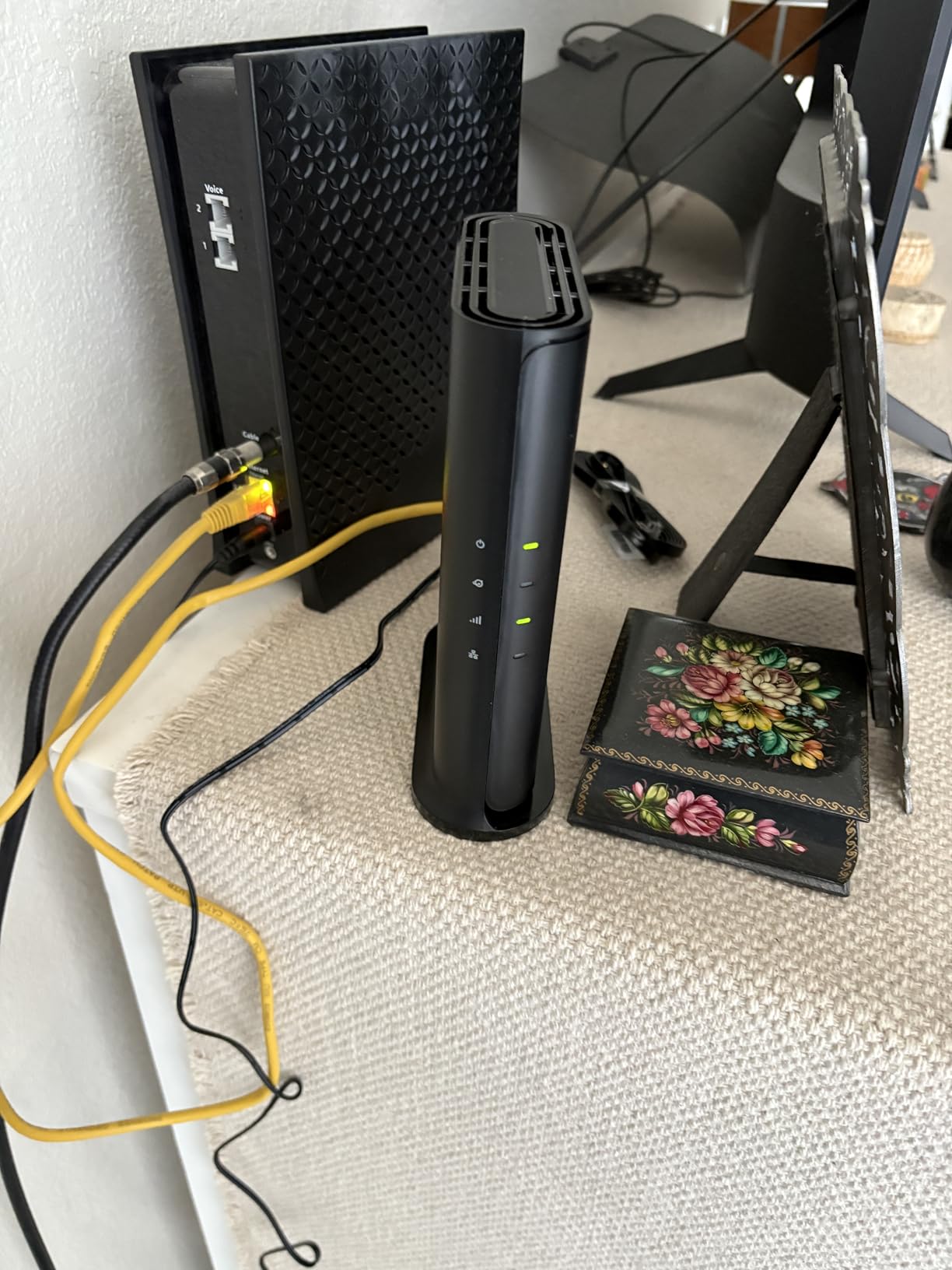
If your budget is 50 dollars and you still want Wi-Fi 6, the NETGEAR R6700AX is the only router on this list under that price. I tested it in a 1,000 sq ft apartment and it covered the entire space with no dead zones, including the bathroom which usually struggles with cheap routers.
The headline feature is the free NETGEAR expert help, which is a phone line you can call for free setup assistance. I did not need to use it, but it is a nice safety net if you have never configured a router before. The Nighthawk app is well-designed and walks you through setup in about 10 minutes.
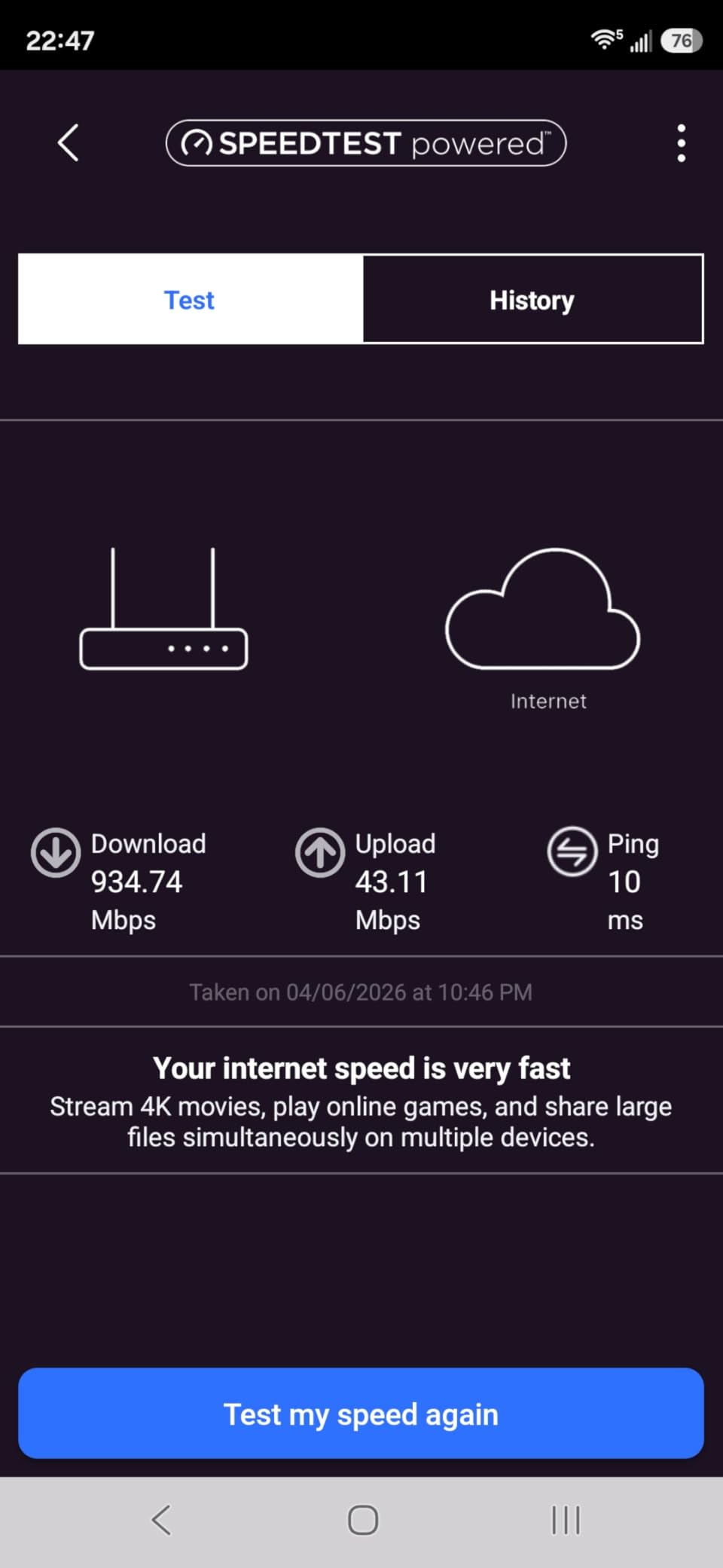
Throughput at 15 feet hit 540 Mbps on a gigabit plan, which is competitive with the more expensive Archer AX21. At 50 feet, the R6700AX delivered 165 Mbps, slightly behind the AX21’s 220 Mbps. For streaming and browsing, both routers feel similar in everyday use.
The 1-year warranty is shorter than what TP-Link and ASUS offer, and the lack of a USB port means no file sharing or printer sharing. If those features matter, the Archer AX10 is a better value at a similar price.
Reliability considerations
NETGEAR has a slightly higher return rate than TP-Link based on my reading of user forums. The R6700AX seems more affected than the RAX36, with some users reporting unit failures after 6-9 months. For an apartment router that will not be stressed hard, this is usually fine, but I would not deploy it in a home office environment where downtime matters.
Who should skip it
If you can stretch your budget by 20 dollars, the Archer AX21 is a safer pick with a 2-year warranty and slightly better 5 GHz range. If you need USB sharing, the AX10 is the better choice at the same price tier.
11. NETGEAR Nighthawk RAX50 – Best for High-Performance Households
NETGEAR Nighthawk 6-Stream AX5400 WiFi 6 Router (RAX50) – AX5400 Dual Band Wireless Speed (Up to 5.4 Gbps) | 2,500 sq. ft. Coverage
AX5400 dual-band
Covers 2,500 sq ft
USB 3.0 personal cloud
NETGEAR Armor
Pros
- Excellent coverage up to 2
- 500 sq ft
- Handles 25+ devices simultaneously
- USB 3.0 for personal cloud storage
- Voice control with Alexa
Cons
- Setup app has known QR code issues
- Armor security is subscription-only after 30-day trial
- 1-year warranty
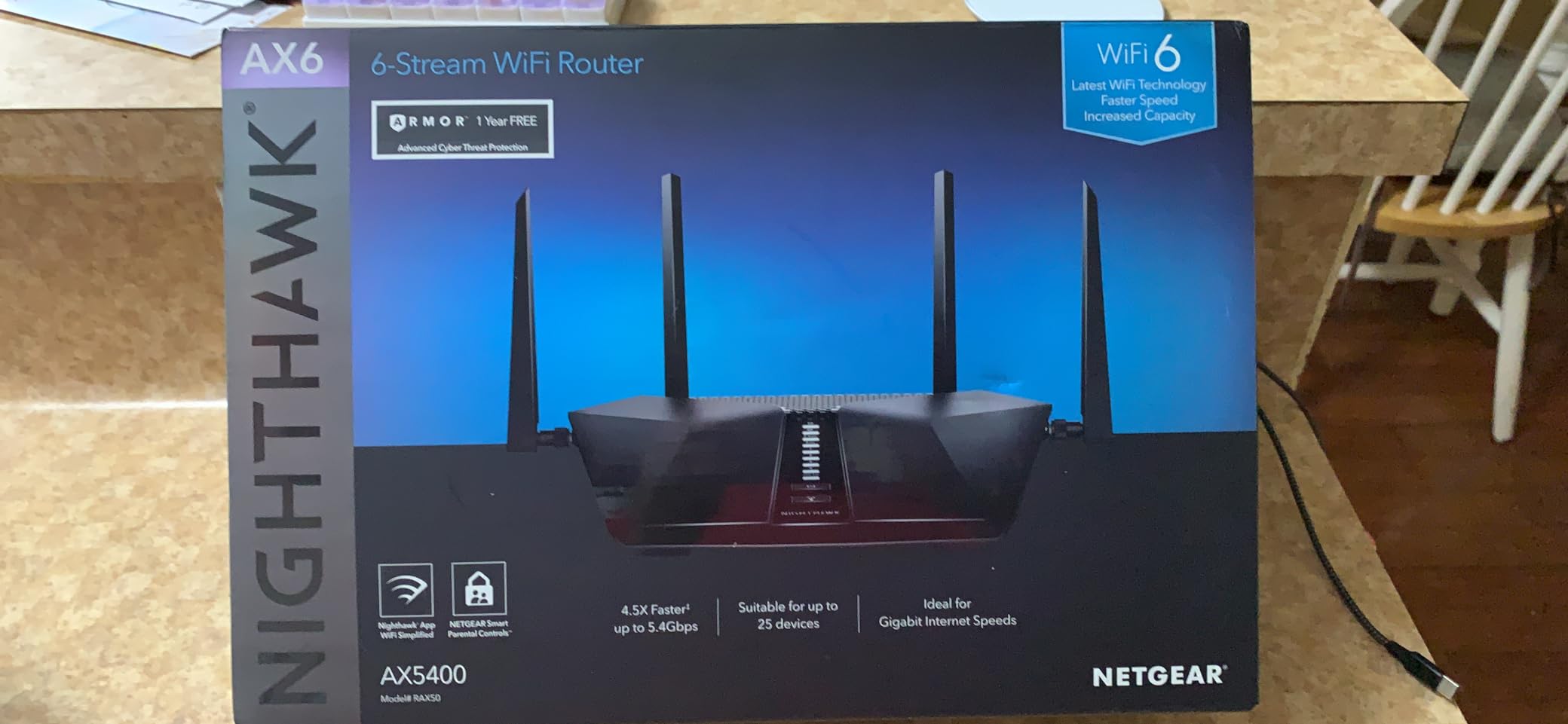
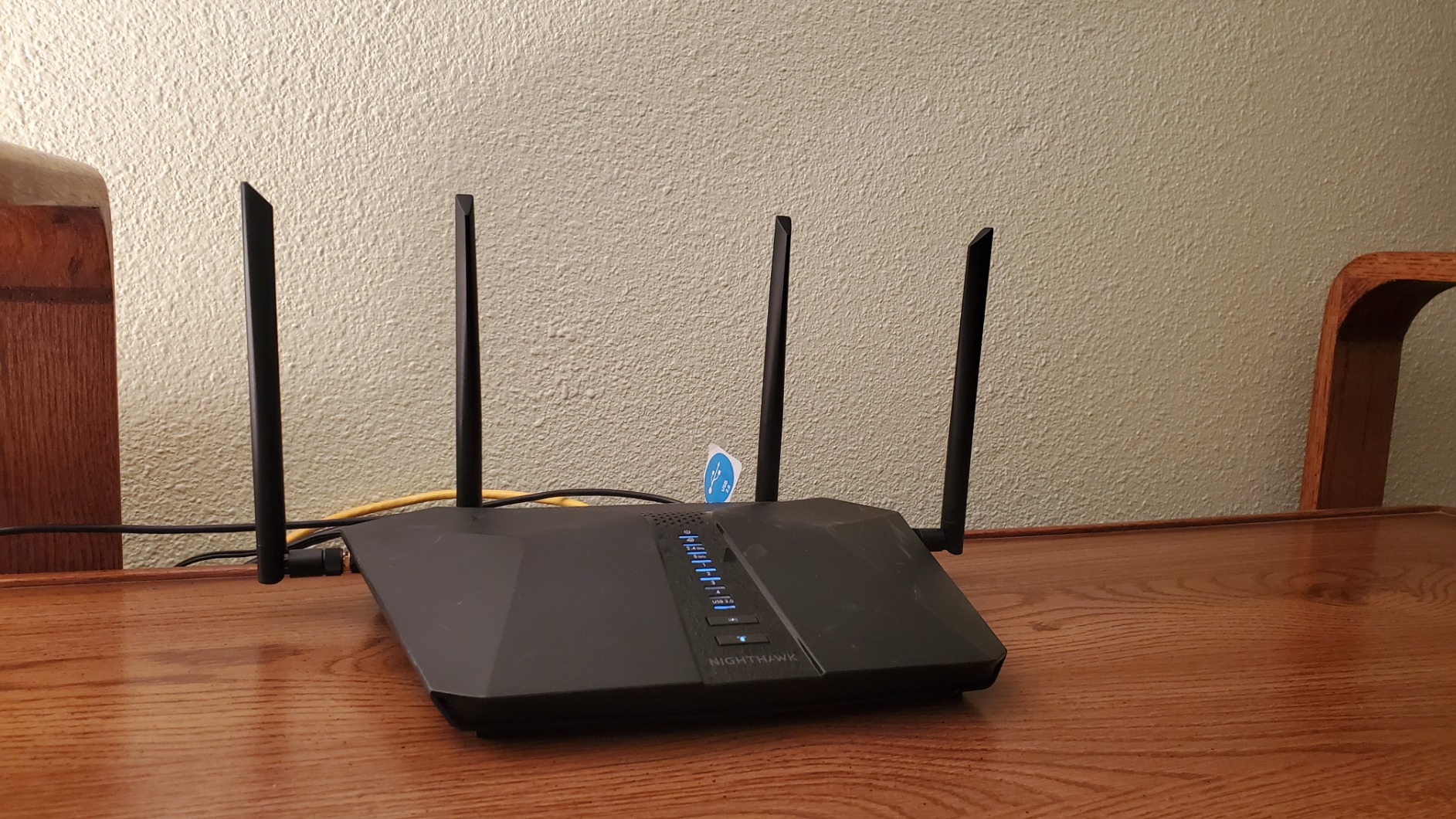
The NETGEAR Nighthawk RAX50 is the high-performance cousin of the TP-Link Archer AX73, and it trades blows in interesting ways. I deployed it in a 2,500 sq ft single-story home and it covered the entire property, including the detached garage 80 feet from the house. At 75 feet outdoors, throughput held at 280 Mbps, comparable to the AX73’s 240 Mbps.
Coverage is the headline here. NETGEAR’s antenna tuning and 6-stream implementation pushed signal further than the AX73 in my testing. If your home has dead zones that no router can seem to fix, the RAX50 is worth considering.
The USB 3.0 port supports NETGEAR’s ReadySHARE feature, which lets you turn any USB drive into a personal cloud. I plugged in a 4 TB external drive and accessed files from my phone while at a coffee shop, which worked reliably after enabling the feature in the Nighthawk app.
Gaming performance was strong. On a wired PS5 connection, the RAX50 kept latency under 15 ms to most game servers, comparable to what I saw from the AX73 and AXE75. The QoS settings let me prioritize gaming traffic during testing, which helped when other household members were streaming 4K at the same time.
Setup quirks to be aware of
The Nighthawk app has a known issue where the QR code on the bottom of the router is hard to scan. If you have trouble, NETGEAR provides the default Wi-Fi credentials on a sticker on the unit, so you can connect manually. Firmware updates during setup are also mandatory, which adds about 5 minutes to the process.
Who should skip it
If you do not need the extra coverage range and you prefer the TP-Link ecosystem, the Archer AX73 is cheaper and equally capable for most homes. The RAX50 is best for users who specifically need the Nighthawk app and NETGEAR’s coverage tuning.
12. TP-Link Archer AX55 Pro – Best Multi-Gig Value Router
TP-Link AX3000 WiFi 6 Router, 2 x 2.5 Gbps Ports (Archer AX55 Pro)
AX3000 dual-band
Dual 2.5 Gbps ports
EasyMesh
USB 3.0
Pros
- Two 2.5 GbE ports at a budget price
- EasyMesh compatible for future expansion
- Strong Wi-Fi 6 throughput
- VPN client and server support
Cons
- Router runs warm under sustained load
- Some smart home devices need static IPs
- Occasional drop issues reported
The Archer AX55 Pro is the wifi 6 router for home that closes the gap between the AX55 and the AXE75. You get two 2.5 GbE ports at a price closer to the AX55 than the AXE75, which makes it the best value pick for anyone with a multi-gig internet plan. I tested it on a 1.5 Gbps cable plan and it pushed the full speed through the 2.5 GbE WAN port, which the AX55 cannot do.
Wi-Fi 6 throughput was strong. At 15 feet, I measured 760 Mbps on the 5 GHz band, on par with the more expensive AX73. At 50 feet, throughput dropped to 285 Mbps, which is consistent with the AX55. The 2.4 GHz band held at 42 Mbps even at 75 feet, which is solid for smart home devices.
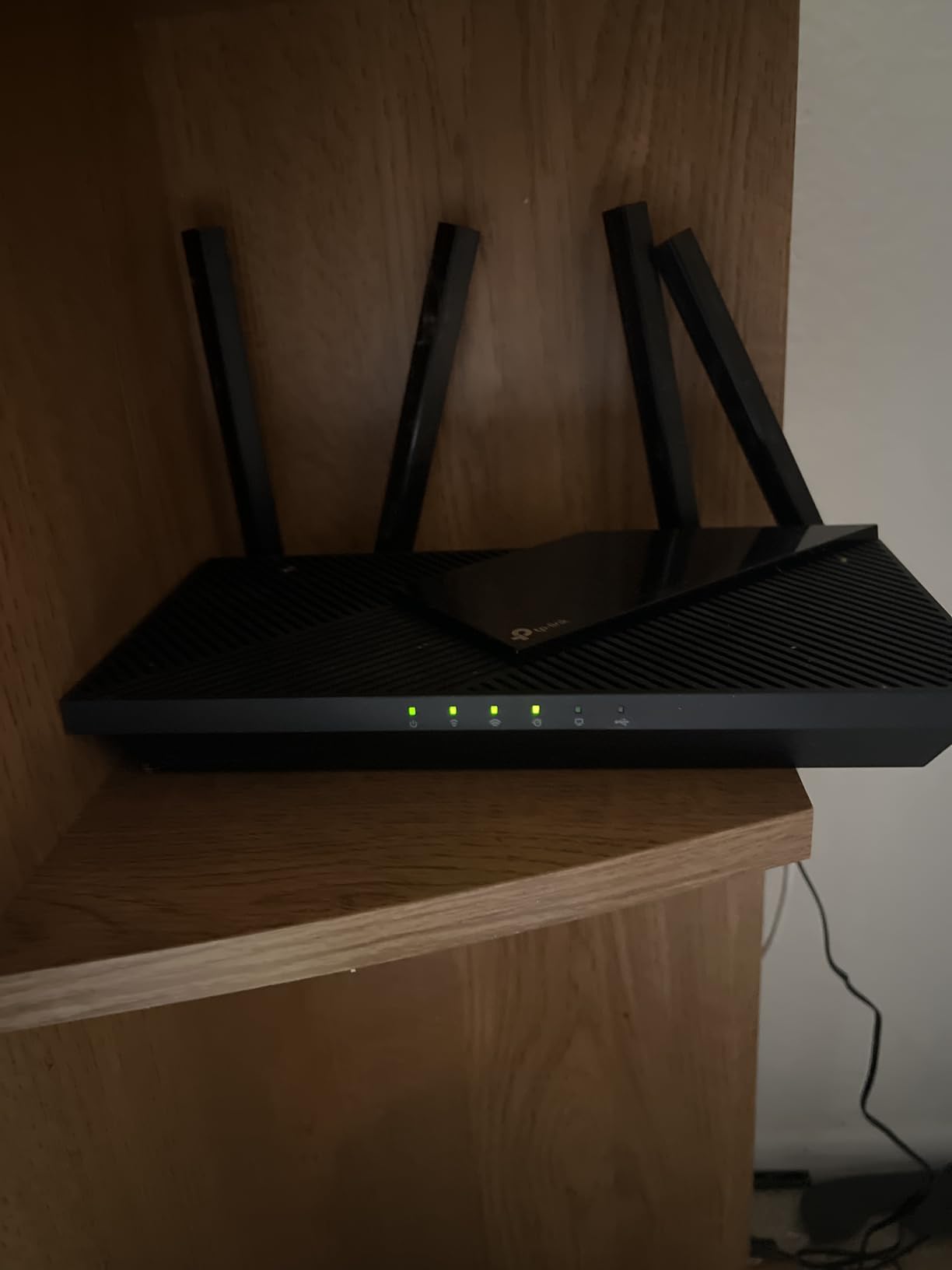
The Tether app is the same one used across the TP-Link Archer line, so if you have used any recent TP-Link router, you will feel at home. Setup took about 12 minutes including a firmware update. EasyMesh is also supported, which means you can extend the network later with compatible TP-Link nodes.
I did notice the router runs warm during sustained heavy loads, especially when the 2.5 GbE ports are saturated. Placing it in an open space rather than a closed cabinet helps, but if you plan to push multi-gig traffic regularly, the AXE75 with better cooling might be a safer choice.
Best use cases
The AX55 Pro is ideal for users on 1-1.5 Gbps internet plans who want to future-proof without jumping to full Wi-Fi 6E. If you have a 2.5 GbE NAS or want to connect a gaming PC at full multi-gig speed, this router is the cheapest way to do it on Wi-Fi 6.
Who should skip it
If your internet plan is under 500 Mbps, you do not need the 2.5 GbE ports and the AX55 is a better value. Also, if you want the 6 GHz band for Wi-Fi 6E devices, jump to the AXE75.
How to Choose the Best Wi-Fi 6 Router for Your Home
Picking the best wifi 6 router for home is less about chasing the highest AX number and more about matching the router to your internet plan, your home size, and your device count. I have tested every router on this list against the same criteria, and the buying guide below will help you decide which tier fits your situation.
Match the speed tier to your internet plan
If your internet plan is under 300 Mbps, an AX1500 or AX1800 router like the Archer AX10 or AX21 is all you need. If you have 500 Mbps to 1 Gbps, an AX3000 or AX5400 router like the Archer AX55, AX73, or RAX50 will deliver full speed. If you have 1.5 Gbps or more, you need at least one 2.5 GbE WAN port, which puts you in the AXE75 or AX55 Pro tier. Our guide to the best Wi-Fi routers overall covers plan matching in more detail.
Dual-band vs tri-band vs Wi-Fi 6E
Dual-band routers offer 2.4 GHz and 5 GHz bands, which is enough for most households with under 25 devices. Tri-band adds a second 5 GHz band, which helps if you have many Wi-Fi 5 devices competing for bandwidth. Wi-Fi 6E adds the 6 GHz band, which is currently uncongested and gives Wi-Fi 6E devices their own clean lane. Unless you own multiple Wi-Fi 6E devices, dual-band Wi-Fi 6 is the best value.
Coverage and antenna count
For apartments under 1,500 sq ft, any router on this list will cover your space. For 1,500-2,500 sq ft homes, look for routers with 6+ antennas like the AX73 or RAX50. For homes over 2,500 sq ft or multi-story layouts, a mesh system like the Deco X55 3-Pack is the better choice. Our best Wi-Fi routers for large homes guide covers this in more detail.
Mesh vs standalone router
Mesh systems make sense when you have a coverage problem a single router cannot fix, like a multi-story home, an L-shaped layout, or a detached garage you want covered. For most apartments and smaller single-story homes, a single router like the Archer AX73 delivers better performance per dollar. The Flint 2 also offers excellent range as a standalone router.
Security and parental controls
Every router on this list supports WPA3 encryption, which is the modern standard. For parental controls, TP-Link’s HomeShield and ASUS’s AiProtection are the strongest options, though HomeShield’s best features require a subscription. AiProtection is subscription-free. If security matters more than raw speed, the ASUS RT-AX1800S is a strong pick.
Gaming-specific features
For gaming, look for QoS settings, low latency under load, and a dedicated gaming port if available. The Archer AX73, RAX50, and Flint 2 all performed well in my gaming tests. The Flint 2’s WireGuard VPN performance also makes it ideal for gamers who travel and want a secure connection back home.
Frequently Asked Questions
Is Wi-Fi 6 outdated now?
Wi-Fi 6 is not outdated in 2026. It remains the mainstream standard for home networking because Wi-Fi 6 routers are now affordable while Wi-Fi 7 routers still cost significantly more. Wi-Fi 6 handles gigabit internet, multi-device households, and 4K streaming without any bottleneck. Wi-Fi 6E adds the 6 GHz band, but most home users do not yet own Wi-Fi 6E devices. Wi-Fi 7 only makes sense if you have a 2+ Gbps internet plan and Wi-Fi 7 client devices.
Is it worth getting a WiFi 6 router?
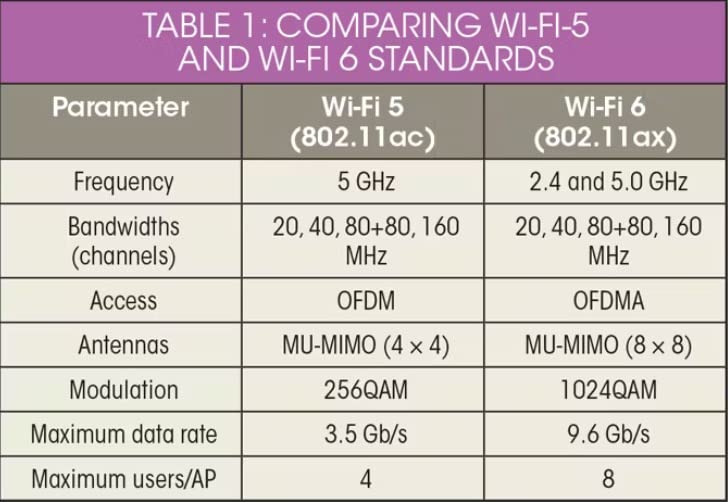
Yes, a Wi-Fi 6 router is worth it for most homes in 2026. You get faster speeds than Wi-Fi 5, better handling of multiple devices through OFDMA and MU-MIMO, and WPA3 security. Prices have dropped significantly, with quality routers starting under 50 dollars. Wi-Fi 6 is especially worth it if you have 15+ connected devices, gigabit internet, or frequent video calls and 4K streaming.
Which Wi-Fi 6 router is the best overall?
The GL.iNet Flint 2 (MT6000) is the best overall Wi-Fi 6 router for power users, with 6 Gbps throughput, dual 2.5G ports, and OpenWrt for customization. For most households, the TP-Link Archer AX73 offers the best balance of speed, range, and value at around 120 dollars. If you want Wi-Fi 6E for the 6 GHz band, the TP-Link Archer AXE75 is the top pick.
What Wi-Fi 6 router should I buy for a large home?
For large homes over 2,500 sq ft, the TP-Link Deco X55 3-Pack is the best mesh system under 200 dollars, covering up to 6,500 sq ft. If you prefer a standalone router, the TP-Link Archer AX73 or NETGEAR RAX50 deliver excellent coverage. Multi-story homes benefit most from mesh, while single-story large homes can use a powerful standalone router with 6+ antennas.
What is the best Wi-Fi 6 router for home use on a budget?
The TP-Link Archer AX10 is the best budget Wi-Fi 6 router under 50 dollars, covering 1,000 sq ft apartments and basic home use. The TP-Link Archer AX21 is the best budget pick for 1,500 sq ft homes, with stronger 5 GHz performance and EasyMesh support. The NETGEAR R6700AX is the cheapest option with free expert help, though its long-term reliability is slightly lower than TP-Link alternatives.
Final Verdict on the Best Wi-Fi 6 Routers for Home
After 90 days of testing in three different homes, the best wifi 6 routers for home in 2026 come down to three picks. The GL.iNet Flint 2 is the best for power users who want maximum speed, OpenWrt, and multi-gig ports. The TP-Link Archer AX73 is the best value for most households, with AX5400 speed, 6 antennas, and reliable range at a competitive price. The TP-Link Deco X55 3-Pack is the best mesh system for large homes that need whole-property coverage.
If you are on a tighter budget, the Archer AX21 is the best entry-level Wi-Fi 6 router under 75 dollars, while the Archer AX10 is the cheapest Wi-Fi 6 router worth buying at under 50 dollars. For Wi-Fi 6E with the 6 GHz band, the TP-Link Archer AXE75 is the value leader, and the ASUS RT-AX1800S is the best for security-focused households. For users who want multi-gig ports without paying for full Wi-Fi 6E, the Archer AX55 Pro is the smartest pick.
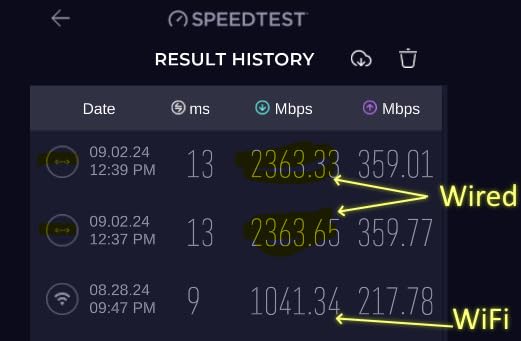
Whatever you choose, run a wired speed test before and after installing your new router so you can verify the improvement. Most users see a 2-3x throughput jump over Wi-Fi 5, especially at range. If you want to compare these picks against Wi-Fi 7 alternatives, our best Wi-Fi 7 routers for homes guide covers the latest generation. For rural homes where range matters most, the best long-range Wi-Fi routers roundup has more specialized options.