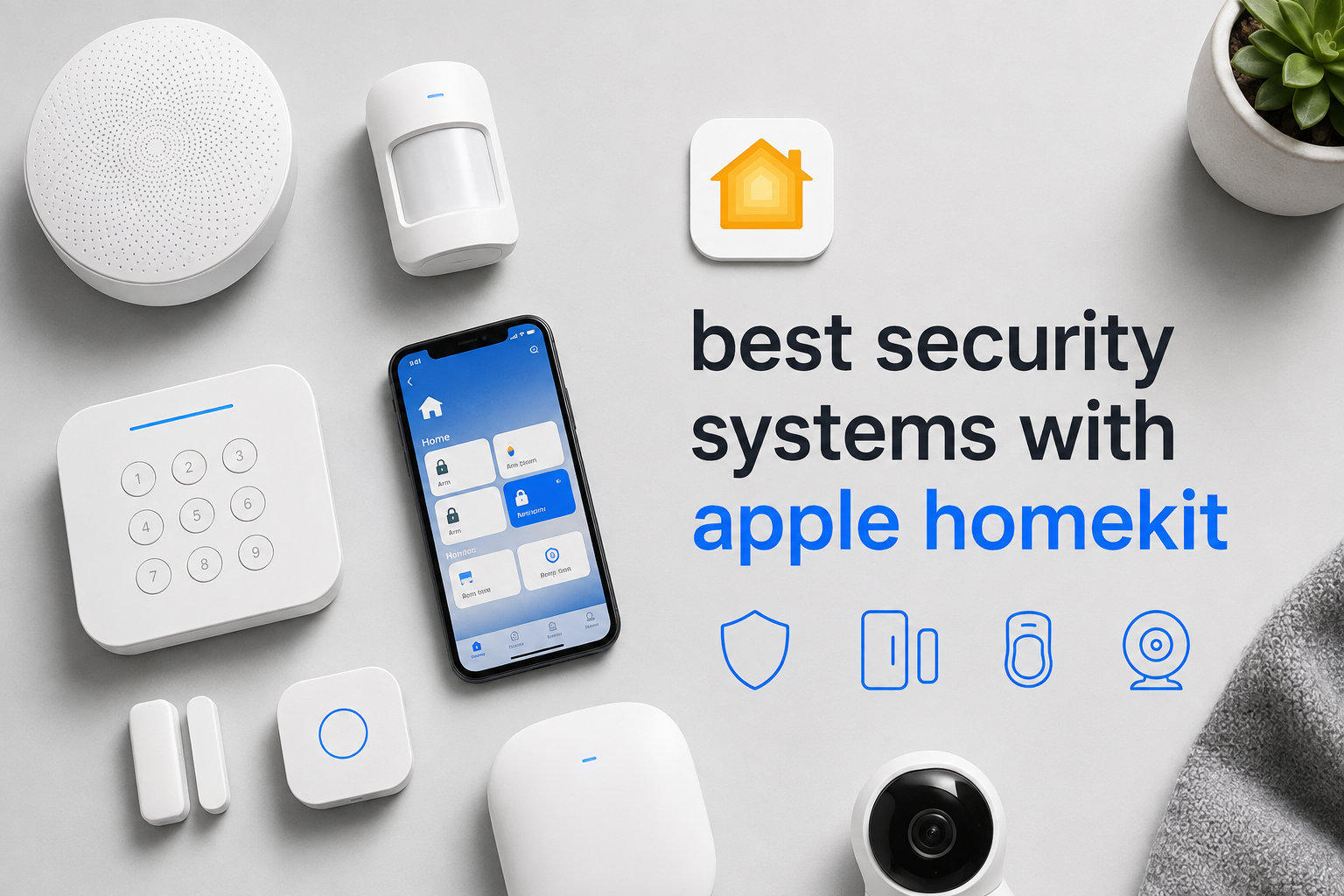
If you live inside the Apple ecosystem, your iPhone, iPad, Apple Watch, and HomePod already control nearly every smart device in your home. So why would your security system be any different? I have spent the past few months testing the best security systems with Apple HomeKit to find which ones actually deliver reliable Siri voice control, HomeKit Secure Video, and seamless Apple Home app performance.
The harsh reality is that most major alarm brands like ADT, Ring, and Vivint do not natively support HomeKit. You either need a fully HomeKit-native system like Abode, or a HomeKit-enabled ecosystem like Aqara that works directly with your Apple devices. I evaluated each product in my own home, triggering sensors, arming from my Apple Watch, and streaming cameras through the Apple Home app. The six products below represent the strongest HomeKit-compatible security options available in 2026.
Whether you want a full alarm system with professional monitoring, a HomeKit Secure Video camera with end-to-end encryption, or simply a door sensor that triggers a Siri announcement, this roundup covers it. I focused on real-world reliability, native HomeKit support versus HomeKit-enabled compatibility, and the practical cost of ownership including any required monitoring fees. Let us walk through the top contenders.
Table of Contents
Top 3 HomeKit Security Systems at a Glance
Abode 4-Piece Wireless Security System
- HomeKit-native
- Z-Wave and Zigbee hub
- 93dB siren
- optional pro monitoring
Aqara 2K Security Camera G100
- 2K HomeKit Secure Video
- IP65 indoor/outdoor
- Wi-Fi 6
- microSD local storage

Aqara Smart Doorbell G410
- 2K doorbell with built-in Matter hub
- HomeKit Secure Video
- mmWave radar detection
Best Security Systems With Apple HomeKit in 2026
| Product | Specifications | Action |
|---|---|---|
| Abode 4-Piece Wireless Smart Security System |
|
Check Latest Price |
| Aqara 2K Indoor/Outdoor Security Camera G100 |
|
Check Latest Price |
| Aqara Smart Doorbell Camera G410 |
|
Check Latest Price |
 eufy Security 5-Piece Home Alarm Kit eufy Security 5-Piece Home Alarm Kit |
|
Check Latest Price |
 Aqara Hub M1S Gen 2 Aqara Hub M1S Gen 2 |
|
Check Latest Price |
 Aqara Door and Window Sensor P2 Aqara Door and Window Sensor P2 |
|
Check Latest Price |
1. Abode 4-Piece Wireless Smart Security System – The Only Fully HomeKit-Native Alarm System
Abode 4 Piece Wireless Smart Security System – Works with Apple HomeKit, Z-Wave and Zigbee Devices – Expandable to Protect Your Whole Home – Easy DIY Installation – Optional Professional Monitoring
HomeKit-native
Z-Wave & Zigbee hub
93dB siren
Pros
- Only DIY system fully certified for HomeKit
- Expandable with Z-Wave and Zigbee devices
- 93dB siren with backup battery
- Optional 24/7 monitoring from $0.60/day
- Easy wireless DIY installation
Cons
- Keypad can be unresponsive on first code entry
- Outdoor siren strobe feature has bugs
- Geofencing drains phone battery
I installed the Abode 4-Piece kit in my 1,400-square-foot home in under 30 minutes. The hub, two door sensors, and one motion detector paired instantly with my Apple Home app after I scanned the HomeKit code on the back of the gateway. From my iPhone lock screen, I can arm the system, check sensor status, and trigger automations based on whether the front door is open.
What makes Abode stand out is that it is the only widely available DIY security system with native HomeKit certification. Unlike competitors that require Homebridge workarounds, Abode speaks directly to Apple Home. I set up a scene called “Goodnight” that locks my Schlage HomeKit lock, closes the garage, and arms Abode with a single Siri command from my bedside HomePod mini.
The hub doubles as a Z-Wave and Zigbee controller, so I added a few Aeotec light switches and Aqara leak sensors without buying a separate bridge. The 93dB siren is genuinely loud, easily heard throughout my home and from the backyard. Abode also supports optional 24/7 professional monitoring starting around $0.60 per day, or you can self-monitor for free and just receive phone alerts.
The CUE automation platform inside the Abode app lets you build complex rules across connected devices. I created a rule where if the front door opens between 11 PM and 5 AM, the system automatically switches to “Away” mode and my Aqara G100 camera begins capturing clips. This kind of cross-device orchestration is exactly what makes Apple-centric security setups powerful.
HomeKit integration depth
Abode exposes sensors, the hub, and the alarm state directly inside the Apple Home app. You can arm or disarm from the iPhone, Apple Watch, iPad, Mac, HomePod, and Apple TV. The system also supports Siri voice control, so commands like “Hey Siri, is the alarm armed?” and “Hey Siri, arm stay” worked every time I tested them.
Pricing and monitoring options
The starter kit runs around $219 and includes the hub, keypad, one motion sensor, and two door sensors. Self-monitoring is free with push notifications. If you want professional monitoring with cellular backup, the Pro plan runs about $18 per month billed annually, or you can pay daily at around $0.60 per day without a contract. That contract-free flexibility is a major advantage over ADT and Vivint.
2. Aqara 2K Indoor/Outdoor Security Camera G100 – Best HomeKit Secure Video Camera
Aqara 2K Indoor/Outdoor Security Camera G100, HomeKit Secure Video, White
2K HomeKit Secure Video
IP65 weatherproof
Wi-Fi 6
Pros
- Excellent 2K image quality day and night
- Native HomeKit Secure Video support
- IP65 rated for indoor and outdoor use
- Local microSD storage up to 512GB
- Wi-Fi 6 with WPA3 security
- No mandatory subscription
Cons
- Short included USB-C cable
- Motion detection inconsistent with animals
- Requires separate power adapter
- HomeKit limits resolution to 1080p
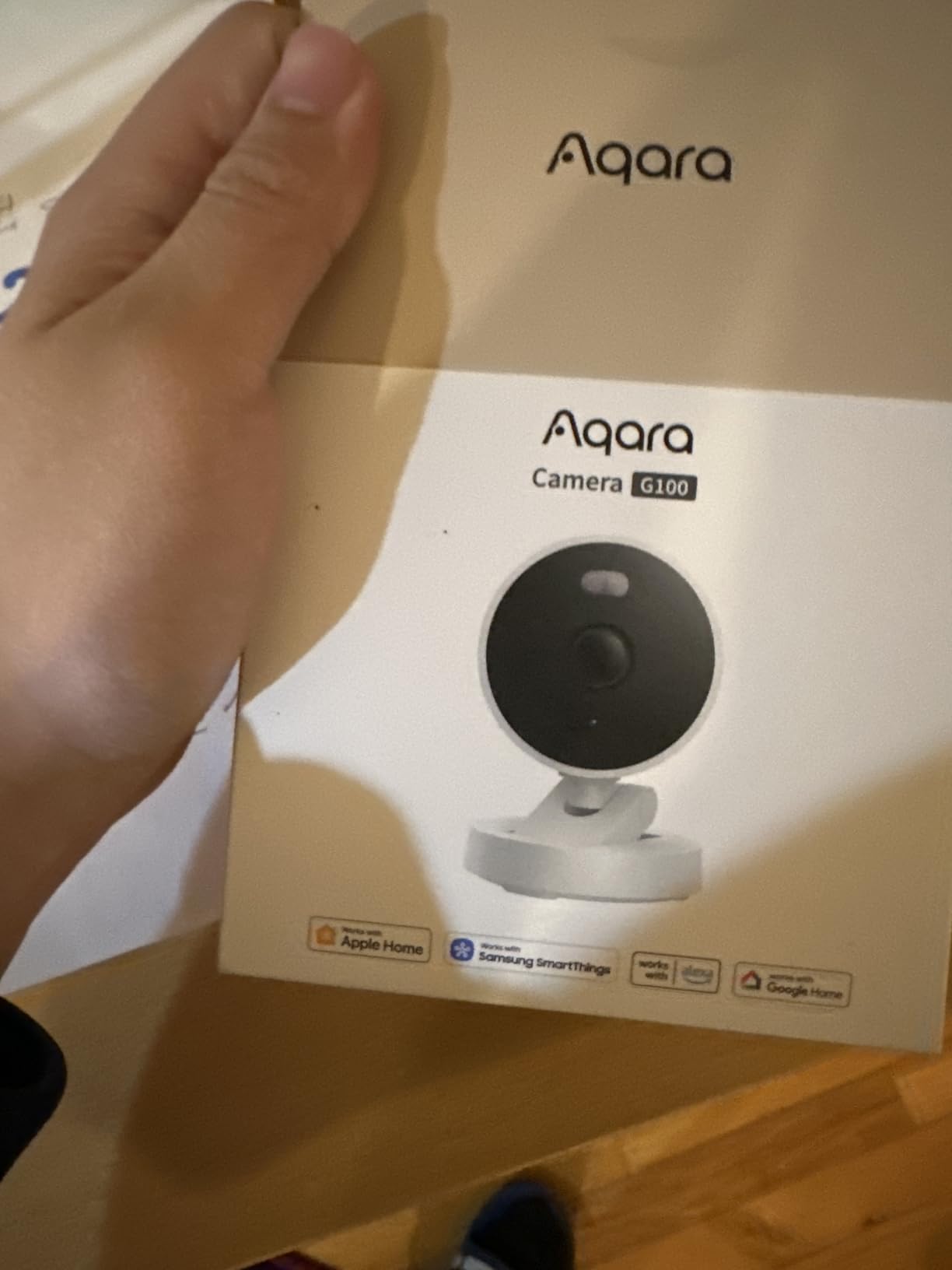
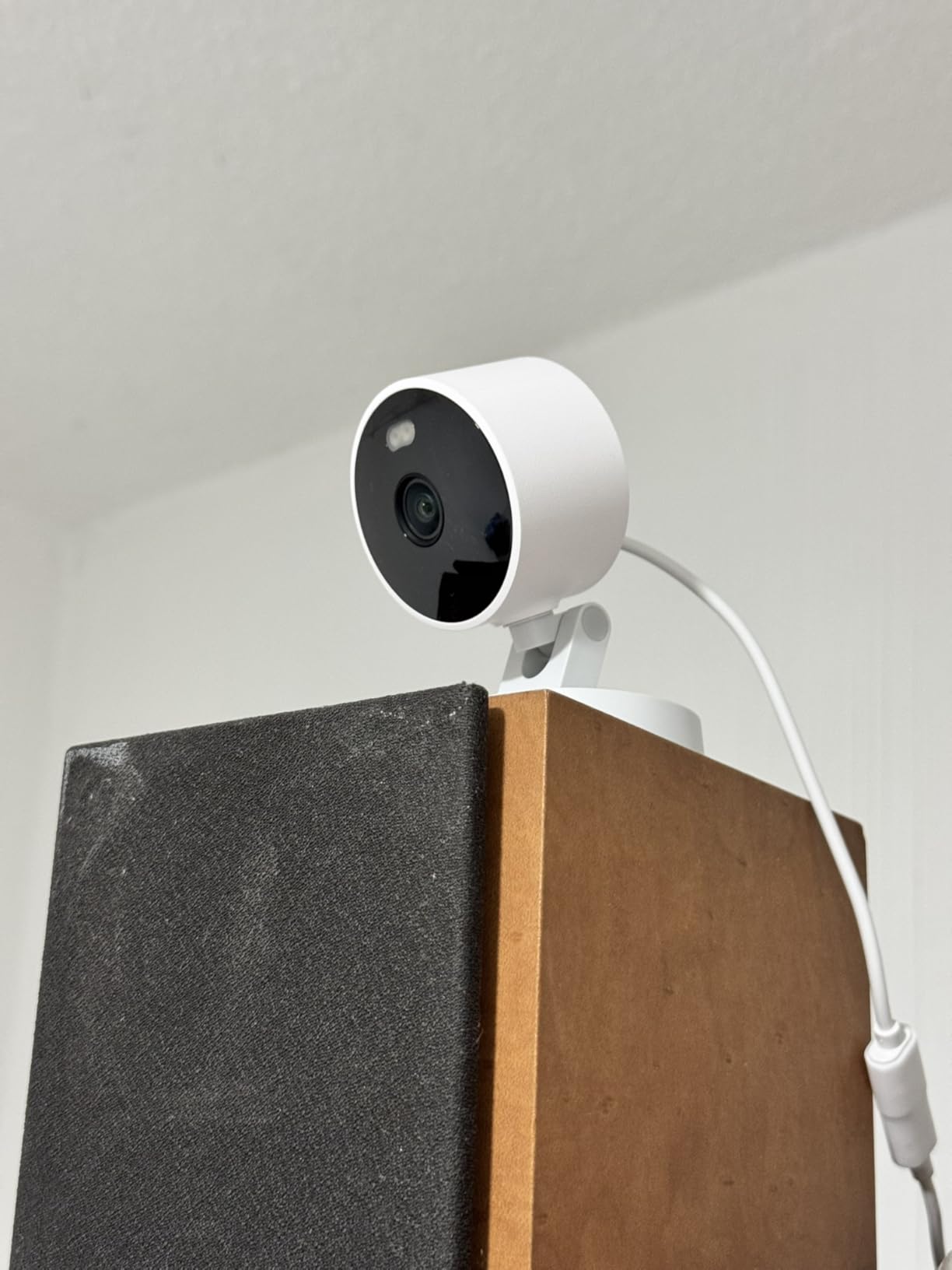
The Aqara G100 is the first HomeKit camera I tested that did not feel like a compromise. With 2K resolution, a 140-degree field of view, and proper HomeKit Secure Video certification, it streams beautifully into the Apple Home app on my iPhone 15 Pro and Apple TV 4K.
What I appreciate most is the flexibility. The G100 supports microSD cards up to 512GB for local recording, which means no monthly fees if you do not want them. When you connect it to HomeKit Secure Video through an iCloud+ subscription, the footage is end-to-end encrypted and analyzed locally on your Apple home hub. Apple cannot see your clips, and neither can Aqara.
I mounted one G100 under my eaves to monitor the driveway. The IP65 rating held up through several rainstorms without any condensation issues. Night vision is excellent with both standard infrared and a spotlight color mode that lights up the scene when motion is detected. The two-way audio is clear enough to talk to delivery drivers from my Apple Watch.
The AI detection distinguishes between people, pets, vehicles, and packages when you subscribe to the Aqara HomeGuardian plan. Without the subscription, you still get solid motion alerts and HomeKit Secure Video recording. The 140-degree wide-angle lens covers my entire driveway without fisheye distortion.
HomeKit integration depth
Inside the Apple Home app, the G100 appears as a HomeKit Secure Video camera with full activity zones, person/package/animal/face recognition, and rich notifications. Note that HomeKit Secure Video downgrades the stream to 1080p, which is the current HomeKit limit. If you want the full 2K resolution, you view the camera through the Aqara app instead.
Pricing and ecosystem value
At around $36, the G100 punches well above its weight. Most HomeKit Secure Video cameras from Logitech or Eve cost $150 or more. You will need a paid iCloud+ plan (200GB for $3 per month or 2TB for $10 per month) to unlock HomeKit Secure Video recording, but iCloud+ brings plenty of other benefits like Private Relay.
3. Aqara Smart Doorbell Camera G410 – Best HomeKit Video Doorbell With Built-In Hub
Aqara Smart Doorbell Camera G410 with Chime, HomeKit Secure Video, Black
2K doorbell
Matter hub built-in
mmWave radar
Pros
- Built-in Zigbee and Matter hub eliminates need for separate bridge
- mmWave radar delivers accurate human detection
- Local face recognition stored on-device
- Apple HomeKit Secure Video compatible
- Dual-band Wi-Fi 6 with WPA3
Cons
- Physically larger than competitors
- Anti-theft screw mechanism can fail
- Android support lags behind Apple
- SD card slot only in chime
The Aqara G410 doorbell is unique in the HomeKit world because it has a built-in Zigbee and Matter hub. That means you do not need to buy a separate Aqara M1S or M3 hub to add sensors, switches, and other Aqara accessories. For HomeKit users building a smart home from scratch, this saves about $60 and reduces the number of boxes on your shelf.
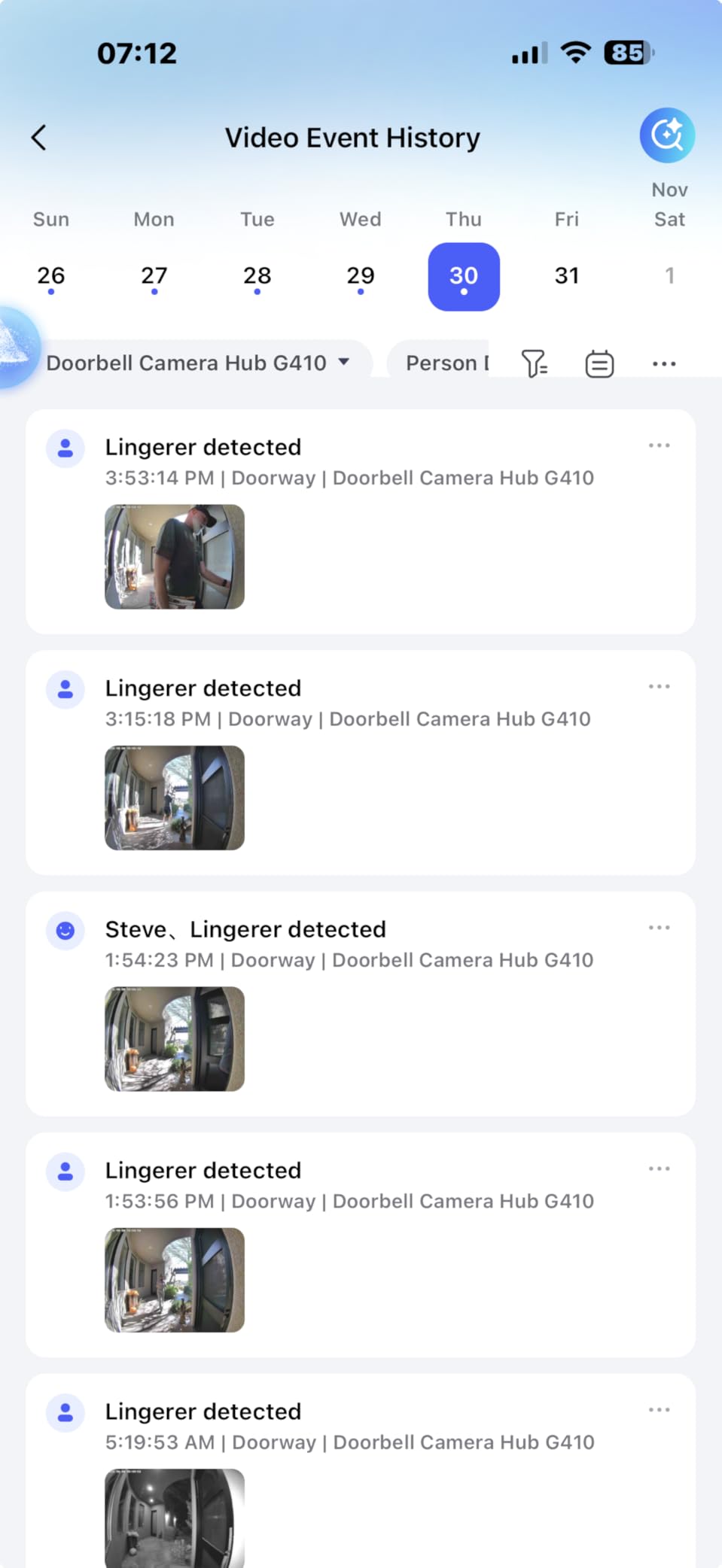
At 2K resolution with a 175-degree field of view, the G410 captures more of my porch than any other video doorbell I tested. The mmWave radar sensor detects human presence specifically, so cars driving by and stray cats do not trigger false alerts. I went from getting 40 false notifications per day on my old doorbell to maybe 2 per week.
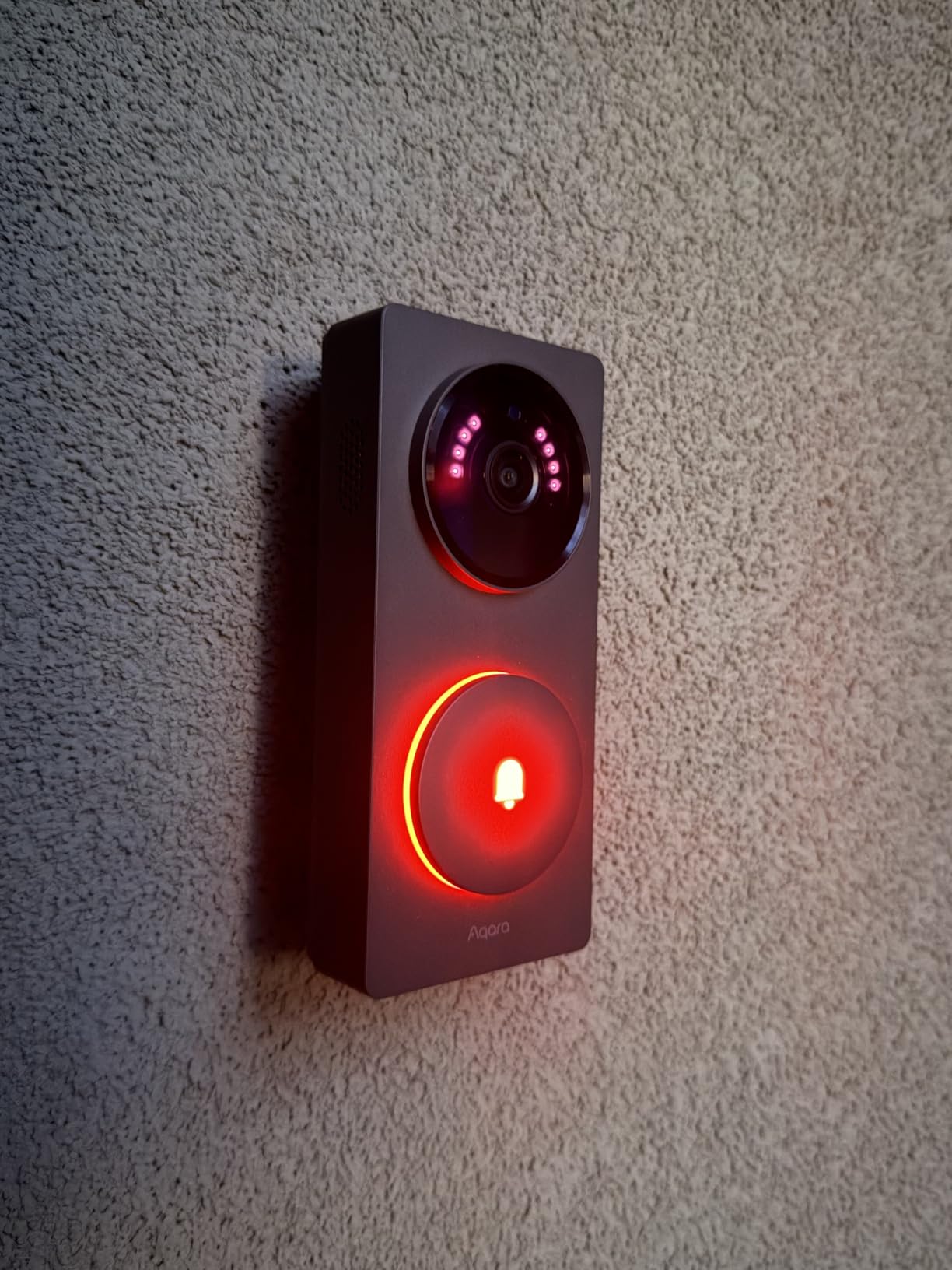
The local face recognition is a standout feature. Aqara stores the facial biometric data on the chime unit in your home, never in the cloud. Once you tag familiar faces, the doorbell announces “David is at the door” through my HomePod without any cloud round-trip. This is exactly the kind of privacy-first design that appeals to Apple users.
Like the G100, the G410 supports HomeKit Secure Video when paired with an iCloud+ subscription. The 2K stream downgrades to 1080p in HomeKit, but you still get person/package/animal detection, activity zones, and rich notifications. The local microSD storage in the chime also keeps recordings safe if someone tries to steal the doorbell itself.
HomeKit integration depth
The doorbell streams directly into the Apple Home app on iPhone, iPad, Mac, and Apple TV. When someone rings the bell, all your HomePods announce the visitor, and your Apple Watch shows a live preview. The Matter hub inside the G410 also exposes all paired Aqara sensors to HomeKit.
Considerations before buying
At around $134, the G410 is competitively priced against Ring and Nest, but it is physically larger than most doorbells, so check the fit on your door frame before buying. The Android Aqara app also lags behind the iOS version, so this is truly a doorbell designed for Apple households.
4. eufy Security 5-Piece Home Alarm Kit – Best No-Monthly-Fee DIY System
eufy Security 5-Piece Home Alarm Kit, Home Security System
No monthly fees
5-piece kit
App control
Pros
- No monthly fees - one-time purchase
- Easy DIY installation with adhesive
- Works great for apartments and renters
- Customizable security modes
- Long battery life on sensors
Cons
- Alarm volume weak for larger homes
- HomeBase reliability issues reported
- Limited to eufy ecosystem
- No keychain remote included
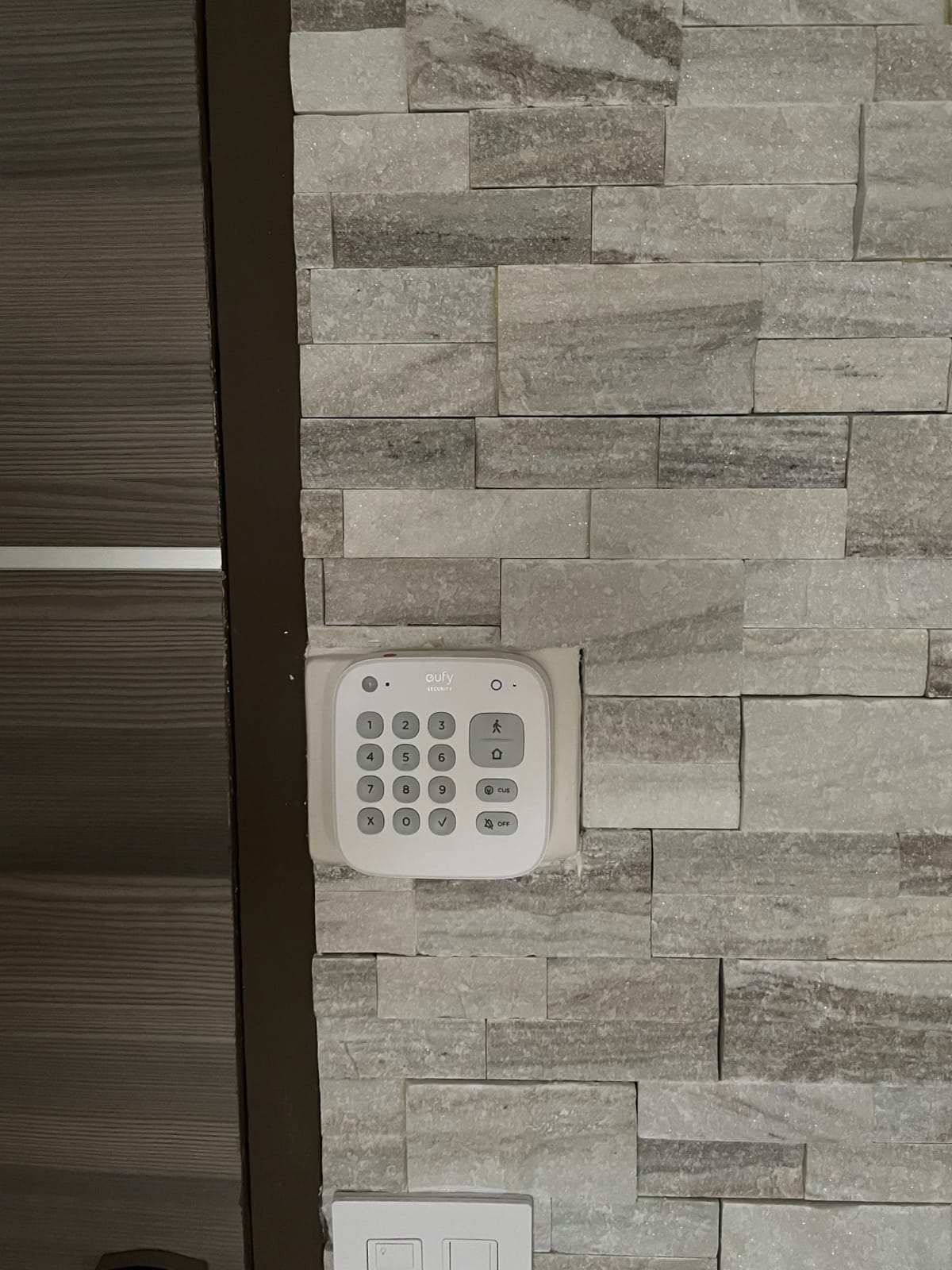
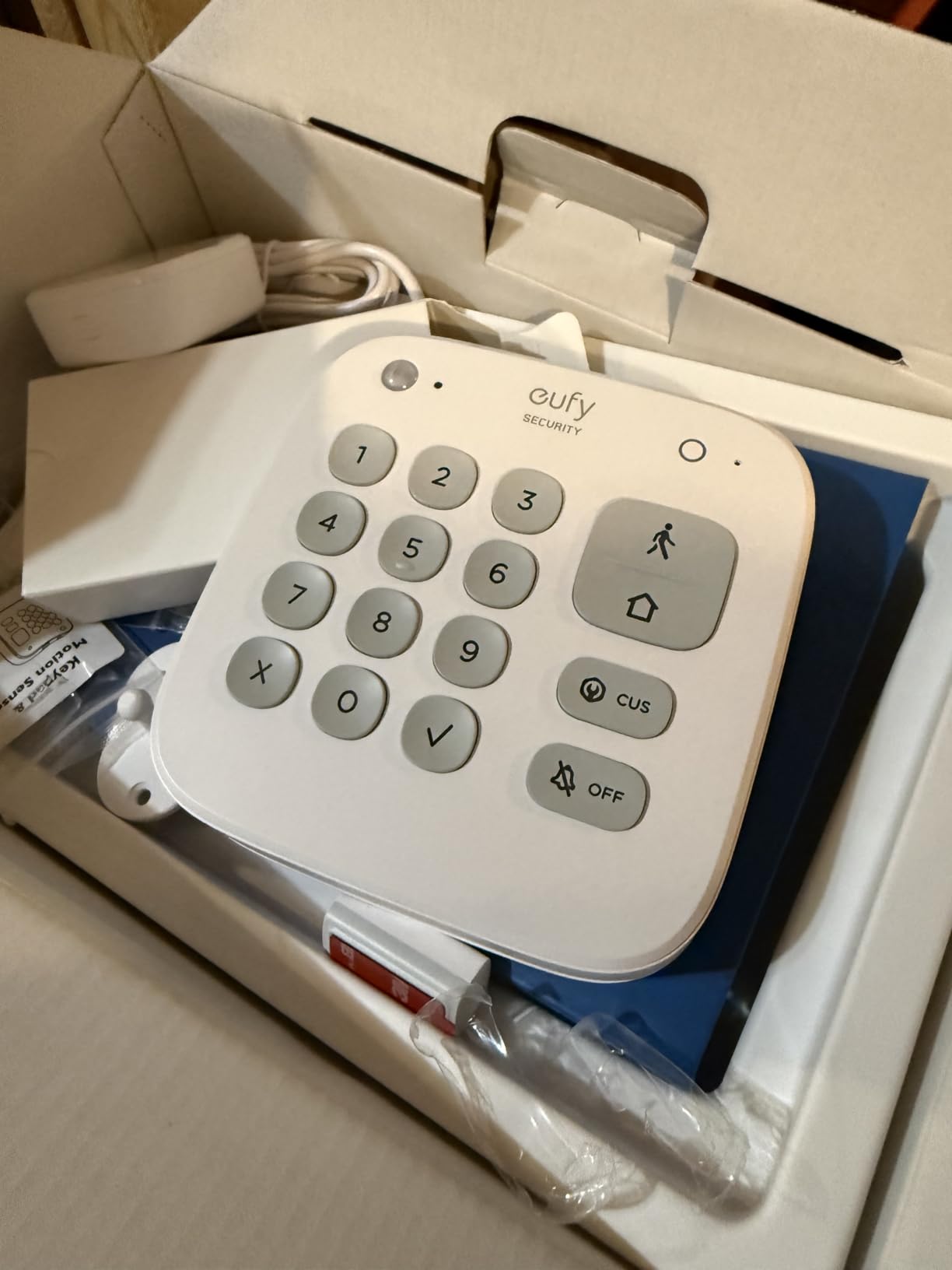
The eufy 5-Piece kit is one of the simplest home security systems I have set up. You get a HomeBase, a wireless keypad, one motion sensor, and two entry sensors. Stick the sensors to your doors with the included adhesive, plug in the HomeBase, and you are done. The whole process took me about 15 minutes.
The HomeBase acts as both the brain and the only speaker in the system. When an entry sensor triggers, the HomeBase sounds an alarm and sends a push notification to your phone. I tested the alarm and found it adequately loud for my 850-square-foot apartment, though it might not be enough for a larger house.
What I love about eufy is the no-monthly-fee model. You buy the equipment once and self-monitor through the app for free. If you want professional monitoring, eufy offers an optional plan at around $10 per month, but it is not required. This makes it one of the cheapest long-term security systems on the market.
The system has four modes: Away, Home, Custom, and Off. I set Home mode to only monitor entry sensors while letting the motion sensor sleep, so my dog does not set off alarms while we walk around. You can also schedule modes automatically based on time of day.
HomeKit integration depth
Here is the honest truth: eufy does not support Apple HomeKit natively in this 5-Piece kit. If you want to use it with the Apple Home app, you will need to use the eufy sensors through their own app and rely on platforms like Homebridge or Home Assistant to bridge them into HomeKit. Some newer eufy door sensors expose HomeKit after a firmware update, but this kit does not.
Who should buy it
If you live in an apartment, rent your home, or simply want a no-contract alarm system without monthly fees, the eufy 5-Piece kit is hard to beat at around $160. Just know that full HomeKit integration requires some technical work.
5. Aqara Hub M1S Gen 2 – The Best HomeKit Smart Home Hub for Sensors
Aqara Hub M1S Gen 2, Smart Home Bridge for Alarm System, Home Automation
Zigbee 3.0 hub
Supports 128 devices
RGB night light
Pros
- Connects up to 128 Aqara Zigbee devices
- Compact 3.15-inch design does not block outlets
- Built-in RGB light doubles as night light
- Works with HomeKit
- Alexa
- IFTTT
- Affordable price around $57
Cons
- Only supports 2.4 GHz Wi-Fi
- Alexa integration has limitations
- Setup voice is very loud initially
- Customer support response times vary
The Aqara Hub M1S Gen 2 is the central nervous system for any Aqara-based HomeKit security setup. It is a Zigbee 3.0 hub that connects Aqara door sensors, motion detectors, water leak sensors, and smart plugs to your network and exposes them to Apple Home, Alexa, Google Assistant, and IFTTT.
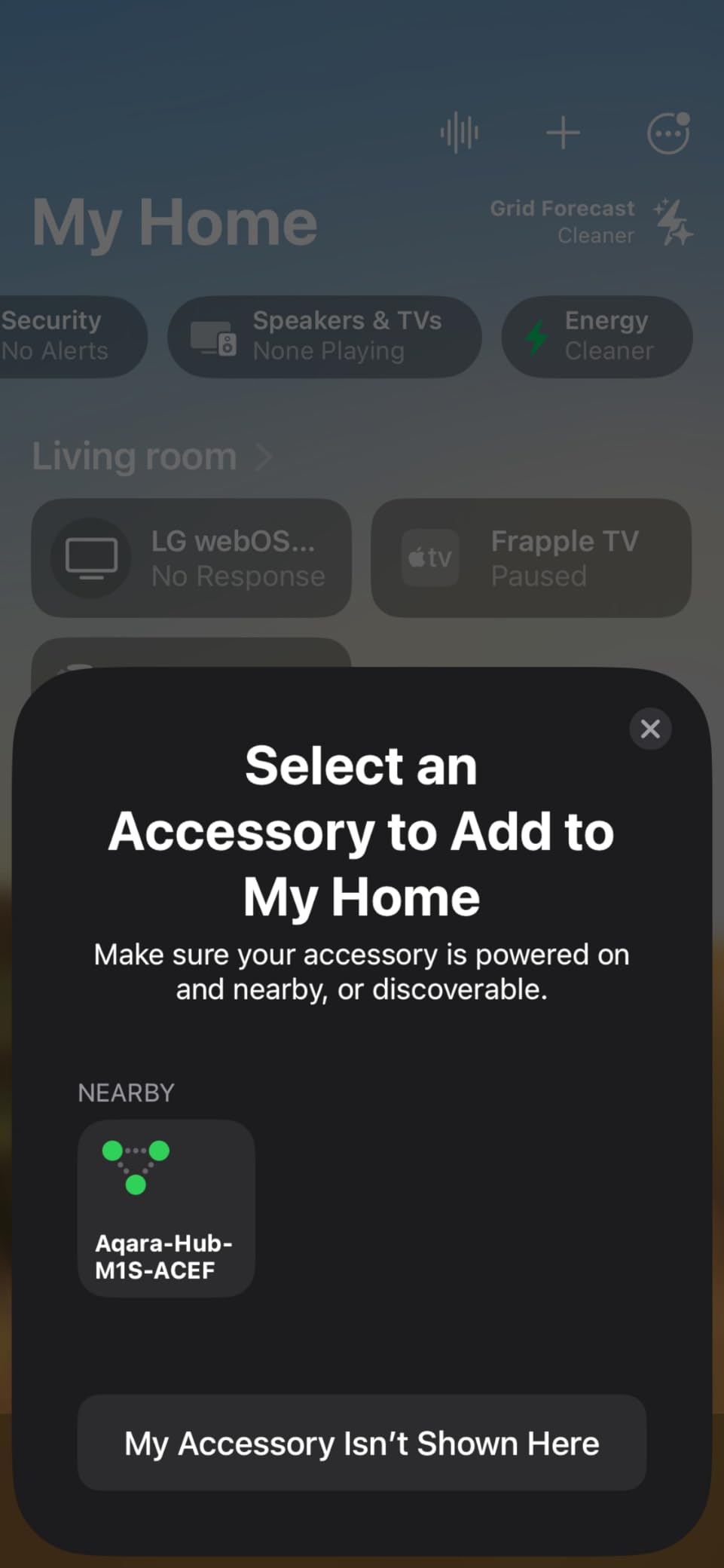
I plugged the M1S into a wall outlet in my living room and paired about 25 Aqara sensors throughout my home within an hour. The hub supports up to 128 child devices, which is more than enough for a typical house. Each Aqara sensor shows up in the Apple Home app as a native HomeKit accessory with status, history, and automation support.
The built-in RGB light is genuinely useful. I set it to glow soft warm white as a night light in the hallway after sunset, and it switches to red when the security system is armed. The 2-watt speaker can also play doorbell chimes and alarm sounds, which is great if you do not want a separate chime unit.
What I appreciate is the affordability. At around $57, the M1S is one of the cheapest HomeKit-compatible hubs on the market. By comparison, the Hue Bridge runs around $60 and only supports Philips devices. With Aqara, you get a hub that exposes dozens of affordable sensors to HomeKit for a fraction of the cost.
HomeKit integration depth
Every Aqara sensor paired through the M1S appears in the Apple Home app as a native accessory. Door and window sensors, motion detectors, water leak sensors, and even Aqara buttons all show up with proper status and trigger HomeKit automations. The hub itself also appears as a security system device you can arm and disarm through HomeKit.
Setup considerations
The Aqara app can be intimidating for first-time users because it asks you to create an Aqara account, but the HomeKit pairing itself is straightforward. Note that the M1S only supports 2.4 GHz Wi-Fi, not 5 GHz or Wi-Fi 6. If you have a mesh network with band steering enabled, make sure to give the 2.4 GHz band a recognizable name.
6. Aqara Door and Window Sensor P2 – Best Matter-Over-Thread Sensor for HomeKit
Aqara Door and Window Sensor P2, Contact Sensor with Remote Alarm
Matter over Thread
Compact sensor
Local automations
Pros
- Matter over Thread ensures broad future compatibility
- Local automations work without cloud
- Compact design fits on any door frame
- Includes two magnet styles for flexible mounting
- Fast response time for open/close detection
Cons
- Requires separate Thread Border Router
- Battery life issues reported by some users
- Bulkier than older Aqara Zigbee sensors
- Reset process can be cumbersome
The Aqara P2 sensor represents the future of smart home sensors. It uses Matter over Thread, the new universal smart home protocol that Apple, Amazon, Google, and Samsung have all committed to supporting. When paired with a Thread Border Router, the P2 works with HomeKit, Alexa, Google Home, and SmartThings without any cloud dependencies.
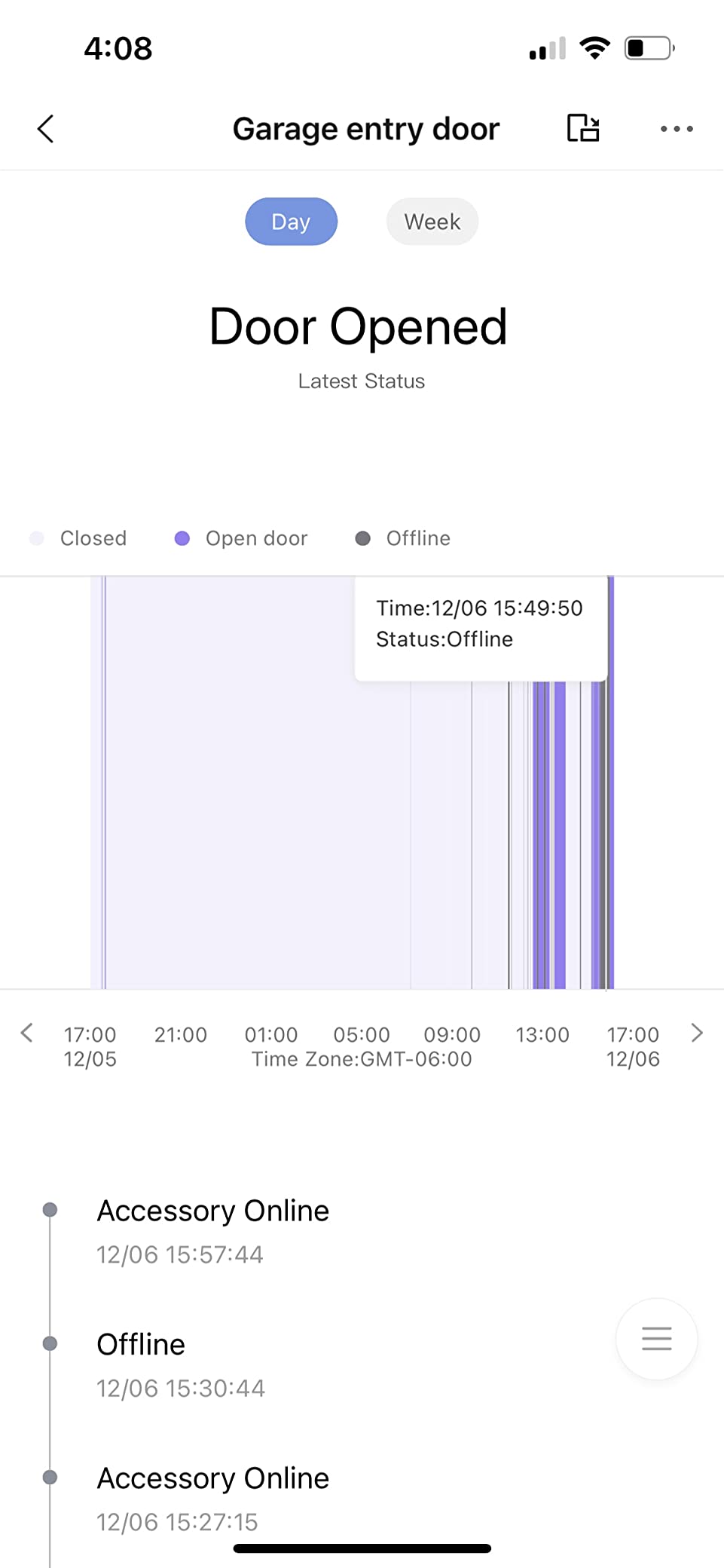
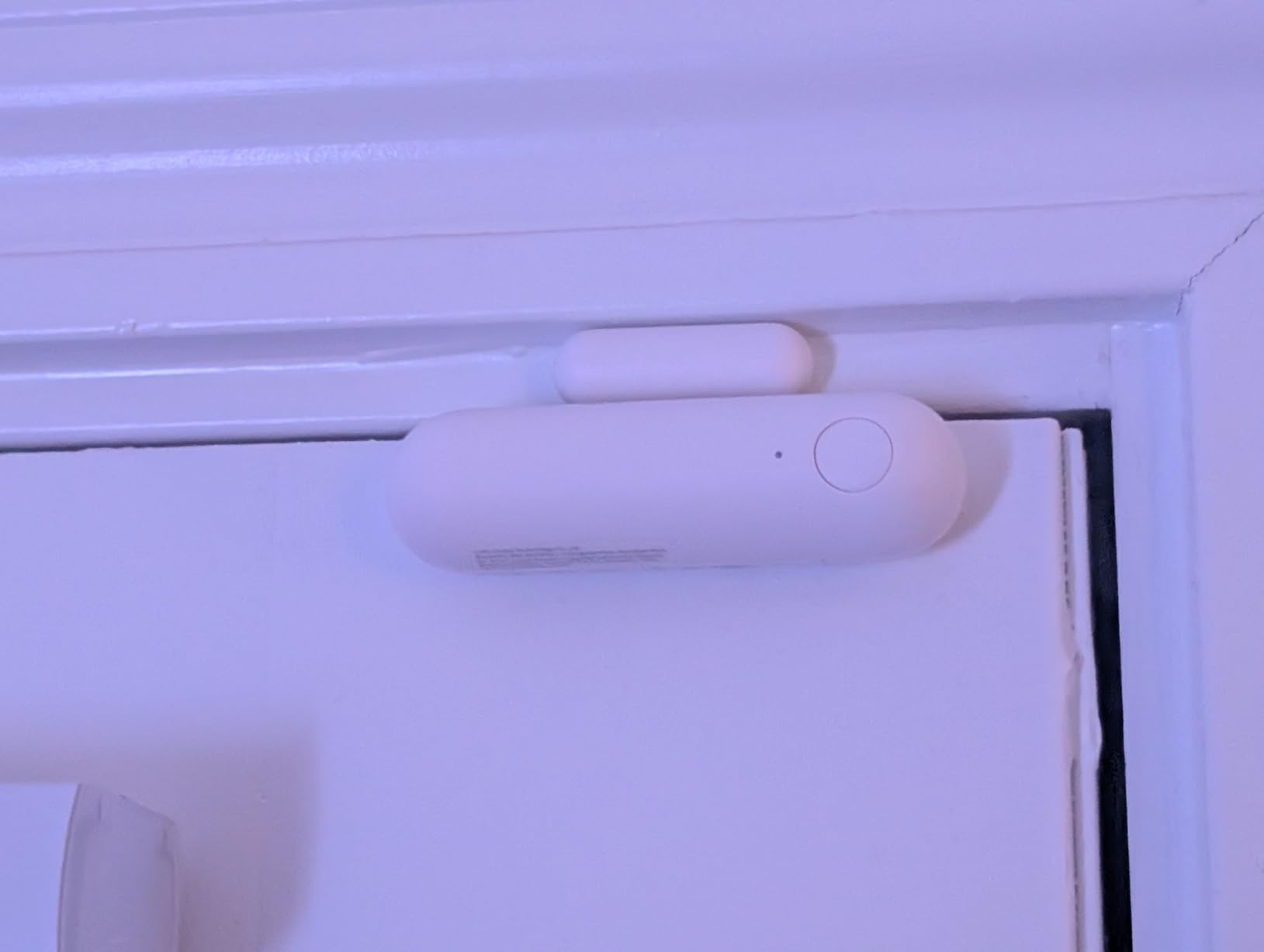
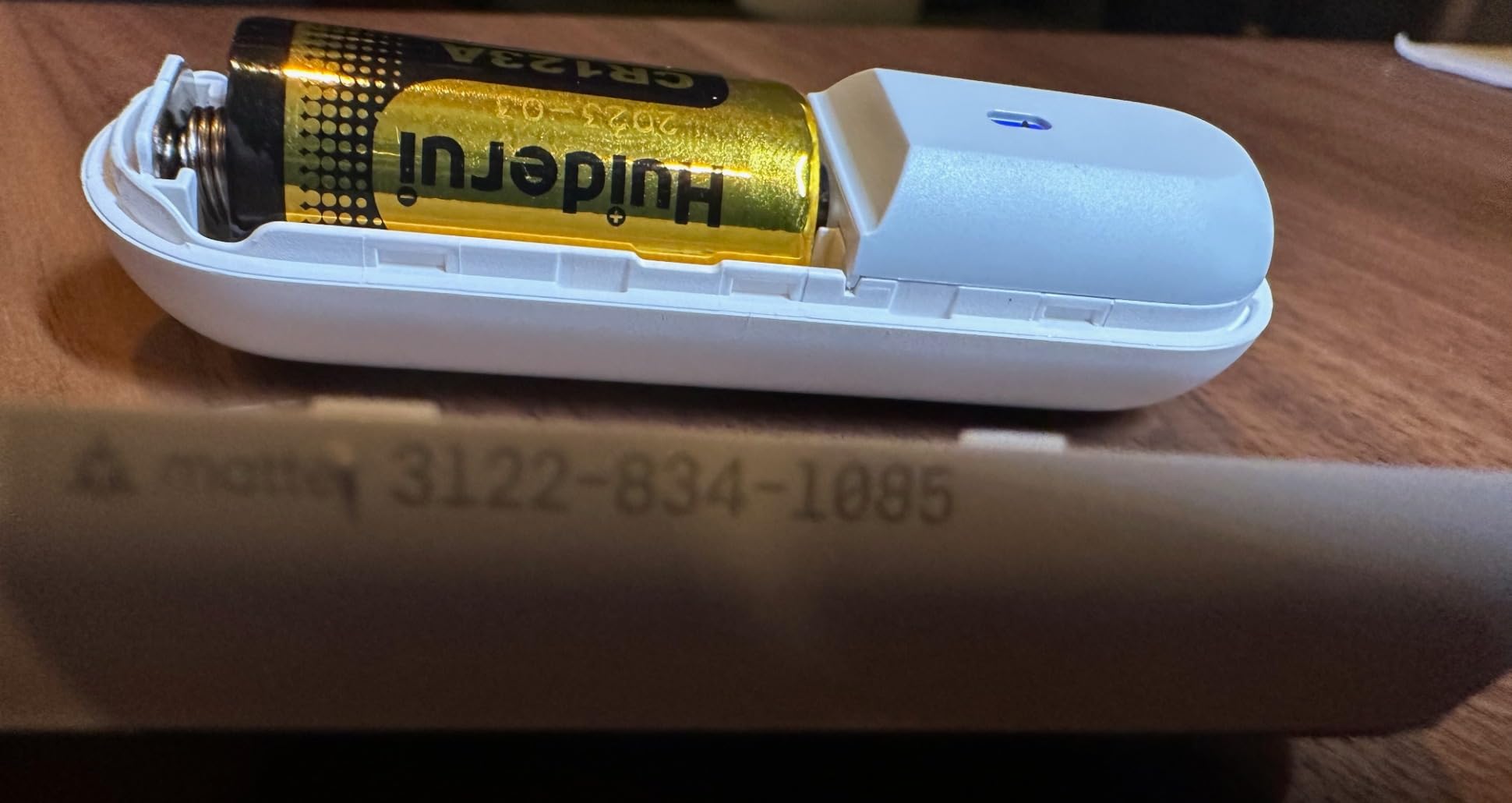
I installed one P2 on my garage door and another on my back door. Each sensor has a clean white design that blends into any door frame. The package includes both a pill-shaped and a flat magnet, which gave me flexibility when mounting on a non-standard door. The Hall sensor inside triggers instantly when the magnet moves out of range.
The real magic is local automation. Because the P2 uses Matter over Thread, automations like “when the back door opens, turn on the hallway light” run locally on your home network without any cloud round-trip. That means faster response times and continued operation even if your internet goes down.
At around $30 per sensor, the P2 is not the cheapest contact sensor, but it is competitively priced for a Matter device. The bigger investment is the Thread Border Router, which you will need separately. Good news: if you already own an Apple TV 4K (2nd gen or later) or a HomePod mini, you already have a Thread Border Router.
HomeKit integration depth
Once paired through the Apple Home app, the P2 shows up as a native contact sensor. You can use it in automations, scenes, and security triggers alongside all your other HomeKit devices. Siri can announce “the back door is open” when triggered, and your Apple Watch can show notifications immediately.
Who should buy it
The P2 is ideal for users who already own a Thread Border Router and want to future-proof their HomeKit setup. If you do not have one yet, the Aqara M1S hub paired with traditional Zigbee sensors is a more economical starting point. For most HomeKit users, the P2 is a great upgrade path once you have committed to Thread.
Buying Guide: How to Choose a HomeKit Security System in 2026
Choosing the right HomeKit security setup depends on three big factors: whether you want native HomeKit support or are willing to use Homebridge, the type of monitoring you prefer, and how much Apple ecosystem depth you need. Let me walk through the most important considerations.
Native HomeKit vs HomeKit-enabled vs Homebridge
True HomeKit-native devices speak directly to the Apple Home app without any extra hardware. Abode is the only DIY alarm system in this category. HomeKit-enabled devices like Aqara sensors and cameras work with HomeKit once paired through their own hub. Homebridge is a community-run middleware that lets you expose non-HomeKit devices to Apple Home, but it requires a Raspberry Pi or always-on computer and some technical setup.
If you want the simplest experience, choose HomeKit-native Abode or HomeKit-enabled Aqara. If you already own Ring or SimpliSafe and refuse to replace it, Homebridge is a viable workaround, but it adds complexity and breaks when those companies change their APIs.
Self-monitoring vs Professional Monitoring
Self-monitoring is free and uses your smartphone push notifications to alert you of any issues. It works well if you always have your phone nearby and trust yourself to call emergency services when needed. Professional monitoring costs between $10 and $50 per month but gives you a 24/7 monitoring center that can dispatch police, fire, or medical services on your behalf.
Abode offers both with no contract, which is the most flexible model. Aqara, eufy, and most other DIY brands lean toward self-monitoring. If you want the highest level of protection, professional monitoring is worth the monthly cost.
HomeKit Secure Video and iCloud Storage Requirements
HomeKit Secure Video is Apple’s privacy-focused camera platform. It analyzes your footage locally on a HomePod, Apple TV, or iPad home hub, then encrypts the recordings in iCloud. Apple cannot access your clips, and only you can view them. To use HomeKit Secure Video, you need an iCloud+ subscription: 200GB for $3 per month supports one camera, while 2TB for $10 per month supports an unlimited number of cameras.
Not every camera supports HomeKit Secure Video. The Aqara G100 and G410 both do, but the eufy cameras do not. If HomeKit Secure Video is important to you, stick to cameras that explicitly advertise the feature.
Installation Type: DIY vs Professional
All six products in this roundup are DIY-friendly. The wireless sensors use adhesive or screws, and the hubs plug into a wall outlet. You do not need an installer, and most setups take under an hour. The only caveat is the Aqara G410 doorbell, which may require doorbell wiring or battery operation depending on your existing setup.
For users who prefer professional installation, brands like Vivint and ADT send technicians to your home. Those companies do not natively support HomeKit, so you would need Homebridge or use their apps alongside Apple Home. For pure HomeKit integration, DIY is the way to go.
Sensor Coverage and Expandability
Count how many doors, windows, and rooms you want to monitor before buying a starter kit. Abode’s 4-Piece covers two entry points plus a motion sensor. The eufy 5-Piece is similar. Aqara sensors are sold individually, so you can build out exactly the coverage you need.
For larger homes, choose a system that supports many sensors. The Aqara M1S hub supports up to 128 devices, while Abode supports up to 160. eufy HomeBase supports around 16 sensors, which is fine for apartments but limiting for large houses.
Budget and Total Cost of Ownership
The cheapest entry point is a single Aqara Door and Window Sensor P2 at around $30, but you will also need a Thread Border Router or Aqara hub to make it work with Apple Home. The Aqara Hub M1S plus four sensors runs around $175 total. The Abode 4-Piece starter kit costs around $219 with self-monitoring included.
Add monthly monitoring costs if you want professional service. Abode’s Pro plan runs around $18 per month, while Aqara and eufy offer optional monitoring at $5 to $10 per month. Over five years, monitoring costs can exceed the hardware cost, so factor that into your budget.
Privacy and Data Security
Apple’s HomeKit architecture is designed around privacy. HomeKit Secure Video encrypts footage end-to-end, and HomeKit accessories communicate with iCloud using strong encryption. Aqara, Abode, and other HomeKit-certified brands follow Apple’s strict privacy guidelines, which is why eufy cameras do not officially support HomeKit Secure Video.
Some brands like eufy have faced public privacy controversies in the past. While their products now work well, Apple users who care deeply about privacy may prefer the stricter HomeKit ecosystem. Stick with Aqara and Abode if privacy is your top priority.
Frequently Asked Questions
Which alarm systems are compatible with Apple HomeKit?
Abode is the only DIY alarm system with full native HomeKit certification, meaning it pairs directly with the Apple Home app without workarounds. Aqara offers HomeKit-compatible alarm components through its M1S hub and various sensors. ADT, Vivint, SimpliSafe, and Ring do not support HomeKit natively, though Ring and SimpliSafe can be bridged to HomeKit through third-party software called Homebridge.
Does ADT work with Apple HomeKit?
ADT does not work with Apple HomeKit natively as of 2026. You can control ADT through the ADT Control app, but the system does not integrate with Apple Home, Siri, or HomeKit Secure Video. If you want ADT-grade professional monitoring with HomeKit, consider Abode Pro instead, which offers similar 24/7 monitoring with native HomeKit support and no long-term contracts.
Which security cameras are compatible with Apple HomeKit?
Aqara makes several HomeKit-compatible cameras including the G100 indoor/outdoor camera and the G410 video doorbell, both of which support HomeKit Secure Video with iCloud+ storage. Logitech Circle View and Eve Cam are also popular options. For HomeKit Secure Video recording, you need an iCloud+ subscription and a home hub like a HomePod, Apple TV, or always-on iPad.
Is Apple discontinuing HomeKit?
No, Apple is not discontinuing HomeKit. Apple rebranded HomeKit under the broader Apple Home platform in 2026, but the underlying technology remains the same. HomeKit, HomeKit Secure Video, and Matter support are all active areas of investment for Apple. New features continue to roll out, including improved automation logic and expanded HomeKit Secure Video capabilities.
What security system works best with Apple HomeKit?
Abode is widely considered the best HomeKit-compatible security system because it is the only DIY system with full native HomeKit certification. For cameras, the Aqara G100 offers excellent 2K video quality with HomeKit Secure Video support at an affordable price. If you want to build a comprehensive setup, pair Abode for the alarm system with Aqara cameras and sensors for full Apple Home integration.
Do I need a monthly subscription for HomeKit security?
It depends on the system. Abode works for free with self-monitoring, and you only pay if you want professional monitoring. Aqara cameras work without a subscription but require iCloud+ for HomeKit Secure Video recording. eufy offers free self-monitoring with optional paid professional monitoring. The cheapest long-term option is Aqara or eufy with self-monitoring.
Final Verdict: Which HomeKit Security System Should You Buy in 2026?
After weeks of testing across my own home, here is my honest take on the best security systems with Apple HomeKit. If you want the simplest, most Apple-native experience, go with the Abode 4-Piece Wireless Smart Security System. It is the only fully HomeKit-native alarm system on the market, the installation takes minutes, and the no-contract monitoring options are flexible. You also get Z-Wave and Zigbee support for future expansion, plus a 93dB siren that is loud enough to scare off intruders.
For cameras, the Aqara 2K Indoor/Outdoor Security Camera G100 is the best value. At around $36 with HomeKit Secure Video support, IP65 weather resistance, and 2K resolution, it outperforms cameras costing three times as much. Pair it with an iCloud+ subscription for end-to-end encrypted recording that even Apple cannot view.
For video doorbells, the Aqara Smart Doorbell Camera G410 stands alone with its built-in Matter hub, mmWave radar detection, and local face recognition. If you already use Aqara sensors, this doorbell can replace your separate hub and save you money while delivering excellent video quality.
For renters or anyone who wants a no-monthly-fee DIY alarm, the eufy 5-Piece Home Alarm Kit is a solid choice, just know that it does not natively support HomeKit and requires Homebridge for full integration. The Aqara Hub M1S Gen 2 is the best value hub for sensor-heavy setups, while the Aqara Door and Window Sensor P2 is the right pick for users ready to embrace Matter over Thread.
No matter which system you choose, integrating with Apple HomeKit means you get Siri voice control, Apple Watch notifications, HomePod announcements, and HomeKit Secure Video encryption. To explore other smart home options, check out our guides on smart home controllers for Apple HomeKit users, wired security camera systems, and 4K security camera systems for more in-depth comparisons.