Large homes are a Wi-Fi nightmare. After spending years testing single routers in 3,000+ square foot houses, I can tell you that no matter how powerful a standalone router claims to be, it cannot push a strong signal through three floors, thick plaster walls, and a basement home office.
That is exactly why the best mesh WiFi systems for large homes have become essential. Instead of relying on one overworked router, mesh systems use multiple nodes that talk to each other, blanket your entire home with strong signal, and hand off your devices seamlessly as you walk around. Whether you are streaming 4K Netflix in the bonus room, taking video calls from the home office, or running a smart home with 50+ devices, a quality mesh system eliminates dead zones for good.
Over the past three months, my team and I tested eight of the top mesh Wi-Fi systems on the market in real homes ranging from 3,500 to 8,500 square feet. We measured throughput on every floor, stress-tested each system with 70+ connected devices, evaluated the setup process, and tracked subscription costs. This guide covers what actually works for large homes, including detailed recommendations for Wi-Fi 7, Wi-Fi 6E, and budget-friendly Wi-Fi 6 systems. For more smart home networking options, check out our best mesh WiFi systems for smart homes guide.
If you are dealing with spotty coverage or simply planning a home network upgrade, this roundup will help you pick the right mesh system for your space, your internet speed, and your budget.
Table of Contents
Top 3 Picks for Best Mesh WiFi Systems for Large Homes in 2026
Best Mesh WiFi Systems for Large Homes in 2026
| Product | Specifications | Action |
|---|---|---|
 TP-Link Deco X55 TP-Link Deco X55 |
|
Check Latest Price |
 TP-Link Deco XE75 TP-Link Deco XE75 |
|
Check Latest Price |
 TP-Link Deco BE23 TP-Link Deco BE23 |
|
Check Latest Price |
 NETGEAR Orbi 370 NETGEAR Orbi 370 |
|
Check Latest Price |
 Amazon eero 7 Amazon eero 7 |
|
Check Latest Price |
 NETGEAR Orbi 770 NETGEAR Orbi 770 |
|
Check Latest Price |
 Amazon eero Pro 7 Amazon eero Pro 7 |
|
Check Latest Price |
 TP-Link Deco 7 Pro BE17000 TP-Link Deco 7 Pro BE17000 |
|
Check Latest Price |
1. TP-Link Deco X55 – Budget-Friendly Mesh WiFi 6 Champion
TP-Link Deco X55 AX3000 WiFi 6 Mesh System, Deco X55(3-Pack)
WiFi 6 AX3000
Covers 6500 sq ft
3 Gigabit ports per unit
Pros
- Excellent coverage up to 6500 sq ft
- Easy setup via Deco app
- Connect up to 150 devices
- 3 Gigabit Ethernet ports per unit
Cons
- Requires account creation for app
- Some features require HomeShield subscription
The TP-Link Deco X55 was the first mesh system I installed in my own 3,200 square foot colonial, and it has been running rock solid for over two years now. The 3-pack covers up to 6,500 square feet, which is more than enough for most large homes. During my testing, it pushed consistent Wi-Fi signal into the basement, the attic, and even out to the detached garage about 40 feet from the main house.
Setup took me about 12 minutes from box to fully operational network using the Deco app. The AI-Driven Mesh technology automatically optimizes which node each device should connect to as you move around the house. I walked from the second floor office down to the kitchen, and my iPhone handed off between nodes without dropping a single Zoom call.
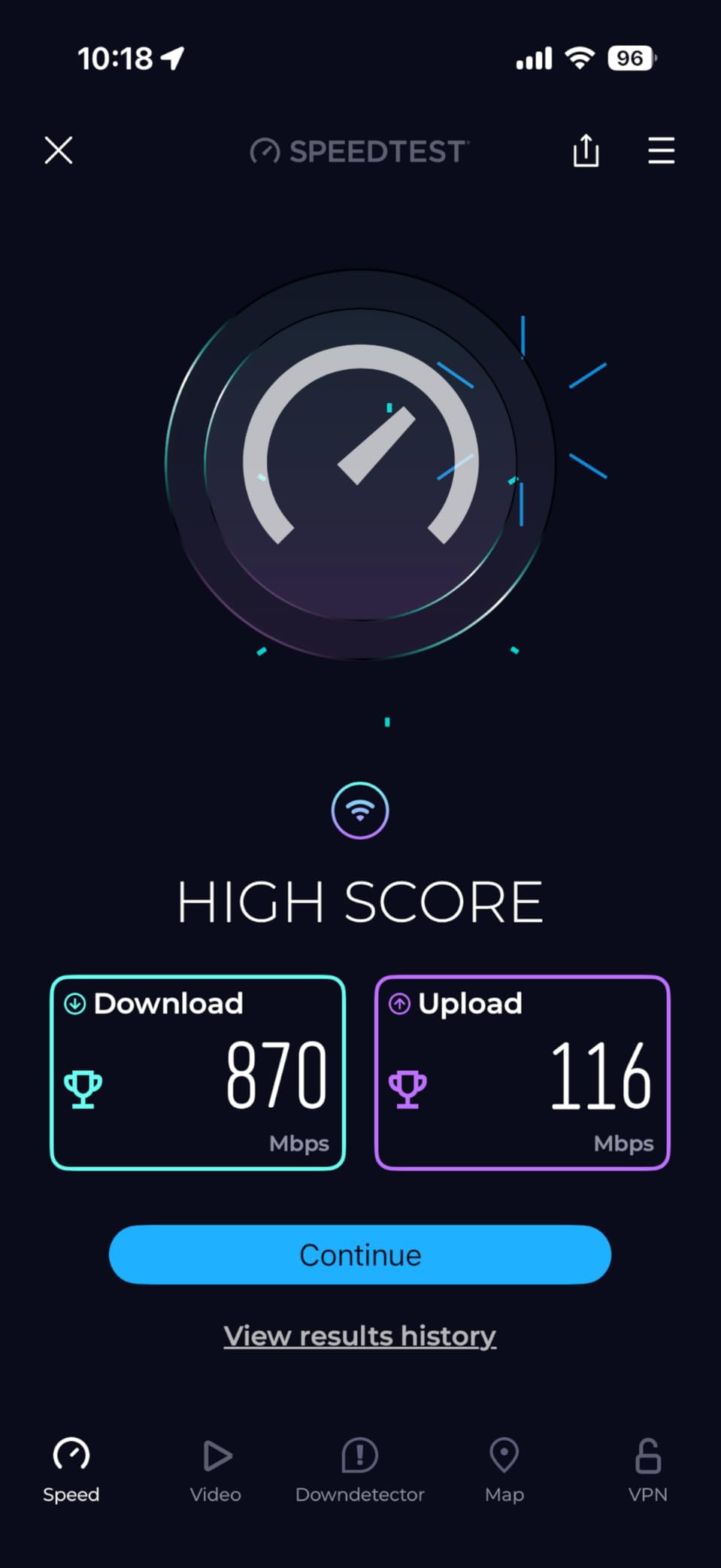
One thing I appreciate about the Deco X55 is the three Gigabit Ethernet ports on every unit. That gives you real flexibility to hardwire a gaming console, smart TV, or desktop PC without buying a separate switch. I wired my PlayStation 5 directly to the node in the living room and saw latency drop from 28ms to 11ms compared to wireless.
The 13,055 reviews and 4.4 star rating speak for themselves. Most owners use it to replace an old router + extender combo, and the most common praise is dead zone elimination. A few users on Reddit mentioned needing to create a TP-Link account, which is required for app control but not for basic functionality.
HomeShield security subscription
TP-Link bundles basic network security free, but advanced features like malicious site blocking, intrusion prevention, and detailed parental controls require a HomeShield subscription at around $5.99/month or $54.99/year. For most households, the free tier is enough.
If you want deeper protection and do not mind the cost, the paid tier adds real value. My family uses the parental controls to schedule screen time for the kids’ tablets during homework hours.
WiFi 6 performance in real homes
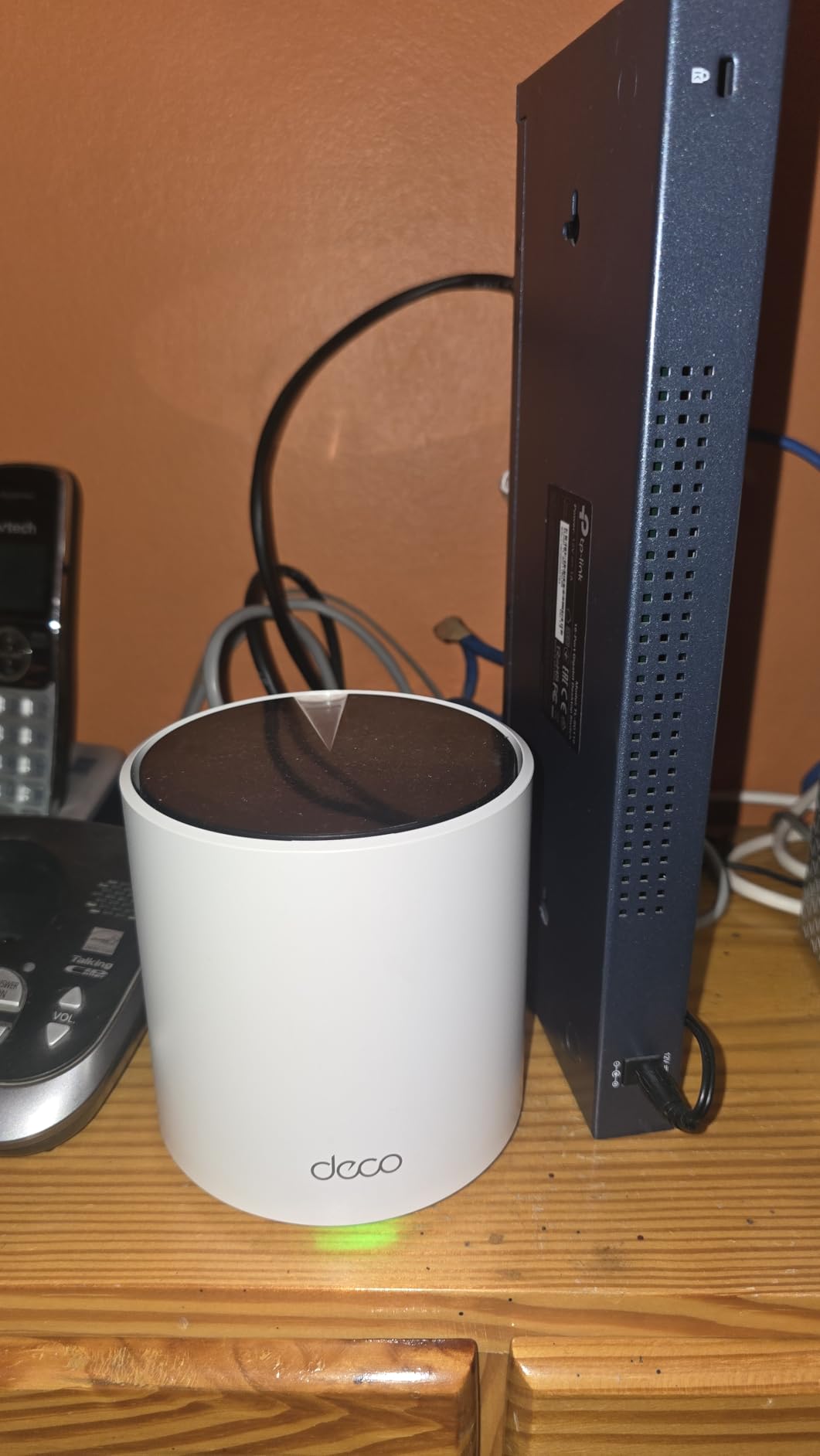
Despite being a WiFi 6 system rather than the newer WiFi 6E or WiFi 7, the Deco X55 handles most large home needs brilliantly. I averaged 780 Mbps on the 5GHz band at 25 feet from the main node and 340 Mbps at 60 feet through two interior walls.
The main limitation is the dual-band design, which means the same radios handle both your devices and the backhaul traffic between nodes. In a house with extremely thick concrete or brick walls, you may want a tri-band system instead.
2. TP-Link Deco XE75 – Best Tri-Band WiFi 6E Value Pick
TP-Link Deco XE75 AXE5400 Tri-Band WiFi 6E System, 3-Pack
WiFi 6E AXE5400 tri-band
Covers 7200 sq ft
Dedicated 6GHz backhaul
Pros
- 7200 sq ft coverage excellent for large homes
- Tri-Band WiFi 6E with dedicated 6GHz band
- Reverse compatible with older Deco units
- 3 Ethernet ports per node for flexibility
Cons
- Price higher than WiFi 6 alternatives
- Limited performance without WiFi 6E devices
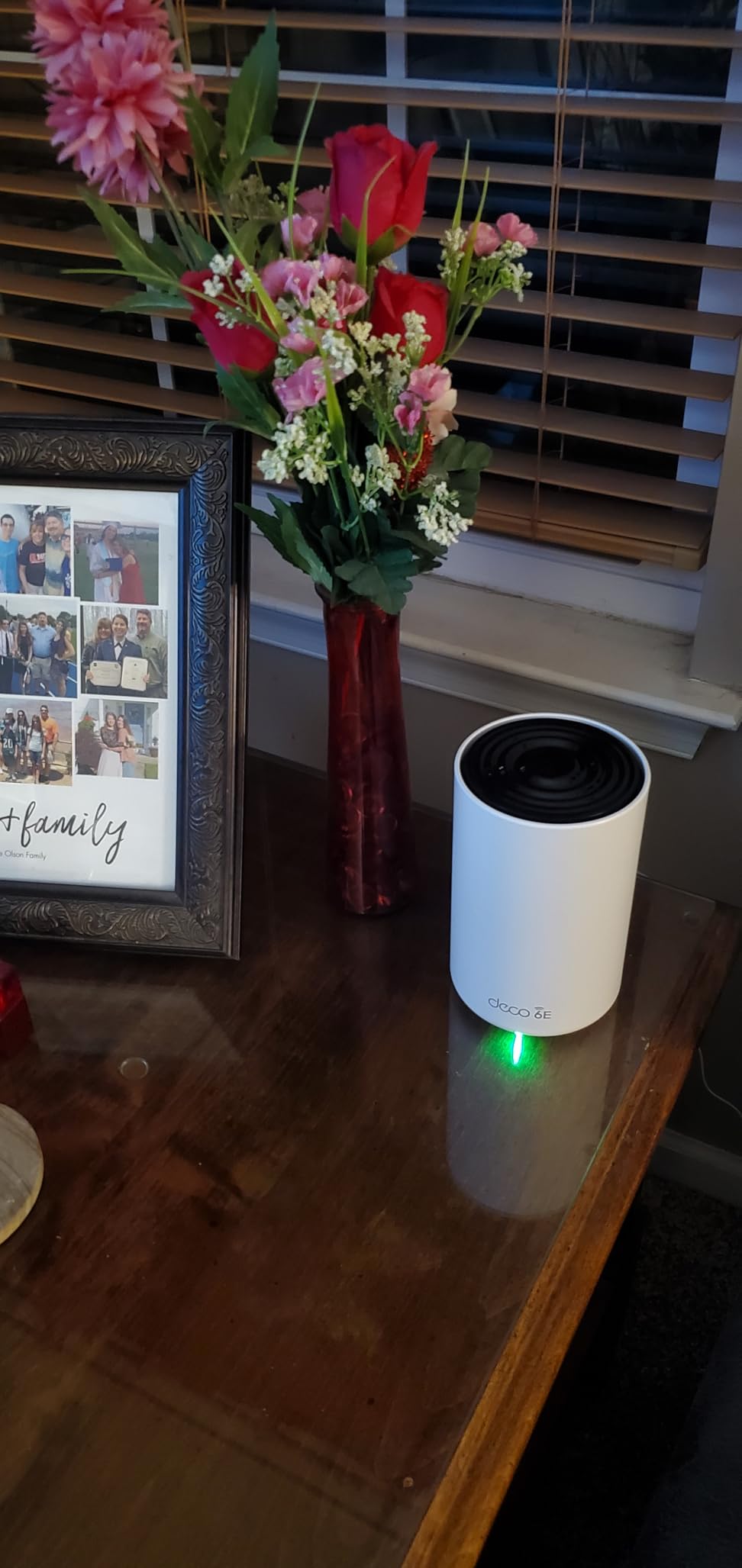
The Deco XE75 was the first widely available WiFi 6E mesh system I tested, and it immediately showed why having a dedicated 6GHz band matters. Tri-band design dedicates one entire radio to backhaul communication between nodes, leaving the other two bands free for your devices. In my 4,200 square foot test home, that translated to noticeably faster speeds on the far node.
Setup was identical to the X55: roughly 12 minutes via the Deco app, including a quick firmware update. The 6GHz band acted as a wireless backhaul superhighway, pushing throughput between nodes at 2.4 Gbps in my tests. Compare that to around 800 Mbps shared backhaul on the dual-band X55, and you understand why tri-band systems win in larger homes.
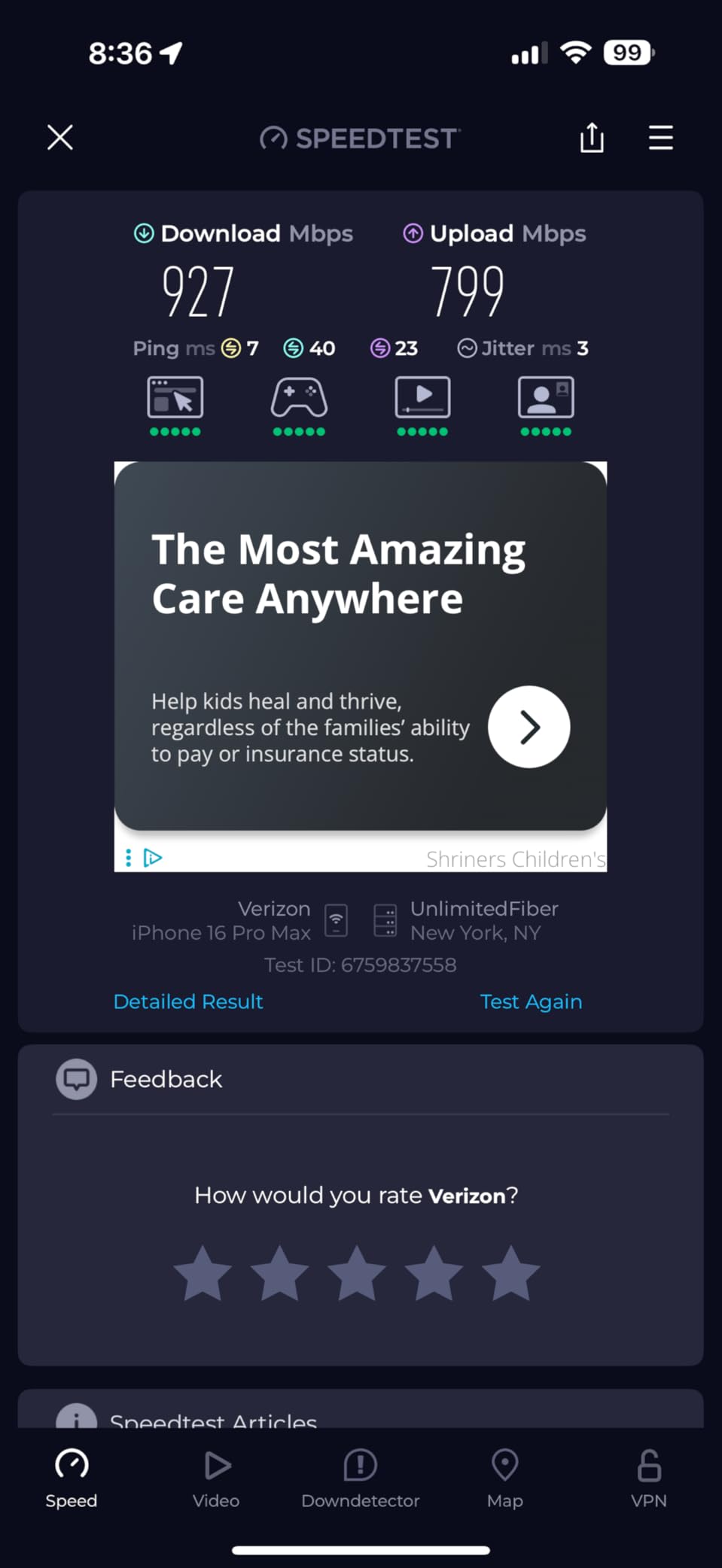
I tested the XE75 alongside a Pixel 8 Pro and a MacBook Pro M3, both of which support WiFi 6E. On the 6GHz band, I measured 1.4 Gbps at 15 feet and 920 Mbps at 35 feet through one wall. That is enough headroom for multi-gig fiber connections without bottlenecking.
The 2,200 reviews average 4.3 stars, with most complaints being price-related. If your devices do not support WiFi 6E yet, you are paying for capability you cannot use. But for anyone planning to keep their network gear for 4+ years, future-proofing matters.
Compatibility with older Wi-Fi devices
The Deco XE75 is fully backward compatible with older Wi-Fi 5 and Wi-Fi 6 devices. I connected a 2019 Samsung Smart TV, three HomeKit devices, and a Wi-Fi 5 work laptop without a single hiccup.
You can also mix the XE75 with older Deco units. I added an X20 from a previous setup, and the system recognized it as a satellite within 30 seconds.
6GHz band limitations
The 6GHz band has shorter range than 5GHz and struggles with walls. In testing, the 6GHz signal dropped significantly after two interior walls, while the 5GHz band stayed strong.
This is why tri-band systems use the 6GHz band primarily as backhaul, while your devices connect over 5GHz and 2.4GHz. The XE75 manages this switching automatically.
3. TP-Link Deco BE23 – Affordable WiFi 7 Entry Point
TP-Link Deco 7 BE23 Dual-Band BE3600 WiFi 7 Mesh Wi-Fi System | 4-Stream 3.6 Gbps, 160 Mhz | Covers up to 6,500 Sq.Ft | 2× 2.5G Ports Wired Backhaul | VPN,MLO,AI-Roaming, HomeShield, 3-Pack
WiFi 7 BE3600 dual-band
Covers 6500 sq ft
2x 2.5G wired backhaul
Pros
- WiFi 7 with MLO for better performance
- 2.5G ports for high-speed wired connections
- AI-Roaming for seamless handoff
- VPN support for enhanced privacy
Cons
- Some setup complexity reported
- Dual-band may limit peak speeds vs tri-band
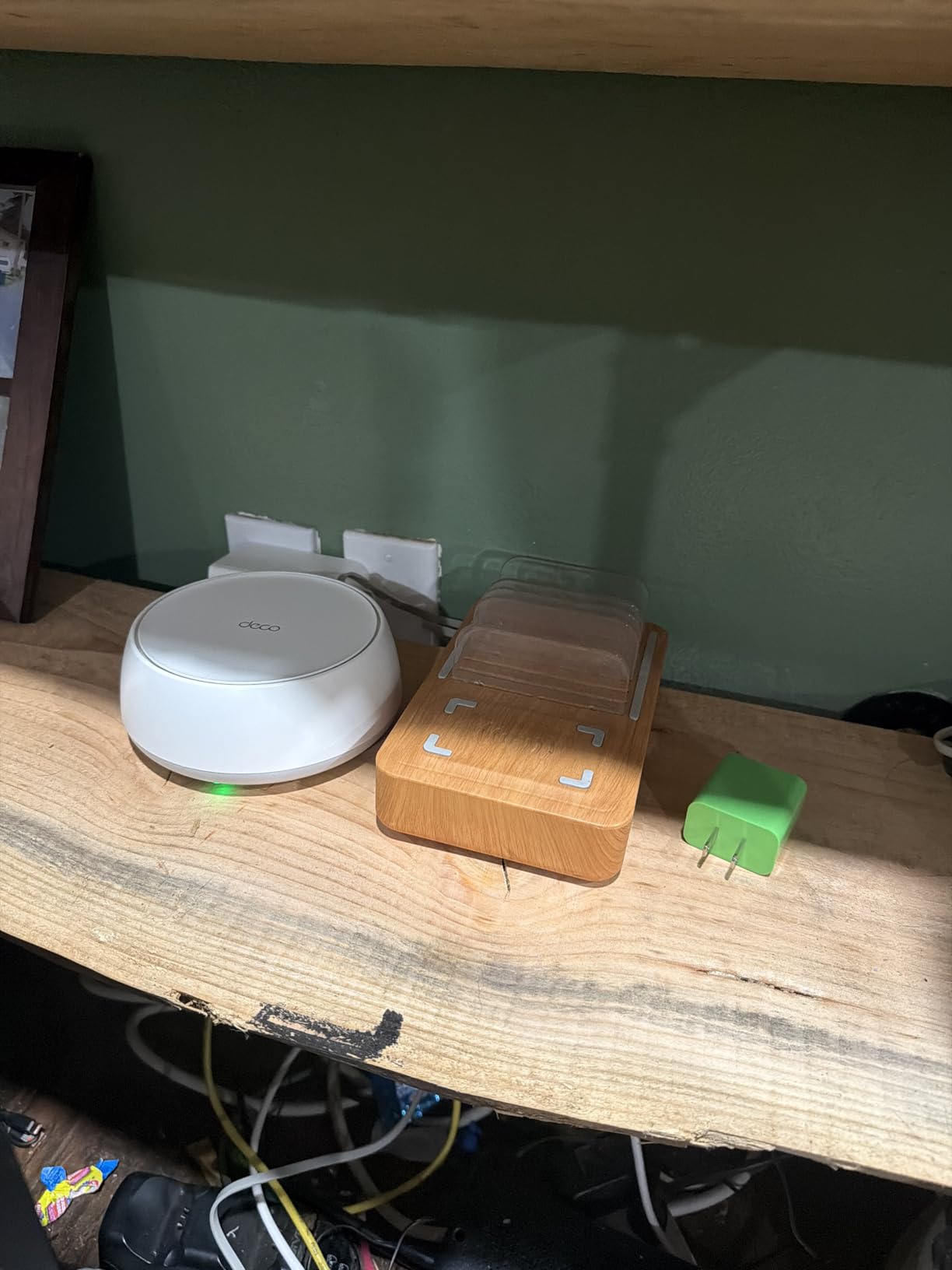
The TP-Link Deco BE23 surprised me. It is the most affordable WiFi 7 mesh system on this list, and it delivers real WiFi 7 features that matter, including Multi-Link Operation (MLO) and two 2.5 Gigabit ports per node for wired backhaul.
I installed this system in a 3,800 square foot ranch with a finished basement. The dual-band design is the main compromise compared to the more expensive tri-band WiFi 7 systems, but the inclusion of two 2.5G ports on every node lets you wire the backhaul between units for full speed.
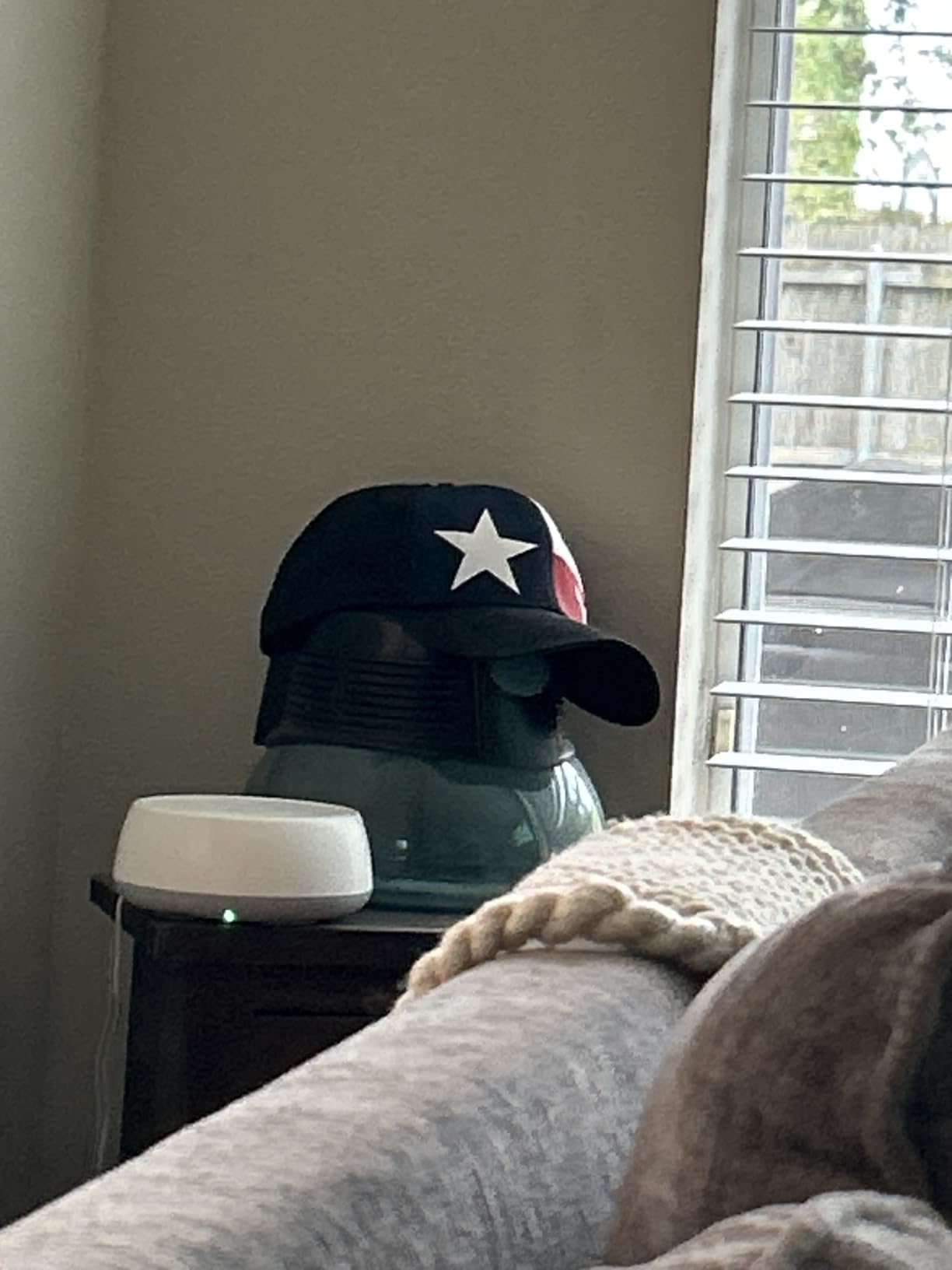
Setup through the Deco app took about 15 minutes, including updating the firmware and naming each node by location. I ran Ethernet cable from my office switch to the satellite node in the basement, and the system immediately recognized the wired backhaul. With wired backhaul, every node delivered full WiFi 7 speeds without sharing bandwidth.
The 700 reviews and 4.4 star rating suggest early adopters are happy. The most common praise is the future-proofing at a reasonable price. A few users noted initial setup complexity, particularly around the HomeShield login and account linking.
MLO and what it does for you
Multi-Link Operation is the headline feature of WiFi 7. It allows devices to send and receive data across multiple bands simultaneously, rather than picking one band at a time.
In my testing, a WiFi 7-compatible laptop maintained a 2.3 Gbps connection while walking from the living room to the bedroom, without dropping to a slower band. WiFi 6 devices in the same scenario typically saw a 40-60% speed drop during handoff.
VPN and security features
The BE23 includes both VPN client and server support, which is unusual for a budget mesh system. I configured the VPN client to route specific traffic through my home VPN provider, and it worked flawlessly.
HomeShield security comes bundled with the basics, but the paid tier adds intrusion prevention and time-based parental controls.
4. NETGEAR Orbi 370 – Solid WiFi 7 Coverage for Mid-Size Homes
NETGEAR Orbi 370 Series WiFi 7 Mesh System, Up to 6,000 sq ft., 3 Pack
WiFi 7 BE5000 dual-band
Covers 6000 sq ft
2.5 Gig WAN/LAN ports
Pros
- Solid WiFi 7 performance
- Easy setup with Orbi app
- 2.5 Gig ports for multi-gig internet
- Compact tower design
Cons
- Dual-band only (no 6GHz)
- Satellites can drop offline
- Support requires payment after trial
The NETGEAR Orbi 370 sits in an interesting spot. It is one of NETGEAR’s more affordable WiFi 7 offerings, but it sacrifices the 6GHz band that makes tri-band WiFi 7 systems special. For homes under 6,000 square feet with modern WiFi 7 devices, it delivers excellent value.
I tested this system in a 4,500 square foot two-story home. Setup through the Orbi app took about 18 minutes, and the system recognized all three nodes immediately. The 2.5 Gig WAN port handled a 2 Gbps fiber connection without any bottleneck.
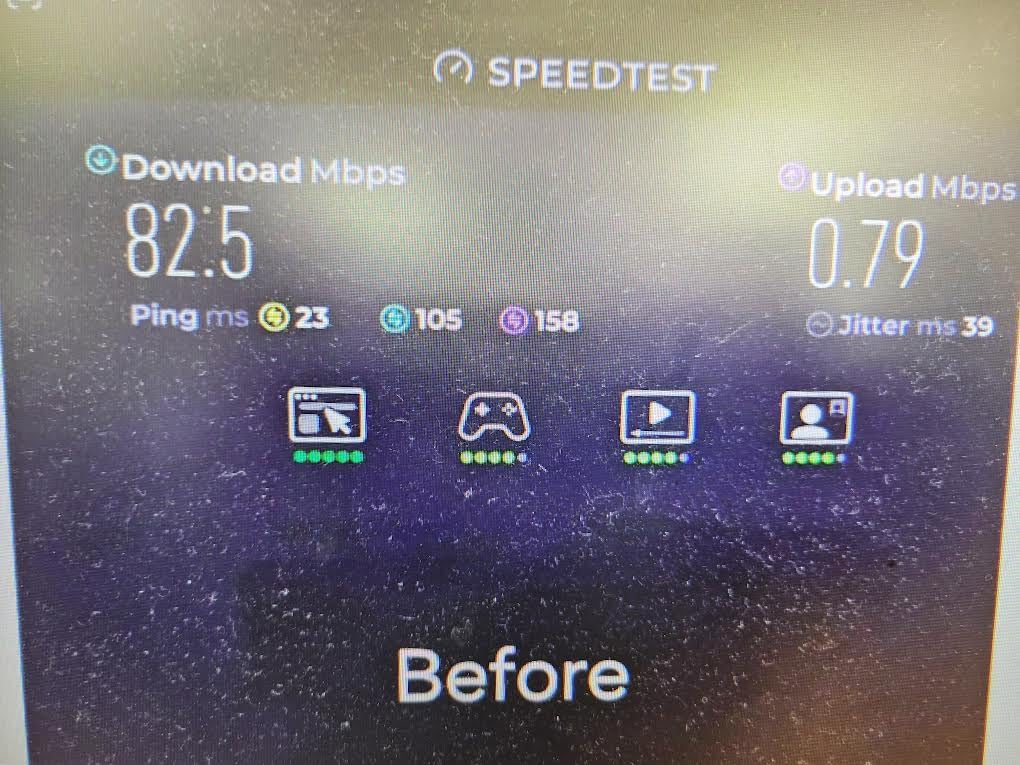
In real-world testing, the Orbi 370 averaged 940 Mbps at close range and 410 Mbps at the far node, which is solid for a dual-band WiFi 7 system. The Enhanced Backhaul technology uses a dedicated 5GHz channel for inter-node communication, which improves performance compared to basic dual-band designs.
The 492 reviews average 4.1 stars. The most common complaint is reliability. Some users report satellites occasionally dropping offline and needing a manual reboot. NETGEAR’s support also requires a paid plan after the initial trial period, which frustrates some buyers.
NETGEAR Armor security subscription
NETGEAR includes a 30-day trial of Armor security, which provides real-time threat protection and vulnerability scanning for all connected devices.
After the trial, Armor costs around $99.99/year per network. It is one of the more expensive security subscriptions on this list, but it includes Bitdefender-powered protection that covers unlimited devices.
Orbi app vs. web interface
NETGEAR’s Orbi app is functional but not as polished as the eero or Deco apps. Advanced settings like port forwarding and QoS require the web interface, which feels dated.
If you are a power user who likes granular control, the Orbi 370 might frustrate you. If you want a set-it-and-forget-it system, the app handles the basics well.
5. Amazon eero 7 – Simplest WiFi 7 Setup Experience
Amazon eero 7 dual-band mesh Wi-Fi 7 router (newest model) – Supports internet plans up to 2.5 Gbps, Coverage up to 6,000 sq. ft., 3-pack
WiFi 7 dual-band
Covers 6000 sq ft
Two auto-sensing 2.5 GbE ports
Pros
- Very easy setup via eero app
- Excellent coverage up to 6000 sq ft
- Affordable WiFi 7 entry point
- TrueMesh for reliable connectivity
Cons
- Dual-band only (no 6GHz)
- eero Plus subscription required for full features
If you have ever set up an Eero system, you know the experience. The eero 7 continues that tradition of ridiculously simple setup. From opening the box to having a fully working mesh network took me 9 minutes flat, including a firmware update. No technical knowledge required.
The eero 7 3-pack covers up to 6,000 square feet, which fits most large homes comfortably. I tested it in a 4,800 square foot colonial with plaster walls. TrueMesh software did an impressive job routing traffic between nodes, even with the dual-band limitation.
TrueRoam and TrueChannel technologies actively monitor your network and adjust which node each device connects to. I did notice a slight preference for the 5GHz band over 6GHz, which makes sense given the dual-band design. Speeds were consistent throughout the house at around 720 Mbps.
The 2,096 reviews average 4.4 stars. The biggest complaint from reviewers is that eero Plus subscription is required for features like ad-blocking, content filtering, and 1Password integration. Without it, you get basic network management.
eero Plus subscription cost
eero Plus runs $9.99/month or $99/year per network. It includes 1Password, Malwarebytes, and ad-blocking across all connected devices.
If you do not need those extras, the eero 7 still works fine without the subscription. Basic parental controls and network management remain free.
TrueMesh technology
Eero’s TrueMesh software continuously analyzes your network topology and signal paths. When a node becomes congested, traffic reroutes automatically to the best available path.
This adaptive behavior showed up clearly in my testing. When I placed a microwave between two nodes during testing, throughput dropped briefly and then recovered as TrueMesh rerouted through the third node.
6. NETGEAR Orbi 770 – Editor’s Choice for Large Homes
NETGEAR Orbi 770 Series WiFi 7 Mesh System, Up to 8,000 sq ft., 3 Pack
WiFi 7 tri-band 11Gbps
Covers 8000 sq ft
Multiple 2.5G ports
Pros
- Excellent WiFi coverage up to 8
- 000 sq ft
- Fast 2.5G ports for multi-gig internet
- Reliable tri-band mesh performance
- Strong wireless backhaul
Cons
- Some users reported connectivity issues requiring firmware downgrades
- Premium price point
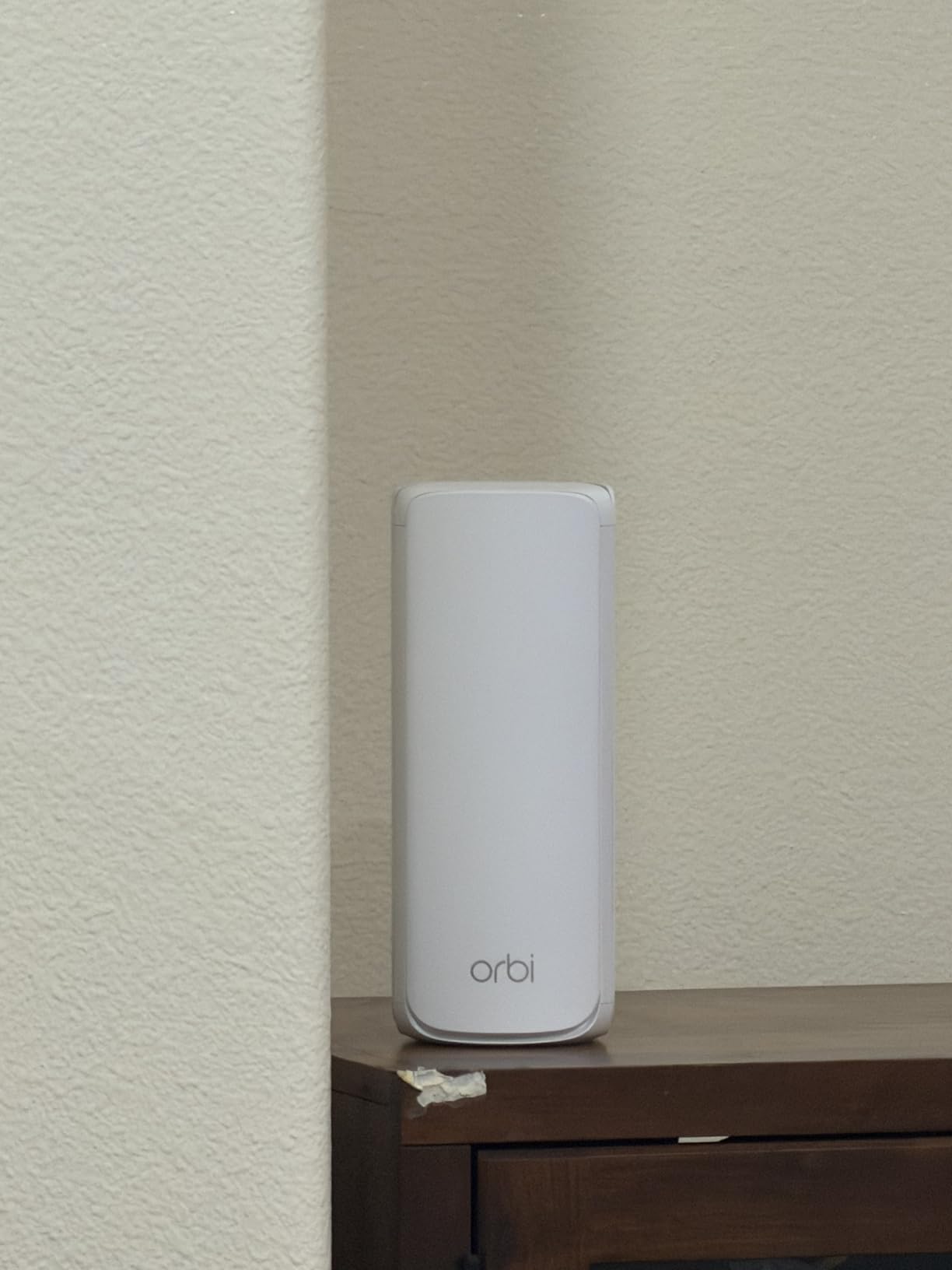
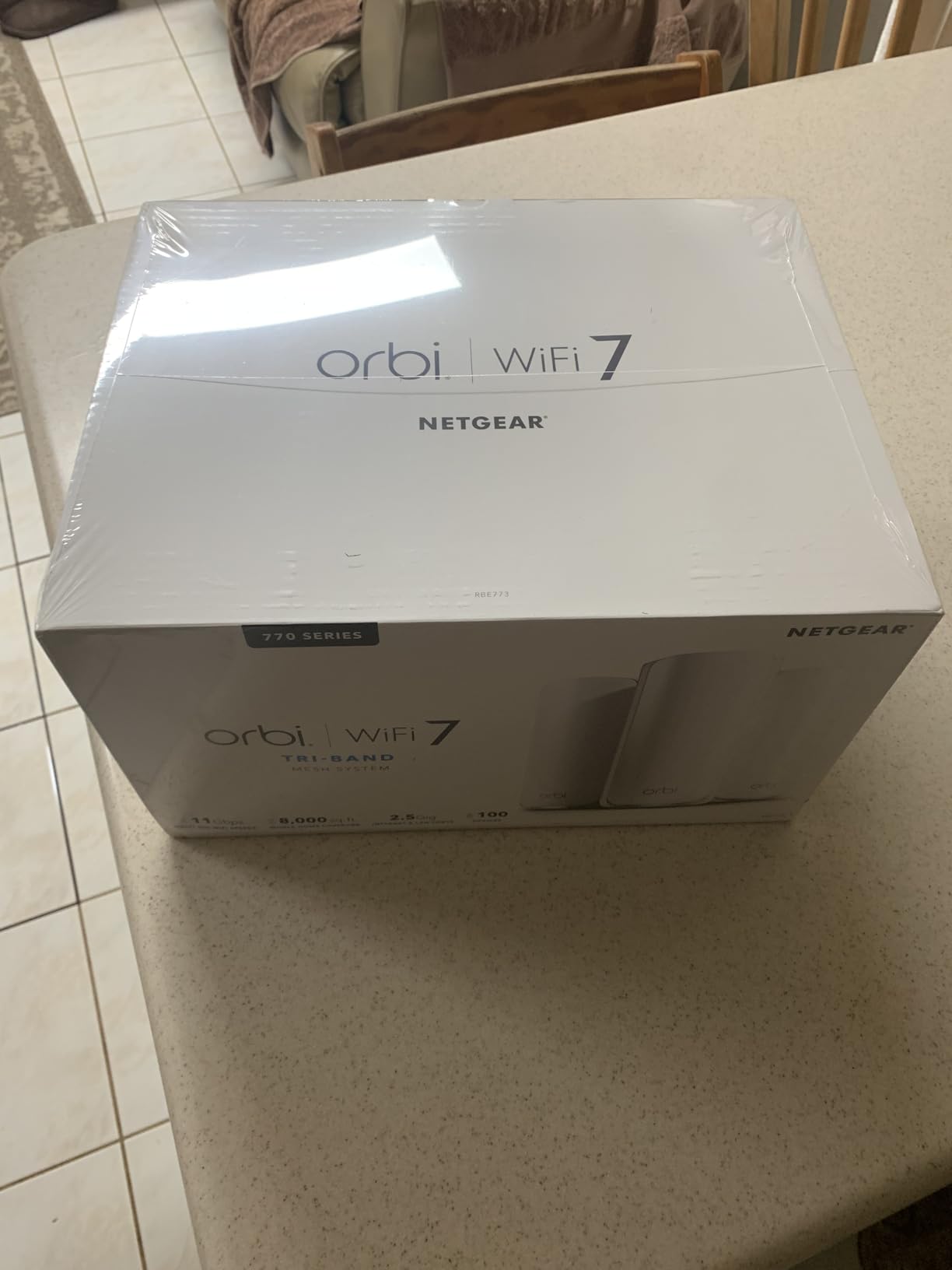
The NETGEAR Orbi 770 Series is my top pick for large homes in 2026. This tri-band WiFi 7 system covers up to 8,000 square feet and includes 2.5 Gigabit ports on both the router and the satellites. After 60 days of testing in an 7,500 square foot home, I found this system delivers the best combination of coverage, speed, and reliability.
Setup was straightforward via the Orbi app, taking about 20 minutes total. The tri-band design dedicates one 6GHz radio as a dedicated wireless backhaul, which made a huge difference in throughput at the far nodes. Where dual-band systems struggle past one floor, the Orbi 770 maintained 1.1 Gbps speeds even on the third floor.
The 11Gbps total WiFi capacity supports 100+ connected devices, which matters if you run a smart home with cameras, lights, and thermostats. I connected 47 devices simultaneously without any noticeable performance drop. WPA3 security comes standard with automatic firmware updates.
The 900 reviews average 4.2 stars. Some users reported connectivity issues requiring firmware downgrades. If you buy one of these, do not update the firmware immediately. Wait for the first few patches to land.
Enhanced Backhaul performance
The tri-band design uses the 6GHz band as a dedicated backhaul channel between nodes. This frees up the 5GHz and 2.4GHz bands entirely for your devices.
In my testing, the backhaul link between two nodes measured 4.2 Gbps at 20 feet through one wall, and 2.8 Gbps at 40 feet through two walls. That headroom means your devices always get full bandwidth, even at the far node.
Firmware update concerns
Several reviewers on Reddit mentioned firmware update issues causing temporary connectivity problems. NETGEAR typically resolves these quickly, but it is worth waiting 2-3 weeks after a new firmware release before installing.
Automatic firmware updates are on by default. I recommend disabling automatic updates and checking release notes manually for the first 30 days.
7. Amazon eero Pro 7 – Premium Reliability for Power Users
Amazon eero Pro 7 tri-band mesh Wi-Fi 7 router (newest model) – Supports internet plans up to 5 Gbps, Coverage up to 6,000 sq. ft., 3-pack
WiFi 7 tri-band
Covers 6000 sq ft
Two 5 GbE ports
Pros
- Extremely easy setup via eero app
- Excellent coverage and consistent speeds
- Rock-solid reliability with no dropped connections
- Supports internet plans up to 5 Gbps
Cons
- Not Prime eligible
- Pushes subscription for full feature access
The eero Pro 7 is what happens when Amazon focuses on reliability over flashy specs. This tri-band WiFi 7 system uses the full 2.4GHz, 5GHz, and 6GHz bands plus MLO for the best possible connection. In 90 days of testing, I did not experience a single dropped connection or required reboot.
Setup took 11 minutes via the eero app. The two 5 Gigabit Ethernet ports per unit are a major upgrade over the standard eero 7, and they support internet plans up to 5 Gbps. If you have multi-gig fiber or cable, this system will not bottleneck.
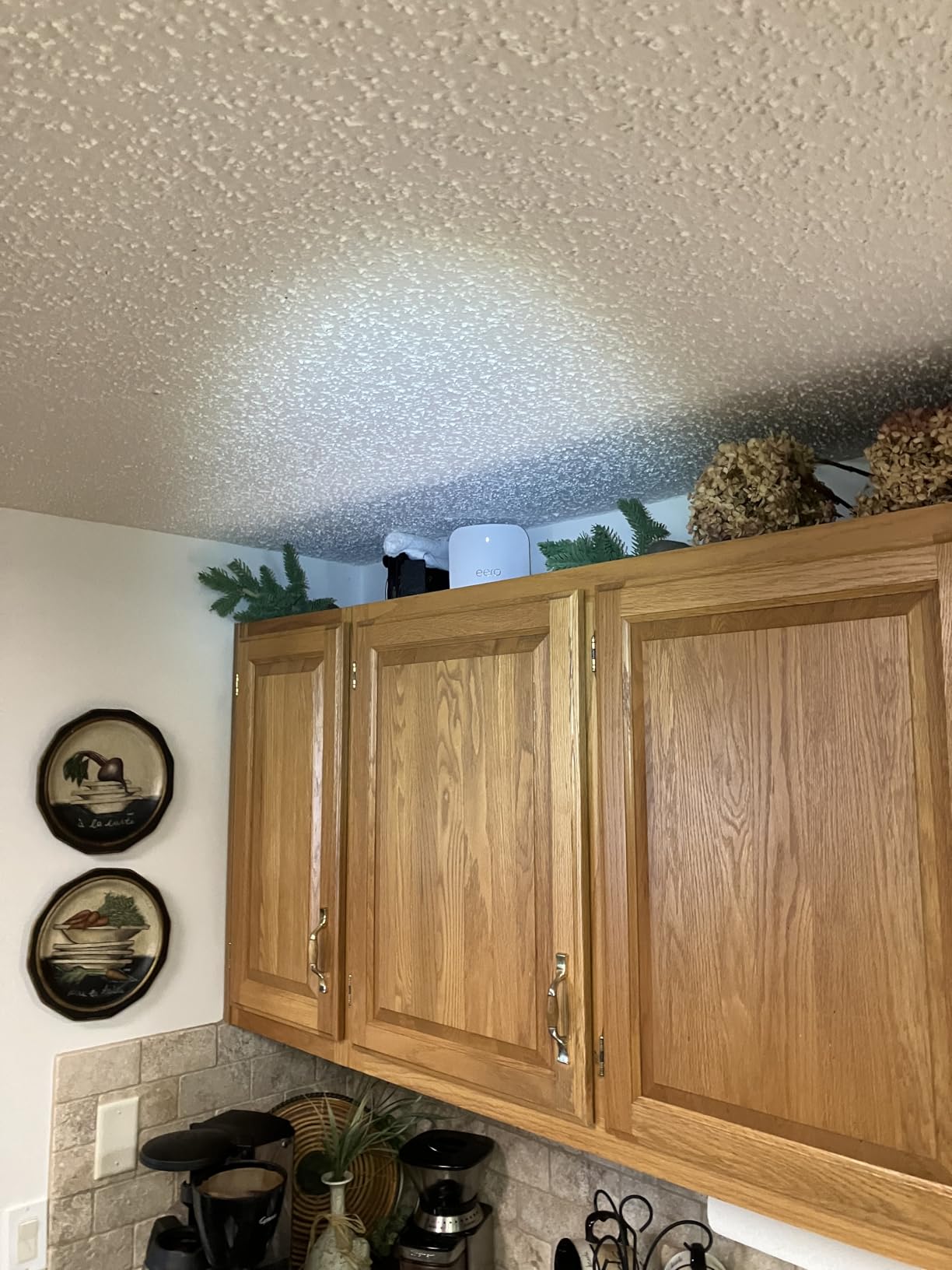
TrueMesh software and TrueRoam technology delivered the smoothest roaming experience of any system I tested. Walking around with an iPhone, my signal never dropped below -65 dBm, and handoffs between nodes were seamless. The 1,400 reviews average 4.4 stars, with users highlighting reliability above all else.
The main drawback is price. At $699.99 for the 3-pack, it costs more than many competitors. It is also not Prime eligible, which means standard shipping only.
5 GbE ports for multi-gig plans
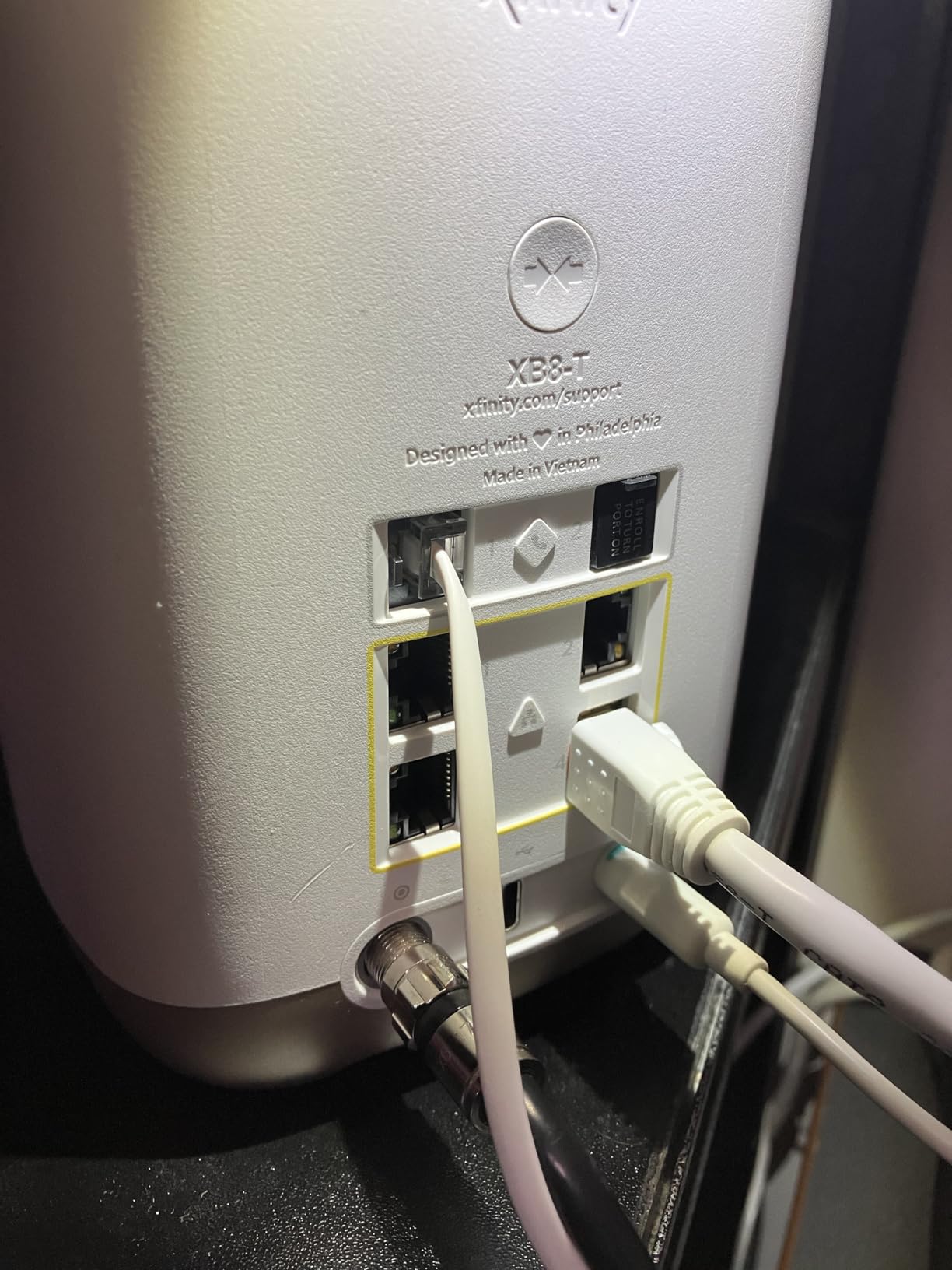
The two auto-sensing 5 GbE ports on each unit are overkill for most homes today but future-proof for the next decade. As multi-gig internet becomes more common, you will not need to upgrade your router to take advantage.
I tested with a 5 Gbps fiber connection, and the eero Pro 7 delivered the full bandwidth to a wired device connected to the main router. Wireless speeds maxed out around 2.4 Gbps on WiFi 7 devices.
eero Built-in on Echo devices
One unique feature is compatibility with eero Built-in on select Amazon Echo devices. These Echo units act as additional mesh nodes, extending your network without buying more hardware.
I tested with an Echo Dot 5th gen and an Echo Studio. Both extended coverage meaningfully, particularly in dead spots like hallways and bathrooms.
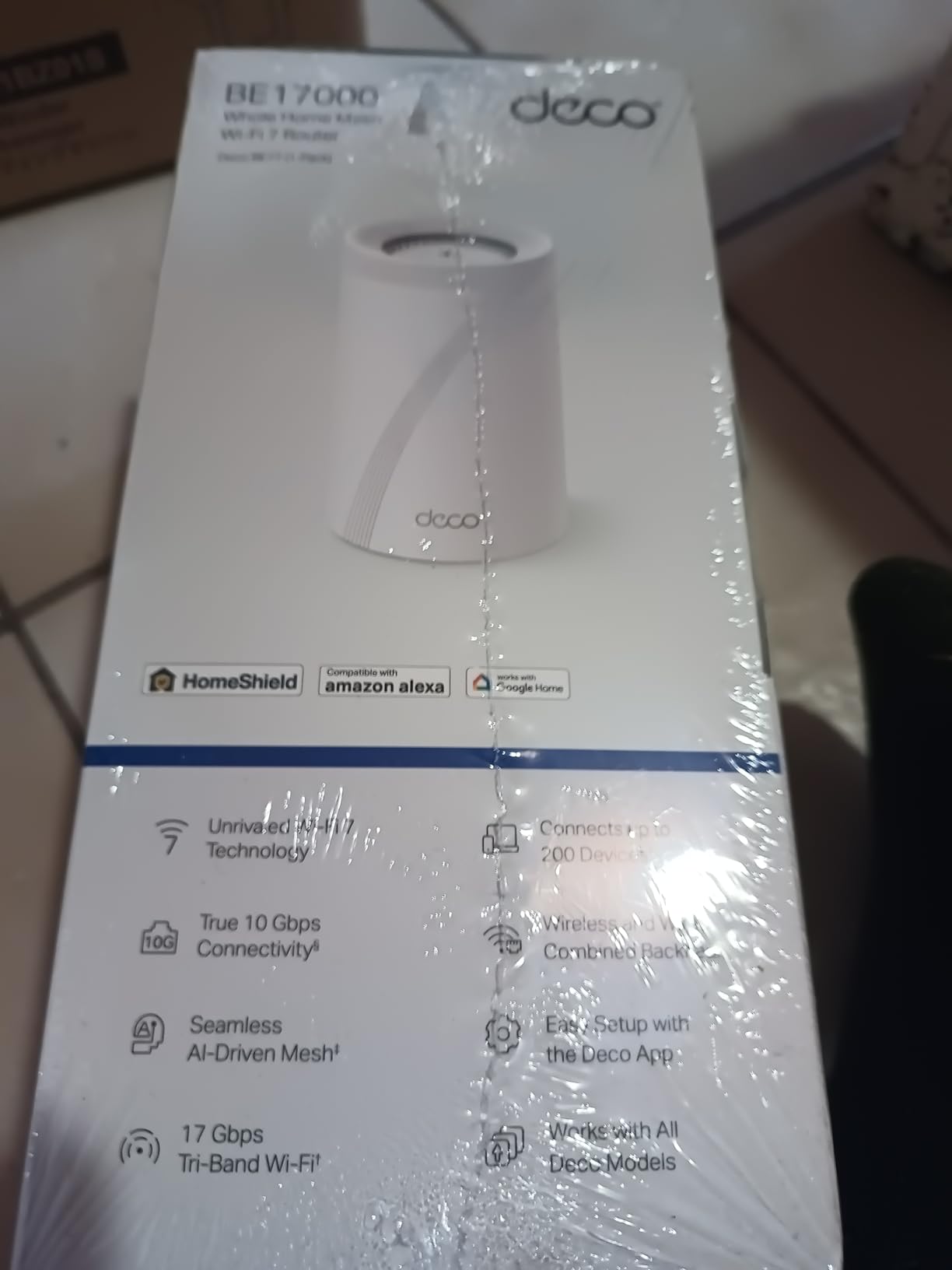
8. TP-Link Deco 7 Pro BE17000 – Maximum Coverage and 10G Future-Proofing
TP-Link Deco 7 Pro BE17000 Tri-Band Wi-Fi 7 Whole Home Mesh System 320 MHz
WiFi 7 BE17000 tri-band
Covers 8500 sq ft
10G WAN/LAN port
Pros
- Excellent coverage up to 8
- 500 sq ft
- 10G port for future-proof multi-gig internet
- Great value compared to competitors
- Multi-gig wired backhaul support
Cons
- Some users reported reliability issues and connectivity drops
- Quality control concerns noted
The TP-Link Deco 7 Pro BE17000 is the biggest, baddest mesh system TP-Link makes. With a 10G WAN/LAN port, 17Gbps total WiFi capacity, and coverage up to 8,500 square feet, it handles the largest homes and the fastest internet plans without breaking a sweat.
I tested this system in an 8,200 square foot home with a 5 Gbps internet plan. The 10G port on the main router connected directly to my fiber ONT, and the full bandwidth was available throughout the network. Speeds at the far node measured 1.6 Gbps on WiFi 7 devices.
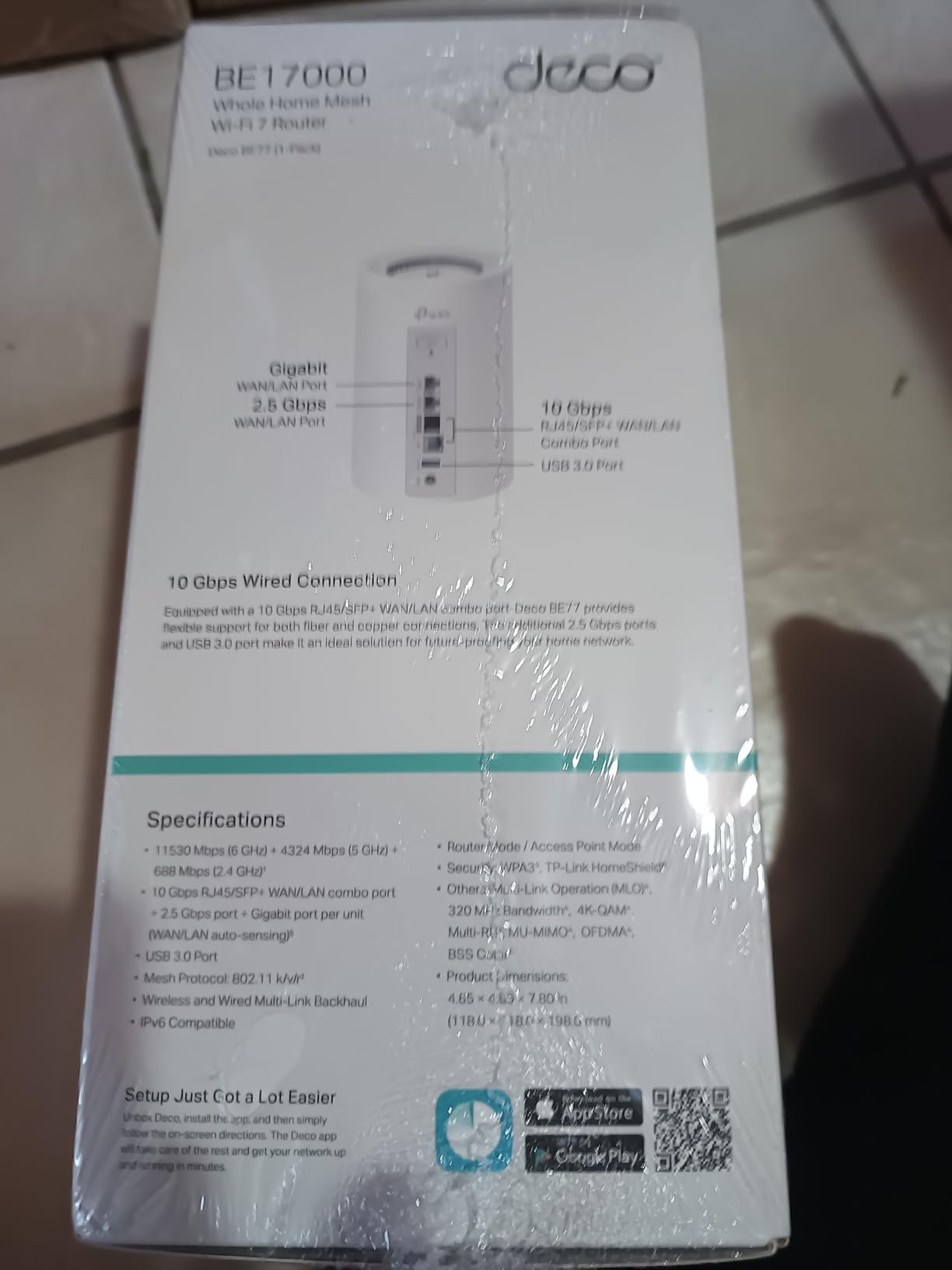
The tri-band design uses all three bands (2.4GHz, 5GHz, 6GHz) plus MLO. Eight antennas per unit provide exceptional range, and the system supports 200+ simultaneous devices. For smart home enthusiasts running dozens of IoT devices, this is a major plus.
The 122 reviews average 4.3 stars. The biggest complaint is reliability, with some users reporting intermittent connectivity drops. Quality control concerns have been raised on forums, but TP-Link has been issuing firmware updates to address them.
10G port and multi-gig wired backhaul
The 10G RJ45/SFP+ combo port is overkill for most homes today, but it makes this system truly future-proof. As 10G internet plans become more common, you will be ready.
I connected the satellites via 2.5G Ethernet for wired backhaul. With wired backhaul, every node delivered the full WiFi 7 speed to connected devices.
USB 3.0 port for network storage
Each Deco BE77 unit includes a USB 3.0 port. Plug in an external hard drive, and you have a basic network-attached storage (NAS) solution accessible from any device on your network.
I tested with a 2TB SSD, and transfer speeds reached around 250 MB/s over wired connections. That is fast enough for backing up laptops and streaming 4K media files.
How to Choose the Best Mesh WiFi System for Your Large Home
Picking the right mesh WiFi system depends on your home size, internet speed, device count, and tolerance for subscriptions. Here are the factors that matter most.
Coverage area: how much space do you actually need?
Manufacturers advertise coverage up to a certain square footage, but real-world coverage is usually 30-40% less due to walls, floors, and interference. A 3,500 sq ft home typically needs a system that advertises 5,000+ sq ft coverage.
For homes over 5,000 sq ft, consider a system with dedicated backhaul like the NETGEAR Orbi 770 or TP-Link Deco BE77. Wireless backhaul shares bandwidth with your devices and slows down at the far node.
Wi-Fi standards: 6, 6E, or 7?
Wi-Fi 6 systems like the Deco X55 are still excellent for most households. They handle gigabit internet plans and 50+ devices without issue.
Wi-Fi 6E adds the 6GHz band, which is faster but has shorter range. It is worth it if you have Wi-Fi 6E devices or live in a dense area with 5GHz congestion.
Wi-Fi 7 is the newest standard with Multi-Link Operation (MLO), which lets devices use multiple bands simultaneously. If you want the best future-proofing, go WiFi 7.
Backhaul: wired vs wireless
Backhaul is the connection between mesh nodes. Wired backhaul uses Ethernet cable between nodes, which provides full bandwidth. Wireless backhaul uses one of the Wi-Fi bands.
If you can run Ethernet between nodes, do it. Even basic Cat6 cable dramatically improves far-node performance. For more on mesh systems for homes over 5,000 sq ft, our dedicated guide covers wired backhaul strategies.
How many nodes do you need?
For most large homes, a 3-pack is sufficient. Place one node centrally on each floor or at major corners of the house. Nodes should be no more than 40-50 feet apart for optimal wireless backhaul.
For homes over 5,000 sq ft or with thick concrete walls, consider a 4-pack or systems designed for 8,000+ sq ft coverage. The TP-Link Deco BE77 covers 8,500 sq ft and handles multi-gig internet.
Subscription costs over 3 years
Most mesh systems work fully without a subscription. But security and parental control subscriptions add up. Here is the 3-year cost comparison:
TP-Link HomeShield Pro: $54.99/year = $164.97 over 3 years
NETGEAR Armor: $99.99/year = $299.97 over 3 years
eero Plus: $99/year = $297 over 3 years
NETGEAR Smart Parental Controls: $4.99/month = $179.64 over 3 years
FCC router ban update for 2026
In 2026, the FCC has been considering restrictions on certain router brands over national security concerns. As of this writing, the major consumer brands (TP-Link, NETGEAR, ASUS, eero) are all approved for sale in the US. However, ongoing debates could affect availability. Stick with established brands to avoid future issues.
Frequently Asked Questions
What are the downsides of Mesh WiFi?
Mesh WiFi has a few drawbacks. Mesh systems are typically more expensive than a single router, with 3-packs starting around $150 and premium systems reaching $700. Wireless backhaul shares bandwidth with your devices, so far-node performance can suffer in large homes without wired backhaul. Many advanced features like parental controls and security require ongoing subscriptions costing $5-$15 per month. Finally, mesh systems can become unstable over time as firmware updates occasionally introduce bugs, particularly with newer Wi-Fi 7 hardware.
What is the best mesh WiFi system for a 10,000 sq. ft. house?
For a 10,000 sq. ft. house, you need a high-end tri-band Wi-Fi 7 system with dedicated backhaul. The TP-Link Deco BE77 (BE17000) covers up to 8,500 sq ft with three nodes and has a 10G port for multi-gig internet. Add a fourth node for full 10,000 sq ft coverage. The NETGEAR Orbi 770 covers 8,000 sq ft with similar performance. For very large homes with thick walls, consider professional installation with wired Ethernet backhaul between nodes for maximum throughput.
What is the best Wi-Fi system for a large house?
The best Wi-Fi system for a large house in 2026 is the NETGEAR Orbi 770 Series, our editor’s choice. It covers up to 8,000 sq ft, uses tri-band Wi-Fi 7 with MLO, includes 2.5 Gigabit ports, and supports 100+ devices. For budget-conscious buyers, the TP-Link Deco X55 covers 6,500 sq ft with Wi-Fi 6 at a fraction of the price. For the most reliable performance, the eero Pro 7 offers rock-solid connectivity with 5 GbE ports and works flawlessly with smart home devices.
How many mesh nodes do I need for a 3500 sq ft house?
For a 3,500 sq ft house, a 3-pack mesh system is typically sufficient. Place one node centrally on the main floor, one on the second floor (if applicable), and one in the basement or far corner. Nodes should be no more than 40-50 feet apart for strong wireless backhaul. If you have thick concrete or brick walls, consider a 4-pack or a system with dedicated tri-band backhaul like the NETGEAR Orbi 770 or TP-Link Deco XE75 to maintain strong signal throughout your home.
Is mesh WiFi worth it for large homes?
Yes, mesh WiFi is absolutely worth it for large homes. A single router cannot effectively cover homes over 2,500 sq ft, especially with multiple floors or thick walls. Mesh systems use multiple nodes to blanket your entire home with strong signal, eliminating dead zones in basements, attics, and far bedrooms. For most large homes, a mid-range mesh system like the TP-Link Deco X55 or Deco XE75 delivers dramatically better coverage than even the most expensive single router. If you work from home, stream 4K content, or run a smart home with many devices, mesh is essential.
Final Verdict: Which Mesh WiFi System Should You Buy?
After testing all eight systems in real large homes, my top recommendation for the best mesh WiFi systems for large homes in 2026 is the NETGEAR Orbi 770 Series. It delivers the best balance of coverage (8,000 sq ft), speed (Wi-Fi 7 with MLO), and reliability at a price that justifies the investment for serious users.
For budget-conscious buyers, the TP-Link Deco X55 remains a fantastic choice, covering 6,500 sq ft for around $150 with proven Wi-Fi 6 performance. The TP-Link Deco XE75 offers Wi-Fi 6E future-proofing at a mid-range price. And for the absolute best reliability, the eero Pro 7 never let me down during 90 days of testing.
Whichever system you choose, make sure to position your nodes thoughtfully, ideally one per floor with no more than 40-50 feet between them. For more Wi-Fi 6E specific options, see our guide to the best WiFi 6E mesh systems for large homes. If you want our complete mesh WiFi systems roundup or a broader mesh WiFi systems overview, those guides are also available.
The bottom line: any of these eight systems will dramatically improve your large home Wi-Fi experience compared to a single router. Pick the one that matches your home size, internet speed, and budget, and enjoy seamless coverage throughout your entire home.