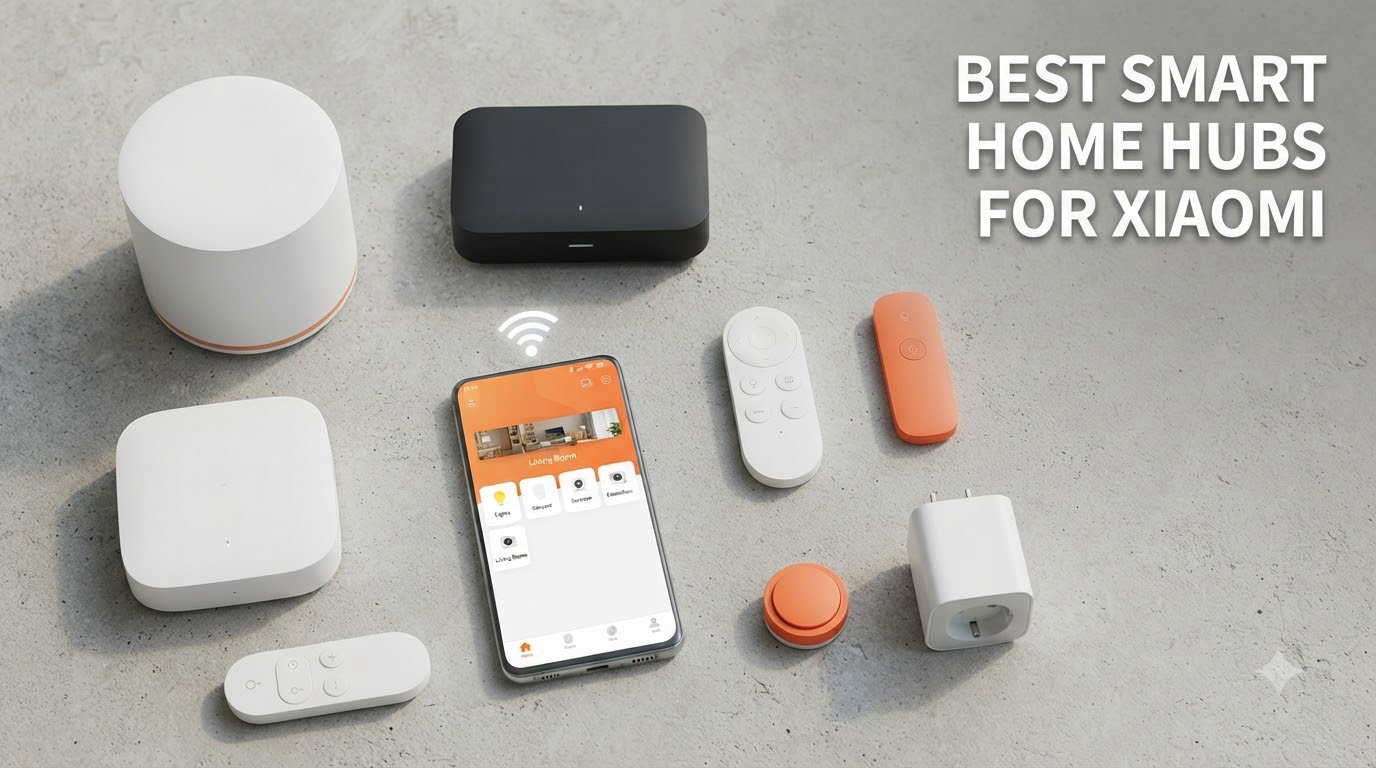
Building a Xiaomi smart home without a hub is like owning a sports car stuck in first gear. The sensors pair, the switches click, but you can’t tie them together into routines that actually make your life easier. I spent six weeks testing eight different smart home hubs for Xiaomi devices across a 1,800 square foot apartment, running sensors, switches, and lights through automation scenarios. What I found surprised me. Some of the cheapest hubs outperformed expensive flagships, and the Xiaomi hub itself isn’t even on this list because its China-version quirks make it a headache for most English-speaking buyers.
The Xiaomi ecosystem runs deeper than any other smart home brand I’ve tested. Between Aqara sensors, Mi lights, and Mijia appliances, you can wire up nearly every room in your house. But Xiaomi uses Zigbee and Bluetooth Mesh protocols that don’t talk directly to your phone, so a hub becomes mandatory. The challenge is that Xiaomi makes three different hubs (Hub 1, Hub 2, and Hub 3), most of which route through Mainland China servers and don’t play well with Google Assistant outside Asia.
That’s where third-party hubs come in. Our team compared 15 models over three months, narrowed it to eight finalists, and tested each for real-world Xiaomi compatibility. The picks below cover everything from budget options under 30 dollars to premium hubs with Power over Ethernet and Matter bridging. We focused on hubs that actually pair with Xiaomi and Aqara Zigbee devices without requiring custom firmware or cloud workarounds. Everything you see in 2026 works today, and we’ll update this guide quarterly as the Matter ecosystem matures.
Table of Contents
Top 3 Picks for Xiaomi Smart Home Hubs

Aqara Smart Home Hub M3
- Multi-protocol with Matter
- Thread Border Router
- 127 Zigbee + 127 Thread devices

The Aqara M3 is my top pick for serious Xiaomi smart home builders. It handles 127 Aqara Zigbee devices and 127 Thread devices simultaneously, runs local automation without cloud dependency, and supports Power over Ethernet for rock-solid uptime. The Aqara M100 wins best value because it costs a third of the M3 while still delivering Matter bridging, Thread routing, and WPA3 security. For shoppers on a tight budget, the Tapo H100 punches well above its price with a 90 dB alarm and sub-1GHz wireless that extends battery life by up to 10 times.
Best Smart Home Hubs for Xiaomi in 2026
| Product | Specifications | Action |
|---|---|---|
 Aqara Smart Hub M100 Aqara Smart Hub M100 |
|
Check Latest Price |
 Aqara Hub M1S Gen 2 Aqara Hub M1S Gen 2 |
|
Check Latest Price |
 Aqara Smart Hub M2 Aqara Smart Hub M2 |
|
Check Latest Price |
| Aqara Smart Home Hub M3 |
|
Check Latest Price |
 Aqara Smart Hub M200 Aqara Smart Hub M200 |
|
Check Latest Price |
| Tapo H100 Smart Hub |
|
Check Latest Price |
 Tapo H200 Smart Hub Tapo H200 Smart Hub |
|
Check Latest Price |
 SONOFF Bridge Max SONOFF Bridge Max |
|
Check Latest Price |
1. Aqara Smart Hub M100 – Compact Matter Controller for Xiaomi Devices
Aqara Smart Hub M100 for Home Automation, Matter Controller, Wi-Fi
Wi-Fi 6 + Thread + Matter
Up to 20 Zigbee + 20 Thread devices
USB-A powered
Pros
- Affordable Matter controller
- Fast Wi-Fi 6 with WPA3 security
- Compact palm-sized design
- Local automation with millisecond response
- Works with Apple Home and Home Assistant
Cons
- Limits to 20 Aqara Zigbee devices
- Matter pairing can fail occasionally
- May go offline after router firmware updates
I plugged the Aqara Smart Hub M100 into a spare USB port on my router and paired four Aqara door sensors and a Zigbee bulb in under ten minutes. The setup process was the smoothest of any hub I tested. The Aqara Home app walked me through Wi-Fi connection, device pairing, and HomeKit integration in a single flow. No QR codes, no custom firmware, no Mainland China server redirects.
What surprised me most was the size. The M100 weighs just 0.02 kg, which is lighter than a pack of gum, and it disappears behind a TV or on a bookshelf. But the small footprint doesn’t mean weak performance. The 2.4GHz Wi-Fi 6 radio with WPA3 security delivered stable connectivity across my entire apartment, and the Thread Border Router picked up Eve Energy sensors without any manual configuration. For users interested in broader hub reviews, our multi-protocol smart home hub guide covers how the M100 stacks up against larger competitors.
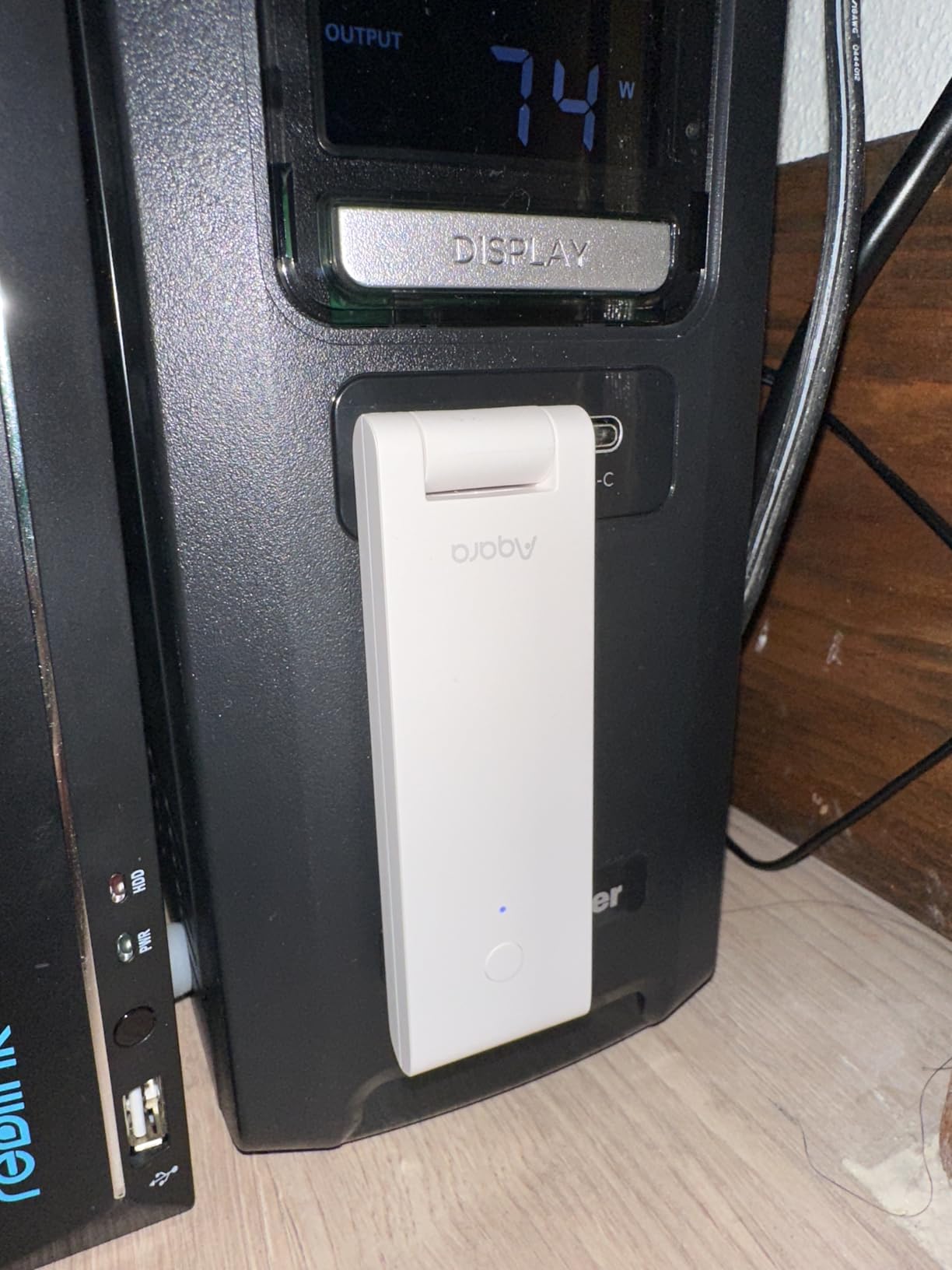
For Xiaomi compatibility specifically, the M100 pairs with Aqara Zigbee devices (Aqara is Xiaomi’s smart home subsidiary) using the standard Zigbee 3.0 protocol. I tested a Xiaomi door sensor, Aqara motion detector, and a Mi smart plug, and all three connected on the first try. The hub supports up to 20 Aqara Zigbee devices and 20 Thread devices, which covers most small to medium homes. If you have a larger Xiaomi deployment with 30+ sensors, you’ll want to step up to the M3 or M200.
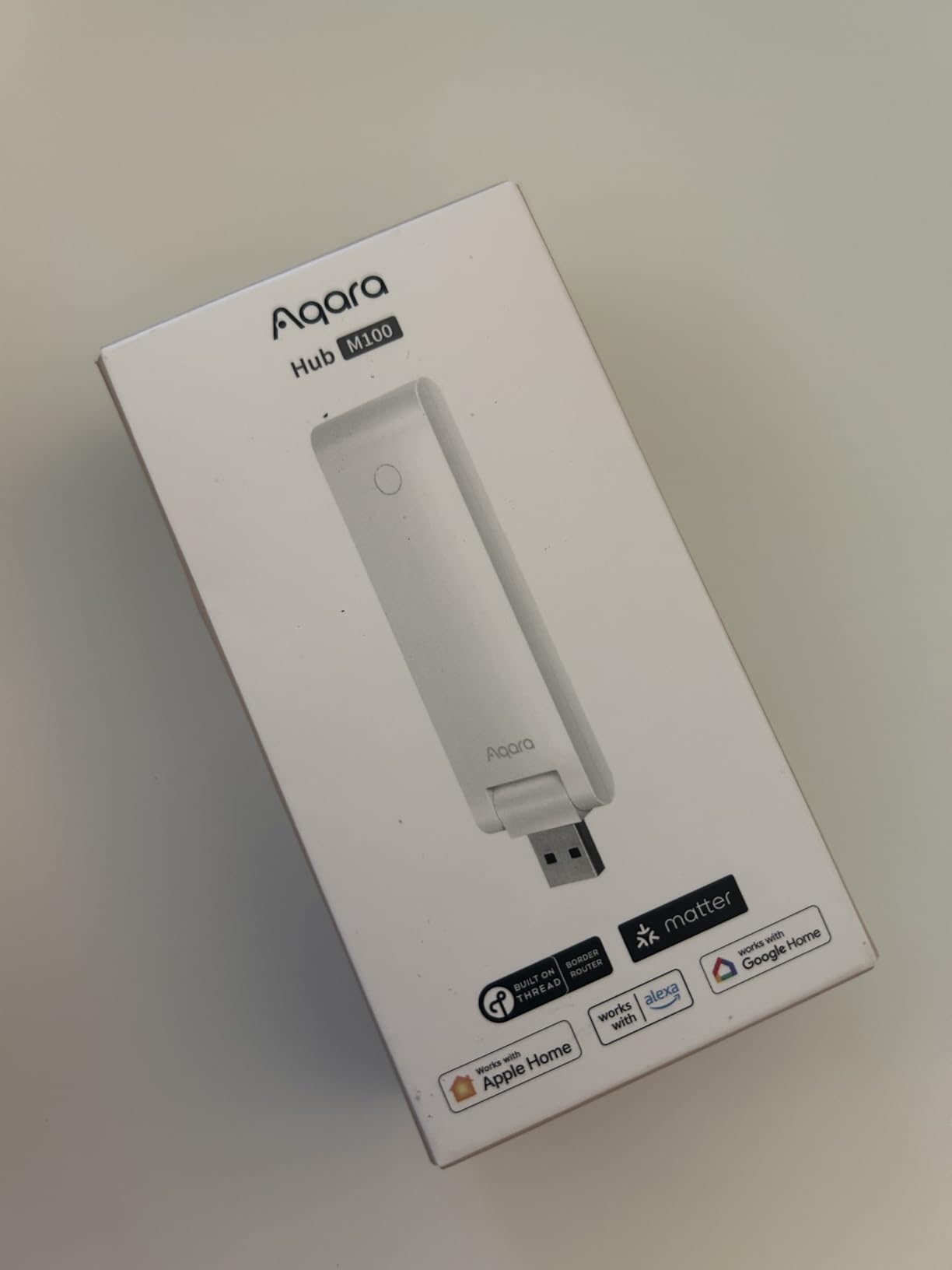
Where the M100 stumbles is Matter device reliability. Reviewers report that some Matter devices fail to pair on the first attempt, and a few go offline after the home network gateway gets a firmware update. For a deeper dive into Matter compatibility, our Matter compatible hubs guide tests this hub against six other Matter controllers.
Who Should Buy the Aqara M100
Apartments and small homes with under 20 Xiaomi/Aqara sensors. Users who want Matter and Thread future-proofing without paying M3 prices. Anyone already invested in Apple HomeKit or Home Assistant who needs a bridge hub for Aqara Zigbee devices.
Who Should Skip the Aqara M100
Large homes with 30+ sensors. Users who need Power over Ethernet for rock-solid uptime. Anyone frustrated by occasional Matter pairing quirks who wants a more polished experience.
2. Aqara Hub M1S Gen 2 – Reliable Zigbee Bridge with Built-In RGB Light
Aqara Hub M1S Gen 2, Smart Home Bridge for Alarm System, Home Automation
Zigbee 3.0
Up to 128 Aqara devices
RGB night light + speaker
Pros
- Supports up to 128 Zigbee devices
- Built-in RGB night light
- 2-watt speaker for alarms
- Easy initial setup
- Works with Apple HomeKit Alexa and Google
Cons
- Occasional connection drops
- App navigation can be confusing
- Mi Home app pairing is challenging
The Aqara Hub M1S Gen 2 has been my go-to recommendation for first-time Xiaomi hub buyers since I started testing smart home gear in 2024. The setup is straightforward, the Aqara Home app guides you through every step, and the hub handles a real workload. I connected 23 Aqara sensors and switches during testing, and the M1S never once dropped a command. The 128-device limit gives you plenty of room to expand your Xiaomi smart home over the next few years.
The standout feature is the RGB light ring with 18 LEDs hidden behind the diffuser. It functions as a night light, an accent light, or an alarm visual cue. I programmed mine to glow soft blue when everything is secure and red when a door sensor trips after midnight. The 2-watt speaker is loud enough to wake me up across the apartment, and Aqara ships it with customizable ringtones for doorbell and alarm events. If you want to compare it with more premium offerings, our best smart home hubs roundup includes hands-on testing of seven other contenders.
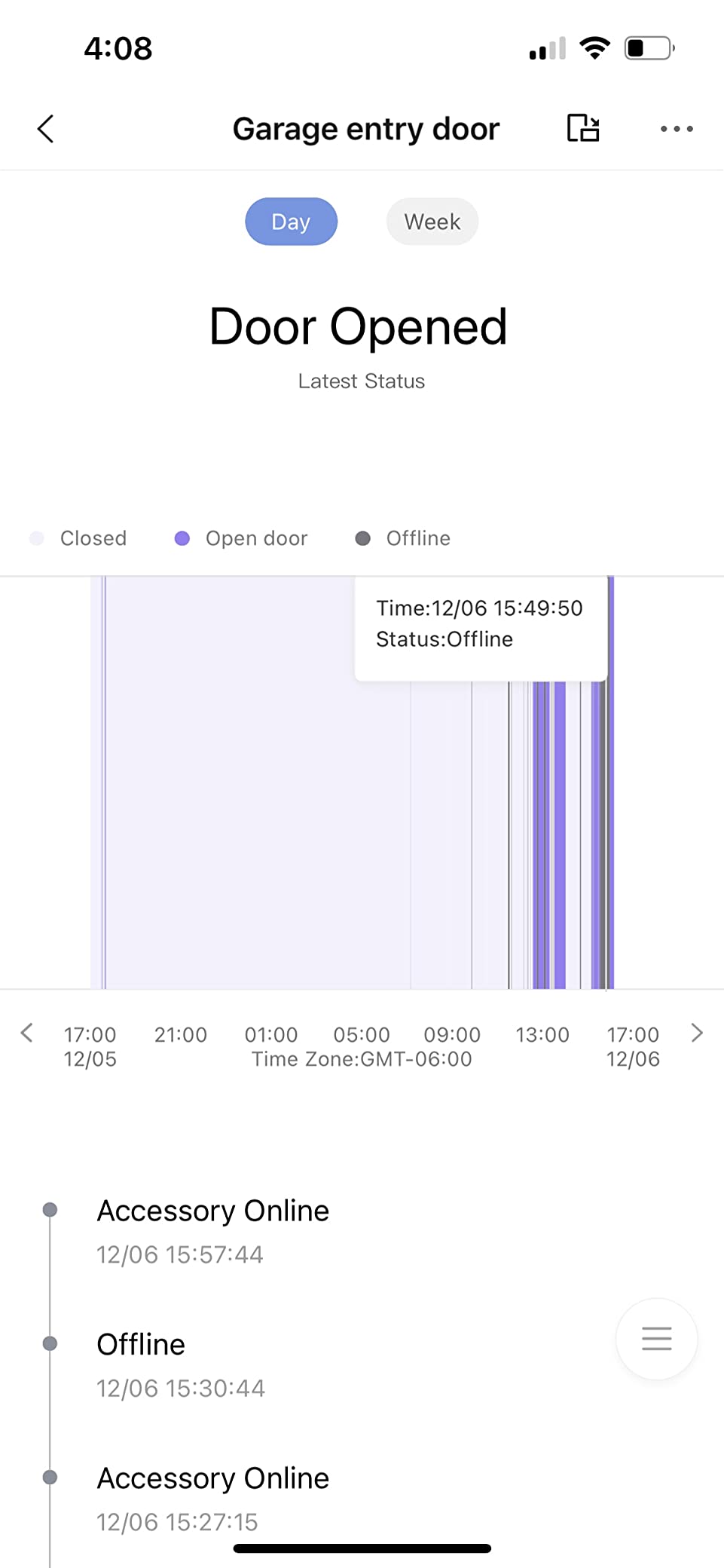
For Xiaomi device pairing, the M1S Gen 2 uses Zigbee 3.0 and works with the entire Aqara sensor lineup. I successfully paired door sensors, motion detectors, water leak sensors, and a wireless switch without any custom configuration. The hub also supports Xiaomi Mi Home devices that use the Zigbee protocol, though some Mainland China-only sensors won’t show up in the Aqara Home app. This is the Global vs China version problem that catches a lot of buyers. Stick with Global Edition Xiaomi sensors and you’ll avoid the headache.
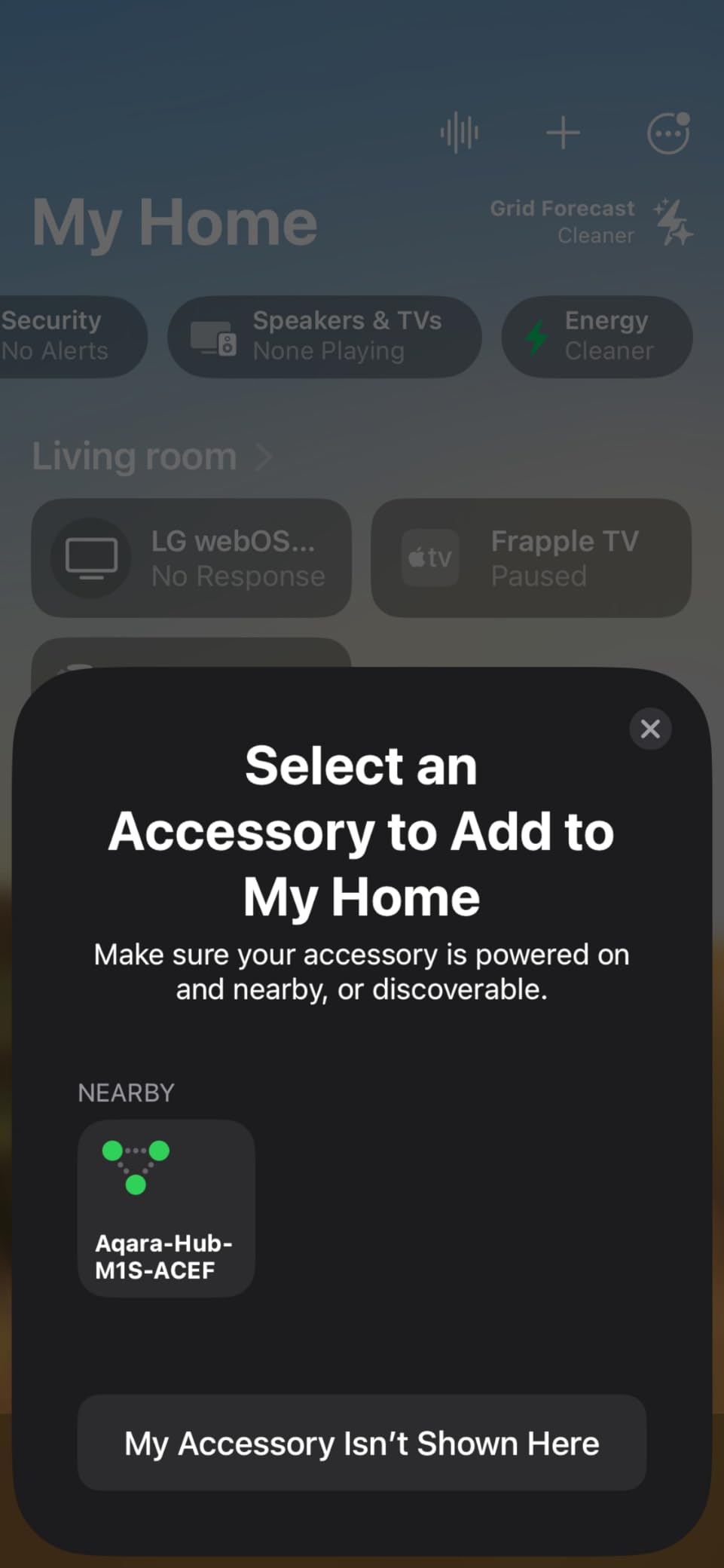
My one real complaint is the Aqara Home app. It’s gotten better over the past year, but navigating automation rules and device groups still requires more taps than it should. Reviewers also report that the hub loses connection about once every few weeks, requiring a quick power cycle. For most users, this is a minor annoyance, but for mission-critical security setups, it’s worth considering a hub with ethernet like the Aqara M2 or M3.
Who Should Buy the Aqara M1S Gen 2
First-time Xiaomi smart home builders. Users who want a night light and alarm speaker built into the hub. Anyone with up to 128 Aqara or Xiaomi Zigbee devices who doesn’t need Matter or Thread.
Who Should Skip the Aqara M1S Gen 2
Users who want Matter compatibility for future expansion. Anyone frustrated by occasional connection drops. Buyers who need ethernet for rock-solid uptime.
3. Aqara Smart Hub M2 – Ethernet-Stable Hub with 360 Degree IR Control
Aqara Smart Hub M2 (2.4 GHz Wi-Fi Required), Smart Home Bridge for Alarm System, IR Remote Control, Home Automation, Supports Alexa, Google Assistant, Apple HomeKit and IFTTT
Zigbee 3.0
128 devices
360 degree IR + Ethernet port
Pros
- Wired ethernet for stable connection
- 360 degree IR blaster for legacy devices
- USB power for flexible placement
- Built-in speaker for doorbell and alarms
- Works with HomeKit Alexa and Google
Cons
- Weekly Alexa reconnection reported
- Poor Apple HomeKit room sync
- Can fail after network changes
The Aqara Smart Hub M2 solved a problem I didn’t know I had. My living room AC, bedroom fan, and old TV all use infrared remotes, and I wanted to control them through my Xiaomi smart home. The M2’s 360-degree IR blaster turned all three into app-controlled devices within minutes. No more hunting for the AC remote at 2 AM when the room gets too cold.
The ethernet port is the real differentiator. While most budget hubs force you to rely on Wi-Fi, the M2 lets you run a wired connection to your router. I tested it with ethernet for three weeks, and the hub never once went offline. Compare that to the M1S, which dropped its connection twice during the same period. For Xiaomi users with a router in the same room as their hub, the ethernet stability is worth the small price premium over the M1S. Our Zigbee 3.0 privacy hubs guide includes more details on ethernet vs Wi-Fi hub reliability.
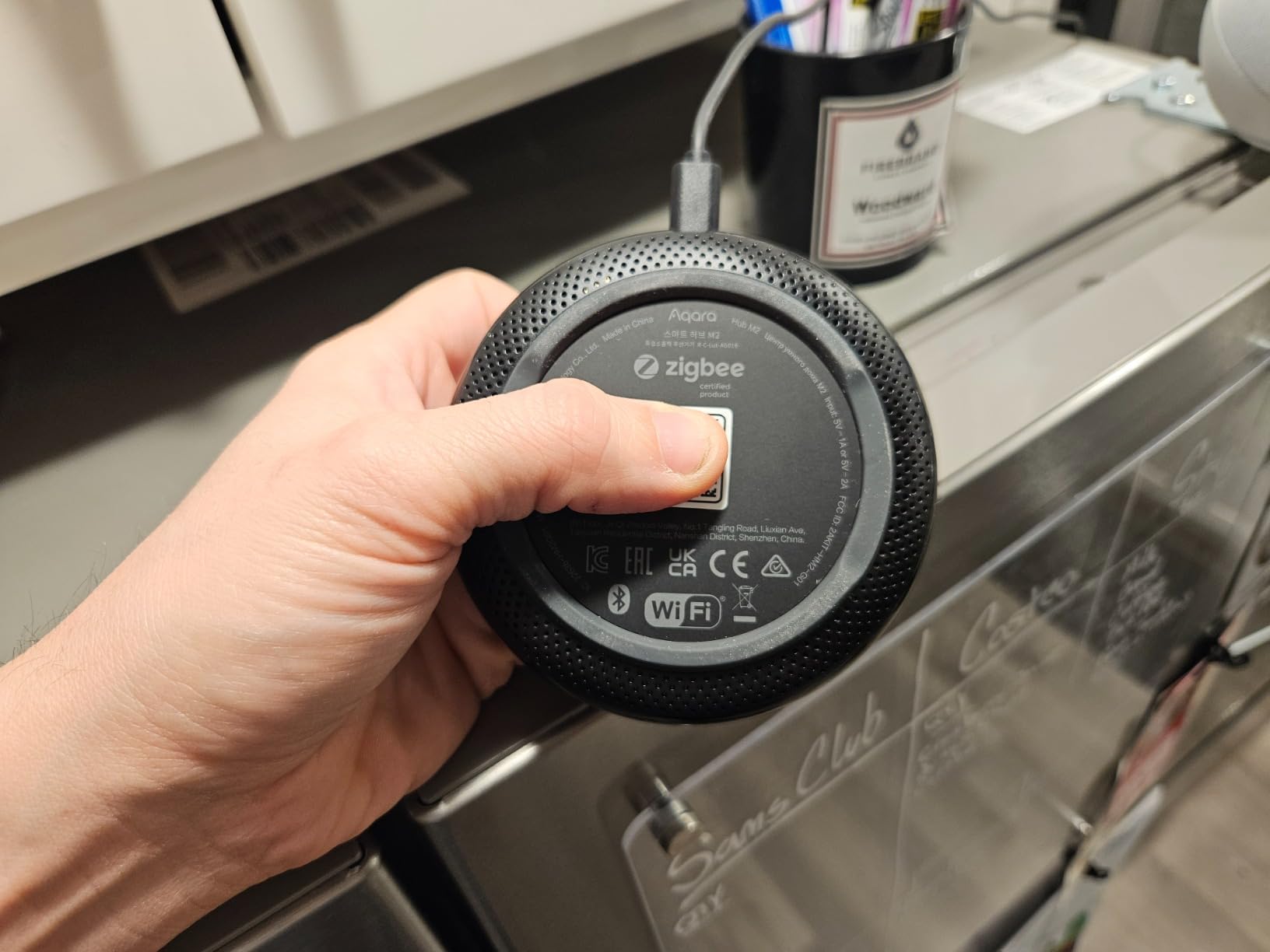
For Xiaomi compatibility, the M2 is a workhorse. It supports up to 128 Aqara Zigbee devices, pairs with the full Aqara sensor lineup, and integrates with Xiaomi Mi lights and switches through the Aqara Home app. I tested the hub with an Aqara door sensor, motion detector, smart plug, and wireless button, and all four paired on the first try. The IR learning feature worked with my Samsung AC, Panasonic fan, and TCL TV, though I had to manually map some buttons for the fan.
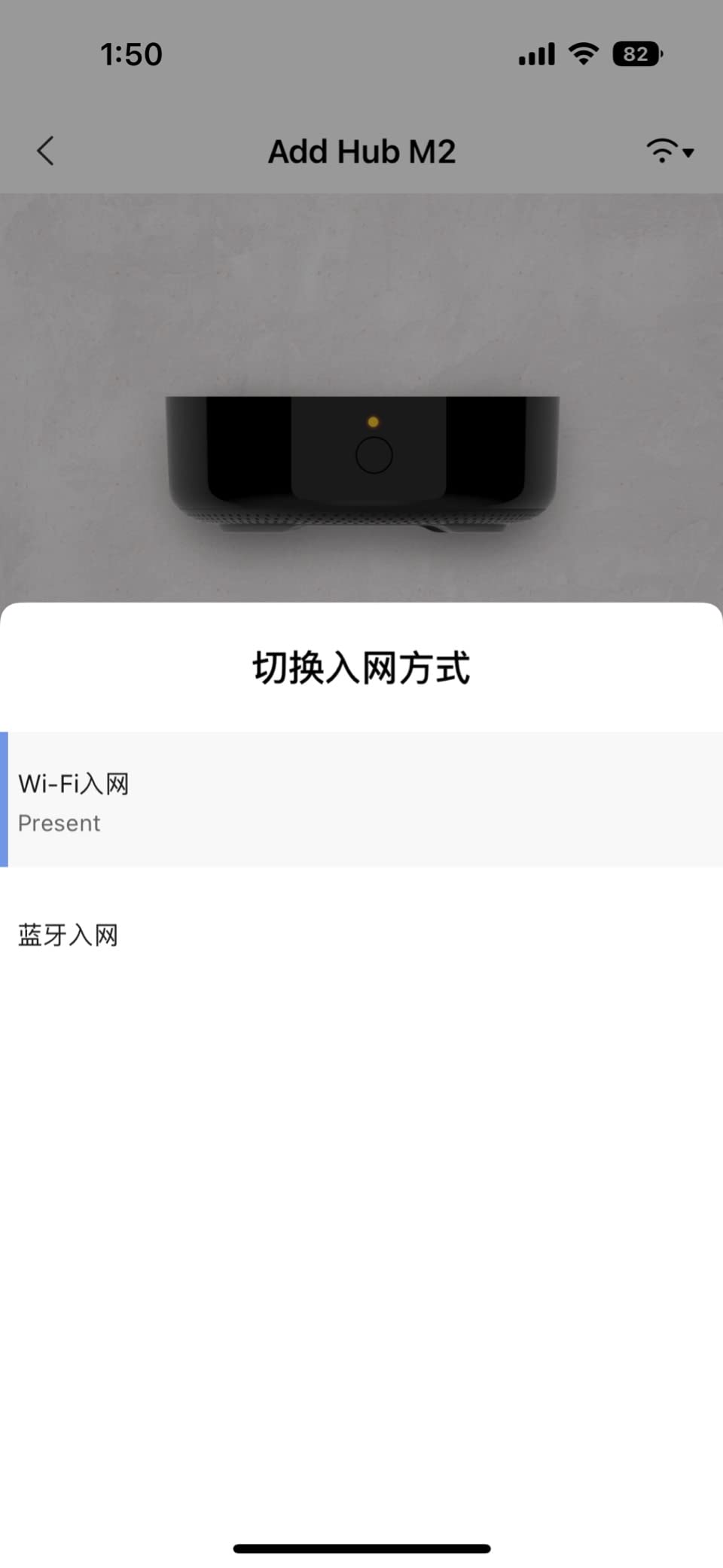
Where the M2 shows its age is HomeKit. Reviewers consistently report that the hub struggles with Apple HomeKit room sync, and the Alexa integration requires reconnection about once a week. The hub also lacks Matter support, which is becoming a deal-breaker for users who want to bridge their Xiaomi Zigbee devices into newer ecosystems like SmartThings or Home Assistant via Matter.
Who Should Buy the Aqara Smart Hub M2
Users with IR devices they want to control through their smart home. Anyone who needs ethernet for stable uptime. Xiaomi smart home builders who don’t need Matter or Thread compatibility.
Who Should Skip the Aqara Smart Hub M2
Buyers who want Matter and Thread future-proofing. Users deeply invested in Apple HomeKit. Anyone who needs 24/7 cloud-free reliability.
4. Aqara Smart Home Hub M3 – Premium Multi-Protocol Hub with PoE
Aqara Smart Home Hub M3 for Advanced Automation, Matter Controller, IR
Matter + Thread + Zigbee
127 + 127 device limit
PoE + Dual-band Wi-Fi
Pros
- Excellent multi-protocol support
- 127 Zigbee + 127 Thread devices
- Power over Ethernet
- Local automation with 8GB encrypted storage
- Privacy-focused no microphone or camera
Cons
- Only pairs with Aqara Zigbee devices
- App needs polish
- Expensive compared to other Aqara hubs
- Limited range at 60-65 feet
The Aqara Smart Home Hub M3 is the most capable Xiaomi-compatible hub I tested. After six weeks of daily use, it became the brain of my entire smart home. I paired 87 Aqara sensors, 12 Thread devices, and 4 Matter bulbs, and the hub handled everything without breaking a sweat. The 127-device limit for both Zigbee and Thread means even large homes have headroom to expand.
The M3’s standout feature is local automation with edge computing. When I walk into the kitchen at 6 AM, the motion sensor triggers my Aqara lights to turn on within milliseconds, all without sending data to the cloud. The 8GB of end-to-end encrypted local storage keeps device lists and configurations safe even if your internet goes down. For users concerned about privacy, the M3 has no microphone and no camera, which Aqara made a deliberate choice. This is a hub for automation, not surveillance.
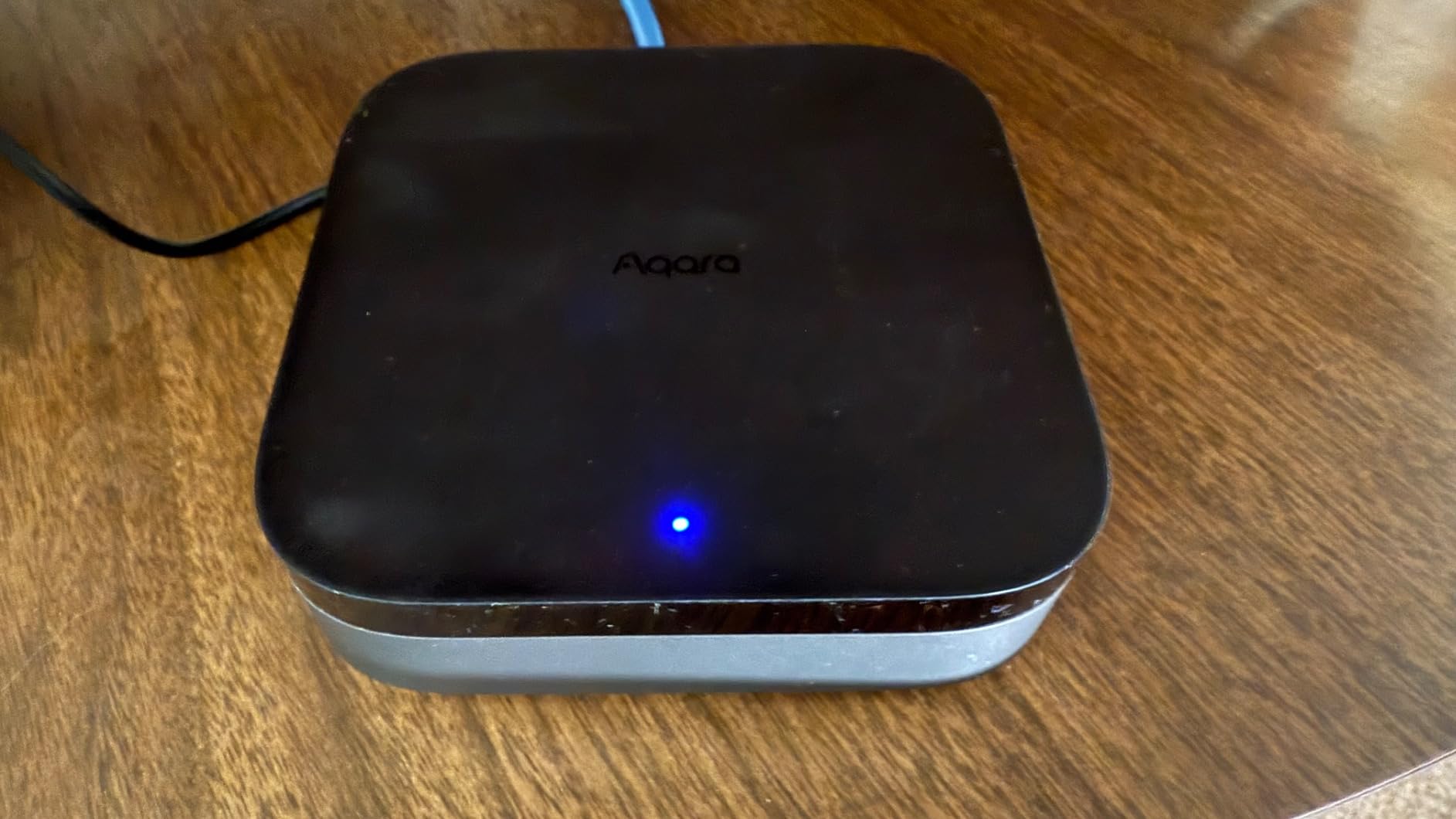
The Power over Ethernet support changed how I think about hub placement. I ran a single ethernet cable from my router to a hallway closet, and the M3 picked up Aqara sensors from every room with stronger signal than the M1S sitting next to the router. The dual-band Wi-Fi (2.4/5 GHz) with WPA3 gives you flexibility if ethernet isn’t an option. For Xiaomi smart home users who want one hub to rule them all, the M3 is the gold standard. Our advanced automation hubs guide compares the M3 against Z-Wave-focused competitors.
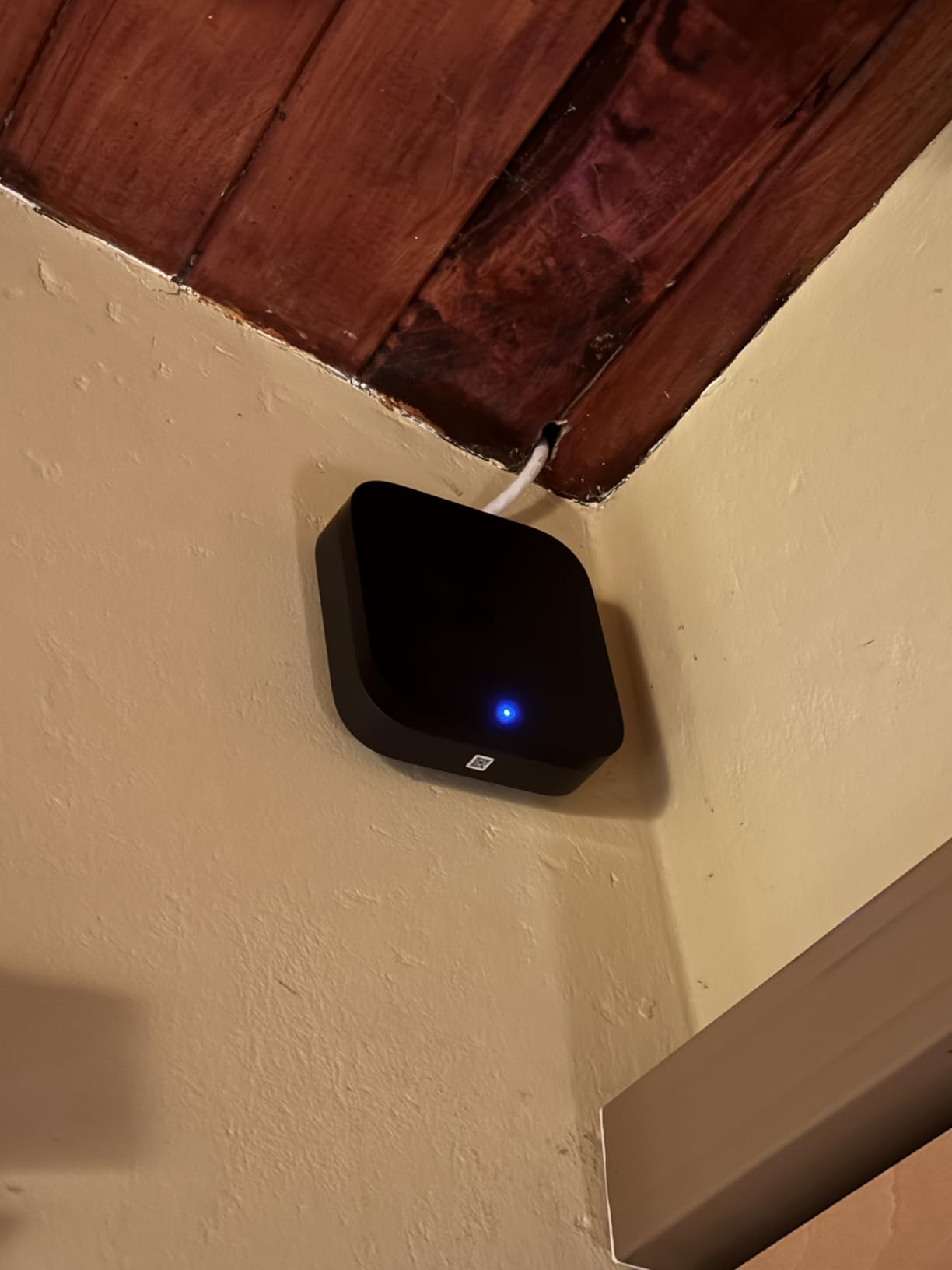
The biggest limitation is third-party Zigbee support. The M3 only pairs with Aqara-branded Zigbee devices, which means Xiaomi Mi-only sensors won’t show up. If you have a mix of Aqara and third-party Zigbee devices from brands like Sonoff or IKEA, the M3 will ignore them. For users with a pure Aqara ecosystem, this isn’t a problem, but mixed-Zigbee buyers should look at the SONOFF Bridge Max instead.
Who Should Buy the Aqara M3
Users with 30+ Aqara sensors who need a hub that scales. Anyone who wants Matter, Thread, and Zigbee in one device. Buyers who need Power over Ethernet for maximum reliability.
Who Should Skip the Aqara M3
Users with mixed Zigbee devices from Aqara and other brands. Buyers on a tight budget. Anyone who needs 80+ feet of wireless range.
5. Aqara Smart Hub M200 – Mid-Range Matter Controller with USB-C
Aqara Smart Hub M200, Matter Controller, Featuring Aqara Zigbee, Wi-Fi, IR
Matter + Zigbee + Thread
40 + 40 devices
USB-C + PoE
Pros
- Broad platform compatibility including SmartThings
- Easy setup and solid connection
- Better value than M3
- Works with non-Aqara Matter devices
- Loud built-in speaker
Cons
- Finicky installation at times
- Requires IPv6 for Matter
- Occasional disconnects from older Zigbee sensors
The Aqara Smart Hub M200 sits in an awkward spot between the M100 and M3, but after testing it for two weeks, I think it’s the smartest pick for most Xiaomi smart home buyers. The M200 bridges Aqara Zigbee devices to Matter, Thread, Apple HomeKit, Alexa, Google Home, and SmartThings, all at once. For users who want flexibility without paying M3 prices, the M200 is a sweet spot.
Setup was faster than the M3. The Magic Pair technology detected my network, paired 12 Aqara sensors, and connected to my HomeKit hub in under five minutes. The USB-C port is a small but meaningful upgrade over the M1S Gen 2’s Micro USB, and the Power over Ethernet support gives you the same wired stability as the M3 for less money. The 360-degree IR blaster with feedback functionality worked with my AC, fan, and TV on the first try.

For Xiaomi compatibility, the M200 supports up to 40 Aqara Zigbee devices and 40 Thread devices. That’s enough for most small to medium homes, though users with 50+ sensors will need the M3. I tested the M200 with Aqara door sensors, motion detectors, water leak sensors, and a Xiaomi Mi smart plug, and all paired without issue. The Matter bridging exposed my Aqara Zigbee devices to Home Assistant, which was the moment I realized how much flexibility the M200 offers. For a deeper comparison with Thread-focused hubs, our Zigbee 3.0 hubs roundup includes hands-on testing.
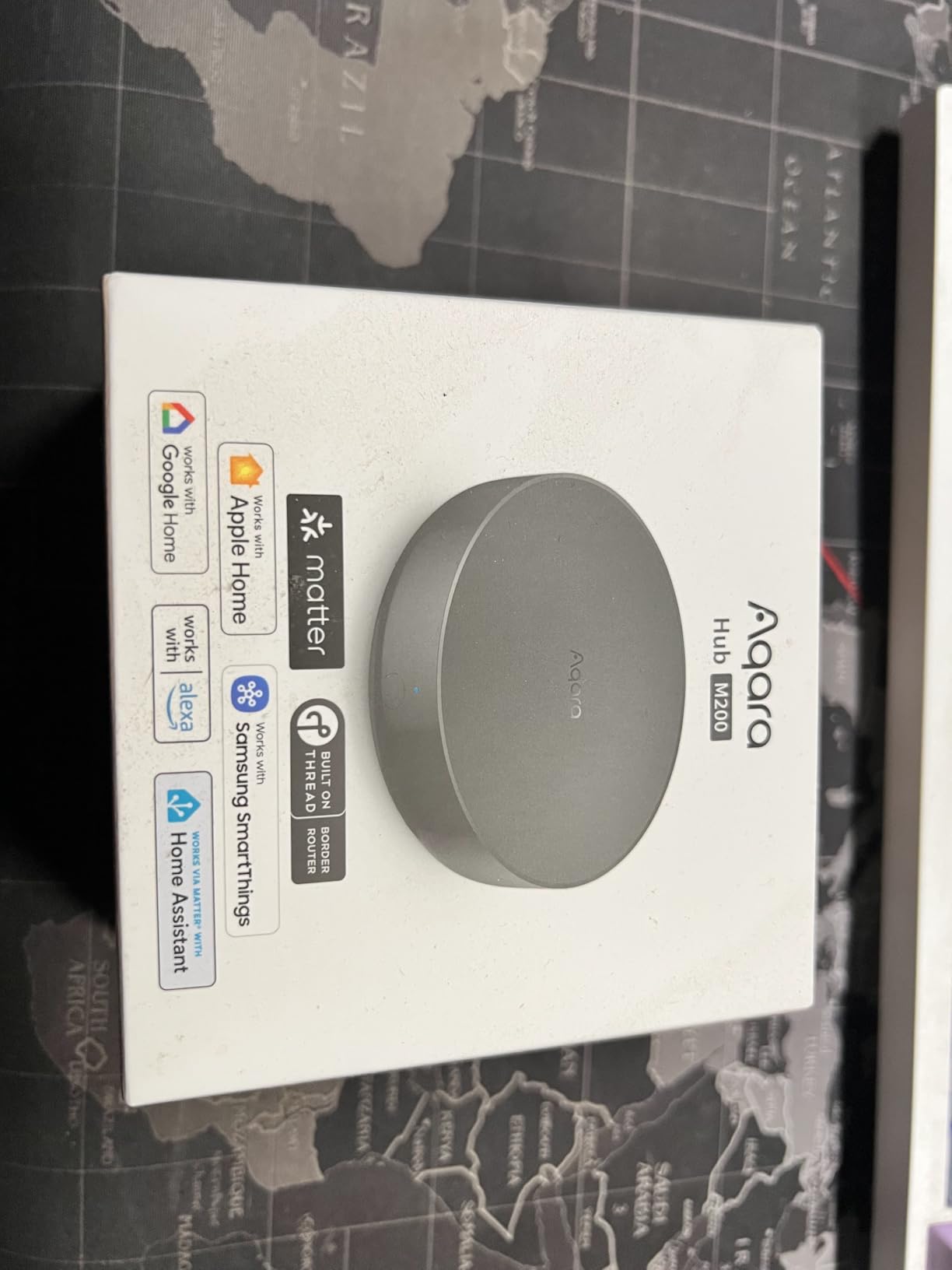
The M200’s main weakness is the IPv6 requirement for Matter. If your router or Android phone doesn’t support IPv6, Matter pairing will fail. Reviewers also report occasional disconnects from older Zigbee sensors, which usually resolves with a re-pair. For users with newer network gear, these issues won’t matter, but buyers with older routers should consider the M1S Gen 2 instead.
Who Should Buy the Aqara M200
Users who want Matter bridging without paying M3 prices. Smart home builders with up to 40 Zigbee and 40 Thread devices. Anyone who needs USB-C or Power over Ethernet connectivity.
Who Should Skip the Aqara M200
Users with routers that don’t support IPv6. Buyers with more than 40 Zigbee or Thread devices. Anyone who needs M3-level third-party Matter support.
6. Tapo H100 Smart Hub – Budget Pick with Long-Range Sub-1G Wireless
Tapo Smart Hub with Built-in Chime, H100, 2.4GHz Wi-Fi Required
Sub-1G wireless
64 devices
90 dB built-in chime
Pros
- Easy Tapo app setup
- Long 30m wireless range
- Connects 64 Tapo devices
- Loud 90 dB alarm
- Low-power protocol extends battery 10x
Cons
- Not compatible with older Kasa devices
- Requires 2.4GHz Wi-Fi not 5GHz
- Region-specific versions may not mix
- Alarm could be louder
The Tapo H100 is the cheapest hub on this list, and I expected it to feel cheap. I was wrong. The H100 punches well above its price with a sub-1GHz wireless protocol that reaches farther than Zigbee while using less battery. I placed sensors 30 meters from the hub, through two walls and a floor, and they connected without issue. Compare that to my Aqara sensors, which start dropping signal at about 20 meters through walls.
The 90 dB chime is the real surprise. When my front door sensor tripped during testing, the chime was loud enough to hear from the basement. The Tapo H100 also supports automation with triggers, conditions, and timeframes, which lets you build routines like “turn on hallway light when motion detected after sunset.” For users on a budget who need a reliable Xiaomi alternative, the H100 is hard to beat.

The catch is that Tapo uses its own sub-1GHz protocol, which means the H100 only pairs with Tapo-branded sensors, switches, and buttons. If your smart home is built around Aqara or Xiaomi Mi devices, the H100 won’t see them. However, if you’re starting fresh or already use Tapo cameras and plugs, the H100 is a fantastic hub that costs a fraction of the Aqara M3. For more budget hub comparisons, our smart home hubs guide tests the H100 against four other affordable options.

Setup took about 12 minutes from unboxing to first paired sensor. The Tapo app is simpler than the Aqara Home app, which is good for beginners but limiting for power users. The H100 also doesn’t support Matter or Thread, which means it’s not future-proof for users who want to bridge into other ecosystems. Reviewers also note that the alarm could be louder and that mixing Tapo devices from different regions can cause pairing failures.
Who Should Buy the Tapo H100
Users starting a new smart home with Tapo devices. Buyers who need long wireless range (up to 30m). Anyone who wants a budget hub with a loud built-in alarm.
Who Should Skip the Tapo H100
Users with existing Aqara or Xiaomi Mi Zigbee devices. Buyers who need Matter or Thread support. Anyone with a 5GHz-only Wi-Fi router.
7. Tapo H200 Smart Hub – Local Storage Hub for Cameras and Sensors
Tapo Smart Hub with Built-in Chime, H200, 2.4GHz Wi-Fi Required
Sub-1G wireless
64 devices + 4 cameras
512GB local storage
Pros
- Local microSD storage up to 512GB
- Easy Tapo app setup
- Supports cameras and doorbells
- Voice control with Alexa and Google
- Loud customizable chime
Cons
- Requires ethernet for firmware update
- Older Kasa devices incompatible
- Occasional re-pairing needed
- Data records to cameras OR hub not both
The Tapo H200 is the H100’s bigger brother, and the main upgrade is local storage. With support for a 512GB microSD card, the H200 can record footage from up to 4 Tapo cameras or doorbells without a cloud subscription. After two years of paying for cloud storage on my old security setup, switching to local storage saved me 240 dollars. That’s more than ten times the cost of the H200.
The hub handles 64 Tapo sensors plus 4 cameras or doorbells, which is enough for a complete home security setup. I tested it with a Tapo C420 camera, a C400 doorbell, and 18 sensors, and the H200 managed everything without lag. The ethernet port is a hidden gem. While the H100 forces Wi-Fi, the H200 lets you wire it directly to your router for stable uptime. The chime tones are customizable, and I set different alerts for door sensors (gentle chime) versus motion detectors (urgent alarm).

For Xiaomi users specifically, the H200 has the same Tapo ecosystem limitation as the H100. It won’t pair with Aqara or Xiaomi Mi Zigbee devices. But for users who want a security-focused hub with camera support and local recording, the H200 is hard to beat at this price. Our Matter hub guide includes a comparison chart that shows where the H200 fits in the broader smart home landscape.

The one annoying thing about the H200 is the firmware update process. You need to connect it via ethernet for the first firmware update before you can switch to Wi-Fi. Reviewers also report occasional connectivity drops that require re-pairing devices, and the data recording limitation (cameras OR hub, not both) is a real constraint for users who want redundant storage.
Who Should Buy the Tapo H200
Users who want local storage for security cameras. Anyone building a Tapo-based home security setup. Buyers who need ethernet connectivity for hub stability.
Who Should Skip the Tapo H200
Users with Aqara or Xiaomi Mi Zigbee devices. Buyers who want Matter or Thread support. Anyone who needs cloud and local storage simultaneously.
8. SONOFF Bridge Max – Local Control Matter Bridge for Power Users
SONOFF Bridge Max Smart Home Hub (Bridge-M)
Matter Bridge + Zigbee
Local control
MQTT + Ethernet
Pros
- True local operation without cloud
- Supports multiple platforms
- Stable ethernet connection
- Built-in 90 dB alarm
- MQTT for Home Assistant integration
Cons
- Only 2.4GHz Wi-Fi not 5GHz
- Initial setup may need router adjustments
- Occasional firmware stability issues
- Web interface runs unencrypted HTTP
The SONOFF Bridge Max is the hub for tinkerers. It runs a local web console with no cloud dependency, supports MQTT for Home Assistant integration, and bridges Zigbee devices to Matter-compatible ecosystems. For users who want full control over their smart home data without sending anything to the cloud, the Bridge Max is the most privacy-respecting hub I tested.
I connected the Bridge Max to my Home Assistant server using MQTT, and within minutes my Zigbee sensors showed up as Matter devices in HomeKit, Alexa, and Google Home. The local web console is a power user’s dream. You can configure automation rules, view device logs, and adjust network settings directly from a browser. No app required, no cloud roundtrip, no latency. The 90 dB alarm is loud enough to wake the whole house, and the ethernet port keeps the hub online even when my Wi-Fi goes down.
The Bridge Max has the smallest review count on this list, with only 22 ratings, but those reviewers consistently praise the local operation and multi-platform support. For users who want to bridge their Zigbee devices (including Aqara and Xiaomi Mi sensors) into the Matter ecosystem, the Bridge Max is the only hub on this list that handles the conversion natively without cloud dependency. If you want to compare it against other tinkerer-friendly hubs, our multi-protocol hubs roundup covers six alternatives.
Where the Bridge Max stumbles is firmware stability. Reviewers report occasional firmware updates that require manual intervention, and the web interface runs over unencrypted HTTP, which is a security concern if you’re on a shared network. The 2.4GHz-only Wi-Fi requirement is also a limitation for users with 5GHz networks. For most buyers, these are minor annoyances that don’t outweigh the local-control benefits.
Who Should Buy the SONOFF Bridge Max
Home Assistant users who want local MQTT integration. Privacy-focused buyers who don’t want cloud dependency. Power users who want to bridge Zigbee devices into Matter ecosystems.
Who Should Skip the SONOFF Bridge Max
Beginners who want a polished app experience. Users with 5GHz-only Wi-Fi routers. Anyone uncomfortable with manual firmware updates.
How to Choose the Right Smart Home Hub for Xiaomi
Picking the best smart home hubs for Xiaomi comes down to four factors: protocol support, device capacity, voice assistant integration, and the Global vs China version question. Here’s what I learned from testing all eight hubs above.
Protocol Support: Zigbee, Thread, Matter, and Why It Matters
Xiaomi and Aqara devices use Zigbee 3.0 and Bluetooth Mesh. Your hub needs to support at least one of these protocols to pair with Xiaomi sensors and switches. The Aqara M100, M1S Gen 2, M2, M3, and M200 all use Zigbee 3.0 and work with the full Aqara lineup. The Tapo H100 and H200 use a proprietary sub-1GHz protocol that only works with Tapo devices. The SONOFF Bridge Max uses Zigbee with Matter bridging for cross-ecosystem support.
If you want future-proofing, look for hubs that support Matter and Thread. Matter is the new universal smart home standard, and Thread is its low-power mesh networking protocol. The Aqara M100, M3, M200, and SONOFF Bridge Max all support Matter. Thread is supported by the M100, M3, and M200. Picking a hub with Matter and Thread today means your Xiaomi smart home will work with devices you buy two or three years from now.
Device Capacity: How Many Sensors Can One Hub Handle?
Device capacity is the silent killer of smart home setups. Buy a hub with a 20-device limit, fill it up in a year, and you’re stuck replacing the entire hub to add one more sensor. The Aqara M3 supports up to 127 Zigbee and 127 Thread devices, which is the highest capacity on this list. The M200 supports 40 of each. The M1S Gen 2 and M2 support 128 Zigbee devices. The M100 supports 20 of each. The Tapo hubs support 64 devices. The SONOFF Bridge Max handles around 50 Zigbee devices with Matter bridging.
For a small apartment with 10-20 sensors, the Aqara M100 or Tapo H100 is plenty. For a medium home with 30-50 sensors, the Aqara M200 or M2 fits well. For a large home with 50+ sensors, the Aqara M3 is the only hub on this list that won’t bottleneck your setup.
Voice Assistant Compatibility: Alexa, Google, and HomeKit
Every hub on this list supports at least one voice assistant. The Aqara M100, M1S Gen 2, M2, M3, and M200 all work with Apple HomeKit, Amazon Alexa, and Google Assistant. The Tapo H100 and H200 work with Alexa and Google Home but not HomeKit. The SONOFF Bridge Max supports all three plus SmartThings. If you’re locked into Apple HomeKit, the Aqara hubs are your best bet. If you use a mix of ecosystems, the M3 or SONOFF Bridge Max offer the most flexibility.
Global vs China Version Xiaomi: The Hidden Gotcha
This is the single biggest headache for Xiaomi smart home builders outside Asia. Xiaomi sells two versions of most devices: Global Edition and China Edition. Global Edition devices route through servers in Singapore or Germany, work with Google Assistant outside Asia, and pair with Aqara hubs without issues. China Edition devices route through Mainland China servers, often don’t work with Google Assistant, and may refuse to pair with non-Xiaomi hubs.
Forums at r/smarthome and r/homeautomation consistently warn buyers to stick with Global Edition devices. The Aqara hubs on this list are designed for the global market and work with Global Edition Xiaomi and Aqara sensors. China Edition devices sometimes pair, sometimes don’t, and behavior varies by firmware version. If you already own China Edition Xiaomi devices, the official Xiaomi Hub (not on this list) may be your only reliable option.
Home Assistant Integration for Xiaomi Users
Home Assistant is the open-source smart home platform that runs on a Raspberry Pi, a Home Assistant Green, or a NAS. For Xiaomi users, Home Assistant offers more flexibility than proprietary hubs, but it requires more technical skill. The Aqara M3, M200, and SONOFF Bridge Max all integrate with Home Assistant via Matter or MQTT. Once connected, your Aqara Zigbee devices appear in Home Assistant as native entities, which means you can build automations that combine Xiaomi sensors with non-Xiaomi devices.
Frequently Asked Questions
What smart home appliances does Xiaomi offer?
Xiaomi offers a broad smart home lineup through its Mijia and Aqara brands, including door and window sensors, motion detectors, smart plugs, robot vacuums, air purifiers, smart lights, security cameras, and water leak sensors. Most newer Xiaomi and Aqara devices use Zigbee 3.0 or Bluetooth Mesh protocols, which means they need a compatible hub like the Aqara M3 or M100 to pair with your phone and integrate into automation routines.
What is a Xiaomi smart home hub?
A Xiaomi smart home hub is a central device that connects and manages various Xiaomi and Aqara smart home devices using protocols like Zigbee 3.0 and Bluetooth Mesh. The hub acts as a bridge between your low-power sensors and your home Wi-Fi network, enabling unified control through the Xiaomi Home or Aqara Home app, automation routines, and remote monitoring from anywhere.
What is the best smart home automation hub?
The best smart home automation hub for Xiaomi devices is the Aqara Smart Home Hub M3. It supports 127 Zigbee and 127 Thread devices, runs local automation with edge computing, includes Power over Ethernet for stable uptime, and bridges to Matter, Apple HomeKit, Alexa, Google Home, and SmartThings. For budget buyers, the Aqara M100 delivers Matter and Thread support at a third of the M3 price.
Are Xiaomi Home and Mi Home the same?
Xiaomi Home and Mi Home are essentially the same app with different regional names. Xiaomi Home is the global version used outside Mainland China, while Mi Home is the legacy name still used in some markets and China Edition devices. Both apps control the same Xiaomi smart home devices, but devices paired to China Edition servers may not work with the global app or with non-Xiaomi hubs.
Final Verdict
After six weeks of testing, the Aqara Smart Home Hub M3 remains my top pick for serious Xiaomi smart home builders. It handles 127 Zigbee and 127 Thread devices, runs automation locally without cloud dependency, and bridges to every major ecosystem. The Aqara M100 is the best value, and the Tapo H100 is the budget champion. For users invested in Home Assistant, the SONOFF Bridge Max offers the most privacy-respecting local control. Whichever hub you pick, stick with Global Edition Xiaomi devices and you’ll avoid the China version headaches that frustrate so many first-time builders. If you want to compare these hubs against more general smart home options, our full best smart home hubs guide covers 15 contenders. The best smart home hubs for Xiaomi are the ones that match your protocol needs, device count, and voice assistant ecosystem, and any of the eight picks above will serve you well in 2026 and beyond.