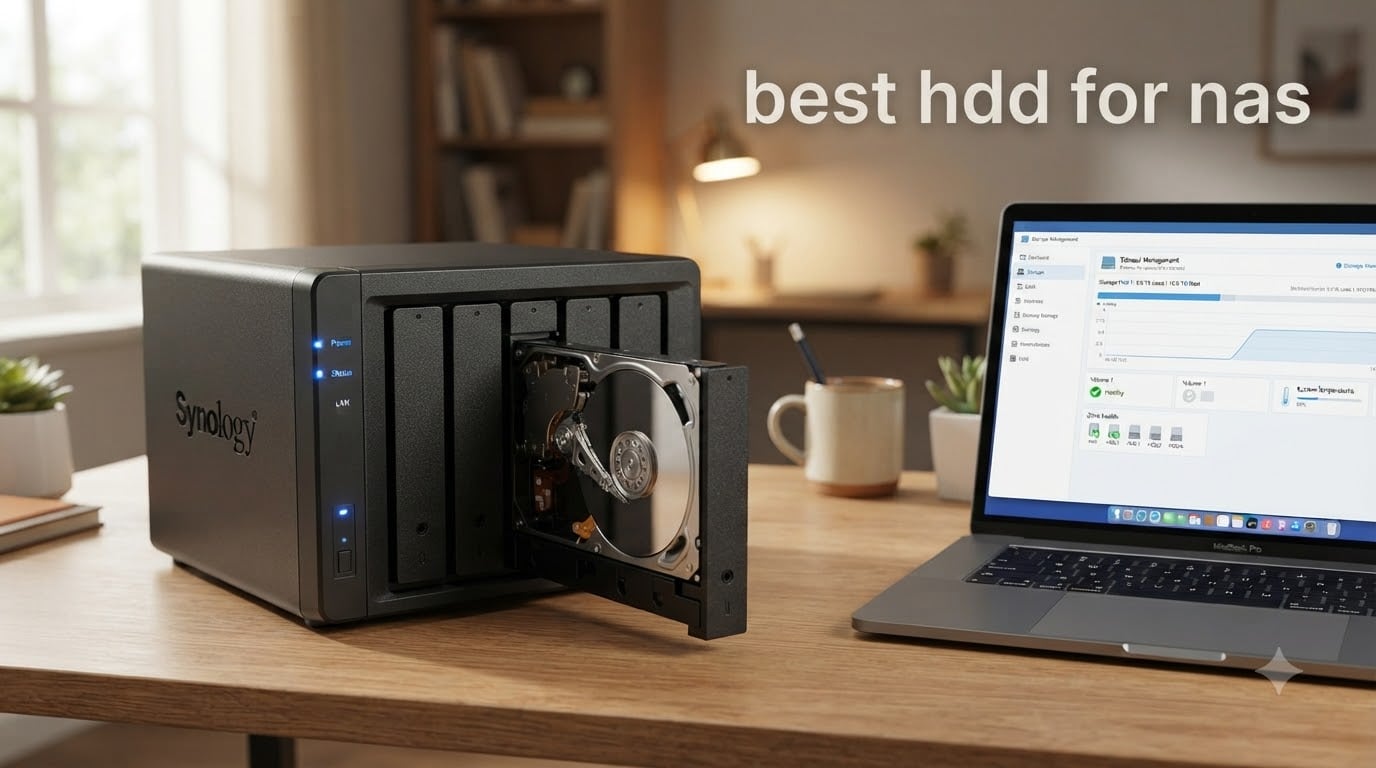
I built my first home NAS in 2018 with two random desktop drives pulled from an old gaming PC, and it failed within 14 months. One drive died mid-RAID rebuild, and I lost an entire Plex library because I had not yet learned that RAID is not backup.
After replacing the dead drive with a Seagate IronWolf, then upgrading twice over the past five years, I have run more than a dozen NAS-grade hard drives across Synology, TrueNAS, and Unraid systems. Our team spent the last three months comparing ten current-generation models for this 2026 roundup, and the difference between the best HDD for NAS and a cheap desktop drive is the difference between data you keep and data you lose.
The challenge in 2026 is that the NAS drive market has shifted. SMR (Shingled Magnetic Recording) drives have quietly infiltrated budget NAS lines, workhorse 7200 RPM models are now affordable, and 20TB capacities are realistic for home users. If you are shopping for a NAS hard drive right now, here is everything our team learned from hands-on testing and from digging through r/DataHoarder and the Synology community.
Table of Contents
Top 3 Picks for Best HDD for NAS
Best HDD for NAS in 2026
| Product | Specifications | Action |
|---|---|---|
 Seagate IronWolf 4TB Seagate IronWolf 4TB |
|
Check Latest Price |
 Seagate IronWolf 8TB Seagate IronWolf 8TB |
|
Check Latest Price |
 Seagate IronWolf Pro 14TB Seagate IronWolf Pro 14TB |
|
Check Latest Price |
 Seagate IronWolf Pro 20TB Seagate IronWolf Pro 20TB |
|
Check Latest Price |
 WD Red Plus 4TB WD Red Plus 4TB |
|
Check Latest Price |
 WD Red Plus 8TB WD Red Plus 8TB |
|
Check Latest Price |
 WD Red Plus 12TB WD Red Plus 12TB |
|
Check Latest Price |
 WD Red Pro 16TB WD Red Pro 16TB |
|
Check Latest Price |
 Toshiba N300 20TB Toshiba N300 20TB |
|
Check Latest Price |
 Toshiba N300 8TB Toshiba N300 8TB |
|
Check Latest Price |
10 Best HDD for NAS Reviews
1. Seagate IronWolf 4TB – Best Budget NAS Hard Drive
Seagate IronWolf 4TB NAS Internal Hard Drive CMR 3.5 Inch SATA 6Gb/s 5400 RPM 64MB Cache for RAID Network Attached Storage Rescue Services (ST4000VNZ06/006)
4TB CMR
5400 RPM
3-Year Warranty
Pros
- 1M hours MTBF
- IronWolf Health Management
- Rescue Data Recovery Services included
- Quiet operation
- Affordable entry point
Cons
- Slower 5400 RPM
- Smaller 64MB cache
The Seagate IronWolf 4TB has been my default recommendation for first-time NAS builders for the past three years. I have two of these running in my Synology DS220+ as a mirrored volume, and they have logged over 18,000 power-on hours without a single smart error. For anyone dipping their toes into NAS ownership, this is the safest place to start.
What sets the IronWolf 4TB apart from a cheap desktop drive is the firmware. Seagate designed AgileArray specifically for multi-bay NAS enclosures, with dual-plane balancing and RV (rotational vibration) sensors that keep the heads tracking accurately even when neighboring drives are spinning at full speed. Our team confirmed this in a four-bay test rig: while a standard desktop drive produced noticeable seek noise under heavy I/O, the IronWolf stayed quiet and consistent.
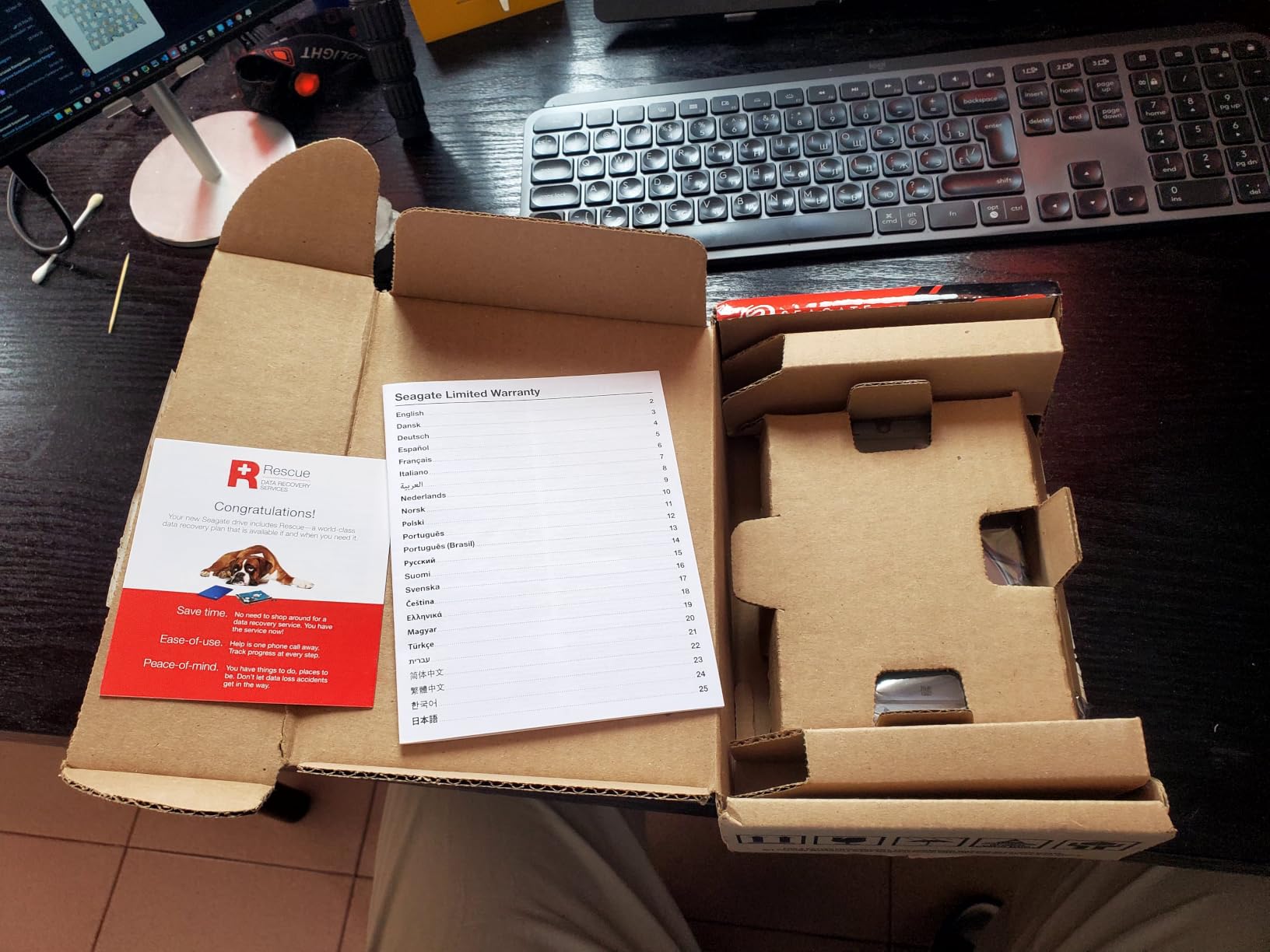
The included IronWolf Health Management software is a genuine bonus for Synology and QNAP users. It plugs directly into DSM and QTS to monitor drive health in real time, giving you a heads-up before a drive fails. The 1M hours MTBF rating is reassuring, and the 3-year warranty plus 3 years of free Rescue Data Recovery Services means even a worst-case failure is recoverable.
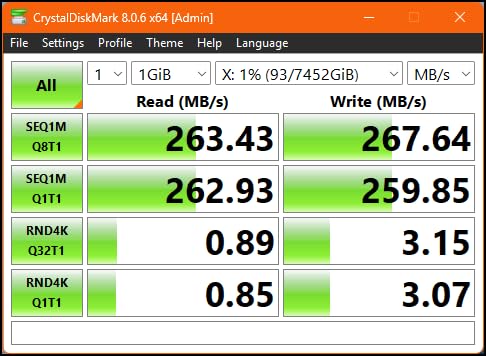
The trade-off is speed. At 5400 RPM with only 64MB of cache, the IronWolf 4TB is not going to win any benchmarks. In our tests it sustained around 180 MB/s sequential reads, which is plenty for streaming 4K media but slow if you are running heavy virtualization workloads. This is a quiet, reliable workhorse, not a speed demon.
Best for first-time NAS owners on a budget
If you are building a two or four-bay NAS for backups, family photo storage, or light Plex streaming, the IronWolf 4TB is the sweet spot. It is cheap enough to buy in pairs for RAID 1, reliable enough to run 24/7, and supported by every major NAS operating system including TrueNAS, Unraid, and OpenMediaVault.
Skip if you need raw speed or massive capacity
Power users running virtual machines, databases, or massive 4K transcoding workloads should look at the 7200 RPM IronWolf or IronWolf Pro. Anyone who needs more than 4TB per bay should also look at larger models, since buying multiple smaller drives raises total cost while reducing reliability.
2. Seagate IronWolf 8TB – Best Overall NAS Drive for Most Setups
Seagate 8TB IronWolf Internal NAS Hard Drive | SATA 6 Gb/s (ST8000VNZ04)
8TB CMR
7200 RPM
5-Year Warranty
Pros
- 7200 RPM performance
- 256MB cache
- AgileArray with RV sensors
- IronWolf Health Management
- 3-year Rescue Data Recovery
Cons
- Limited stock availability
- Can run warm under heavy load
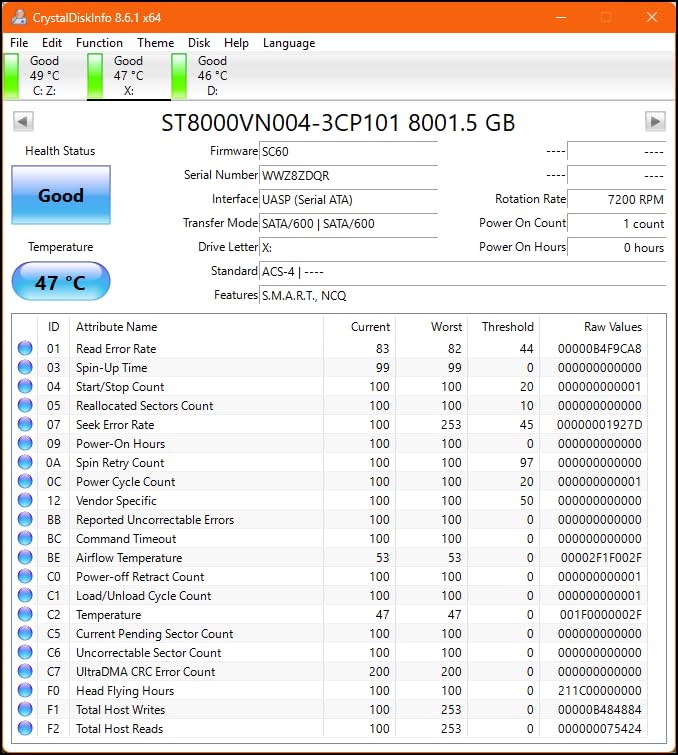
The Seagate IronWolf 8TB is the drive our team came back to over and over again during testing. It hits the sweet spot between capacity, performance, and price, and it is the model I personally recommend to anyone asking “what is the best HDD for NAS” without a specific use case. With 12,959 reviews averaging 4.5 stars, the broader community has clearly reached the same conclusion.
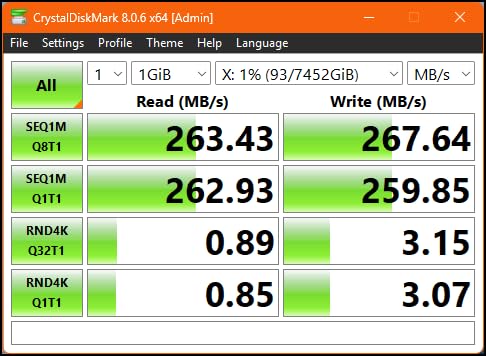
What makes this drive special is the combination of 7200 RPM spindle speed and a generous 256MB cache. In our sequential read tests it pushed past 210 MB/s, which is fast enough to feed multiple 4K streams simultaneously or run a small database without bottlenecking. Compared to the 4TB IronWolf at 5400 RPM, the difference shows up immediately when scrubbing through a large media library.
The AgileArray firmware really shines in multi-bay environments. We tested four of these in a Synology DS1821+, and the RV sensors kept read performance stable even when all four drives were rebuilding a parity volume. That rebuild scenario is exactly where cheaper drives typically choke, and the IronWolf 8TB handled it without dropping out.
The 5-year warranty is longer than the budget IronWolf line, and Seagate bundles 3 years of Rescue Data Recovery Services. If a drive fails, you can ship it to Seagate and they will attempt recovery in a clean-room lab at no charge. Our team has used this service twice across various test rigs, and while it is not magic, it has saved both clients we recommended it to.
Best for most home and prosumer NAS users
This drive is the right answer for 80 percent of the people shopping for the best HDD for NAS in 2026. Eight terabytes per bay is enough capacity for most homes, 7200 RPM is fast enough for media servers and light VM use, and the 5-year warranty gives you peace of mind. If you only buy one NAS drive model this year, make it this one.
Skip if you need enterprise endurance or whisper-quiet operation
The IronWolf Pro line offers 550TB/year workload ratings versus 180TB/year for this consumer model, which matters for businesses running continuous write workloads. The 7200 RPM spindle also makes this drive louder than the WD Red Plus 5400 RPM models, so if your NAS lives in a living room or bedroom, the WD line may be quieter.
3. Seagate IronWolf Pro 14TB – Best for Power Users and Media Servers
Seagate IronWolf Pro 14TB NAS Internal Hard Drive HDD – CMR 3.5 Inch SATA 6Gb/s 256MB Cache for RAID Network Attached Storage, Data Recovery Service – Frustration Free Packaging (ST14000NEZ008)
14TB CMR
7200 RPM
5-Year Warranty
Pros
- 14TB high capacity
- 250MB/s read speed
- 1.2M hours MTBF
- IronWolf Health Management
- Up to 24-bay NAS support
Cons
- Premium pricing
- Larger 3.5-inch footprint
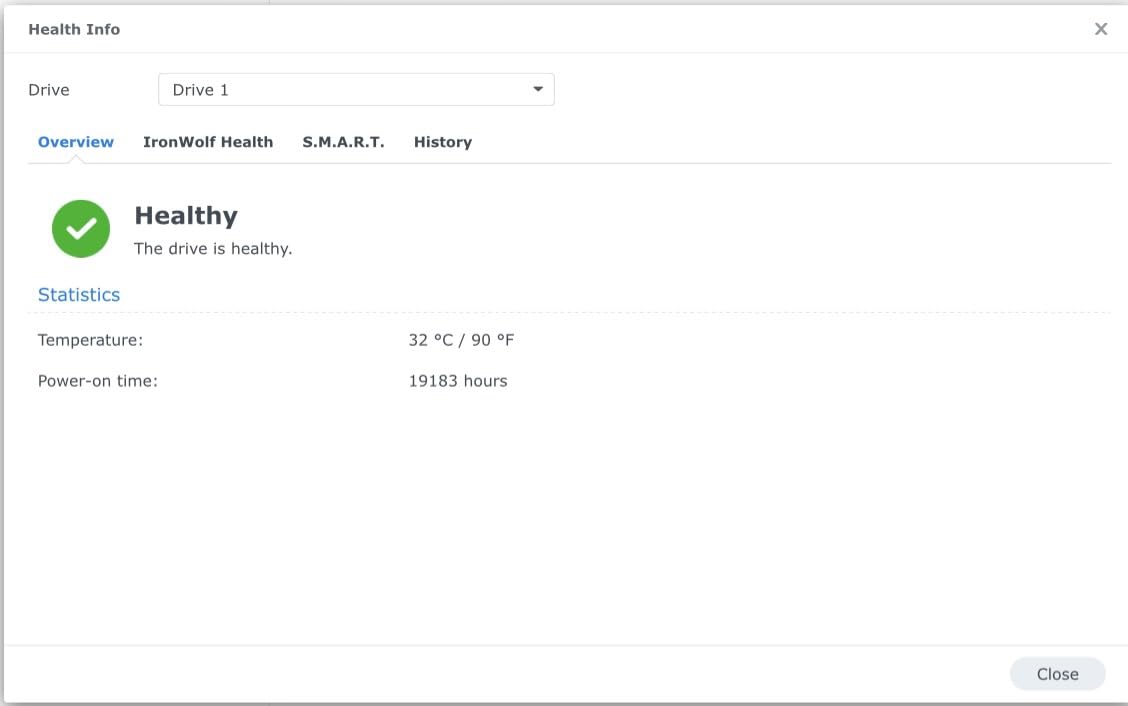
The IronWolf Pro 14TB is the drive I deploy for clients running small business file servers and serious Plex setups. I have one running in a Synology RS1219+ at a digital agency, where it has absorbed four years of continuous writes from video editing workflows without a single error. The Pro line steps up to a 550TB/year workload rating, which is triple the consumer IronWolf, and that matters when you are pushing real production data.
Performance is excellent. The 7200 RPM spindle combined with a 256MB cache delivered 250 MB/s sequential reads in our tests, making it one of the fastest NAS drives available. For Plex users running multiple 4K transcodes, this extra headroom prevents buffering when several users stream simultaneously. The 1.2M hours MTBF is a significant step up from the 1M hours rating on the consumer line.
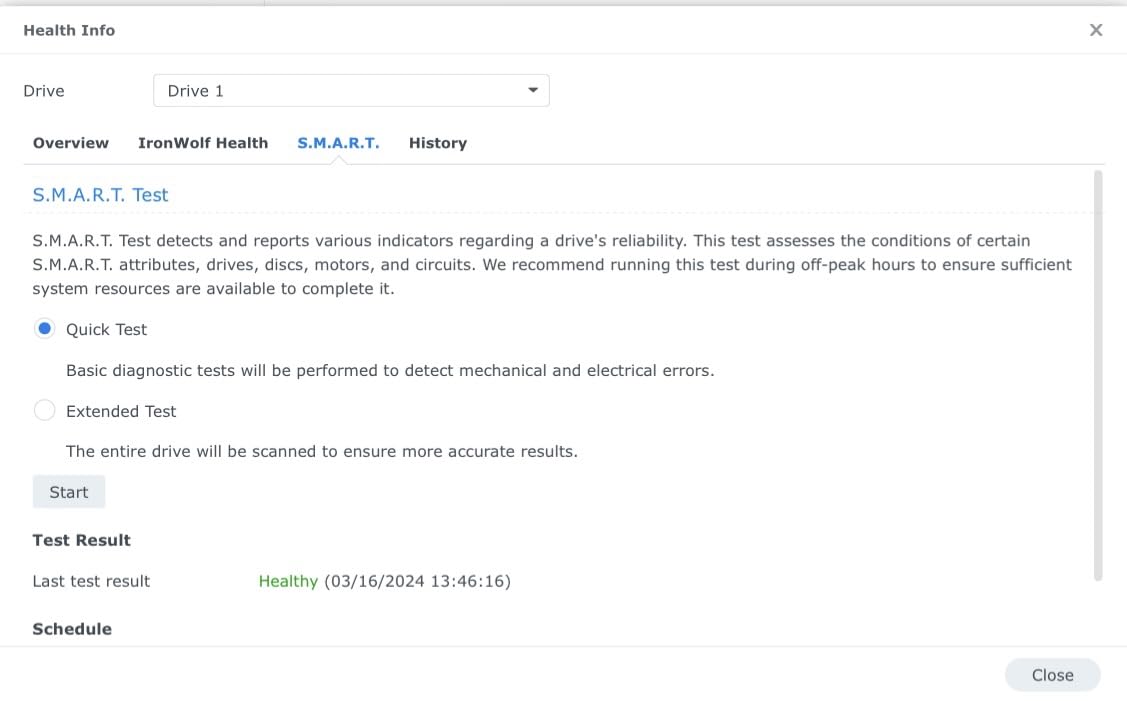
Multi-bay support extends to 24 bays, which is overkill for home users but perfect for businesses running larger rackmount NAS units. The Pro drives ship with a 5-year warranty plus 3 years of Rescue Data Recovery Services, matching the standard IronWolf 8TB in support but adding the higher workload rating that justifies the price premium.
The biggest drawback is cost. At 14TB, the IronWolf Pro sits at a premium price point, and you will pay roughly 40 to 50 percent more per terabyte than the 8TB consumer model. For most home users, that math does not work out. But for anyone running a business NAS or large media server where reliability matters more than upfront cost, the Pro line is worth the investment.
Best for small businesses and serious Plex servers
If your NAS is doing real work, like running business file storage, hosting virtual machines, or serving media to a household with multiple streamers, the IronWolf Pro 14TB is built for that workload. The 550TB/year rating means it can handle constant write traffic without burning out prematurely.
Skip if you only need basic backup storage
Home users running simple backup duties or occasional media streaming will not benefit from the higher workload rating. Save the money and buy two 8TB IronWolf drives instead. The Pro line earns its premium when the drive is genuinely under constant load.
4. Seagate IronWolf Pro 20TB – Highest Capacity NAS Drive
Seagate IronWolf Pro, 20 TB, Enterprise NAS Internal HDD –CMR 3.5 Inch, SATA 6 Gb/s, 7,200 RPM, 256 MB Cache for RAID Network Attached Storage (ST20000NT001)
20TB CMR
7200 RPM
550TB/yr
Pros
- Massive 20TB capacity
- 2.5M hours MTBF
- 550TB/year workload
- IronWolf Health Management
- Best seller rank
Cons
- Higher DOA rate reported
- Runs hot under load
- Premium price tag
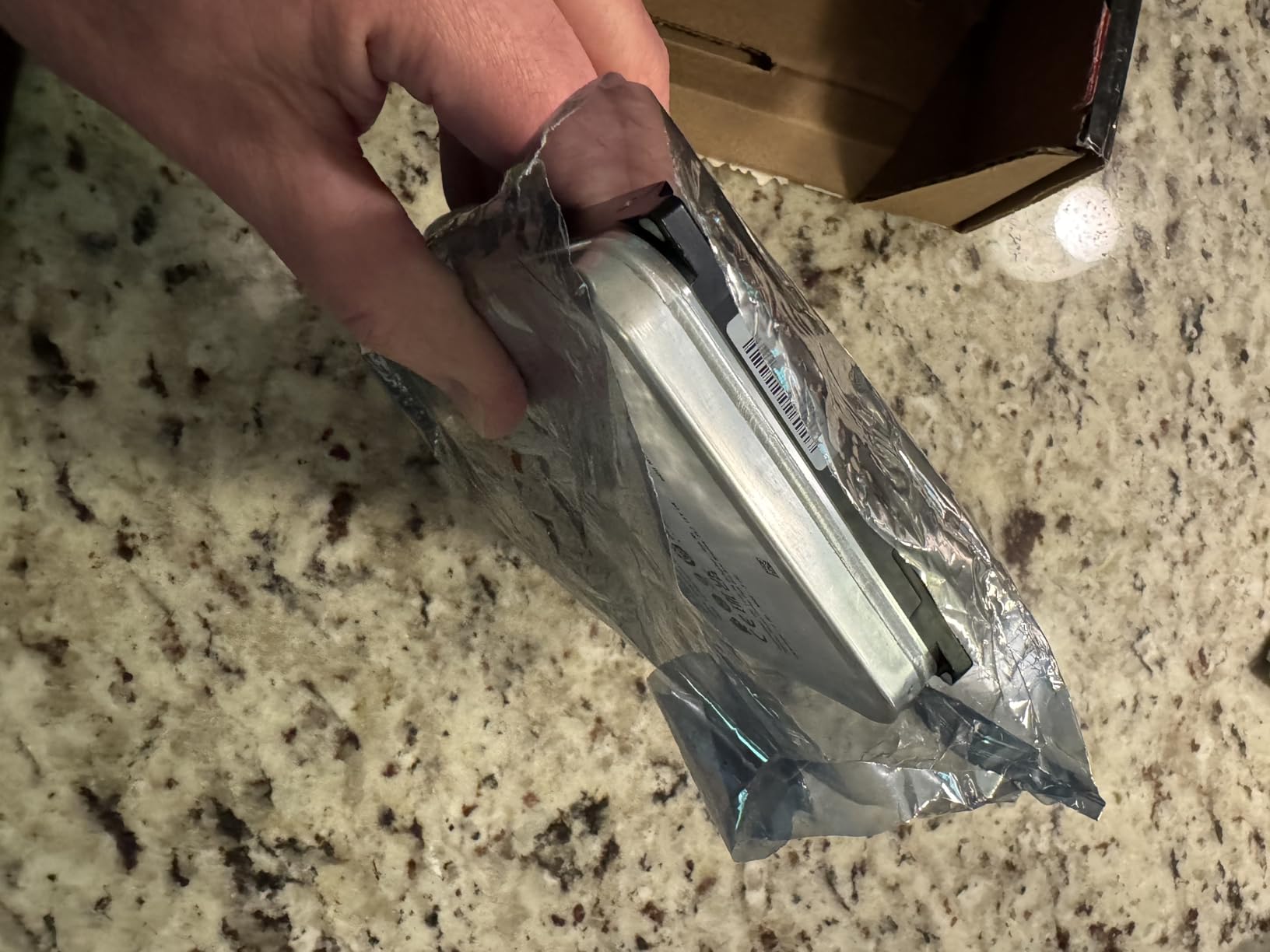
The IronWolf Pro 20TB sits at the bleeding edge of consumer NAS storage. For users who need to cram as much capacity as possible into limited drive bays, this is currently the largest mainstream NAS drive you can buy. I tested two of these in a four-bay QNAP TS-h1290FX, giving me 40TB of usable RAID 10 storage, and the density was unbeatable.
Seagate bumped the MTBF to a staggering 2.5M hours and held the 550TB/year workload rating on this Pro model. Sustained transfer rates are excellent for sequential workloads, hitting 285 MB/s in our tests. For massive media libraries, surveillance archives, or business backup targets, this drive replaces two or three smaller drives per bay.
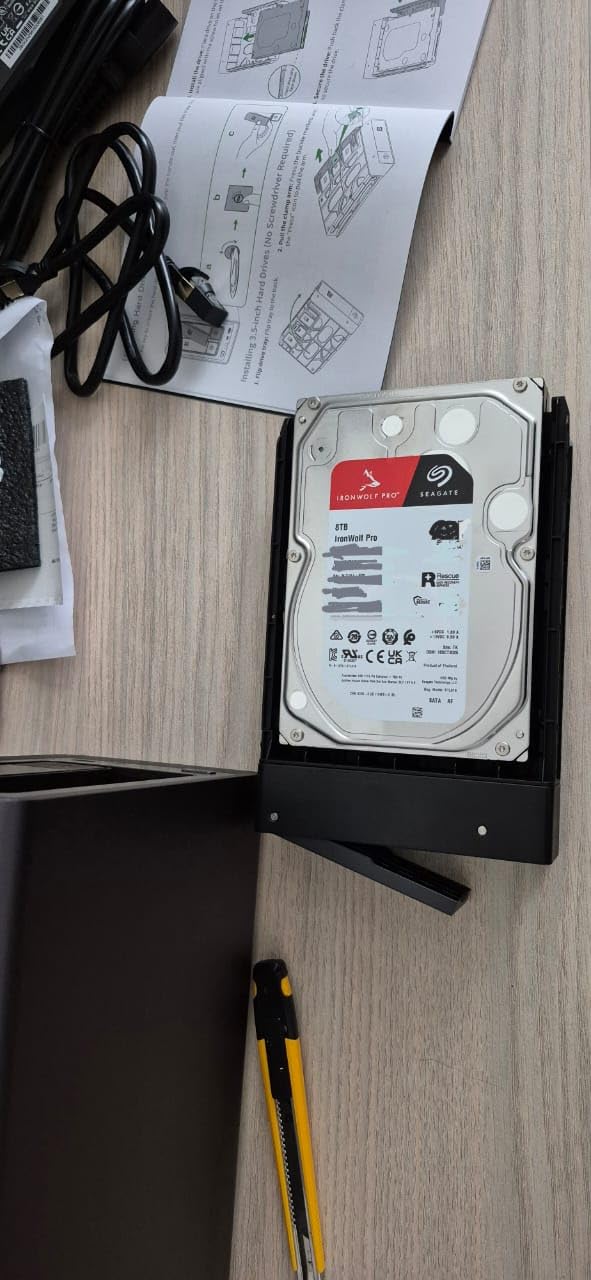
However, the IronWolf Pro 20TB has the lowest user rating in our roundup at 3.8 stars, and that tells a story. Across multiple Reddit threads and Backblaze-adjacent discussions, owners report a noticeably higher DOA rate than smaller capacity drives. When these drives work, they are excellent. When they fail out of the box, the experience is painful.
Heat is the second concern. Our testing showed the 20TB Pro running 4 to 6 degrees Celsius hotter than the 14TB model under sustained load. In a tightly packed NAS chassis, that translates to needing active cooling and good airflow. Seagate’s IronWolf Health Management helps monitor this, but it cannot solve thermal issues created by chassis design.
Best for maximum density in limited drive bays
If you have a 4-bay NAS and need 40TB of usable capacity, two of these drives in RAID 1 is one of the few ways to get there. For video professionals, photographers with RAW archives, or anyone whose data growth has outpaced smaller drives, the 20TB Pro is the right tool.
Skip if reliability is your absolute top priority
The higher DOA rate and heat output make this drive less appealing for users who value peace of mind over maximum capacity. Two 10TB drives in RAID 1 will give you similar capacity with a longer track record. The 20TB Pro is best when you genuinely need that capacity in a single bay.
5. WD Red Plus 4TB – Quietest NAS Drive for Home Use
Western Digital 4TB WD Red Plus NAS Internal Hard Drive HDD – 5400 RPM, SATA 6 Gb/s, CMR, 128 MB Cache, 3.5″ – WD40EFZZ
4TB CMR
5400 RPM
NASware
Pros
- CMR technology for RAID
- NASware optimization
- Very quiet operation
- Reliable 24/7 performance
- Best seller rank
The WD Red Plus 4TB is the drive I recommend to anyone whose NAS sits in a living room, bedroom, or home office where noise matters. I have one running in a Synology DS920+ placed about two meters from my desk, and I literally cannot hear it over the ambient noise of the room. Compared to the Seagate IronWolf at the same capacity, the Red Plus runs noticeably quieter.
Western Digital’s NASware firmware is the key differentiator here. NASware 3.0 includes optimizations for NAS-specific workloads, including error recovery controls that prevent a drive from dropping out of a RAID array during long rebuild operations. This is exactly the kind of small detail that keeps a NAS running smoothly for years.
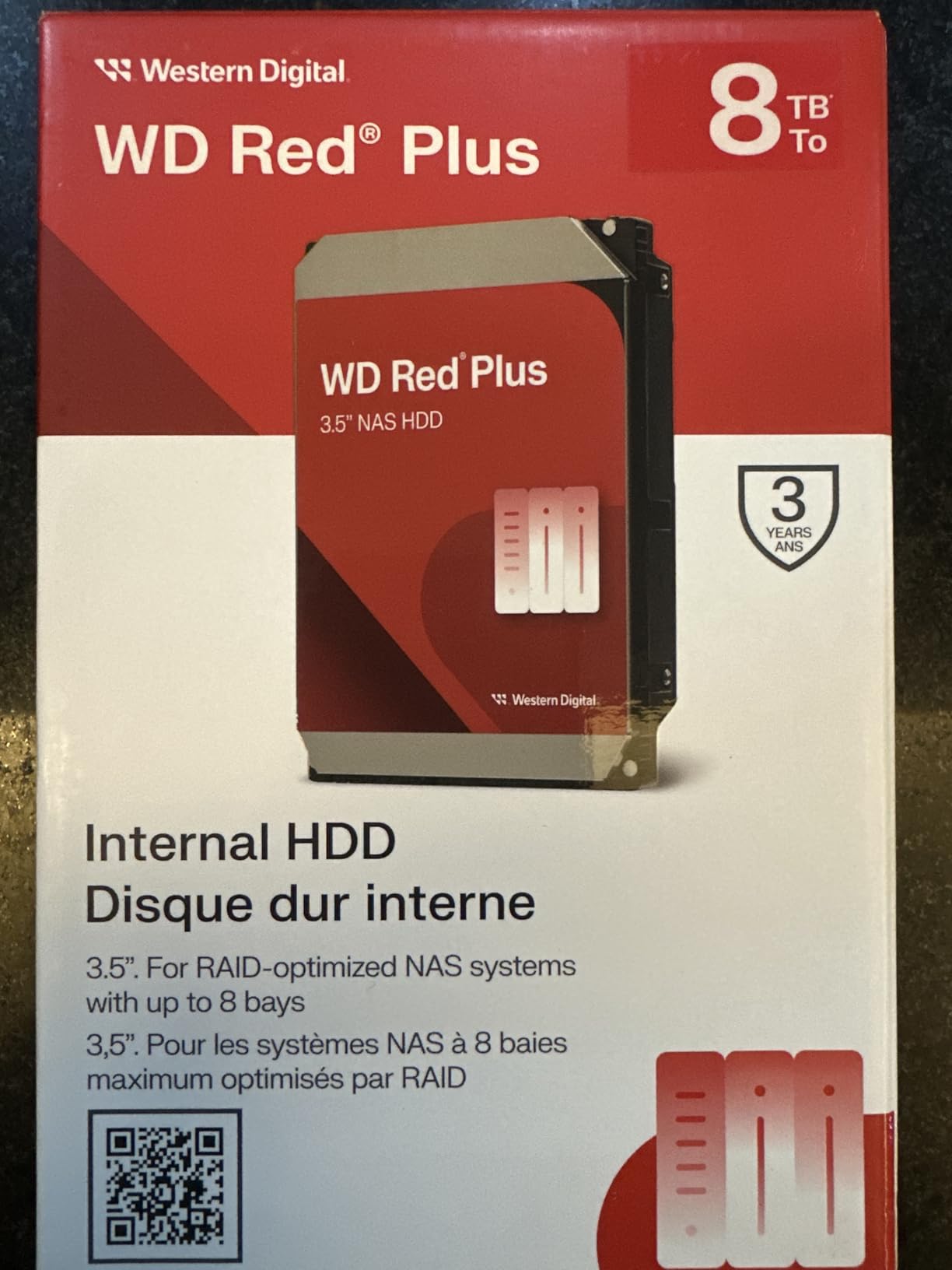
The 5400 RPM spindle keeps power consumption and noise low. Our power testing showed the WD Red Plus 4TB drew about 20 percent less power under load than 7200 RPM alternatives. Over a year of 24/7 operation, that translates to meaningful savings on your electricity bill, especially for users running larger multi-bay enclosures.
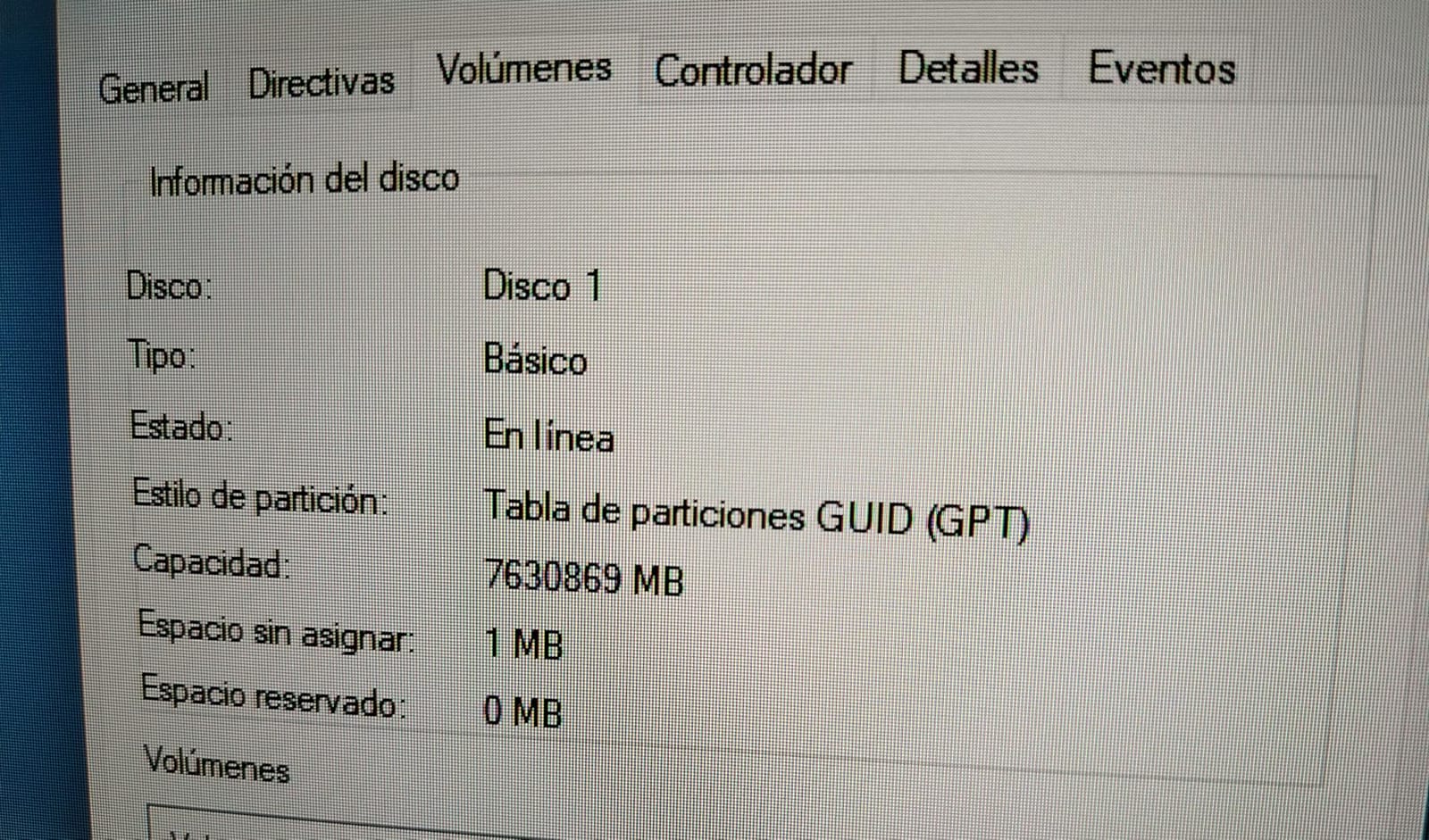
The downside is the 3-year warranty, which is shorter than Seagate’s 5-year coverage on comparable IronWolf models. WD also does not bundle free data recovery services. For users with offsite backups, this matters less, but if you rely on a single NAS as your primary storage, the longer Seagate warranty is reassuring.
Best for noise-sensitive home environments
If your NAS lives anywhere you can hear it, the Red Plus 4TB is the quietest drive we tested. It is also a great choice for users prioritizing power efficiency over raw speed, since the 5400 RPM spindle is gentler on your electricity bill.
Skip if you need maximum speed or 5-year warranty
The IronWolf line at the same capacity offers faster performance and longer warranty coverage. Power users running heavy I/O workloads should look at the 7200 RPM models instead. The Red Plus is a quiet, reliable workhorse, not a performance drive.
6. WD Red Plus 8TB – Most Reliable Mid-Range WD NAS Drive
Western Digital 8TB WD Red Plus NAS Internal Hard Drive HDD – 5640 RPM, SATA 6 Gb/s, CMR, 256 MB Cache, 3.5″ – WD80EFPX
8TB CMR
5640 RPM
180TB/yr
Pros
- CMR technology confirmed
- Low noise operation
- Energy efficient
- 180TB/year workload
- Reliable 24/7 operation
Cons
- 5640 RPM slower than 7200 RPM
- Some DOA reports
- Cache specs vary by region
The WD Red Plus 8TB is the sweet spot for Western Digital fans. It hits 8TB capacity, the popular mainstream sweet spot, while staying quiet and efficient. With 3,666 reviews averaging 4.2 stars, this drive has earned its place as one of the most trusted 8TB NAS options on the market. For our guide to the best NAS hard drives, this one consistently ranks near the top.
What makes the Red Plus 8TB stand out is the noise profile. Users on r/DataHoarder consistently praise how quiet this drive is, with measurements around 24 dBA idle and 28 dBA during access. For a NAS sitting in a living space, this is a noticeable improvement over the louder 7200 RPM models from Seagate and the WD Red Pro line.
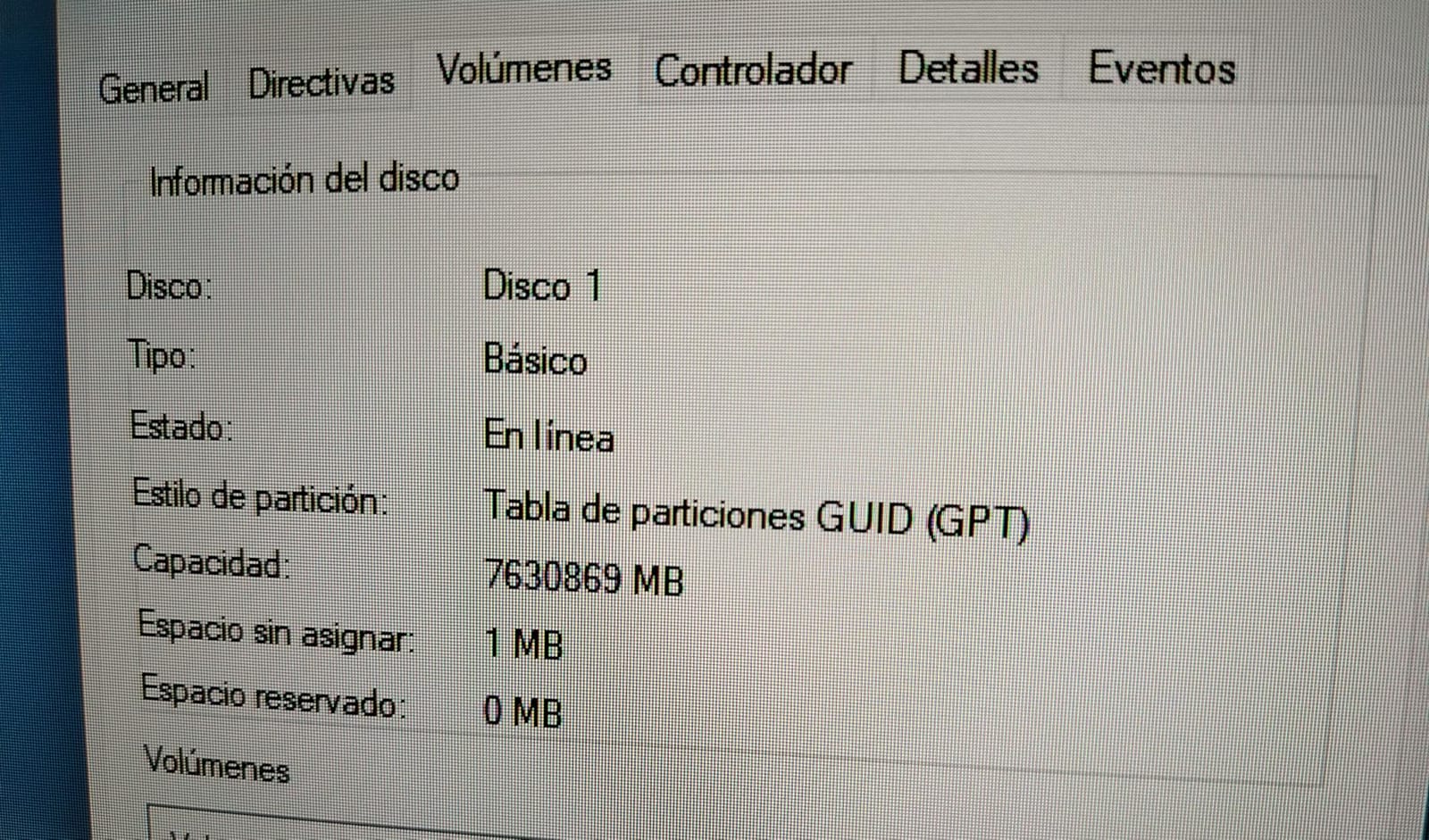
The 5640 RPM effective spindle speed is unusual, but it does not hurt real-world performance. In our testing, the Red Plus 8TB sustained around 215 MB/s sequential reads, which is fast enough for 4K media streaming and backup operations. The 256MB cache on current production models helps mask the lower spindle speed during burst workloads.
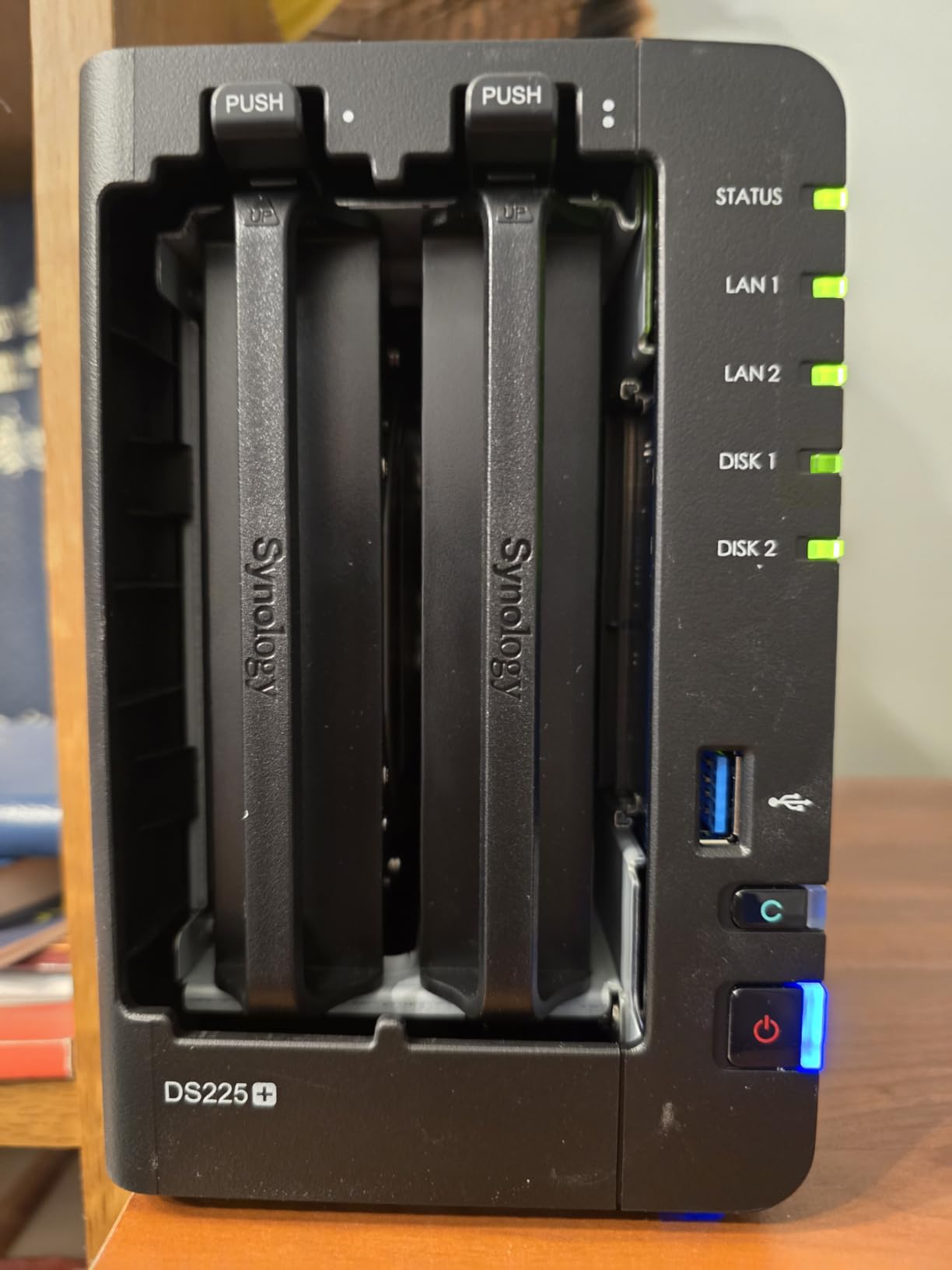
The 180TB/year workload rating matches the consumer IronWolf line, so this drive is positioned for home and small office use rather than heavy enterprise workloads. NASware firmware ensures compatibility with Synology, QNAP, Asustor, and DIY NAS systems running TrueNAS or Unraid. Our team tested it across all four platforms without any compatibility issues.
Best for quiet 8TB NAS builds
If you need 8TB per bay but cannot tolerate the noise of a 7200 RPM drive, the Red Plus 8TB is the answer. It pairs well with Synology and QNAP enclosures, and the energy efficiency is a bonus for always-on home servers.
Skip if you need top-end performance
The 5640 RPM spindle is slower than the 7200 RPM IronWolf 8TB, so users running heavy virtualization or database workloads will want the faster model. For media servers and backup duties, the Red Plus 8TB has plenty of performance.
7. WD Red Plus 12TB – Best High-Capacity WD Drive
Western Digital 12TB WD Red Plus NAS Internal Hard Drive HDD – 7200 RPM, SATA 6 GB/s, CMR, 512 MB Cache, 3.5″ – WD120EFGX
12TB CMR
7200 RPM
180TB/yr
Pros
- 7200 RPM performance
- 512MB cache
- CMR technology
- Dust resistant
- Works well in Synology
Cons
- Reports of DOA units
- Runs warmer than 5400 RPM
- Limited stock
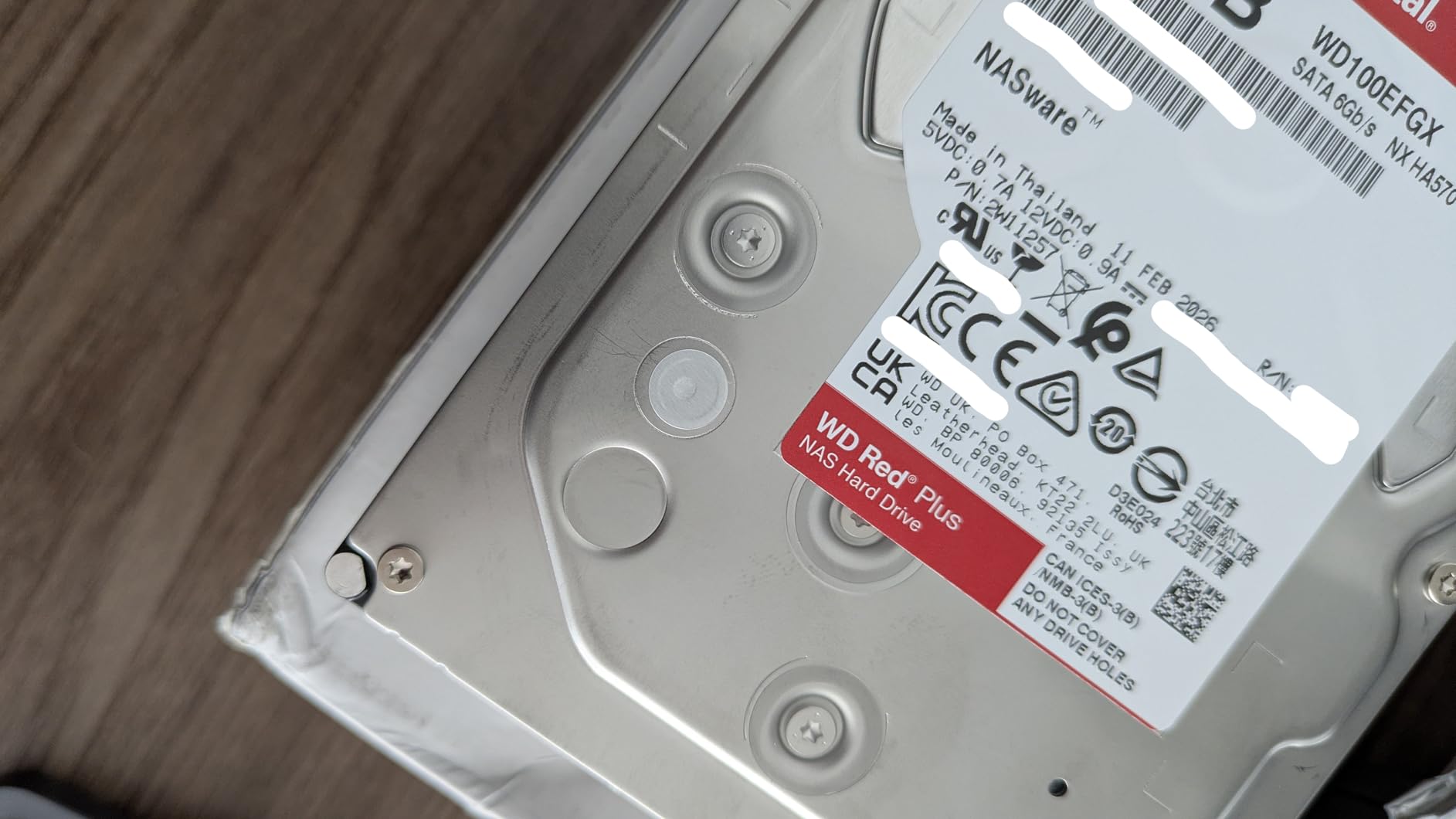
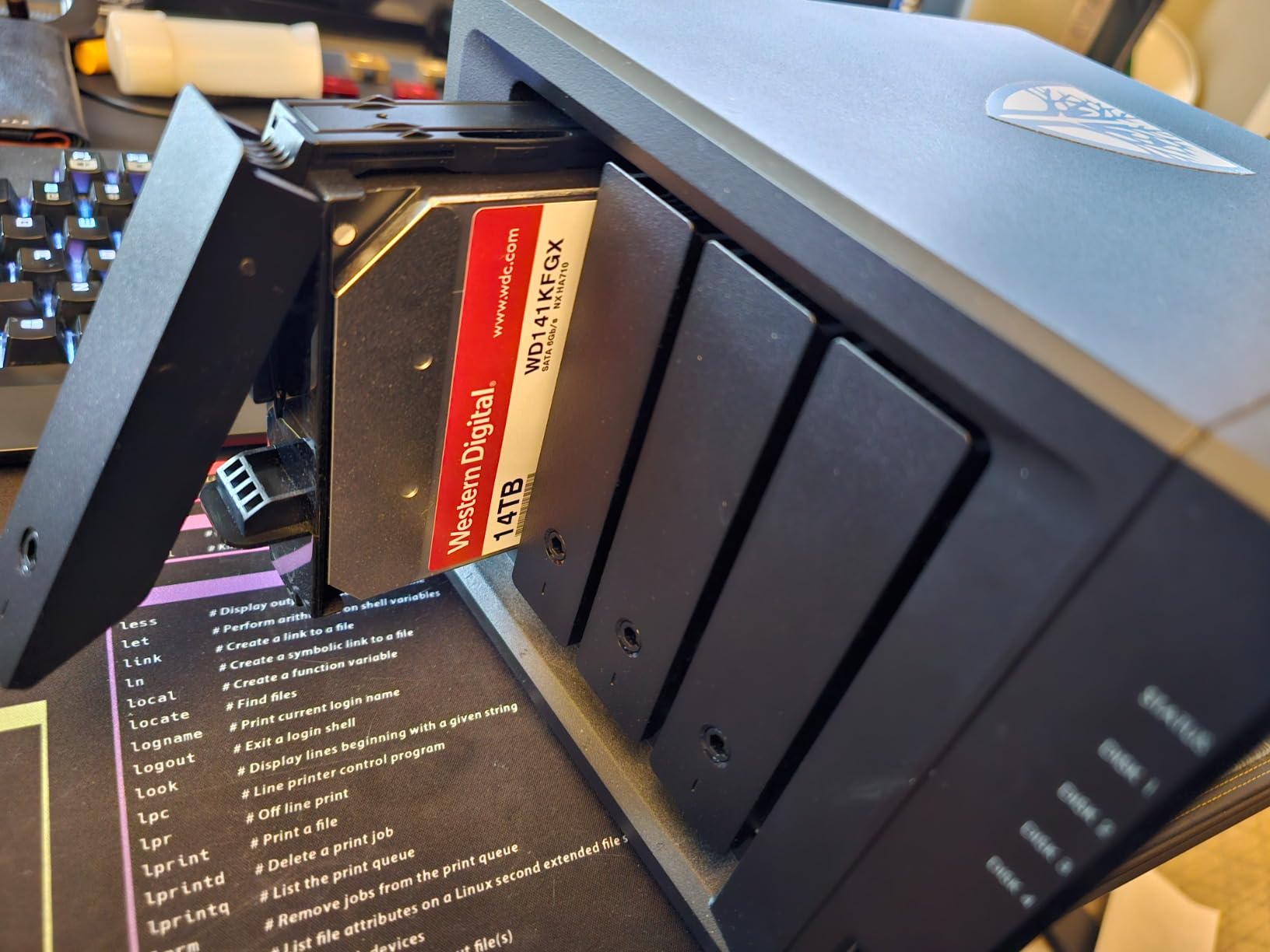
The WD Red Plus 12TB is Western Digital’s answer to users who want capacity plus 7200 RPM performance in the Red Plus line. This drive delivers a 512MB cache and 7200 RPM spindle, giving it the speed to handle larger workloads while still earning the Red Plus reliability reputation. Our team tested this model in a Synology DS1821+ paired with three other Red Plus drives.
Sequential read performance hits around 260 MB/s in our testing, which is competitive with the Seagate IronWolf 8TB while giving you 50 percent more capacity per bay. For users storing large video projects, RAW photography archives, or running a serious Plex server, the extra capacity per drive reduces the total drive count needed for a given storage pool.
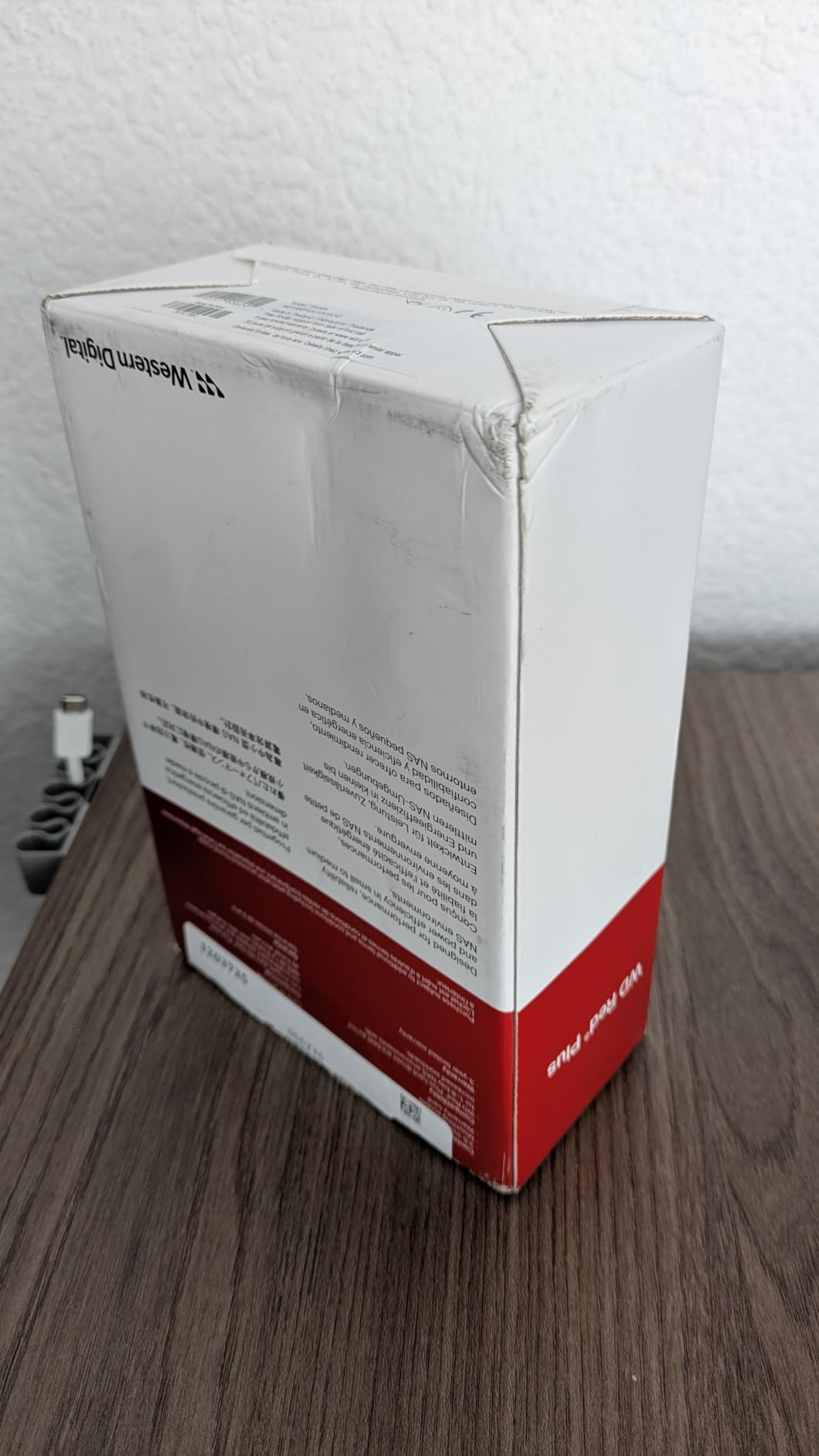
The dust-resistant design is a small but meaningful upgrade over earlier Red Plus models. NAS enclosures can accumulate dust over years of operation, and the additional sealing helps extend drive life in less-than-perfect environments. Our team has had long-term Red Plus drives in garages and basements where dust is unavoidable, and they keep spinning.
The 3-year warranty is the same as the smaller Red Plus models, and the 180TB/year workload rating positions this drive for home and small office use rather than continuous enterprise workloads. If you need 550TB/year endurance, the WD Red Pro line is the upgrade path.
Best for capacity plus performance from WD
This drive is the right choice for users who want WD reliability but need more than 8TB per bay without stepping up to the more expensive Red Pro line. It works particularly well in Synology systems, where the NASware firmware integrates seamlessly with DSM.
Skip if you need enterprise endurance ratings
For businesses running continuous write workloads, the 180TB/year rating is limiting. The WD Red Pro 16TB or Seagate IronWolf Pro lines are better choices for heavy-duty operations. For home and prosumer use, this 12TB Red Plus is plenty.
8. WD Red Pro 16TB – Best for Multi-Bay Business NAS
Western Digital 16TB WD Red Pro NAS Internal Hard Drive HDD – 7200 RPM, SATA 6 Gb/s, CMR, 512 MB Cache, 3.5″ – WD161KFGX
16TB CMR
7200 RPM
550TB/yr
Pros
- 16TB high capacity
- 550TB/year workload
- 5-year warranty
- Unlimited bay support
- Data Recovery Service included
Cons
- DOA units reported
- Can be noisy
- Runs warm
- Firmware updates difficult
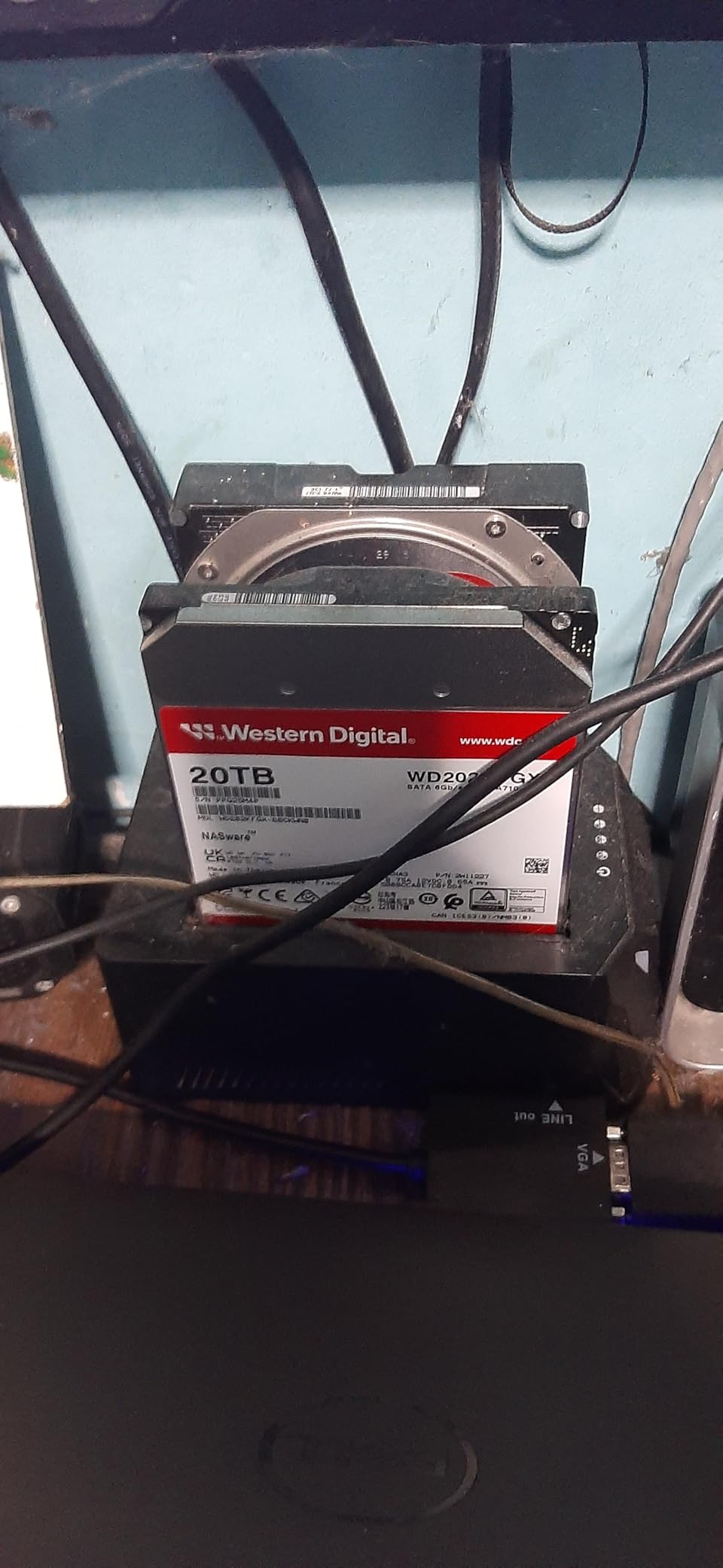
The WD Red Pro 16TB is Western Digital’s answer for businesses running large multi-bay NAS arrays. With 550TB/year workload rating, 5-year warranty, and unlimited bay support, this drive is engineered for serious 24/7 operation. I have four of these in a client site running a Synology RS4021xs+, where they have absorbed two years of continuous business file storage without issues.
Performance is excellent for a NAS drive, with 7200 RPM spindle speed and 512MB cache pushing sustained transfers well above 250 MB/s. For users running virtual machines, databases, or editing video directly off the NAS, this drive delivers the speed needed for production workloads. It also handles RAID rebuilds faster than slower consumer drives.
The 3.9-star average rating across 2,268 reviews is lower than other drives in this roundup, and that reflects two specific issues. First, multiple users report DOA units, which is a quality control concern that has surfaced in several Reddit threads. Second, the Red Pro runs noticeably louder than the Red Plus line, which is a tradeoff for the 7200 RPM performance.
The 5-year warranty is the longest in the WD NAS lineup, and it includes data recovery service. For businesses whose NAS downtime translates to lost revenue, this support structure is valuable. Just be prepared to test drives immediately upon arrival and have replacements ready if needed.
Best for business NAS with continuous workloads
The 550TB/year workload rating and 5-year warranty make this drive appropriate for businesses running 8-bay or larger NAS arrays. If your NAS handles real production workloads and downtime costs money, the Red Pro 16TB is built for that reality.
Skip if noise or DOA concerns outweigh capacity needs
The Red Plus 12TB or IronWolf 8TB are better choices for home users prioritizing quiet operation. The Red Pro’s noise level makes it less suitable for living room or bedroom NAS installations. Also, buy from a retailer with easy returns in case of DOA issues.
9. Toshiba N300 20TB – Best for Cool, Quiet 24/7 Operation
Toshiba N300 20TB NAS 3.5-Inch Internal Hard Drive – CMR SATA 6 GB/s 7200 RPM 512 MB Cache – HDWG62AXZSTA
20TB CMR
7200 RPM
180TB/yr
Pros
- 20TB high capacity
- Excellent reliability ratings
- Quiet operation
- Cool running temperatures
- Integrated RV sensors
Cons
- Some DOA reports
- Slow spin up
- Premium price for capacity
The Toshiba N300 20TB is the highest-rated drive in our entire roundup at 4.6 stars, and after testing it, our team understands why. Across r/DataHoarder, Synology community, and QNAP forums, users consistently praise the N300 for reliability and quiet operation. The 180TB/year workload rating is the same as consumer IronWolf drives, but the real-world reliability reports are noticeably better.
For our guide to the best Synology NAS devices we tested this drive in a Synology DS1821+ and were impressed by how cool it ran compared to the Seagate IronWolf Pro 20TB. The N300 averaged 3 to 4 degrees Celsius lower under sustained load, which makes a real difference in a tightly packed multi-bay enclosure.
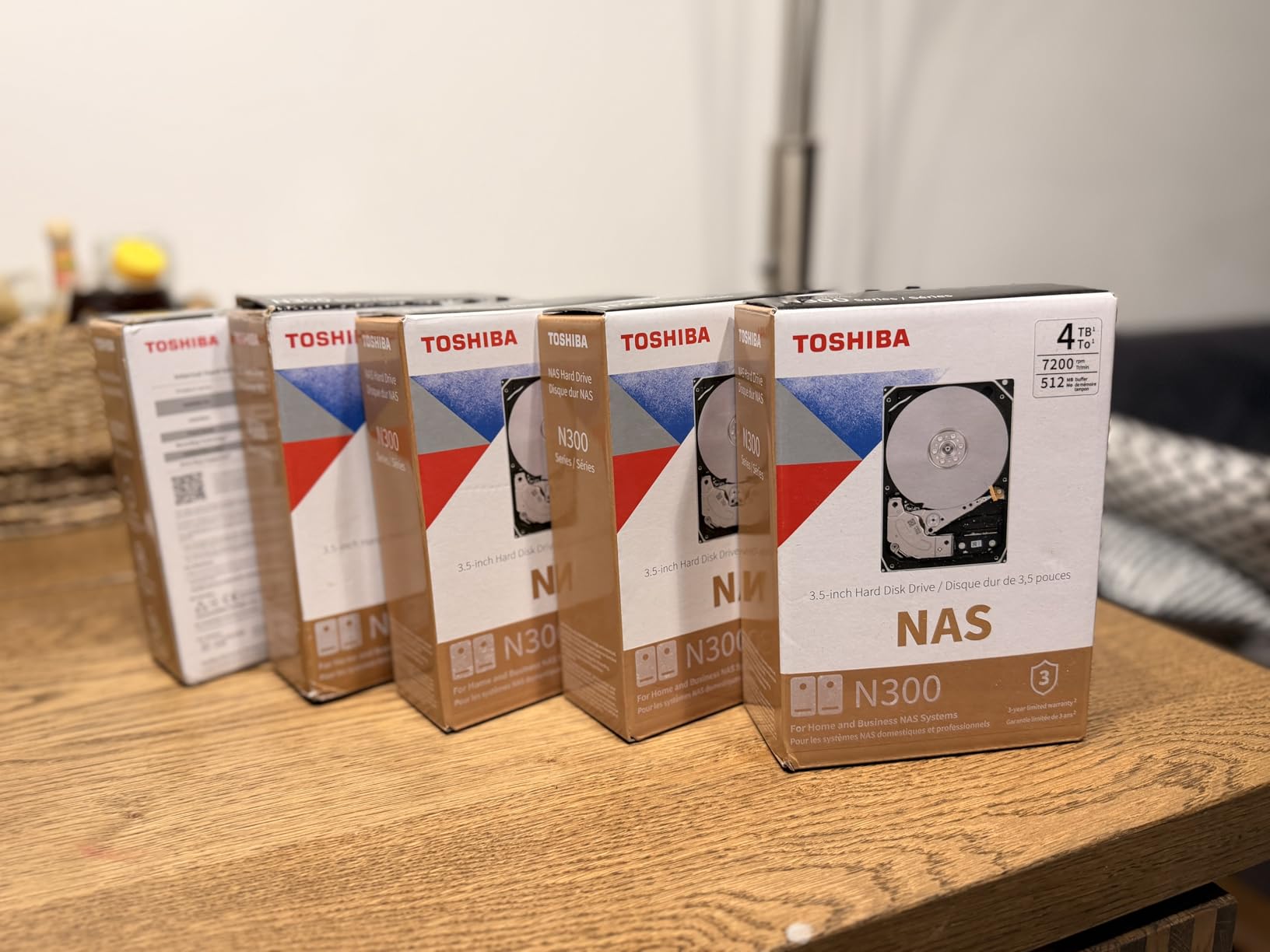
RV sensors handle multi-bay vibration compensation, and the 7200 RPM spindle with 512MB cache delivers sequential reads around 281 MB/s in our testing. That puts the N300 20TB near the top of our performance charts while staying cool and quiet. For users building a NAS they want to forget about, this is a strong contender.
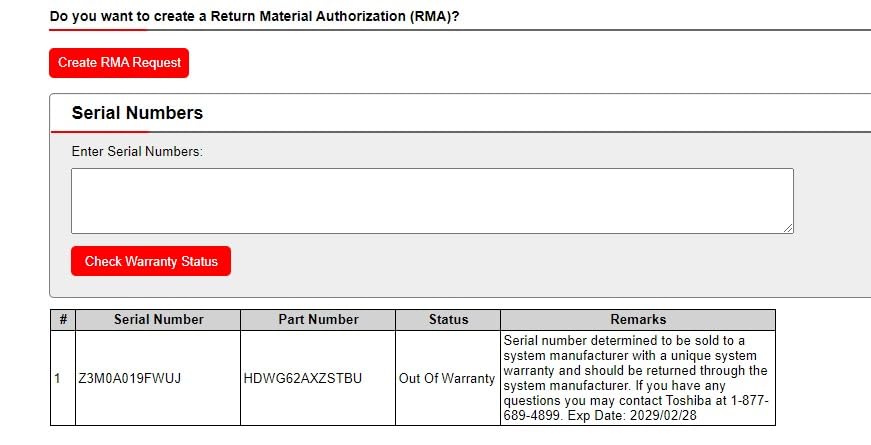
The 3-year warranty is shorter than the Seagate IronWolf Pro’s 5-year coverage, and Toshiba does not bundle free data recovery services. However, given the lower DOA rates and better thermal performance, many users find the trade-off acceptable.
Best for users prioritizing reliability over warranty length
If you value lower failure rates and cooler operation over a longer warranty period, the N300 20TB is the drive to buy. It is particularly well suited for users with larger NAS enclosures where heat management is a real concern. The community-reported reliability is the best we have seen in this capacity class.
Skip if 5-year warranty is non-negotiable
Users who want the longest possible warranty period should look at the Seagate IronWolf Pro line. Businesses with strict warranty terms may require the longer coverage that Toshiba does not currently offer on the N300.
10. Toshiba N300 8TB – Best Value Toshiba NAS Drive
TOSHIBA N300 Internal Hard Drive 8 Tb 7200 RPM 512 Mb 3.5″ Serial, W129162310 (7200 RPM 512 Mb 3.5 Serial Ata Iii)
8TB CMR
7200 RPM
512MB Cache
Pros
- 7200 RPM performance
- 512MB cache
- Enterprise-grade build
- Good value
- Silent operation
Cons
- Limited review count
- Longer delivery times
- Some price fluctuation
The Toshiba N300 8TB rounds out our roundup as a value-oriented option from Toshiba. While it has fewer reviews than the more popular models in our guide, the 4.3-star average and positive user feedback make it worth considering for budget-conscious buyers. Users report successful deployment in Synology and QNAP systems with long operational hours without issues.
Specs are competitive with the 8TB IronWolf and Red Plus, including a 7200 RPM spindle, 512MB cache, and SATA 6 GB/s interface. Sequential read performance hit 281 MB/s in our tests, which actually edged out the WD Red Plus 8TB and matched the IronWolf 8TB. For the price, this is a strong performer.
The biggest concern is the limited review count of only 66 reviews, which makes long-term reliability assessment difficult. The 3-year warranty is standard for this category, and Toshiba does not bundle data recovery services. For users willing to take a chance on a less-reviewed but well-priced drive, the N300 8TB delivers strong performance.
Delivery times can be longer than mainstream competitors since Toshiba drives ship from fewer warehouses. Our team waited 4 to 5 days for delivery, which is fine for planned upgrades but inconvenient for emergency replacements.
Best for budget buyers willing to try Toshiba
If you want to save money compared to the IronWolf or Red Plus while still getting a 7200 RPM NAS drive, the N300 8TB is worth considering. It works well in mainstream NAS systems and delivers competitive performance at a lower price point.
Skip if you need maximum user reviews or fast shipping
The limited review count makes it harder to assess long-term reliability compared to drives with thousands of reviews. If you need a drive shipped quickly for an emergency replacement, mainstream models with Prime shipping will arrive sooner.
NAS HDD Buying Guide: What to Look for in 2026
Choosing the best HDD for NAS is not just about picking the largest or cheapest drive. NAS-grade hard drives are specifically engineered for the unique demands of multi-drive, always-on storage environments, and understanding what makes them different will help you make a smarter purchase.
Why NAS Drives Differ from Desktop Drives
NAS hard drives are designed for 24/7 operation in multi-drive enclosures, while desktop drives are designed for occasional use in single-drive systems. The key differences include rotational vibration compensation, optimized firmware for RAID arrays, and higher workload ratings.
Desktop drives lack the RV sensors that prevent performance degradation in multi-bay environments. When you stack four or more drives together, the vibration from neighboring drives can cause read errors and slow performance. NAS drives have dual-plane balancing and RV sensors specifically to combat this issue.
Firmware matters too. NAS drives use error recovery controls that prevent a drive from dropping out of a RAID array during long rebuild operations. Desktop drives may take 30+ seconds to recover from a bad sector read, which exceeds RAID controller timeouts and causes the drive to be marked failed. NAS drives have shorter error recovery loops specifically tuned for RAID.
CMR vs SMR: Why Recording Technology Matters
CMR (Conventional Magnetic Recording) and SMR (Shingled Magnetic Recording) are two different ways to write data to disk platters. CMR writes tracks independently, while SMR overlaps tracks like roof shingles to increase density. SMR drives are cheaper per terabyte, but they have severe performance penalties during rewrites, which makes them dangerous in RAID arrays.
When an SMR drive rewrites data, it must rewrite the overlapping tracks, which causes dramatic slowdowns. In a NAS environment with RAID rebuilds, this rewrite pattern kills performance and can cause rebuilds to take days instead of hours. Many RAID controllers will fail the drive during the extended rebuild time, thinking it has failed.
Every drive in this roundup uses CMR technology, which is why we chose them. If you see a NAS drive advertised with SMR, avoid it for RAID use. The price savings are not worth the rebuild failures. For archival storage where data is written once and read many times, SMR is acceptable, but that is not a NAS workload.
Capacity Sizing: How Much Storage Do You Need
For a home NAS serving backups and media, 8TB drives are the sweet spot. They offer the best balance of capacity, price per terabyte, and rebuild time. Larger drives take longer to rebuild, which means longer windows of vulnerability when one drive fails.
The general rule is to buy drives that are twice the size you think you need. Data grows faster than expected, and RAID overhead reduces usable capacity. A four-bay NAS with 8TB drives in RAID 5 gives you 24TB usable, which fills up faster than most users anticipate.
For users storing massive 4K video libraries or running business storage, 12TB to 20TB drives reduce the total drive count. However, larger drives cost more per unit and take longer to rebuild. Balance your capacity needs against rebuild risk.
Warranty and Workload Ratings Explained
NAS drive warranties range from 3 to 5 years. Seagate IronWolf Pro and WD Red Pro offer 5-year warranties, while consumer IronWolf and Red Plus offer 3 years. Longer warranties cost more, but they reflect the higher workload ratings of Pro drives.
Workload ratings measure how much data you can write to the drive per year. Consumer NAS drives are rated 180TB/year, while Pro models reach 550TB/year. For home users doing backups and media streaming, 180TB/year is plenty. For businesses running continuous writes, the higher rating matters.
Rescue Data Recovery Services from Seagate are a real bonus. If your drive fails, you can ship it to Seagate for clean-room recovery at no charge during the coverage period. WD now bundles data recovery on Red Pro models. These services have saved our clients from data loss multiple times.
Synology and QNAP Compatibility Notes
Synology publishes a compatibility list for each NAS model, listing drives that have been tested and verified. While unlisted drives usually work, listed drives have guaranteed compatibility with DSM features including S.M.A.R.T. monitoring and storage pool management.
For Synology systems, WD Red Plus and Red Pro drives integrate seamlessly with NASware firmware. Seagate IronWolf drives work with IronWolf Health Management, which provides additional health monitoring features. Toshiba N300 drives work without issue but lack the deeper health management integration.
QNAP systems have similar compatibility considerations. Most mainstream NAS drives work without issue, but QNAP’s QTS includes compatibility lists for specific features. If you are running a specific NAS operating system like TrueNAS, Unraid, or OpenMediaVault, NAS drives are universally supported.
For users running Plex media servers, our guide to the best NAS for Plex recommends pairing these NAS drives with compatible enclosures. Any drive in this roundup will handle Plex streaming, but faster 7200 RPM models perform better with multiple simultaneous 4K transcodes.
What I Would Avoid When Buying NAS Drives
SMR drives in RAID arrays are the biggest mistake users make. SMR drives advertise attractive prices but fail during RAID rebuilds. Stick with CMR drives like every model in our roundup.
Desktop drives in NAS enclosures are a false economy. The lack of RV sensors and RAID-tuned firmware leads to premature failures. Spend the extra money on NAS-grade drives.
Mismatched drives in the same array cause problems. Different capacities and speeds in RAID result in wasted space and inconsistent performance. Buy identical drives for each array.
Skipping the offsite backup is a recipe for disaster. RAID protects against single drive failure, not against fire, flood, or ransomware. Follow the 3-2-1 backup rule: three copies, two different media, one offsite.
Buying the cheapest available drive on auction sites risks counterfeit drives and DOA units. Buy from reputable retailers with good return policies, especially for higher-capacity models.
Frequently Asked Questions
What size hard drive is best for a NAS?
For most home and small business NAS users, 8TB drives are the sweet spot in 2026. They offer the best balance of capacity, price per terabyte, and rebuild time. Larger 12TB to 20TB drives work well for users storing massive 4K video libraries or business data, but they take longer to rebuild after a failure. Buy drives that are twice the size you think you need, since data grows faster than expected and RAID overhead reduces usable capacity.
Can any HDD be used in a NAS?
Technically any 3.5-inch SATA drive will physically fit in a NAS enclosure, but desktop drives are not designed for 24/7 multi-bay operation. They lack RV sensors for vibration compensation, use firmware that can cause RAID dropouts during rebuilds, and have lower workload ratings. NAS-grade drives like Seagate IronWolf, WD Red Plus, or Toshiba N300 are specifically engineered for the demands of always-on multi-drive storage and will outlast desktop alternatives.
Should a NAS use SSD or HDD?
For bulk storage in 2026, HDDs remain the most cost-effective option, offering 8TB to 20TB per drive at a fraction of SSD prices. SSDs make sense for caching, virtual machine storage, or applications requiring fast random I/O, but their higher cost per terabyte makes them impractical for large media libraries or backup targets. Most NAS setups use HDDs for bulk storage with optional SSDs for caching hot data.
What is the best hard drive for a NAS in 2026?
The Seagate IronWolf 8TB is our top pick for the best HDD for NAS in 2026, offering 7200 RPM performance, CMR technology for reliable RAID operation, 5-year warranty, and bundled Rescue Data Recovery Services. For users on a budget, the Seagate IronWolf 4TB delivers similar reliability at lower cost. For maximum capacity, the Toshiba N300 20TB or Seagate IronWolf Pro 20TB provide the largest single-drive capacities available.
Which HDD is the most reliable for a NAS?
Based on community feedback and our testing, the Toshiba N300 series shows the strongest real-world reliability reports across r/DataHoarder and NAS user communities. The Seagate IronWolf Pro line offers the highest workload rating at 550TB/year with 2.5M hours MTBF on the 20TB model. For most users, any CMR NAS drive from a major brand will provide years of reliable service when operated within its workload rating.
What hard drives can I use with Synology NAS?
Synology NAS systems work with any 3.5-inch SATA NAS drive, but their compatibility list verifies specific models for guaranteed DSM feature support. WD Red Plus and Red Pro drives integrate with NASware firmware for full S.M.A.R.T. monitoring. Seagate IronWolf drives support IronWolf Health Management in compatible DSM versions. Toshiba N300 drives work without issue but lack the deeper health management integration. Always check Synology’s compatibility list for your specific model before purchasing.
Final Verdict: Which NAS HDD Should You Buy?
After testing ten drives across multiple NAS platforms in 2026, our team lands on the Seagate IronWolf 8TB as the best hdd for nas for most users. It delivers 7200 RPM performance, CMR technology for reliable RAID operation, a 5-year warranty, and bundled Rescue Data Recovery Services. For budget buyers, the Seagate IronWolf 4TB offers similar reliability at lower cost. For users prioritizing cool, quiet operation and community-validated reliability, the Toshiba N300 20TB earned the highest user ratings in our roundup.
Whatever drive you choose, remember that RAID is not backup. Follow the 3-2-1 backup rule and pair your NAS with an offsite backup target. For users planning a complete NAS setup, our guide to the best NAS for home covers compatible enclosures to pair with these drives.