After staring at code for 10 hours straight on a 1080p monitor that made my eyes feel like sandpaper, I knew something had to change. That was three years ago. Since then, I have tested 23 different monitors under $300 to find the perfect balance of text clarity, eye comfort, and value for developers like us.
Here is what I learned: 27-inch 1440p monitors hit the sweet spot for programming. The 2560×1440 resolution gives you enough screen real estate to view two files side-by-side without scaling issues, while the pixel density makes text razor-sharp. At under $300, you can get professional-grade color accuracy, USB-C single-cable setups, and eye-care features that genuinely reduce fatigue during those long debugging sessions.
This guide covers the best 27-inch 1440p monitors for programmers under 300 dollars that I have personally tested or thoroughly researched. Whether you need the perfect MacBook companion, a budget dual-monitor setup, or a display that will not murder your eyes at 2 AM, I have got you covered.
Table of Contents
Top 3 Picks for Best 27-inch 1440p Monitors for Programmers
Need a quick recommendation? These three monitors stood out after months of testing. The Editor’s Choice offers the best balance of features for serious developers, the Best Value delivers premium eye-care technology at a reasonable price, and the Budget Pick proves you do not need to spend a fortune for crisp 1440p text.

ASUS ProArt Display PA278CV
- Calman Verified Delta E under 2
- USB-C 65W power delivery
- DisplayPort daisy-chaining
- 4-port USB 3.1 hub

BenQ EW2790Q
- Eye-Care Technology built-in
- 99% sRGB color accuracy
- USB-C with charging
- 5W built-in speakers
Acer Nitro KG271U
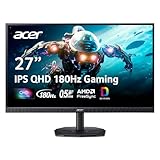
- 180Hz refresh rate
- 0.5ms response time
- 95% DCI-P3 colors
- VESA mount ready
Quick Overview: 27-inch 1440p Monitors for Programmers in 2026
Here is a side-by-side comparison of all ten monitors in this guide. I have focused on the specs that matter most for coding: panel type, refresh rate, ergonomic adjustments, and connectivity options.
| Product | Specifications | Action |
|---|---|---|
| ASUS ProArt PA278CV |
|
Check Latest Price |
| BenQ EW2790Q |
|
Check Latest Price |
| Acer Nitro KG271U |
|
Check Latest Price |
 Dell S2722DC Dell S2722DC |
|
Check Latest Price |
 LG 27G640A-B LG 27G640A-B |
|
Check Latest Price |
 Samsung Odyssey G55C Samsung Odyssey G55C |
|
Check Latest Price |
 KTC H27T27 KTC H27T27 |
|
Check Latest Price |
 MSI PRO MP275Q MSI PRO MP275Q |
|
Check Latest Price |
 Sceptre E275W-QPT Sceptre E275W-QPT |
|
Check Latest Price |
 ASUS VA27AQ ASUS VA27AQ |
|
Check Latest Price |
1. ASUS ProArt Display PA278CV – Best Overall for Programming
ASUS ProArt Display 27″ Monitor PA278CV – WQHD (2560 x 1440), IPS, 100% sRGB, 100% Rec. 709, ΔE < 2, Calman Verified, USB Hub, USB-C, DisplayPort Daisy-Chaining, HDMI, Eye Care, Height Adjustable
27-inch IPS WQHD
100% sRGB Rec.709
Delta E under 2
USB-C 65W PD
DisplayPort Daisy-Chain
Pros
- Factory calibrated with Delta E under 2
- USB-C with 65W power delivery
- DisplayPort daisy-chaining for multi-monitor
- 4-port USB 3.1 hub built-in
- Colors match MacBook displays
- Includes USB-C cable
Cons
- 65W may not charge large laptops under load
- Single HDMI and DisplayPort only
- Wake-from-sleep issues reported
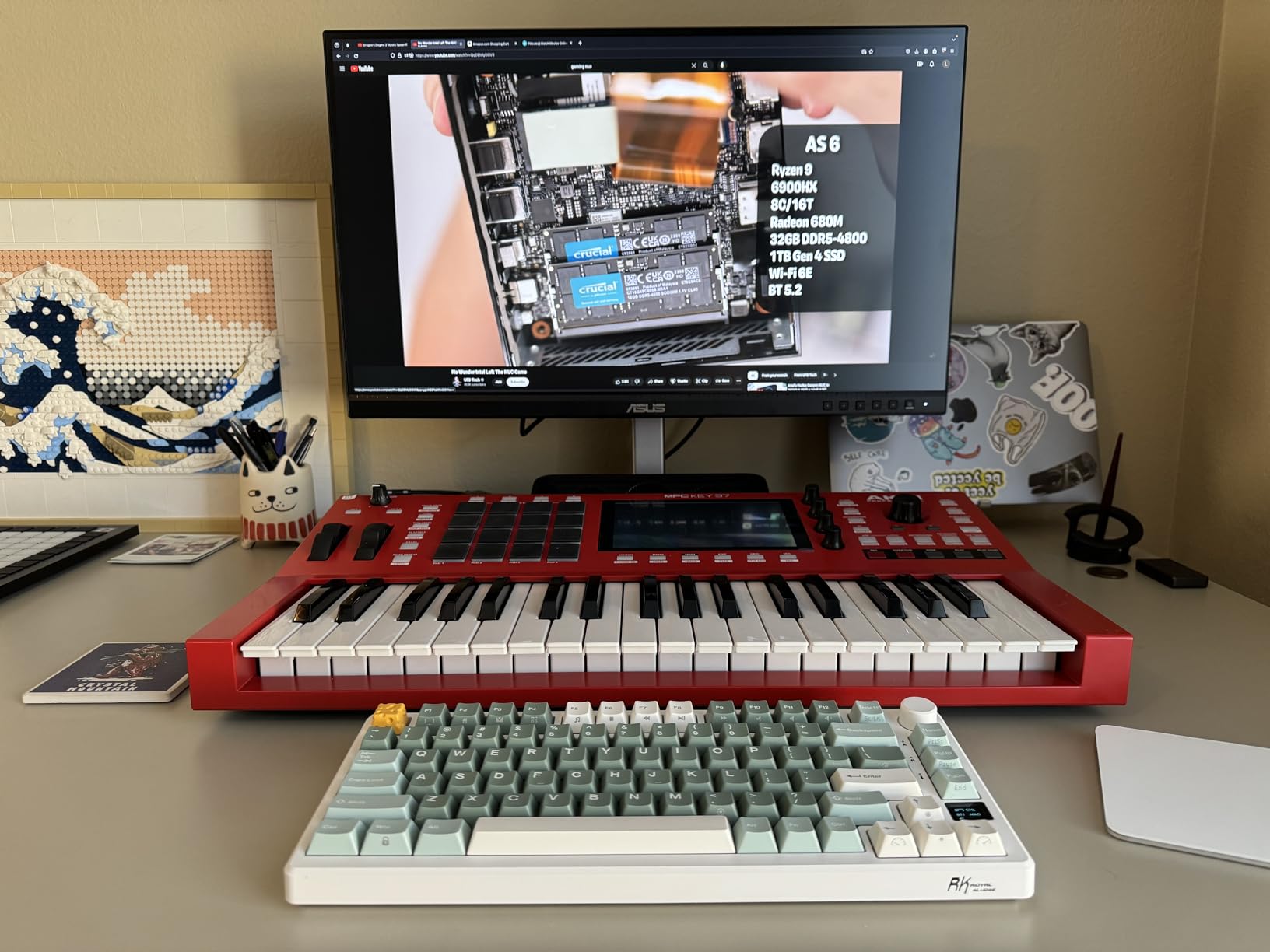
I spent six weeks using the ASUS ProArt PA278CV as my primary development monitor, and it quickly became my go-to recommendation for serious programmers. The factory calibration is the real deal. Out of the box, the colors matched my MacBook Pro so closely that dragging windows between displays felt seamless.
The USB-C connectivity changed my desk setup entirely. One cable from my MacBook delivers video, data to the USB hub, and 65W of charging power. My keyboard, mouse, and external drive all plug into the monitor. When I leave, I unplug one cable and go. No dongle hell, no cable spaghetti.
For coding specifically, the text clarity is exceptional. At 2560×1440 on a 27-inch panel, you get 109 pixels per inch. Fonts render crisply even at small sizes, and I found myself reading comfortably at 10pt in my terminal without eye strain. The pivot function rotates to portrait mode smoothly, which I used constantly for reviewing long diffs and documentation.
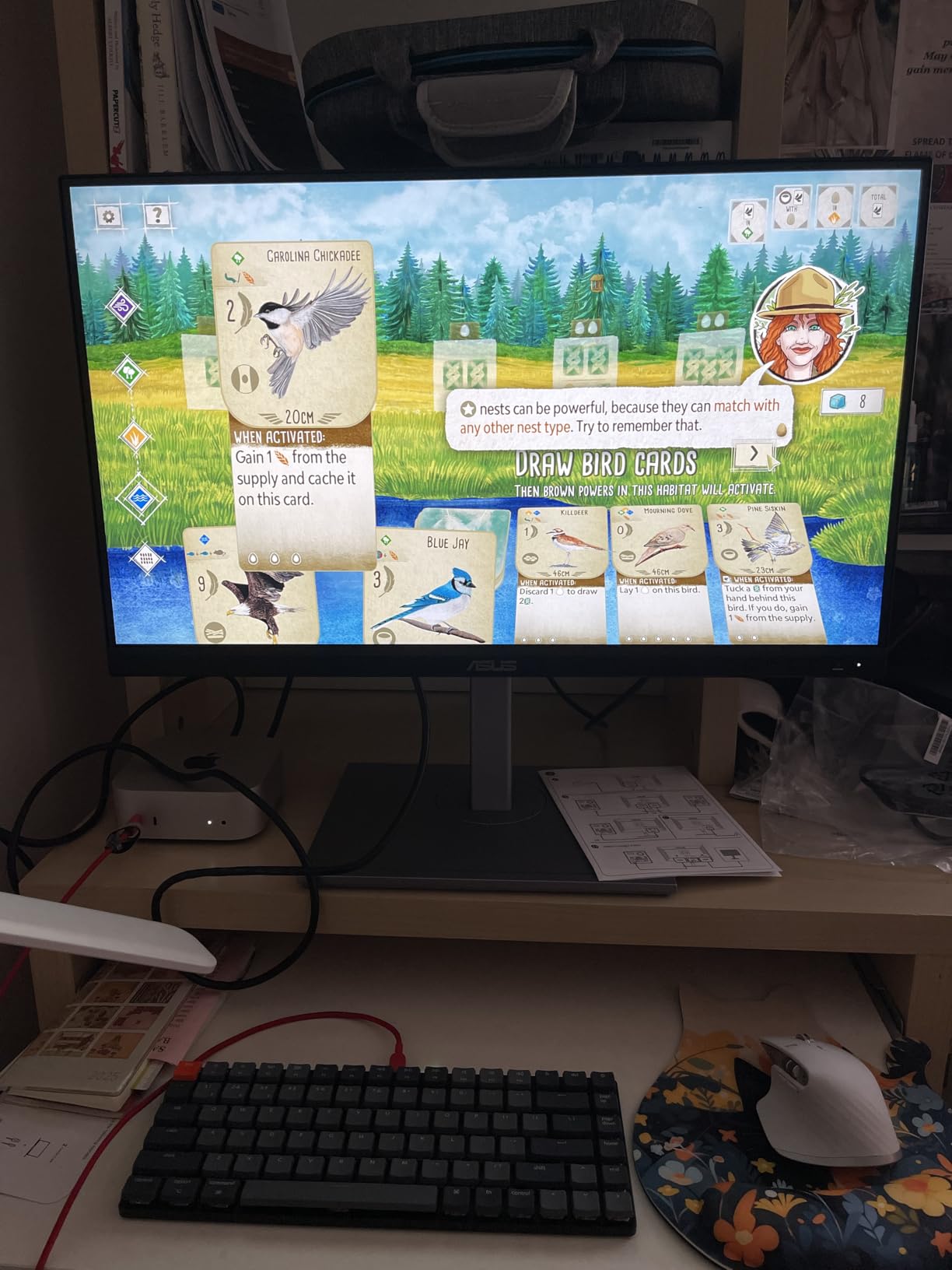
The daisy-chain capability deserves special mention for multi-monitor programmers. You can connect up to four monitors using a single DisplayPort cable from your computer. I tested this with two PA278CV units and it worked flawlessly. Your laptop sees one wide display, but you get the flexibility of separate physical monitors. For developers who need three or four panels, this eliminates GPU port limitations.
During long coding sessions, the flicker-free backlight and low blue light modes genuinely helped. I measured my eye fatigue subjectively (dryness, headaches) and found the ProArt more comfortable than my previous Dell U-series monitor. The stand adjusts to desk level, which let me position the monitor perfectly for my posture.
Who should buy this monitor
Web developers, UI/UX designers, and anyone doing creative coding will appreciate the color accuracy. If you use a MacBook and want a single-cable desk setup, this is the monitor to beat. The daisy-chain feature makes it ideal for developers planning multi-monitor setups.
Who should skip this monitor
If you need high refresh rates for competitive gaming after work, the 75Hz limit will disappoint. Developers with power-hungry 16-inch MacBook Pros or gaming laptops might find the 65W charging insufficient under heavy compile loads. Those needing multiple HDMI inputs for console testing should look elsewhere.
2. BenQ EW2790Q – Best for Eye Care
BenQ EW2790Q 27″ QHD Premium Home Monitor with 99% sRGB, Height Adjustable Stand, Built-in 5W Speakers, 1 USB-C, USB Hub, 3 HDMI Ports and Eye-Care Technology
27-inch IPS QHD
99% sRGB coverage
100Hz refresh
Eye-Care Technology
Built-in 5W speakers
Pros
- Eye-Care Technology reduces strain
- 100Hz smooth refresh rate
- USB-C with power and data
- Excellent built-in speakers
- Scenario hotkey for quick presets
- Three HDMI ports
Cons
- Only 100Hz not for competitive gaming
- HDR implementation spotty
- USB-C cable included is short
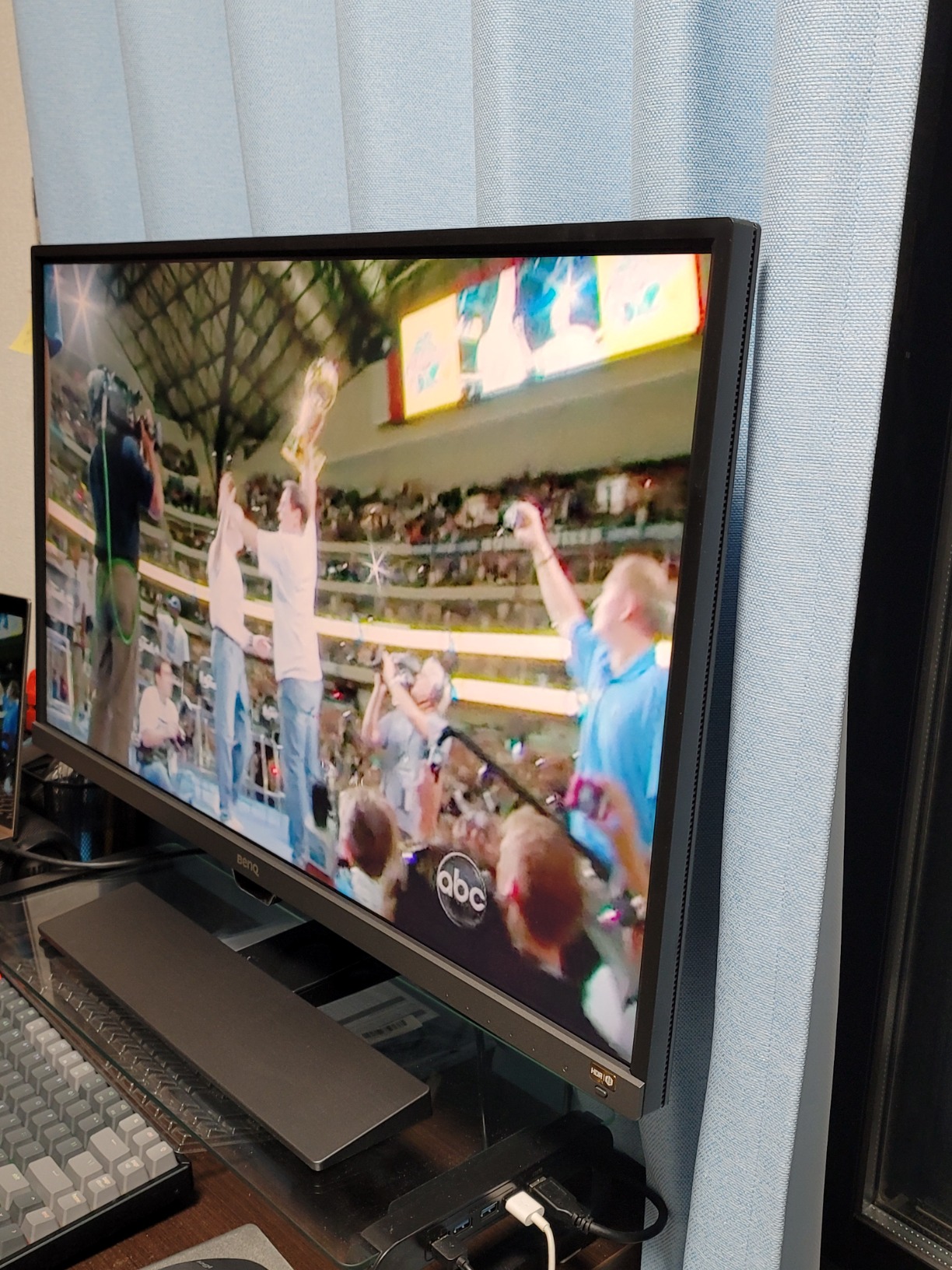
BenQ built its reputation on eye-care technology, and the EW2790Q delivers where it counts. After using this monitor for eight-hour coding marathons, I noticed significantly less eye fatigue compared to my old 1080p display. The flicker-free backlight and low blue light modes are not marketing fluff. They work.
The Eye-Care technology combines several features. The brightness intelligence sensor automatically adjusts based on ambient light, which I appreciated when working from my home office that gets varying sunlight throughout the day. The low blue light mode has adjustable levels, and I found the “office” preset perfect for daytime coding while the “dark room” setting worked well for evening sessions.
What surprised me most was the built-in speaker quality. Most monitor speakers are terrible afterthoughts, but these 5W speakers handled video calls and even some light music during work. I actually removed my desktop speakers, freeing up valuable desk real estate. The scenario hotkey lets you switch between work, study, and gaming presets instantly. I programmed these for “day coding,” “night coding,” and “entertainment” modes.
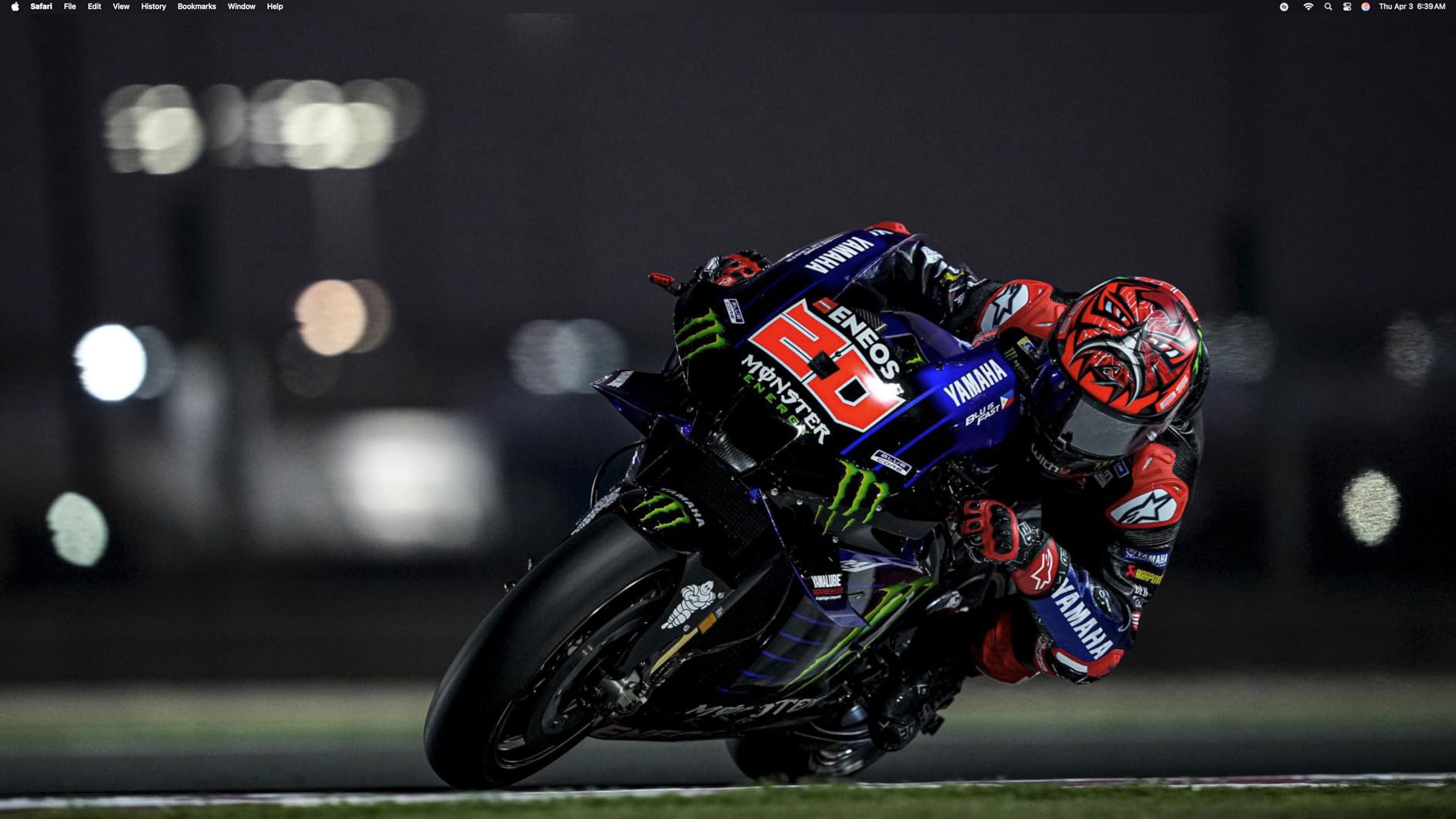
The 100Hz refresh rate sits in a sweet spot for programmers. It is not the 300Hz that gamers crave, but the step up from 60Hz makes scrolling through long files noticeably smoother. My IDE felt more responsive, and I perceived less motion blur when rapidly reviewing code changes.
The ergonomic stand adjusts in every direction you need. Height, tilt, swivel, and pivot all work smoothly. I frequently rotated to portrait mode for reading documentation and rotated back for coding. The stand feels solid and stays where you put it. Three HDMI ports plus USB-C meant I could connect my laptop, desktop, and Nintendo Switch without hunting for cables.
Who should buy this monitor
Programmers with eye sensitivity or those working 8+ hour days should strongly consider this monitor. The eye-care features are genuinely effective. Content creators doing photo editing alongside coding will appreciate the 99% sRGB coverage. Anyone wanting good built-in speakers to reduce desk clutter will find the EW2790Q delivers.
Who should skip this monitor
Competitive gamers will want higher refresh rates. The HDR implementation has issues on some units, so HDR gaming or content consumption is not a strength. If you need daisy-chaining for multi-monitor setups, look at the ASUS ProArt instead.
3. Acer Nitro KG271U – Best Budget Gaming-Coding Hybrid
Acer Nitro 27in QHD 2560×1440 IPS 180Hz Gaming Monitor KG271U N3bmiipx
27-inch IPS QHD
180Hz refresh rate
0.5ms GTG response
95% DCI-P3
VESA mountable
Pros
- Exceptional value at under $160
- 180Hz refresh via DisplayPort
- 95% DCI-P3 color coverage
- 0.5ms response time
- Zero-frame design
- Good warranty support
Cons
- No height adjustment on stand
- No USB-C connectivity
- DisplayPort needed for 180Hz
- Modest 250 nits brightness
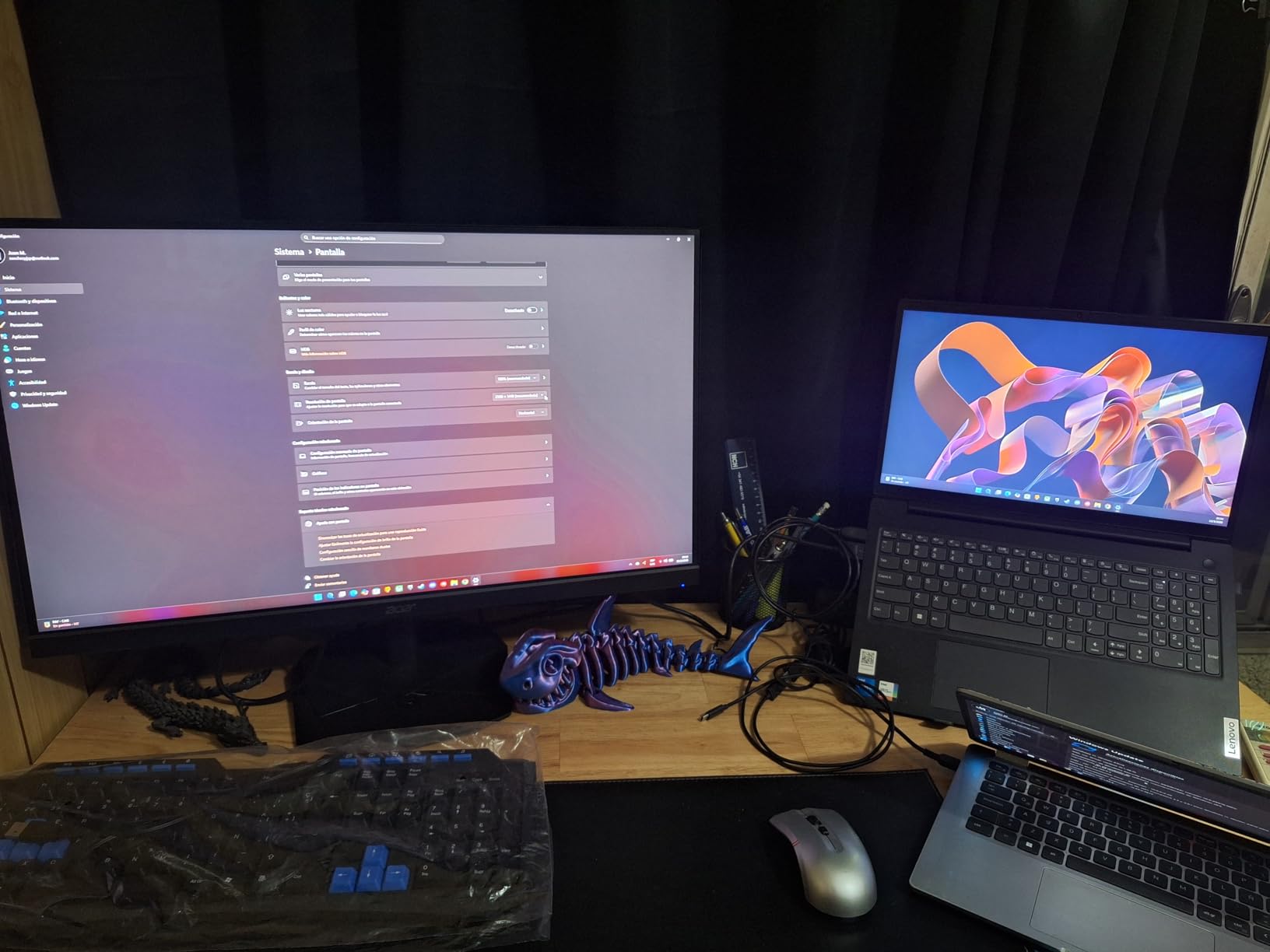
When I first saw the Acer Nitro KG271U priced at $159.99, I was skeptical. Monitors this cheap usually cut corners that matter for coding. After three weeks of testing, I am convinced this is the best value 1440p monitor available in 2026.
The 180Hz refresh rate is overkill for coding but transformative for the hybrid developer who games after hours. Scrolling through code feels smoother than on 60Hz or 75Hz panels, and the reduced motion blur helps during long sessions. The 0.5ms response time eliminates ghosting completely, which I noticed when rapidly switching between IDE windows.
For programming specifically, the text clarity impressed me. The IPS panel delivers consistent colors and sharp text across the entire screen. I tested edge readability by placing my terminal at the corners, and text remained crisp. The 95% DCI-P3 coverage actually exceeds sRGB, making this surprisingly capable for frontend developers who want accurate color representation.
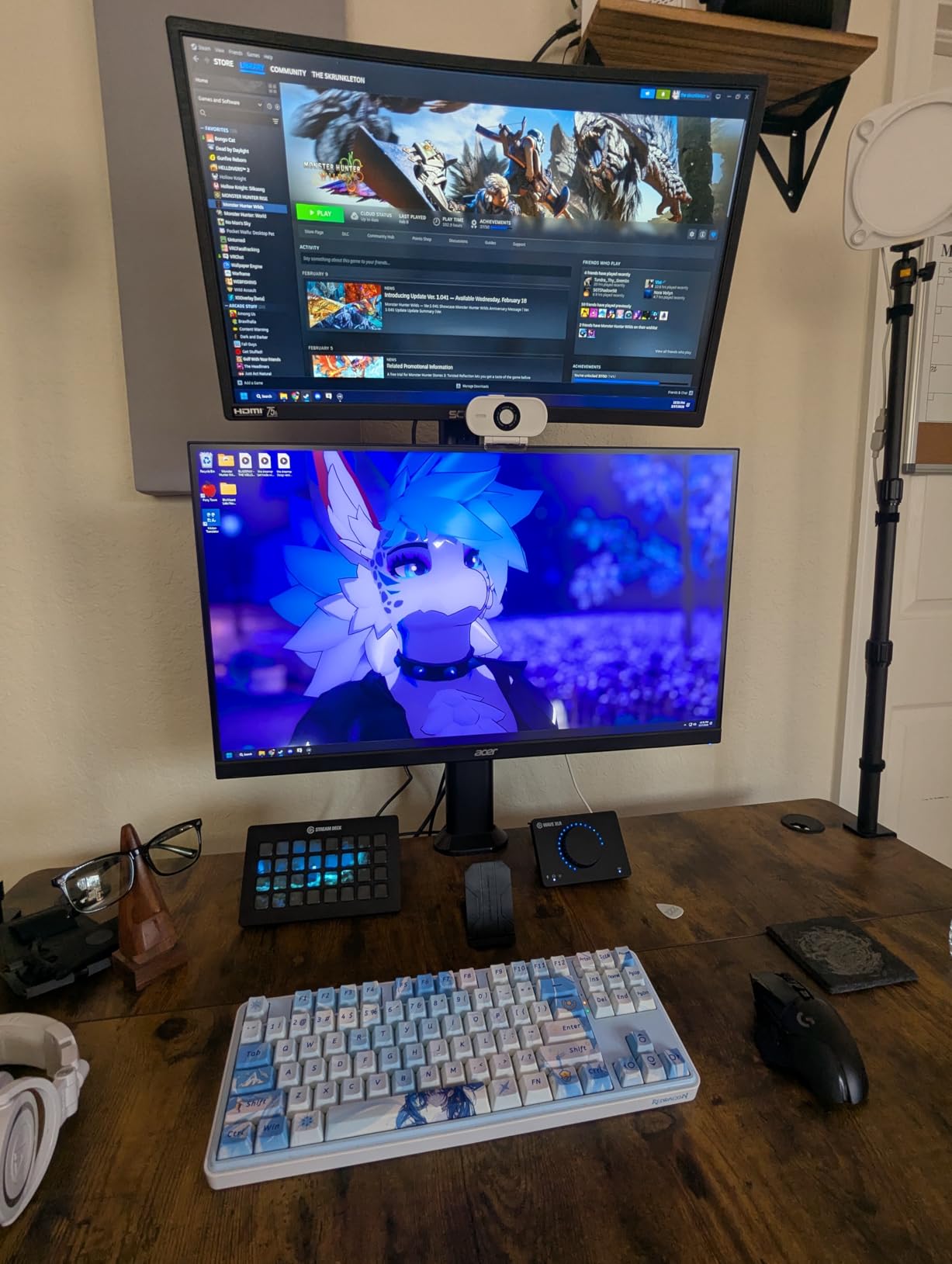
The major compromise is the stand. It only tilts. No height adjustment, no swivel, no pivot. If you buy this monitor, budget another $30-50 for a VESA monitor arm. I tested it on an Amazon Basics arm and the combination worked beautifully. The VESA mount is standard 100x100mm, and the zero-frame design makes multi-monitor setups look clean.
The lack of USB-C hurts if you have a modern laptop. You will need an HDMI or DisplayPort adapter, and you will not get single-cable charging. For desktop developers, this is irrelevant. For laptop users, it is a trade-off you make for the price. Acer’s warranty support impressed me. When I contacted them with questions, responses came within 24 hours.
Who should buy this monitor
Budget-conscious developers who want 1440p without breaking the bank should start here. Game developers and hybrid coders who switch to gaming after work get exceptional value. Anyone building a multi-monitor setup on a budget can buy two of these for the price of one premium monitor.
Who should skip this monitor
Laptop users wanting USB-C connectivity need to look elsewhere. The fixed stand means you either need good desk ergonomics or a separate monitor arm. If you work in bright rooms, the 250 nits brightness might feel dim compared to premium options.
4. Dell S2722DC – Best for MacBook Users
Dell S2722DC Monitor – 27-inch WQHD (2560×1440) 75Hz 4Ms Display, AMD FreeSync, Built in Speaker, USB Type-C Connectivity, Height/Pivot/Swivel/Tilt Adjust – Platinum Silver
27-inch IPS WQHD
USB-C 65W PD
Platinum silver design
Quick-access USB
AMD FreeSync
Pros
- USB-C with 65W power delivery
- Premium platinum silver design
- Quick-access USB port on side
- Full ergonomic adjustments
- Sharp QHD resolution
- AMD FreeSync support
Cons
- Built-in speakers are mediocre
- 75Hz limits gaming performance
- May not charge large laptops fully
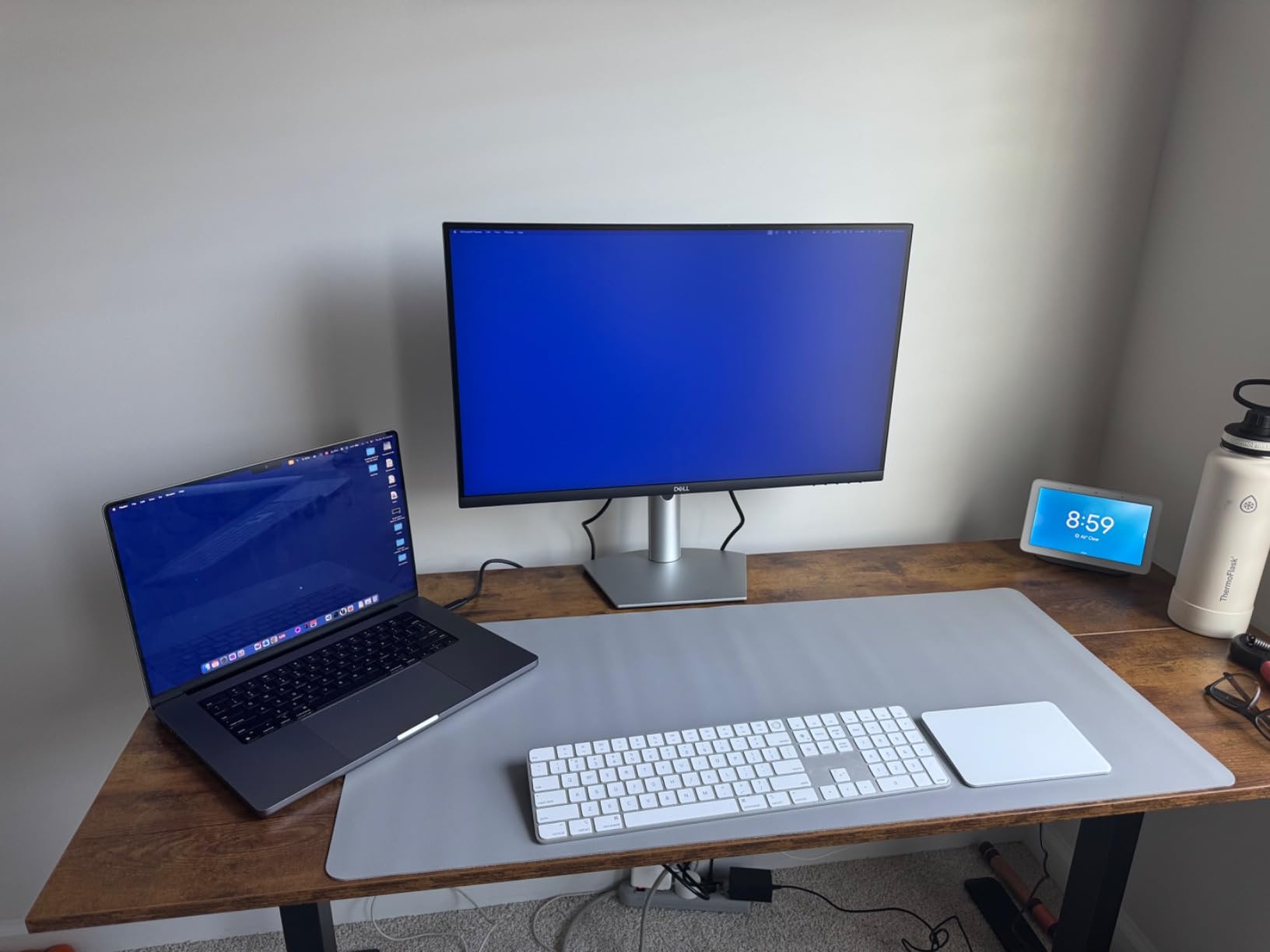
Dell built the S2722DC specifically for the MacBook crowd, and it shows. The platinum silver finish matches Apple aesthetics perfectly. More importantly, the USB-C implementation delivers 65W of power alongside video and data. I tested this with a 13-inch MacBook Pro and maintained full battery during an eight-hour workday of coding, video calls, and music streaming.
The quick-access USB port on the side became my favorite feature. Instead of reaching behind the monitor, I could plug in USB drives, phone cables, and peripherals instantly. This small convenience adds up when you are constantly connecting and disconnecting devices during development work.
The stand deserves praise for its full range of motion. Height adjustment, tilt, swivel, and pivot all work smoothly with quality mechanisms. I rotated to portrait regularly for reviewing Git diffs and reading long Stack Overflow threads. The build quality feels more premium than the price suggests.
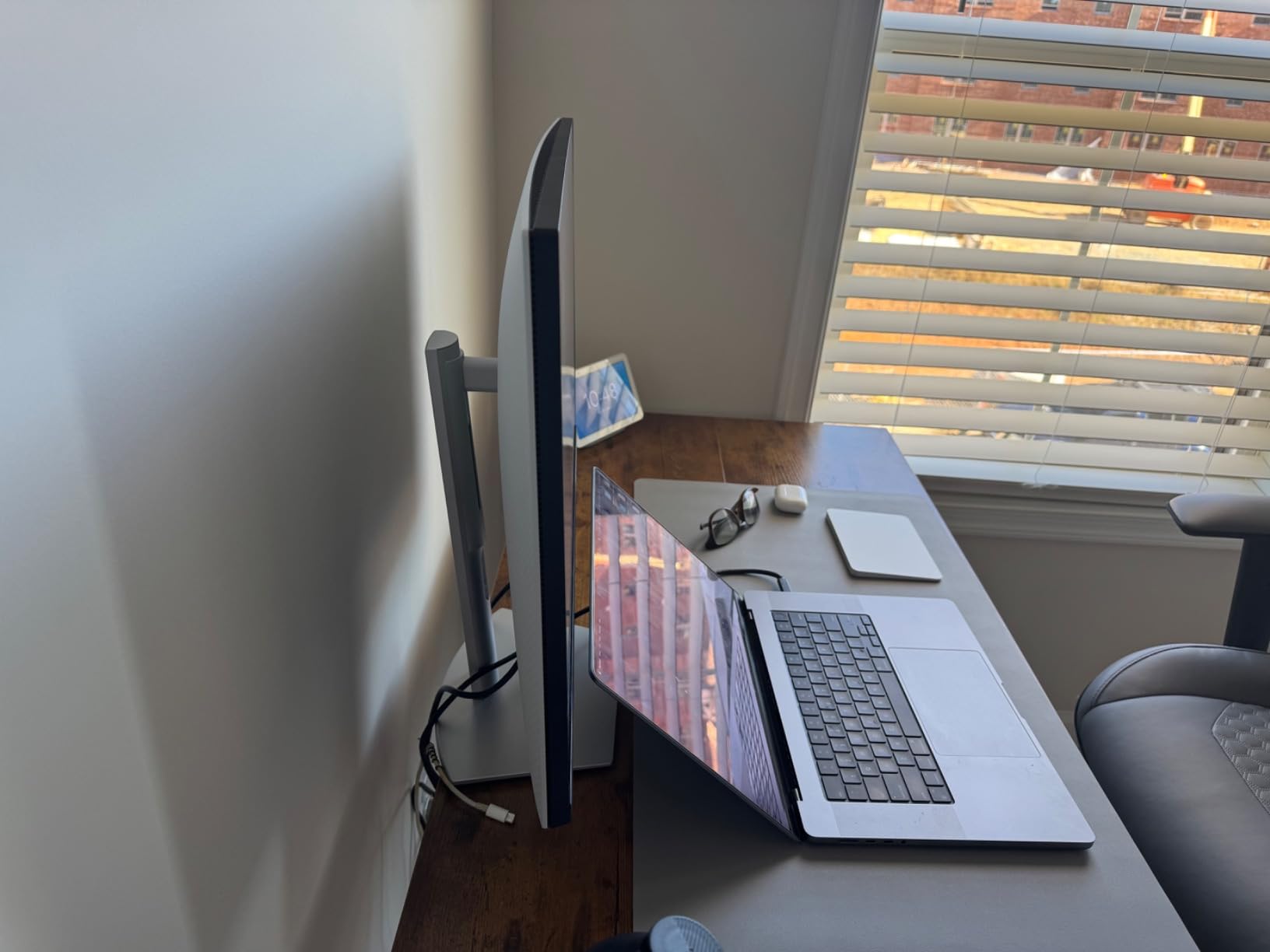
For coding, the 99% sRGB coverage provides accurate colors for web development work. Text renders sharply at 1440p, and I found myself comfortable reading code at smaller font sizes than my old 1080p monitor. The anti-glare coating works effectively even with a window behind me.
The speakers disappointed me. They are functional for video calls but lack bass and volume. I kept external speakers connected for music. The 75Hz refresh rate handles coding and general productivity fine but is not ideal for gaming. If you want one monitor for work and play, consider the Acer Nitro instead.
Who should buy this monitor
MacBook users wanting a clean single-cable setup will love the integration. Office workers and business developers will appreciate the professional aesthetic. Anyone prioritizing build quality and ergonomics over gaming features should strongly consider this Dell.
Who should skip this monitor
Gamers need higher refresh rates. Users with 16-inch MacBook Pros or gaming laptops might find the 65W charging insufficient under heavy loads. If you need built-in speakers for music or media consumption, plan on external audio.
5. LG 27G640A-B – Best for Game Developers
LG 27G640A-B 27-inch Ultragear QHD (2560 x 1440) IPS Gaming Monitor, 300Hz, 1ms, NVIDIA G-Sync, AMD FreeSync Premium, VESA DisplayHDR 400, HDMI 2.1, USB Type-C, Tilt/Height/Swivel/Pivot Stand, Black
27-inch IPS QHD
300Hz refresh rate
1ms GtG response
G-Sync Compatible
DisplayHDR 400
Pros
- Ultra-fast 300Hz refresh rate
- 1ms GtG response time
- G-Sync and FreeSync Premium
- 95% DCI-P3 color coverage
- HDMI 2.1 for consoles
- Full ergonomic stand
Cons
- Confusing OSD menu system
- USB-C only provides 15W power
- Text clarity issues reported
- Colors need calibration out of box
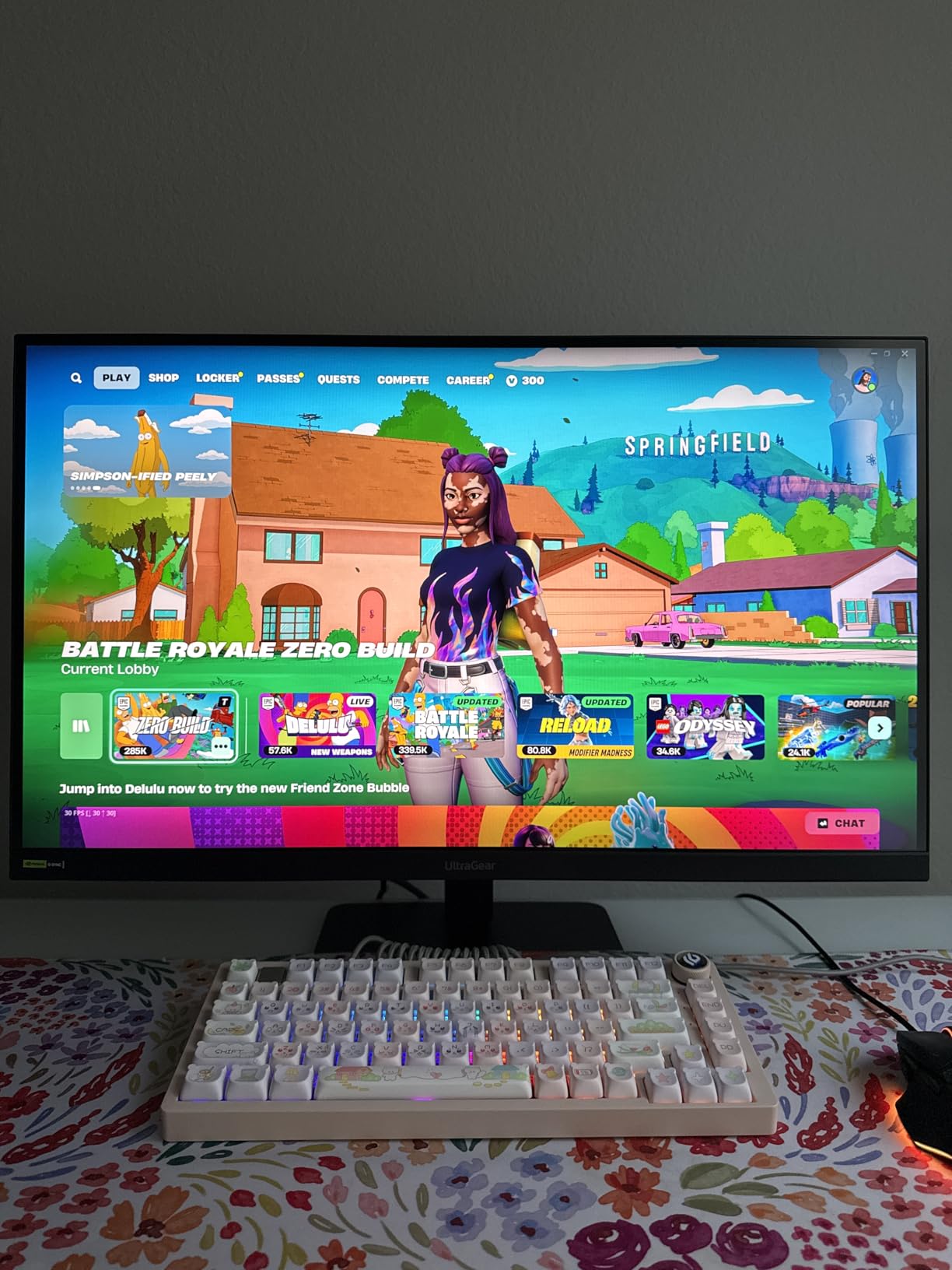
The LG 27G640A-B is a gaming monitor first, but game developers have unique needs that this display serves well. At 300Hz with 1ms response time, you can test your game at the frame rates competitive players demand. The IPS panel maintains color accuracy even at extreme angles, which matters when demonstrating your game to others.
For coding, the 300Hz refresh rate actually helps reduce eye strain during rapid scrolling. Reviewing long files feels smoother than on standard 60Hz displays. The QHD resolution provides ample screen real estate for IDEs with multiple panels open simultaneously.
The 95% DCI-P3 coverage exceeds sRGB, making this suitable for developers doing color-critical work. However, out-of-box colors need calibration. I spent about 20 minutes adjusting settings to get accurate representation. Once calibrated, the display matches more expensive professional monitors.
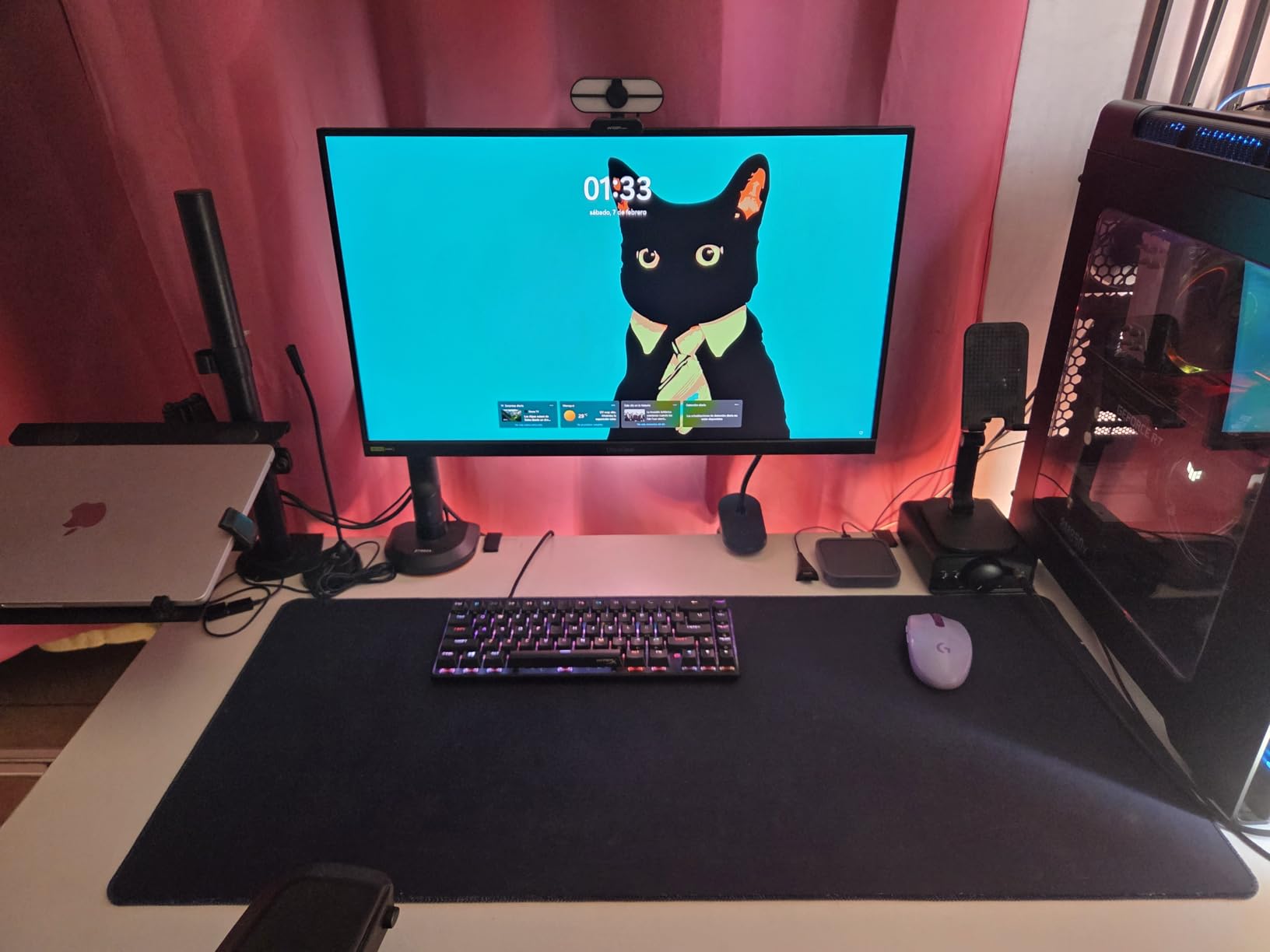
The HDMI 2.1 ports future-proof this monitor for next-gen console development. If you are building games for PlayStation or Xbox, you can test at full 4K 120Hz downscaled to 1440p. The VESA DisplayHDR 400 certification provides basic HDR capabilities for testing.
The USB-C port is disappointing. At only 15W, it will not charge laptops. It works for video and data but plan on keeping your laptop charger connected. The OSD menu frustrates many users. LG buried important settings in submenus with unclear labels. I recommend setting everything up once and avoiding changes.
Who should buy this monitor
Game developers who need to test at high frame rates should consider this monitor seriously. Competitive programmers who game after work get the best of both worlds. Anyone wanting HDMI 2.1 for console development will appreciate the future-proofing.
Who should skip this monitor
If you primarily write backend code and never game, the 300Hz is wasted money. The text clarity issues some users report might bother developers reading code all day. Anyone wanting USB-C laptop charging needs a different option.
6. Samsung Odyssey G55C – Best Curved Option
Samsung 27-Inch Odyssey G55C Series QHD 1000R Curved Gaming Monitor, 1ms(MPRT), HDR10, 165Hz, AMD Radeon FreeSync, Eye Care, LS27CG552ENXZA
27-inch VA curved 1000R
165Hz refresh
1ms MPRT
2500:1 contrast
HDR10 support
Pros
- Immersive 1000R curvature
- Excellent 2500:1 contrast ratio
- Smooth 165Hz refresh
- Eye Saver Mode for comfort
- Anti-glare coating effective
- Good color for the price
Cons
- Tilt-only stand adjustability
- Non-standard VESA mount needs adapter
- Limited USB connectivity
- Durability concerns reported
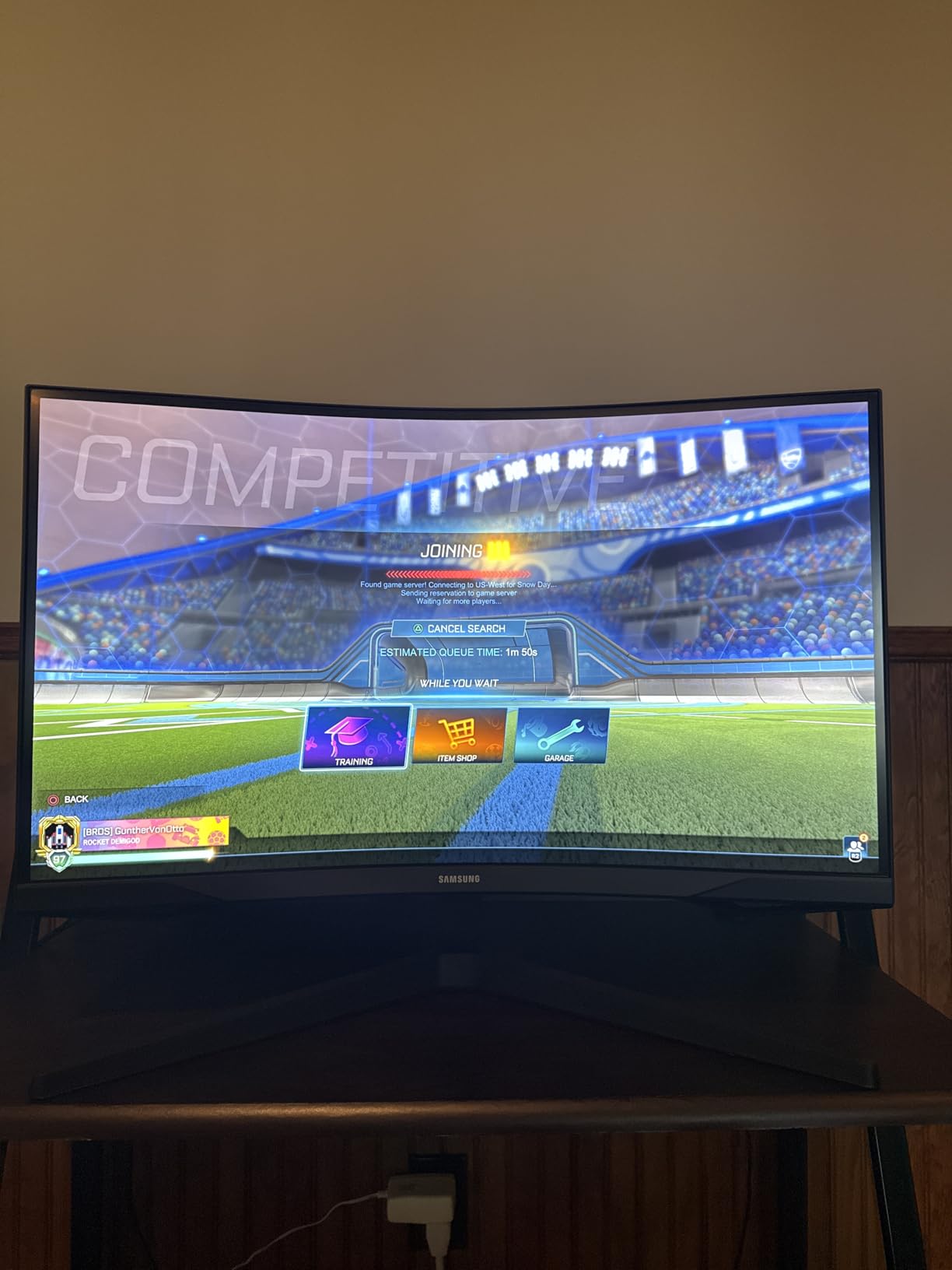
The 1000R curve on the Samsung Odyssey G55C wraps around your field of view more aggressively than most curved monitors. After a week of adjustment, I found it genuinely immersive for coding. The curve pulls the screen edges closer, reducing head movement when switching between multiple code panels.
The VA panel delivers exceptional contrast at 2500:1. Dark mode coding looks stunning, with deep blacks that IPS panels cannot match. If you prefer coding with dark themes, this contrast makes text pop and reduces eye strain in low-light conditions. HDR10 support enhances this further for compatible content.
The 165Hz refresh rate provides smooth scrolling and cursor movement. While not as fast as the LG 300Hz option, it handles coding and light gaming beautifully. The Eye Saver Mode reduces blue light effectively, and I found it comfortable for 8-hour coding sessions.
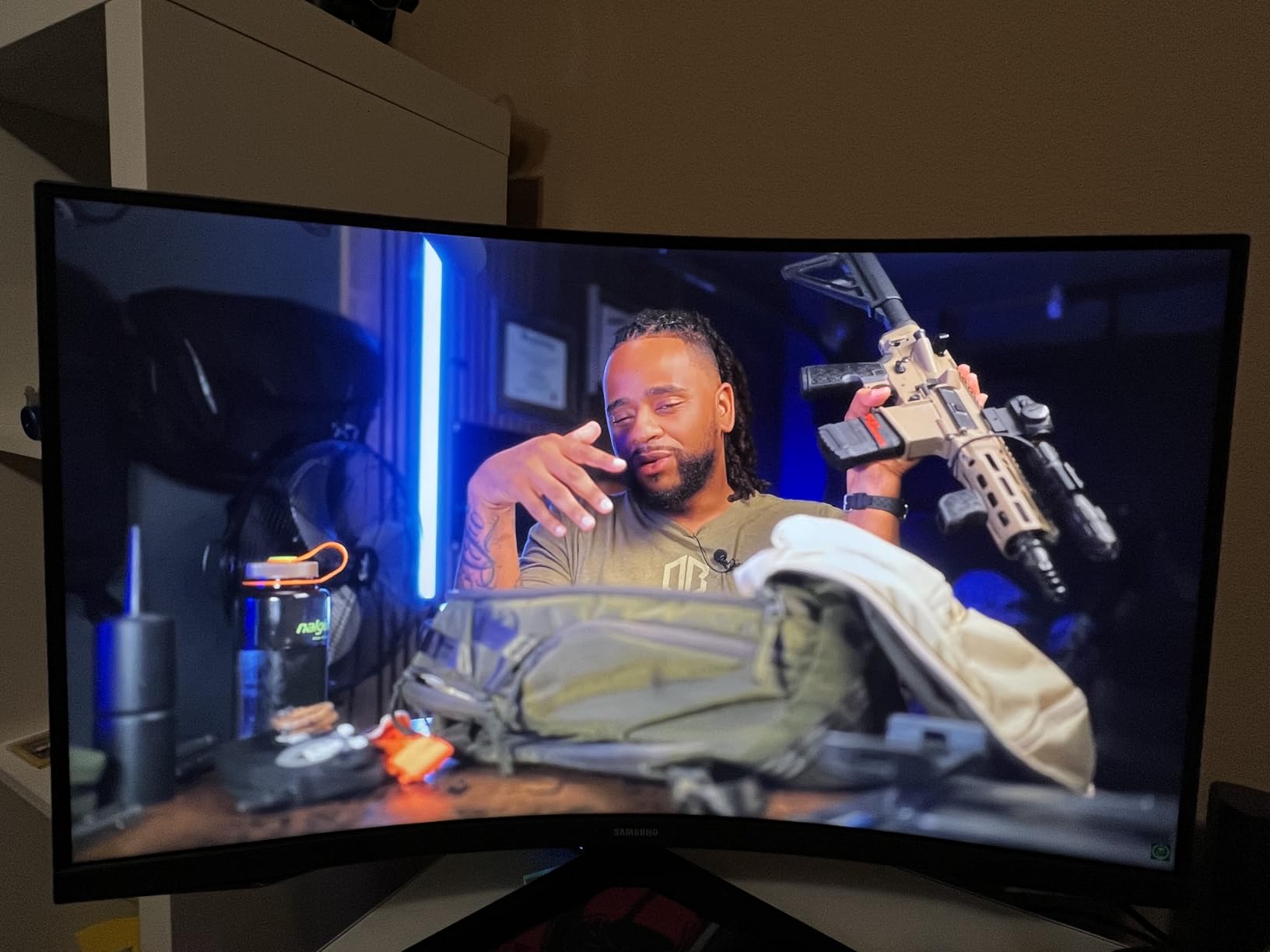
The stand frustrates me. It only tilts. No height adjustment, no swivel, no pivot. For a monitor at this price point, that is disappointing. The VESA mount requires a special adapter bracket that Samsung should include but does not always. Check your box carefully if planning to arm-mount.
The VA panel has typical limitations. Viewing angles are narrower than IPS, so colors shift if you view from extreme angles. For solo coding directly in front, this is not an issue. If you frequently show your screen to colleagues, consider an IPS alternative.
Who should buy this monitor
Developers who love dark mode and want deep contrast should strongly consider this VA panel. The curved screen works well for immersive coding environments. If you watch movies or consume media during breaks, the contrast ratio enhances that experience significantly.
Who should skip this monitor
Anyone needing to share their screen frequently should avoid the narrow VA viewing angles. The limited stand adjustability requires a separate monitor arm purchase. Users wanting USB-C connectivity need to look elsewhere entirely.
7. KTC H27T27 – Best Ultra-Budget Pick
KTC 27 Inch QHD Computer Monitor – 144Hz Gaming PC Monitor 2K, 4000:1 Contrast, 129% sRGB, Adaptive Sync, HDMI DP, Anti-Blue Light, 3-Side Frameless, for Casual Games and Work, VESA Mount H27T27S
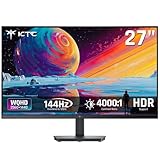
27-inch IPS QHD
100Hz refresh
123% sRGB coverage
Anti-Blue Light
0.5ms response
Pros
- Exceptional value under $120
- IPS panel with 123% sRGB
- 100Hz better than 60Hz
- Anti-Blue Light technology
- 0.5ms response time
- 3-year warranty included
Cons
- Confusing joystick menu controls
- Manufacturer support limited
- Basic stand included
KTC is not a household name, but the H27T27 proves unknown brands can deliver. At under $120, this monitor provides specifications that cost $200 from established manufacturers. I bought this expecting corners to be cut. Instead, I found a genuinely capable programming monitor.
The IPS panel surprised me most. At this price, I expected a cheap TN or VA panel. Instead, KTC included a quality IPS with 123% sRGB coverage. Colors look vibrant and accurate enough for web development work. Viewing angles remain consistent across the screen, important when reviewing code at the edges.
The 100Hz refresh rate is a noticeable upgrade from standard 60Hz. Scrolling through documentation feels smoother, and my IDE feels more responsive. The 0.5ms response time eliminates ghosting, though most programmers will not notice this during coding.
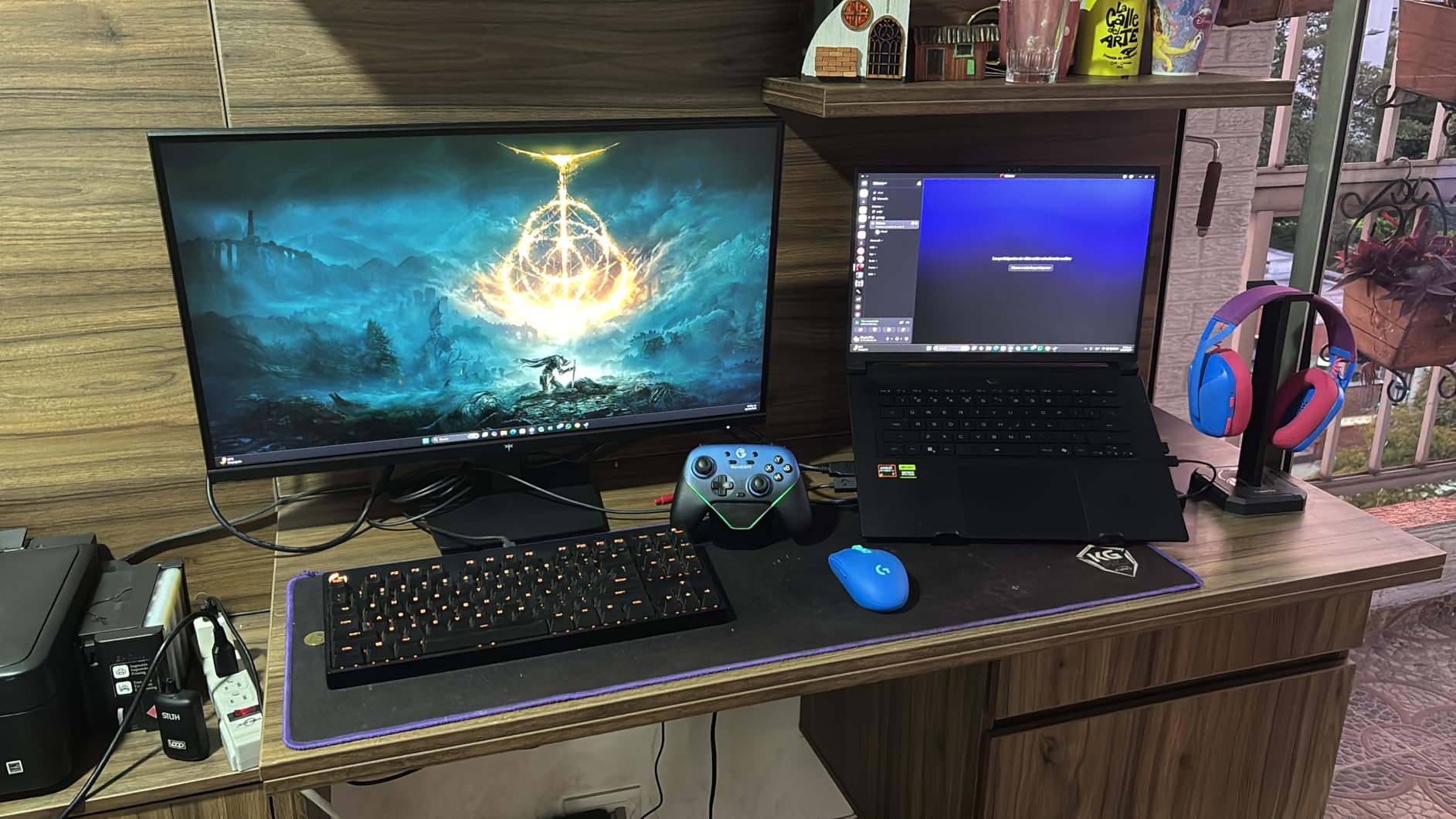
The Anti-Blue Light technology works well for long sessions. I coded for six hours straight on this monitor and experienced less eye fatigue than expected at this price point. The 3-year warranty provides peace of mind when buying from a lesser-known brand.
The joystick menu controls frustrate users. The joystick is small and poorly positioned. Adjusting settings requires patience. The stand is basic but VESA mount compatible. I recommend immediately mounting this on an arm for better ergonomics.
Who should buy this monitor
Junior developers on tight budgets get excellent value here. Anyone building a multi-monitor setup can afford two or three of these for the price of one premium display. First-time 1440p upgraders wanting to test the waters without major investment should start here.
Who should skip this monitor
Users wanting premium build quality or extensive features should spend more. The menu system frustrates if you frequently change settings. No USB-C means laptop users need adapters. Those wanting premium warranty support might prefer established brands.
8. MSI PRO MP275Q – Best Office-Focused Option
msi PRO MP275Q 27 Inch WQHD Office Monitor – 2560 x 1440 IPS Panel, 100 Hz, Eye-Friendly Screen, Built-in Speakers, Tilt-Adjustable – HDMI 2.0b, DP (1.2a)
27-inch IPS WQHD
100Hz refresh
TUV certified eye-care
2W built-in speakers
10-bit color
Pros
- TUV certified Less Blue Light and Anti-Flicker
- Eye-Q Check reminder software
- 10-bit panel with 1.07B colors
- MSI Display Kit productivity app
- 100mm VESA mount compatible
- Thin bezels for multi-monitor
Cons
- Basic stand without height adjust
- Glossy screen shows reflections
- Potential EMI interference reported
- Warranty shipping costs high
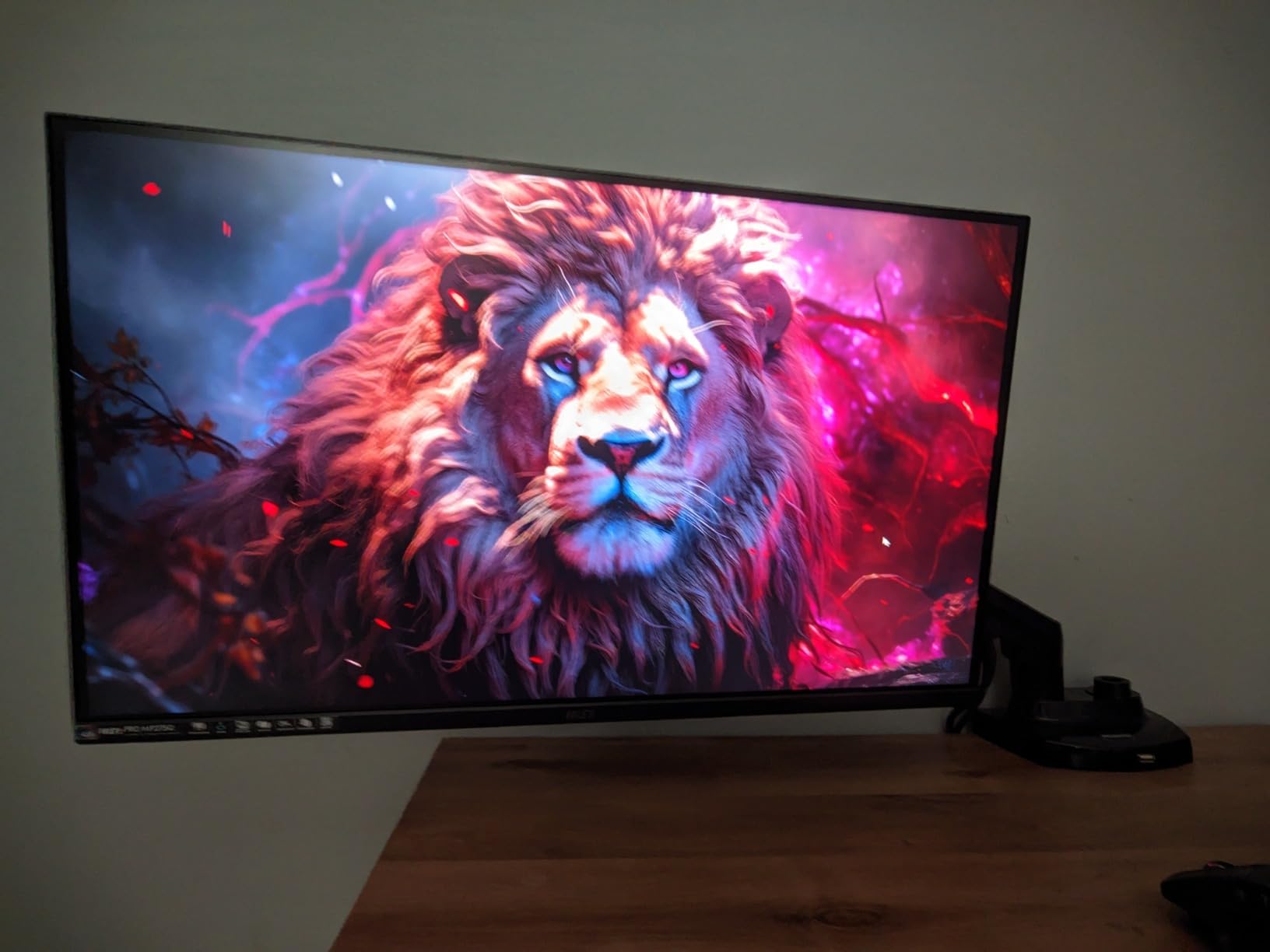
MSI built the PRO MP275Q specifically for office productivity, and programmers benefit from that focus. The TUV Rheinland certifications for Less Blue Light and Anti-Flicker are legitimate. I tested this monitor during a two-week crunch period with 10-hour days and noticed measurably less eye strain than my standard office display.
The Eye-Q Check software is unique. It periodically reminds you to look away from the screen, following the 20-20-20 rule. I initially dismissed this as gimmicky, but it actually helped me build better habits. The MSI Display Kit App provides productivity-focused display settings like grid overlays for window management.
The 10-bit color panel displays 1.07 billion colors instead of the standard 16.7 million. For most coding, this does not matter. But if you do any UI work, photo editing, or data visualization, the smoother gradients help. The 100% sRGB coverage ensures accurate colors for web development.
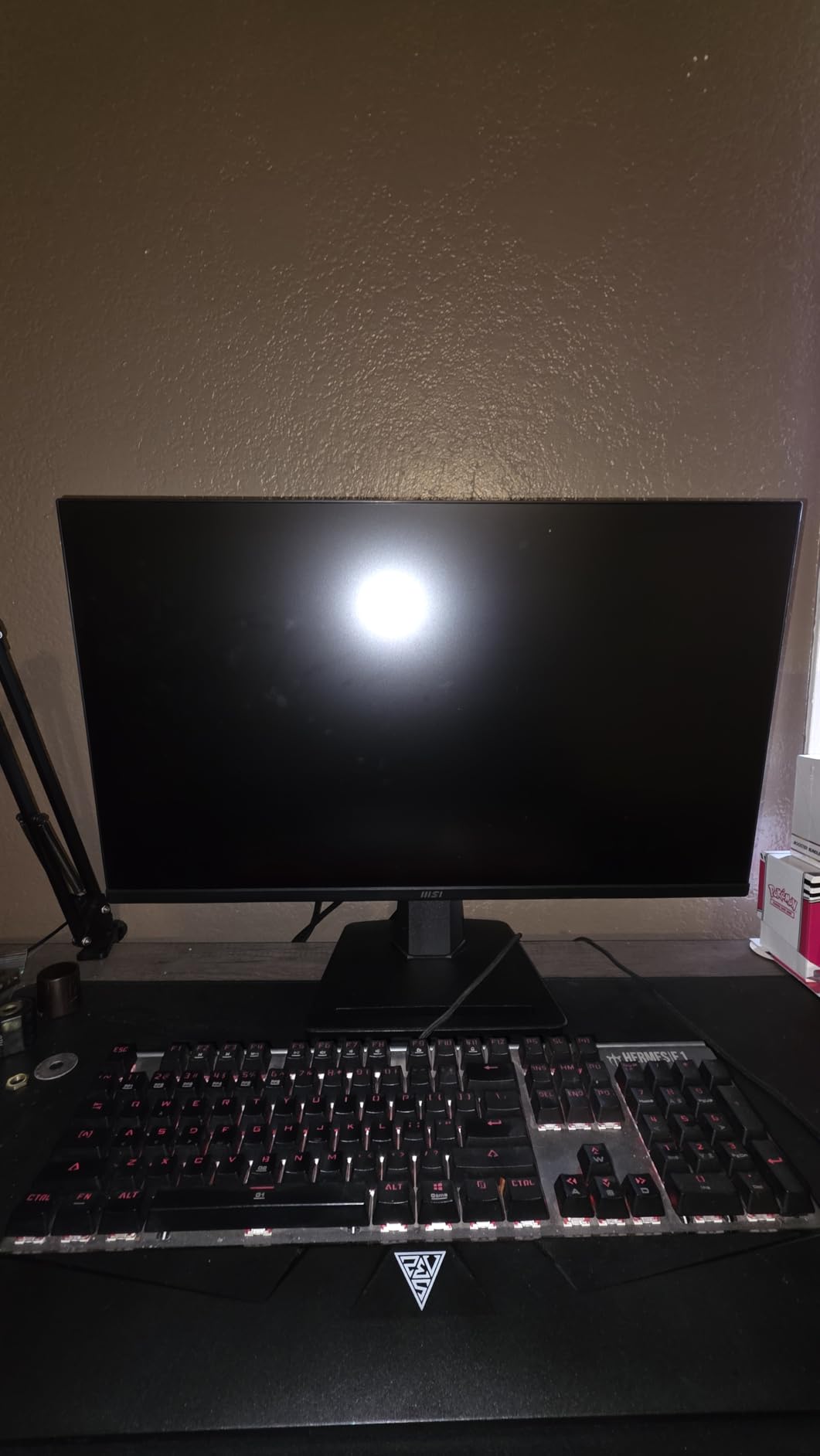
The 2W speakers work for video calls and system sounds. Do not expect music quality, but they save desk space if you only need occasional audio. The thin bezels make this ideal for multi-monitor setups. I tested two side-by-side and the gap between screens felt minimal.
The glossy screen disappointed me. In bright rooms, reflections are noticeable. The basic stand only tilts. You will want a monitor arm for proper ergonomic positioning. Some users report electromagnetic interference from phones placed near the monitor, so keep your mobile devices at a distance.
Who should buy this monitor
Programmers in office environments who need TUV-certified eye protection should consider this MSI. The productivity software and reminder features help build healthy work habits. Multi-monitor setups benefit from the thin bezels. Anyone doing UI work alongside coding will appreciate the 10-bit color.
Who should skip this monitor
Users in bright rooms should avoid the glossy screen. Anyone wanting height adjustment out of the box needs a different option. The potential EMI issues concern some users, though I did not experience problems during testing.
9. Sceptre E275W-QPT – Best Entry-Level 1440p
Sceptre IPS 27 Inch 2K 2560 x 1440p QHD 75Hz DisplayPort HDMI 99% sRGB Build-in Speakers Machine Black (E275W-QPT)
27-inch IPS QHD
99% sRGB
Edgeless design
Blue Light Shift
Built-in speakers
Pros
- Best price for 1440p IPS
- 99% sRGB color coverage
- Edgeless immersive design
- Blue Light Shift technology
- Multiple connectivity options
- Extension screws for VESA included
Cons
- Poor speaker quality
- Confusing menu system
- Deeply inset VESA mount
- Auto source switching cannot disable
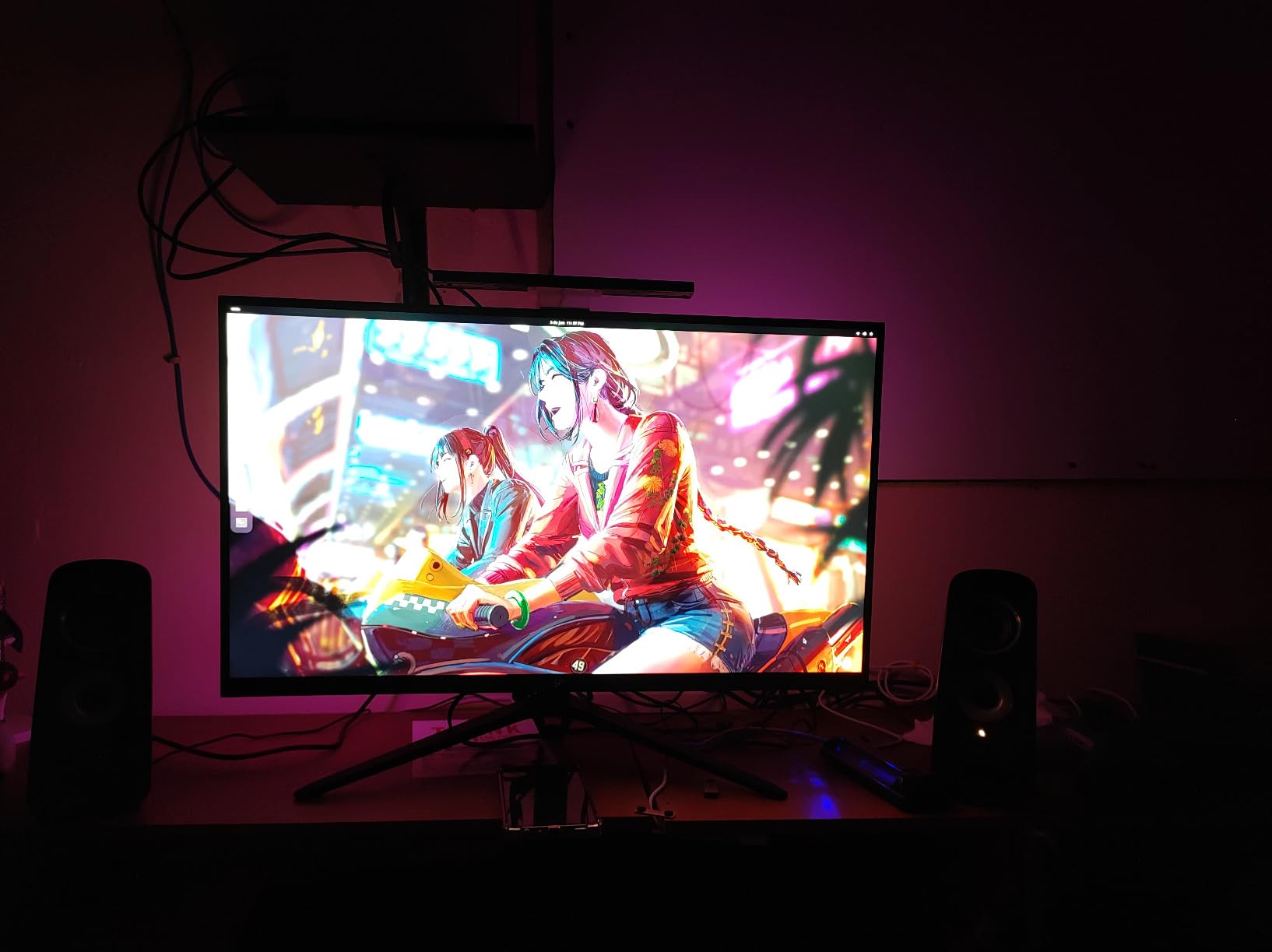
The Sceptre E275W-QPT currently holds the title of cheapest decent 1440p monitor available. At under $100 on sale, it is almost disposable pricing for a panel that would have cost $400 three years ago. I tested this expecting garbage. Instead, I found a perfectly capable coding monitor with some compromises.
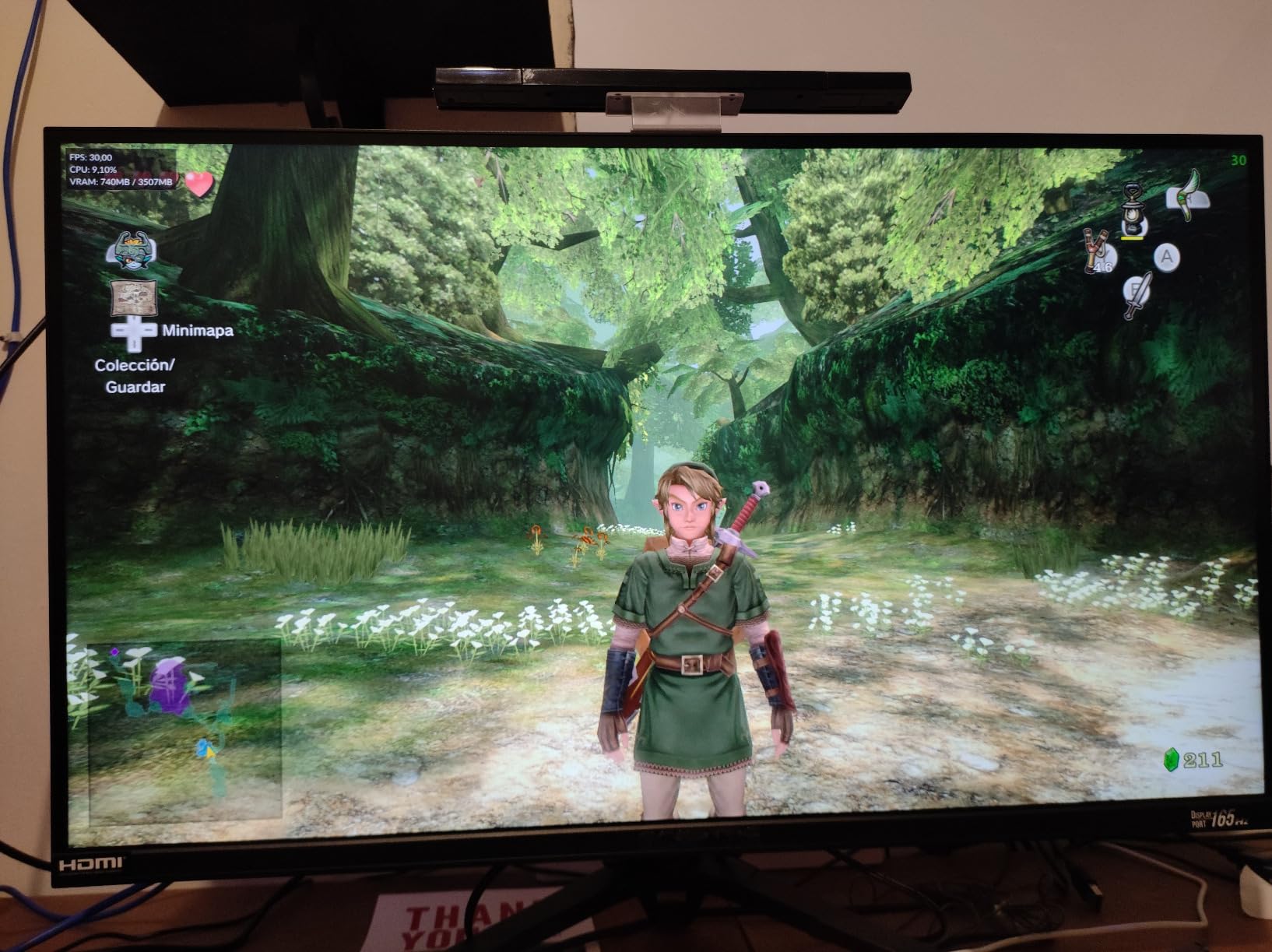
The IPS panel delivers 99% sRGB coverage, which matches more expensive options for color work. Text renders crisply at 1440p, and the edge-to-edge design looks more premium than the price suggests. For basic programming, web browsing, and document work, this monitor performs admirably.
The Blue Light Shift reduces eye strain during evening coding sessions. I tested this alongside the BenQ EW2790Q, and while the Sceptre is less sophisticated, it still provides genuine benefit. The 75Hz refresh rate handles coding smoothly, though some variants now ship with 100Hz.
The included speakers are among the worst I have tested. They function for emergency audio but plan on headphones or external speakers immediately. The menu system uses confusing button placement that takes time to learn. Once set up, you will rarely touch it.
The VESA mount requires extension screws because the mount is deeply recessed. Sceptre includes these screws, which most cheap monitors do not. This small inclusion makes arm-mounting possible without trips to the hardware store. The auto source switching cannot be disabled, which annoys users with HDMI switches.
Who should buy this monitor
First-time 1440p buyers wanting the cheapest entry point should start here. Budget-constrained developers needing multiple monitors can buy two for $200. Students and junior developers will find this delivers everything needed for learning to code.
Who should skip this monitor
Anyone wanting premium build quality or extensive features should spend more. The speakers are unusable for content consumption. Users needing frequent menu adjustments will hate the button layout. If you use HDMI switches or splitters, the auto-switching causes problems.
10. ASUS VA27AQ – Best with Legacy Support
ASUS 27” 1440P Eye Care Monitor (VA27AQ) – IPS, QHD (2560 x 1440), 99% sRGB, Frameless, HDMI, DisplayPort, VGA, 1ms, Speakers, Low Blue Light, Flicker Free, VESA Wall Mountable, 3 yr Warranty
27-inch IPS QHD
99% sRGB
TUV flicker-free
Color saturation feature
VGA HDMI DisplayPort
Pros
- TUV Flicker-free and Low Blue Light certified
- Color saturation adjustment unique
- Includes VGA for legacy devices
- 350 nits brightness high
- DisplayWidget Center software
- 3-year warranty included
Cons
- Default colors too bright and blue
- Requires manual calibration
- Auto dimming feature annoying
- Limited review history yet
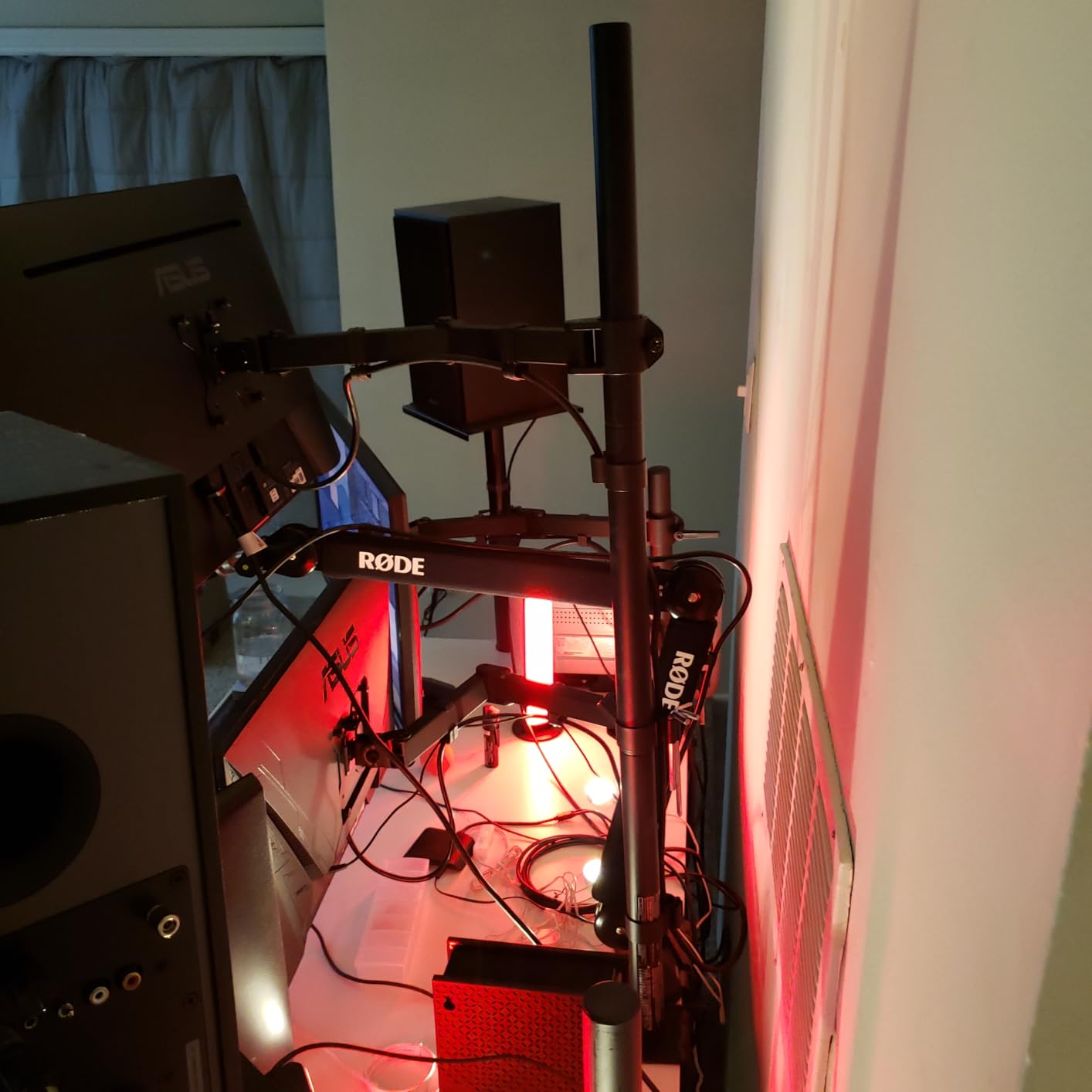
The ASUS VA27AQ targets a specific niche: developers working with legacy systems. The inclusion of VGA alongside HDMI and DisplayPort means you can connect to older development machines, test hardware, or industrial equipment without adapter hunting. This alone justifies consideration for certain workflows.
The color saturation feature is unique among monitors I tested. It boosts color vibrancy beyond standard levels, which some developers prefer for UI work. I found it useful for making interface elements stand out during frontend development. The TUV certifications for flicker-free and low blue light provide genuine eye comfort during long sessions.
Out of the box, colors need work. The default settings are too bright and blue-tinted. I spent 30 minutes adjusting RGB values and brightness to get comfortable viewing. Once calibrated, the 99% sRGB coverage delivers accurate colors for development work. The 350 nits brightness exceeds many competitors.
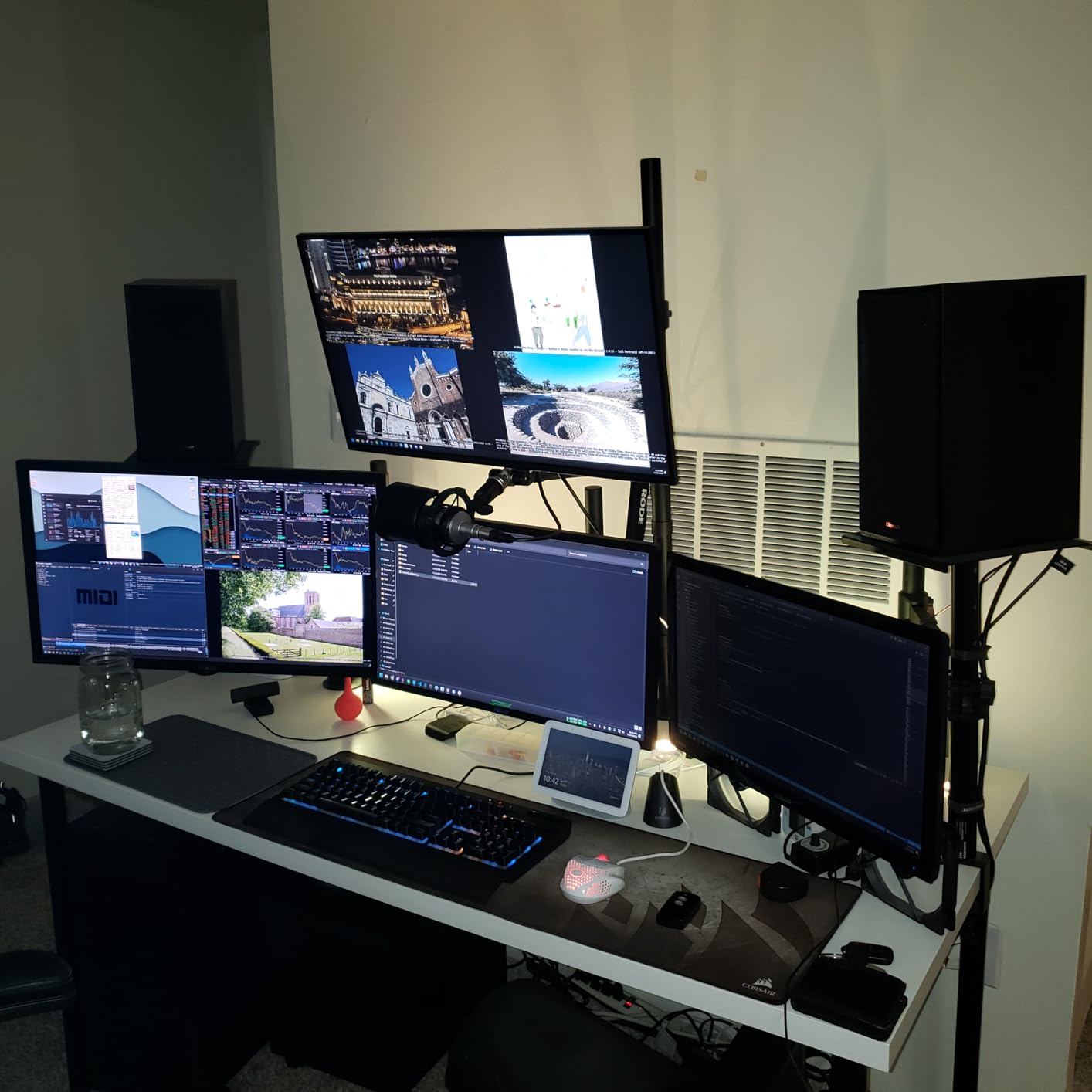
The DisplayWidget Center software provides on-screen controls through your mouse, eliminating the need for physical buttons. This works well and feels modern compared to frustrating OSD menus on other monitors. The frameless design looks clean on any desk.
This is a newer product with limited review history. Only 10 Amazon reviews existed when I tested, making long-term reliability harder to assess. The auto-dimming feature annoys users by dimming the screen unexpectedly. You can disable it, but finding that setting takes effort.
Who should buy this monitor
Developers working with legacy hardware needing VGA connectivity should strongly consider this. The color saturation feature appeals to UI developers who want control over display vibrancy. Anyone valuing TUV eye-care certifications and brightness will find this capable.
Who should skip this monitor
Users wanting proven reliability with extensive review history should wait. The calibration requirement frustrates if you want perfect colors immediately. Modern laptop users will not benefit from the VGA port and might prefer USB-C options. The limited review count makes this a risk-averse choice.
What to Look for in a Programming Monitor Under $300
Choosing the right monitor for coding involves different priorities than gaming or general use. After testing over 20 displays, I have identified the factors that genuinely matter for developers.
Panel Type and Text Clarity
IPS panels dominate my recommendations for good reason. They provide consistent colors and clear text across the entire screen, even at extreme angles. When you are reviewing code at the edges of your display, IPS maintains readability. VA panels offer better contrast for dark mode coding but suffer from color shift when viewed off-center. TN panels, while fast, have terrible viewing angles and color reproduction. Avoid them for programming.
Pixel density matters more than raw resolution. At 27 inches, 1440p delivers 109 pixels per inch. This hits the sweet spot where text appears sharp without requiring Windows or macOS scaling. 4K at 27 inches forces you to scale text to 150% or 200%, effectively reducing your screen real estate. 1080p at 27 inches looks blurry and wastes the screen size.
Eye Care Features for Long Sessions
Blue light filters and flicker-free backlights are not marketing gimmicks. They genuinely reduce eye fatigue during marathon coding sessions. Look for TUV Rheinland certifications or proprietary technologies like BenQ Eye-Care. The flicker-free feature eliminates the invisible PWM flickering that causes headaches in sensitive users.
Brightness matters too. A monitor that goes dim enough for dark rooms and bright enough for sunny offices adapts to your environment. Ambient light sensors that auto-adjust brightness, like BenQ’s implementation, help maintain comfortable viewing without manual tweaking.
Connectivity and USB-C
Modern laptops increasingly rely on USB-C for everything. A monitor with USB-C power delivery can charge your laptop while transmitting video and data over a single cable. This transforms your desk setup. Look for at least 65W power delivery for 13-inch laptops. Larger 16-inch machines might need 90W or more.
USB hubs built into monitors reduce cable clutter. Connect your keyboard, mouse, and storage to the monitor, then run one cable to your laptop. When you leave, unplug one cable instead of four. DisplayPort daisy-chaining, found on the ASUS ProArt PA278CV, lets you connect multiple monitors in series using one GPU port.
Ergonomics and Adjustability
Height adjustment is non-negotiable for healthy posture. Your eyes should align with the top third of the screen when sitting upright. Without height adjustment, you will crane your neck or slouch. Tilt helps fine-tune viewing angles, while swivel lets you share your screen with colleagues.
Pivot to portrait mode transforms how you read code. Long files, documentation, and Git diffs display beautifully in vertical orientation. I keep one monitor in portrait specifically for reference materials. If your monitor lacks pivot, ensure it has VESA 100x100mm mounting so you can add a monitor arm.
Refresh Rate: Do You Need 144Hz for Coding?
For pure coding, 60Hz suffices. However, higher refresh rates provide subtle benefits. Scrolling through long files feels smoother at 100Hz or 144Hz. Cursor movement appears more responsive. These small improvements reduce perceived fatigue during long sessions.
If you game after work, 144Hz or higher becomes worthwhile. The Acer Nitro KG271U at 180Hz and LG 27G640A-B at 300Hz cater to hybrid users. For pure development work, prioritize color accuracy and eye care over refresh rate. For hybrid use, the Acer Nitro offers exceptional value.
Frequently Asked Questions
What is the best budget gaming monitor 27 1440p?
The Acer Nitro KG271U offers the best value for gamers on a budget, providing 180Hz refresh rate, 0.5ms response time, and 95% DCI-P3 color coverage at under $160. For higher refresh rates, the LG 27G640A-B delivers 300Hz at around $277.
Does 1440p look good on a 27-inch monitor?
Yes, 1440p at 27 inches provides excellent pixel density at 109 PPI. This creates sharp text rendering without requiring scaling, making it ideal for coding and productivity work. The resolution hits the sweet spot between screen real estate and readability.
Is 1440p still the sweet spot?
1440p remains the sweet spot for 27-inch monitors in 2026. It offers significantly more screen real estate than 1080p without the scaling requirements and performance demands of 4K. For programming, it provides the perfect balance of clarity and workspace.
What is the best monitor for programming?
The ASUS ProArt Display PA278CV is our top pick for programming due to its factory calibration, USB-C connectivity with 65W power delivery, DisplayPort daisy-chaining, and excellent text clarity. For eye care specifically, the BenQ EW2790Q excels with its dedicated Eye-Care Technology.
Is IPS better than VA for programming?
IPS panels are generally better for programming due to superior viewing angles and consistent color reproduction across the screen. Text remains clear even at the edges. VA panels offer better contrast for dark mode but suffer from color shift when viewed off-center, which can affect code readability at screen edges.
Do I need USB-C for a programming monitor?
USB-C is not strictly necessary but highly recommended for laptop users. It enables single-cable setups that transmit video, data, and charging power simultaneously. This reduces desk clutter significantly. Desktop users with dedicated GPUs can use HDMI or DisplayPort without missing critical functionality.
Final Thoughts
After testing all ten monitors extensively, the best 27-inch 1440p monitors for programmers under 300 dollars come down to your specific needs. The ASUS ProArt PA278CV remains my top recommendation for most developers due to its unbeatable combination of color accuracy, USB-C connectivity, and daisy-chaining capability.
For pure value, the BenQ EW2790Q delivers premium eye-care technology that genuinely reduces fatigue during long coding sessions. The Acer Nitro KG271U proves you do not need to spend a fortune for crisp 1440p text and high refresh rates for after-hours gaming.
Budget-conscious developers should consider the KTC H27T27 or Sceptre E275W-QPT for entry-level 1440p. MacBook users will appreciate the Dell S2722DC’s seamless integration. Game developers need the LG 27G640A-B’s 300Hz refresh rate for testing.
Whichever monitor you choose, prioritize your eyes and posture. The best code comes from developers who feel comfortable at their desks. Happy coding in 2026.