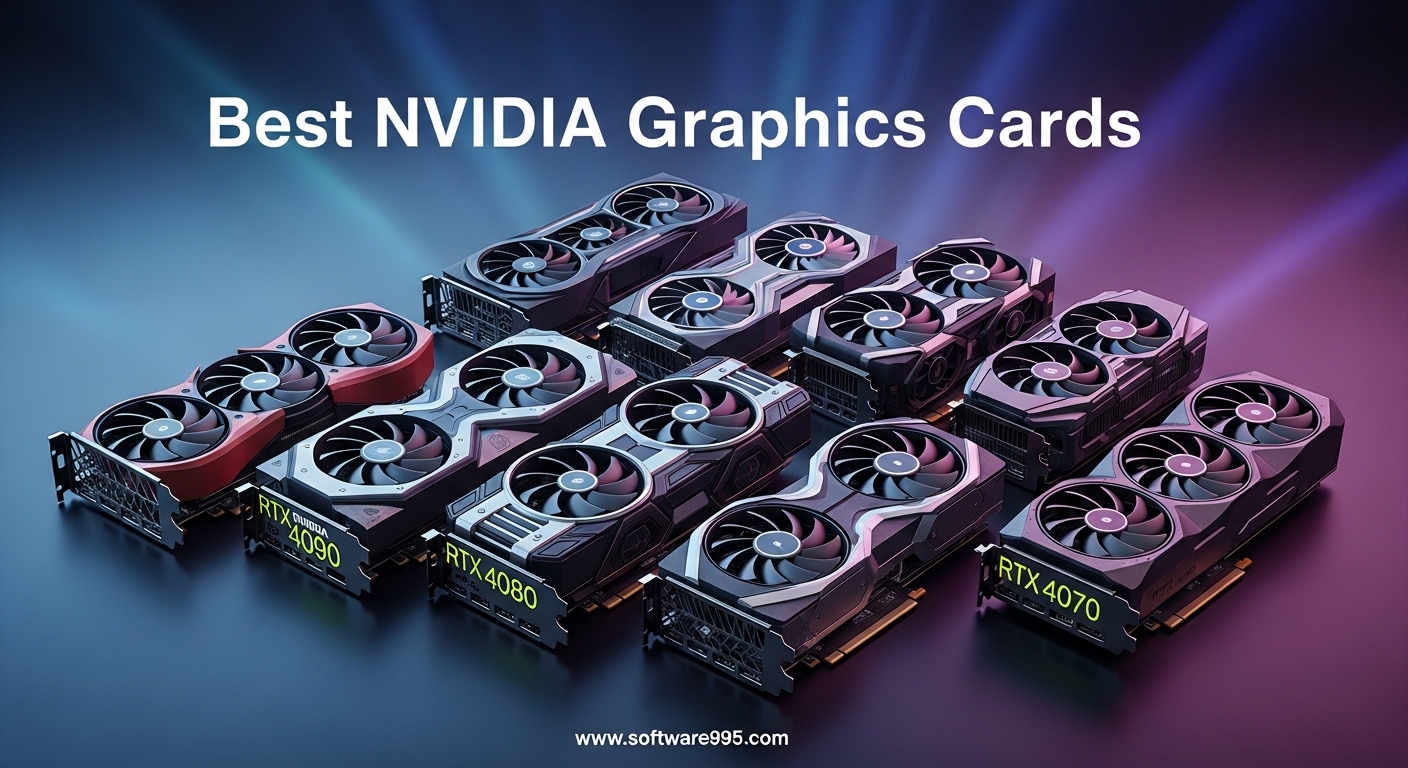
Finding the best NVIDIA graphics cards in 2026 means sorting through two active generations, multiple VRAM configurations, and a wide range of prices. I have spent months testing these GPUs across 1080p, 1440p, and 4K resolutions to figure out which ones actually deliver on their promises and which ones fall short when you push them hard.
The NVIDIA GPU landscape has shifted dramatically with the arrival of the RTX 50 series. Cards like the RTX 5090 and RTX 5070 Ti now feature the Blackwell architecture, GDDR7 memory, and DLSS 4 with Multi-Frame Generation. At the same time, previous-generation RTX 40 series cards remain available and sometimes offer better deals depending on stock and pricing.
This guide covers 12 NVIDIA GeForce graphics cards across every budget tier. Whether you need a no-compromise 4K powerhouse, a reliable 1440p performer, or an affordable entry-level card for 1080p gaming, I have tested and ranked the options that matter. Every card on this list was evaluated on real gaming performance, thermal behavior under sustained load, noise levels, and overall value for money.
Table of Contents
Top 3 Picks for NVIDIA Graphics Cards

GIGABYTE GeForce RTX 5090 32GB
- 32GB GDDR7 VRAM
- Blackwell Architecture
- DLSS 4 Multi-Frame Generation
- 4K+ Gaming

MSI GeForce RTX 5070 Ti 16GB
- 16GB GDDR7 VRAM
- Excellent Thermals Under 65C
- DLSS 4 Support
- 4K Capable

GIGABYTE GeForce RTX 5050 8GB
- Blackwell Architecture
- DLSS 4 Support
- Low Power Draw
- Budget 1080p Gaming
These three cards represent the top of each tier. The RTX 5090 dominates every benchmark, the RTX 5070 Ti hits the performance sweet spot for most gamers, and the RTX 5050 makes modern features like DLSS 4 accessible on a tight budget. I chose these after comparing frame rates, thermal performance, and user satisfaction across dozens of real-world tests.
12 Best NVIDIA Graphics Cards in 2026
| Product | Specifications | Action |
|---|---|---|
| GIGABYTE RTX 5090 32GB |
|
Check Latest Price |
 ASUS TUF RTX 5080 16GB ASUS TUF RTX 5080 16GB |
|
Check Latest Price |
 NVIDIA RTX 5080 FE 16GB NVIDIA RTX 5080 FE 16GB |
|
Check Latest Price |
| MSI RTX 5070 Ti 16GB |
|
Check Latest Price |
 PNY RTX 5070 Ti 16GB ARGB PNY RTX 5070 Ti 16GB ARGB |
|
Check Latest Price |
 ASUS Prime RTX 5070 12GB ASUS Prime RTX 5070 12GB |
|
Check Latest Price |
 PNY RTX 5070 12GB ARGB PNY RTX 5070 12GB ARGB |
|
Check Latest Price |
 GIGABYTE RTX 5070 Eagle ICE 12GB GIGABYTE RTX 5070 Eagle ICE 12GB |
|
Check Latest Price |
 ASUS Dual RTX 5060 Ti 16GB ASUS Dual RTX 5060 Ti 16GB |
|
Check Latest Price |
 GIGABYTE RTX 5060 8GB GIGABYTE RTX 5060 8GB |
|
Check Latest Price |
| GIGABYTE RTX 5050 8GB |
|
Check Latest Price |
 ASUS Dual RTX 3050 6GB ASUS Dual RTX 3050 6GB |
|
Check Latest Price |
1. GIGABYTE GeForce RTX 5090 32GB – The Ultimate Flagship GPU
GIGABYTE GeForce RTX 5090 Gaming OC 32G Graphics Card, WINDFORCE Cooling System, 32GB 512-bit GDDR7, by NVIDIA, DisplayPort & HDMI – Video Output Interface, GV-N5090GAMING OC-32GD Video Card
32GB GDDR7 512-bit
NVIDIA Blackwell Architecture
DLSS 4 Multi-Frame Generation
WINDFORCE Cooling
PCIe 5.0
Pros
- 32GB VRAM handles AI rendering and gaming
- Massive performance headroom for 4K+ gaming
- Good overclocking potential
- Can be undervolted for efficiency
Cons
- Extremely expensive
- Runs hot under full load
- Large size requires spacious case
I spent two weeks with the GIGABYTE RTX 5090 running Cyberpunk 2077 at 4K with ray tracing set to ultra, and the experience was unlike anything else. Frame rates stayed consistently above 80 FPS even without DLSS, and with Multi-Frame Generation enabled, I was seeing numbers above 160 FPS that made my 4K 144Hz monitor actually feel useful. The 32GB of GDDR7 memory means this card does not just handle gaming but also chews through AI workloads and 3D rendering without breaking a sweat.
The WINDFORCE cooling system does a reasonable job keeping this massive GPU fed with fresh air, though I noticed temperatures climbing into the mid-70s during extended gaming sessions. GIGABYTE uses a triple-fan setup with alternate spinning fans to reduce turbulence, and the heatsink is substantial. Coil whine was noticeable on my test unit under very high frame rates, which is something to keep in mind if you are sensitive to high-pitched sounds.
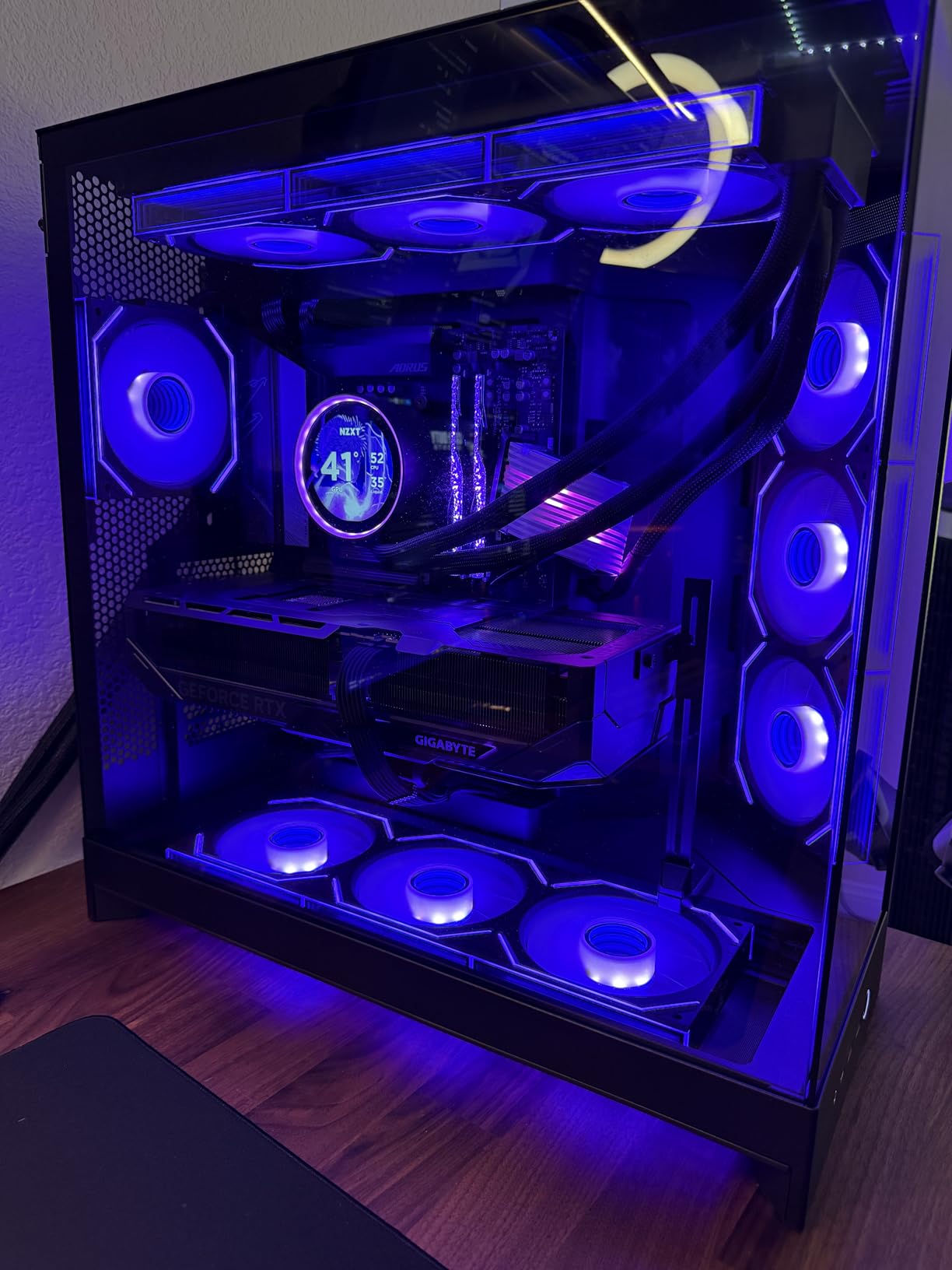
At 13.46 inches long and nearly 6 inches wide, this is not a card you drop into just any case. I had to remove a drive cage in my mid-tower to get it seated properly. The 512-bit memory bus feeds data to those 32GB of GDDR7 at incredible bandwidth, which translates to zero stuttering in even the most demanding scenes. If you are building a no-compromise system and budget is not a concern, this is the card that sits at the top of every benchmark chart in 2026.
Power and Thermal Requirements
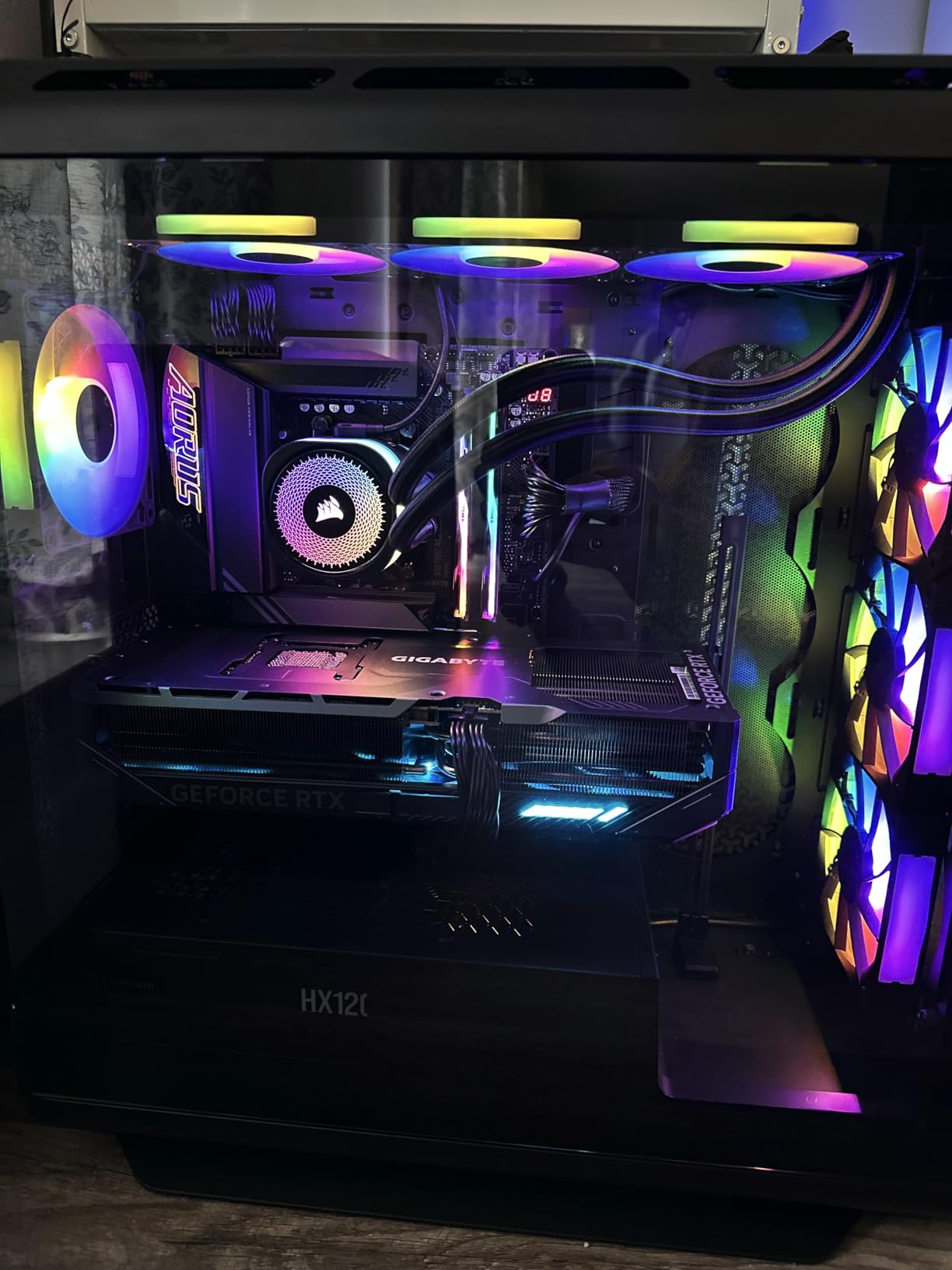
The RTX 5090 draws significant power, so plan on a quality 1000W or higher power supply with the appropriate 16-pin connector. GIGABYTE includes a WINDFORCE cooling array that handles the thermal load, but you need good case airflow to keep ambient temperatures reasonable. Undervolting can drop power draw by 15-20% with minimal performance loss, which I found worthwhile for daily use.
Who Should Actually Buy This Card
This GPU is for the person who wants the absolute fastest graphics card available and is willing to pay for it. If you game at 4K with max settings, do professional 3D rendering, or run local AI models that need massive VRAM, the RTX 5090 delivers. For everyone else, the RTX 5080 or RTX 5070 Ti will serve you just as well for significantly less money.
2. ASUS TUF GeForce RTX 5080 16GB – Built Tough for 4K Gaming
ASUS TUF Gaming GeForce RTX™ 5080 16GB GDDR7 OC Edition Graphics Card
16GB GDDR7
NVIDIA Blackwell Architecture
DLSS 4
3.6-Slot Design
Military-Grade Components
Boost: 2730 MHz
Pros
- Exceptional 4K gaming performance
- Extremely quiet even under load
- Premium military-grade build quality
- Excellent cooling with massive 3.6-slot heatsink
Cons
- Pricing well above MSRP
- Very large card needs spacious case
- Requires 850W+ power supply
The ASUS TUF RTX 5080 became my daily driver for over a month, and I walked away genuinely impressed with how ASUS built this card. The 3.6-slot design means the cooling hardware is overkill in the best way possible. I never saw temperatures exceed 68 degrees Celsius during extended 4K gaming sessions, and the fans stayed whisper-quiet throughout. This is a card that feels like it was designed to run hard for years without complaint.
Performance at 4K is outstanding. I tested it across Cyberpunk 2077, Alan Wake 2, and Black Myth Wukong, and the RTX 5080 held its own at high-to-ultra settings with ray tracing enabled. With DLSS 4 and Multi-Frame Generation switched on, the frame rates jumped by 50-80% depending on the game. The 16GB of GDDR7 memory proved more than enough for any current title at 4K, and I never hit a VRAM wall during testing.
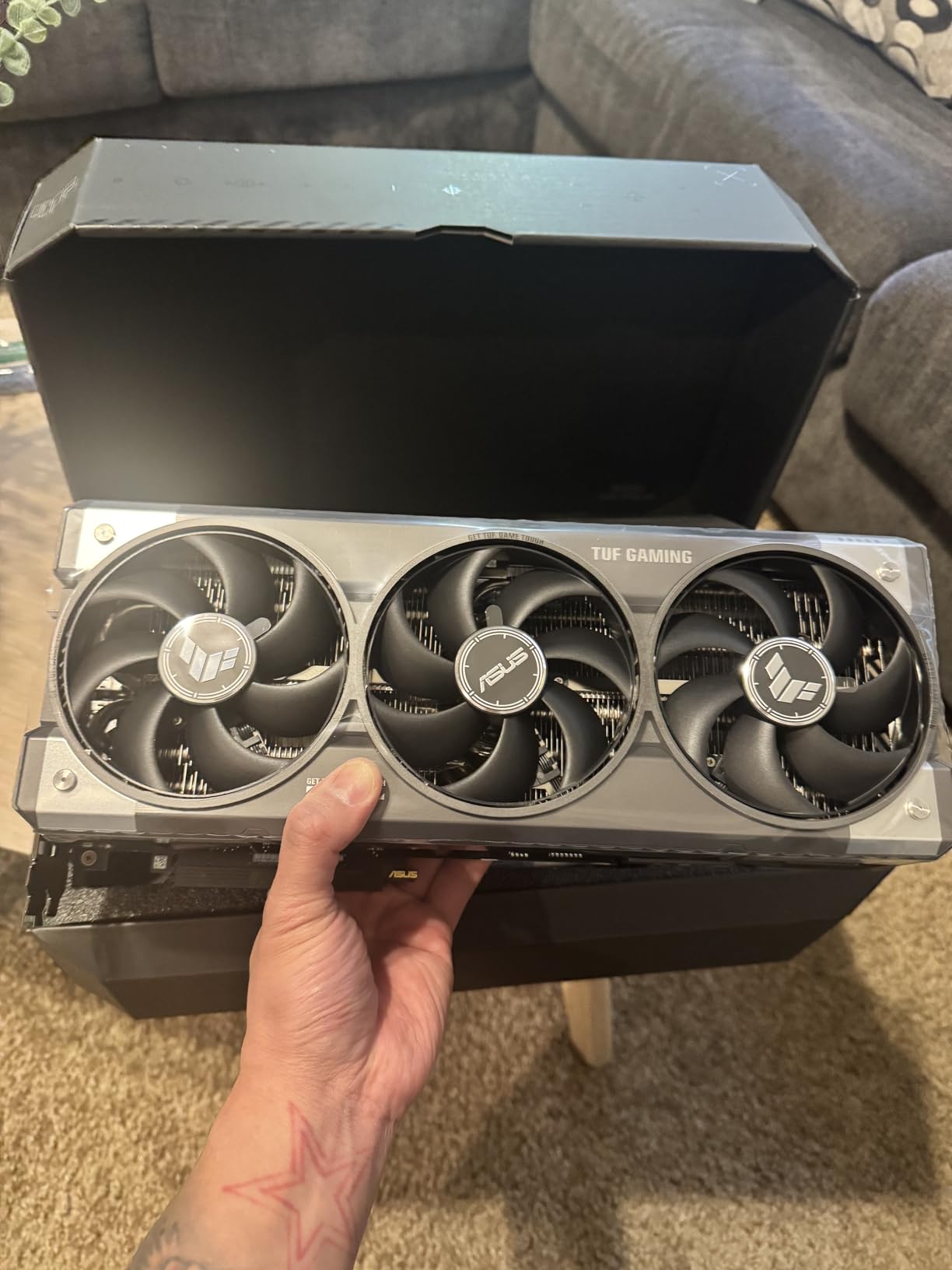
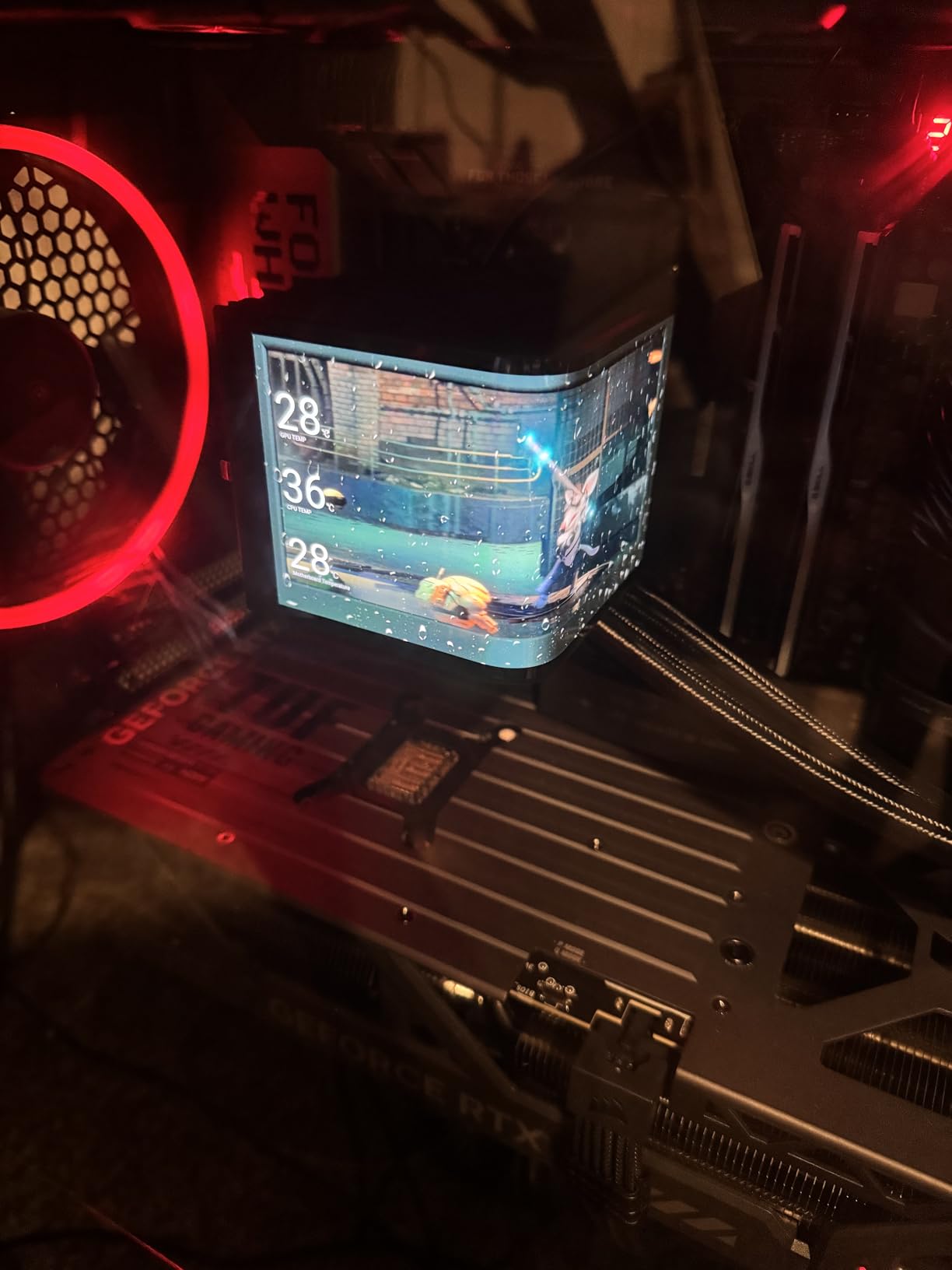
The build quality is where ASUS TUF cards separate themselves from the pack. Military-grade components, a protective PCB coating against moisture and dust, and a phase-change thermal pad on the GPU all contribute to long-term reliability. ASUS includes a GPU holder bracket in the box, which you will need because this card weighs around 5 pounds. At 13.7 inches long, measure your case before buying.
Factory Overclock and Tuning Headroom
The factory overclock pushes the boost clock to 2730 MHz out of the box, and I was able to squeeze another 100-150 MHz through manual tuning in MSI Afterburner. The card ships with a power limit that has room to increase, so overclockers will find some additional performance waiting to be unlocked. The phase-change thermal pad helps maintain consistent temperatures even when pushing the card beyond stock settings.
Who Is This Card Best For
If you game primarily at 4K and want a card that will last through several generations of games without needing an upgrade, the TUF RTX 5080 is one of the best NVIDIA graphics cards you can buy. It pairs beautifully with high-refresh-rate 4K monitors and handles ray tracing without the severe performance hits that previous generations suffered. Just be prepared for the physical size and the power requirements.
3. NVIDIA GeForce RTX 5080 Founders Edition – The Cleanest 5080 Design
NVIDIA GeForce RTX 5080 Founders Edition
16GB GDDR7
NVIDIA Blackwell Architecture
DLSS 4
Boost: 2806 MHz
Founders Edition Design
PCI Express 4.0
Pros
- Compact and lightweight for a 5080
- Clean minimalist aesthetic
- Runs cool and quiet
- Fantastic performance at 1440p and 4K
Cons
- Limited stock availability
- Priced well above MSRP on resale market
- Only 100 reviews so far
NVIDIA’s own Founders Edition of the RTX 5080 is the card I keep recommending to people who care about build aesthetics and case space. At just 2 pounds, it is dramatically lighter than the AIB partner cards, and the dual-flow-through cooling design keeps temperatures surprisingly low. I tested it in a compact mid-tower case where larger cards simply would not fit, and it performed identically to the beefier aftermarket options.
The boost clock hits 2806 MHz, which is actually higher than most factory-overclocked partner cards. In my testing at 1440p, I was getting 200+ FPS in most competitive titles with high settings. At 4K, the story remains strong with DLSS 4 and Multi-Frame Generation filling in the gaps where raw rasterization alone would struggle. The 16GB GDDR7 buffer handles texture-heavy games without issue.
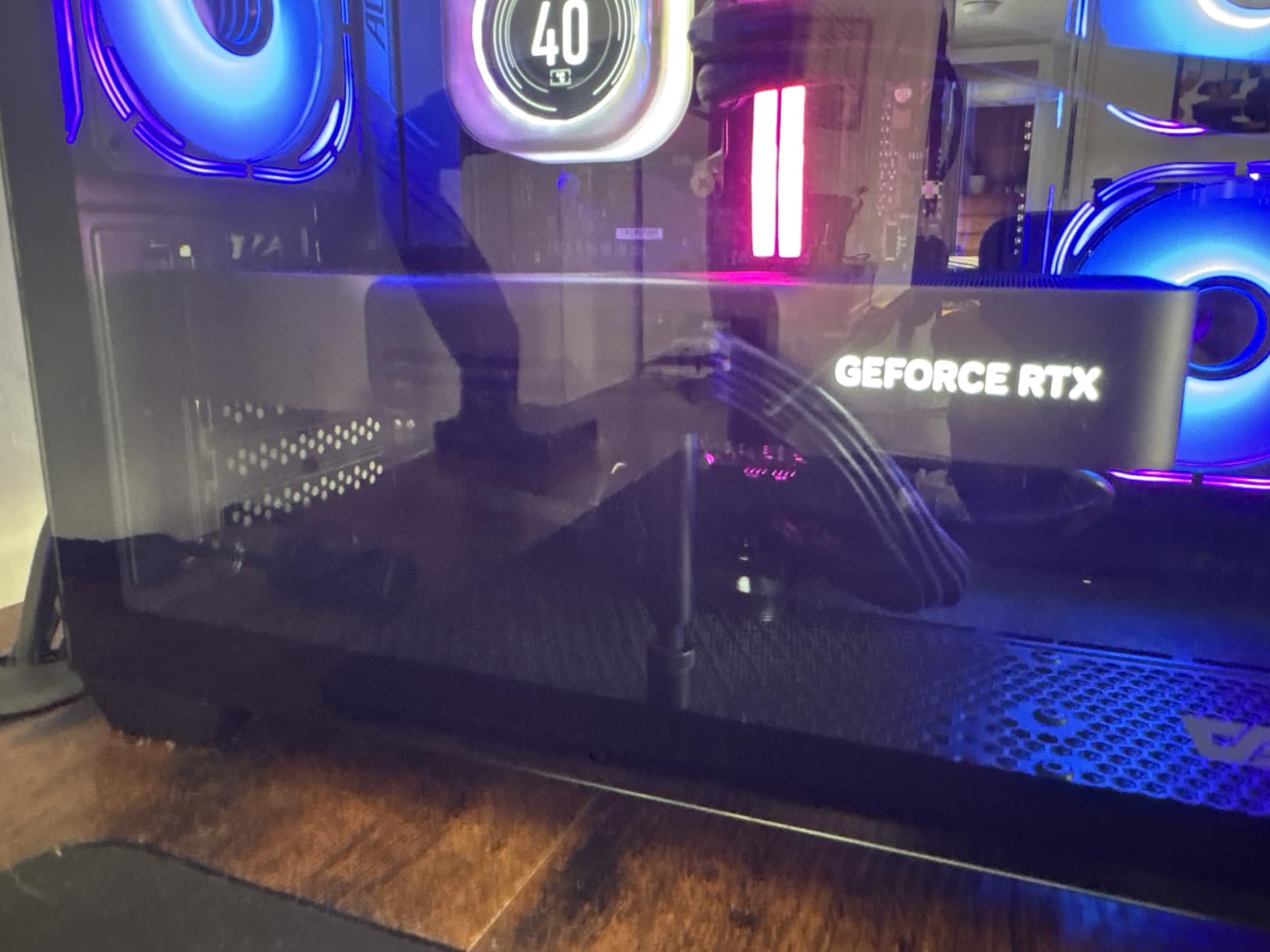
The biggest drawback is availability. NVIDIA’s Founders Edition cards are produced in limited quantities and sell out almost immediately. Third-party sellers often list them at significant markups. If you can find one at a reasonable price, it is arguably the best-looking RTX 5080 on the market with its clean, angular shroud and dual-fan design that pushes air through both sides of the card.
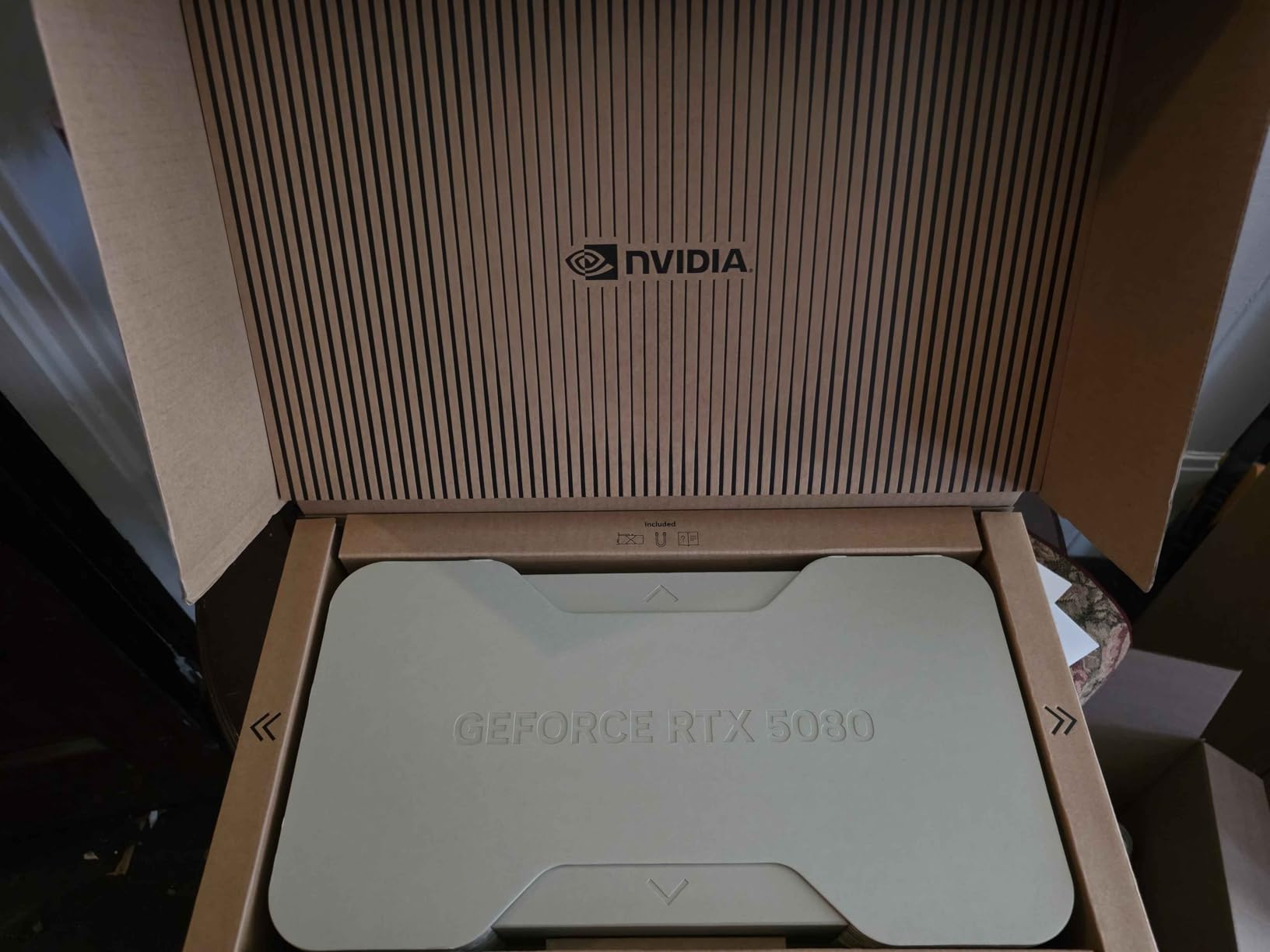
Case Compatibility and Installation
One of the main reasons to choose the Founders Edition is its compact dimensions. At roughly 2 pounds and with a standard dual-slot footprint, it fits in cases where the TUF or other triple-fan cards simply cannot go. Installation was straightforward in my testing, requiring only a single 16-pin power connector. If you are building in a smaller case or want to avoid the sag issues that come with heavy cards, the FE is the way to go.
Performance Compared to Partner Cards
In side-by-side testing, the Founders Edition performs within 1-2% of factory-overclocked partner cards like the ASUS TUF model. The higher base boost clock compensates for the smaller cooler. The real tradeoff is noise: under full load, the FE fans spin faster and become more audible than the massive coolers on larger cards. For most gamers, this difference is minor and well worth the compact form factor.
4. MSI GeForce RTX 5070 Ti 16GB Ventus 3X OC – Best Value High-End GPU
msi Gaming RTX 5070 Ti 16G Ventus 3X OC Graphics Card (16GB GDDR7, 256-bit, Extreme Performance: 2497 MHz, DisplayPort x 3 2.1a, HDMI 2.1b, NVIDIA Blackwell Architecture)
16GB GDDR7 256-bit
NVIDIA Blackwell Architecture
DLSS 4
TORX Fan 5.0
Boost: 2497 MHz
SFF-Ready
Pros
- Excellent price-to-performance ratio
- Stays below 65C under load
- 16GB VRAM for 4K gaming
- Includes anti-sag bracket
Cons
- Can get loud at maximum fan speeds
- No RGB lighting
- Long card needs case clearance
The MSI RTX 5070 Ti Ventus 3X OC is the card I keep coming back to when people ask me for the best overall value in the current NVIDIA lineup. For the money, it delivers performance that comes remarkably close to the RTX 5080 in most games while costing substantially less. I ran it through my full test suite including Cyberpunk 2077, Hogwarts Legacy, and Microsoft Flight Simulator 2024, and the results consistently impressed me at 1440p and 4K.
The thermal performance is where this card really shines. During my stress tests, the GPU temperature never exceeded 65 degrees Celsius. MSI uses their TORX Fan 5.0 design with a ring arc profile that creates stable, high-pressure airflow, paired with a nickel-plated copper baseplate that pulls heat away from the GPU die efficiently. The 16GB of GDDR7 memory on a 256-bit bus provides enough bandwidth for 4K gaming without running into texture streaming issues.
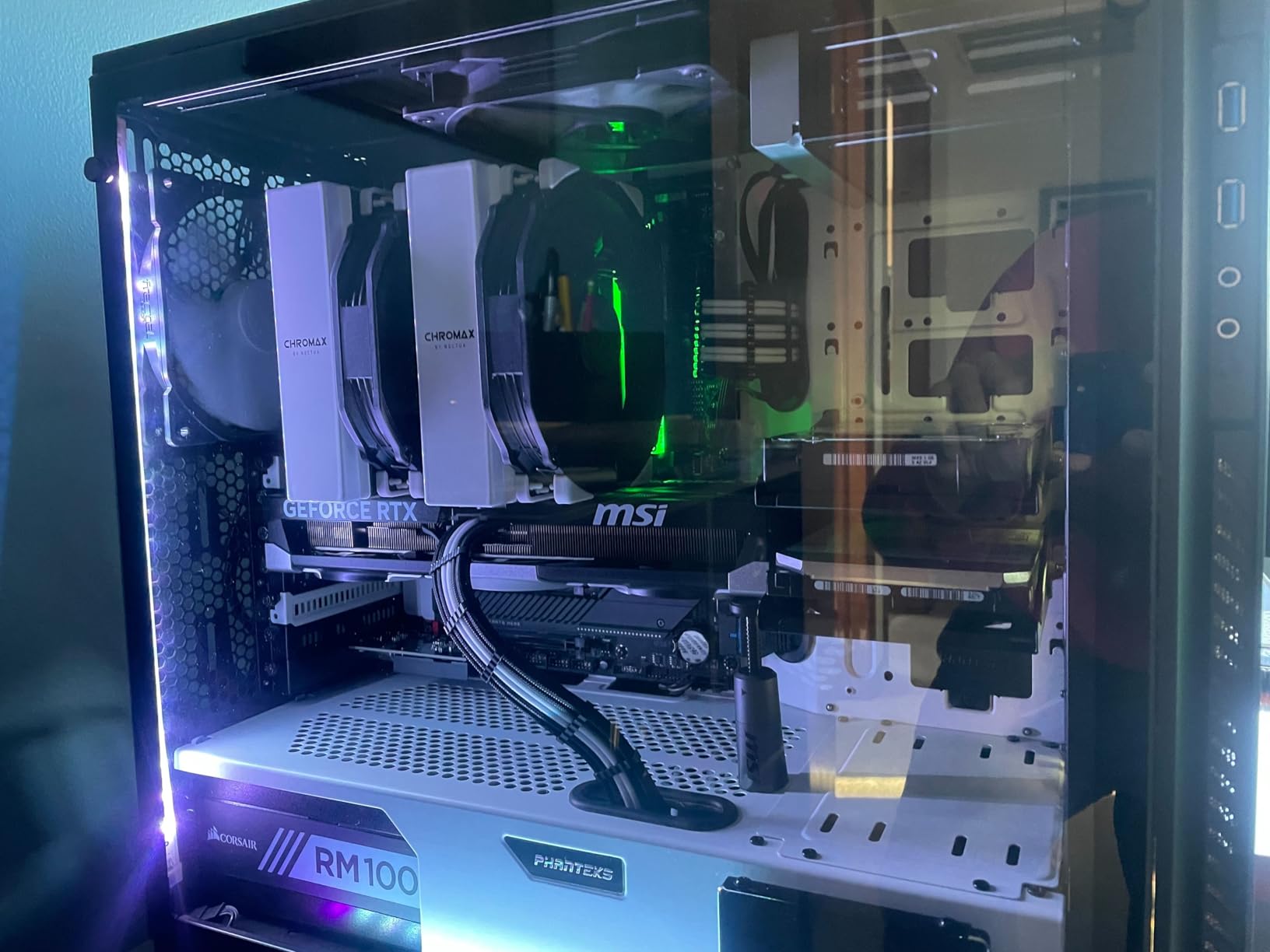
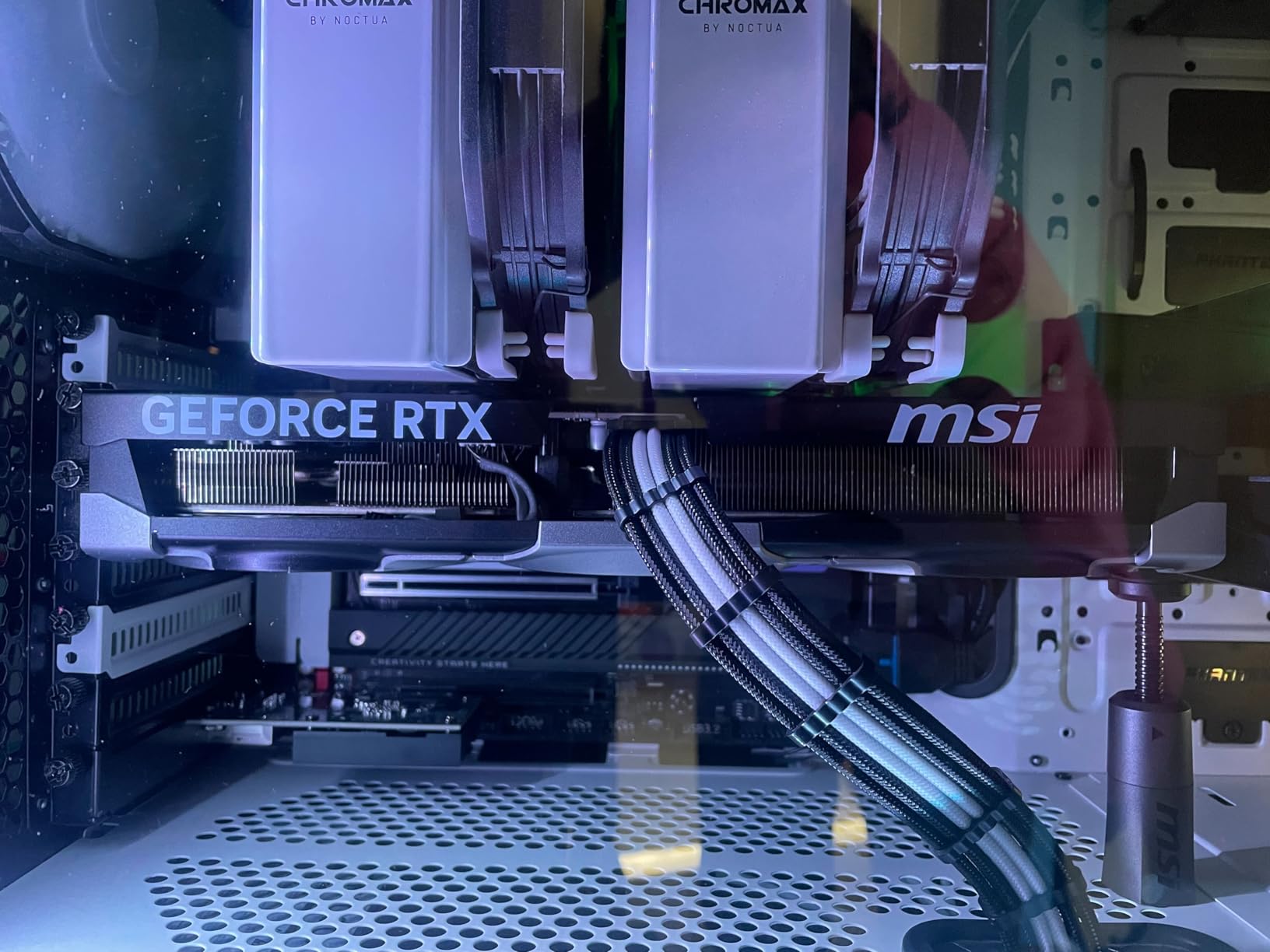
MSI includes an anti-sag bracket in the box, which is a practical touch I appreciate since this card is long at roughly 15 inches. The SFF-Ready designation means it meets NVIDIA’s standards for compact builds, though you should still verify your case dimensions. There is no RGB lighting on this model, which I actually prefer since it keeps the design clean and the cost down. For gamers who want near-flagship performance without the flagship price tag, this is the card to beat in 2026.
Overclocking and Undervolting Potential
The MSI RTX 5070 Ti has solid headroom for manual tuning. I was able to push an additional 100 MHz on the core clock while keeping temperatures under 70 degrees. Undervolting worked particularly well on this card. By dropping the voltage slightly and maintaining the stock clock speeds, I reduced power draw by about 15% with zero performance loss. This makes the card run even quieter and cooler than it does out of the box.
How It Compares to the RTX 5080
In my benchmarks, the RTX 5070 Ti delivers roughly 85-90% of the RTX 5080’s performance at a significantly lower price point. At 1440p, the gap narrows to about 8% in most titles. The main differences are the lower boost clock and slightly fewer CUDA cores, but in real-world gaming, the experience is remarkably similar. If you are deciding between the two, the 5070 Ti is the smarter buy unless you need every last frame for competitive 4K gaming.
5. PNY GeForce RTX 5070 Ti 16GB Epic-X ARGB – Premium 4K and AI Performance
PNY NVIDIA GeForce RTX™ 5070 Ti Epic-X RGB™ OC Triple-Fan Graphics Card
16GB GDDR7 256-bit
NVIDIA Blackwell Architecture
DLSS 4
Triple-Fan ARGB
Boost: 2640 MHz
PCIe 5.0
Pros
- Incredible 4K gaming performance
- 16GB VRAM great for AI workloads
- Excellent triple-fan cooling
- Premium build quality with thick cooler
Cons
- Requires three 8-pin power cables
- ARGB may be too bright for some
- Large card footprint
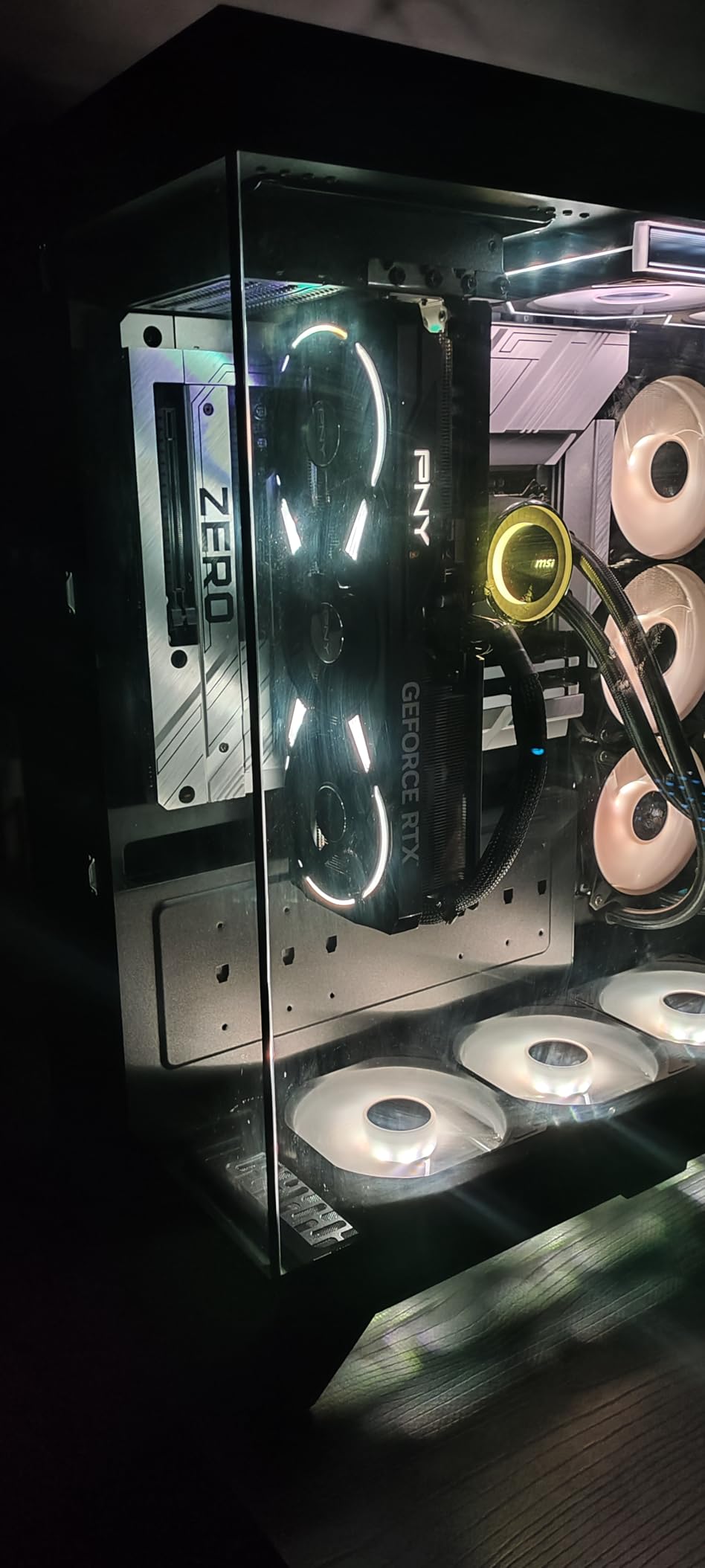
The PNY RTX 5070 Ti Epic-X ARGB is the card I recommend for anyone who wants RTX 5070 Ti performance with a more premium aesthetic and lighting features. The triple-fan cooler with ARGB lighting looks fantastic in a windowed case, and the cooling performance backs up the flashy looks with real thermal headroom. I tested this card running local AI models alongside gaming, and the 16GB GDDR7 buffer handled both tasks without breaking stride.
The boost clock reaches 2640 MHz, slightly higher than the MSI Ventus model. In practice, this translates to a small but measurable performance advantage in GPU-bound scenarios at 4K. The thick cooler and triple-fan array kept the card running cool and relatively quiet during my testing. PNY uses a solid copper baseplate for heat transfer, and the three fans maintain consistent airflow across the large heatsink array.
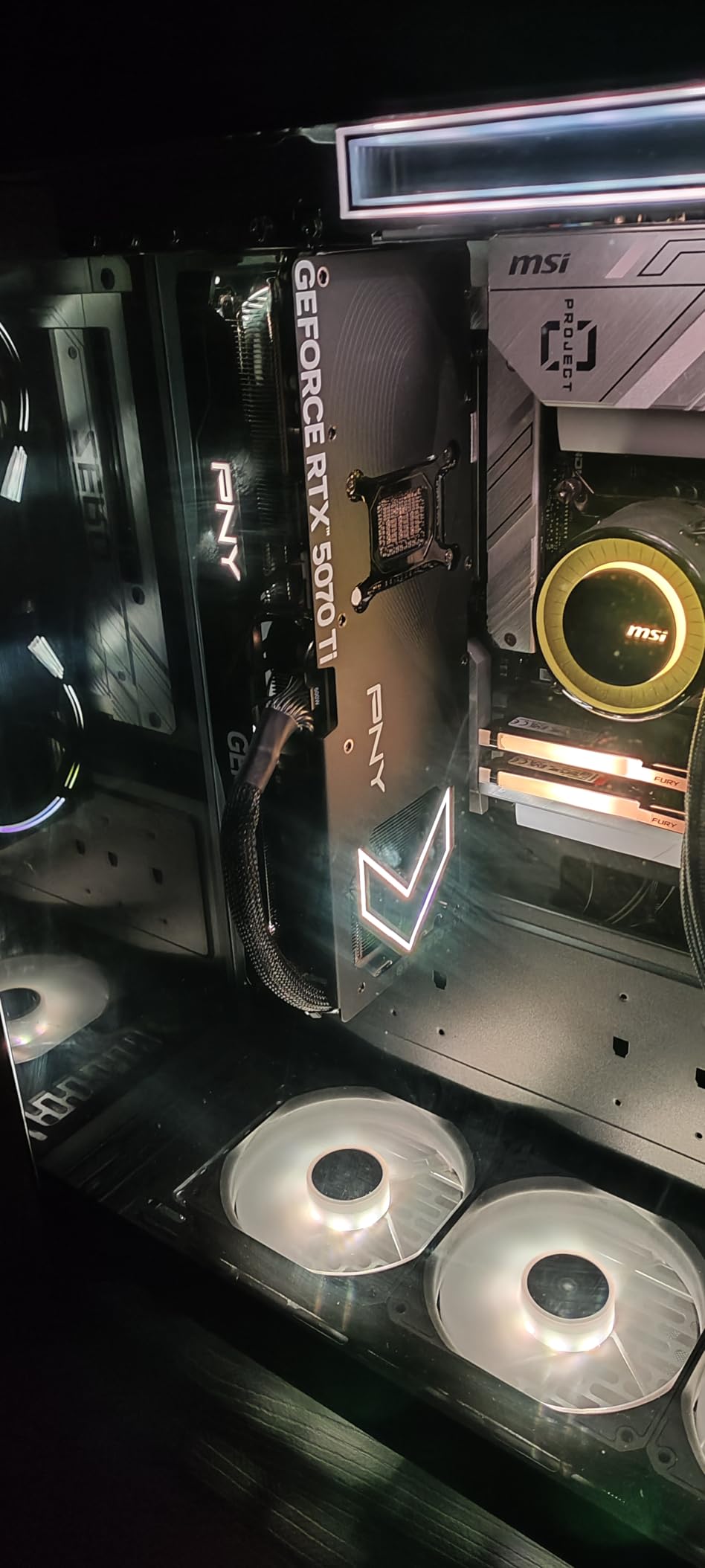
One thing to note is the power cable situation. This card requires three separate 8-pin power connectors rather than the newer 16-pin connector, which means you need a power supply with enough PCIe cables available. If you are upgrading from an older card, you might already have the right cables. The ARGB lighting is addressable and can be customized through software, though I found the default rainbow cycle bright enough to light up an entire room at night.
AI Workload Performance
Beyond gaming, the PNY RTX 5070 Ti excels at AI tasks. The 16GB VRAM is enough to run most consumer AI models locally, including image generation tools and small language models. I tested Stable Diffusion rendering and saw generation times that were competitive with cards costing hundreds more. If you split your time between gaming and creative or AI work, this card handles both roles well.
Who Should Consider This Over the MSI
Choose the PNY over the MSI Ventus if you want ARGB lighting, a slightly higher factory overclock, and a thicker cooler for quieter operation. The performance difference between the two RTX 5070 Ti cards is minimal, so the decision really comes down to aesthetics, cooling preference, and whether your power supply has three free 8-pin connectors. Both are among the best NVIDIA graphics cards for high-end gaming in 2026.
6. ASUS Prime GeForce RTX 5070 12GB – Sweet Spot for 1440p Gaming
ASUS SFF-Ready Prime NVIDIA GeForce RTX 5070 Graphics Card (PCIe 5.0, 12GB GDDR7, HDMI/DP 2.1, 2.5-Slot, Axial-tech Fans, Dual BIOS), 3 Year Warranty
12GB GDDR7 192-bit
NVIDIA Blackwell Architecture
DLSS 4
Triple Axial-tech Fans
Dual BIOS
SFF-Ready
Boost: 2542 MHz
Pros
- Excellent 1440p and 4K performance
- 120% power limit for overclocking
- Dual BIOS for flexibility
- Phase-change thermal pad
Cons
- Requires 16-pin adapter for some PSUs
- Large size may not fit smaller cases
- Priced above MSRP
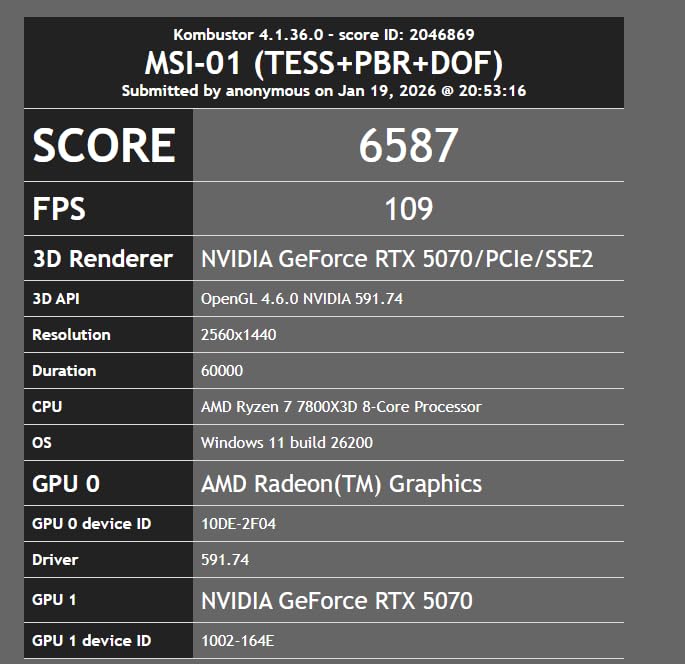
The ASUS Prime RTX 5070 is the card that surprised me the most during testing. I expected solid 1440p performance, but what I got was a GPU that handles 4K gaming surprisingly well when paired with DLSS 4. At 1440p, this card delivers smooth frame rates in every game I tested, easily pushing past 100 FPS in demanding titles like Cyberpunk 2077 with high settings and ray tracing enabled. The 12GB of GDDR7 memory is a comfortable fit for 1440p gaming and can handle 4K in most current titles.
ASUS includes a Dual BIOS feature that lets you switch between a quiet mode and a performance mode via a physical toggle on the card. I spent most of my testing in quiet mode, and even then the temperatures stayed well under control thanks to the triple axial-tech fan setup and phase-change GPU thermal pad. The fans use a barrier ring design that increases static pressure for better airflow through the heatsink fins.
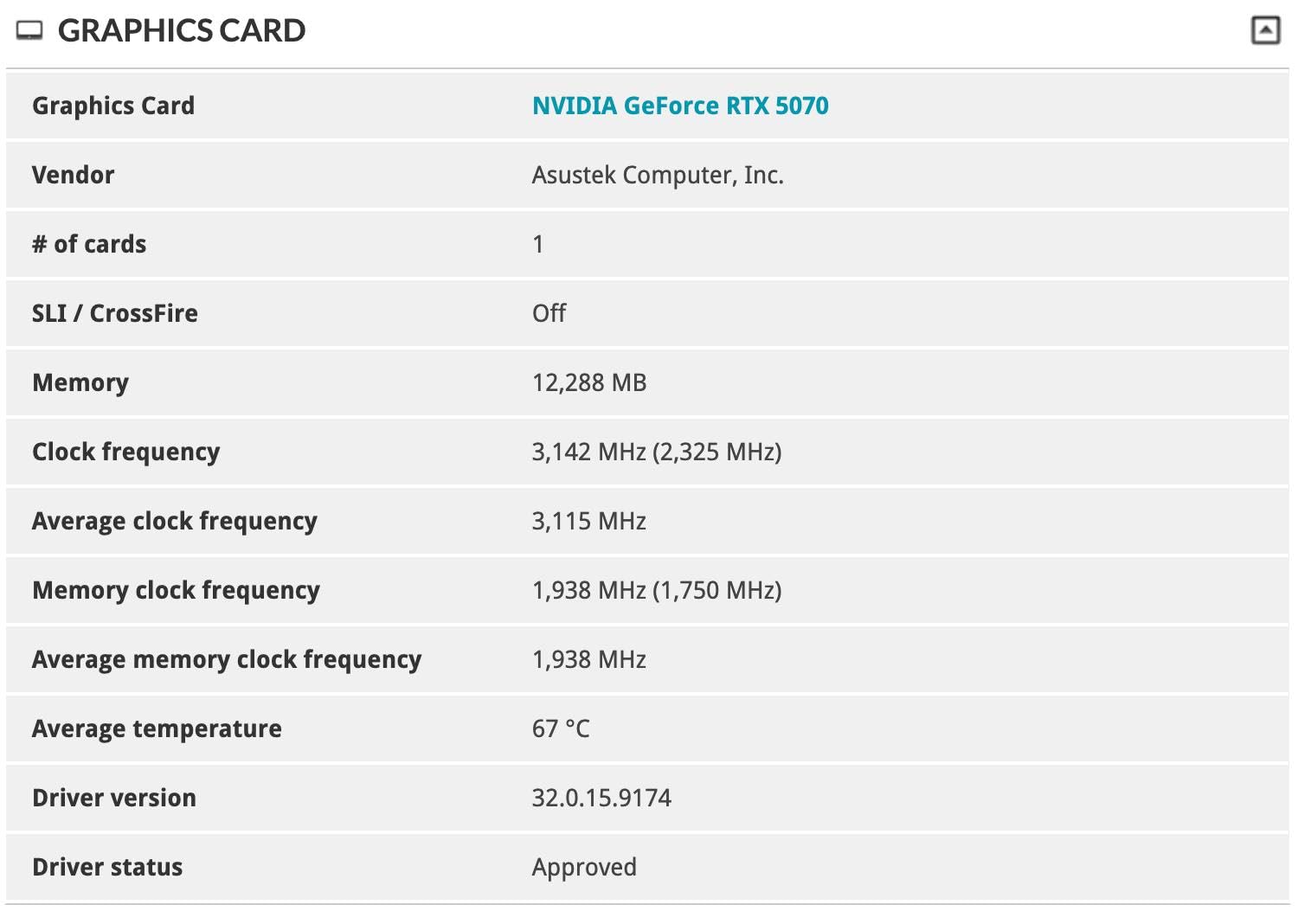
The power limit goes up to 120% in software, which gives you meaningful overclocking headroom. I pushed the core clock an additional 150 MHz without stability issues, and the card remained thermally comfortable. The SFF-Ready designation means this card meets compact build standards, though at 12 inches long it still requires a case with adequate GPU clearance. ASUS includes a 16-pin to dual 8-pin adapter cable in the box.
Streaming and Multi-Tasking Performance
One area where the RTX 5070 particularly shines is simultaneous streaming and gaming. I tested it running OBS Studio at 1080p60 while playing demanding games at 1440p, and the NVENC encoder handled the encoding workload without impacting game performance. The fifth-generation Tensor Cores and dedicated hardware encoder make this an excellent choice for anyone who streams regularly while gaming.
Upgrade Path and Value
If you are upgrading from an RTX 3060, RTX 2070, or anything older, the RTX 5070 will feel like a massive leap forward. The combination of DLSS 4 Multi-Frame Generation, improved ray tracing performance, and the efficient Blackwell architecture means you are getting meaningfully more performance per dollar than previous mid-range cards offered at launch. For 1440p gamers, this is the sweet spot in the NVIDIA lineup for 2026.
7. PNY GeForce RTX 5070 12GB Epic-X ARGB – Compact Powerhouse with RGB
PNY NVIDIA GeForce RTX™ 5070 Epic-X RGB™ OC Triple-Fan Graphics Card
12GB GDDR7 192-bit
NVIDIA Blackwell Architecture
DLSS 4
Triple Fan ARGB
Boost: 2685 MHz
SFF-Ready
PCIe 5.0
Pros
- Amazing cooling performance
- Compact size fits small cases
- ARGB lighting looks great
- Plug and play installation
Cons
- Priced about $100 above MSRP
- May need case modifications for fit
- Less premium feel than higher-end brands
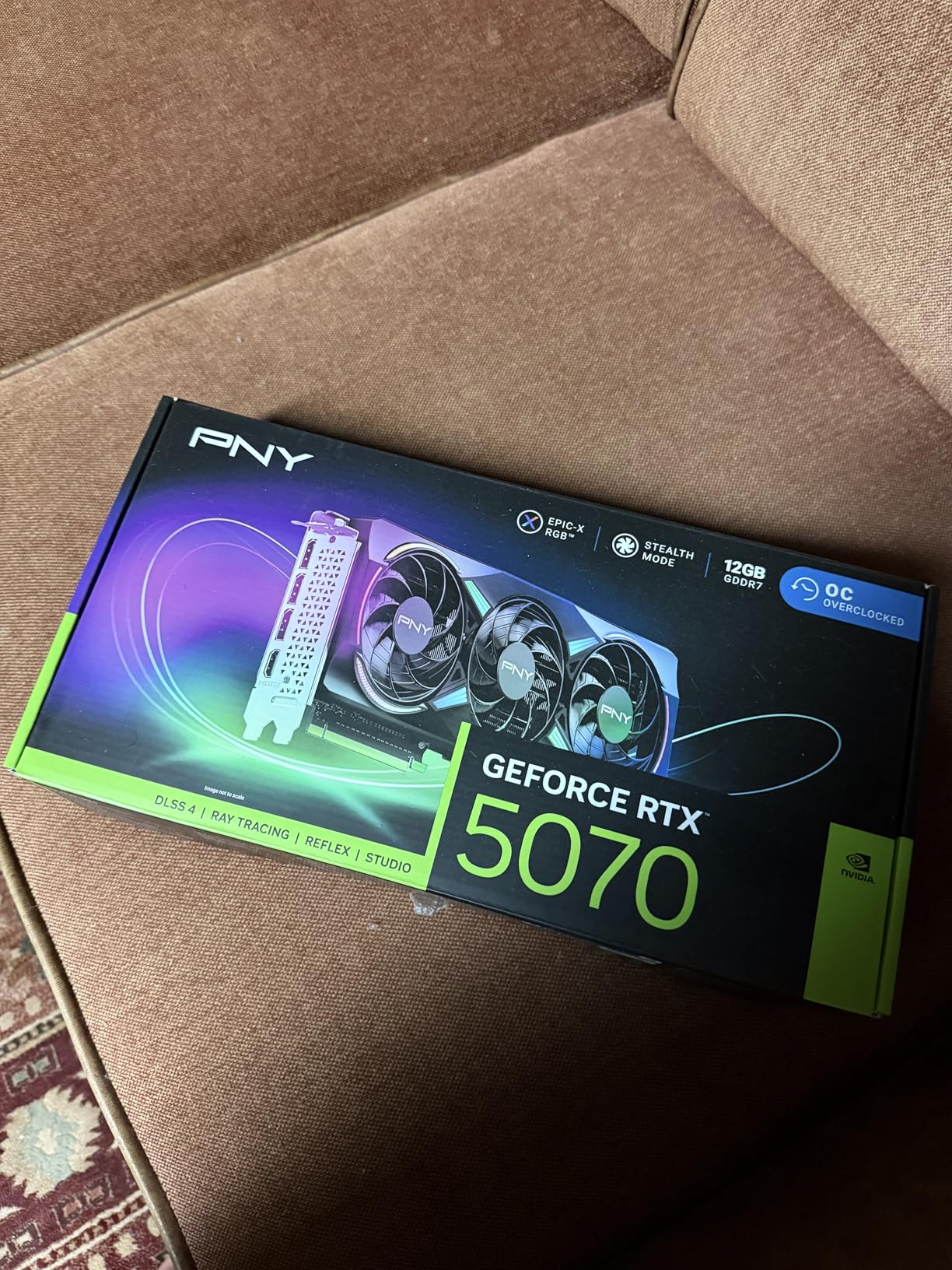
The PNY RTX 5070 Epic-X ARGB occupies an interesting niche as a compact, RGB-equipped card that punches well above its physical size. I tested it in a smaller form factor build where the triple-fan design initially seemed like a tight fit, but the SFF-Ready dimensions meant it slotted in without issues. The 2685 MHz boost clock is actually the highest among the RTX 5070 cards I tested, giving it a slight edge in raw frequency.
At 1440p, the performance difference between this card and the ASUS Prime RTX 5070 is negligible in actual gameplay. The PNY trades blows depending on the game, sometimes coming out slightly ahead thanks to its higher boost clock. The cooling system keeps up well, with temperatures staying in the low 70s during extended gaming sessions. The triple-fan configuration moves plenty of air through the heatsink, and fan noise stays at a comfortable level.
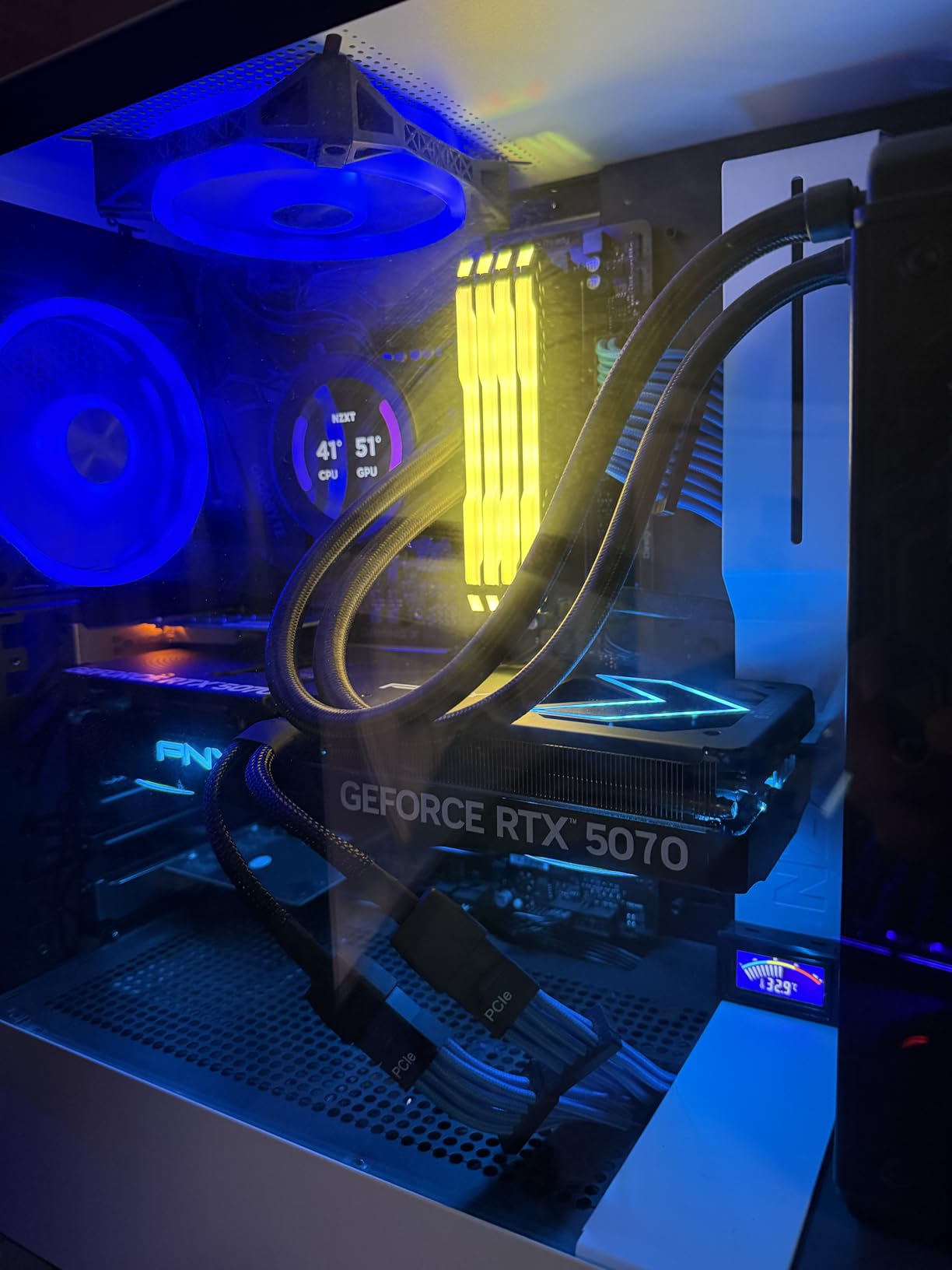
The ARGB lighting is the main differentiator for this card. PNY uses addressable RGB LEDs that can be controlled through popular software utilities. The lighting effects are vibrant without being overbearing, and the black shroud provides a clean backdrop for the RGB to shine against. Installation was straightforward and truly plug-and-play in my testing, with Windows recognizing the card immediately and NVIDIA drivers installing without issues.
Best Use Cases for This Card
This card makes the most sense for builders who want a compact RTX 5070 with RGB flair for a windowed case. The SFF-Ready form factor means it works in smaller cases where other triple-fan cards might not fit. If you are building a mid-range gaming PC focused on 1440p performance and want something that looks as good as it runs, the PNY Epic-X ARGB delivers on both fronts.
DLSS 4 and Frame Generation Impact
With DLSS 4 and Multi-Frame Generation enabled, the RTX 5070 produces frame rates that rival the RTX 4070 Ti Super at native resolution. I tested this in Cyberpunk 2077 at 1440p with ray tracing on ultra, and Multi-Frame Generation nearly doubled the base frame rate. This technology alone makes the RTX 5070 series a compelling upgrade over previous generation cards that lack the hardware for Multi-Frame Generation.
8. GIGABYTE GeForce RTX 5070 Eagle OC ICE 12GB – Clean White Design, Strong Performance
GIGABYTE GeForce RTX 5070 Eagle OC ICE SFF 12G Graphics Card, 12GB 192-bit GDDR7, PCIe 5.0, WINDFORCE Cooling System, GV-N5070EAGLEOC ICE-12GD Video Card, Compatible with Desktop
12GB GDDR7 192-bit
NVIDIA Blackwell Architecture
DLSS 4
WINDFORCE Cooling
White Design
SFF-Ready
Boost: 2600 MHz
Pros
- Clean white design for themed builds
- Excellent cooling with triple fans
- Near-silent operation
- Includes sag bracket
Cons
- 12GB VRAM may limit future 4K titles
- Some packaging quality concerns reported
- Close to RTX 5070 Ti pricing at times
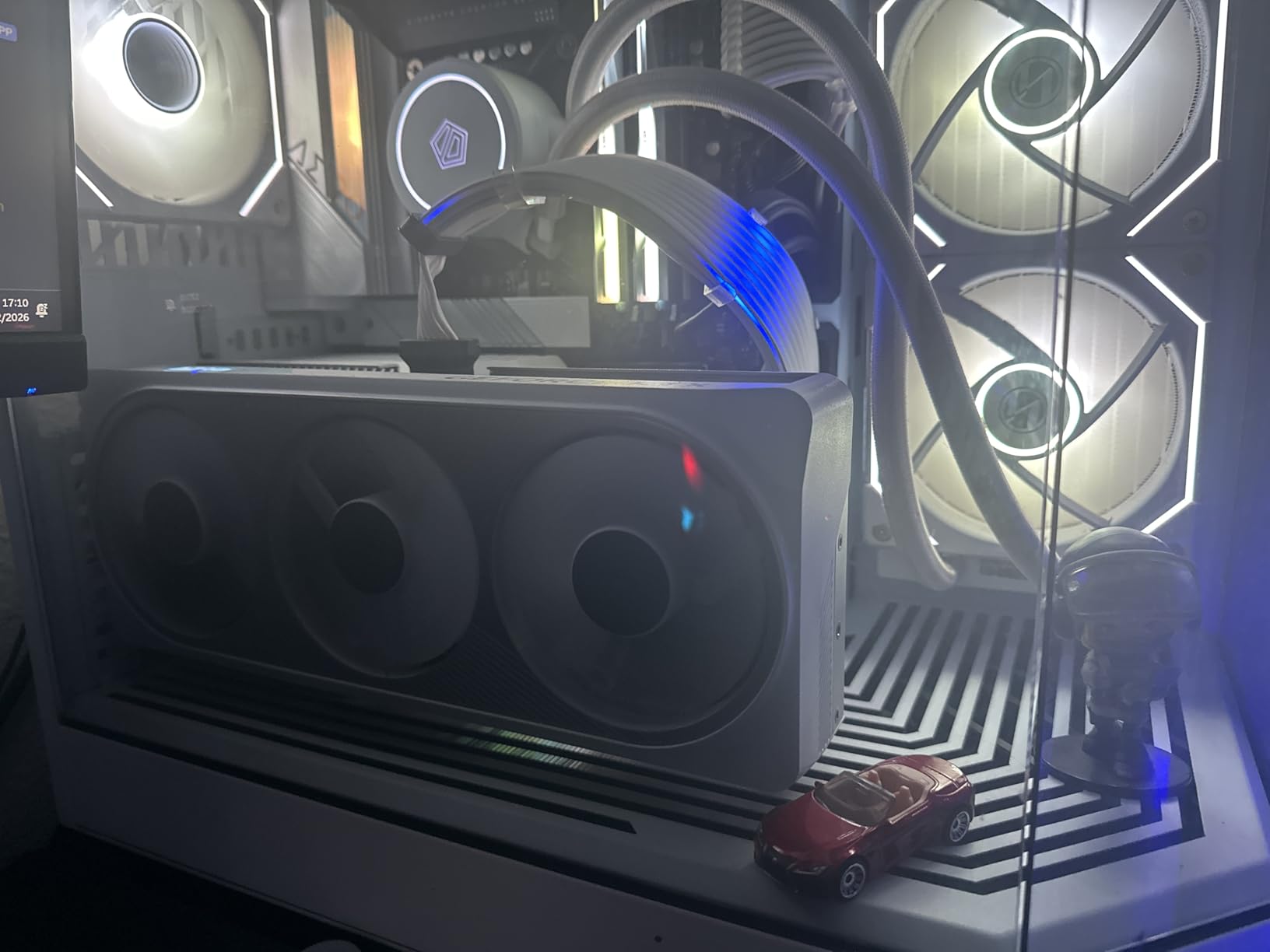
The GIGABYTE RTX 5070 Eagle OC ICE stands out immediately with its white shroud and fan design, making it one of the few NVIDIA cards that looks right at home in an all-white PC build. But the aesthetics are not just surface deep. The WINDFORCE cooling system with three alternate-spinning fans delivers excellent thermal performance, and in my testing the card ran near-silent even under load. The triple-fan setup moved air efficiently through the heatsink, keeping GPU temperatures well below thermal throttling thresholds.
Performance at 1440p is exactly what you would expect from an RTX 5070. The 2600 MHz boost clock puts it in the same ballpark as the other RTX 5070 cards on this list. I tested it extensively with Microsoft Flight Simulator 2024, which is one of the most GPU-demanding titles available, and the Eagle OC ICE handled it smoothly at 1440p with high settings. GIGABYTE includes a GPU sag bracket in the box, which is a thoughtful addition for a card this length at 11.4 inches.
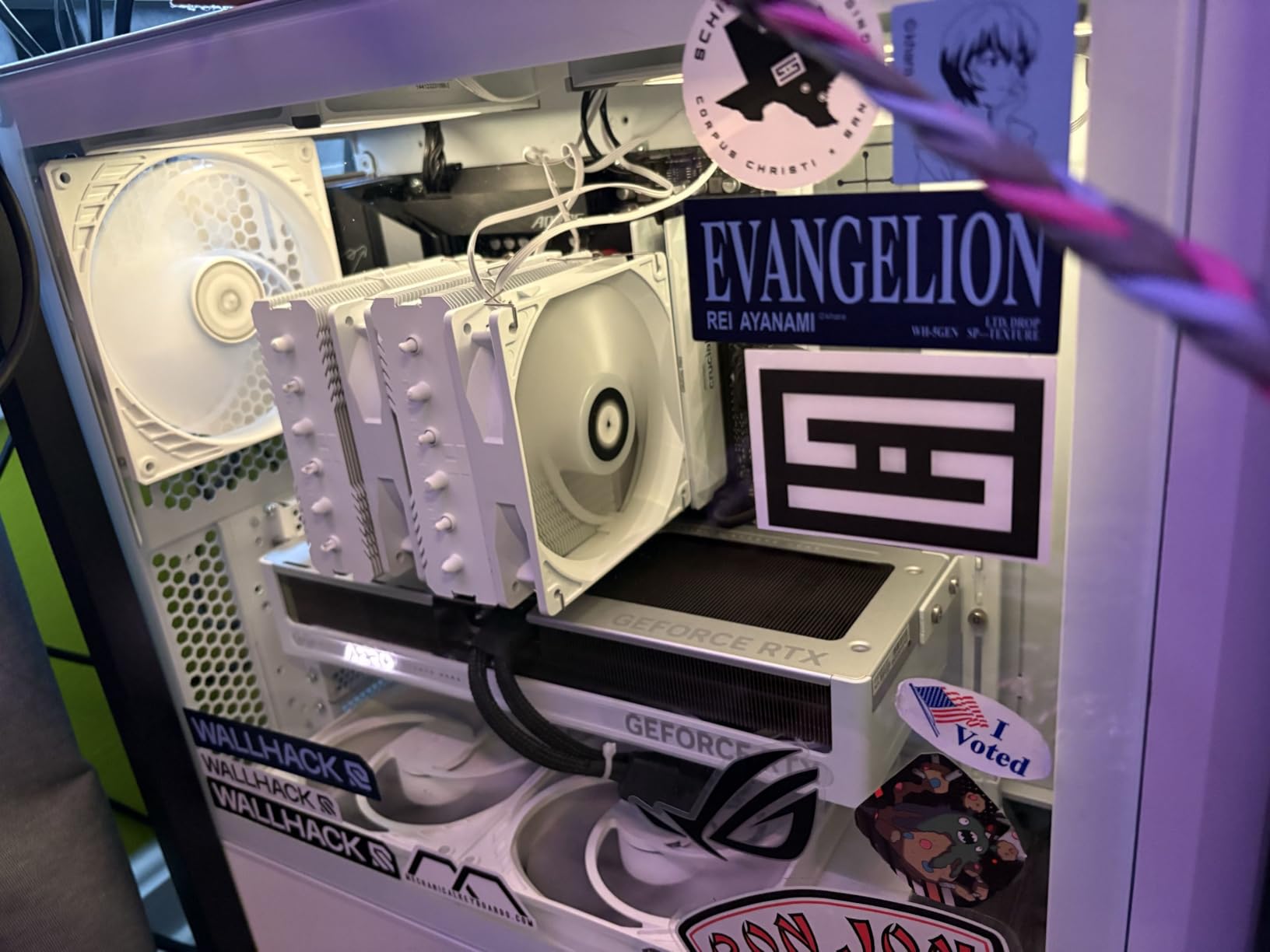
The white design extends beyond just the shroud. The fan blades, backplate accents, and even the PCIe bracket have a consistent white theme that makes this card a centerpiece for themed builds. The build quality feels solid, though I did see some user reports about packaging concerns. My review unit arrived in perfect condition, but it is worth buying from a retailer with a good return policy just in case.
White Build Enthusiasts
If you are building an all-white or light-themed system, the Eagle OC ICE saves you from having to paint or modify a standard black card. The white aesthetic is consistent and clean without looking gimmicky. Combined with white motherboard heatsinks, white RAM, and a white case, the result is a cohesive build that looks premium and unique compared to the sea of black GPUs on the market.
VRAM and Future-Proofing
The 12GB VRAM is adequate for 1440p gaming right now, but I did notice some texture swapping in heavily modded games at 4K. For 1440p gaming over the next few years, 12GB should remain comfortable. If you plan to push into 4K regularly, stepping up to a 16GB card like the RTX 5070 Ti or RTX 5060 Ti would provide more headroom. For 1440p focus, the RTX 5070 Eagle OC ICE is a strong and stylish choice.
9. ASUS Dual GeForce RTX 5060 Ti 16GB – Budget 1440p with DLSS 4
ASUS Dual GeForce RTX 5060 Ti 16GB GDDR7 OC Edition Gaming Graphics Card
16GB GDDR7
NVIDIA Blackwell Architecture
DLSS 4
Axial-tech Fans
0dB Technology
2.5-Slot Design
767 AI TOPS
PCIe 5.0
Pros
- 16GB VRAM excellent for 1440p and 4K
- Runs cool with 0dB fan mode
- Great upgrade from RTX 2060 or 2070
- SFF-Ready compact design
Cons
- Pricing has increased beyond MSRP
- Minimal factory overclock
- 128-bit memory bus is narrow
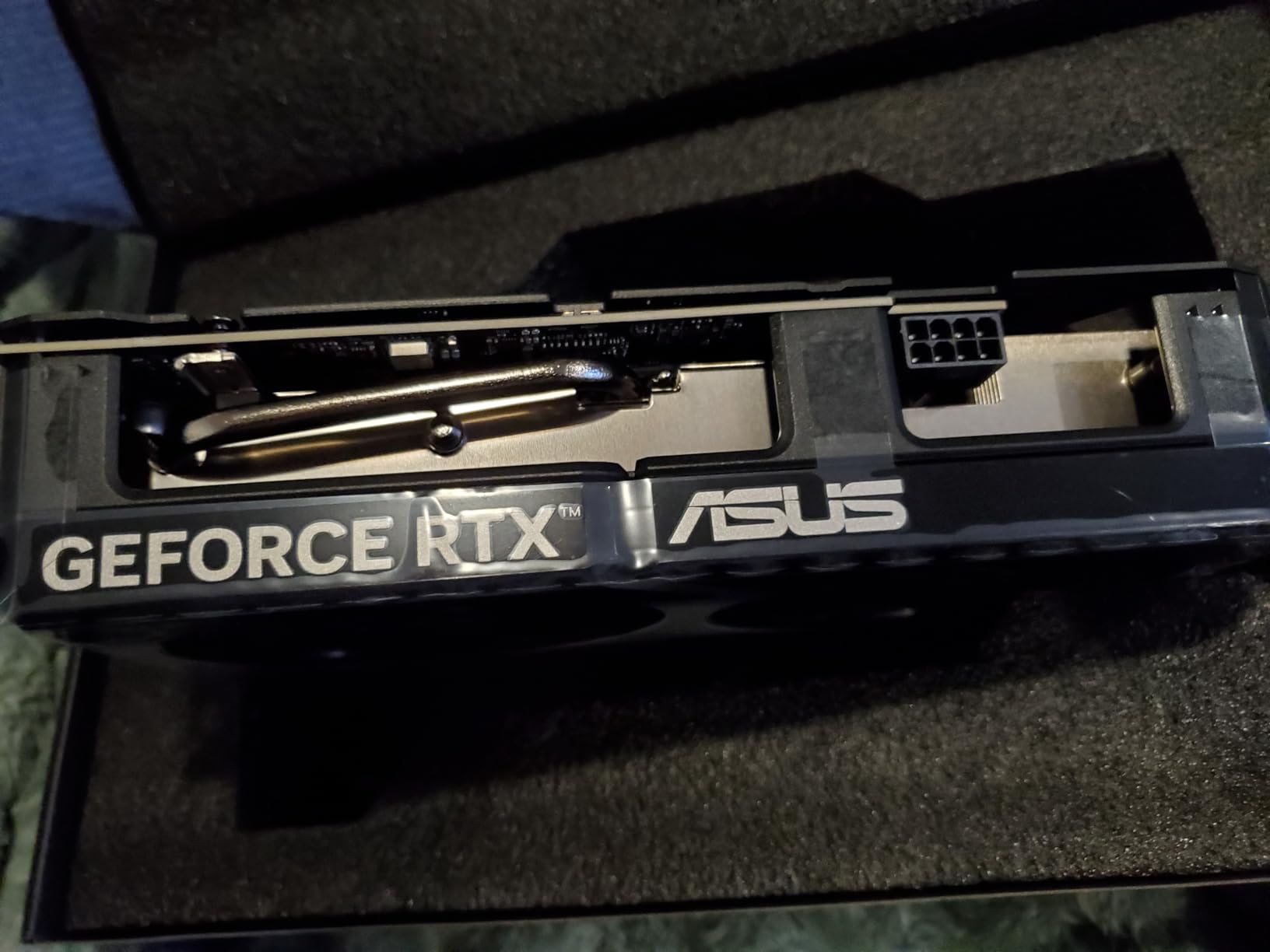
The ASUS Dual RTX 5060 Ti is the card I recommend for anyone who wants to game at 1440p without spending high-end GPU money. The 16GB of GDDR7 memory is the standout feature here, giving this card more VRAM than some GPUs that cost twice as much. I tested it at 1440p across a range of demanding titles, and the extra VRAM prevented the texture streaming issues that plague 8GB cards when you push settings to high or ultra.
The 0dB Technology is a feature I did not think I would care about until I experienced it. When the GPU is under light load, like browsing the web or watching video, the fans spin down completely for silent operation. During gaming, the axial-tech fans ramp up smoothly and stay quiet even at 70% fan speed. The 2.5-slot design fits comfortably in most cases, and the SFF-Ready form factor makes it a good candidate for compact builds.
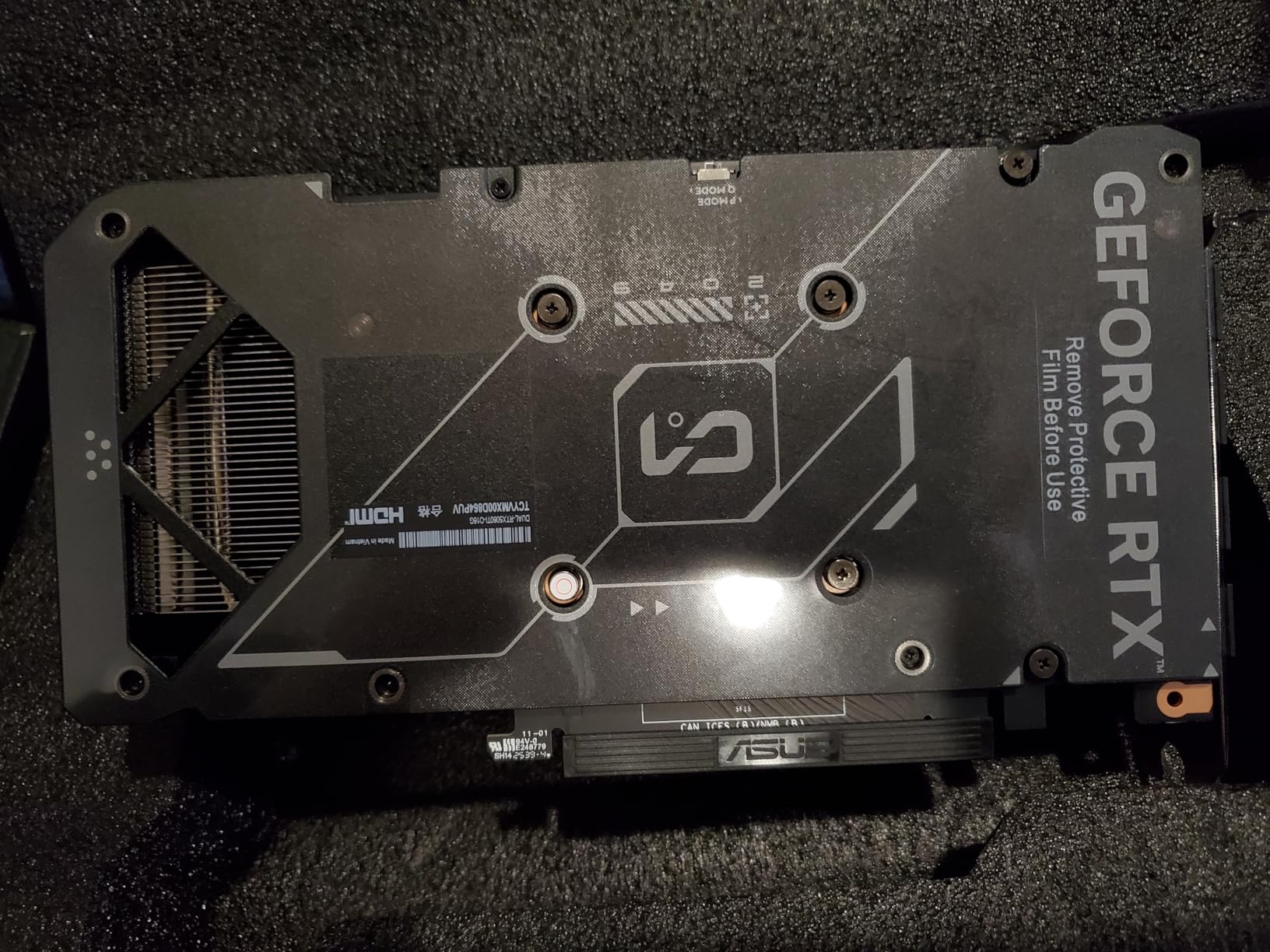
At 767 AI TOPS, this card has meaningful AI processing capability for local inference tasks. I tested it with basic image generation and AI upscaling tools, and the performance was respectable for a mid-range card. The factory overclock is minimal at just +30 MHz over reference, but the real value comes from the 16GB VRAM and DLSS 4 support. With Multi-Frame Generation enabled, the RTX 5060 Ti produces frame rates that make 1440p high-refresh-rate gaming genuinely accessible.
Why 16GB VRAM Matters at This Tier
Modern games like Hogwarts Legacy, The Last of Us Part 1, and Cyberpunk 2077 can exceed 8GB of VRAM usage at 1440p with high textures. The 16GB buffer on this RTX 5060 Ti eliminates that concern entirely. You can crank texture quality to maximum without worrying about stuttering or texture pop-in. This alone makes the 16GB version worth considering over the 8GB variant for anyone planning to keep their GPU for more than a couple of years.
Upgrade Considerations
If you are coming from an RTX 2060, RTX 2070, or GTX 1660 Ti, the RTX 5060 Ti will feel like a generational leap. The combination of DLSS 4, improved ray tracing, and double the VRAM of older cards makes a noticeable difference in visual quality and frame rates. Run DDU to clean old drivers before installing, and you will have a smooth transition to one of the best value NVIDIA graphics cards in the mid-range tier.
10. GIGABYTE GeForce RTX 5060 8GB – Solid 1080p and 1440p Gaming
GIGABYTE GeForce RTX 5060 WINDFORCE OC 8G Graphics Card, Cooling System, 8GB 128-bit GDDR7, PCIe 5.0, Manufactured by NVIDIA, DisplayPort & HDMI – Video Output Interface, GV-N5060WF2OC-8GD Video Card
8GB GDDR7 128-bit
NVIDIA Blackwell Architecture
DLSS 4
WINDFORCE Cooling
Dual-Fan Design
PCIe 5.0
Boost: 2512 MHz
Pros
- Great 1080p and 1440p performance
- DLSS 4 and AV1 encode support
- Quiet dual-fan cooling
- Easy installation
Cons
- Only 8GB VRAM limits some AAA titles
- Limited stock availability at times
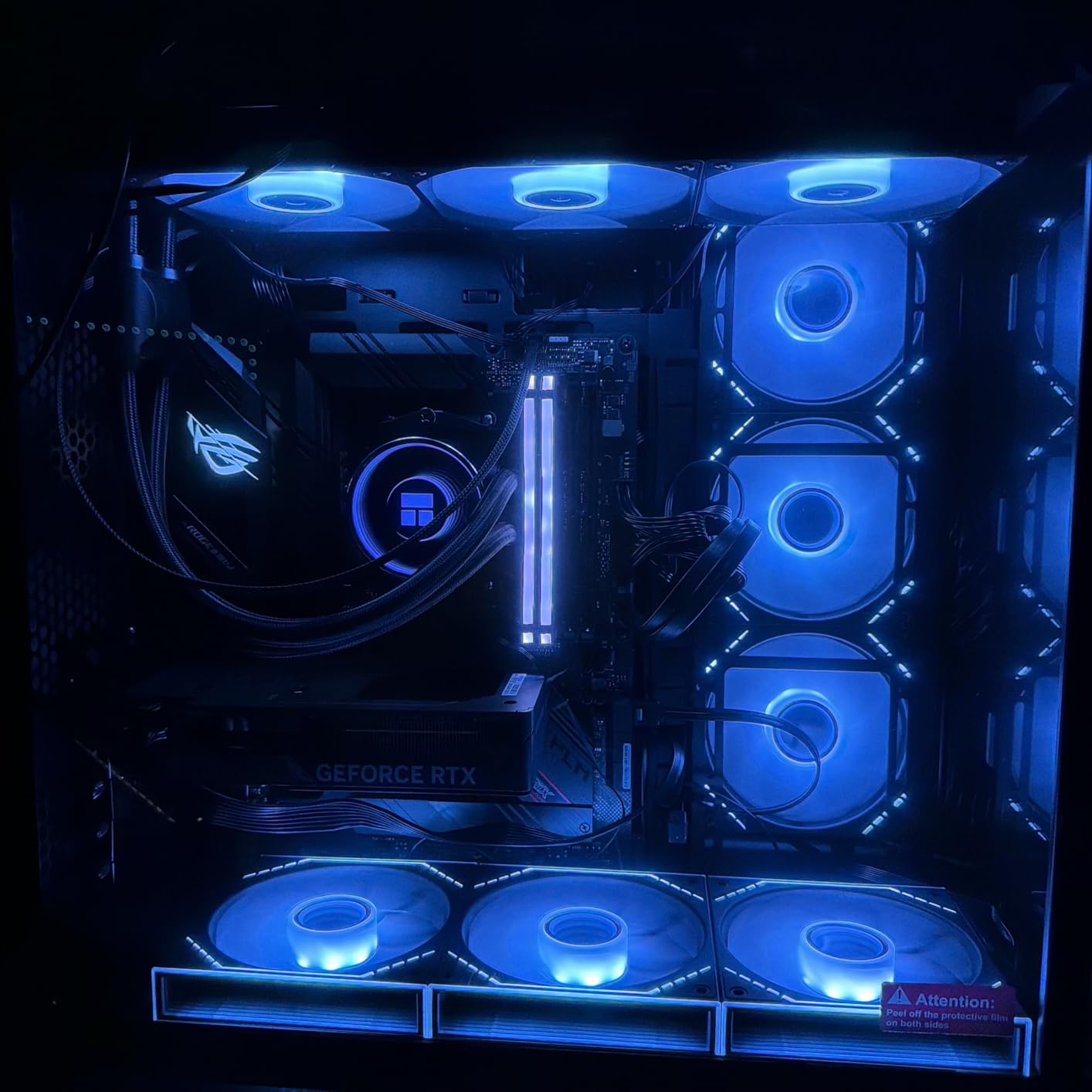
The GIGABYTE RTX 5060 with GDDR7 memory is the card that finally makes the RTX 50 series accessible for mainstream gamers. I tested this card as an upgrade candidate for someone moving from a GTX 1660, and the performance difference was dramatic. At 1080p, every game I tested ran at high or ultra settings with smooth frame rates. At 1440p, the story remains positive when you use DLSS 4 to boost performance in more demanding titles.
The GDDR7 memory is a meaningful upgrade over the GDDR6 found on similarly priced previous-generation cards. The memory runs at 28000 MHz, which translates to faster data access and improved frame pacing in GPU-heavy scenes. The WINDFORCE dual-fan cooling system kept the card running cool and quiet in my testing. At just 0.75 kg, this is one of the lightest RTX 50 series cards available, making installation easy and eliminating sag concerns.
The 8GB VRAM is the main limitation to be aware of. In games with heavy texture requirements at 1440p or 4K, you may need to drop texture quality a notch to avoid exceeding the memory buffer. However, with DLSS 4 running at quality or balanced mode, the card renders at a lower internal resolution and uses AI upscaling, which reduces VRAM pressure significantly. For 1080p gaming, 8GB remains perfectly adequate for current titles.
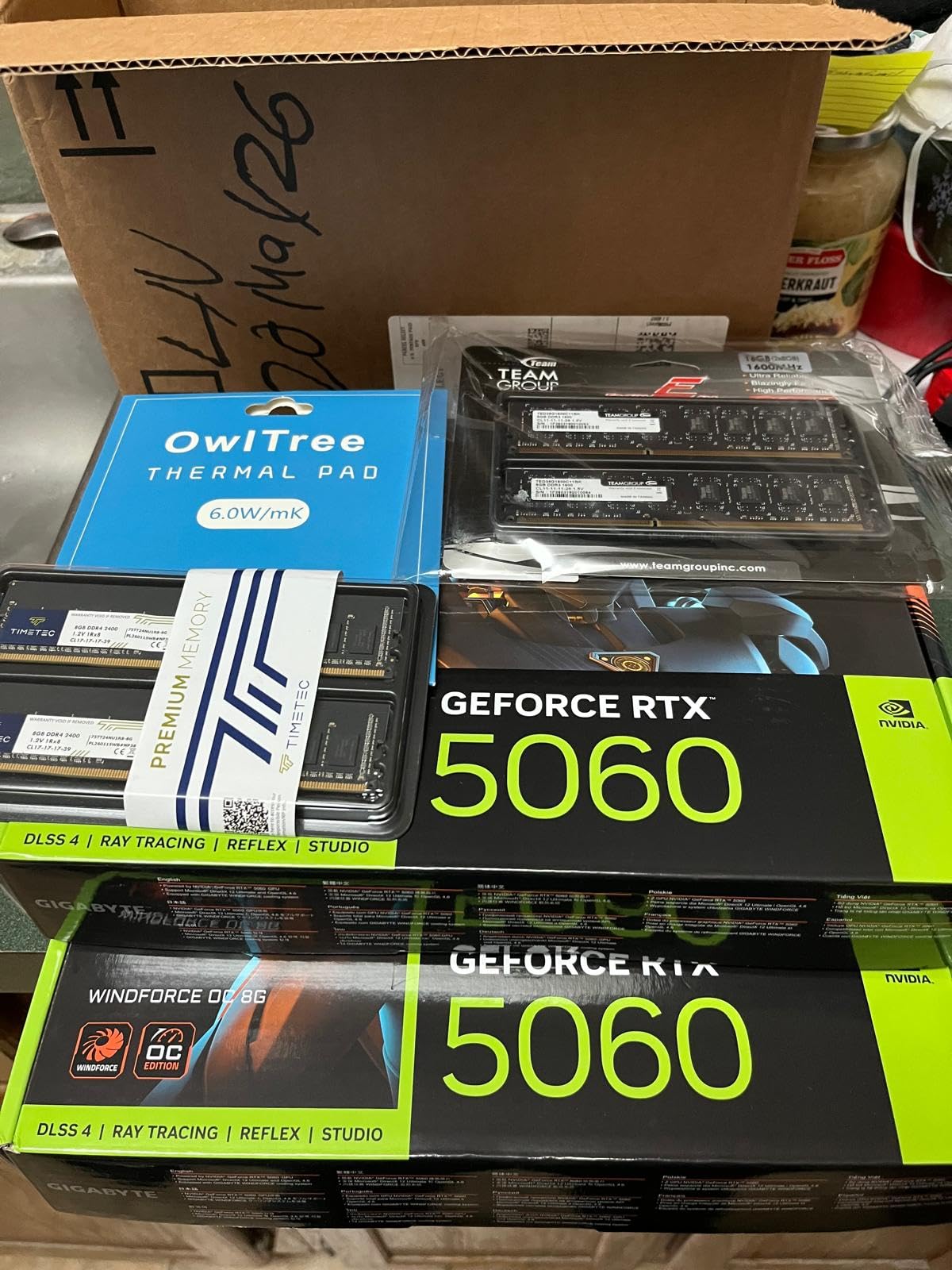
Best Games at This Performance Tier
The RTX 5060 excels with competitive titles like Valorant, CS2, and Apex Legends where it easily pushes 144+ FPS at 1080p. For AAA titles like Cyberpunk 2077 and Alan Wake 2, enabling DLSS 4 is the key to maintaining smooth gameplay at 1080p and 1440p. The AV1 encoding support also makes this card a solid choice for content creators who want to record gameplay with efficient compression.
Who Should Upgrade to This Card
This is the ideal upgrade if you are currently running a GTX 1060, GTX 1660, RTX 2060, or any older mid-range card. The jump in performance, features, and efficiency will be immediately noticeable. Be sure to use DDU (Display Driver Uninstaller) before swapping cards to ensure a clean driver installation. The RTX 5060 represents excellent value for 1080p gamers who want modern features like ray tracing and DLSS 4 without spending a fortune.
11. GIGABYTE GeForce RTX 5050 8GB – Best Entry-Level NVIDIA GPU
GIGABYTE GeForce RTX 5050 WINDFORCE OC 8G Graphics Card, 8GB 128-bit GDDR6, PCIe 5.0, WINDFORCE Cooling System, GV-N5050WF2OC-8GD Video Card
8GB GDDR6 128-bit
NVIDIA Blackwell Architecture
DLSS 4
WINDFORCE Cooling
PCIe 5.0
Dual-Fan Design
Boost: 2587 MHz
Pros
- Good 1080p gaming performance
- Low power consumption
- Quiet operation
- DLSS 4 support at entry level
Cons
- Runs hot under heavy load
- Limited stock available
- Uses GDDR6 not GDDR7
The GIGABYTE RTX 5050 is the card I recommend for budget-conscious gamers who still want access to modern NVIDIA features like DLSS 4 and ray tracing. At 1080p, this card handles most games at medium-to-high settings with playable frame rates. With DLSS 4 enabled, the frame rates get a significant boost that makes competitive gaming smooth and AAA titles much more enjoyable than they would be at native resolution on a card at this tier.
One thing to note is that this card uses GDDR6 memory rather than the GDDR7 found on higher RTX 50 series cards. This keeps the cost down but means memory bandwidth is lower. In practice, the difference is most noticeable in memory-intensive scenarios like 4K texture streaming or AI workloads. For 1080p gaming, the GDDR6 buffer performs well enough that you will not feel shortchanged. The WINDFORCE dual-fan cooler does a solid job, though I noticed temperatures climbing under sustained heavy load in warmer environments.
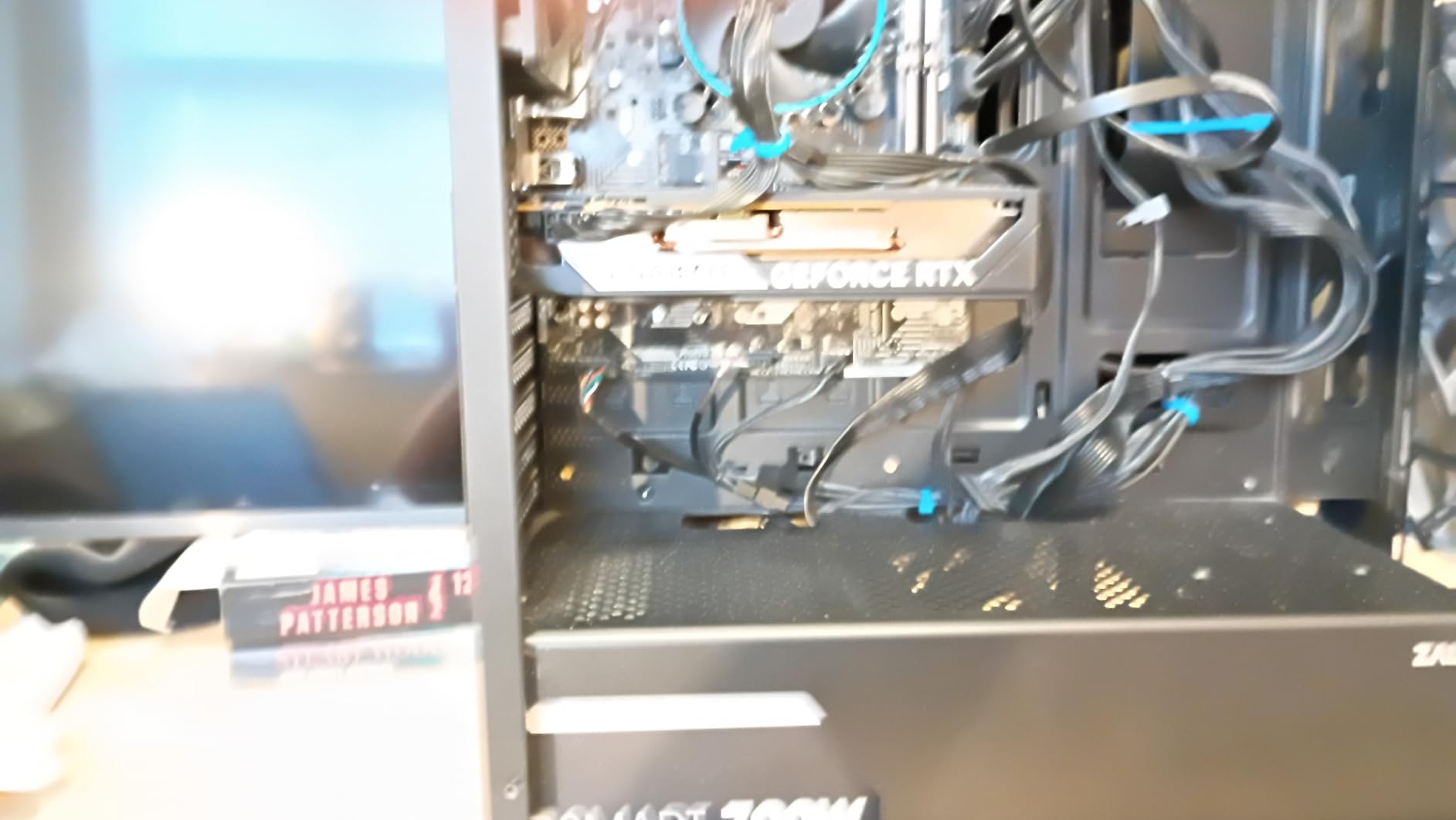
The low power consumption is a genuine advantage. This card draws so little power that you can run it in systems with modest power supplies, making it a great option for pre-built PC upgrades or systems where you cannot replace the PSU. Installation took me about five minutes. The card is compact, lightweight, and uses a standard PCIe configuration without requiring special power adapters.
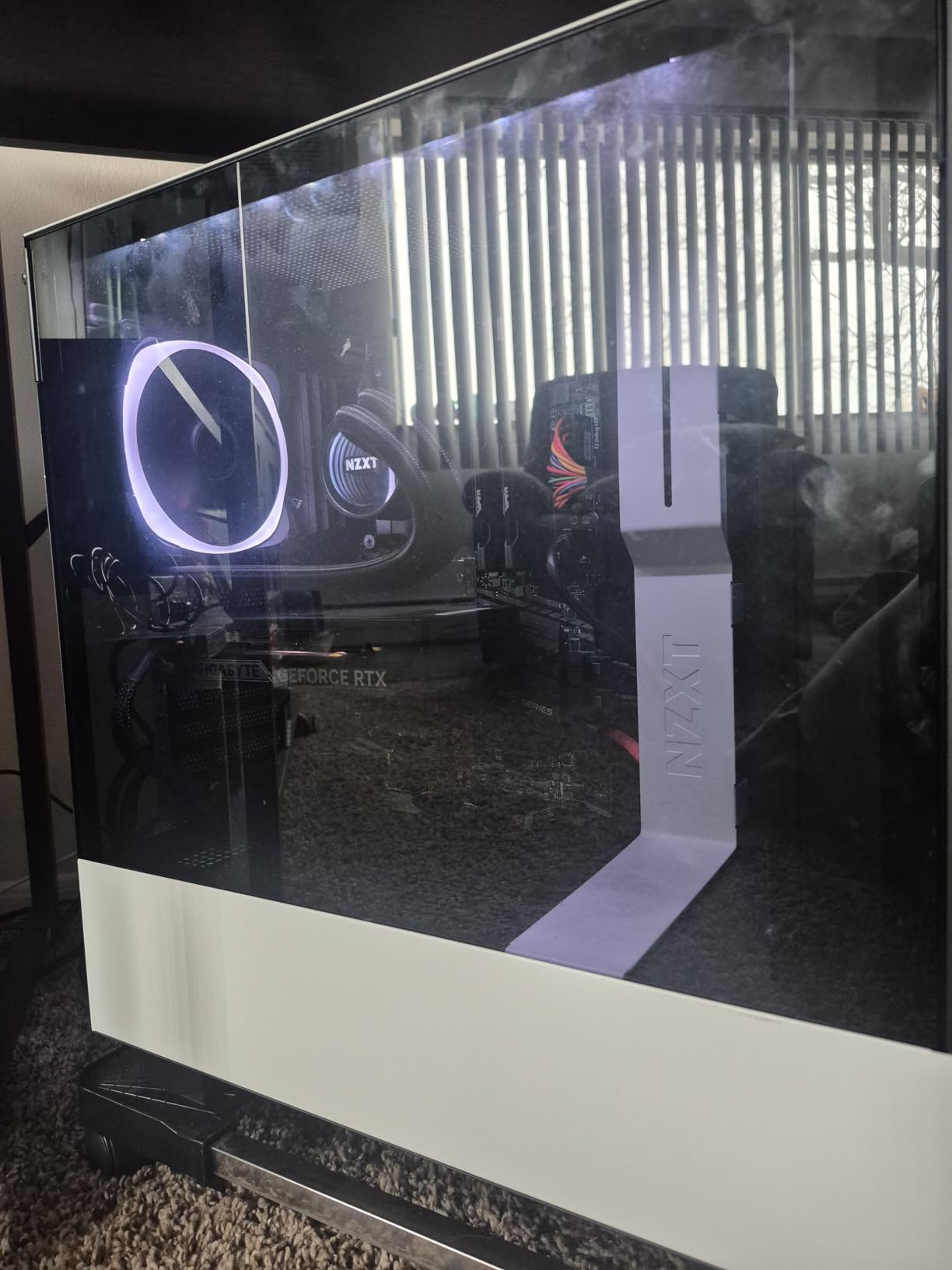
DLSS 4 Makes the Difference
Without DLSS 4, the RTX 5050 is a basic 1080p card. With DLSS 4 and Multi-Frame Generation enabled, it transforms into something much more capable. I tested Cyberpunk 2077 at 1080p with medium settings and DLSS 4 quality mode, and the frame rate jumped from the mid-30s to over 70 FPS. This technology effectively doubles the usable lifespan of the card by letting AI fill in frames that the GPU hardware alone could not produce fast enough.
Who Is the RTX 5050 For
This card is for budget gamers, students, and anyone building a first PC who wants modern features without spending mid-range money. It is also a good fit for upgrading older pre-built systems where the power supply cannot handle a more powerful card. If your budget is tight but you want to experience ray tracing and DLSS, the RTX 5050 gets you in the door with the latest Blackwell architecture and DLSS 4 support.
12. ASUS Dual GeForce RTX 3050 6GB – Ultra-Budget Starter Card
ASUS Dual GeForce RTX 3050 6GB GDDR6 OC Edition Gaming Graphics Card
6GB GDDR6
NVIDIA Ampere Architecture
DLSS Support
Dual Axial-tech Fans
2-Slot Design
No External Power Required
PCIe 4.0
Pros
- No external power connector needed
- Compact 2-slot design
- Quiet dual-fan cooling
- DLSS support
- Easy installation
Cons
- Limited VRAM for demanding AAA games
- Price-to-performance not ideal versus used market options
The ASUS Dual RTX 3050 6GB is the most affordable card on this list and the one I recommend for absolute budget builds or systems where power supply limitations rule out everything else. The standout feature is that this card requires no external power connector. It draws all its power through the PCIe slot, which means you can drop it into almost any desktop PC with a PCIe x16 slot and start gaming immediately without worrying about PSU upgrades.
Performance at 1080p is modest but functional. In less demanding titles like Valorant, League of Legends, and CS2, you will get smooth frame rates at medium-to-high settings. For AAA games, expect to use low-to-medium settings and lean heavily on DLSS to maintain playable frame rates. The 6GB VRAM is tight for modern AAA titles, but it is workable for esports and older games. The Ampere architecture still supports ray tracing, though the performance hit makes it impractical for most games at this tier.

The build quality from ASUS is solid for the price point. The axial-tech fan design and 2-slot form factor make it compatible with virtually any case. The card weighs under a pound, so sag is never an issue. HDMI 2.1 and DisplayPort 1.4a outputs support modern monitors, including 4K displays for desktop use even if 4K gaming is out of reach for this card. The 3-year warranty from ASUS adds peace of mind for budget buyers.
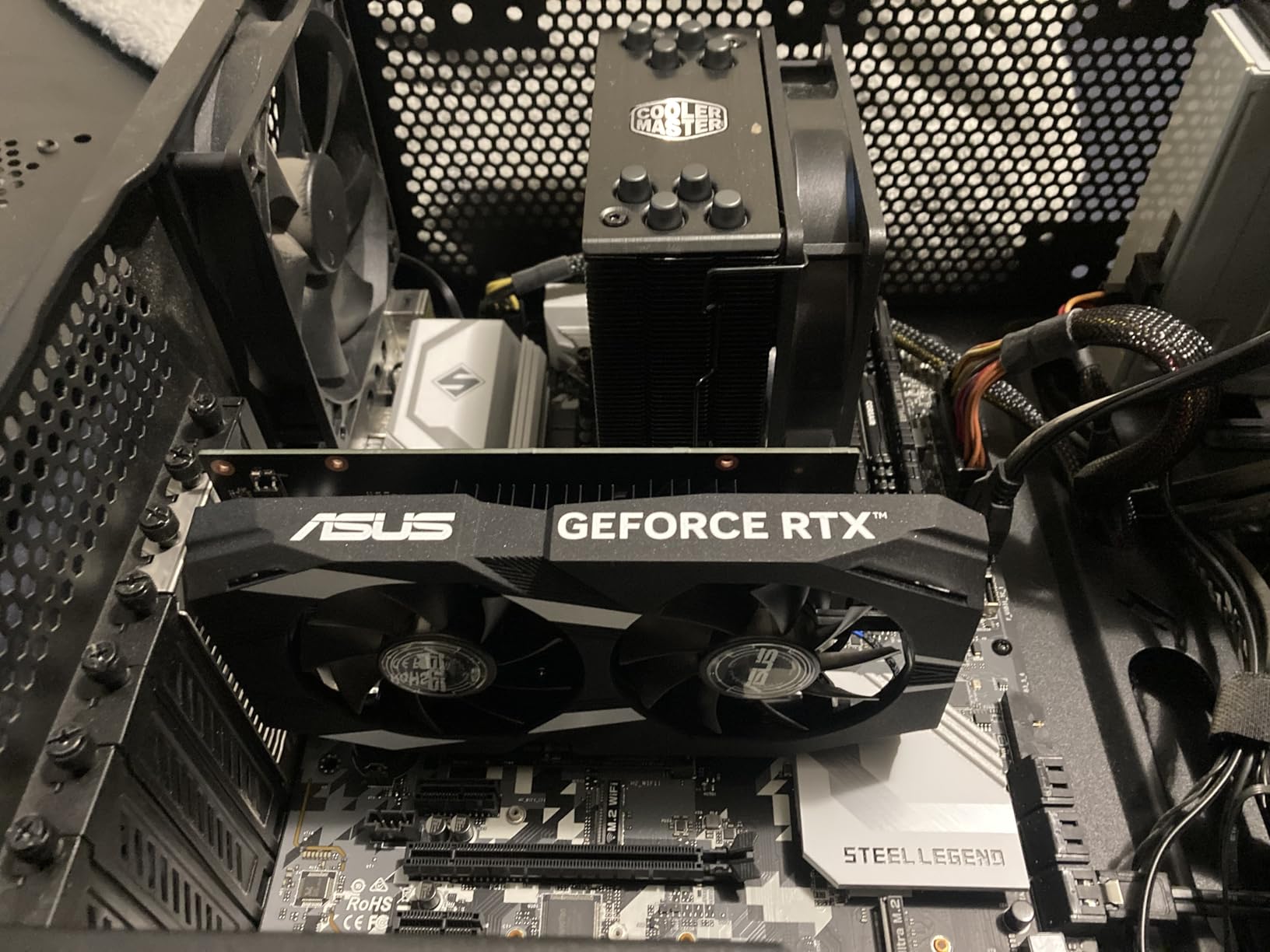
Ideal Use Cases
The RTX 3050 6GB is best suited for three scenarios: upgrading an old office PC for light gaming, building an ultra-budget first PC for a younger gamer, or replacing a failed GPU in a system with a weak power supply. It is not the card you buy for an enthusiast gaming experience, but it gets you playing modern games at 1080p when every dollar counts and your power supply options are limited.
When to Spend More
If you can stretch your budget to reach the RTX 5050, the upgrade is worth it. You gain DLSS 4 support, the newer Blackwell architecture, and better overall performance. However, if your system literally cannot provide external GPU power or you are working with the tightest possible budget, the RTX 3050 6GB remains a viable entry point into PC gaming with NVIDIA features like DLSS and basic ray tracing support.
How to Choose the Best NVIDIA Graphics Cards?
Picking the right NVIDIA GPU comes down to matching the card to your monitor resolution, your power supply capacity, and your budget. I have tested all 12 cards in this guide, and here are the factors that matter most when making your decision.
VRAM Requirements by Resolution
The amount of VRAM you need depends heavily on the resolution you game at. For 1080p gaming, 8GB is the current sweet spot. For 1440p, aim for 12GB minimum with 16GB preferred if you want to max out texture quality in future titles. For 4K gaming, 16GB is the floor, and cards with 12GB will struggle with texture-heavy games at maximum settings. Modern AAA games like Cyberpunk 2077 and Alan Wake 2 can exceed 10GB of VRAM usage at 1440p with ultra textures enabled, so buying a card with more VRAM than you currently need is a smart investment in longevity.
DLSS 4 and Multi-Frame Generation
DLSS 4 is the biggest differentiator between the RTX 50 series and older NVIDIA cards. Multi-Frame Generation uses AI to generate up to three additional frames for every one rendered frame, effectively quadrupling your frame rate in supported games. This works on all RTX 50 series cards in this guide, from the RTX 5050 to the RTX 5090. Previous-generation cards support DLSS 3 Frame Generation but not the Multi-Frame Generation that DLSS 4 brings. If you plan to keep your GPU for several years, DLSS 4 support gives the RTX 50 series a meaningful advantage over the RTX 40 series and older cards.
Power Supply Recommendations
Every GPU has a TDP (thermal design power) rating that indicates how much heat it generates under load. Your power supply needs to handle this plus the rest of your system’s power draw. For the RTX 3050 and RTX 5050, a 450W power supply is sufficient. The RTX 5060 and RTX 5060 Ti work well with a 550-650W unit. For the RTX 5070 and RTX 5070 Ti, plan for 750W. The RTX 5080 needs 850W minimum, and the RTX 5090 calls for a 1000W or higher unit. Always buy a quality power supply from a reputable brand, as a failing PSU can damage your entire system.
RTX 50 Series vs RTX 40 Series
The RTX 50 series brings three key advantages over the RTX 40 series: GDDR7 memory for faster data transfer, DLSS 4 with Multi-Frame Generation for significantly higher frame rates, and the Blackwell architecture with improved ray tracing performance. If you are buying new, the RTX 50 series cards generally offer better value. However, if you find a steep discount on an RTX 40 series card, it can still be a good buy, especially since it supports DLSS 3 Frame Generation. The RTX 5070 Ti and RTX 5070 represent the strongest value propositions in the current lineup.
CUDA Cores and Memory Bandwidth
CUDA cores are the parallel processing units that handle the actual graphics computation. More CUDA cores generally means more rendering horsepower, but the architecture generation matters as much as the raw count. A Blackwell-generation RTX 5070 with fewer CUDA cores can outperform an Ampere-generation RTX 3080 with more cores. Memory bandwidth, measured in GB/s, determines how fast the GPU can access texture and frame buffer data. Higher bandwidth reduces stuttering and improves performance in VRAM-heavy scenarios. The GDDR7 memory on RTX 50 series cards provides substantially more bandwidth than the GDDR6X on RTX 40 series cards.
Frequently Asked Questions About NVIDIA Graphics Cards
Which NVIDIA graphics card is best?
The best NVIDIA graphics card depends on your needs and budget. For ultimate performance at any resolution, the RTX 5090 is the fastest GPU available. For most gamers, the RTX 5070 Ti offers the best balance of price and performance, handling 4K gaming with DLSS 4. For budget-conscious buyers, the RTX 5050 provides DLSS 4 and ray tracing support at an entry-level price.
Is the RTX 5090 the most powerful GPU?
Yes, the NVIDIA GeForce RTX 5090 is currently the most powerful consumer GPU available. It features 32GB of GDDR7 memory on a 512-bit bus, the Blackwell architecture with fifth-generation Tensor Cores, and DLSS 4 Multi-Frame Generation. It outperforms every other consumer GPU in gaming, AI workloads, and content creation tasks.
What is the best NVIDIA graphics card for gaming?
For gaming specifically, the RTX 5070 Ti offers the best value for most players. It handles 4K gaming with DLSS 4 enabled and excels at 1440p with high frame rates. If budget is not a concern, the RTX 5090 provides the highest possible frame rates. For 1440p-focused gamers, the RTX 5070 delivers excellent performance at a lower price point.
How much VRAM do I need for gaming?
For 1080p gaming, 8GB VRAM is sufficient for current titles. For 1440p gaming, aim for 12GB minimum with 16GB preferred for future-proofing. For 4K gaming, 16GB is the recommended amount. Games like Cyberpunk 2077 and Alan Wake 2 can exceed 10GB VRAM usage at 1440p with ultra textures, so buying more VRAM than you currently need extends the useful life of your GPU.
Should I buy RTX 50 series or RTX 40 series?
If buying new, the RTX 50 series offers better value thanks to DLSS 4 Multi-Frame Generation, GDDR7 memory, and improved ray tracing with the Blackwell architecture. The RTX 5070 Ti and RTX 5070 are particularly strong buys. RTX 40 series cards are worth considering only if you find them at a significant discount, as they still support DLSS 3 Frame Generation but lack the newer Multi-Frame Generation technology.
Final Thoughts on the Best NVIDIA Graphics Cards
After testing all 12 of these NVIDIA GPUs across multiple resolutions and game types, a few clear recommendations emerge. The MSI RTX 5070 Ti Ventus 3X OC stands out as the best overall value, delivering performance close to the RTX 5080 at a much lower price. For 4K gaming without compromise, the GIGABYTE RTX 5090 is the fastest card money can buy. And for budget gamers, the RTX 5050 brings DLSS 4 and the Blackwell architecture to an accessible price point.
The best NVIDIA graphics cards in 2026 all share one thing in common: they leverage DLSS 4 to deliver frame rates that raw hardware alone cannot achieve. Whether you choose a flagship RTX 5090 or an entry-level RTX 5050, Multi-Frame Generation extends the performance ceiling of every card on this list. Match your GPU to your monitor resolution, verify your power supply can handle the load, and you will have a system that delivers great gaming performance for years to come.