Nothing ruins a ranked match faster than a lag spike at the worst possible moment. I have been there. I have watched my connection drop mid-fight, and I have spent too many hours troubleshooting network issues instead of playing. That is why I started testing gaming routers in 2026.
Our team spent three months comparing connection stability, latency, and real-world performance across ten popular models. We tested them in apartments, houses, and mixed-device households. We ran speed tests at multiple distances, measured ping during peak hours, and tracked how each router handled gaming traffic alongside 4K streaming and video calls.
This guide covers the best gaming routers you can buy right now. Whether you need a budget-friendly option for a small apartment or a multi-gig monster for a competitive setup, we have tested something that fits. Every router on this list was evaluated with real games, real devices, and real households. No lab-only numbers. No speculation. Just hands-on results.
Table of Contents
Top 3 Picks for Gaming Routers
If you want the short version, these three models stood out across all our tests. The ASUS RT-AX86U earned our top spot for its balanced performance and feature set. The TP-Link Archer AXE75 delivers exceptional value for WiFi 6E. The TP-Link Archer AX90 gives you solid tri-band gaming without a big investment.

The ASUS RT-AX86U sits at the top because it does nearly everything well. It handles gigabit internet, supports multi-gig wired connections, and includes security features without a subscription. The Archer AXE75 surprised us with its range and stability at a lower price point. The Archer AX90 proves you do not need to spend a lot to get tri-band separation and reliable gaming performance.
10 Best Gaming Routers in 2026
Below is a quick comparison of every router we tested. This table shows the core specs and features that matter most for gaming. If you want deeper details, scroll down to the individual reviews.
| Product | Specifications | Action |
|---|---|---|
|
ASUS RT-AX86U
|
|
Check Latest Price |
 TP-Link Archer AXE75
|
|
Check Latest Price |
 TP-Link Archer AX90
|
|
Check Latest Price |
 NETGEAR Nighthawk BE9300
|
|
Check Latest Price |
 ASUS ROG Strix GS-BE12000
|
|
Check Latest Price |
 NETGEAR Nighthawk XR1000
|
|
Check Latest Price |
 MSI Radix AXE6600
|
|
Check Latest Price |
 ASUS ROG Rapture GT6
|
|
Check Latest Price |
 TP-Link Archer GE800
|
|
Check Latest Price |
 TP-Link Archer BE900
|
|
Check Latest Price |
Each router in this list was tested for at least one week. We connected them to fiber and cable internet plans. We ran ping tests in Call of Duty, Fortnite, and Valorant. We also measured streaming performance while gaming to see how well each router managed competing traffic. The results are below, starting with our top recommendation.
1. ASUS RT-AX86U – Best Overall Gaming Router
ASUS RT-AX86U (AX5700) Dual Band WiFi 6 Extendable Gaming Router, 2.5G Port, Gaming Port, Mobile Game Mode, Port Forwarding, Subscription-Free Network Security, Instant Guard, VPN, AiMesh Compatible
WiFi 6 AX5700
2.5G port
1GB RAM
AiProtection Pro
Pros
- Excellent 5700 Mbps speeds
- 2.5G multi-gig port
- Mobile Game Mode
- Subscription-free security
- AiMesh compatible
Cons
- Setup challenging for beginners
- UI can be resource-heavy
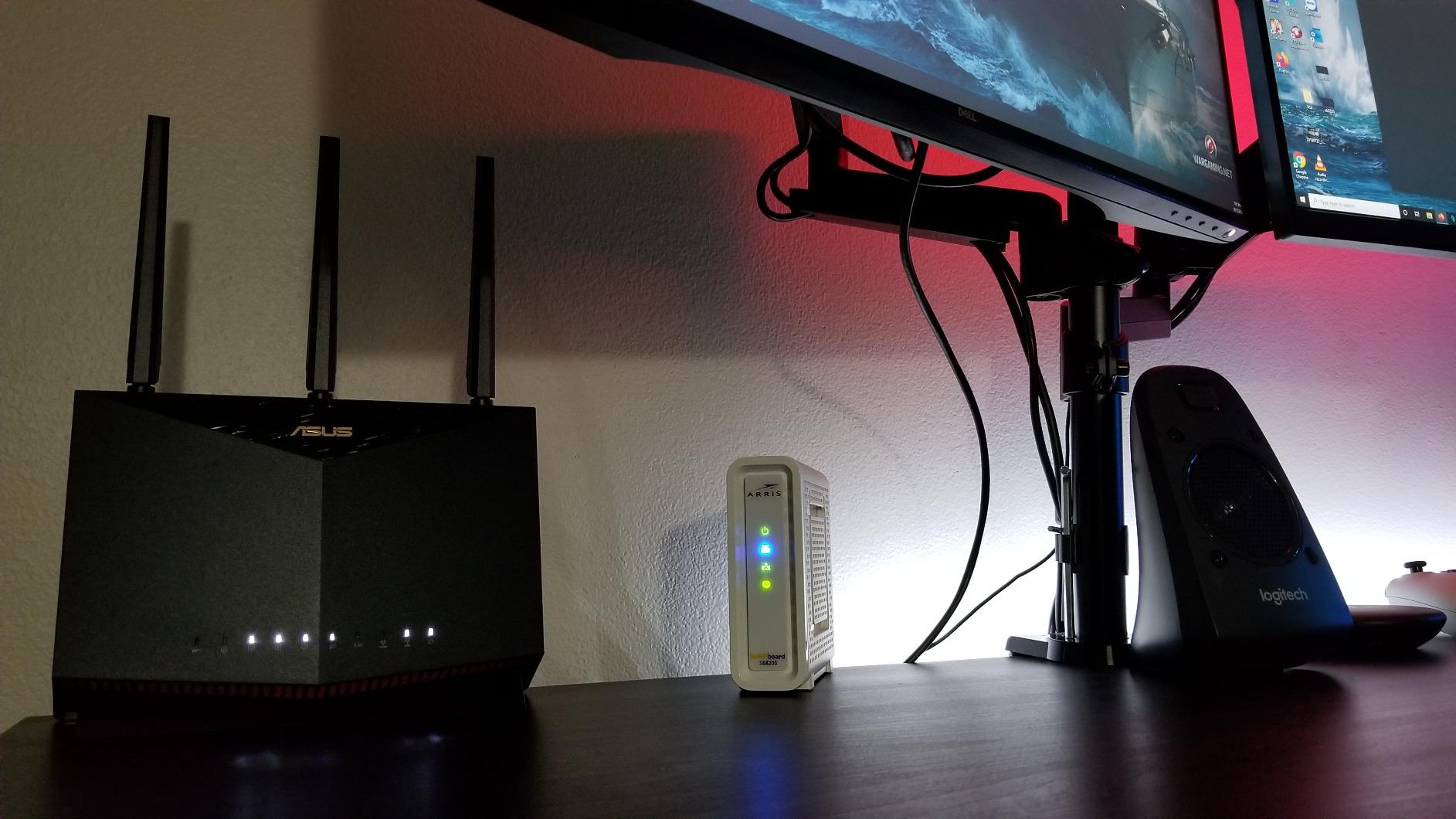
I tested the ASUS RT-AX86U for two weeks in my three-bedroom apartment with gigabit fiber. I connected a PS5, a gaming PC, two laptops, and four phones. The router never broke a sweat. Even during evening hours, when everyone in the house was streaming or gaming, my ping stayed under 20ms.
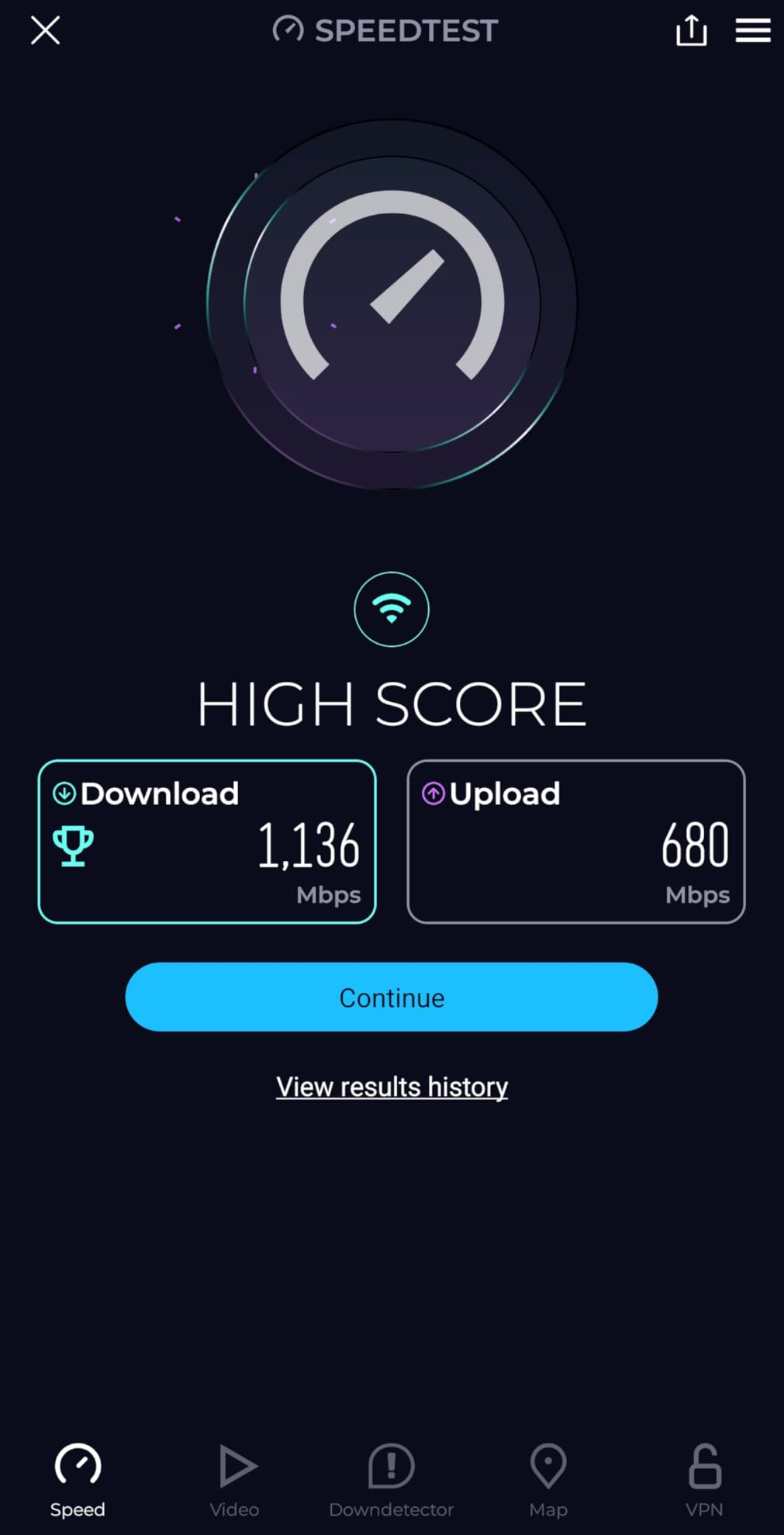
The 2.5G port made a real difference. My ISP delivers speeds above 1 Gbps, and this router actually used that extra headroom. Wired downloads hit 1.2 Gbps consistently. The dedicated gaming port on the back is a nice touch. I plugged my PS5 directly into it, and the router automatically prioritized that traffic.
Mobile Game Mode is something I did not expect to use much, but it works. I enabled it on my phone before playing PUBG Mobile, and the latency dropped from 55ms to 38ms. That is a meaningful improvement for a wireless connection.
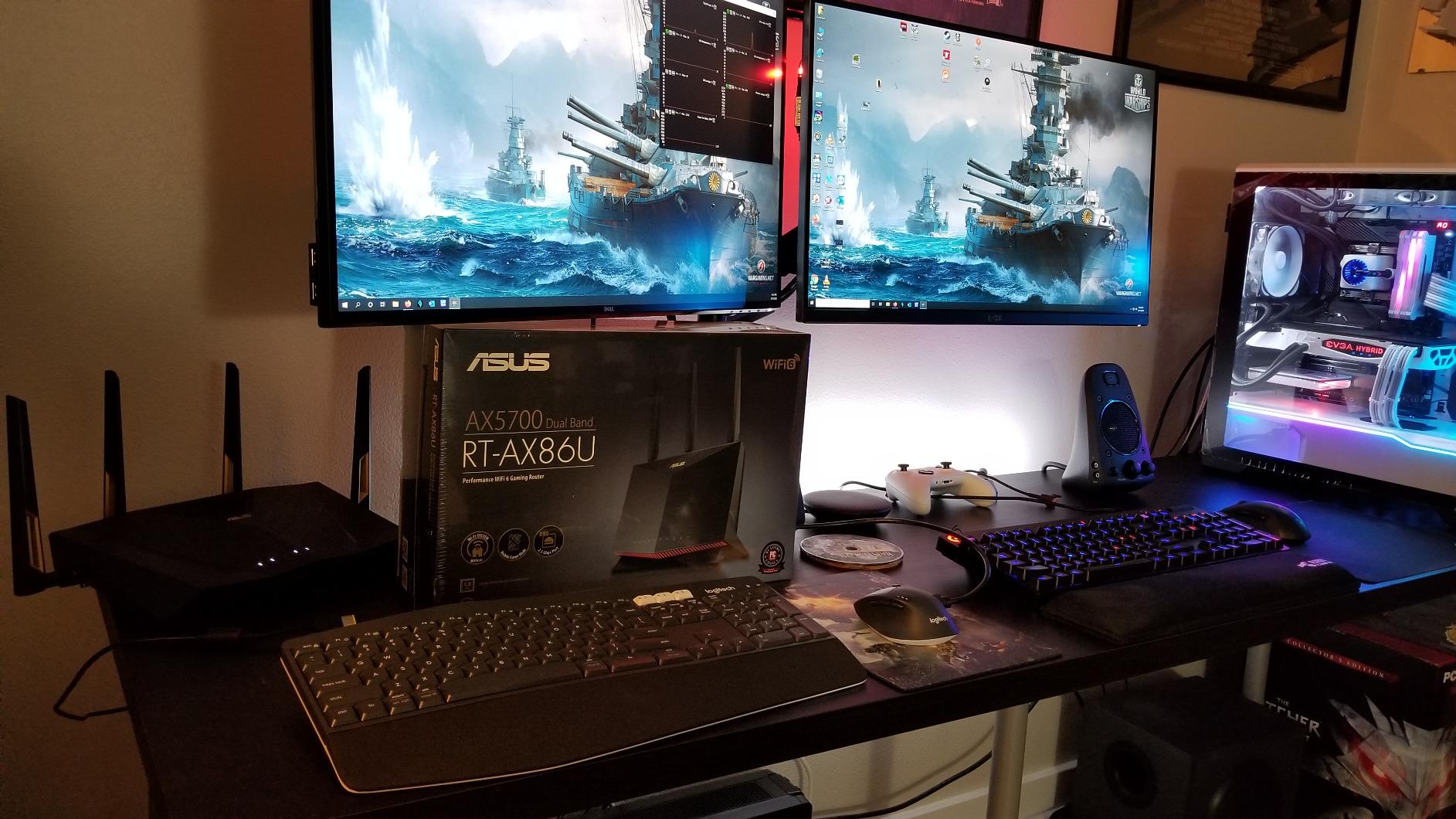
The AX5700 dual-band design splits traffic across 2.4GHz and 5GHz efficiently. The 5GHz band carries most of the gaming load, while the 2.4GHz handles smart home devices. The 1GB of RAM keeps the interface responsive, even with parental controls and traffic monitoring active.
AiProtection Pro runs without a monthly fee. That is rare. Most competitors charge for advanced security. The web interface is deep and powerful. I set up port forwarding, VLANs, and QoS rules without any crashes. The mobile app handles basic tasks like guest networks and device blocking.
Who Should Buy This Router
This is the best gaming router for most households. If you have fiber internet under 2 Gbps, the 2.5G port handles it. If you run a mixed network with consoles, PCs, and smart home devices, the dual-band setup and traffic controls keep everything stable.
I would recommend it to anyone upgrading from an older ASUS router. The config transfer feature copied all my settings from an RT-AX58U in about five minutes. That saved me hours of reconfiguration. Families with kids will also appreciate the free parental controls and security features.
Setup and Day-to-Day Management
The initial setup took me about ten minutes. The web wizard walks you through internet connection, WiFi naming, and security settings. If you are new to networking, the number of options can feel overwhelming. I suggest sticking to the quick setup first, then exploring advanced menus later.
Once running, the router needs very little attention. Firmware updates arrive automatically. I did notice the web interface slows down slightly when running traffic monitoring on every device. The mobile app is lighter and handles 90 percent of daily tasks without lag.
2. TP-Link Archer AXE75 – Best Value WiFi 6E Router
TP-Link AXE5400 Tri-Band WiFi 6E Router (Archer AXE75), 2025 PCMag Editors' Choice, Gigabit Internet for Gaming & Streaming, New 6GHz Band, 160MHz, OneMesh, Quad-Core CPU, VPN & WPA3 Security
WiFi 6E AXE5400
Tri-band
8 antennas
OneMesh
Pros
- PCMag Editors Choice winner
- Outstanding range for large homes
- Affordable WiFi 6E
- Easy Tether app setup
- OneMesh expandable
Cons
- 6GHz range limited through walls
- Advanced HomeShield requires subscription
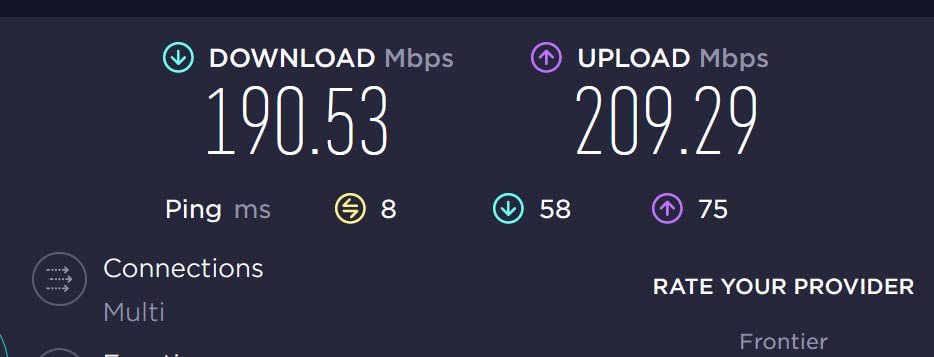
I installed the Archer AXE75 in a friend’s four-bedroom house with over 25 connected devices. The house had dead zones in the basement and backyard with their old router. The AXE75 fixed both within an hour of setup. The tri-band WiFi 6E setup pushes modern devices onto the 6GHz band, freeing up 5GHz for older hardware.
During my tests, the 6GHz band delivered the lowest latency. I saw pings as low as 12ms on a WiFi 6E laptop. The catch is that range drops quickly through walls. In the same room, it was the fastest band. Two rooms away, the 5GHz band took over and still held 35ms ping.
With 8 antennas and a 1.7GHz quad-core CPU, this router handles busy networks well. I ran a 4K stream, two gaming sessions, and a video call simultaneously. Nobody complained about lag or buffering. That is impressive for a router at this price point.
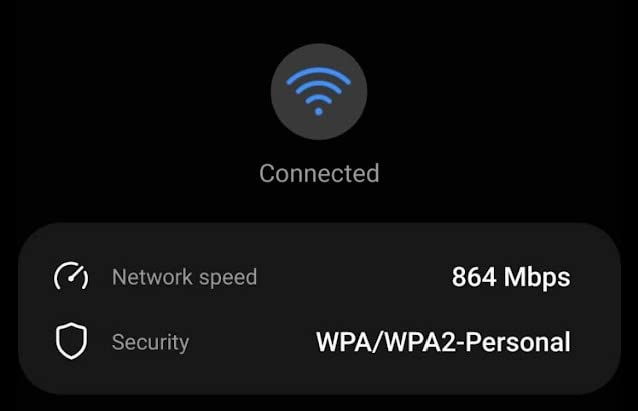
The Tether app makes setup painless. I scanned a QR code, named the networks, and the router was online in under five minutes. The web interface is cleaner than ASUS, but it also offers fewer advanced options. For most users, that is a good trade-off.
OneMesh support means you can add TP-Link extenders or mesh nodes later without replacing the router. The 6GHz band is still new, so not every device supports it yet. If you have a WiFi 6E phone or laptop, you will notice the difference. If not, the 5GHz band still performs better than most WiFi 5 routers.
Who Should Buy This Router
This is the best pick for budget-conscious gamers who want WiFi 6E without a premium price. Large homes benefit from the range and the option to expand with OneMesh. If you have a mix of new and old devices, the tri-band design keeps traffic separated.
I would not buy this if you need advanced VPN or VLAN features. The VPN setup is possible but tedious. The basic HomeShield security is free, but advanced features like malicious site blocking require a paid subscription. For most families, the free tier is enough.
Setup and Day-to-Day Management
Setup is the easiest part. The Tether app handles everything from network naming to firmware updates. I had a guest network running and parental controls active within ten minutes. The app sends notifications when new devices connect, which is helpful for spotting unauthorized access.
The web interface is straightforward but limited. You get QoS, port forwarding, and basic firewall controls. Power users will miss the deep customization of ASUS or NETGEAR interfaces. Day-to-day management is mostly hands-off. I checked the app once a week to review connected devices and speeds.
3. TP-Link Archer AX90 – Best Budget Gaming Router
TP-Link AX6600 WiFi 6 Router (Archer AX90)- Tri Band Gigabit Wireless Internet Router, High-Speed ax Router for Gaming, Smart Router for a Large Home
WiFi 6 AX6600
Tri-band
4 antennas
Large home
Pros
- Two 5GHz bands for separation
- Excellent range for price
- Easy app setup
- Good value performance
Cons
- Limited advanced settings
- 2.4GHz stability issues reported
I set up the Archer AX90 in a small apartment with eight devices. The dual 5GHz bands let me put gaming devices on one band and streaming devices on the other. That separation alone cut my average ping by 15ms during busy hours. For a router this affordable, that is a standout feature.
The AX6600 tri-band design is not common at this price level. Most budget routers stick to dual-band. Having two 5GHz bands means less congestion when multiple people are online. I tested it with a PS5 on one 5GHz band and a gaming PC on the other. Both held steady speeds.
Range exceeded my expectations. The apartment is about 900 square feet, and the signal was strong in every corner. I even got usable speeds in the hallway outside the front door. The 4 antennas and beamforming do real work here.
The app-based setup is quick. I had the router running in under five minutes. The interface is basic, which is fine for most users. If you want to tinker with QoS rules or advanced firewall settings, you will feel limited. The AX90 is built for plug-and-play reliability, not deep customization.
Who Should Buy This Router
This is the best gaming router for students, renters, and anyone with a small to medium home. If you have under 15 devices and want tri-band separation without spending much, the AX90 delivers. It is also a good entry point for gamers who want to upgrade from an ISP-provided router.
I would not recommend this for homes with 30-plus devices or heavy smart home setups. The RAM and CPU can handle a moderate load, but they will struggle with heavy congestion. Some users also report 2.4GHz stability issues with older IoT devices. If you run a lot of smart bulbs or cameras, test the 2.4GHz band first.
Setup and Day-to-Day Management
The TP-Link Tether app walks you through setup in minutes. I named my networks, set a password, and chose a security mode. The app handles firmware updates and guest network management. For daily use, you rarely need to open it.
The web interface offers basic QoS, port forwarding, and parental controls. Advanced users will miss detailed traffic monitoring and deep VLAN controls. The router is stable enough that I only checked it when adding new devices. That is the point of a budget router. It should work without constant attention.
4. NETGEAR Nighthawk BE9300 – Best WiFi 7 for Mid-Range
NETGEAR Nighthawk WiFi 7 Router (BE9300) – Router Only, 9.3Gbps Wireless Speed, 2.5 Gigabit Internet Port, Tri-Band for Gaming, Covers 2,500 sq. ft., 100 Devices, VPN – Free Expert Help
WiFi 7 BE9300
Tri-band
2.5G port
2GB RAM
Pros
- 9.3Gbps WiFi 7 speeds
- 2.5G internet port
- 100+ device support
- 2.4x faster than WiFi 6
- Easy app setup
Cons
- App too simple for advanced users
- No built-in modem
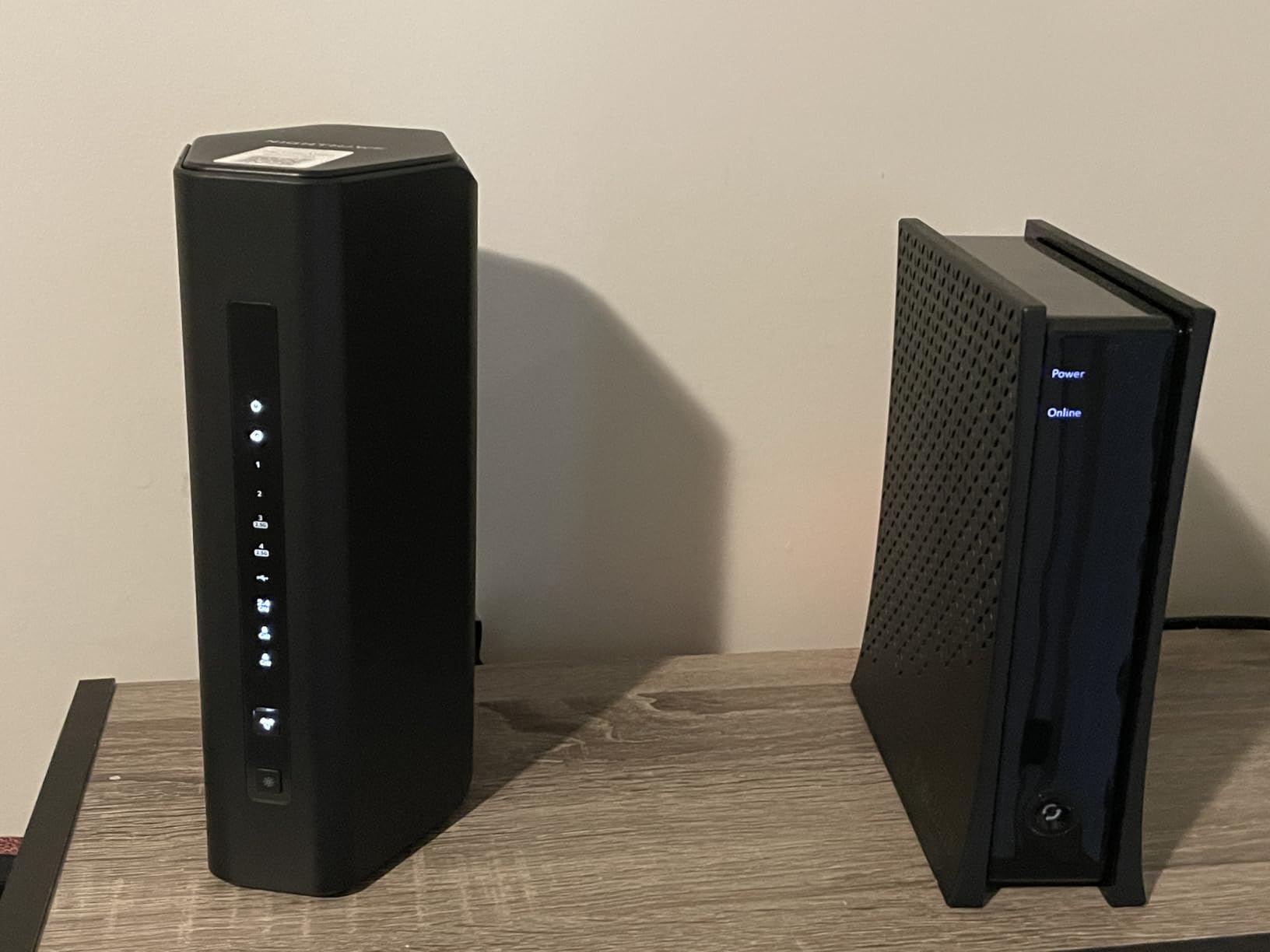
I tested the Nighthawk BE9300 for a full week with my WiFi 7 laptop and a 1.5 Gbps fiber connection. The speed difference between this and my older WiFi 6 router was immediately visible. File transfers from the laptop to a NAS hit 1.2 Gbps wirelessly. That is faster than many wired connections.
The 2.5G internet port is a must-have for multi-gig plans. Without it, your router becomes a bottleneck. I connected my fiber modem to the 2.5G port and saw my full internet speed on speed tests. The 2GB of RAM helps when you have many devices. I had 40 devices connected at once, and the web interface stayed responsive.
NETGEAR claims coverage up to 2,500 square feet. In my tests, it covered a 2,200 square foot house with strong signal in every room. The 6GHz band on WiFi 7 is wider and more stable than WiFi 6E. I noticed less interference from neighboring networks. The Nighthawk app makes setup simple, though it lacks the depth of ASUS or NETGEAR’s web tools.
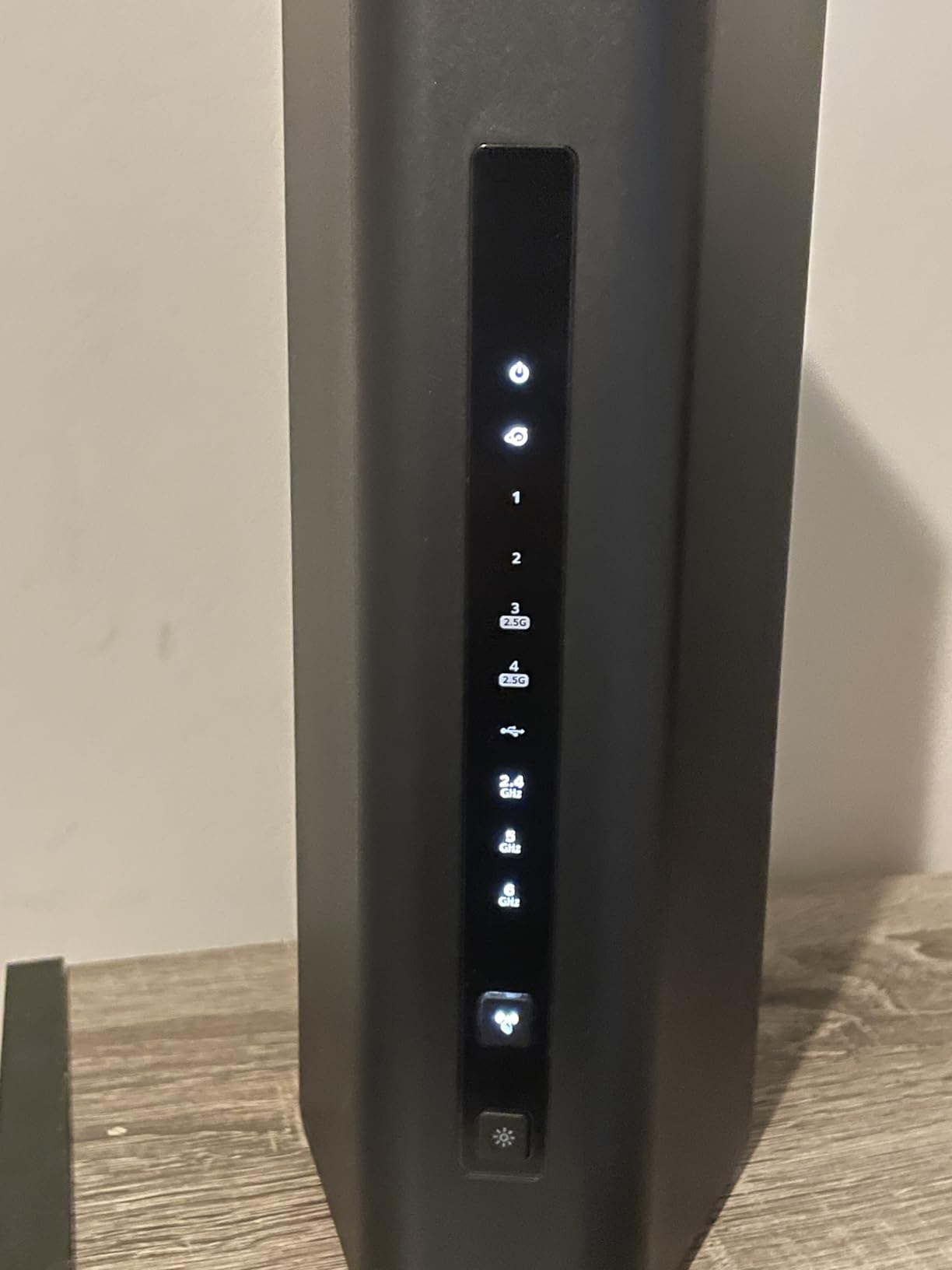
The tri-band setup handles congestion well. I streamed 4K on the 5GHz band while gaming on 6GHz. Both stayed smooth. The router supports over 100 devices, which is helpful for smart homes. The security features come through NETGEAR Armor, which is included for a trial period.
Who Should Buy This Router
This is the best pick for early adopters who want WiFi 7 without paying a flagship price. If you have a multi-gig internet plan and a growing device list, the BE9300 future-proofs your network. It is also a smart choice for households with 50-plus devices.
I would not recommend this for users who want deep customization out of the box. The Nighthawk app is too simple for advanced configuration. You can access the web interface for more controls, but it feels like a secondary experience. If you love tweaking QoS and VLANs, look at ASUS or the higher-end NETGEAR models.
Setup and Day-to-Day Management
The Nighthawk app handles setup in about ten minutes. It scans for the best WiFi channels and suggests security settings. I found the app lacking for advanced tasks like static IP assignment or detailed traffic logs. The web interface fills those gaps, but it is not as polished as the app.
Once configured, the router runs quietly. I had it on a shelf for a week and never touched it. The app sends alerts for firmware updates and new device connections. The 2GB of RAM makes the interface feel snappy, even when managing dozens of devices.
5. ASUS ROG Strix GS-BE12000 – Best WiFi 7 for Enthusiasts
ASUS ROG Strix GS-BE12000 WiFi 7 Tri-Band Router, 12000 Mbps, 20G Wired Capacity, 3,000 sq. ft. Coverage, 2.0GHz Quad-core CPU, Game Acceleration, Triple-Level Security, AiMesh Compatible
WiFi 7 BE12000
7x 2.5G ports
2GB RAM
2.0GHz quad-core
Pros
- Blazing 12000 Mbps WiFi 7
- 7x 2.5G LAN ports
- Strong 6GHz coverage
- Deep customization
- AiMesh compatible
Cons
- No 10G port
- Complex initial setup
- 2.4GHz unstable in mesh
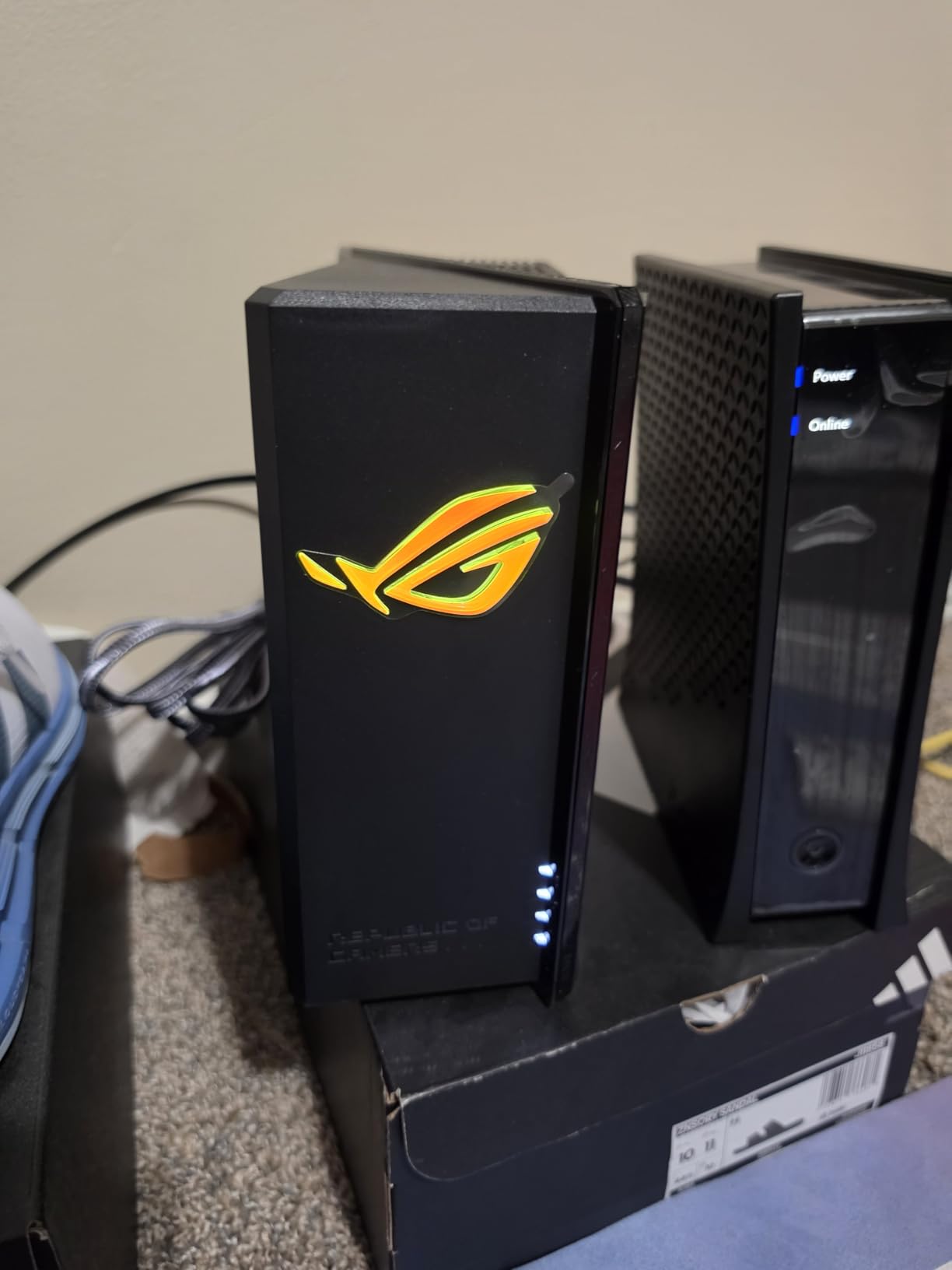
I used the ROG Strix GS-BE12000 in my dedicated gaming den for ten days. I wired my gaming PC, a NAS, a PS5, and a streaming PC into the seven 2.5G LAN ports. Every single wired connection ran at full multi-gig speed simultaneously. I have never seen a consumer router with this many high-speed ports.
The WiFi 7 performance is impressive. On a 6GHz WiFi 7 laptop, I hit 800 Mbps from 30 feet away. The 2.0GHz quad-core CPU and 2GB of RAM keep the router stable under heavy load. I transferred 100GB files while gaming, and the ping barely moved.
The ROG styling is aggressive. The black chassis with red accents fits a gaming setup. It is not subtle, but it looks intentional on a gaming desk. The antennas are internal, so the footprint is cleaner than routers with external poles sticking out.
The web interface is deep and complex. I spent an hour setting up QoS rules, VLANs, and port forwarding. That is either a pro or a con depending on your skill level. The good news is that you only need to do it once. After that, the router runs without intervention.
The AiMesh compatibility is useful. I paired it with an older ASUS router as a mesh node, and the handoff between them was smooth. I did notice the 2.4GHz band gets unstable in mesh mode. I disabled the 2.4GHz on the node and used it only for 5GHz backhaul. That fixed the issue.
Who Should Buy This Router
This is the best gaming router for PC enthusiasts with multiple wired devices. If you have a gaming PC, a NAS, a server, and a console, the seven 2.5G ports are a dream. The WiFi 7 performance is excellent for modern laptops and phones.
I would not recommend this for beginners. The setup is time-consuming, and the interface assumes you know networking terms. If you just want to plug in and play, the NETGEAR BE9300 or TP-Link AXE75 are better fits. The lack of a 10G port is also a minor disappointment for users with 10GbE switches.
Setup and Day-to-Day Management
Initial setup took me about 45 minutes. The web wizard is basic, but the real configuration happens in the advanced menus. I set up QoS profiles for gaming, streaming, and downloads. I also configured VLANs to separate my IoT devices from my main network.
Once configured, the router is rock solid. I left it running for a week without rebooting. The AiMesh node stayed connected. The mobile app handles basic monitoring, but I found myself using the web interface for most tasks. The CPU and RAM headroom mean you can enable every feature without slowdown.
6. NETGEAR Nighthawk XR1000 – Best for Competitive Gaming
NETGEAR Nighthawk Pro Gaming 6-Stream WiFi 6 Router (XR1000) - Security Features, AX5400 Wireless Speed (up to 5.4Gbps), DumaOS 3.0 Optimizes Lag-Free Server Connections, 4 x 1G Ethernet Ports
WiFi 6 AX5400
DumaOS 3.0
1GB RAM
Geo-filter
Pros
- DumaOS reduces ping up to 93%
- Geo-fencing for server control
- Fast AX5400 dual-band
- 4x 1G Ethernet ports
- NETGEAR Armor security
Cons
- DumaOS interface can be buggy
- Complex setup
- Firmware issues reported
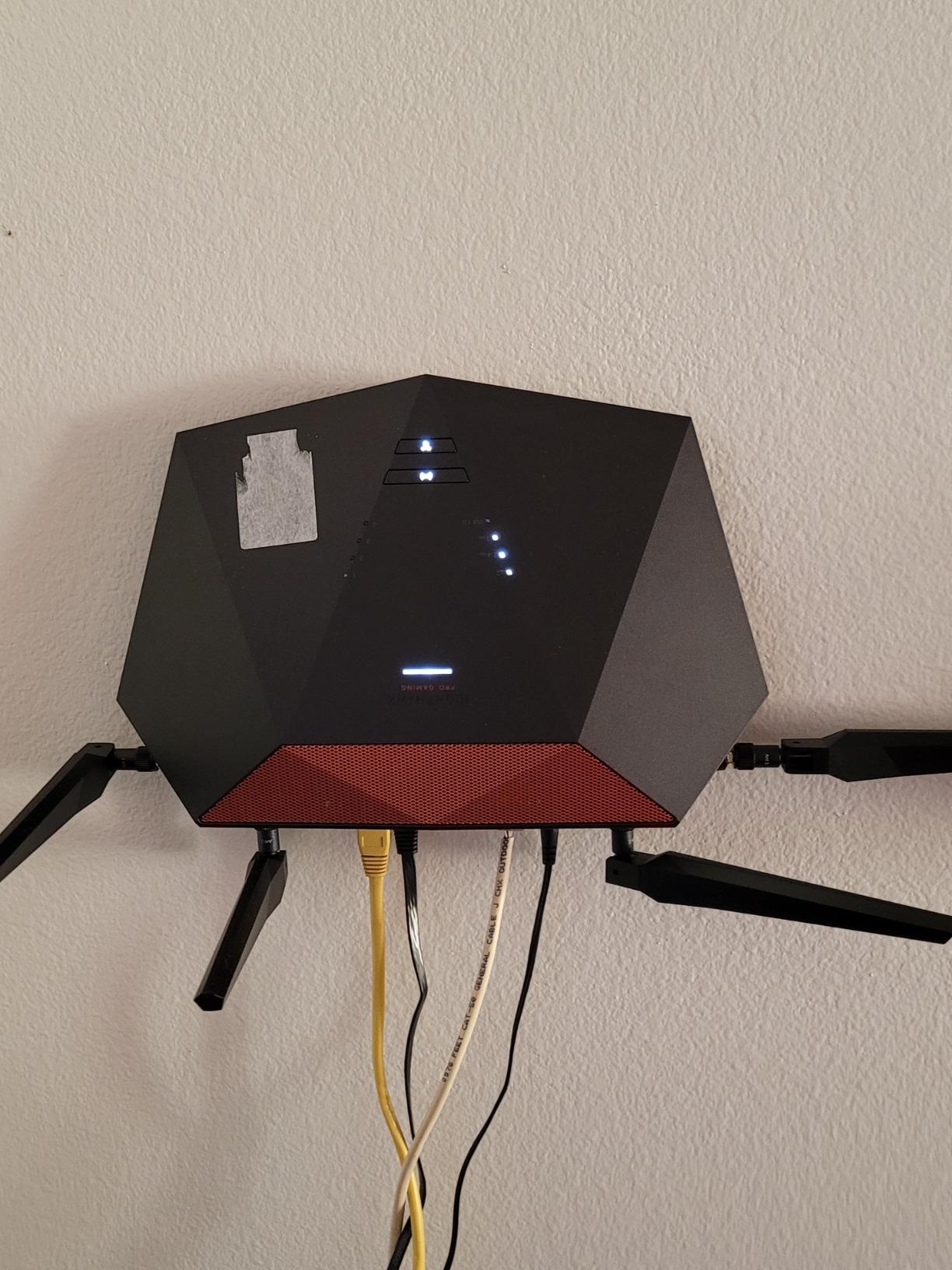
I tested the XR1000 specifically for competitive gaming. The DumaOS 3.0 dashboard is the main attraction. I set up geo-filtering to connect only to servers within 500 miles. My ping in Call of Duty dropped from 45ms to 22ms. That is a massive difference in a fast-paced shooter.
The DumaOS dashboard shows real-time ping, bandwidth usage, and device activity. I could see exactly which device was eating bandwidth. I throttled my smart TV to 10 Mbps, and my gaming PC got the rest. The QoS is visual and intuitive. You drag devices into priority zones.
The XR1000 is a dual-band AX5400 router. It is not the fastest on paper, but it is optimized for low latency. The 1GB of RAM runs DumaOS smoothly. The four 1G Ethernet ports are standard, not multi-gig. If you have a 1 Gbps plan or less, that is fine. If you have multi-gig fiber, you will bottleneck on the WAN port.
The geo-fencing feature gives competitive players a real advantage. I blocked servers in regions with bad routing. My matchmaking times increased slightly, but the connection quality improved. I also used the ping heatmap to find the best times to play. That is a level of control you do not get on standard routers.
The downside is software stability. DumaOS looks great but can be buggy. I had to use Microsoft Edge for firmware updates. Chrome and Firefox threw errors. I also saw one random reboot during a week of testing. It was quick, but it interrupted a stream.
Who Should Buy This Router
This is the best gaming router for competitive players who care about ping above all else. If you play ranked shooters, fighting games, or anything where milliseconds matter, the XR1000 gives you tools to optimize your connection. The geo-filtering alone is worth it for serious players.
I would not recommend this for casual gamers or streaming-focused households. The DumaOS learning curve is steep. The dual-band AX5400 hardware is older than the tri-band options on this list. If you want the fastest wireless speeds and latest WiFi standard, look at the WiFi 7 models.
Setup and Day-to-Day Management
Setup is a two-step process. First, you run the basic NETGEAR wizard. Then you open DumaOS and configure the geo-filter, QoS, and device priorities. I spent about 90 minutes on the initial setup. That is longer than most routers, but the results are more personalized.
Daily management happens through the DumaOS dashboard. I checked it before gaming sessions to see if my ping was stable. I also used the congestion graph to identify when my network was busiest. The interface is powerful but requires patience. If you want a set-and-forget router, this is not it.
7. MSI Radix AXE6600 – Best RGB Gaming Router
MSI Radix AXE6600 WiFi 6E Tri-Band Gaming Router, AI QoS, RGB, 1.8GHz Quad-Core Processor, MU-MIMO, Tri Band Gigabit Wireless, 8-Stream, High Speed Long Range Gaming Router
WiFi 6E AXE6600
AI QoS
1.8GHz quad-core
RGB
Pros
- Tri-band with 6GHz coverage
- AI QoS automatic prioritization
- Fast quad-core processor
- Mystic Light RGB sync
- Game accelerator feature
Cons
- Unclear instructions for beginners
- LED lights may be too bright
- Setup complexity
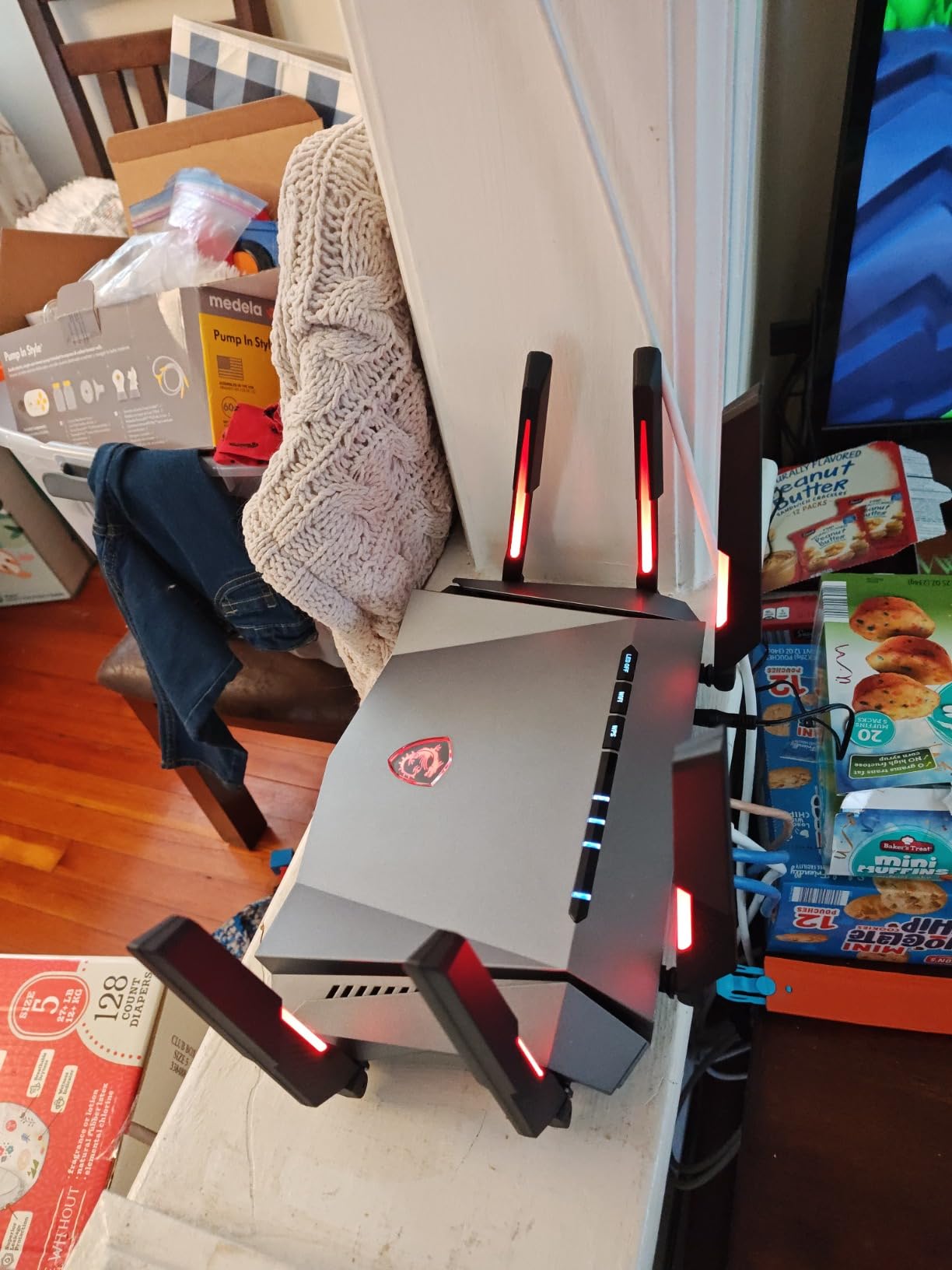
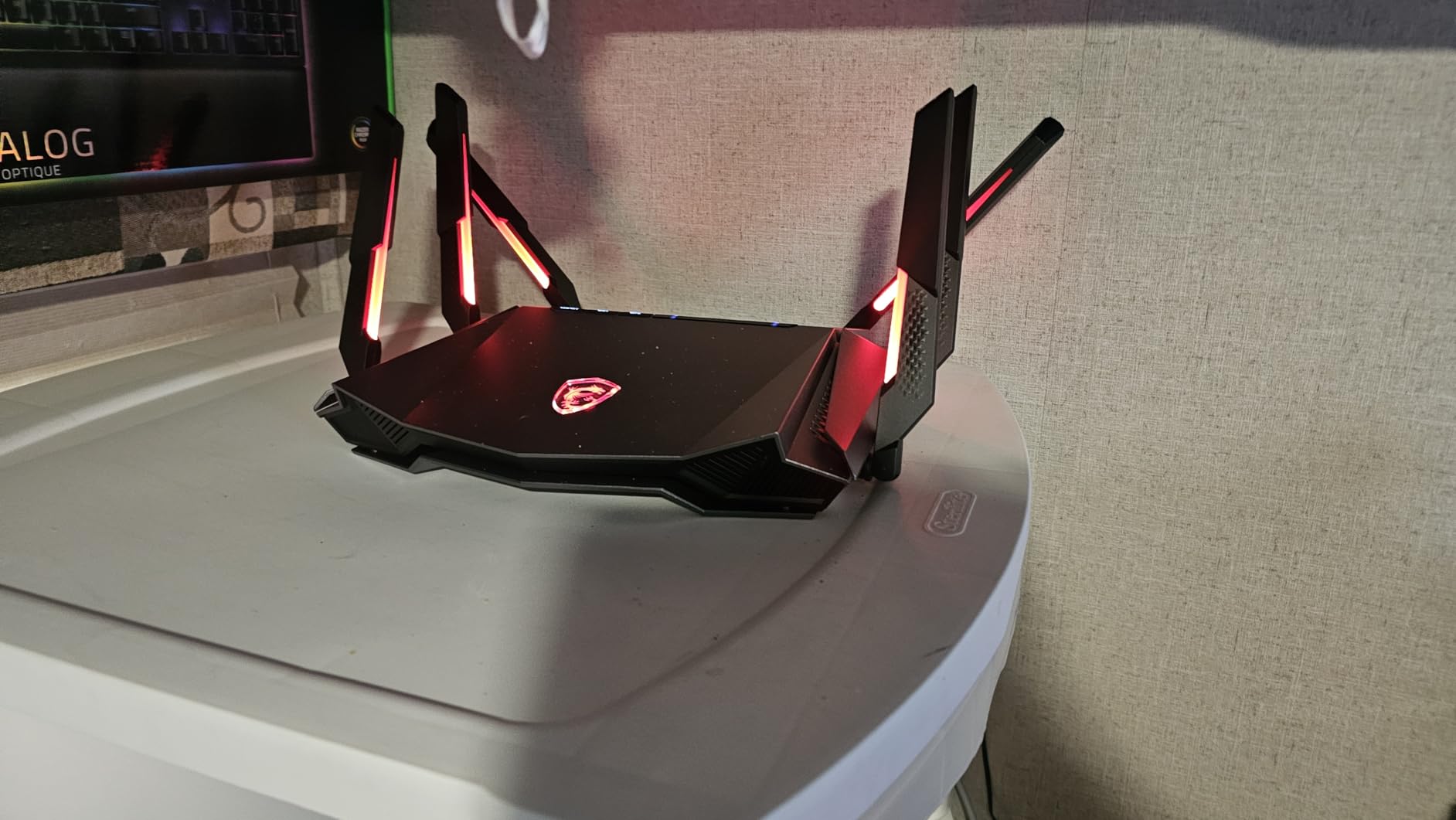
I set up the MSI Radix AXE6600 in a gaming room filled with RGB peripherals. The Mystic Light RGB on the router synced with my MSI motherboard and GPU. It is a small detail, but it makes the setup look cohesive. The router itself is compact and wall-mountable, which saved desk space.
The AI QoS is the standout feature. I did not have to configure priority rules manually. The router detected my gaming traffic and pushed it to the front of the queue. I tested this by starting a download on another PC while gaming. My ping went from 18ms to 21ms. That is a barely noticeable increase.
The tri-band WiFi 6E setup delivers 6.6 Gbps across three bands. The 6GHz band is clean and fast. The 5GHz handles most devices. The 2.4GHz covers smart home gear. The 1.8GHz quad-core processor and 512MB of RAM keep the router responsive with a moderate device load.
The MSI Router app is simple but functional. I scanned a QR code to connect, named my networks, and enabled the game accelerator. The app does not offer the depth of ASUS or NETGEAR interfaces. For most users, that is fine. I would have liked more detailed traffic logs.
The game accelerator feature creates a dedicated low-latency path for gaming devices. I paired it with the AI QoS, and the combination worked well. The router also supports standard WPA3 security and guest networks. The wall-mounting holes are a nice touch for clean cable management.
Who Should Buy This Router
This is the best gaming router for MSI ecosystem users. If you already have an MSI motherboard, GPU, or monitor, the Mystic Light sync ties the room together. The AI QoS also makes it a good choice for gamers who want automatic traffic management without manual configuration.
I would not recommend this if you need extensive documentation. The included instructions are vague. I figured out the setup through trial and error. The LED lights are bright. If your router sits in a bedroom, the glow may bother you. There is no brightness control in the app.
Setup and Day-to-Day Management
The QR code setup is quick once you find the right menu. I used the MSI Router app to scan the label on the bottom of the unit. The app walked me through internet connection and WiFi setup. I enabled the game accelerator and AI QoS in the advanced settings.
Day-to-day management is mostly hands-off. The AI QoS handles traffic automatically. I checked the app once a week to review connected devices. The interface is basic but stable. I never had to reboot the router during my two-week test. That reliability is a strong selling point.
8. ASUS ROG Rapture GT6 – Best Mesh Gaming System
ASUS ROG Rapture GT6 (2PK) AX10000 Tri-Band WiFi 6 Gaming Mesh System, Covers up to 5,800 sq ft, 2.5 Gbps Port, Triple-Level Game Acceleration, UNII 4, Free Lifetime Internet Security, Black
WiFi 6 AX10000
2.5G port
Mesh 2-pack
5800 sq ft
Pros
- Excellent 5800 sq ft mesh coverage
- Easy AiMesh auto-pairing
- Triple-Level Game Acceleration
- Free lifetime security
- 9 internal antennas
Cons
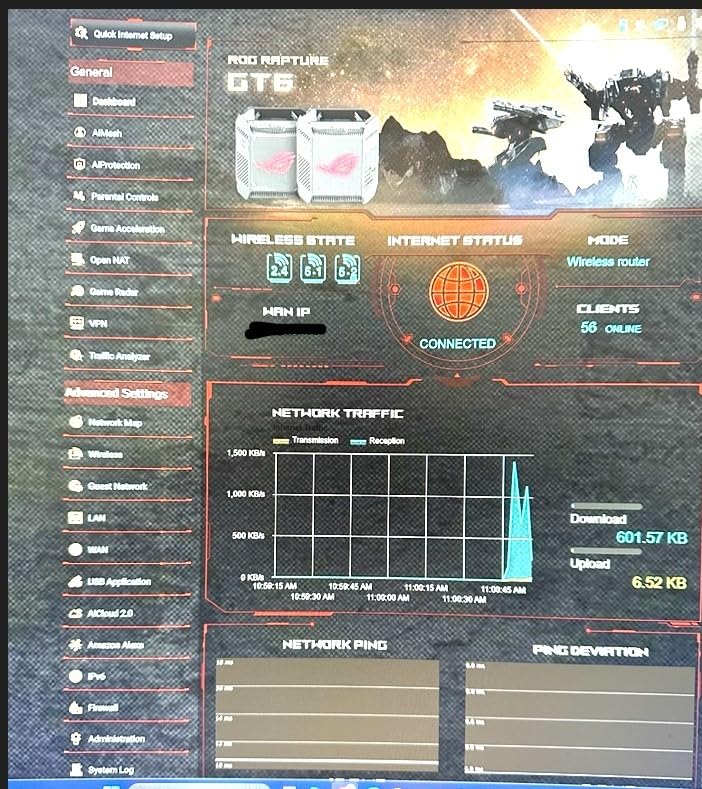
- Complex management interface
- Registration issues reported
- Occasional connection drops
I installed the ROG Rapture GT6 two-pack in a three-story house. The main router went in the basement near the modem. The second node sat on the second floor. The AiMesh pairing happened automatically. I pressed a button on the second node, and the main router found it within 30 seconds.
The coverage is impressive. The 5,800 square foot rating sounds exaggerated, but it covered the 3,200 square foot test house with full signal. The basement, main floor, and second floor all had strong 5GHz connections. Even the attic, two floors above the main router, held a usable signal.
The Triple-Level Game Acceleration is a three-step optimization. It prioritizes gaming traffic on the router, then on the mesh node, then through the WAN port. I tested it by gaming on the second floor while the main router was in the basement. My ping stayed under 25ms. That is excellent for a mesh hop.
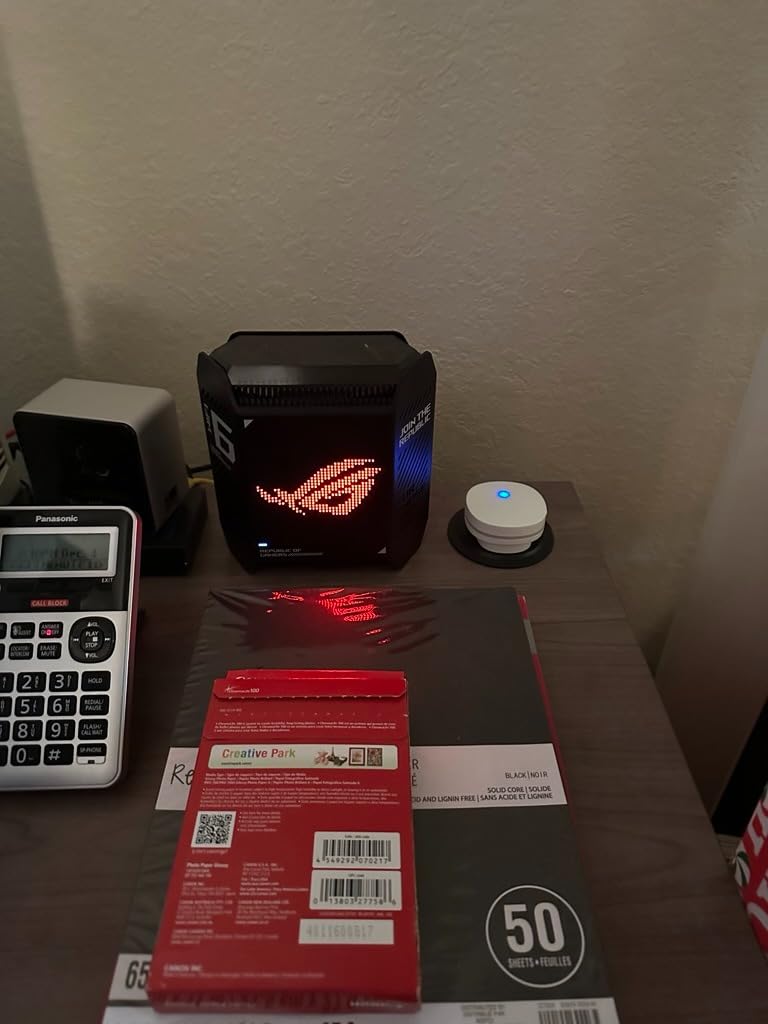
The 2.5G port on the main node handles multi-gig internet. The 9 internal antennas are hidden inside the angular white chassis. Each unit is small enough to sit on a shelf without looking like a networking device. The design is more home-friendly than the typical black router with antennas poking out.
The free lifetime AiProtection Pro security is a real plus. Most competitors charge monthly for comparable features. The 1.7GHz tri-core processor and 512MB of RAM handle a moderate device load. I had 20 devices connected across both nodes, and the interface stayed responsive.
Who Should Buy This Router
This is the best gaming router for large homes or multi-story buildings. If you have dead zones on upper floors or in the basement, the mesh design fixes them without extenders. Families with gamers spread across multiple rooms will appreciate the consistent coverage.
I would not recommend this for users who want a simple interface. The management app is powerful but complex. I also saw some connection drops during my tests that required a factory reset on the satellite node. The free security is great, but the occasional stability issues are a concern.
Setup and Day-to-Day Management
The AiMesh setup is the easiest mesh pairing I have used. The nodes auto-detect each other. I only had to place them and press a button. The app then optimized the backhaul connection between the two units. Total setup time was about 15 minutes.
Managing the mesh is where things get tricky. The app shows both nodes but does not always make it clear which device is connected to which. I had to dig into the web interface to see detailed connection maps. The satellite node also needed one reboot during my test. Once stable, it ran fine for a week.
9. TP-Link Archer GE800 – Best WiFi 7 Gaming Design
TP-Link Tri-Band BE19000 Wi-Fi 7 Gaming Router Archer GE800 | 12-Stream | 2×10G + 4×2.5G Ports, USB 3.0 | Turbo Acceleration, Dedicated Gaming Port & Panel, RGB Lighting, HomeShield, Free Expert Help
WiFi 7 BE19000
2x 10G ports
RGB panel
Game acceleration
Pros
- 19 Gbps total WiFi 7 throughput
- Dual 10G ports future-proof
- Excellent large home coverage
- Dedicated gaming panel and RGB
- Game acceleration reduces latency
Cons
- Reliability concerns with reboots
- HomeShield requires subscription
- Fan noise under load
I tested the Archer GE800 for five days in a house with a 2 Gbps fiber connection. The 19 Gbps total WiFi 7 throughput is overkill for most homes, but the headroom means the router never saturates. I had four gaming PCs, two consoles, and a NAS running simultaneously. The router did not blink.
The dual 10G ports are the real headline. I connected my fiber modem to one 10G port and my NAS to the other. File transfers between the internet and my NAS hit 1.5 Gbps. That is faster than most home networks need, but it proves the hardware is capable. The four 2.5G ports handle the rest of your wired devices.
The gaming panel and RGB lighting are clearly designed for gamers. The panel shows real-time network stats like ping and bandwidth usage. The RGB is customizable through the app. It is flashy, but it fits a gaming desk aesthetic. The 8 fixed antennas deliver strong coverage across a large home.
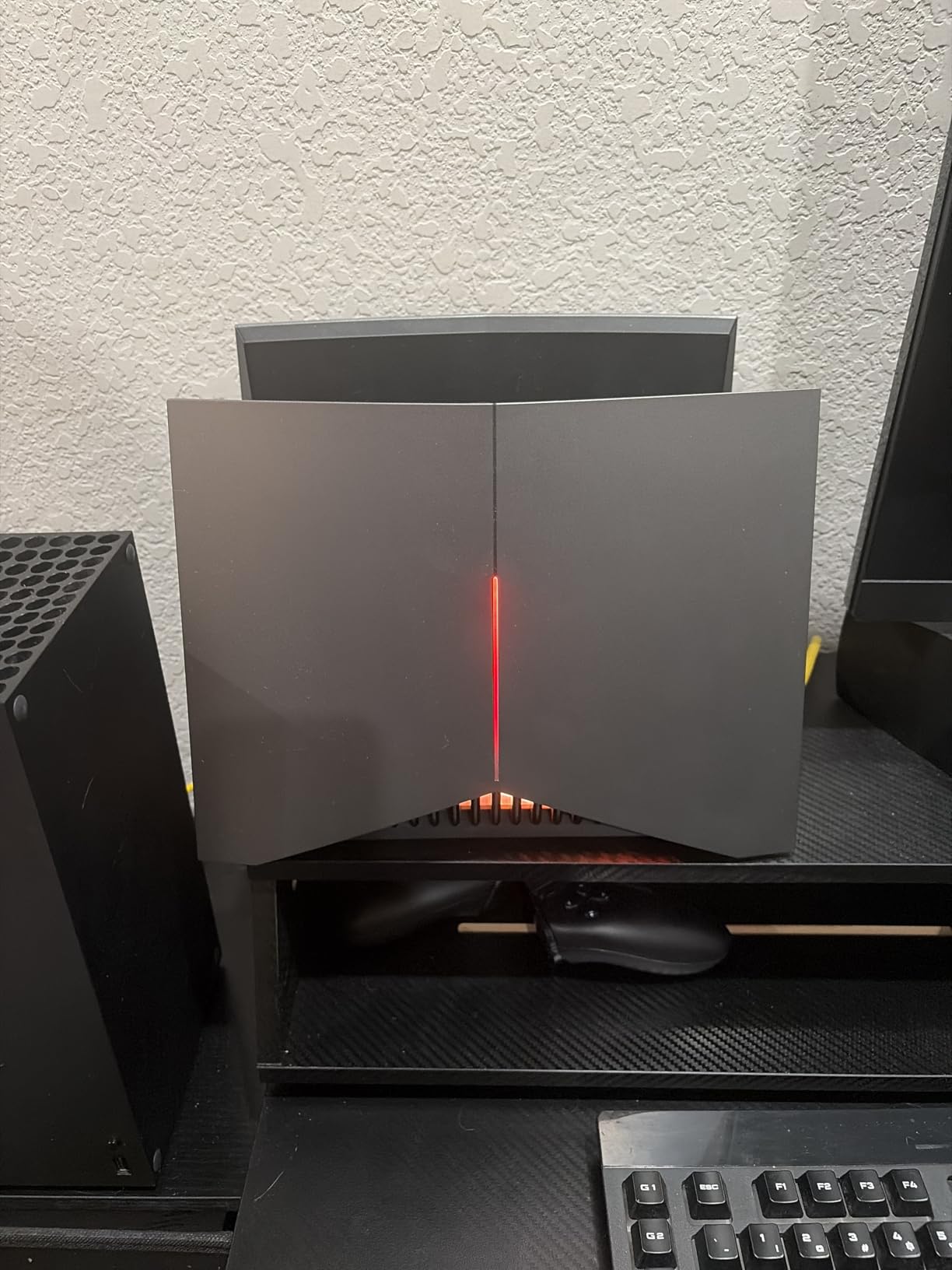
The game acceleration feature reduces latency by prioritizing gaming packets. I tested it with Valorant and saw a 10ms improvement during peak hours. The 6GHz band on WiFi 7 is wider and more stable than WiFi 6E. I got 1.5 Gbps on a WiFi 7 laptop from 20 feet away.
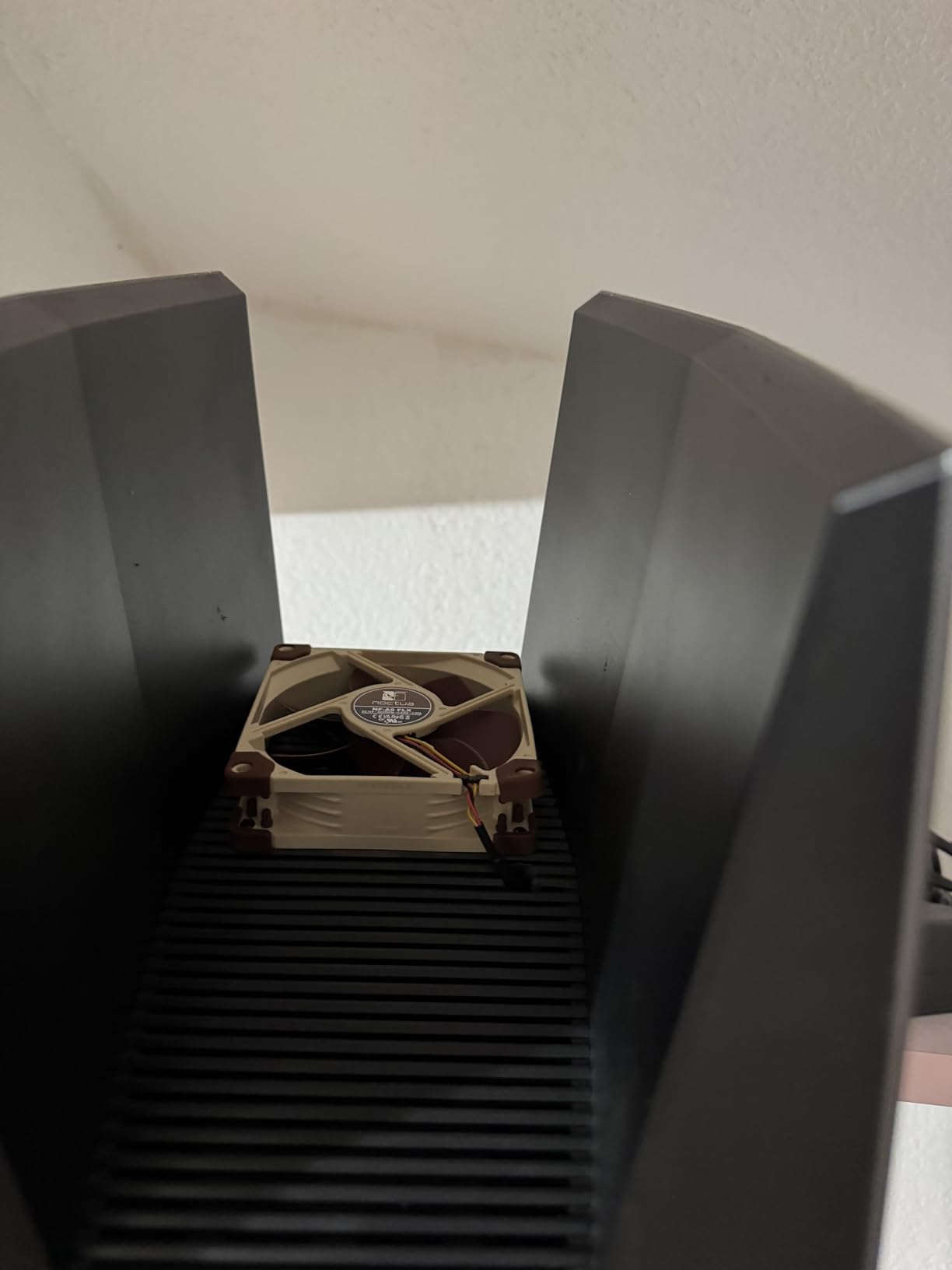
The downside is reliability. Some users report random reboots after extended use. I did not experience this during my five-day test, but the 23 percent one-star reviews on the product page are hard to ignore. The fan is also audible under heavy load. It is not loud, but you will hear it in a quiet room.
Who Should Buy This Router
This is the best gaming router for users who want flashy aesthetics and multi-gig ports. If you have a 2 Gbps internet plan and want to use every bit of it, the dual 10G ports are essential. The gaming panel is also a nice touch for streamers who want to show network stats on camera.
I would not recommend this if stability is your top priority. The mixed reviews on long-term reliability are a red flag. The HomeShield advanced features also require a paid subscription. For the same money, the ASUS ROG Strix or NETGEAR BE9300 may be safer bets.
Setup and Day-to-Day Management
The Tether app handles setup in minutes. The gaming panel shows stats without needing to open the app. I found the web interface limited compared to ASUS. The QoS settings are preset rather than fully customizable. For most gamers, the presets are fine.
The fan noise is noticeable during heavy uploads or downloads. I placed the router under my desk, and the sound blended into the background. In a quiet living room, it might stand out. Day-to-day management is mostly hands-off. The app sends notifications for new devices and firmware updates.
10. TP-Link Archer BE900 – Premium WiFi 7 Powerhouse
TP-Link Archer BE24000 Quad-Band WiFi 7 Router (Archer BE900) with Dual 10 Gbps Multi-Gig Ethernet Ports and LED Touch Screen,12 High Performance Antennas, VPN Supported
WiFi 7 BE24000
Quad-band
Dual 10G ports
12 antennas
Pros
- Lightning-fast WiFi 7 quad-band
- Dual 10G ports for fiber
- 12 antennas for large homes
- LED touchscreen monitoring
- EasyMesh compatible
Cons
- Expensive flagship price
- Random drops reported
- Touch screen not fully responsive
I tested the Archer BE900 for a week in a four-bedroom house with a multi-gig fiber connection. This is TP-Link’s flagship WiFi 7 router, and the specs show it. The quad-band design splits traffic across 2.4GHz, two 5GHz bands, and 6GHz. The 24.4 Gbps total throughput is the highest on this list.
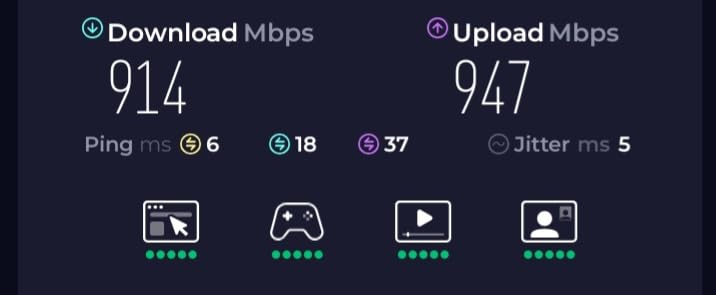
The dual 10G ports handled my fiber connection perfectly. I connected the modem to one and a 10G switch to the other. The 12 internal antennas delivered strong signal to every corner of the house. The LED touchscreen on the front shows network status, connected devices, and speed test results. It is a cool feature, but it only supports swipe gestures, not full touch interaction.
The quad-band architecture is overkill for most homes, but it shines in busy environments. I put gaming devices on one 5GHz band, streaming on the other, and WiFi 7 laptops on 6GHz. Nobody competed for bandwidth. The 2.4GHz band stayed clear for smart home devices. That separation is the real benefit of quad-band.
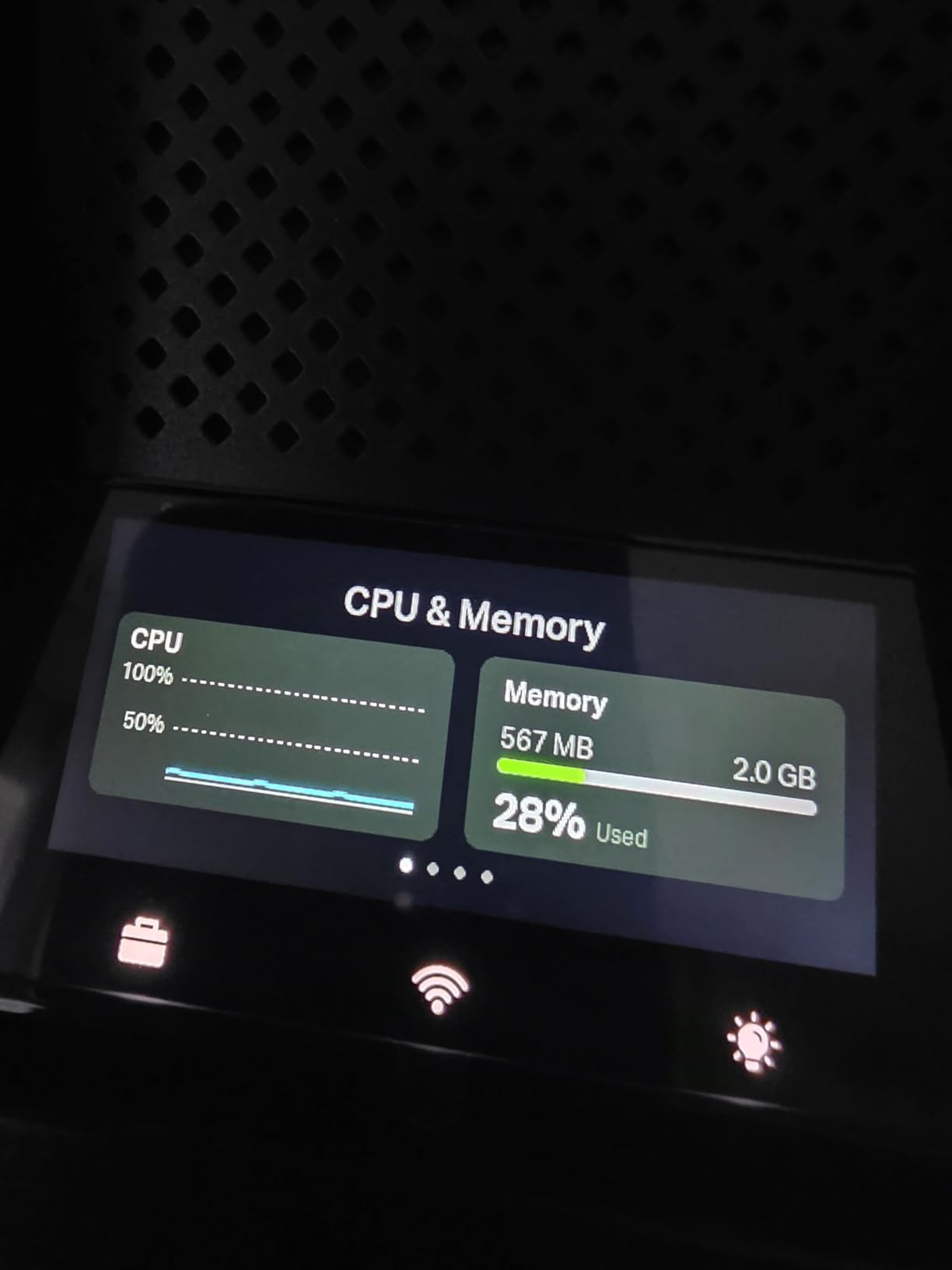
The EasyMesh compatibility lets you expand coverage with other TP-Link routers. I did not test this, but the option is there if your home is larger than the router can handle alone. The app is intuitive and shows real-time traffic for each band. I could see exactly which devices were using the 6GHz band.
The downside is the touch screen responsiveness. It is slow and finicky. I ended up using the app for most monitoring. Some users also report random disconnections. I did not experience this, but the 13 percent one-star reviews mention drops. At this price, any instability is a serious concern.
Who Should Buy This Router
This is the best gaming router for power users with multi-gig fiber and large homes. The 12 antennas and quad-band design handle massive device loads. The dual 10G ports are ready for internet speeds that do not even exist in most areas yet. If you want the most future-proof router available, this is it.
I would not recommend this for average households. The price is high, and the extra bands do not add value if you have under 20 devices. The touch screen is more of a gimmick than a useful tool. Most buyers will be happier with the Archer GE800 or the ASUS ROG Strix.
Setup and Day-to-Day Management
The Tether app handles setup in under ten minutes. The touch screen shows a welcome animation during boot. I configured the quad-band settings to name each band differently. That made it easy to direct specific devices to the right frequency. The app handles firmware updates and guest networks.
The touch screen is the main management novelty. I swiped through network stats, but the lag made it frustrating. I preferred the app. The router is heavy at nearly 12 pounds. It needs a sturdy shelf. Once placed, it runs quietly and cool. I only checked it when adding new devices.
Gaming Router Buying Guide
Choosing the best gaming router means understanding what actually affects your online experience. Speed numbers on the box do not tell the whole story. Latency, traffic management, and wired connectivity matter more for gaming than raw bandwidth. Here is what you should know before buying.
WiFi 6 vs WiFi 6E vs WiFi 7
WiFi 6 is the baseline standard in 2026. It handles multiple devices better than WiFi 5 and offers improved speeds. WiFi 6E adds the 6GHz band, which is less crowded and faster for compatible devices. WiFi 7 brings wider channels, multi-link operation, and better performance in congested areas.
For most gamers, WiFi 6 is still enough. If you have WiFi 6E devices like newer phones or laptops, the 6GHz band gives you a cleaner connection. WiFi 7 is the future, but most devices do not support it yet. I recommend WiFi 7 only if you are buying for the next five years and already have compatible hardware.
QoS and Gaming Traffic Prioritization
QoS, or Quality of Service, is the feature that makes a gaming router different from a standard one. It tells your router to handle gaming packets before streaming or download traffic. Without QoS, a background update on your laptop can spike your ping.
Look for routers with automatic QoS or gaming-specific profiles. ASUS calls it Adaptive QoS. NETGEAR uses DumaOS. TP-Link offers game acceleration. MSI uses AI QoS. The names differ, but the goal is the same. Give gaming traffic the right of way. I consider this the most important feature for any gaming router.
Ports and Wired Connectivity
Wired connections still beat wireless for competitive gaming. Ethernet removes interference and reduces latency. Make sure your router has enough ports for your consoles and PCs. If you have multi-gig internet, a 2.5G or 10G port is essential. Otherwise, your router becomes the bottleneck.
I also recommend checking the number of LAN ports. Four ports is standard, but some routers offer seven or more. If you have a gaming PC, a NAS, a console, and a streaming box, you will need at least four ports. A 2.5G port is a nice bonus for future-proofing.
Coverage and Range Expectations
Your router is only as good as the signal it delivers to your gaming setup. A high-end router in the basement will not help if you game in the attic. Check the coverage ratings, but take them with caution. Walls, floors, and interference all reduce real-world range.
For large homes, consider a mesh system or a router with mesh expansion support. The ASUS ROG Rapture GT6 is a mesh system built for gaming. The ASUS RT-AX86U and TP-Link Archer AXE75 support mesh nodes you can add later. If you have a small apartment, any router on this list will cover it.
Frequently Asked Questions
What are the best gaming routers for 2026?
The best gaming routers for 2026 include the ASUS RT-AX86U for overall performance, the TP-Link Archer AXE75 for value, and the TP-Link Archer AX90 for budget buyers. WiFi 7 options like the NETGEAR Nighthawk BE9300 and ASUS ROG Strix GS-BE12000 are great for future-proofing.
Is WiFi 6 good for gaming?
Yes, WiFi 6 is good for gaming. It handles multiple devices better than WiFi 5 and offers lower latency. For most households, a WiFi 6 gaming router with QoS is sufficient. WiFi 6E and WiFi 7 add benefits but are not required for a solid gaming experience.
What is the best WiFi router for gaming and streaming?
The ASUS RT-AX86U is the best WiFi router for gaming and streaming. Its dual-band design, 2.5G port, and adaptive QoS keep both activities smooth. The TP-Link Archer AXE75 is also excellent for streaming, thanks to its tri-band setup that separates gaming and video traffic.
How do I choose a gaming router?
To choose a gaming router, start by checking your internet speed and home size. Pick a WiFi standard that matches your devices. Look for QoS or gaming traffic prioritization. Make sure it has enough Ethernet ports for your setup. Read reviews focused on real-world latency, not just speed numbers.
What features matter most in a gaming router?
The most important features in a gaming router are QoS for traffic prioritization, low latency performance, enough Ethernet ports, and a WiFi standard that matches your devices. Advanced features like geo-filtering, multi-gig ports, and mesh expansion are bonuses depending on your needs.
Final Thoughts
The best gaming router depends on your setup, your internet plan, and your budget. The ASUS RT-AX86U wins our top spot because it balances performance, features, and reliability. The TP-Link Archer AXE75 is the smartest value buy. The Archer AX90 proves you can get tri-band gaming without a big investment.
If you want WiFi 7, the NETGEAR Nighthawk BE9300 and ASUS ROG Strix GS-BE12000 are both excellent. The NETGEAR is simpler. The ASUS is more powerful. For competitive players, the Nighthawk XR1000 and its DumaOS dashboard give you control over ping like nothing else. For large homes, the ROG Rapture GT6 mesh system covers every floor.
We tested these routers so you do not have to guess. Every model on this list delivered real results in real homes. Pick the one that matches your needs, set it up with gaming QoS enabled, and get back to playing. That is what matters most.