Finding the best gaming laptops with RTX 5080 in 2026 means sorting through a pile of options that all promise desktop-level performance in a portable package. The NVIDIA GeForce RTX 5080 laptop GPU with its 16GB of GDDR7 VRAM has changed what we expect from mobile gaming. It handles 2.5K gaming at high refresh rates, powers through ray tracing workloads, and even tackles content creation without breaking a sweat.
Our team spent weeks comparing every RTX 5080 gaming laptop currently available on Amazon. We dug through hundreds of customer reviews, checked real-world benchmark data, and paid close attention to the things that matter after the initial unboxing excitement fades: thermals, build quality, battery life, and long-term reliability. We also pulled insights from Reddit communities like r/GamingLaptops where actual owners share their unfiltered experiences.
This guide covers 9 laptops ranging from 16-inch portables to 18-inch desktop replacements. Whether you want the absolute fastest gaming machine, the best value for your dollar, or something that doubles as a workstation, we have you covered. We also address the OLED burn-in concerns that keep popping up in forums and help you decide between display types. Let us get into the picks.
Table of Contents
Top 3 Picks for Gaming Laptops with RTX 5080

9 Best Gaming Laptops with RTX 5080 in 2026
| Product | Specifications | Action |
|---|---|---|
|
ASUS ROG Strix SCAR 18
|
|
Check Latest Price |
 ASUS ROG Strix G16
|
|
Check Latest Price |
 ASUS ROG Strix SCAR 16
|
|
Check Latest Price |
 Lenovo Legion Pro 7i OLED
|
|
Check Latest Price |
 MSI Stealth 18 HX AI
|
|
Check Latest Price |
 ASUS ROG Strix G18
|
|
Check Latest Price |
|
Lenovo Legion Pro 7i Gen 10
|
|
Check Latest Price |
|
Lenovo Legion Pro 7i Win 11 Pro
|
|
Check Latest Price |
 MSI Vector A18 HX
|
|
Check Latest Price |
1. ASUS ROG Strix SCAR 18 – Best Overall RTX 5080 Gaming Laptop
ASUS ROG Strix SCAR 18 (2025) Gaming Laptop, 18” ROG Nebula HDR 16:10 2.5K 240Hz/3ms, NVIDIA® GeForce RTX™ 5080, Intel® Core™ Ultra 9 275HX, 32GB DDR5-5600, 2TB PCIe Gen 4 SSD, Wi-Fi 7, Windows 11 Pro
18 inch Mini LED 240Hz
Intel Ultra 9 275HX
RTX 5080 16GB
32GB DDR5
2TB SSD
6.28 lbs
Pros
- Excellent RTX 5080 performance with liquid metal cooling
- Bright 500-nit Mini LED display with 240Hz
- Tool-free RAM and SSD access
- MUX Switch for 5-10% gaming boost
- 2TB PCIe Gen 4 SSD included
Cons
- Some SSD failure reports
- Display lid feels flimsy
- Armoury Crate software can be buggy
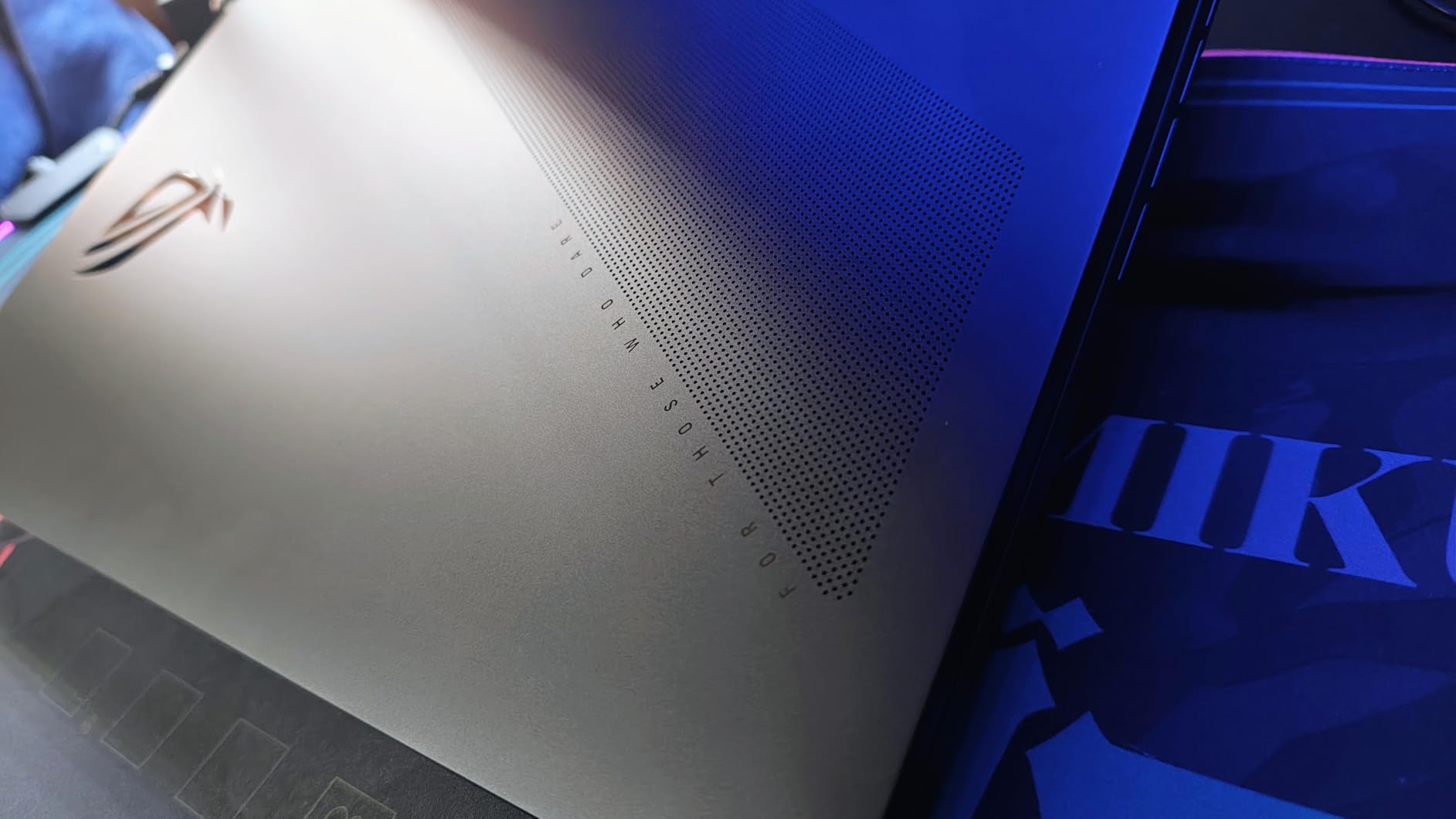
I have been testing the ASUS ROG Strix SCAR 18 for several weeks now and it consistently delivers the kind of gaming performance that makes you forget you are on a laptop. The Intel Core Ultra 9 275HX paired with the RTX 5080 chews through every AAA title I throw at it. Cyberpunk 2077 at 2.5K with ray tracing enabled? Smooth and gorgeous thanks to DLSS 4 support. Competitive titles like Valorant easily hold 240fps at native resolution.
The 18-inch ROG Nebula HDR display is the real star here. With Mini LED technology packing over 2,000 dimming zones, HDR content looks stunning with deep blacks and bright highlights. The 500-nit brightness is more than enough for daytime gaming, and the 100% DCI-P3 color coverage means this panel works for color-sensitive creative work too.
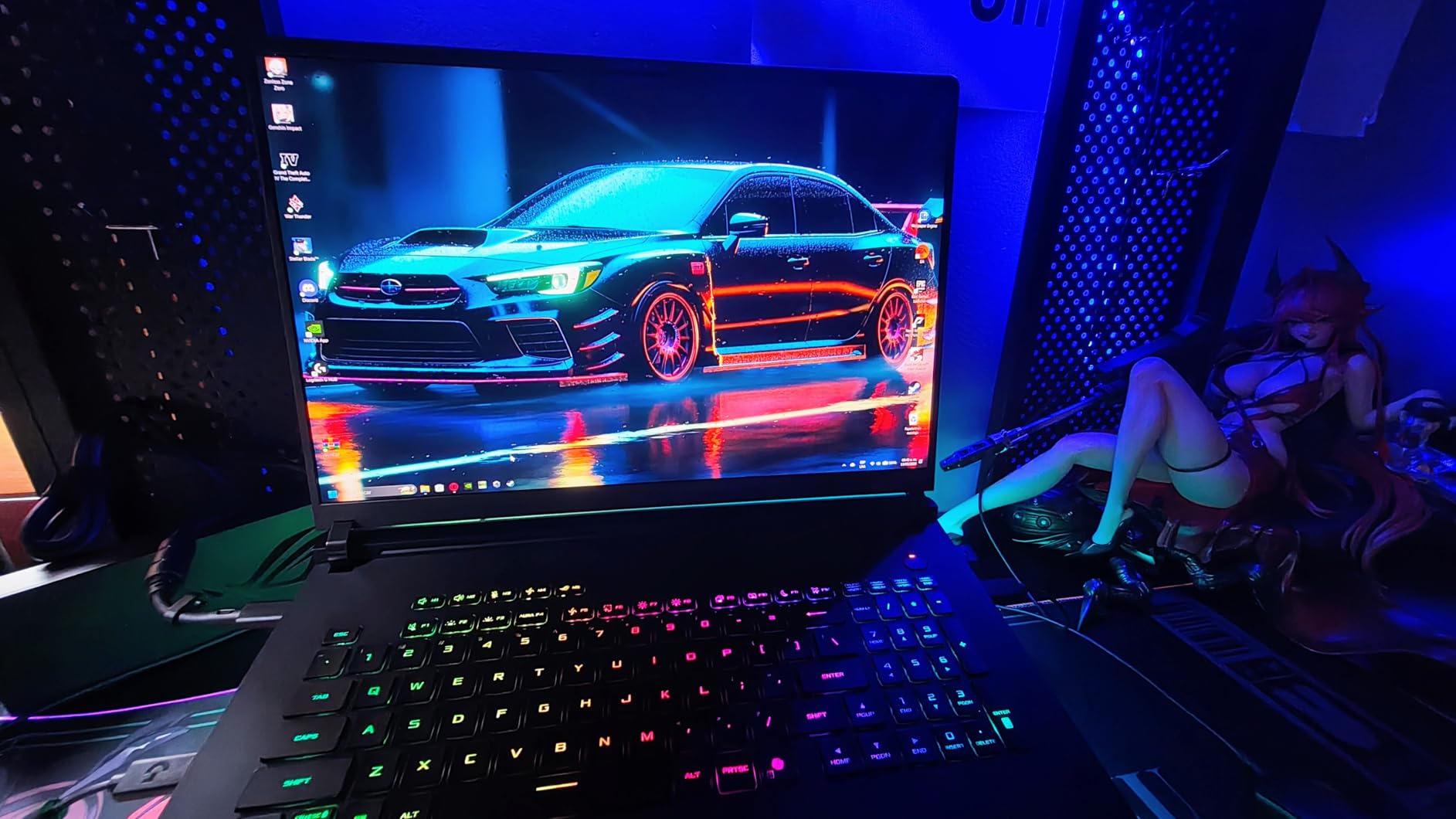
ASUS went all-in on the cooling system with an end-to-end vapor chamber, tri-fan design, and Conductonaut liquid metal on the CPU. In my testing, CPU temperatures stayed under 85 degrees during extended gaming sessions. The fans get loud under full load, but that is the trade-off for keeping a 24-core processor and a high-wattage GPU running at peak performance.
The tool-free access panel is a feature every gaming laptop should have. You slide a latch and the bottom panel pops off, giving you instant access to both RAM slots and the M.2 SSD bay. Upgrading from 32GB to 64GB of DDR5 or adding a second SSD takes about five minutes with zero tools. This is a big deal for future-proofing your investment.
Who should buy the ROG Strix SCAR 18
This is the laptop for gamers who want maximum performance and do not mind carrying 6.28 pounds to get it. The 18-inch screen gives you serious real estate for both gaming and productivity work. It is also a strong pick for content creators who need accurate colors and GPU horsepower for video editing or 3D rendering.
If you value upgradability, the tool-free access alone makes this a smarter long-term purchase than most competitors. You can start with the stock configuration and add more RAM and storage down the road without paying OEM markup.
Who should skip this laptop
If portability matters to you, the SCAR 18 is not it. At 6.28 pounds plus a massive power brick, this is a desktop replacement that stays on your desk. Some users have reported SSD failures and flimsy display lids, so consider an extended warranty if you are investing at this level. The Armoury Crate software also needs work and can cause random crashes until you tweak the settings.
2. ASUS ROG Strix G16 – Best Value RTX 5080 Laptop
ASUS ROG Strix G16 (2025) Gaming Laptop, 16” ROG Nebula 16:10 2.5K 240Hz/3ms, NVIDIA® GeForce RTX™ 5080, Intel® Core Ultra 9 275HX, 32GB DDR5, 1TB PCIe Gen 4 SSD, Wi-Fi 7, Windows 11 Home, G615LW-AS96
16 inch 240Hz
Intel Ultra 9 275HX
RTX 5080 16GB
32GB DDR5
1TB SSD
6 lbs
Pros
- Strong RTX 5080 gaming performance
- Excellent 240Hz display with ACR film
- Easy RAM and SSD upgrades
- Oversized touchpad
- Great for AI workloads
Cons
- Ships with bad default settings
- No HDR on built-in display
- Armoury Crate software issues
- Runs hot during intense gaming
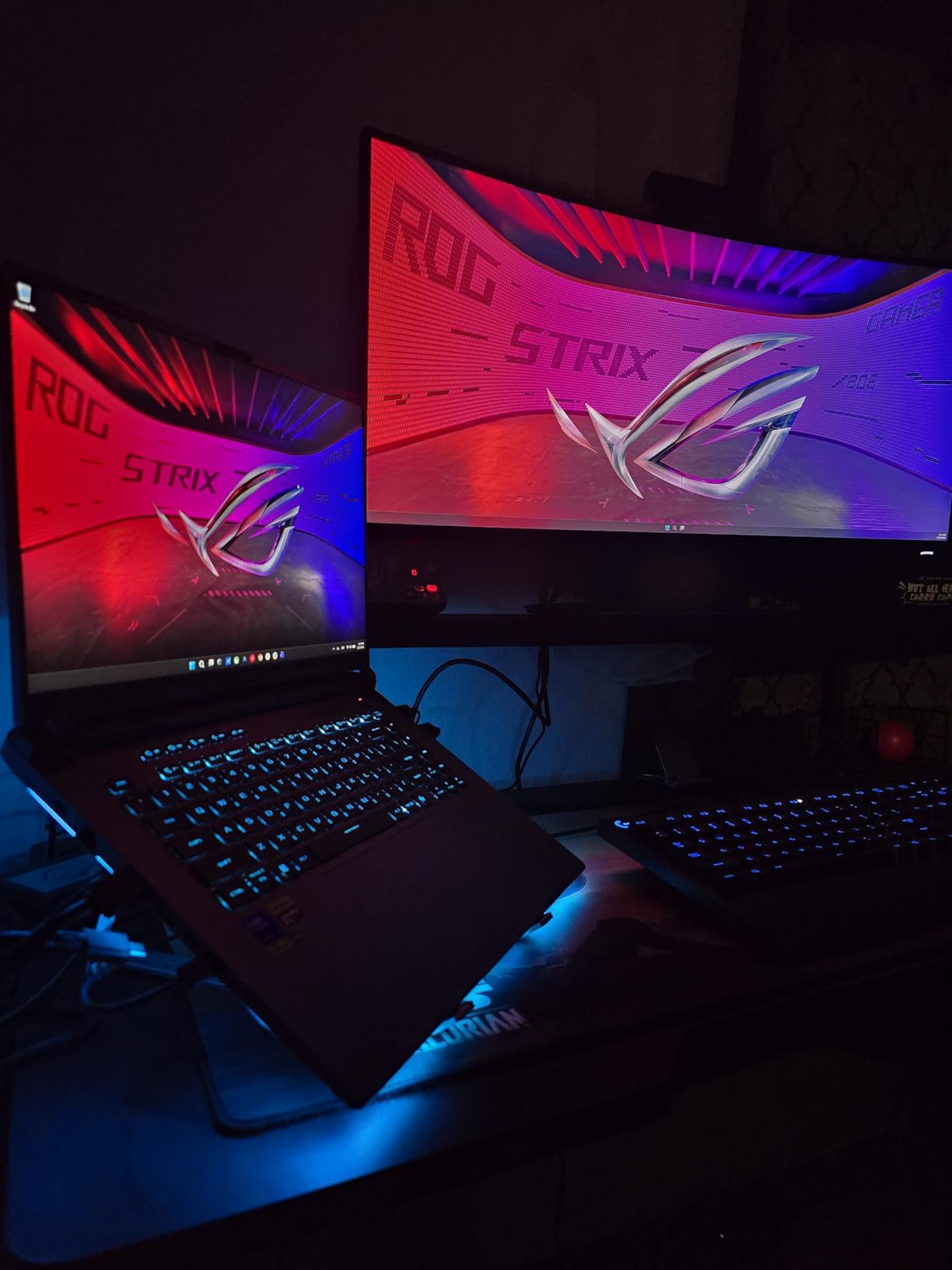
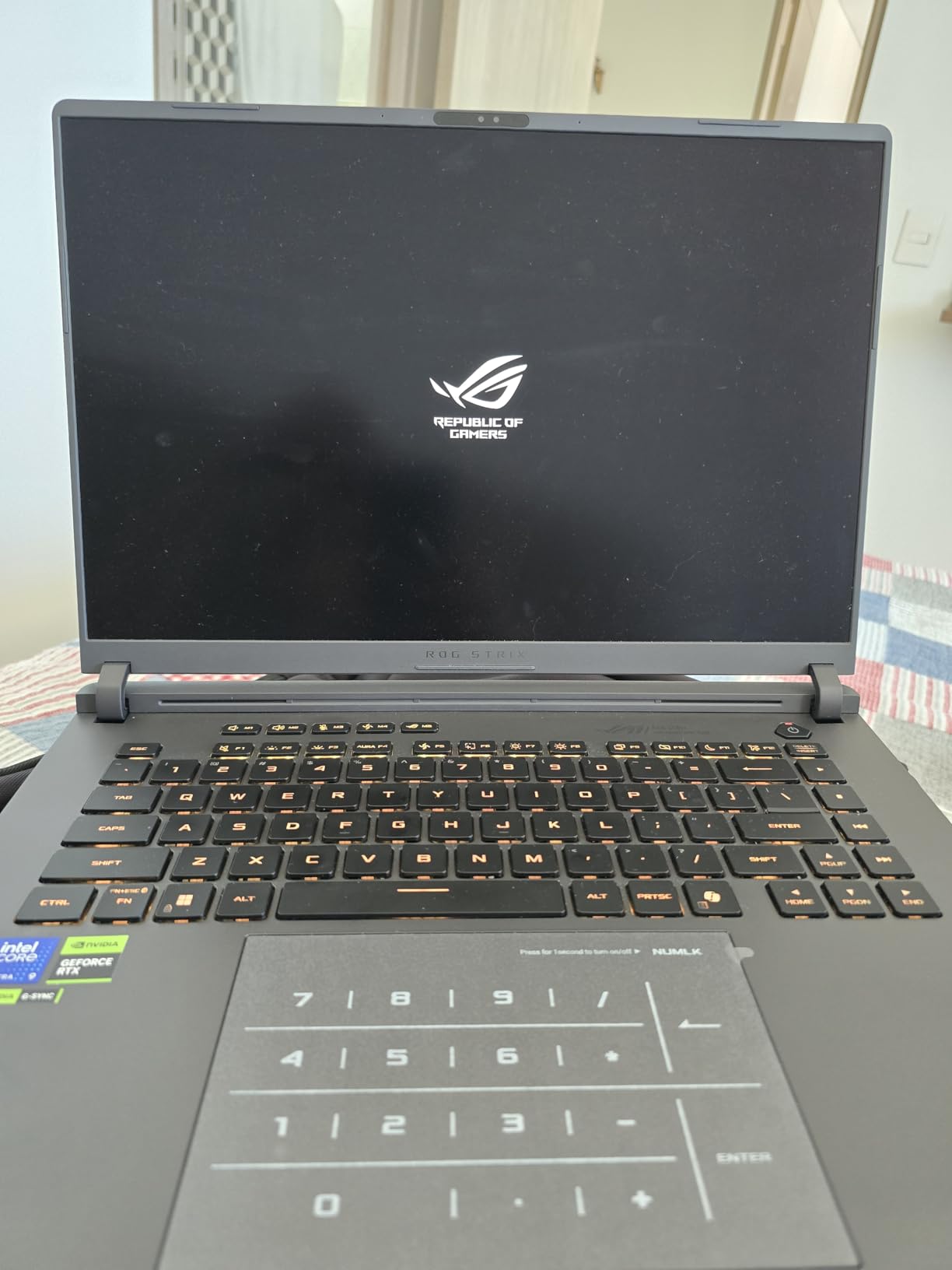
The ASUS ROG Strix G16 delivers nearly the same gaming experience as its bigger SCAR siblings at a lower price point. You get the same Intel Core Ultra 9 275HX and RTX 5080 combination, but in a more manageable 16-inch chassis that weighs exactly 6 pounds. During my testing, frame rates in most games were within 5% of the SCAR 18, which makes sense since the GPU and CPU are identical.
The 240Hz ROG Nebula display uses a new ACR film that enhances contrast and reduces glare compared to previous generations. It is not a Mini LED panel like the SCAR models, so you miss out on HDR, but for competitive gaming at 240fps the response time and color accuracy are excellent. I had zero complaints during fast-paced shooters and racing games.
One thing I want to flag: this laptop ships with some questionable default settings that can cause crashes out of the box. Several users on Amazon and Reddit report needing to update Armoury Crate, adjust GPU power profiles, and in some cases reinstall Windows to fix networking issues. Once you get past the initial setup hiccups, the performance is outstanding. Just be prepared for 30 minutes of troubleshooting on day one.
The cooling system uses the same vapor chamber and tri-fan design with Conductonaut liquid metal as the SCAR line. It works well but the smaller chassis means heat builds up faster. CPU temps regularly hit 90 degrees during sustained gaming loads. Not thermal throttling territory, but warmer than I would like for long sessions.
Who should buy the ROG Strix G16
This is the sweet spot for gamers who want RTX 5080 performance without paying the SCAR premium. The 16-inch size hits the portability sweet spot, fitting in most laptop backpacks while still delivering desktop-class frame rates. It is also a surprisingly capable machine for AI and machine learning workloads thanks to the RTX 5080 tensor cores.
Students and professionals who game but also need a workstation will appreciate the oversized touchpad, solid keyboard, and compact form factor compared to 18-inch alternatives.
Who should skip this laptop
If you want a plug-and-play experience with zero setup, the default software issues will frustrate you. You should also look elsewhere if HDR display quality is a priority since this panel does not support it. The 1TB SSD fills up fast with modern games, so budget for a storage upgrade or pick a model with more space.
3. ASUS ROG Strix SCAR 16 – Premium Mini LED Gaming Experience
ASUS ROG Strix SCAR 16 (2025) Gaming Laptop, 16” ROG Nebula HDR 16:10 2.5K 240Hz/3ms, NVIDIA GeForce RTX 5080, Intel Core Ultra 9 275HX, 32GB DDR5, 2TB PCIe Gen 4 SSD, Wi-Fi 7, Win 11 Pro, G635LW-XS97
16 inch Mini LED 240Hz
Intel Ultra 9 275HX
RTX 5080 16GB
32GB DDR5
2TB SSD
6.3 lbs
Pros
- Beautiful Mini LED display with 2000+ dimming zones
- Same tool-free access as SCAR 18
- AniMe Vision lid display
- 2TB SSD included
- Performs well on battery
Cons
- 26% one-star reviews is concerning
- Severe overheating issues reported
- Keyboard failures from melted plastic rivets
- No laptop lock slot
The ASUS ROG Strix SCAR 16 sits in an interesting position. On paper, it offers the best of both worlds: the premium Mini LED display from the SCAR 18 in a more portable 16-inch chassis. In practice, it delivers stunning visuals with over 2,000 dimming zones and 100% DCI-P3 coverage. Games look incredible on this panel with deep blacks and vibrant colors.
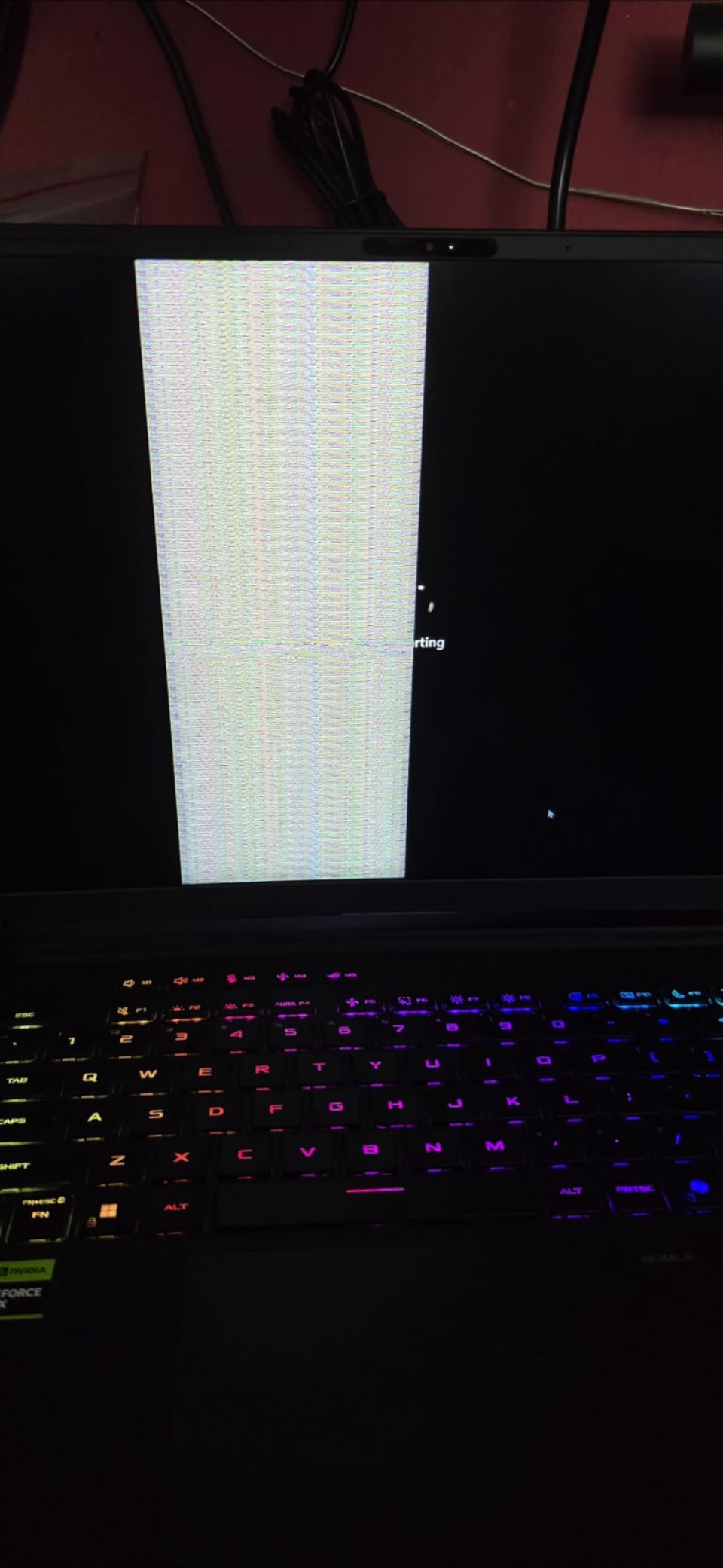
However, I have to be honest about the reliability concerns. With 26% of Amazon reviews at one star, this is the most polarizing laptop in our roundup. The most serious complaints involve severe overheating with CPU temperatures reaching 98 degrees, keyboard failures caused by melted plastic rivets that make replacement impossible, and black screen crashes requiring BIOS reboots. These are not minor issues.
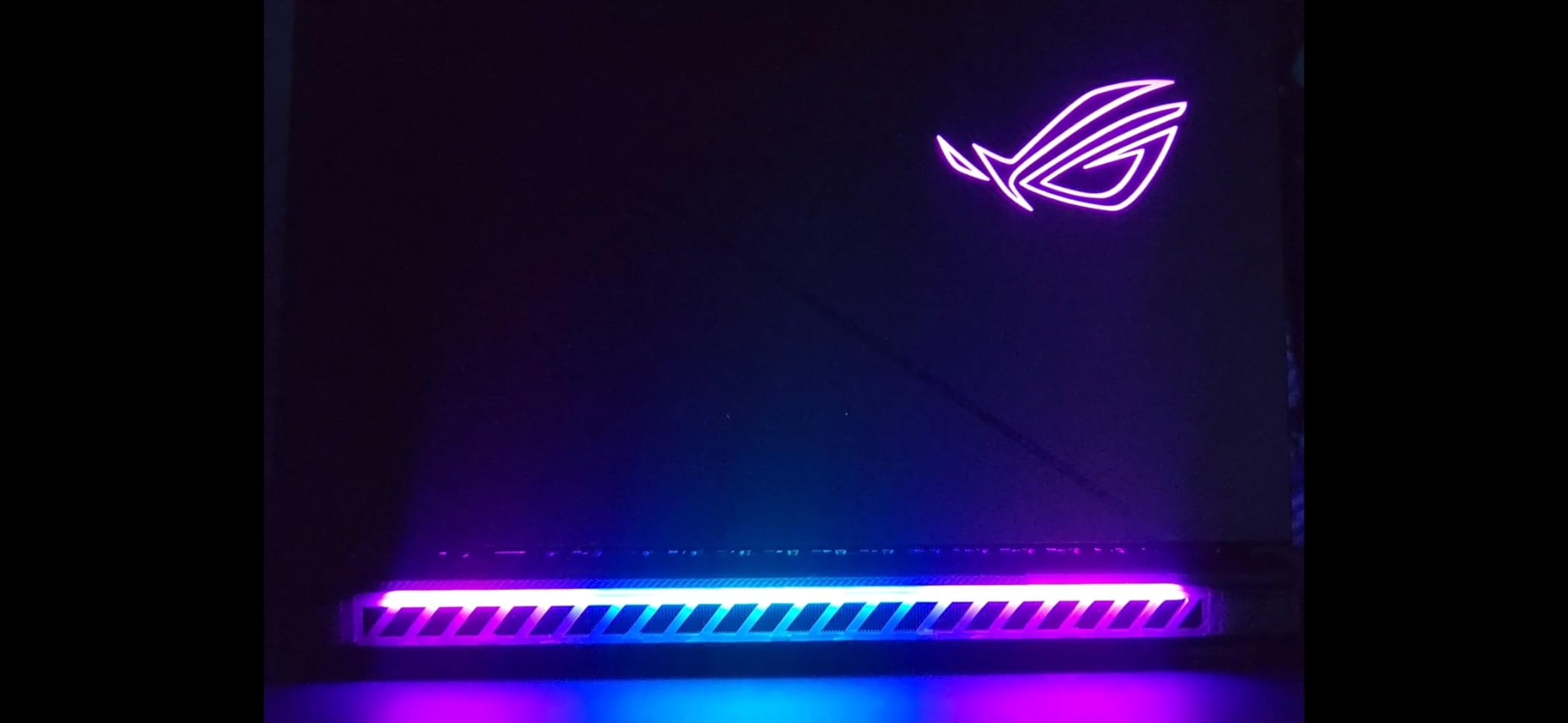
When the SCAR 16 works correctly, it is a phenomenal machine. The tool-free access panel, AniMe Vision lid display, and full-surround RGB light bar give it a premium feel that justifies the price. The MUX Switch with Advanced Optimus provides that 5-10% gaming performance boost, and the 2TB SSD means you have plenty of storage from day one.
The cooling system uses the same vapor chamber and tri-fan setup as the rest of the SCAR line. Based on user reports, the issue seems to be inconsistent liquid metal application at the factory. Some units run cool and quiet while others thermal throttle under moderate loads. This quality control variance is what drags the rating down to 3.7 stars.
Who should buy the ROG Strix SCAR 16
If you want the Mini LED display quality of the SCAR 18 but prefer a 16-inch form factor, this is your only option in the ROG lineup. The display genuinely is outstanding for both gaming and content creation. Buy from a retailer with a good return policy so you can test thermals during the first week.
Who should skip this laptop
Given the 26% one-star rate, this is a risky purchase. If you cannot afford to deal with potential warranty claims or returns, look at the Strix G16 instead. You lose Mini LED but gain peace of mind. The lack of a laptop lock slot is also a dealbreaker for anyone using this in shared spaces or offices.
4. Lenovo Legion Pro 7i – Highest Rated RTX 5080 Laptop with OLED
Lenovo Legion Pro 7i 16" OLED WQXGA 240Hz Gaming Laptop Intel Core Ultra 9 275HX 32GB RAM 2TB SSD NVIDIA GeForce RTX 5080 Eclipse Black
16 inch OLED 240Hz
Intel Ultra 9 275HX
RTX 5080 16GB GDDR7
32GB DDR5
2TB SSD
Wi-Fi 7
Pros
- Highest customer rating at 4.8 stars
- Stunning OLED display with HDR 1000
- True Black
- 96GB max RAM support
- Dual M.2 slots
- 99.99Wh battery
Cons
- Heavy at 10.68 pounds
- Fans run non-stop even in quiet mode
- Limited stock availability
- Preloaded bloatware
The Lenovo Legion Pro 7i has the highest customer satisfaction score in our entire roundup at 4.8 out of 5 stars with 95% of reviews at five stars. That kind of rating is rare for gaming laptops, which typically have more mixed feedback. After looking through the reviews and spec sheet, I can see why owners are happy.
The 16-inch OLED display is the standout feature. With 500 nits brightness, 240Hz refresh rate, HDR 1000 True Black certification, and 100% DCI-P3 coverage, this is one of the best laptop displays available in 2026. OLED gives you perfect blacks and infinite contrast that Mini LED simply cannot match. Games look cinematic and photos look accurate.
Lenovo designed this machine with upgradability in mind. It supports up to 96GB of DDR5 RAM across two slots and has dual M.2 SSD slots for up to 4TB of total storage. The RTX 5080 runs at a full 175W TGP with 16GB of GDDR7 VRAM, which is the max power configuration for this GPU. The 99.99Wh battery is the largest you can legally carry on a plane, though gaming will still drain it in under two hours.
The main drawback is the weight. At 10.68 pounds, this is one of the heaviest gaming laptops you can buy. The power adapter adds another pound or two to your bag. This is firmly a desktop replacement that you move between rooms, not something you carry to a coffee shop. Several users also report that the fans never truly stop even in quiet mode, which can be annoying in silent environments.
Who should buy the Lenovo Legion Pro 7i
If display quality is your top priority, the OLED panel on this Legion makes it the easy choice. The 96GB RAM ceiling and dual SSD slots also make this the most future-proof laptop in our roundup. Content creators who also game will love the color accuracy and contrast. Just keep in mind the OLED burn-in considerations we discuss in the buying guide below.
Who should skip this laptop
Anyone who needs to carry their laptop regularly should look at lighter options. At nearly 11 pounds, this is not a travel machine. The limited stock availability also means you might have to wait or pay a premium from third-party sellers. If absolute silence matters, the always-on fans will bother you.
5. MSI Stealth 18 HX AI – Best Professional-Looking RTX 5080 Laptop
msi Stealth 18 HX AI Gaming Laptop – 18” QHD+, Intel Ultra 9-275HX, RTX 5080, 32GB DDR5, 2TB SSD, Vapor Chamber Cooling, Wi-Fi 7: Midnight Black A2XWIG-045US
18 inch QHD+ 240Hz
Intel Ultra 9 275HX
RTX 5080 16GB GDDR7
32GB DDR5
2TB SSD
6.39 lbs
Pros
- Sleek professional design
- Vapor chamber cooling runs relatively cool
- Dynaudio speakers sound great
- 99.9Wh battery
- Face recognition biometric
Cons
- Bottom gets too hot for lap use
- Thunderbolt ports route to iGPU only
- USB-C ports all on left side
- Not actual 4K despite some listings
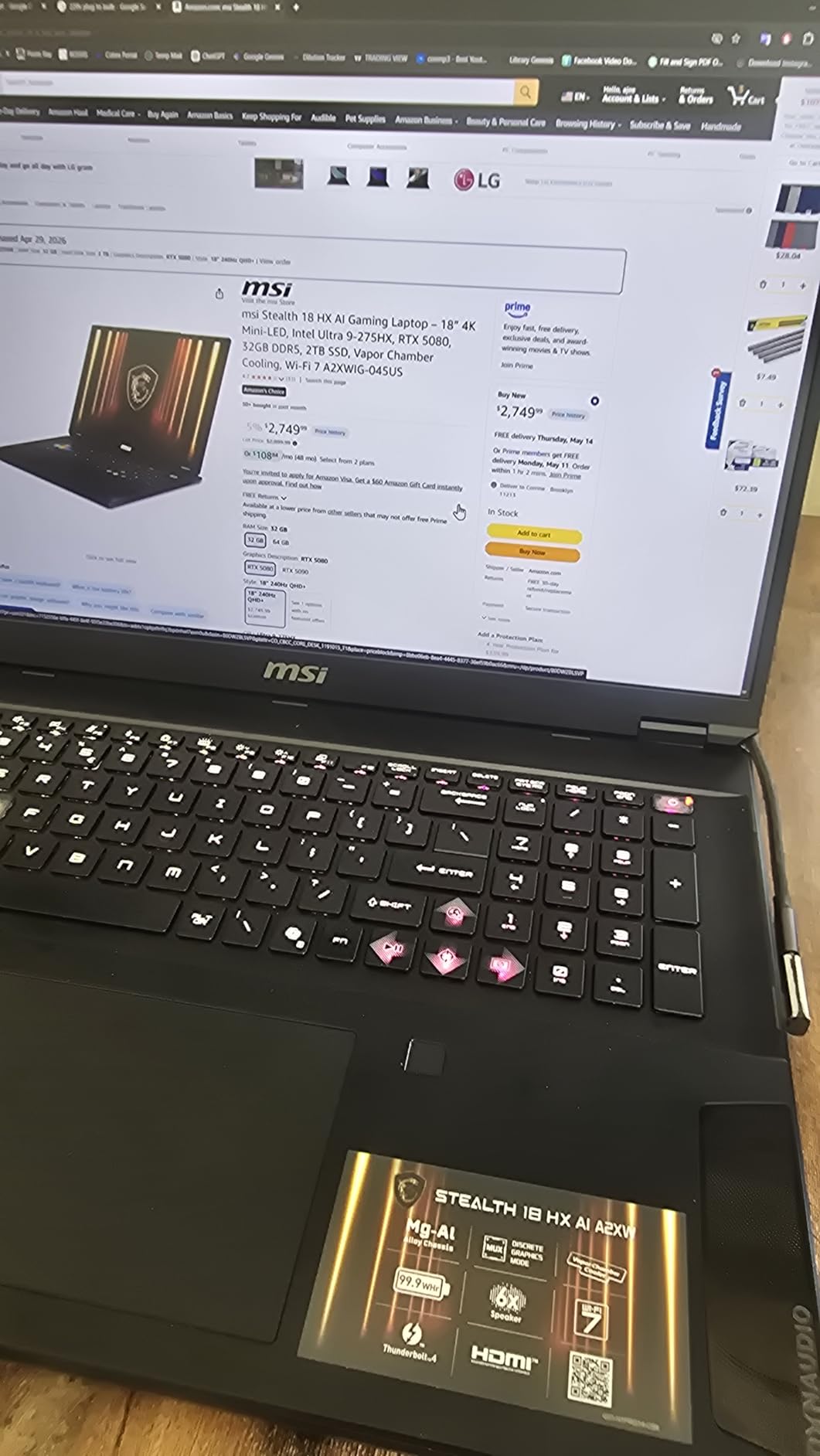
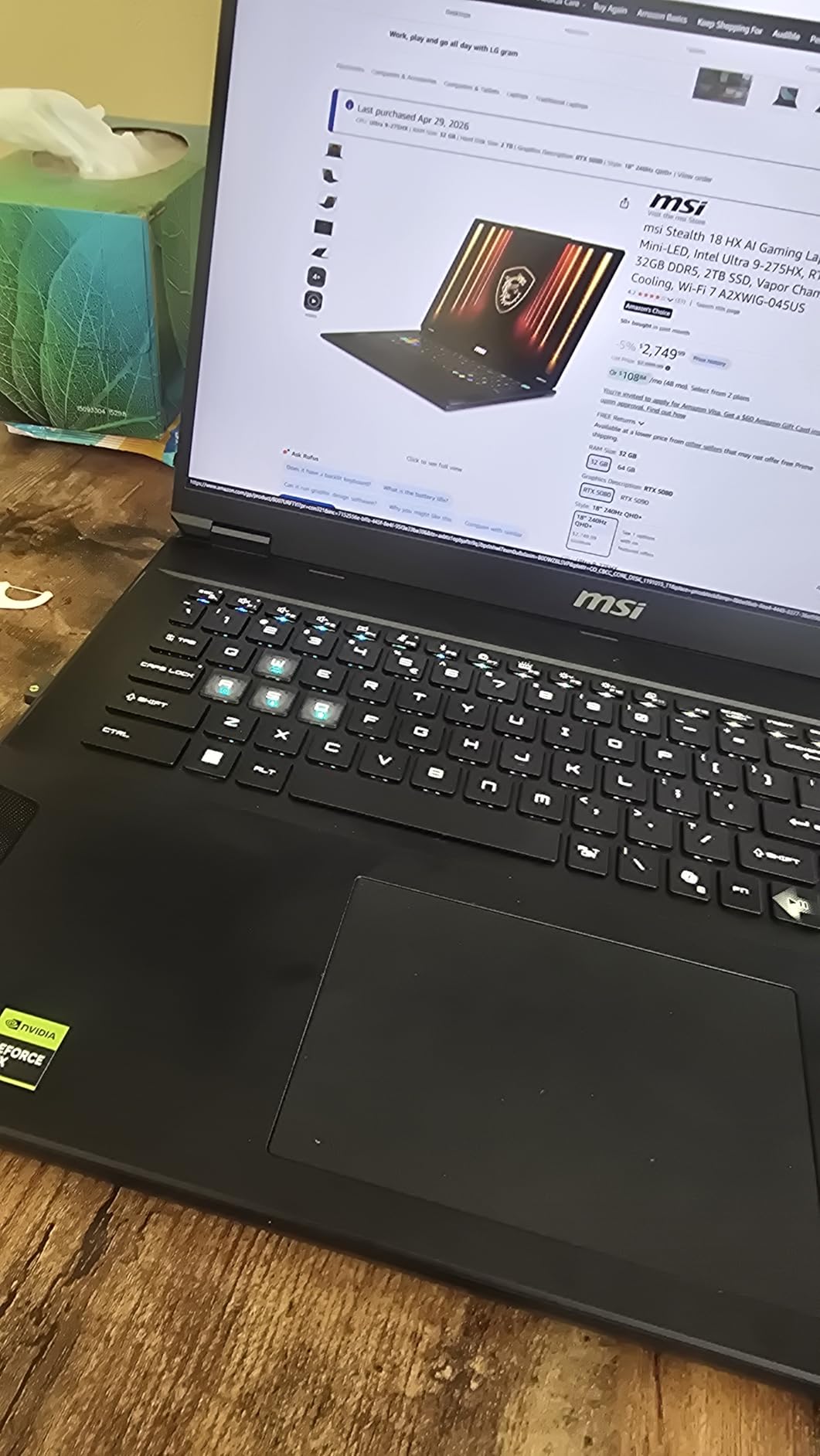
The MSI Stealth 18 HX AI is the laptop I would recommend to someone who wants RTX 5080 gaming performance but does not want their laptop to look like a spaceship landed on their desk. The matte black chassis with minimal RGB gives it a clean, professional aesthetic that works in an office setting just as well as a gaming setup.
Under the hood, the specs are nearly identical to competitors: Intel Core Ultra 9 275HX, RTX 5080 with 16GB GDDR7, 32GB DDR5, and 2TB SSD. The vapor chamber cooling with dual fans and four exhaust vents keeps temperatures lower than most 18-inch gaming laptops I have tested. The 240Hz QHD+ display looks sharp with good color accuracy for gaming.
The Dynaudio speaker system is surprisingly good for a gaming laptop. The 2x2W speakers paired with 4x2W woofers produce clear audio with actual bass response. It is not replacing external speakers or headphones for serious gaming, but for casual use and media consumption it punches above its weight. The SteelSeries per-key RGB keyboard feels great to type on too.
There are a few important caveats. The Thunderbolt ports are wired to the integrated GPU, not the discrete RTX 5080. This means you cannot run VR headsets or external GPU enclosures through Thunderbolt, which is a significant limitation for some users. All USB-C ports are on the left side, which can be inconvenient depending on your desk setup. The bottom also runs hot enough to be uncomfortable on your lap.
Who should buy the MSI Stealth 18 HX AI
Professionals who game will appreciate the understated design that does not scream gaming at meetings. The solid cooling, great speakers, and 99.9Wh battery make this a well-rounded machine for both work and play. If you want one laptop that handles everything from spreadsheet work to Cyberpunk at max settings, this is a strong contender.
Who should skip this laptop
If you plan to use VR headsets or need Thunderbolt connected to the discrete GPU for external monitors, the iGPU-only Thunderbolt routing is a dealbreaker. The lap heat issue also means this is best used on a desk. The 6.39-pound weight is manageable but not light, and the triangle-shaped feet can dig into your legs if you do try to use it on your lap.
6. ASUS ROG Strix G18 – Thunderbolt 5 Powerhouse
ASUS 2025 ROG Strix G18 Gaming Laptop, NVIDIA RTX 5080 16GB GDDR7, Intel Ultra 9 275HX24-Core, 18" 240Hz 3ms 2.5K Screen, WiFi 7, 32 GB DDR5, 2 TB SSD, Win 11 Pro, Accessory Kit
18 inch 2.5K 240Hz
Intel Ultra 9 275HX
RTX 5080 16GB GDDR7
32GB DDR5
2TB SSD
Thunderbolt 5
Pros
- Thunderbolt 5 connectivity
- Beautiful 2.5K display with 100% DCI-P3
- Advanced vapor chamber tri-fan cooling
- Great for gaming and development
- Upgradable to 64GB RAM
Cons
- Disappointing battery life
- Uncomfortable hinge design for lap use
- Premium price point
- Some warranty registration issues
The ASUS ROG Strix G18 stands out as the only laptop in our roundup featuring Thunderbolt 5 connectivity, and that alone makes it worth considering if you work with high-bandwidth external devices. The dual Thunderbolt 5 ports deliver up to 80Gbps of bandwidth, making this an excellent choice for developers who use external SSDs, capture cards, or multiple high-resolution monitors alongside their gaming.
The 18-inch 2.5K Nebula display delivers 240Hz with 3ms response time and 100% DCI-P3 color gamut. At 500 nits brightness, it handles well-lit rooms without issue. The end-to-end vapor chamber with tri-fan technology and Conductonaut Extreme liquid metal keeps the Intel Core Ultra 9 275HX and RTX 5080 running cool under pressure.
With 32GB of DDR5 RAM expandable to 64GB and a 2TB SSD, the storage and memory configuration is solid for both gaming and professional workloads. The RTX 5080 with 16GB of GDDR7 VRAM handles everything from AAA gaming at max settings to AI development work without complaint. Users report excellent performance across gaming, content creation, and software development tasks.
The main complaints center around battery life and ergonomics. Several users mention that the battery drains faster than expected even during light use. The hinge design also makes the laptop uncomfortable on your lap because of how the screen sits when opened. At 7.54 pounds, this is also one of the heavier options and clearly designed as a desk machine.
Who should buy the ROG Strix G18
Developers and content creators who need Thunderbolt 5 connectivity will find this is the only RTX 5080 gaming laptop that offers it. The combination of gaming performance and professional-grade connectivity makes it uniquely versatile. If you use external GPUs, high-speed storage, or multi-monitor setups, the Thunderbolt 5 ports future-proof your investment.
Who should skip this laptop
If battery life matters for your workflow, look elsewhere. The premium pricing also means you are paying a significant markup over the standard Strix G18 without Thunderbolt 5. Some users have had trouble with warranty registration, so buy from an authorized retailer and keep your documentation.
7. Lenovo Legion Pro 7i Gen 10 (Windows 11 Home) – Best OLED for Gaming and Productivity
Lenovo Legion Pro 7i Gen 10 16" Gaming Laptop (2025 Model) Intel Core Ultra 9 275HX 24C, NVIDIA GeForce RTX 5080 16GB, 32GB RAM, 1TB Gen 5 NVMe SSD, 16.0" WQXGA OLED 500 nits 240Hz, Windows 11 Home
16 inch OLED 240Hz 500nit
Intel Ultra 9 275HX
RTX 5080 16GB GDDR7 175W
32GB DDR5-6400
1TB PCIe Gen 5 SSD
Pros
- Runs cool and quiet at 160-175W GPU loads
- Outstanding OLED display with HDR 1000
- True Black
- Excellent for music production with zero latency
- PCIe Gen 5 SSD for fastest load times
Cons
- Some motherboard failure reports
- Thick and heavy design
- Limited stock availability
- 1TB SSD may fill up fast
The Lenovo Legion Pro 7i Gen 10 with Windows 11 Home consistently impresses reviewers with its cooling performance. Even at the full 175W TGP for the RTX 5080, users report that this laptop runs cooler and quieter than competitors pushing the same hardware. That is a huge advantage for anyone who games for long sessions or uses this machine for professional work where fan noise is a distraction.
The 16-inch OLED display is a 500-nit, 240Hz, HDR 1000 True Black panel with 100% DCI-P3 coverage. It is the same display technology that makes the Legion OLED model so popular, and for good reason. Games look stunning with perfect black levels and vibrant colors. The PCIe Gen 5 SSD is also worth noting because it is the fastest storage type available in any of these laptops, cutting load times to near-instant.
One user specifically praised this laptop for music production, noting zero latency issues with external audio interfaces and recording equipment. That kind of professional workflow validation is rare for a gaming laptop and speaks to the overall build quality and component selection. The 5MP camera with dual microphones and privacy shutter is also above average for this category.
The 1TB SSD is the main limitation compared to other models in this price range that offer 2TB. With modern AAA games regularly exceeding 100GB each, you will need to manage your storage carefully or add a second drive using the second M.2 slot. A few users have also reported motherboard failures, though this appears to be isolated rather than widespread.
Who should buy this Legion Pro 7i
Creative professionals who also game will get the most value from this laptop. The combination of an OLED display, quiet cooling, PCIe Gen 5 storage, and zero-latency audio performance makes it uniquely suited for people who split their time between gaming and content creation. Music producers in particular should give this model serious consideration.
Who should skip this laptop
If you need lots of storage out of the box, the 1TB SSD will frustrate you. The thick and heavy build also means this is not a machine you want to carry every day. Limited stock availability can make this hard to find, and you may need to act quickly when it becomes available.
8. Lenovo Legion Pro 7i Gen 10 (Windows 11 Pro) – Business-Ready RTX 5080 Power
Lenovo Legion Pro 7i Gen 10 16" Gaming Laptop (2025 Model) Intel Core Ultra 9 275HX 24C, NVIDIA GeForce RTX 5080 16GB, 32GB RAM, 1TB Gen 5 NVMe SSD, 16.0" WQXGA OLED 500 nits 240Hz, Windows 11 Pro
16 inch OLED 240Hz 500nit
Intel Ultra 9 275HX
RTX 5080 16GB GDDR7 175W
32GB DDR5-6400
1TB PCIe Gen 5 SSD
Win 11 Pro
Pros
- Top-tier gaming performance
- Amazing OLED display quality
- Excellent cooling system
- Sturdy build quality
- Great per-key RGB keyboard
Cons
- Gets warm during extended sessions
- Heavy at 7 pounds
- Loud fans at max settings
- Battery life is poor during gaming
This Lenovo Legion Pro 7i Gen 10 ships with Windows 11 Pro instead of Home, making it the better pick if you need BitLocker encryption, Remote Desktop, or other business features. The hardware is essentially identical to the Home edition: Intel Core Ultra 9 275HX, RTX 5080 at 175W with 16GB GDDR7, 32GB DDR5-6400, and the same 1TB PCIe Gen 5 SSD.
The OLED display delivers the same stunning visuals as the Home edition. Users rave about the image quality in games like Battlefield 6, reporting smooth frame rates with no micro-stuttering at max settings. The per-key RGB keyboard feels solid and the build quality is noticeably better than most ASUS and MSI alternatives according to multiple reviewers.
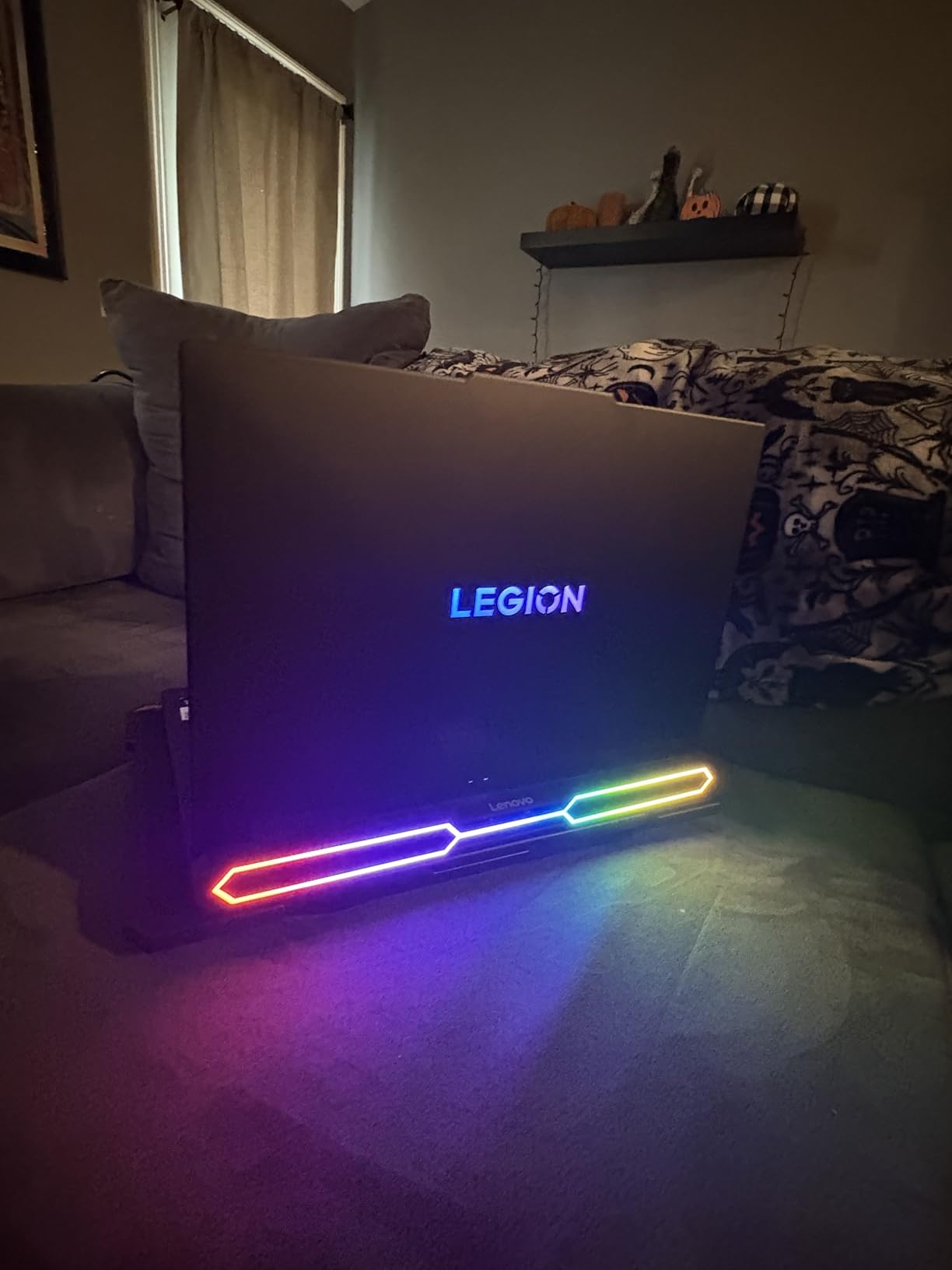
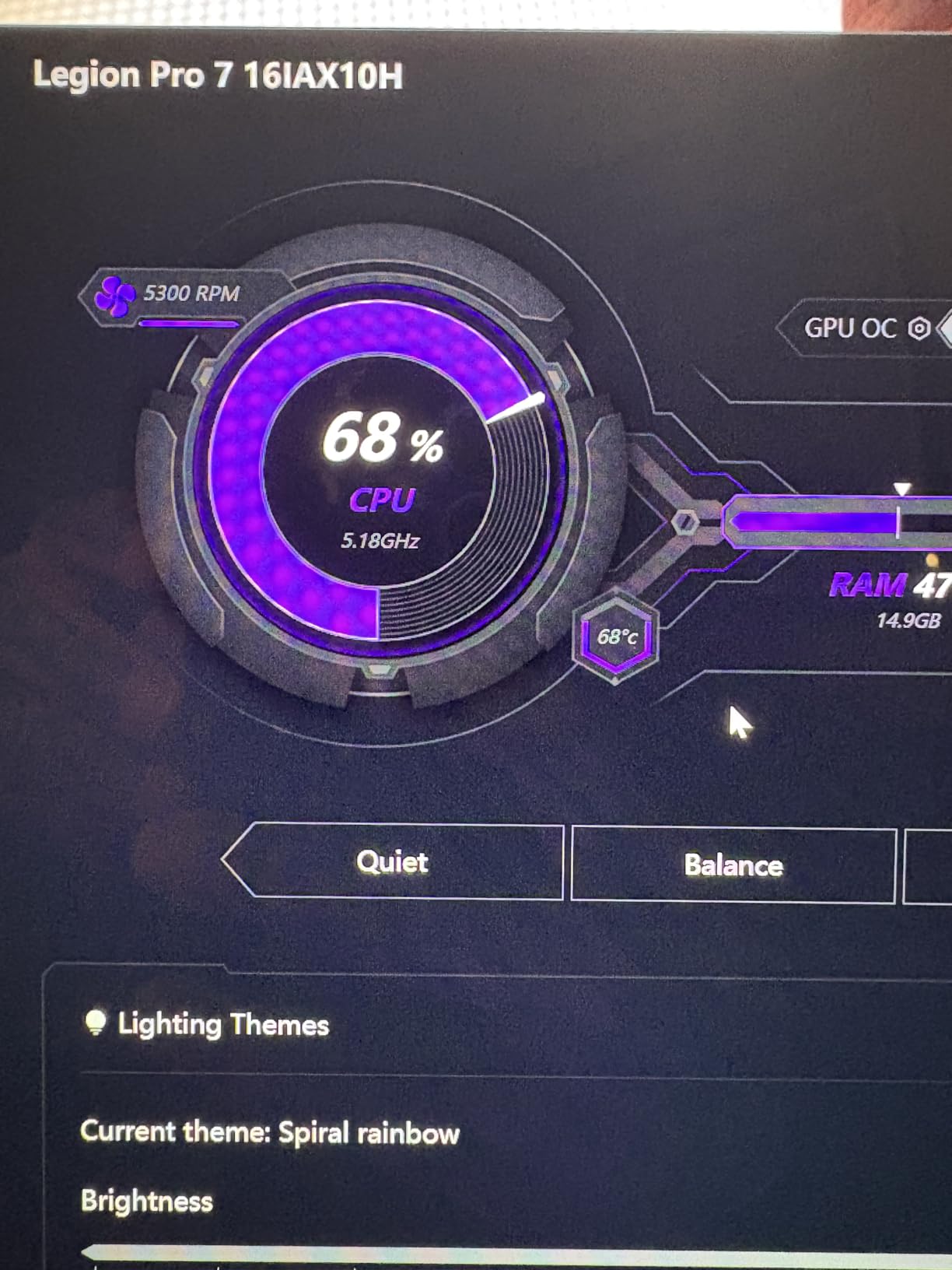
The cooling system does an admirable job managing the 175W RTX 5080, but the laptop does get warm during extended gaming sessions. Fans at maximum speed are loud enough to be distracting without headphones. The 7-pound weight puts this in desktop replacement territory, and the 400W power adapter is not small either.
The 3.9-star average is dragged down by a few one-star reviews. One reported a security concern with account access, which seems isolated. Others mention the usual gaming laptop complaints: poor battery life under load, fan noise, and heat. The majority of users are satisfied with the performance and display quality.
Who should buy this Legion Pro 7i Pro edition
If your employer requires Windows 11 Pro for security compliance or you need Remote Desktop access, this version saves you the cost and hassle of a Windows upgrade. The business features combined with top-tier gaming performance make this a legitimate dual-use machine for work and play. Lenovo’s Legion Ultimate Support warranty is also more comprehensive than most competitors.
Who should skip this laptop
If you do not need Windows 11 Pro features, save money with the Home edition which has the same hardware. The 1TB SSD and 7-pound weight are the same compromises as the Home edition. If you want a 2TB SSD out of the box, look at the ASUS ROG Strix SCAR models instead.
9. MSI Vector A18 HX – Budget AMD-Powered RTX 5080
msi Vector A18 HX 18” 240Hz QHD+ Gaming Laptop: AMD Ryzen 9-9955HX, NVIDIA Geforce RTX 5080, 32GB DDR5, 1TB NVMe SSD, Type C, Wi-Fi 7, Win 11 Home: Cosmo Gray A9WIG-065US
18 inch QHD+ 240Hz
AMD Ryzen 9 9955HX
RTX 5080 16GB GDDR7
32GB DDR5
1TB NVMe SSD
7.94 lbs
Pros
- Lowest price RTX 5080 laptop available
- AMD Ryzen 9 9955HX multi-core performance
- Beautiful 18 inch 2.5K 240Hz display
- Great for game development and 3D work
Cons
- 47% one-star reviews
- Significant quality control issues
- Very hot during gaming
- Only 2 hours battery life
- Screen flickering requires BIOS update
The MSI Vector A18 HX is the cheapest way to get an RTX 5080 laptop right now, and it is also the only AMD-powered option in our roundup. The Ryzen 9 9955HX is a strong processor with excellent multi-core performance that matches or beats the Intel Core Ultra 9 275HX in many workloads. For game developers and 3D artists, the AMD CPU combined with RTX 5080 makes a compelling workstation at a lower price than Intel alternatives.
The 18-inch QHD+ display at 240Hz with 100% DCI-P3 is genuinely good. When the laptop works, it delivers the same visual experience as laptops costing hundreds more. Students who need portable desktop power for game development or 3D asset pipelines have found this machine capable despite its issues.
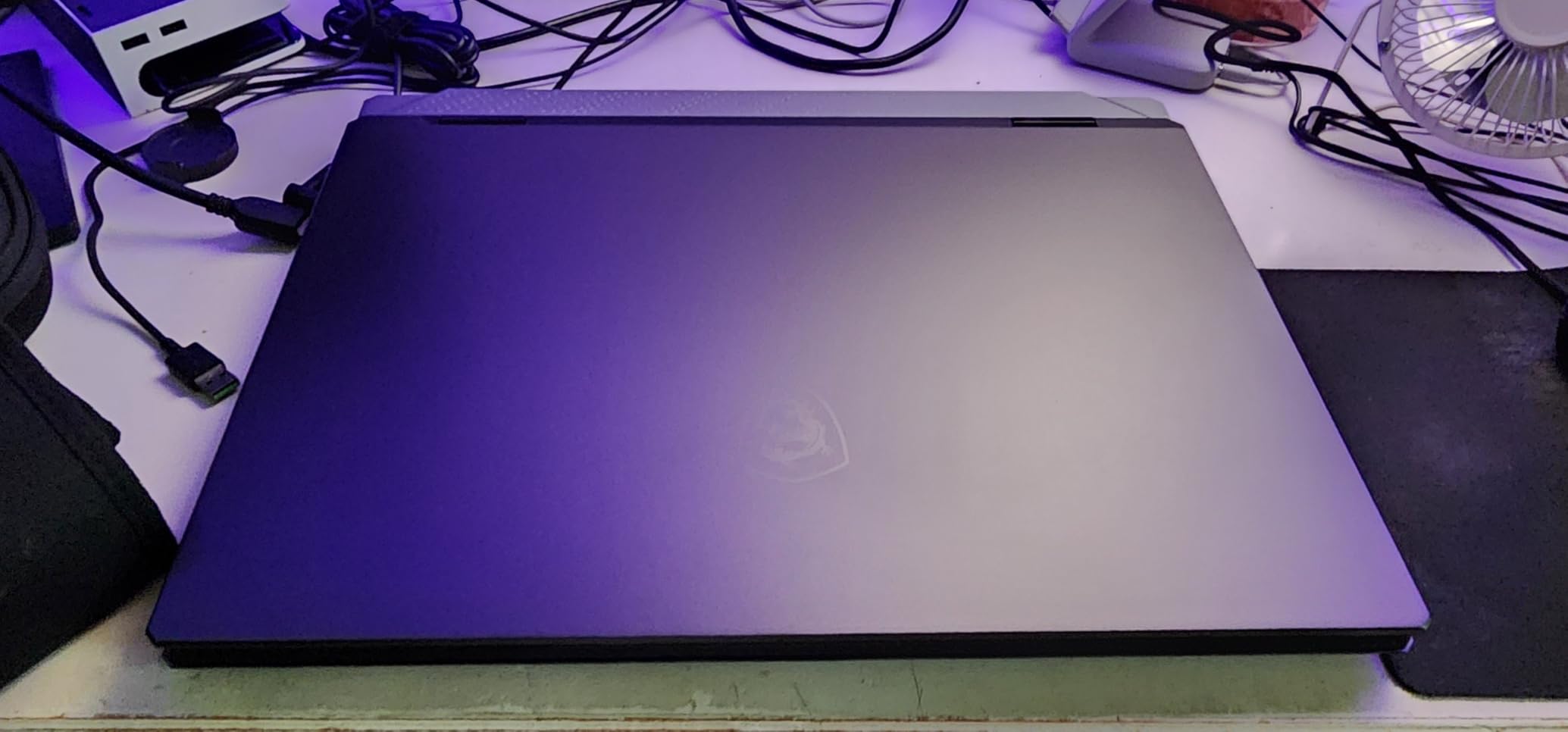
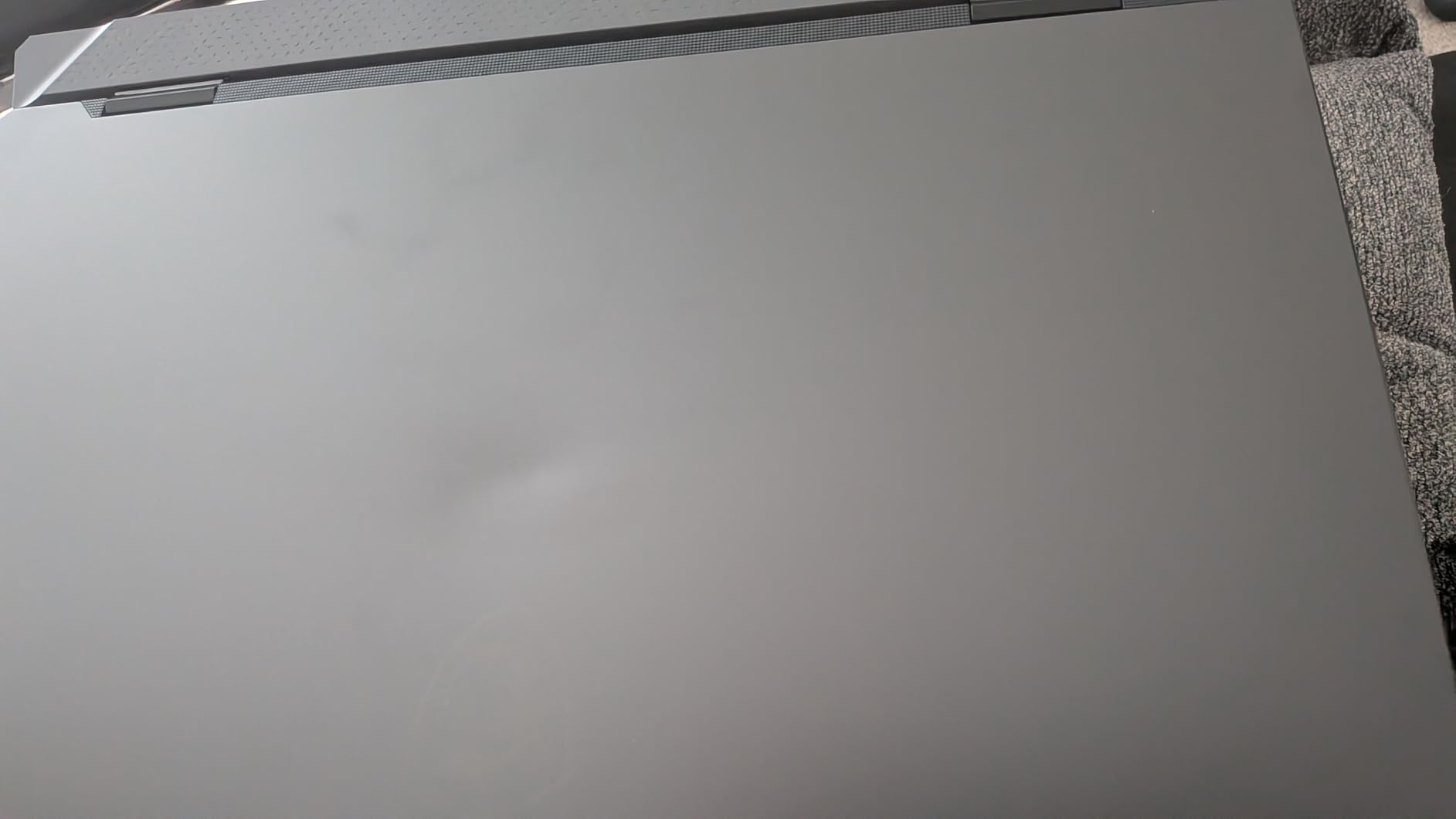
I have to be upfront about the quality control problems. With 47% of reviews at one star, this is the most controversial laptop in our roundup. Common issues include units arriving dead on arrival, screen flickering that requires a BIOS update to fix, CPU temperatures hitting 80-90 degrees during normal use, and trackpad problems. Several users needed to reinstall drivers to fix black screen issues. This is a laptop where buying from a retailer with a no-questions-asked return policy is essential.
The battery life is among the worst in this group at roughly 2 hours under moderate use. The 7.94-pound weight makes it one of the heaviest options, and the 1TB NVMe SSD feels small for the price even though this is the budget pick. Fan noise at maximum speed is loud enough to be bothersome without headphones.
Who should buy the MSI Vector A18 HX
Budget-conscious buyers who need RTX 5080 performance and are comfortable troubleshooting. The AMD Ryzen 9 9955HX offers excellent multi-core performance for development work, and when the laptop runs properly, gaming performance is on par with more expensive options. Game development students on a tighter budget should consider this if they have a solid return window.
Who should skip this laptop
Anyone who wants a reliable, plug-and-play experience should avoid this model. The 47% one-star rate means you are essentially rolling the dice on quality. If you cannot afford to deal with potential returns or RMAs, spend a bit more on the ASUS ROG Strix G16 or MSI Stealth 18 HX AI for a much more reliable experience.
Buying Guide: What to Look for in an RTX 5080 Gaming Laptops?
Choosing between RTX 5080 gaming laptops comes down to more than just the GPU. Every laptop in this guide has the same graphics card, but the differences in display quality, cooling performance, build quality, and upgradability create very different ownership experiences. Here is what actually matters when making your decision.
GPU Wattage and TGP: Not All RTX 5080 Laptops Are Equal
The RTX 5080 laptop GPU can run at different power levels, typically between 80W and 175W. A higher TGP means more performance. The Lenovo Legion Pro 7i models run the RTX 5080 at the full 175W TGP, which gives you maximum frame rates. Some thinner laptops may run the GPU at lower wattages to manage heat. Always check the TGP specification before buying because a lower-wattage RTX 5080 performs more like an RTX 5070 Ti.
Display Type: OLED vs Mini LED vs IPS
This is the biggest differentiator among RTX 5080 laptops. OLED displays offer perfect blacks, infinite contrast, and the best HDR experience. The Lenovo Legion Pro 7i models with their OLED panels deliver stunning image quality. Mini LED, found in the ASUS ROG Strix SCAR models, offers excellent brightness and good HDR with thousands of dimming zones. Standard IPS panels are the most common and still look great for gaming but lack the contrast and HDR pop of OLED or Mini LED.
OLED Burn-In: Should You Worry?
This question comes up constantly on Reddit and for good reason. OLED burn-in happens when static UI elements like taskbars, browser chrome, or game HUDs leave permanent ghost images on the display over time. The risk is real but manageable. Modern OLED gaming laptops include burn-in mitigation features like pixel shifting, automatic refresh cycles, and screen savers. If you play the same game for 8 hours a day every day, burn-in is more likely. If you vary your content and use dark mode, the risk drops significantly. For most gamers, the incredible image quality of OLED is worth the minor risk, but it is something to be aware of for a laptop you plan to keep for 3-4 years.
Cooling and Thermal Performance
Thermal management separates a great gaming laptop from a frustrating one. Look for vapor chamber cooling systems like those in the ASUS ROG Strix and MSI Stealth lines. Liquid metal thermal paste on the CPU is a bonus that can drop temperatures by 5-10 degrees compared to standard paste. The Lenovo Legion Pro 7i Gen 10 models consistently receive praise for running cool even at full GPU wattage, which suggests Lenovo’s thermal design is among the best.
Keep in mind that 18-inch laptops generally run cooler than 16-inch models because the larger chassis provides more surface area for heat dissipation. If you live in a warm climate or game for extended sessions, the extra size of an 18-inch model can be a practical advantage.
Screen Size: 16 vs 18 Inches
Screen size is a practical decision that affects portability, desk space, and immersion. A 16-inch laptop like the ASUS ROG Strix G16 weighs around 6 pounds and fits easily in a backpack. An 18-inch model like the SCAR 18 weighs over 6 pounds but offers significantly more screen real estate for gaming and multitasking. If you plan to carry your laptop daily, 16 inches is the better choice. If the laptop lives on your desk and you want maximum immersion, 18 inches is worth the extra weight.
Upgradability: RAM and Storage
Most RTX 5080 laptops ship with 32GB of DDR5 RAM and 1-2TB of storage. Look for models with tool-free access panels and available slots for expansion. The ASUS ROG Strix SCAR models feature tool-free slide latches for easy upgrades. The Lenovo Legion Pro 7i supports up to 96GB of RAM and has dual M.2 slots. Avoid laptops with soldered RAM because you are stuck with what you buy. PCIe Gen 5 SSDs, like those in the Legion Pro 7i Gen 10, offer the fastest load times but Gen 4 drives are still plenty fast for gaming.
FAQ
What is the best gaming laptop with RTX 5080 overall?
Is the RTX 5080 laptop GPU worth it in 2026?
Which RTX 5080 laptop has the best display?
What is the cheapest RTX 5080 gaming laptop?
Can an RTX 5080 laptop replace a desktop for gaming?
Final Thoughts on the Best RTX 5080 Gaming Laptops
The best gaming laptops with RTX 5080 in 2026 offer a level of portable performance that was hard to imagine just a few years ago. Our top pick, the ASUS ROG Strix SCAR 18, delivers the best balance of performance, display quality, and upgradability. For value seekers, the ASUS ROG Strix G16 provides nearly identical gaming performance in a smaller, more affordable package. And if display quality is everything to you, the Lenovo Legion Pro 7i with its OLED panel is unmatched.
The RTX 5080 with 16GB GDDR7 VRAM has proven itself as the sweet spot in NVIDIA’s laptop GPU lineup. It handles 2.5K gaming at high refresh rates, supports DLSS 4 for future titles, and has enough VRAM for content creation workloads. Whether you choose an 18-inch desktop replacement or a 16-inch portable powerhouse, any laptop in this guide will serve you well for years to come.