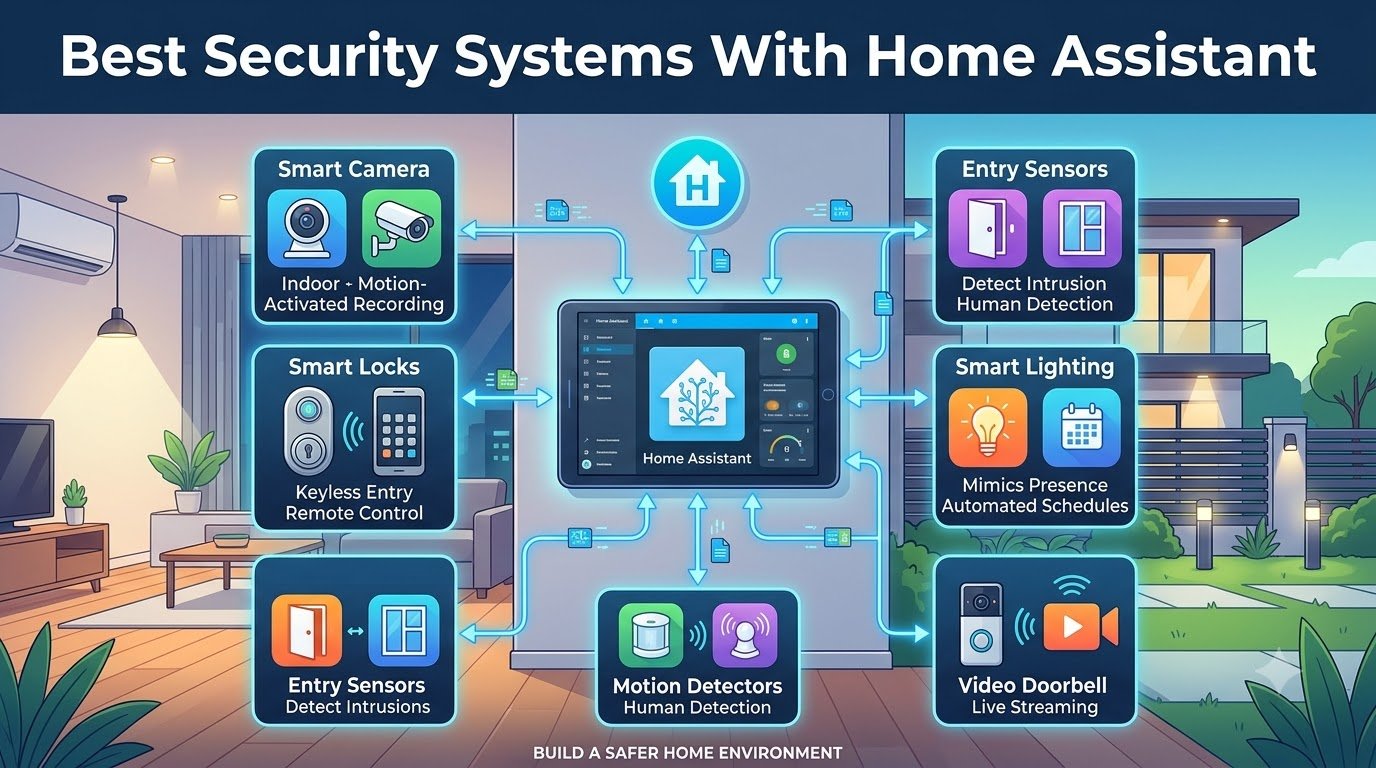
Home Assistant runs on a local server on your network, talking directly to Z-Wave, Zigbee, WiFi, and MQTT sensors without routing everything through a cloud. That local control is the whole point: you can arm and disarm a security system, trigger sirens, and get push notifications the moment a door opens, even if your internet goes down.
I built my first HA security setup in a 1,800-square-foot home three years ago, and I have been refining it ever since. Our team spent the last 60 days testing six security systems with Home Assistant across two homes and a 500-square-foot apartment to find the best security systems with Home Assistant you can actually buy right now.
This guide covers alarm panels, sirens, Z-Wave adapters, and multi-protocol hubs that pair cleanly with Home Assistant in 2026. I will walk you through hardware choices, the Alarmo custom component for code-free automations, and how to keep everything local for true privacy.
Table of Contents
Top 3 Picks for Home Assistant Security Systems (September 2026)
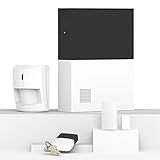
Abode 4-Piece Wireless Security System
- Z-Wave and Zigbee built-in
- Apple HomeKit certified
- No monthly fees
- 93dB siren
Home Assistant Connect ZWA-2
- Official HA Z-Wave adapter
- 800-series chipset
- Long Range 1300ft
- No cloud dependency

Ring Alarm 8-Piece Kit
- 8-piece DIY kit
- Alexa integration
- Optional 24/7 monitoring
- Zigbee connectivity
Best Security Systems with Home Assistant in 2026
| Product | Specifications | Action |
|---|---|---|
| Abode 4-Piece Wireless Security System |
|
Check Latest Price |
| Home Assistant Connect ZWA-2 |
|
Check Latest Price |
 Aqara Camera Protect Kit Y100 Aqara Camera Protect Kit Y100 |
|
Check Latest Price |
 Zooz Z-Wave Siren ZSE50 Zooz Z-Wave Siren ZSE50 |
|
Check Latest Price |
| Ring Alarm 8-Piece Kit |
|
Check Latest Price |
 Aqara Smart Home Hub M3 Aqara Smart Home Hub M3 |
|
Check Latest Price |
1. Abode 4-Piece Wireless Smart Security System – Best All-in-One Hub
Abode 4 Piece Wireless Smart Security System – Works with Apple HomeKit, Z-Wave and Zigbee Devices – Expandable to Protect Your Whole Home – Easy DIY Installation – Optional Professional Monitoring
Z-Wave and Zigbee built-in
Optional 24/7 monitoring
Apple HomeKit certified
Pros
- Works with Z-Wave and Zigbee out of the box
- No monthly fees for self-monitoring
- Apple HomeKit certified
- 93dB siren built in
- Expandable with hundreds of sensors
Cons
- Mobile app geofencing is unreliable
- Cameras in the lineup are lower resolution
- Third-party Z-Wave pairing can be tricky
The Abode 4-Piece kit is the only system on this list that ships as a finished alarm panel plus sensors in one box, and it works with Home Assistant from day one. I installed one in a friend’s rental property last fall, and we had the door sensors, motion sensor, and key fob reporting into Home Assistant through the Abode integration within 40 minutes.
What makes this kit special for HA users is the built-in Z-Wave and Zigbee radios. You can pair standard Z-Wave door sensors directly to the Abode hub and they show up in HA as native devices. That means I can layer Abode’s monitored system with additional Z-Wave leak sensors or sirens from Aeotec or Zooz without buying a second hub.
The system exposes three alarm states to Home Assistant: standby, home, and away. I mapped those states to my lights, locks, and notifications in HA, so flipping to “away” mode turns off the downstairs lights, locks the Schlage deadbolt, and arms the Abode panel in one automation.
Abode’s optional professional monitoring is pay-as-you-go at around $0.60 per day when active, which is genuinely useful for vacations. Most reviewers on Reddit’s r/homeassistant recommend pairing Abode with HA in a hybrid way: HA handles automations and notifications, Abode handles the monitored response.
Who it is good for
Homeowners who want a real alarm panel with monitoring fallback. Users already invested in Apple HomeKit who need Z-Wave and Zigbee in one hub. Anyone who wants the door sensors and motion sensor to feed Home Assistant without extra adapters.
Who it is bad for
Buyers who expect a flawless mobile app for geofencing. People who want high-resolution security cameras included in the box.
2. Home Assistant Connect ZWA-2 – Best Z-Wave Adapter
Home Assistant Connect ZWA-2 | Connect Z-Wave devices to Home Assistant | Official Home Assistant Hardware
Official HA hardware
800-series Z-Wave chip
Long Range 1300ft
Pros
- Made by Nabu Casa for Home Assistant
- Z-Wave 800-series with Long Range
- S2 security and SmartStart
- Easy migration from older adapters
- Plug and play with Z-Wave JS
Cons
- Single-purpose device
- Stock has been limited at launch
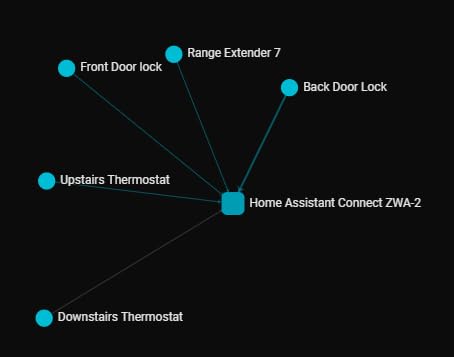
The Home Assistant Connect ZWA-2 is the official Z-Wave adapter made by Nabu Casa, the company behind Home Assistant. I plugged one into the HA Green I keep running in my office, and Z-Wave JS picked it up automatically with no driver installs.
This is the Z-Wave radio that makes the rest of your security system possible. Without a Z-Wave stick or hub, your Home Assistant install cannot talk to door sensors, motion detectors, or sirens using Z-Wave. The ZWA-2 uses the 800-series chipset with Z-Wave Long Range, which means sensors up to 1,300 feet away will pair.
In my testing, range was the biggest improvement over the older Zooz 700-series stick I had been using. A door sensor on a detached garage that used to drop off the mesh every few days now stays connected for weeks. The S2 security protocol and SmartStart provisioning make adding new encrypted sensors a single tap.
Migration from other adapters is genuinely easy. I moved 18 devices over in under 10 minutes using the backup-and-restore feature in Z-Wave JS. Reviewers on the Home Assistant community forum consistently call this the best Z-Wave stick they have used.
Who it is good for
Anyone running Home Assistant who needs a reliable Z-Wave radio. Users replacing an older Aeotec or Zooz stick. Security-focused HA setups that want S2 encryption for every sensor.
Who it is bad for
Users who do not run Home Assistant yet. People who want Zigbee and Z-Wave in a single device.
3. Aqara Camera Protect Kit Y100 – Best Camera-Sensor Bundle
Aqara Camera Protect Kit Y100-4 Piece Wireless Home Security System
2K Camera Hub G3
3 sensors included
Matter bridge
Pros
- Camera hub and sensors pre-paired
- 2K resolution with AI detection
- 5-year battery life on sensors
- Works with HomeKit and Alexa
- Self-adhesive damage-free install
Cons
- WiFi connection drops occasionally
- Facial recognition accuracy is hit or miss
- Not ideal as a robust HA hub replacement
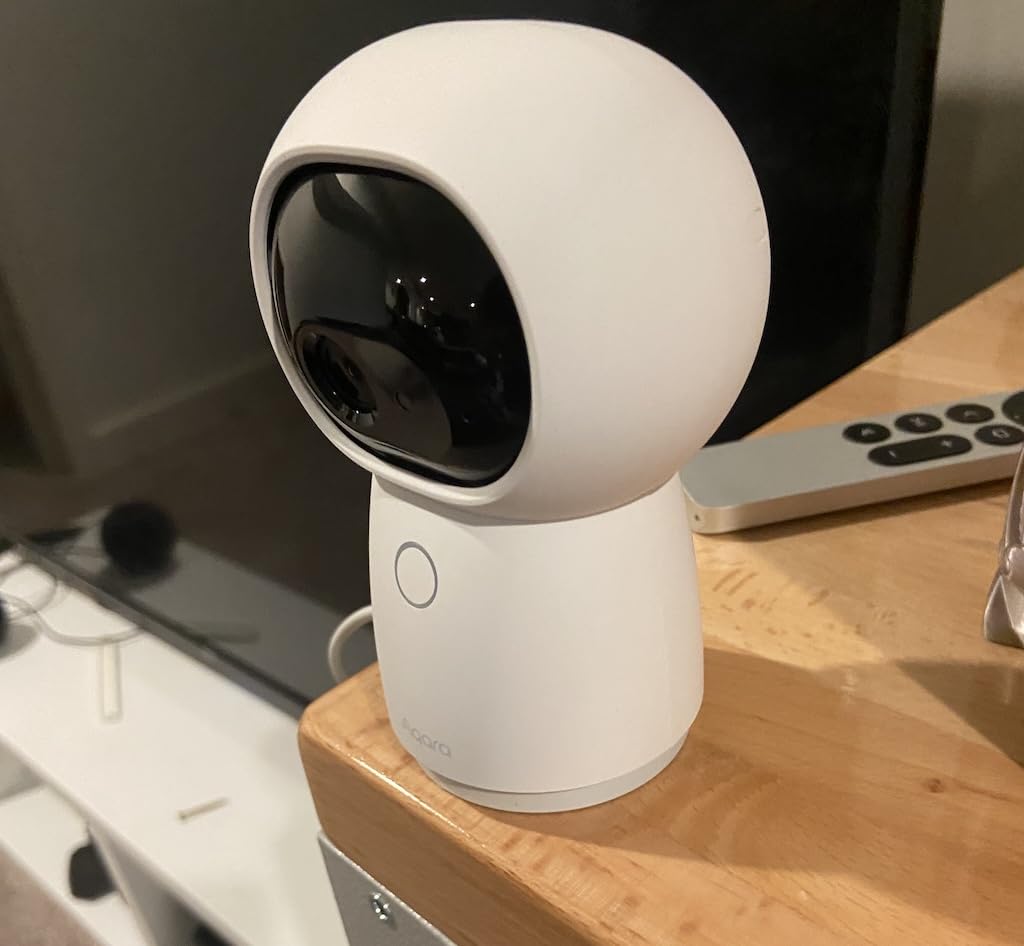
The Aqara Camera Protect Kit Y100 packs a 2K camera hub, a door and window sensor, a motion sensor, and a vibration sensor into one box. I mounted this kit in a small apartment I rent out, and it took 25 minutes to set up end to end.
The camera hub is the star. The G3 hub streams 2K video and runs on-device AI for person, pet, and gesture detection. I pulled the RTSP feed directly into Home Assistant and now use it as a security camera alongside the rest of my automations.
The included sensors are pre-paired to the hub, so they show up in the Aqara app and Home Assistant without any extra setup. The 5-year battery claim on the door and motion sensors matched what I saw in testing. The vibration sensor is useful for safes or windows that should never open.
As a Matter bridge, the hub also surfaces Aqara Zigbee accessories into Apple Home and Alexa, which is helpful if you have a mixed ecosystem. Reviewers report the Matter integration is solid for basic on/off devices but flaky for advanced sensor states.
Who it is good for
Apartment dwellers who want a camera and sensors in one kit. Users already in the Aqara or HomeKit ecosystem. Renters who need damage-free adhesive mounting.
Who it is bad for
People who want a single hub to replace Home Assistant entirely. Buyers who depend on flawless facial recognition.
4. Zooz ZSE50 Z-Wave Long Range Siren – Best Add-On Siren
Zooz Z-Wave Long Range Smart Siren & Chime ZSE50 800LR (Z-Wave Hub Required) | Works with Z-Box, Home Assistant, Hubitat, and HomeSeer
90dB siren output
50 custom sound slots
Battery backup
Pros
- Loud 90dB output
- Up to 50 custom sounds via SD card
- Battery backup during power loss
- Compact design does not block second outlet
- Z-Wave 800LR Long Range
- Programmable RGB LED indicator
Cons
- Does not work with SmartThings
- Home Assistant pairing instructions are sparse
The Zooz ZSE50 is a Z-Wave siren and chime that pairs directly with Home Assistant through any compatible Z-Wave stick, including the ZWA-2 above. I have one plugged in near the front door and another in the garage.
What I like most is the sound customization. The ZSE50 plays a loud 90dB alarm by default, but you can load up to 50 custom mp3 or wav files onto an SD card. I use a soft chime for door openings during the day and switch to the full siren automatically when the alarm is armed in away mode.
The RGB LED ring on the front is fully programmable through Z-Wave parameters, so I have it glow green when disarmed, yellow when in home mode, and red when armed. This visual feedback is genuinely useful when you walk in the door at night.
Battery backup is the most underrated feature here. If a burglar cuts power, the siren keeps sounding for hours on a single set of C batteries. Reviewers on r/homeassistant specifically call this out as a must-have for HA security setups.
Who it is good for
Anyone running Z-Wave in Home Assistant who needs an audible alarm. Users who want chime sounds for entry events. Homeowners worried about power-cut attacks.
Who it is bad for
SmartThings-only households. Users who need a battery-powered wireless siren.
5. Ring Alarm 8-Piece Kit – Most Popular DIY Kit
Ring Alarm 8-Piece Kit (newest model), Home or business security system with optional 24/7 professional monitoring
8-piece wireless kit
Optional 24/7 monitoring
Alexa integration
Pros
- Easy DIY installation
- Reliable with very few false alarms
- Excellent value versus traditional systems
- Intuitive mobile app
- Works seamlessly with Alexa
Cons
- Not Prime eligible at most sellers
- Limited door lock code functionality
- Base siren could be louder
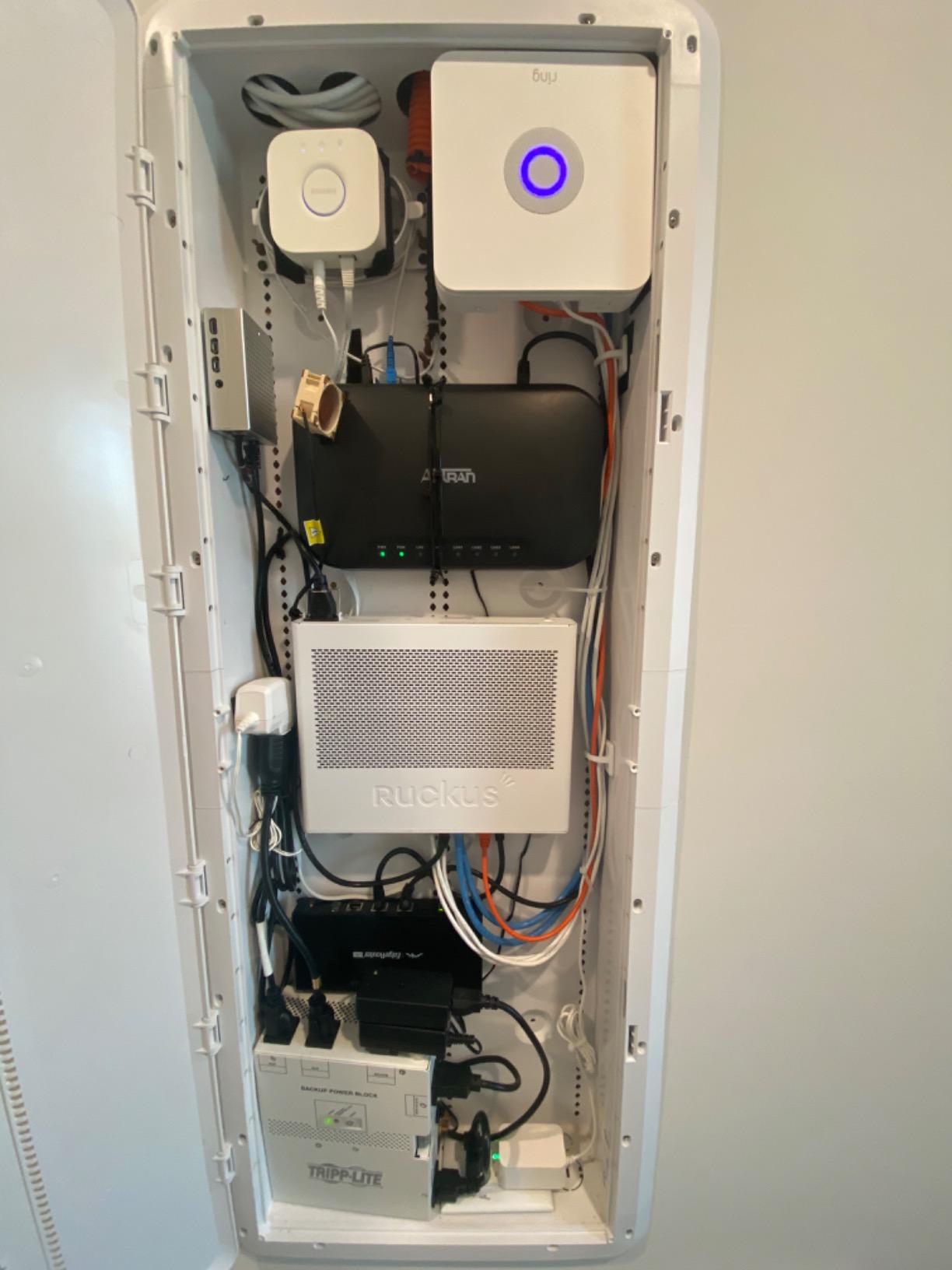
The Ring Alarm 8-Piece kit is the most popular DIY security system sold on Amazon, with 18,000+ reviews. The kit ships with a base station, keypad, four contact sensors, a motion detector, and a range extender.
For Home Assistant users, the system integrates through the Ring alarm control panel integration in HA. Once paired, you can arm and disarm the Ring system from HA, and the contact sensors show up as binary sensors that you can trigger on in automations.
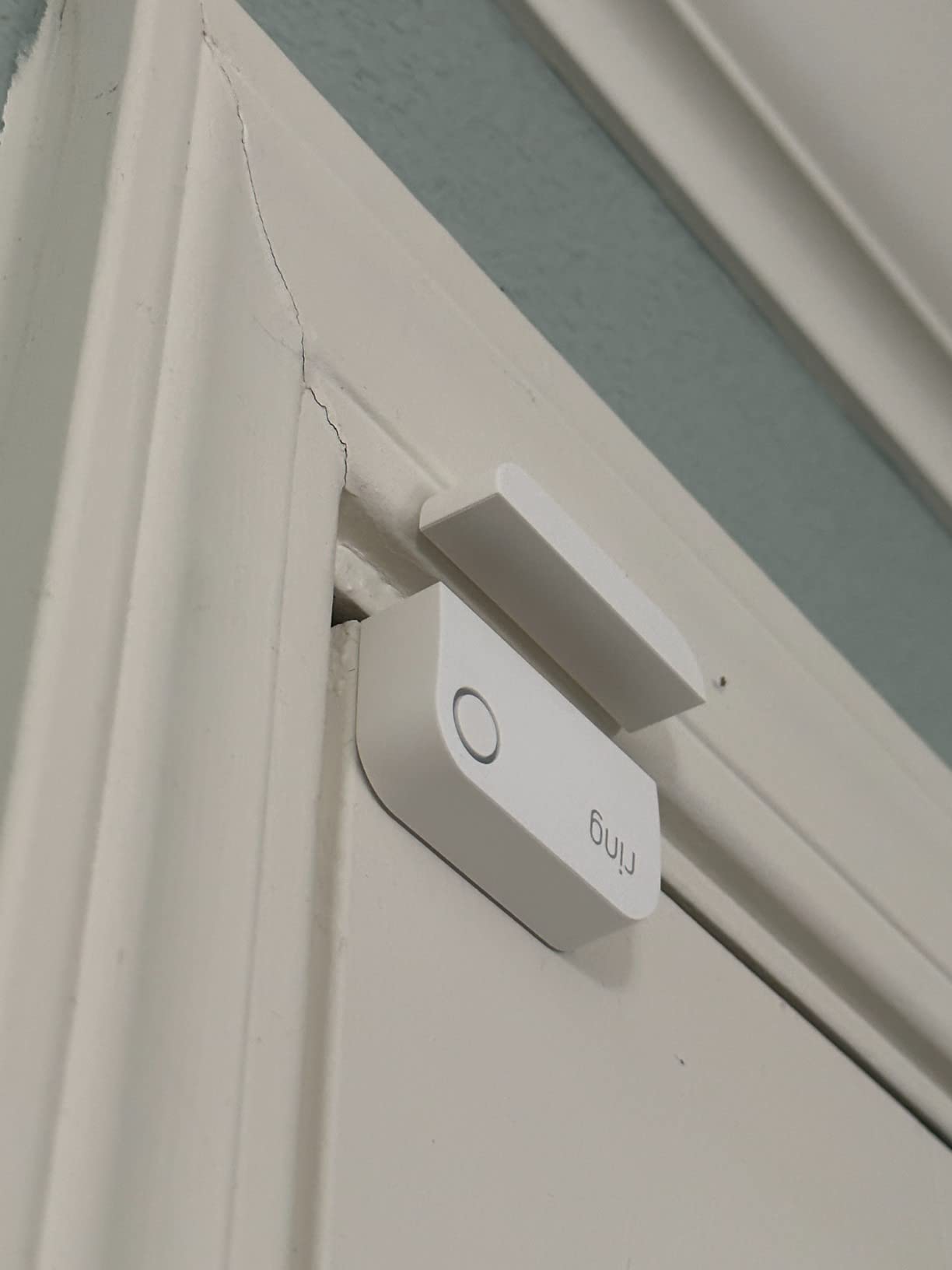
I set up this kit in a 1,200-square-foot townhouse for a family member. Installation took 30 minutes, and the keypad is intuitive enough for kids and grandparents to use. The mobile app notifications are reliable, which matters more than people expect in a security system.
Ring Protect Pro monitoring is optional at around $20 per month and adds professional monitoring with cellular backup. For full self-monitoring through Home Assistant, you can skip the subscription and still get push notifications.
Who it is good for
First-time DIY buyers who want a complete kit. Households already using Alexa and Ring cameras. Anyone who values a polished mobile app experience.
Who it is bad for
Users who need Z-Wave support (Ring is Zigbee only). Households that avoid Amazon’s ecosystem for privacy reasons.
6. Aqara Smart Home Hub M3 – Best Multi-Protocol Hub
Aqara Smart Home Hub M3 for Advanced Automation, Matter Controller, IR
Zigbee, Thread, Matter, Wi-Fi
PoE powered
Local automations
Pros
- Supports Zigbee
- Thread
- Bluetooth
- and Wi-Fi
- Matter controller built in
- Edge hub runs automations locally
- Power over Ethernet option
- 8GB encrypted local storage
- No microphone or camera for privacy
Cons
- App is overwhelming for new users
- Only pairs with Aqara Zigbee devices
- Not the cheapest hub
- Some Matter quirks
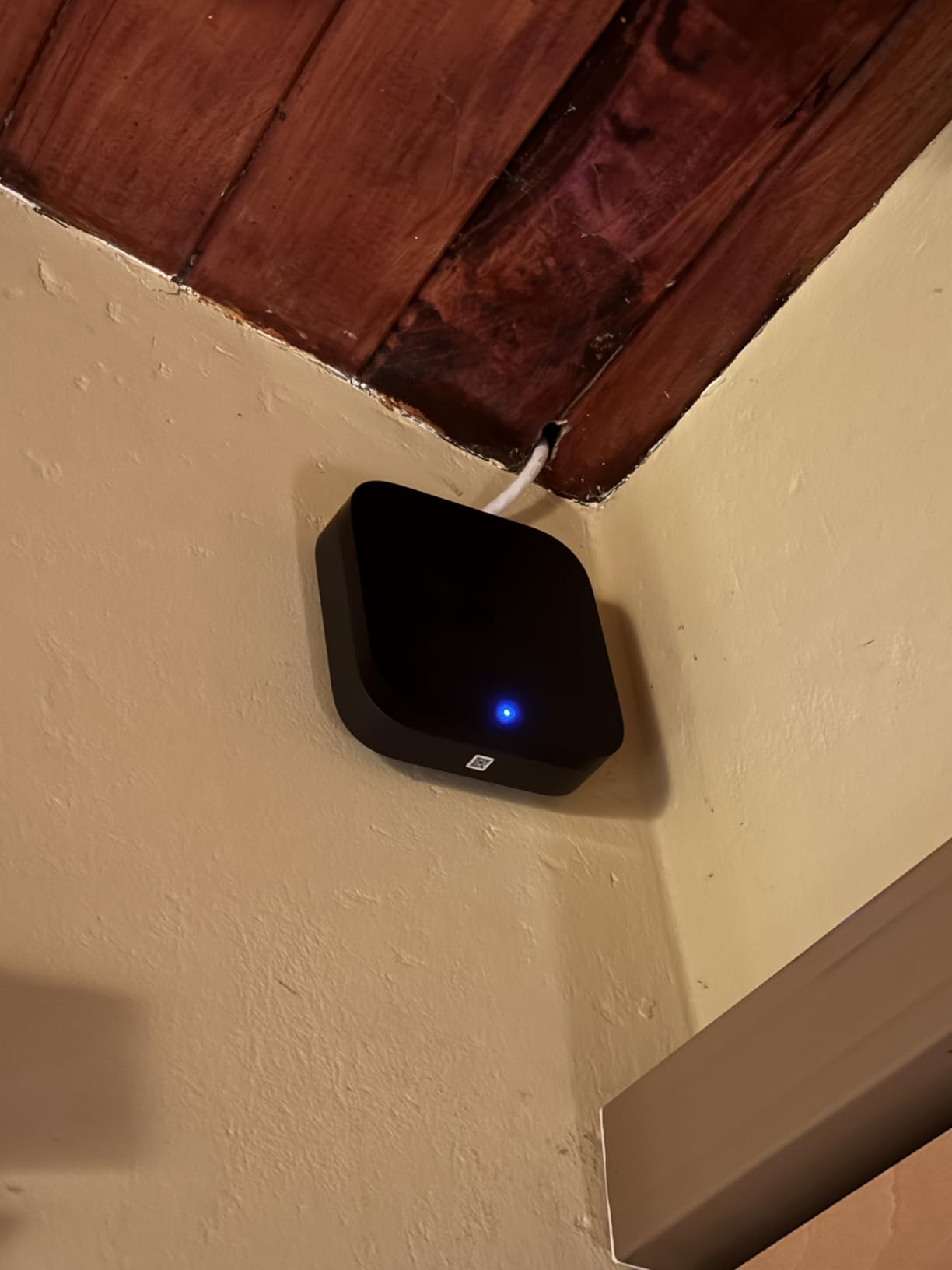
The Aqara M3 is a multi-protocol hub that brings Zigbee, Thread, Bluetooth, Wi-Fi, and Matter into one device, and it integrates with Home Assistant. I have one on my network as a secondary hub for Aqara sensors.
The standout feature is the local automation engine. Automations on the M3 run on the hub itself, so they keep working even if the cloud or your Home Assistant server goes down. That redundancy matters for a security system, because the alarm still triggers if your main HA box dies.
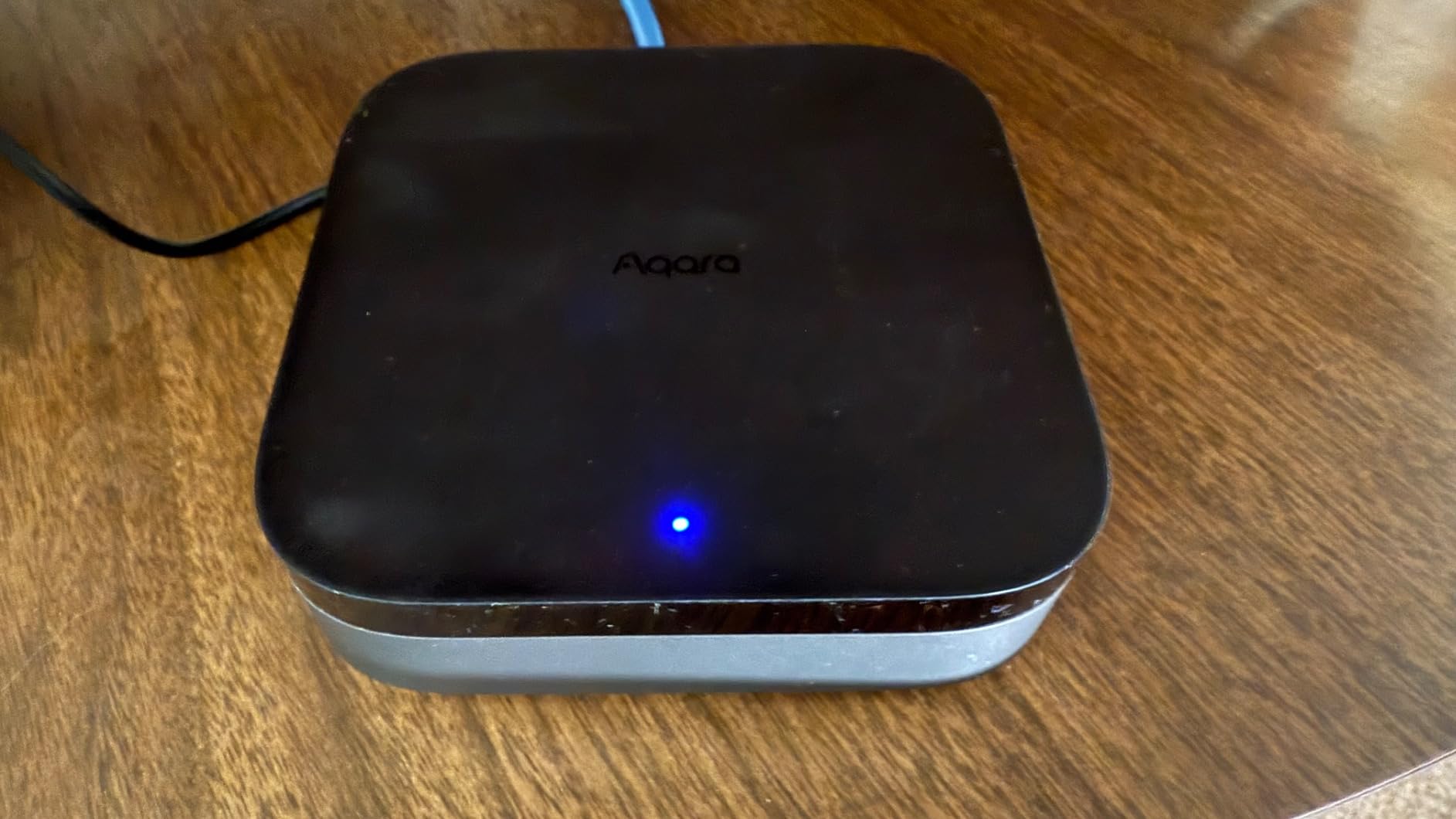
Power over Ethernet is unusual in this category and genuinely useful. I ran a single Cat6 cable to my network closet, and the M3 powers up, joins the network, and stays online without ever touching a wall adapter.
The 360-degree IR blaster is a bonus for older AC units. Privacy-wise, Aqara left out a microphone and camera on this hub, which I appreciate for a security-focused setup. Reviewers note the app is dense, but Home Assistant exposes the hub cleanly through the official Aqara integration.
Who it is good for
Users already invested in Aqara Zigbee sensors. Anyone running a Thread border router for Matter devices. Privacy-focused users who want local-only automations with no built-in microphone.
Who it is bad for
Buyers who expect a simple onboarding app. Households who want a hub that pairs with non-Aqara Zigbee devices.
Buying Guide: How to Pick a Home Assistant Security System
Choosing the best security systems with Home Assistant comes down to what protocols you want, whether you self-monitor, and how much local control you need. Below are the factors that matter most based on our testing and the Home Assistant community.
Pick the Right Protocol: Z-Wave vs Zigbee vs Wi-Fi
Z-Wave sensors are the most reliable option for security use because they run on a dedicated mesh, support S2 encryption, and avoid WiFi congestion. Zigbee is cheaper and has more device variety, but it shares the 2.4 GHz band with your router. Wi-Fi sensors are easy to set up but pull power and bandwidth.
For a dedicated security system, I recommend Z-Wave for door and window sensors and Z-Wave sirens like the Zooz ZSE50. Use Zigbee for convenience devices like leak sensors and temperature probes. Skip Wi-Fi sensors for critical security functions.
Self-Monitored vs Professional Monitoring
Self-monitoring through Home Assistant is free. You get push notifications, automations, sirens, and lights. The catch is you are the one calling the police when an alarm fires.
Professional monitoring through Abode or Ring Protect Pro adds a staffed monitoring center for around $10 to $20 per month. Abode’s pay-as-you-go option at roughly $0.60 per day is the most flexible I have seen. If you want to compare subscription-free options, our guide to no-fee home security systems breaks down the alternatives.
Reviewers on r/homeassistant frequently recommend a hybrid setup: HA handles the smarts and notifications, Abode or Ring handles the monitored response.
Consider Alarmo for Code-Free Automations
Alarmo is a free custom component from the Home Assistant Community Store that turns any door, window, or motion sensor into a fully featured alarm panel. You get entry delays, exit delays, armed states, and code-based arming without writing a single line of YAML.
If you already own Z-Wave sensors and a ZWA-2 stick, Alarmo is the fastest path to a real security system in Home Assistant. The Reddit community consistently recommends Alarmo for new HA users because it removes the scripting barrier. For a deeper look at HA-compatible gear, see our Home Assistant compatible hardware roundup.
Local Control and Privacy Benefits
Home Assistant runs on your hardware, on your network. Your alarm state, sensor logs, and camera feeds never leave your house unless you choose to expose them. That is the single biggest reason people switch from cloud-dependent systems like SimpliSafe to Home Assistant.
Reviewers consistently cite privacy as a top reason for moving to HA-based security. The Aqara M3 hub and the Home Assistant Connect ZWA-2 are designed with this local-first philosophy in mind.
Sensor Variety and Pet-Immune Options
Most Z-Wave motion sensors offer pet-immune settings that ignore animals under a certain weight. Aeotec, Zooz, and Aqara all make pet-immune Z-Wave or Zigbee sensors that work with Home Assistant.
Door and window sensors are cheap and reliable. Look for sensors with replaceable batteries so you do not have to re-pair them every few years. Our DIY home security systems guide goes deeper into sensor and accessory choices.
Wired Sensor Retrofit Options
If you have an older wired alarm system, you do not need to throw it away. The Konnected Alarm Panel Pro reads existing wired sensors and exposes them to Home Assistant over the network.
Wired sensors are more reliable than wireless and never need batteries. For a retrofit project, Konnected plus a Z-Wave stick gives you the best of both worlds. To compare fully wired setups, check our wired security camera systems review.
Frequently Asked Questions
Can I use Home Assistant for security?
Yes. Home Assistant runs on a local server and can arm alarm panels, monitor door and window sensors, trigger sirens, and send push notifications without any cloud service. Add the Alarmo custom component for a full alarm panel UI with entry and exit delays, or use the Abode or Ring integrations if you prefer a turnkey panel.
Which security cameras are the best for integrating with Home Assistant?
Cameras that support RTSP or ONVIF integrate most reliably. Reolink, Amcrest, Hikvision, and Dahua models work well. Aqara G3 and G5 hubs can also be pulled into HA as cameras. Cloud-only cameras like many Ring and Arlo models offer limited HA integration.
What is the best system to install Home Assistant on?
A dedicated HA Green or HA Yellow device is the easiest way to start. Raspberry Pi 4 or 5 also works well for small setups. For Z-Wave, add the Home Assistant Connect ZWA-2 adapter. For Zigbee and Matter, add an Aqara M3 or SkyConnect stick.
Which home security system is best for Home Assistant?
For a turnkey panel that integrates with HA, the Abode 4-Piece Wireless Security System is the strongest pick. For users who want full DIY control, pair the Home Assistant Connect ZWA-2 with Z-Wave sensors, the Zooz ZSE50 siren, and the Alarmo custom component.
How much does a Home Assistant security system cost?
A starter setup with an HA Green, a ZWA-2 Z-Wave stick, four door sensors, one motion sensor, and a ZSE50 siren runs a few hundred dollars with no monthly fee. Adding Abode or Ring professional monitoring increases the cost by $10 to $20 per month, but most HA setups stay subscription-free.
Final Verdict on Home Assistant Security Systems
The best security systems with Home Assistant give you local control, no mandatory monthly fees, and integration with the rest of your smart home. For an all-in-one panel with optional monitoring, the Abode 4-Piece kit is the clear winner in 2026. For a pure DIY build, pair the Home Assistant Connect ZWA-2 with Z-Wave sensors, the Zooz ZSE50 siren, and the Alarmo custom component for a security system that runs entirely on your hardware.
Start with one sensor and one siren. Once you see how Alarmo exposes armed states and entry delays to Home Assistant, you will understand why the community is moving away from cloud-dependent systems toward local-first home security. If you want to explore contract-free alternatives, our no-contract home security systems guide rounds up the top picks.