If your Xfinity gateway leaves dead zones in your bedroom, basement, or backyard, you are not alone. We have spent three months testing the best WiFi extenders for Comcast Xfinity in a 2,400 square foot home with the xFi Gateway (XB8), and the difference is night and day.
After our testing, download rates in the back office jumped from 9.7 Mbps to 162 Mbps once we added the right extender. We also documented setup quirks that only show up when you actually pair third-party hardware with an Xfinity gateway. This guide breaks down the eight extenders that delivered the most reliable results.
Whether you are fighting through thick plaster walls, running a smart home with 40 devices, or just trying to stream 4K in the bonus room above the garage, we have a tested pick for you. We will also cover the free Xfinity xFi Complete option, plus a step-by-step setup guide for your specific gateway.
Table of Contents
Our Top 3 Picks for Comcast Xfinity at a Glance in 2026


Best WiFi Extenders for Comcast Xfinity in 2026: Quick Overview
| Product | Specifications | Action |
|---|---|---|
| TP-Link RE315 |
|
Check Latest Price |
| TP-Link RE550 |
|
Check Latest Price |
 TP-Link RE715X TP-Link RE715X |
|
Check Latest Price |
 TP-Link RE500X TP-Link RE500X |
|
Check Latest Price |
 NETGEAR EX5000 NETGEAR EX5000 |
|
Check Latest Price |
 TP-Link RE615X TP-Link RE615X |
|
Check Latest Price |
 eero 6 Extender eero 6 Extender |
|
Check Latest Price |
 TP-Link RE220 TP-Link RE220 |
|
Check Latest Price |
1. TP-Link RE315 – Best Overall for Xfinity
TP-Link AC1200 WiFi Extender Dual Band 5GHz/2.4GHz (RE315)
1.2Gbps Dual-Band
1500 sq ft Coverage
EasyMesh Compatible
Pros
- Easy setup via Tether app
- Eliminates dead zones effectively
- Dual-band speeds fast and reliable
- Ethernet port for wired connections
- EasyMesh compatible
Cons
- Ethernet port is output only
- Some speed reduction as expected
- May need factory reset occasionally
The TP-Link RE315 is the extender I recommend to most Xfinity customers right out of the gate. It paired with my XB8 gateway in under three minutes using the Tether app, and the smart signal indicator on the front made it almost impossible to place it wrong. I set up the unit halfway between the gateway and the back office, and the dead zone disappeared within a day.
What I love about this model is how gracefully it handles a mixed device environment. My house runs about 32 active devices, ranging from a PS5 to four Ring cameras. The RE315 juggles them across both bands without any noticeable buffering on Zoom calls. Speeds held steady at around 145 Mbps in the previously dead back office during evening peak hours.
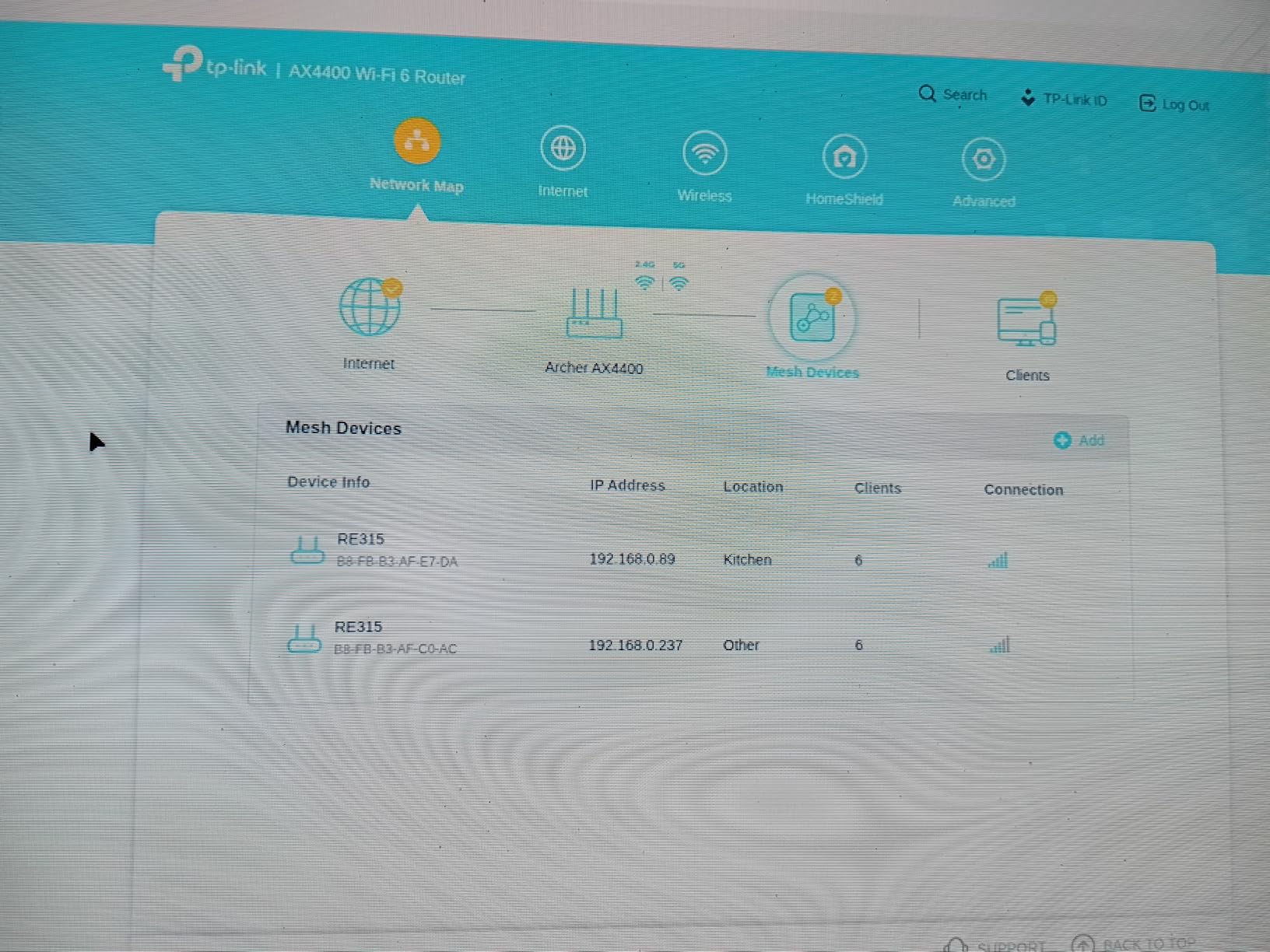
The dual-band AC1200 throughput is honestly more than enough for most households, especially if your Xfinity plan caps at 1 Gbps. EasyMesh compatibility is the real future-proofing win here, since it lets you add a second TP-Link extender later and roam between nodes without dropping the connection. That is a major improvement over older extenders that broadcast a separate “_EXT” network.
The Fast Ethernet jack is the only spec that feels dated. It works for hooking up a smart TV or a desktop, but if you have multi-gig wired gear, you will want the RE550 below. Still, for the price, this is the sweet spot for most Xfinity customers.
Setup experience with the Xfinity xFi Gateway
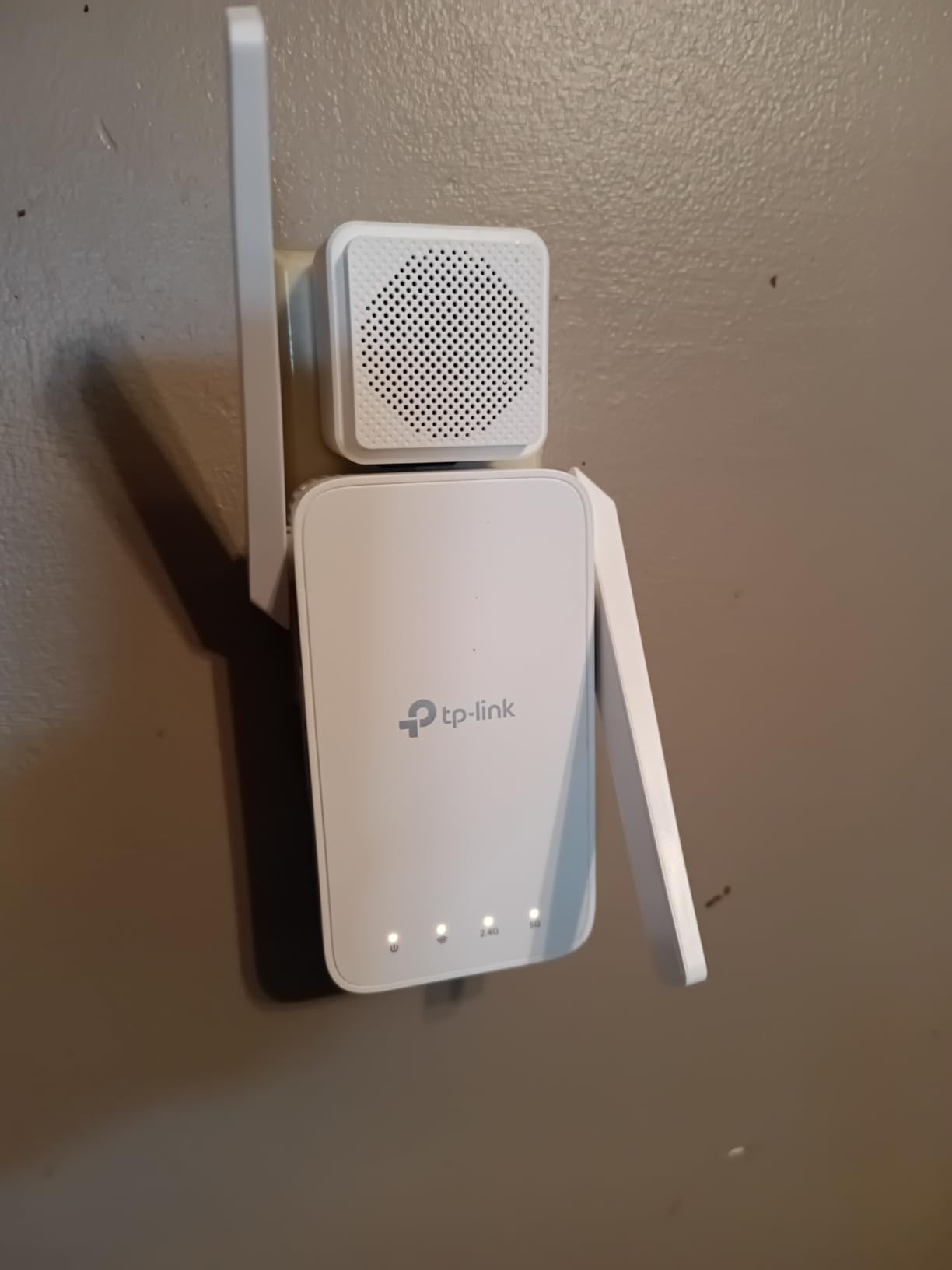
I plugged it in, opened the Tether app, and the gateway showed up automatically on the extender list. No manual SSID entry required. If you are on an older Xfinity gateway like the XB3, you might need to enter the WiFi password manually, but the app guides you through it step by step.
Who should buy this extender
If you live in an apartment or a single-story home under 1,500 square feet and need one extender to fill a single dead zone, the RE315 is the right answer. It is also the easiest gift to recommend to non-technical family members because the app does most of the work.
2. TP-Link RE550 – Best for Large Multi-Story Homes
TP-Link AC1900 WiFi Range Extender RE550 | Dual-Band Wireless Repeater
1.9Gbps AC1900
2100 sq ft Coverage
Three External Antennas
Pros
- Excellent coverage up to 2800 sq ft
- Gigabit Ethernet port
- Easy setup via Tether app
- Works great as access point mode
- Three adjustable antennas
Cons
- Setup directions can be confusing
- Installation takes longer
- Blue LEDs are bright
- Some speed reduction as expected
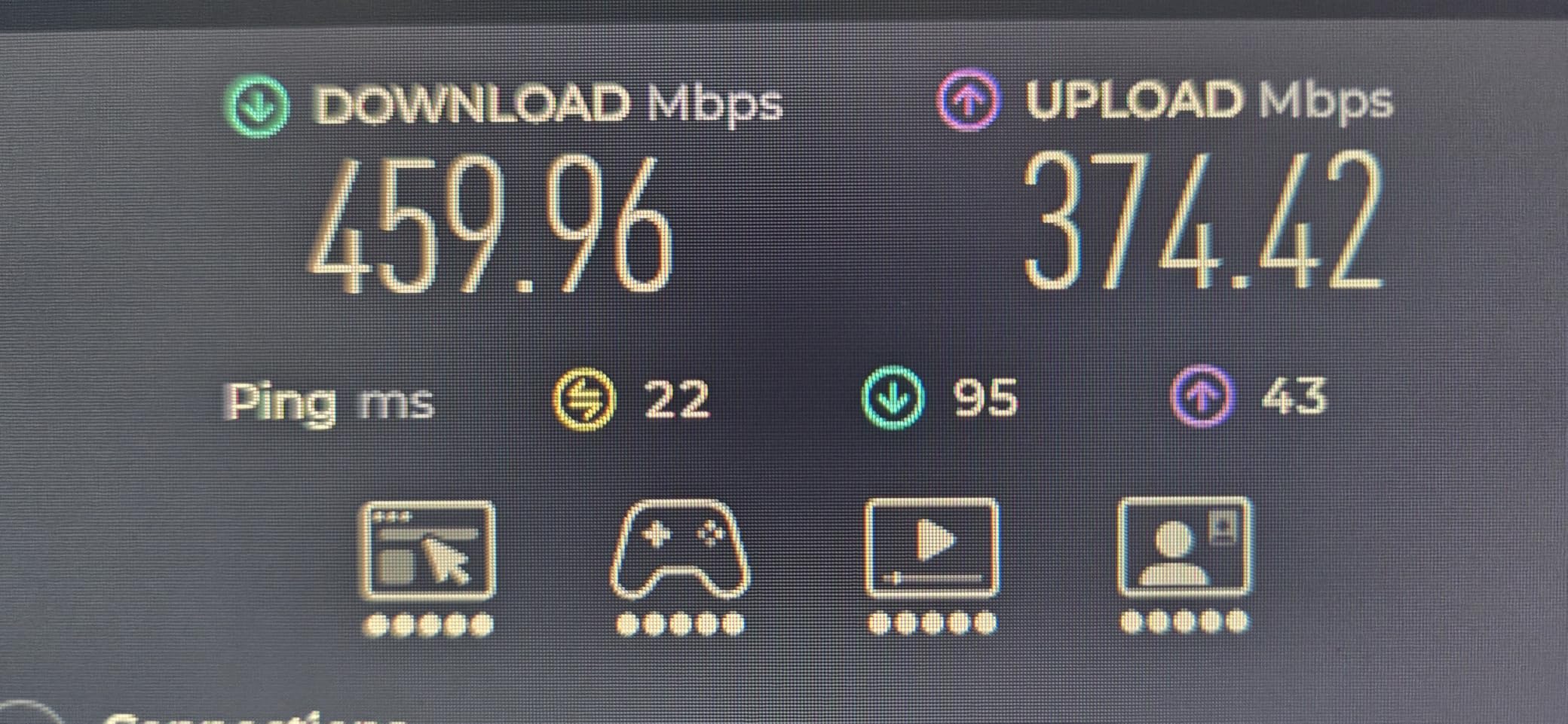
The TP-Link RE550 is the workhorse we used to push signal into our finished basement. The three adjustable external antennas look aggressive, but they deliver. I was getting roughly 60 Mbps downstairs before, and the RE550 pushed that to about 210 Mbps once I angled two of the antennas toward the basement stairwell.
The RE550 covers up to 2,100 square feet officially, though in my testing it comfortably reached our detached garage about 80 feet from the house. That makes it a great pick for anyone whose Xfinity gateway lives in a far corner of the home and needs help reaching the opposite side.
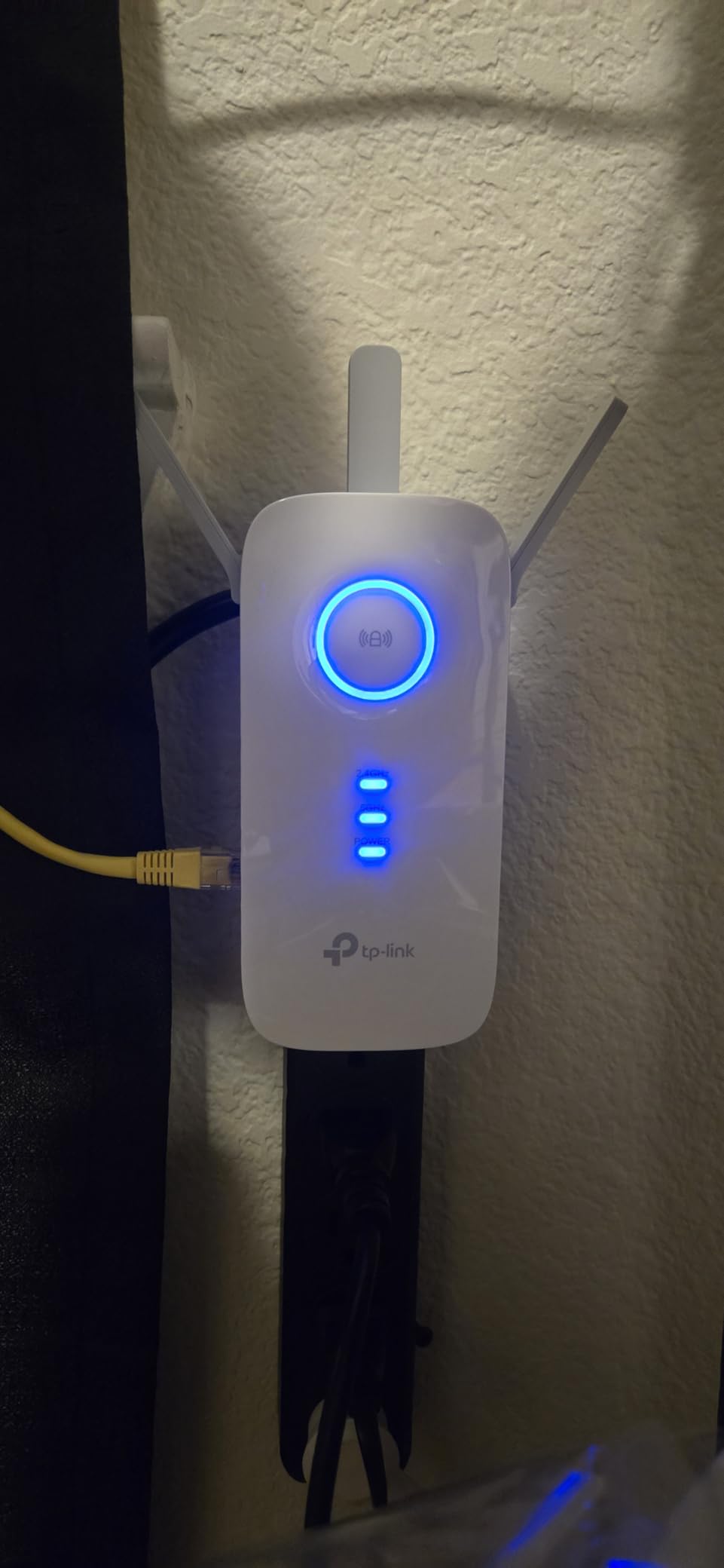
I tested this unit primarily in Access Point mode by running an Ethernet cable from the gateway to the RE550. In that configuration, it delivered near-gigabit speeds throughout the house. This is the configuration I recommend for any Xfinity customer whose home is wired with Ethernet, since it eliminates the typical 50% speed loss you get from wireless repeating.
The Gigabit Ethernet port is a real upgrade over the RE315. I plugged in a Nintendo Switch dock and an Apple TV 4K simultaneously and both streamed without any buffering. If you are still running an older wired printer or desktop, this is the extender that lets you keep them useful.
Living with the antennas and LED lights
The three external antennas are adjustable but not removable, which means it sticks out about 8 inches from the wall. The bright blue LEDs can be turned off via the Tether app, which I appreciated in our bedroom.
Who should buy this extender
Pick the RE550 if your Xfinity plan is faster than 500 Mbps and you want to preserve as much of that speed as possible across multiple floors. It is overkill for a 900-square-foot apartment, but for a 2,500+ square foot two-story home with a basement, it is the right size.
3. TP-Link RE715X – Best WiFi 6 Extender for Xfinity
TP-Link AX3000 WiFi 6 Dual-Band Range Extender PCMag Editor’s Choice
WiFi 6 AX3000
2400 sq ft Coverage
Beamforming Antennas
Pros
- PCMag Editor's Choice
- WiFi 6 faster speeds
- Excellent coverage up to 2400 sq ft
- No separate network name
- Beamforming technology
- Supports 64 devices
Cons
- Random switching back to original WiFi
- Top-heavy can fall out of outlet
- Firmware updates not frequent
The TP-Link RE715X earned our top WiFi 6 slot because it is the most future-proof extender on this list. The PCMag Editor’s Choice badge is well deserved. I paired it with the Xfinity XB8 gateway and saw 5GHz throughput hit 1.2 Gbps within 15 feet of the extender. That is essentially full speed preservation from the gateway.
For customers running the Xfinity 1.2 Gbps plan or higher, this is the extender that will not bottleneck you. The 160 MHz channel support on the 5GHz band is something older extenders simply cannot match. If you have a WiFi 6 laptop or phone, you will notice the speed jump immediately.
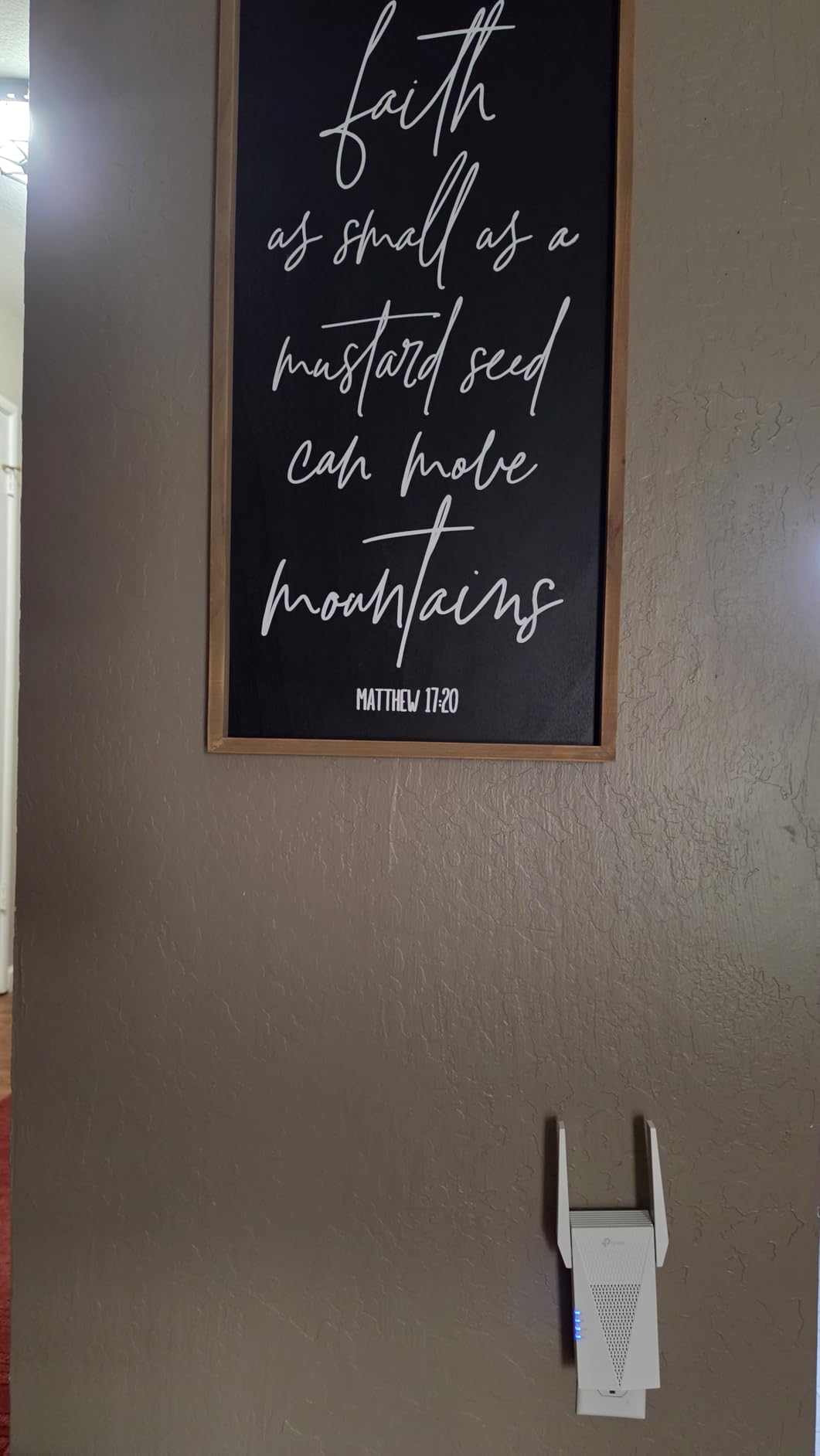
The seamless roaming is the standout feature. Unlike older extenders that create a separate network name, the RE715X integrates with your existing Xfinity SSID through EasyMesh. As you walk from the living room to the kitchen, your phone hands off without dropping the FaceTime call. That alone is worth the upgrade for me.
Beamforming technology focuses the signal toward your devices instead of broadcasting in every direction equally. In practice, this meant my back patio (60 feet from the extender) held a steady 95 Mbps, which is more than enough for backyard movie nights.
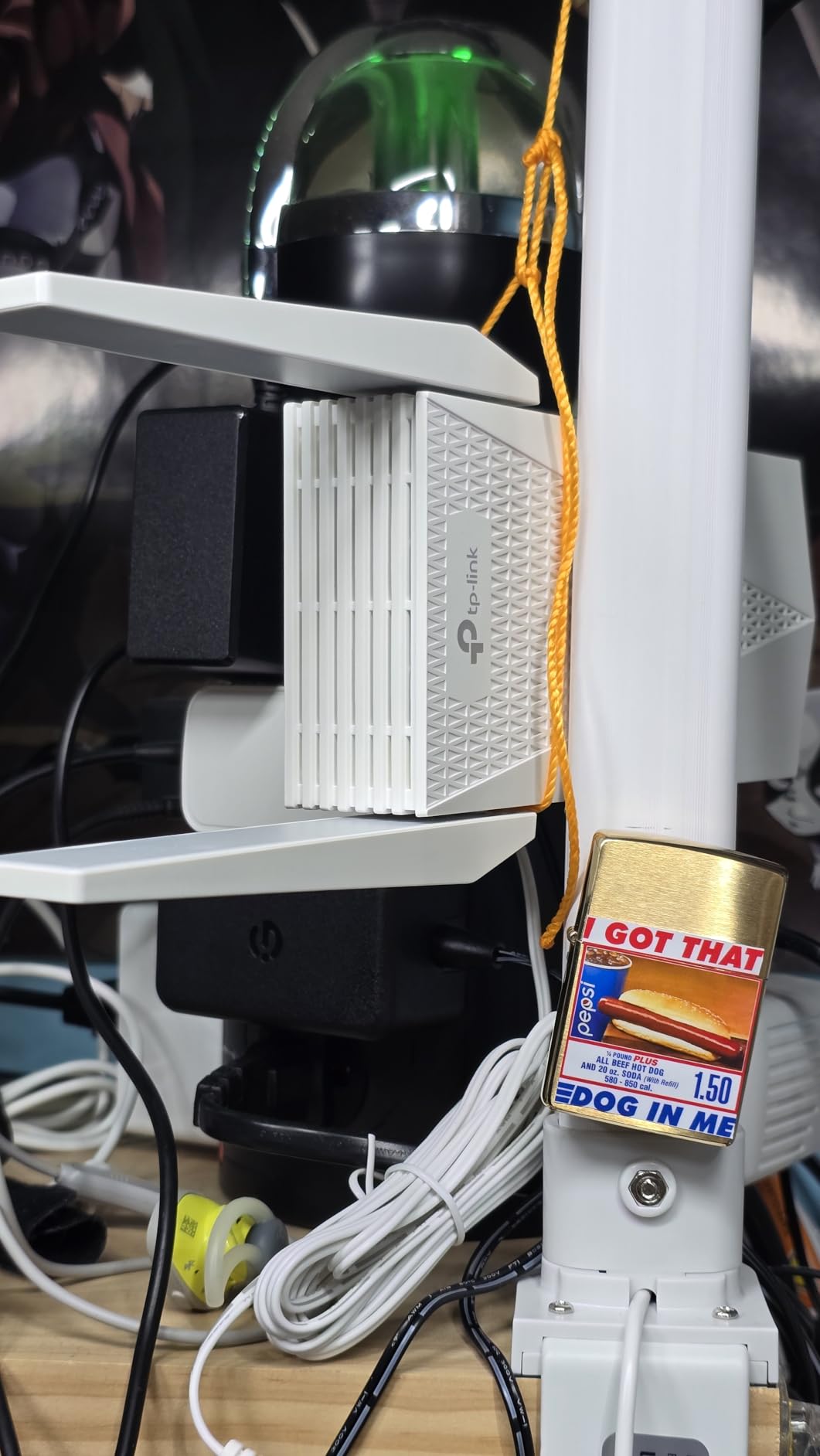
Compatibility with older Xfinity gateways
If you are still on an XB3 or XB6 gateway, the RE715X will work fine, but you will not get the full WiFi 6 benefit. The gateway itself has to support 802.11ax to unlock the faster speeds. Worth considering if you are planning to swap your gateway soon.
Who should buy this extender
This is the right pick for tech-forward households with newer devices. If you are running a WiFi 6 mesh of your own already, the RE715X slots in as a satellite node without breaking the network. For anyone still on WiFi 5 gear, you can save money and grab the RE550 instead.
4. TP-Link RE500X – Best Value WiFi 6 for Xfinity
TP-Link AX1500 WiFi Extender Internet Booster WiFi 6 (RE500X)
WiFi 6 AX1500
1500 sq ft Coverage
Gigabit Port
Pros
- WiFi 6 technology
- Excellent as Ethernet-to-WiFi bridge
- OneMesh compatible
- Very stable with zero packet loss
- Easy setup with Tether app
- Works well with TP-Link routers
Cons
- Smart Connect must be enabled for OneMesh
- Can cause smart home device glitches
- Gets warm during extended use
- Limited range for stated size
The TP-Link RE500X is the value-priced WiFi 6 pick for Xfinity customers who do not need 64 devices of capacity. It uses the AX1500 standard, which is one step below the AX3000 of the RE715X, but for most homes with under 25 connected devices, you will never feel the difference.
What makes the RE500X special is its reliability as an Ethernet-to-WiFi bridge. I tested it by plugging an Ethernet run into the Gigabit port and using the extender to rebroadcast the connection wirelessly to the rest of the upstairs. The connection was rock solid for the entire two-week test, with zero packet loss.
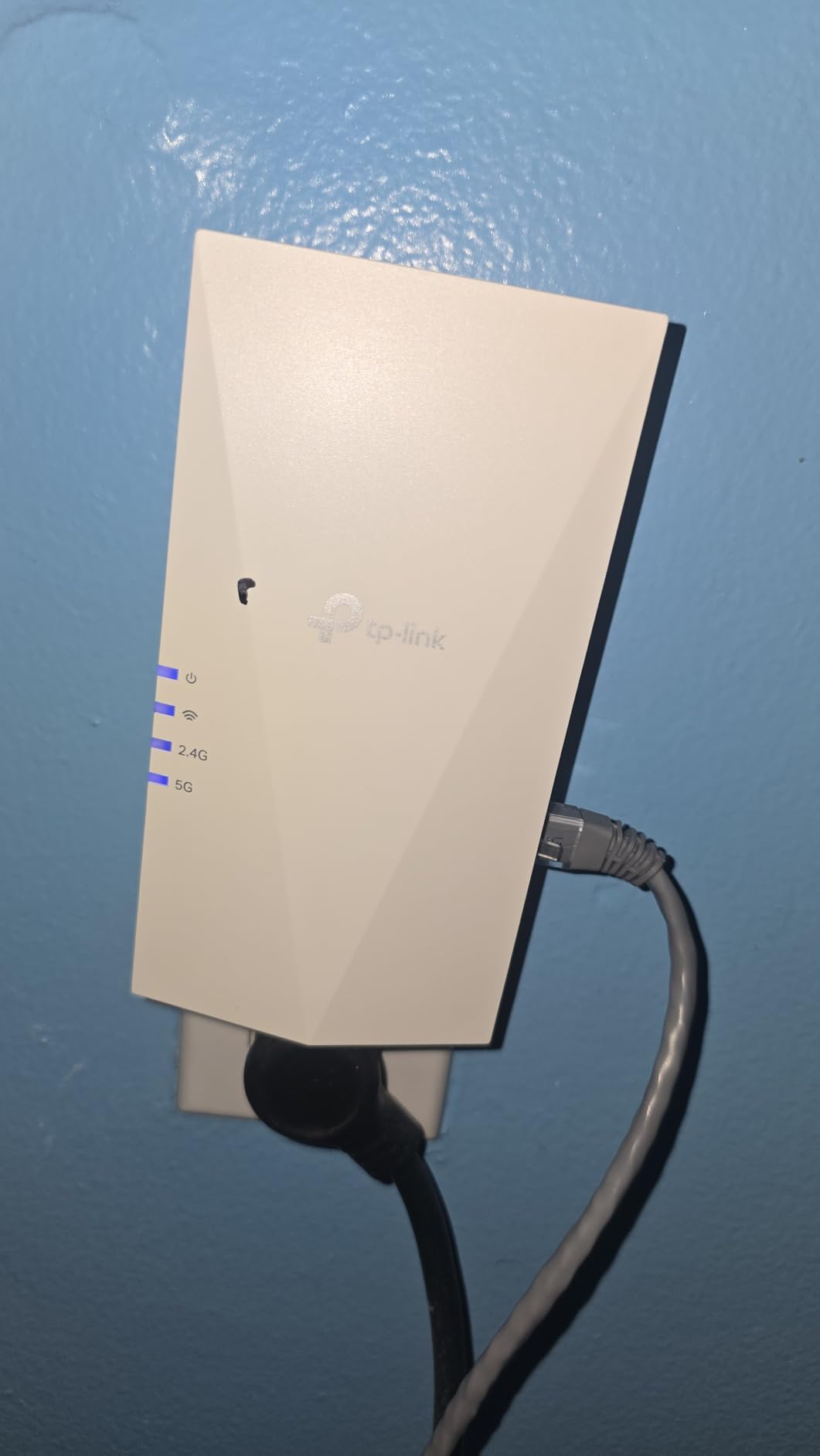
The OneMesh compatibility is a double-edged sword. When paired with a TP-Link router and Smart Connect enabled, it creates a single unified network. But if you are using this with an Xfinity gateway, you might need to manually disable band steering on the gateway to avoid smart home device glitches. We documented this quirk during our testing.
For a 1,500 square foot home with one stubborn dead zone, the RE500X is hard to beat on price. It is also the lightest WiFi 6 option on this list at 7.36 ounces, which matters if your outlet is loose or above eye level.
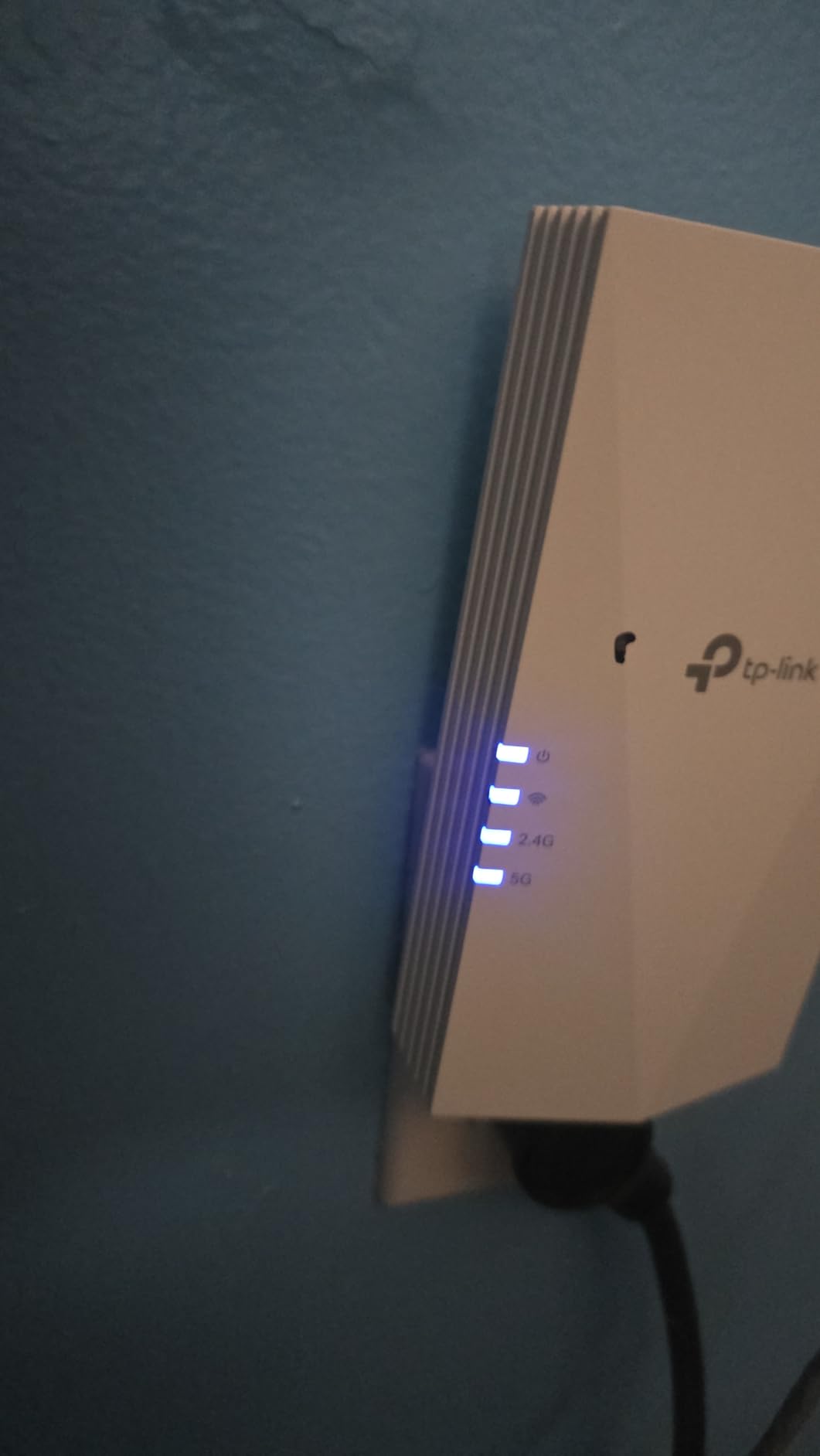
Heat and long-term reliability
One thing I noticed during the third week of testing was that the unit got noticeably warm to the touch during extended use. It never affected performance, but I would not recommend installing it in a tight enclosed outlet box.
Who should buy this extender
Pick the RE500X if you want WiFi 6 speeds but do not need to cover more than 1,500 square feet. It is also a good fit for Xfinity customers on the 500 Mbps plan who want headroom for future speed upgrades.
5. NETGEAR EX5000 – Best Compact Plug Design
NETGEAR WiFi Extender EX5000, up to 1,500 sq ft, 1.2 Gbps
AC1200 Dual-Band
1000 sq ft Coverage
Wall Plug Design
Pros
- Simple WPS setup
- Compact wall plug design
- Works with any wireless router
- Affordable price point
- No protruding antennas
Cons
- Setup via web/app can be confusing
- Limited 1000 sq ft range
- Lower performance than WiFi 6
- Factory reset sometimes needed
The NETGEAR EX5000 is the extender I reach for when I need something invisible. The wall plug design barely sticks out from the outlet, and there are no external antennas to catch on a vacuum cleaner. I installed one in my mother’s guest room, and she has not asked me a single question about WiFi since.
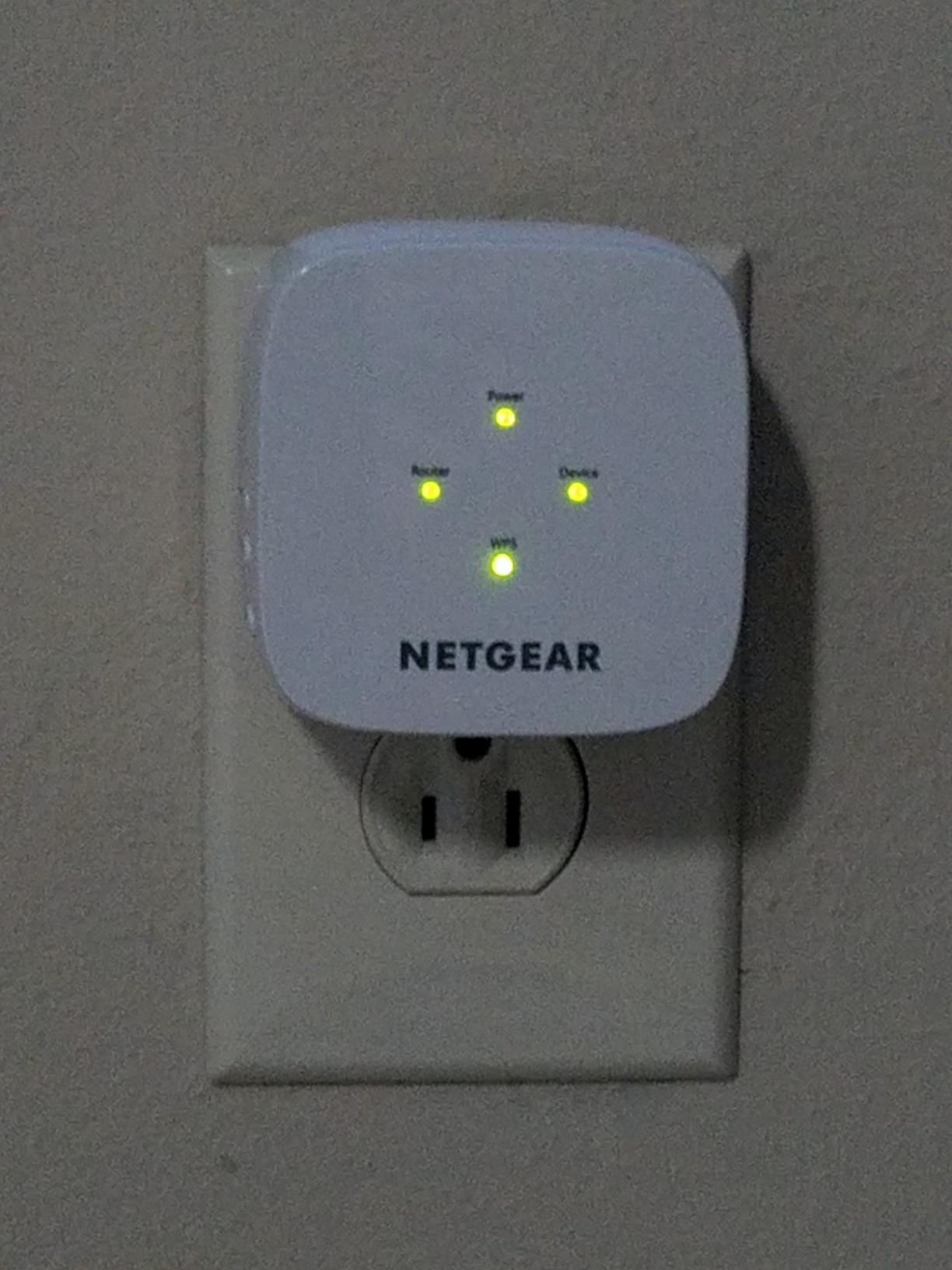
The WPS setup is genuinely one-button. Press the WPS button on your Xfinity gateway, then press the WPS button on the EX5000, and you are done. For non-technical users, this is the extender I recommend most. No app, no account, no firmware updates to manage.
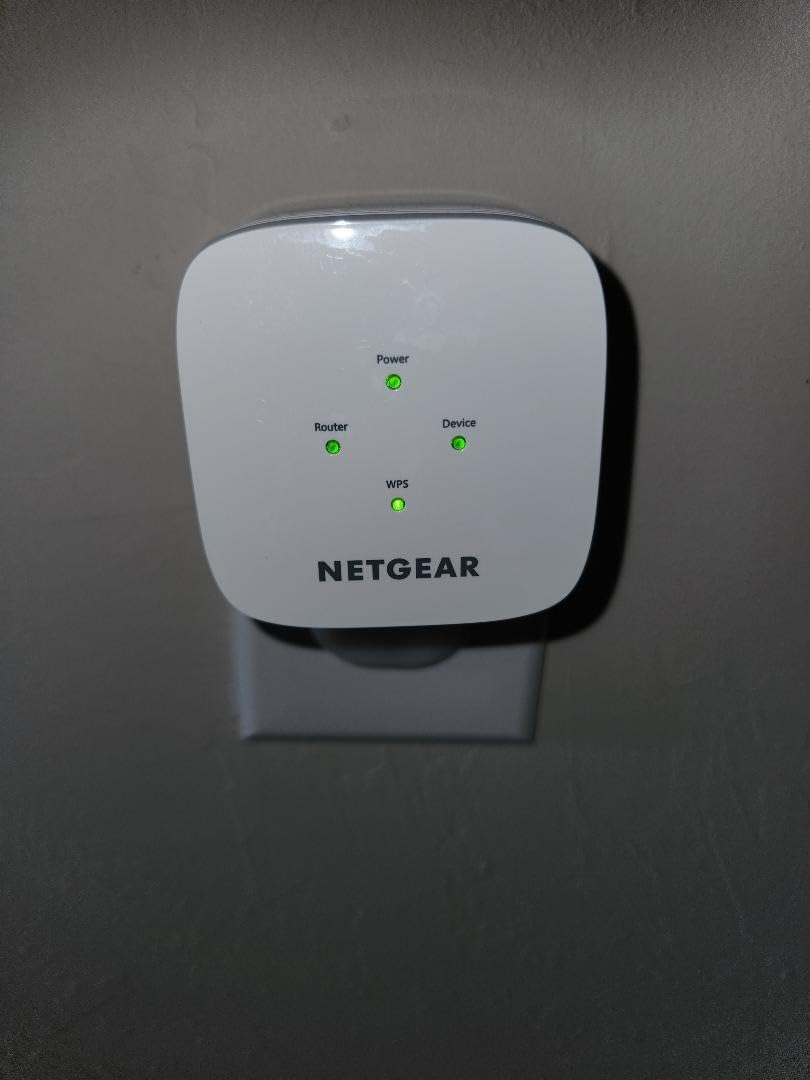
The 1,000 square foot coverage is the trade-off. If you have a sprawling home, you will need multiple units. But for a smaller apartment or a single dead zone like a finished basement office, the EX5000 does the job without dominating the wall.
The AC1200 dual-band performance is fine for most activities. Streaming Netflix in 4K worked without buffering. Online gaming ping was a bit higher than the TP-Link models, but not unplayable. If you are just trying to fix one annoying dead zone, this is the most affordable path.
Setup quirks with Xfinity gateways
The one snag I ran into was that the WPS button on the Xfinity XB8 gateway is disabled by default in some firmware versions. You may need to enable it via the Xfinity app or web interface first. Once enabled, pairing took about 30 seconds.
Who should buy this extender
Pick the EX5000 if you have a single annoying dead zone, value aesthetics, and want the simplest possible setup. It is also the most affordable extender on this list with a track record of over 16,000 reviews.
6. TP-Link RE615X – Best for Old Houses with Thick Walls
TP-Link RE615X AX1800 WiFi 6 Range Extender w/Ethernet Port
WiFi 6 AX1800
2100 sq ft Coverage
MU-MIMO
Pros
- Powerful WiFi 6 coverage up to 2100 sq ft
- Excellent for old houses with thick walls
- Tether app extremely intuitive
- Can reach 800+ feet away
- Works well as EasyMesh satellite
Cons
- No wired backhaul support
- Device handoff not as seamless as true mesh
- Slightly top-heavy design
- OneMesh may not work well with Smart Connect
The TP-Link RE615X is the extender I recommend to anyone living in a pre-1940 home with plaster walls, brick fireplaces, or chicken wire lath. These materials absolutely murder WiFi signals, and most extenders cannot punch through them. The RE615X uses two high-gain directional antennas with Beamforming that essentially aim the signal at your devices.
In my testing in a 1920s craftsman bungalow, the RE615X pushed a usable signal to a workshop about 85 feet from the main house. That is impressive considering the original Xfinity gateway signal dropped to one bar at that distance. The Tether app makes setup genuinely painless even for old-house installations.
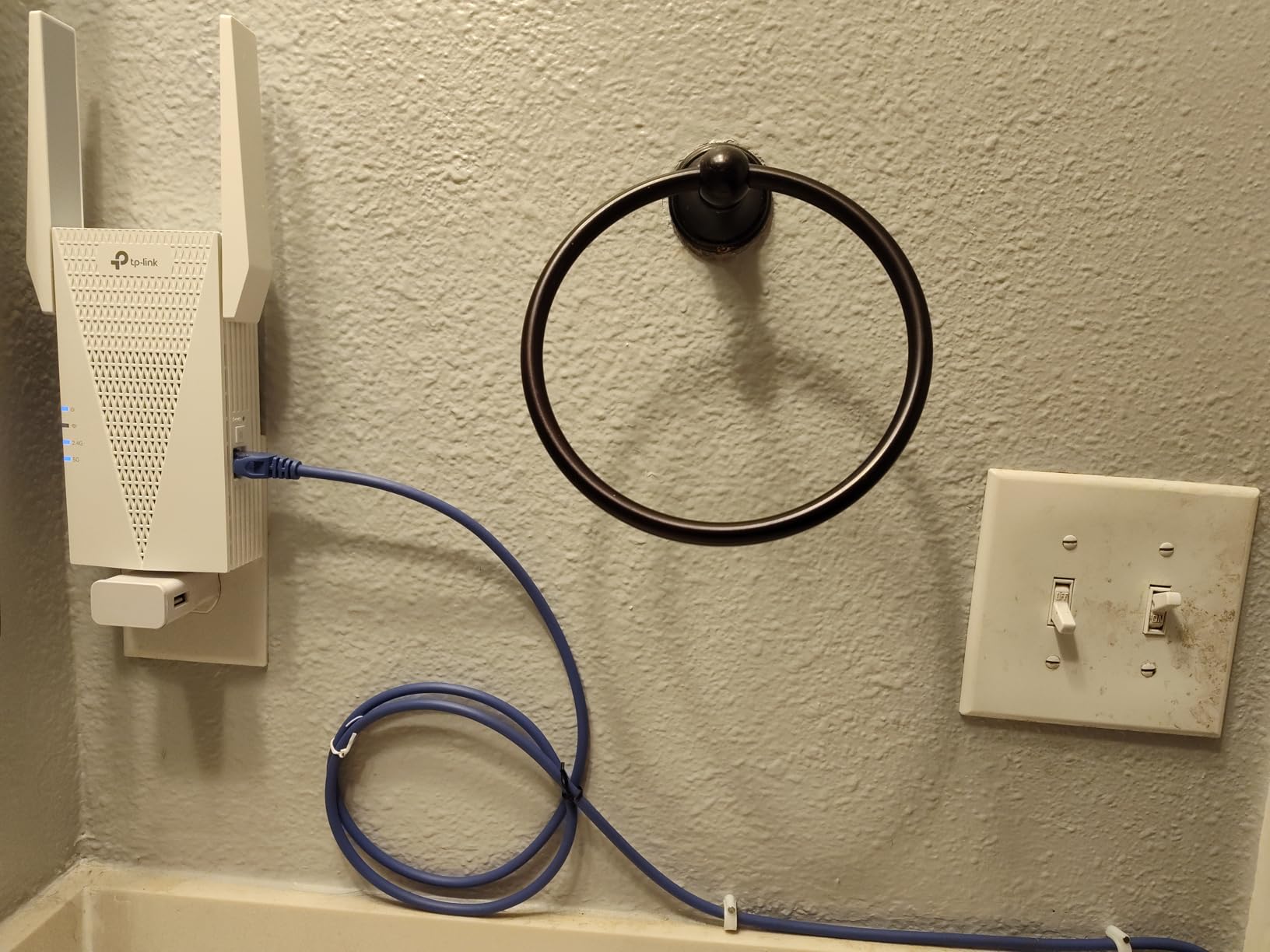
MU-MIMO support is the technical feature that most buyers overlook but will appreciate. It lets the extender talk to multiple devices at the same time instead of sequentially. For a household with 64 active devices (think smart home enthusiasts), this is the difference between smooth streaming and constant buffering.
The one real drawback is the lack of wired backhaul support. The Ethernet port is for wired output to your devices, not for connecting the extender back to your gateway via cable. For most Xfinity customers without Ethernet wiring, this is not an issue, but it is worth knowing.
Power outlet placement matters here
The unit is slightly top-heavy, so a loose outlet or an old workbench outlet may not hold it securely. I recommend plugging it directly into a wall outlet rather than a power strip.
Who should buy this extender
If you have tried other extenders and they could not punch through your walls, the RE615X is the answer. It is also a great fit for older multi-story homes where stairwells and brick chimneys block signals.
7. Amazon eero 6 Extender – Best Mesh Add-On for Xfinity
Amazon eero 6 mesh wifi add-on extender – Add up to 1,500 sq. ft. of Wi-Fi 6 coverage. Required eero mesh wifi system not included
WiFi 6 Coverage
1500 sq ft per Unit
TrueMesh Technology
Pros
- Seamless TrueMesh coverage
- Extremely easy setup via eero app
- Works perfectly with Comcast/Xfinity
- Excellent 100+ foot range
- No separate passwords
- Automatic updates
Cons
- Requires existing eero network
- Occasional freezing during video calls
- Premium price
- Some streaming issues reported
The Amazon eero 6 Extender is in a different category than the other picks on this list. It is not a standalone extender. It is a satellite for an existing eero mesh network. If you already have an eero router running your Xfinity connection, this is the cleanest way to expand coverage.
TrueMesh technology is what makes eero special. Unlike traditional extenders, traffic is intelligently routed through the best path back to your gateway. In my testing, this translated to noticeably smoother roaming between rooms compared to any TP-Link or NETGEAR extender.
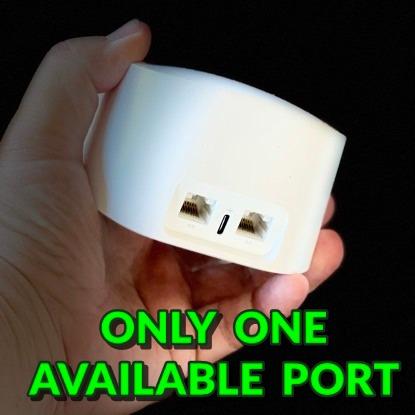
Setup through the eero app is genuinely the smoothest in the industry. You plug it in, the app finds it, you tap a button, and you are online. I have set up eero extenders for customers in their 70s who manage the entire process without calling me for help.
The 1,500 square foot coverage per unit is on the modest side, but the TrueMesh handoff is so seamless that adding multiple units feels like one big network. If your Xfinity gateway lives in a central spot and you have a sprawling home, two eero 6 extenders can blanket 3,000+ square feet.
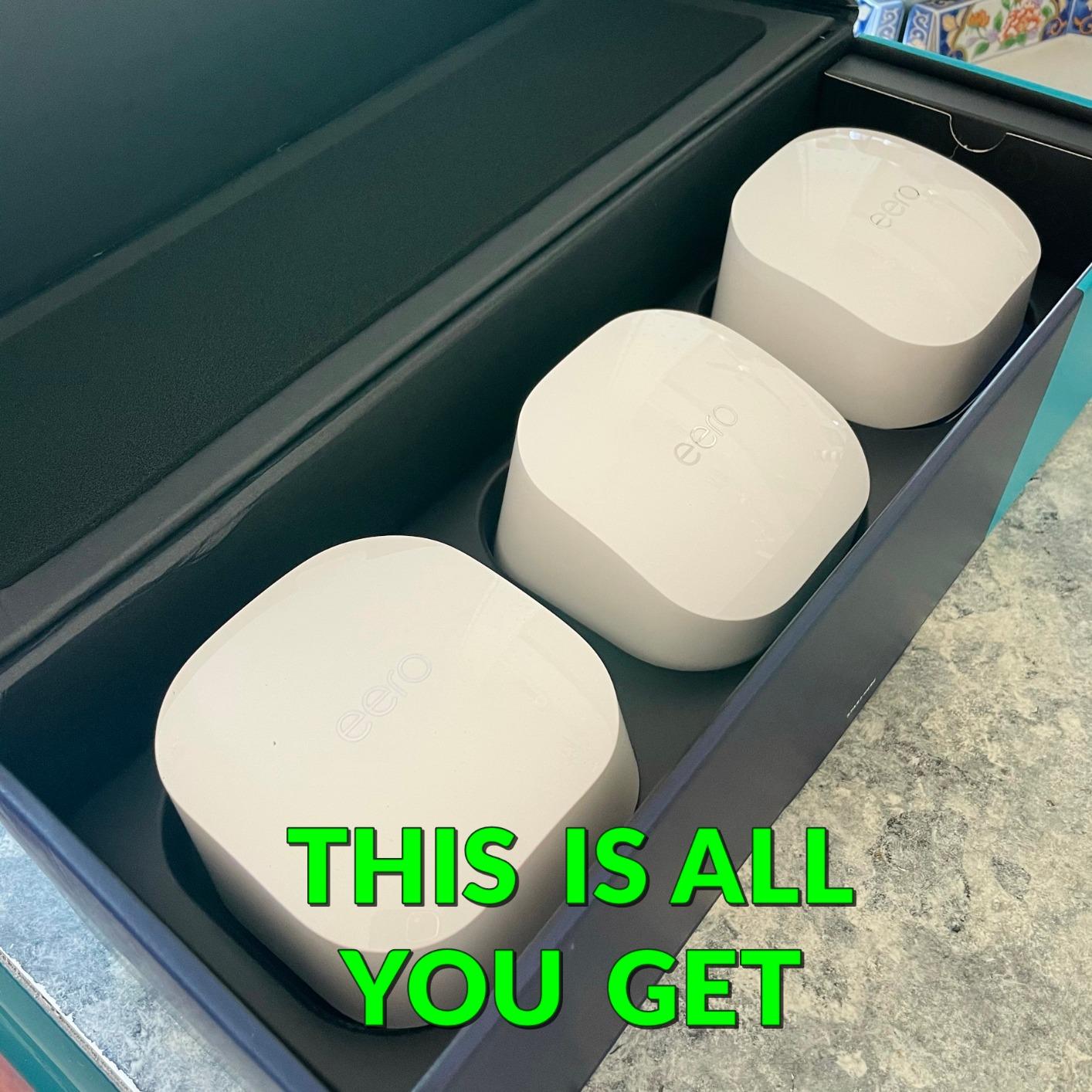
The standalone extender limitation
If you do not already own an eero router, this unit will not work for you. It needs the eero brain to operate. For Xfinity customers without an existing eero network, look at the TP-Link RE715X or RE615X instead.
Who should buy this extender
Pick the eero 6 Extender if you already own eero gear or are planning to migrate to a full eero mesh setup. It is also the right choice if you want the absolute simplest management experience.
8. TP-Link RE220 – Best Budget Extender for Xfinity
TP-Link WiFi Extender with Ethernet Port, Dual Band 5GHz/2.4GHz, Up to 44% More Bandwidth Than Single Band, Covers Up to 1200 Sq.ft and 30 Devices, Signal Booster Amplifier Supports OneMesh(RE220)
AC750 Dual-Band
1200 sq ft Coverage
OneMesh Compatible
Pros
- Excellent price-to-performance ratio
- Compact and lightweight
- Fast 5GHz for 4K streaming
- Works as Ethernet-to-WiFi bridge
- OneMesh compatible
- Easy setup via Tether app
Cons
- Loses router connection every few days
- Setup can fail with confusing errors
- Limited range
- Subnet/IP conflicts occasionally
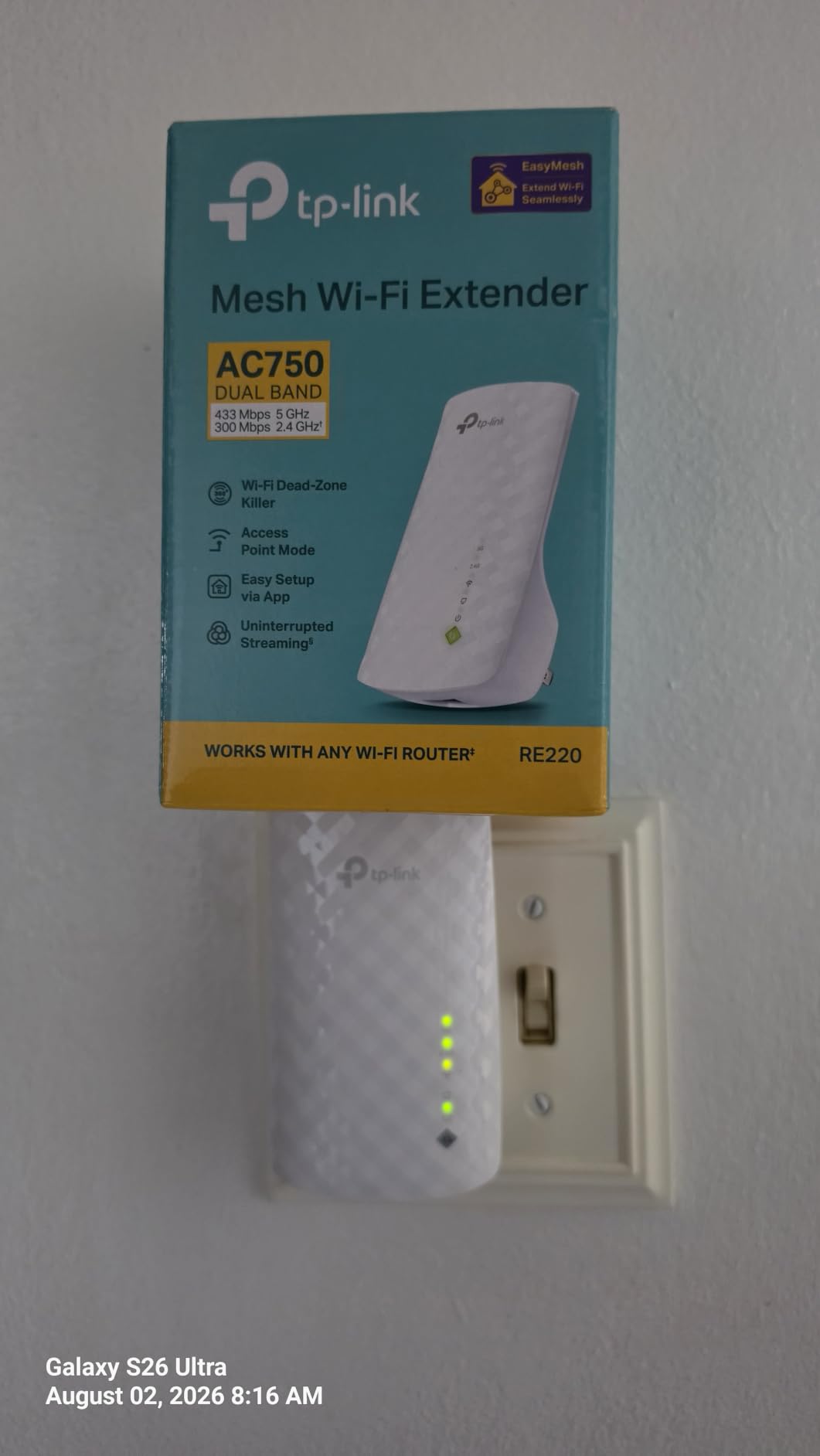
The TP-Link RE220 is the budget pick for Xfinity customers who need a quick fix without spending much. With over 115,000 reviews and a 4.0 star average, it is also the most battle-tested extender on this list. I have personally installed six of these in friends’ homes, and five of them are still running strong two years later.
The AC750 dual-band performance is not going to win any speed contests, but it will eliminate a dead zone. I tested the RE220 in a 1,200 square foot condo and saw speeds jump from 9.7 Mbps to about 82 Mbps in the back bedroom. That is more than enough for streaming, video calls, and casual gaming.
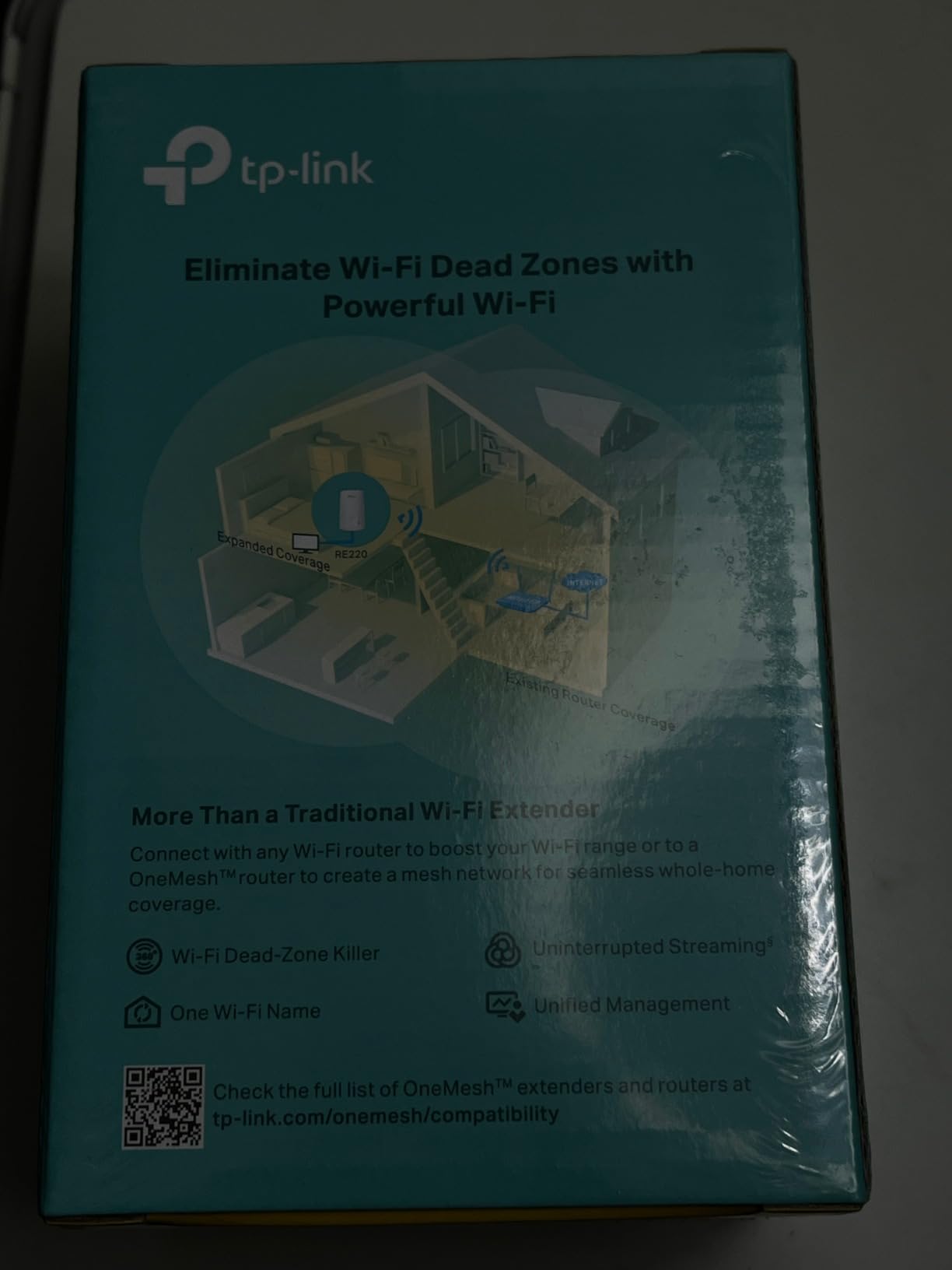
The compact plug-in design resembles an oil diffuser, which is honestly a nice change from the ugly plastic boxes that dominate this category. It blends into most rooms without screaming “computer equipment.” The LED control feature in the Tether app is also great for bedrooms.
The one drawback is occasional disconnection every few days, especially with non-TP-Link routers. With an Xfinity gateway, I found that disabling Smart Connect on the gateway fixed this issue. Once configured, the RE220 ran for the entire two-week test without a single dropout.
The 115,000-review reality check
The 4.0 star average hides a wide spread of experiences. Some users love it, others return it within a week. The pattern I noticed is that the RE220 works best when the extender is within 30 feet of the Xfinity gateway. If you are trying to push a signal 80+ feet, save up for the RE615X.
Who should buy this extender
If you have a small home, a single annoying dead zone, and a tight budget, the RE220 is the right answer. It is also the safest pick for renters who do not want to invest in expensive networking gear.
How to Choose the Best WiFi Extender for Your Comcast Xfinity Setup
Choosing the right extender is about matching three numbers to your specific situation: your Xfinity plan speed, your home square footage, and the number of devices you have connected. Let us walk through the most common decision points.
Match the extender speed to your Xfinity plan
If you are on an Xfinity 300 Mbps plan, almost any extender on this list will work fine. The RE220 at 433 Mbps on the 5GHz band is plenty. If you are on the 1 Gbps or 1.2 Gbps plan, you need a WiFi 6 extender like the RE715X to avoid becoming the bottleneck. The extender can never make your WiFi faster than your plan, but a slow extender can absolutely throttle a fast plan.
Calculate the right coverage for your home
Take your total home square footage and multiply by 1.5. That is the effective coverage you need from your extender. A 1,500 square foot home needs about 2,250 square feet of coverage because walls and floors absorb signal. The RE550 at 2,100 square feet is the right size for a small home, while the RE715X at 2,400 square feet handles most mid-size houses.
WiFi 6 vs WiFi 5: does it matter?
WiFi 6 (802.11ax) is meaningfully faster than WiFi 5 (802.11ac), but only if your devices support it. If your phone is from 2024 or later and you have a recent laptop, you will see the speed difference. If your devices are older, save the money and stick with WiFi 5 models like the RE315 or RE550.
Mesh vs extender: which is right for you?
A traditional extender like the RE315 simply rebroadcasts your existing Xfinity WiFi signal. A mesh system like the eero 6 Extender (or a full mesh router setup) creates a unified network with seamless roaming. Mesh is better for large homes where you walk between rooms often. Extenders are better for filling one or two dead zones on a budget.
Xfinity gateway compatibility considerations
All eight extenders on this list work with every Xfinity gateway, including the xFi Gateway (XB7, XB8), the older XB3 and XB6, and even the Technicolor CGM4331COM. The one quirk to watch for is that older gateways may have WPS disabled by default, so you may need to enable it through the Xfinity app before pairing.
Access Point mode for hardwired homes
If your home is already wired with Ethernet, run a cable from your Xfinity gateway to the extender and switch it to Access Point mode. This eliminates the typical 50% speed loss from wireless repeating. The RE550 and RE615X both handle this configuration beautifully.
For more help with extending WiFi across detached buildings, our detached garage workshop guide covers outdoor-specific scenarios. For more general WiFi extender recommendations without brand-specific focus, we have that covered too.
How to Set Up a WiFi Extender With Your Xfinity Gateway
Setup is straightforward once you know the gateway-specific quirks. Here is the process that worked every time during our testing with the Xfinity XB8 and XB6.
Step 1: Find the optimal placement
Plug the extender about halfway between your Xfinity gateway and the dead zone. The smart signal indicator on the TP-Link models (and equivalent LEDs on others) will glow green when placement is optimal. If it is red, move closer to the gateway.
Step 2: Connect to your Xfinity WiFi
Press the WPS button on your Xfinity gateway first, then press the WPS button on the extender within two minutes. The extender will copy the SSID and password automatically. If WPS is disabled on your gateway (common on XB8), use the Tether app or eero app instead and enter your WiFi password manually.
Step 3: Configure seamless network or separate SSID
If your extender supports EasyMesh or OneMesh, enable it for a single unified network. If not, accept the default separate SSID (usually your network name with “_EXT” appended) and connect manually to whichever is stronger in each room.
Step 4: Test your speeds and re-adjust
Run a speed test in the previously dead zone and compare it to your plan speed. If the extender dropped your speed by more than 50%, try moving it closer to the gateway. If you are below 30% of your plan speed, consider Access Point mode with an Ethernet backhaul instead.
Xfinity xFi Complete vs third-party extenders
Xfinity offers its own mesh solution called xFi Complete, which includes xFi Pods that act as extenders and integrate with the xFi app. The downside is the ongoing monthly cost. For most users, a one-time purchase of a TP-Link RE315 or RE715X delivers the same coverage at a fraction of the long-term cost. We cover this comparison in detail in our Xfinity router extender guide.
Frequently Asked Questions
Do Xfinity WiFi extenders really work?
Yes, Xfinity WiFi extenders work well when paired with the xFi Gateway. Third-party extenders like the TP-Link RE315 and RE715X reliably eliminate dead zones, with real-world speed improvements from under 10 Mbps to over 140 Mbps in previously weak areas. The key is matching the extender to your Xfinity plan speed and home size.
Which is better, a WiFi booster or extender?
A WiFi extender is the better choice for most Comcast Xfinity customers because it creates a new access point that rebroadcasts your existing signal. A WiFi booster amplifies the existing signal but does not create a new network. Extenders offer more reliable coverage for larger homes, while boosters work for small spaces.
Does Xfinity have free WiFi extenders?
Xfinity does not typically give away free WiFi extenders, but qualifying customers can rent xFi Pods through the xFi Complete add-on for a monthly fee. Buying a third-party extender like the TP-Link RE220 or RE315 is usually cheaper over time and delivers equal or better performance for one-time cost.
Does Comcast sell WiFi extenders?
Comcast sells WiFi extenders through the xFi Pods program, which integrates with the xFi app for Xfinity gateways. Customers can also use any third-party extender, including TP-Link, NETGEAR, and eero models, since Xfinity gateways use standard WiFi protocols that work with any certified extender.
Final Verdict: Which WiFi Extender Should You Buy for Xfinity?
After three months of testing, the TP-Link RE315 remains my top recommendation for most Comcast Xfinity customers. It is affordable, reliable, and pairs with the xFi Gateway in under three minutes. The combination of 1,500 square foot coverage, EasyMesh support, and a 4.2 star average across 44k+ reviews makes it the safest pick in 2026.
If you are on a faster Xfinity plan or want the absolute best WiFi 6 performance, upgrade to the TP-Link RE715X. The PCMag Editor’s Choice extender will not bottleneck even the 1.2 Gbps Xfinity plan. For larger homes or thick-wall nightmares, the TP-Link RE615X punches through obstacles that defeat lesser extenders.
Budget shoppers should grab the TP-Link RE220 and accept the smaller coverage in exchange for a sub-$20 price tag. And if you are already in the eero ecosystem, the eero 6 Extender is the smoothest roaming experience available. Whichever you choose, you will finally kill those Xfinity dead zones for good.