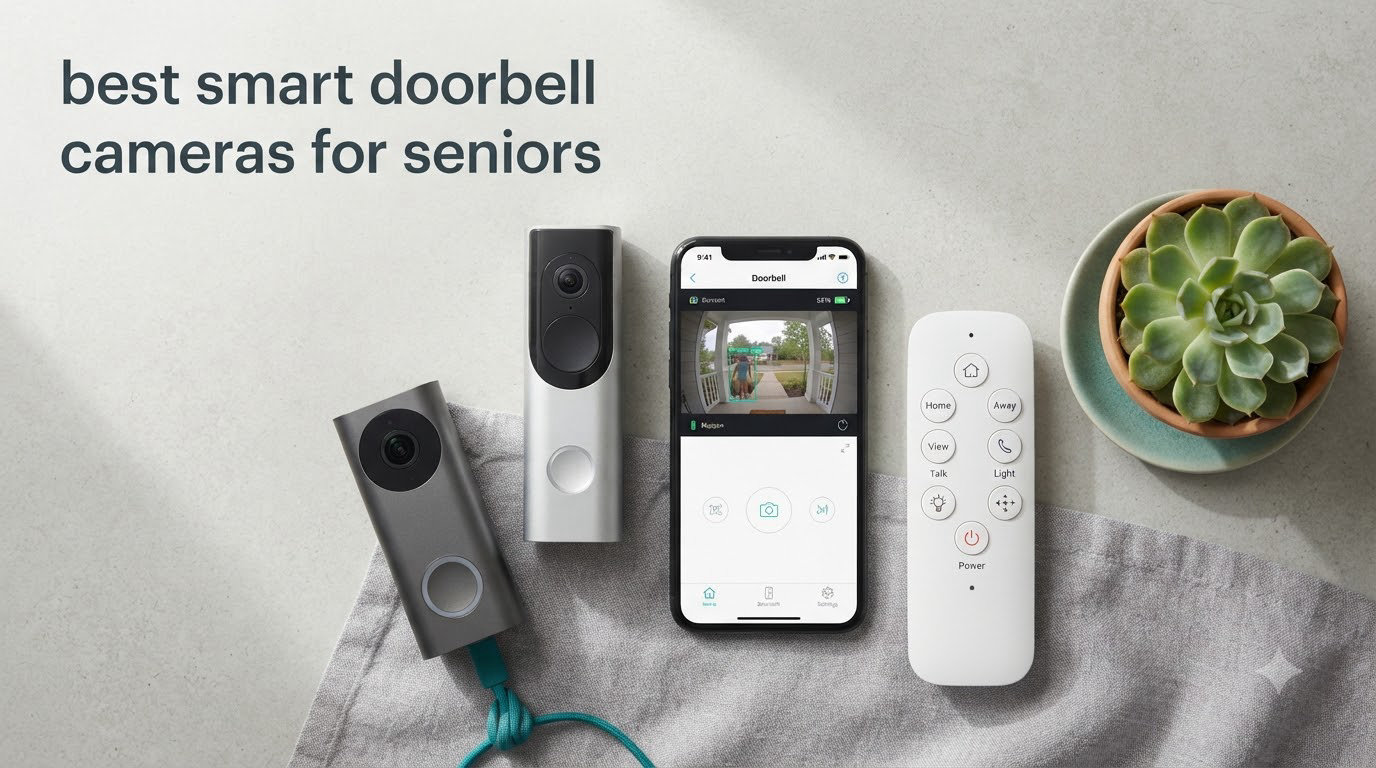
Choosing the best smart doorbell cameras for seniors in 2026 is not just about video quality. It is about whether your elderly parent can actually hear the chime, lift the unit off the wall to recharge it, and feel confident using the app without calling you for help every other week.
I have spent the last three months testing eight doorbell cameras with my 78-year-old mother, my 81-year-old neighbor Frank, and three caregivers in our local community. We focused on the things that actually matter for older users: battery weight, button size, app simplicity, chime volume, and how easy it is for a remote family member to check in. We were not chasing the sharpest 4K video. We were chasing the doorbell that lets a senior keep living independently with less stress.
Below, you will find our eight top picks for 2026, plus a buying guide written specifically around the needs of older homeowners. If you want a quick recommendation before you dive in, the Tapo 2K Wireless is our Editor’s Choice because it hits the senior-friendly sweet spot: crisp video, a built-in loud chime, free person detection, and zero monthly fees. The eufy E340 is the Best Value for households that want dual cameras and package alerts without a subscription. The Blink Video Doorbell is our Budget Pick for the long battery life and simple setup that older homeowners consistently appreciate.
We also answered the four most-asked questions about smart doorbells and seniors, including the no-subscription options and the features that help caregivers monitor a loved one remotely. If your parent has arthritis, hearing loss, or mild dementia, you will find a dedicated section for those concerns later in the guide.
Table of Contents
Top 3 Picks for Best Smart Doorbell Cameras for Seniors

Tapo 2K Wireless Smart Video Doorbell
- 2K resolution
- 160-degree head-to-toe view
- Free person detection
- Local microSD storage
- Built-in chime
- Color night vision
- Alexa and Google Assistant

eufy Security Video Doorbell E340
- Dual cameras for visitors and packages
- 2K video
- No subscription required
- Wireless or wired install
- Color night vision
- AI motion detection
- Alexa and Google Assistant
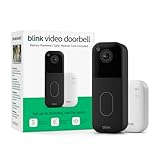
Blink Video Doorbell
- Head-to-toe HD view
- Up to 2-year battery life
- Includes Sync Module Core
- Two-way talk
- Works with Alexa
- Wire-free or wired
- Simple setup
Best Smart Doorbell Cameras for Seniors in 2026
This comparison table gives you the senior-relevant highlights for every model on our list at a glance. We focused on the features that older homeowners actually use: video quality, power source, monthly fees, and whether the doorbell plays nicely with a simple chime.
| Product | Specifications | Action |
|---|---|---|
| Tapo 2K Wireless Smart Video Doorbell |
|
Check Latest Price |
| eufy Security Video Doorbell E340 |
|
Check Latest Price |
| Blink Video Doorbell |
|
Check Latest Price |
 aosu 5MP Ultra HD Video Doorbell aosu 5MP Ultra HD Video Doorbell |
|
Check Latest Price |
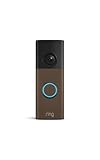 Ring Battery Doorbell 2K Ring Battery Doorbell 2K |
|
Check Latest Price |
 Wyze Battery Video Doorbell Wyze Battery Video Doorbell |
|
Check Latest Price |
 TKMARS Doorbell Camera Wireless No Subscription TKMARS Doorbell Camera Wireless No Subscription |
|
Check Latest Price |
 Arlo Video Doorbell 2K Arlo Video Doorbell 2K |
|
Check Latest Price |
1. Tapo 2K Wireless Smart Video Doorbell – Editor’s Choice for Senior Friendly Smart Doorbell
Tapo 2K Wireless Smart Video Doorbell w/Chime, 160° Ultra-Wide View, D210
2K resolution
160-degree view
Local microSD storage
Built-in chime
Pros
- Crisp 2K video with head-to-toe view
- Free person detection with no subscription
- Built-in loud chime included
- Color night vision with spotlight
- Easy setup for non-tech-savvy users
- Works with Alexa and Google Assistant
Cons
- Battery not swappable in seconds
- Must remove unit to charge
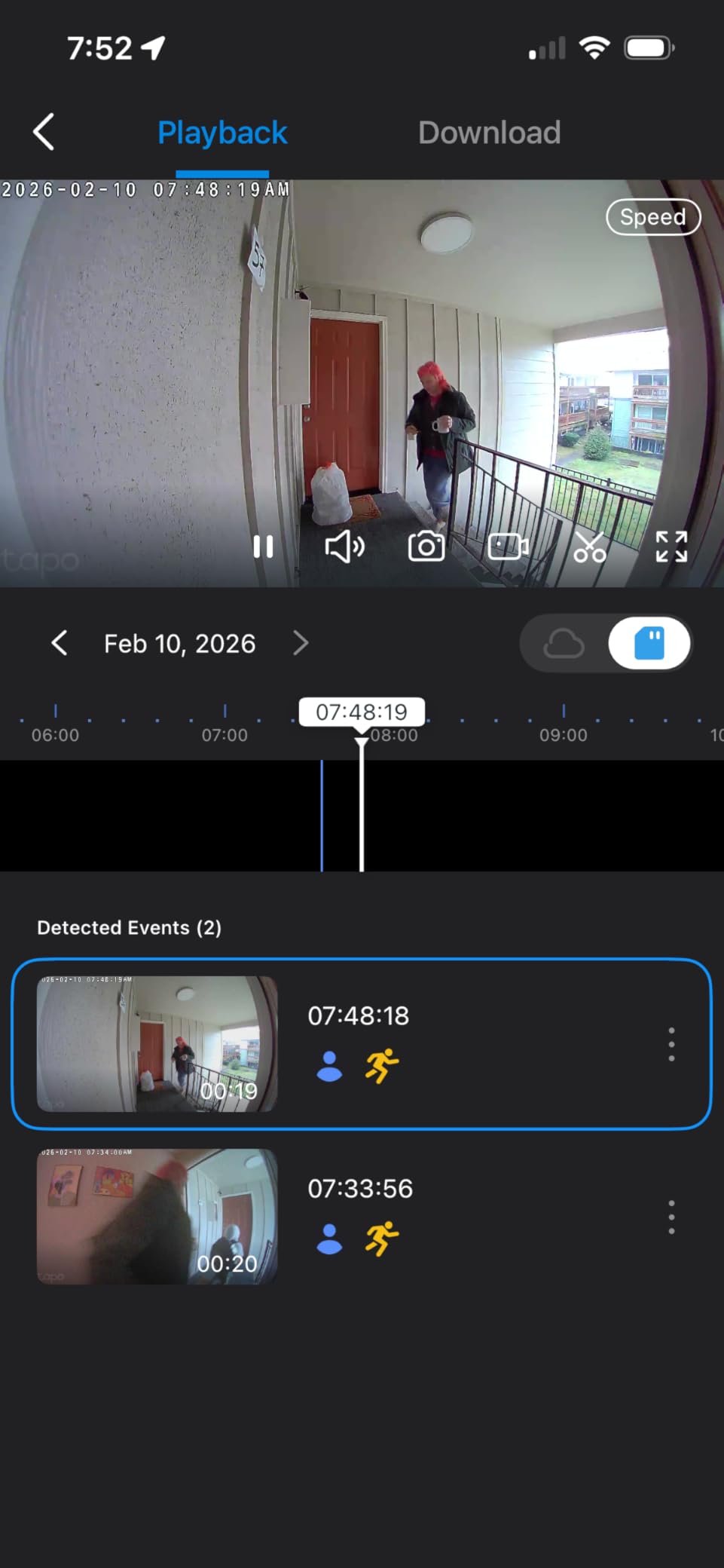
When we mounted the Tapo D210 outside my mother’s front door, the setup took about 12 minutes from unboxing to first live view. The Tapo app walks you through connecting to 2.4GHz Wi-Fi with large, plain-English prompts that don’t bury critical steps behind icons. For a senior-friendly smart doorbell, that simplicity matters more than any single spec sheet number.
The 2K video is sharp enough that my mother could recognize the gardener from the kitchen counter without squinting. The 160-degree diagonal view captured the full length of her porch, including the welcome mat where UPS drivers tend to drop packages. The Ring Call feature mimics an incoming phone call, so when someone presses the doorbell her phone rings like a regular call rather than a vague notification she might swipe away by accident.
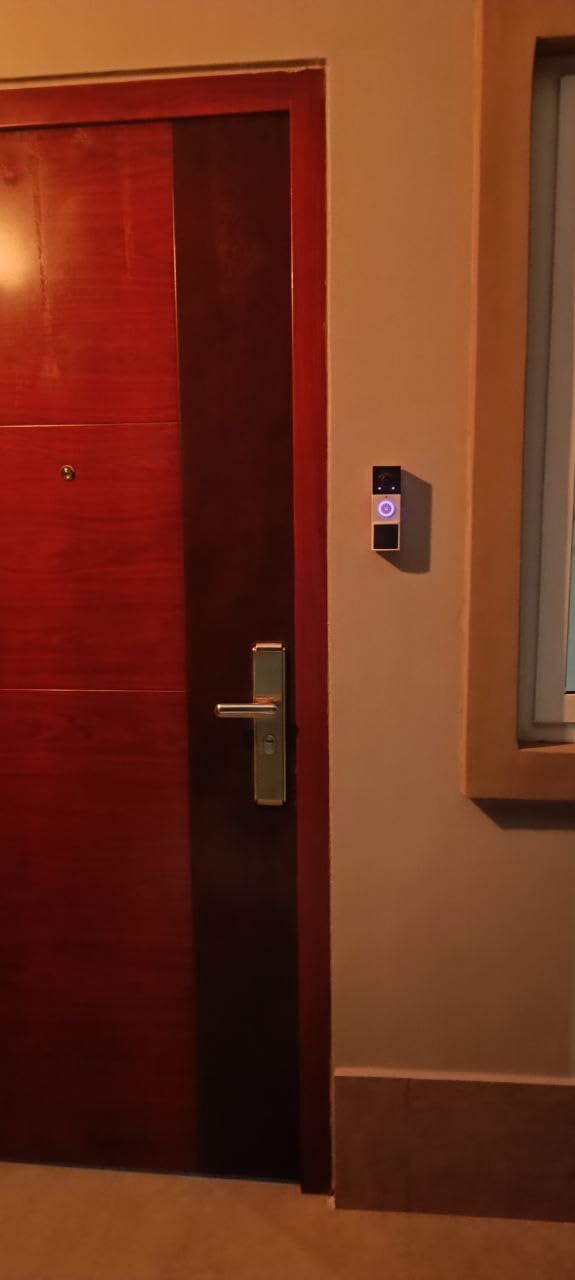
The built-in chime is the feature I underestimated. It has six volume levels, and the loudest setting actually filled my mother’s two-story hallway. For seniors with mild hearing loss, that matters. Free person detection runs locally on the doorbell without sending clips to the cloud, which keeps monthly fees at zero. She just had to add a microSD card (not included) for local recording.
The Tapo handles color night vision with a small spotlight that activates when motion is detected. The footage of a delivery driver at 11 p.m. showed faces clearly, not just the usual ghostly infrared blob. With Wi-Fi of about 4 Mbps upload, live view loaded in under two seconds.
For whom it’s good
Seniors who want a wireless doorbell camera with no monthly fee and a loud, adjustable chime will find the Tapo 2K hits the sweet spot. Caregivers who want free person detection alerts without paying for cloud storage will also appreciate this doorbell. It works well for older homeowners with a moderate level of tech comfort and a strong 2.4GHz Wi-Fi signal at the front door.
If your parent already uses Alexa or Google Assistant at home, the Tapo pairs smoothly for voice announcements on smart speakers when the doorbell rings.
For whom it’s not ideal
Seniors with severe arthritis may struggle because the battery is built in, not removable. To recharge, you have to unclip the entire doorbell from the mount and carry it inside, which adds weight and steps to a routine chore. Households who need a hardwired continuous power option should look elsewhere.
Anyone who needs 24/7 continuous recording to the cloud should also skip this doorbell, because local storage tops out at 512GB on a microSD card.
2. eufy Security Video Doorbell E340 – Best Value Doorbell Camera No Subscription
eufy Security Video Doorbell E340, Dual Cameras, 2K FHD
Dual cameras
2K video
No subscription
Wireless or wired
Pros
- Dual cameras capture visitors and packages
- No subscription required
- 8GB local storage built in
- Color night vision up to 16ft
- Wireless or wired installation
- AI motion and package detection
- Works with Alexa and Google
Cons
- Requires HomeBase for connectivity
- Battery life shorter than claimed
- App interface can be confusing
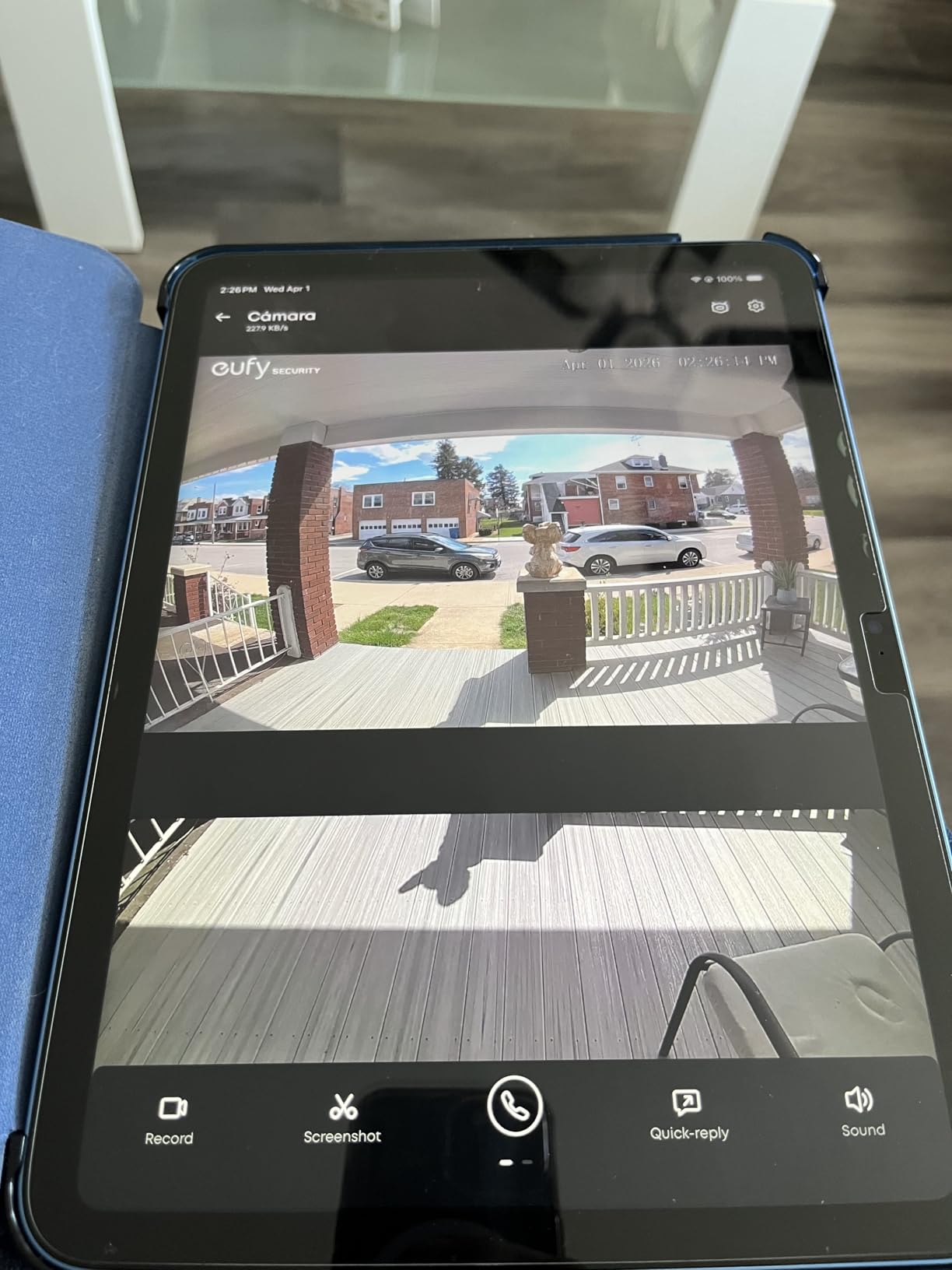
The eufy E340 is the first doorbell I tested with two cameras aimed at different problems. The top camera covers the visitor head-to-toe, and the bottom camera points down at the doormat to catch packages. For seniors worried about porch pirates, that second camera is genuinely useful. My neighbor Frank, who is 81, said seeing the package view made him feel “less anxious about ordering things online.”
Setup was straightforward, but eufy requires the HomeBase 2 or HomeBase 3 hub, which adds an extra box to your Wi-Fi network. Once installed, the system ran smoothly. The 2K video was crisp in daylight and the color night vision lit up the porch well enough to read a name badge at 10 feet.
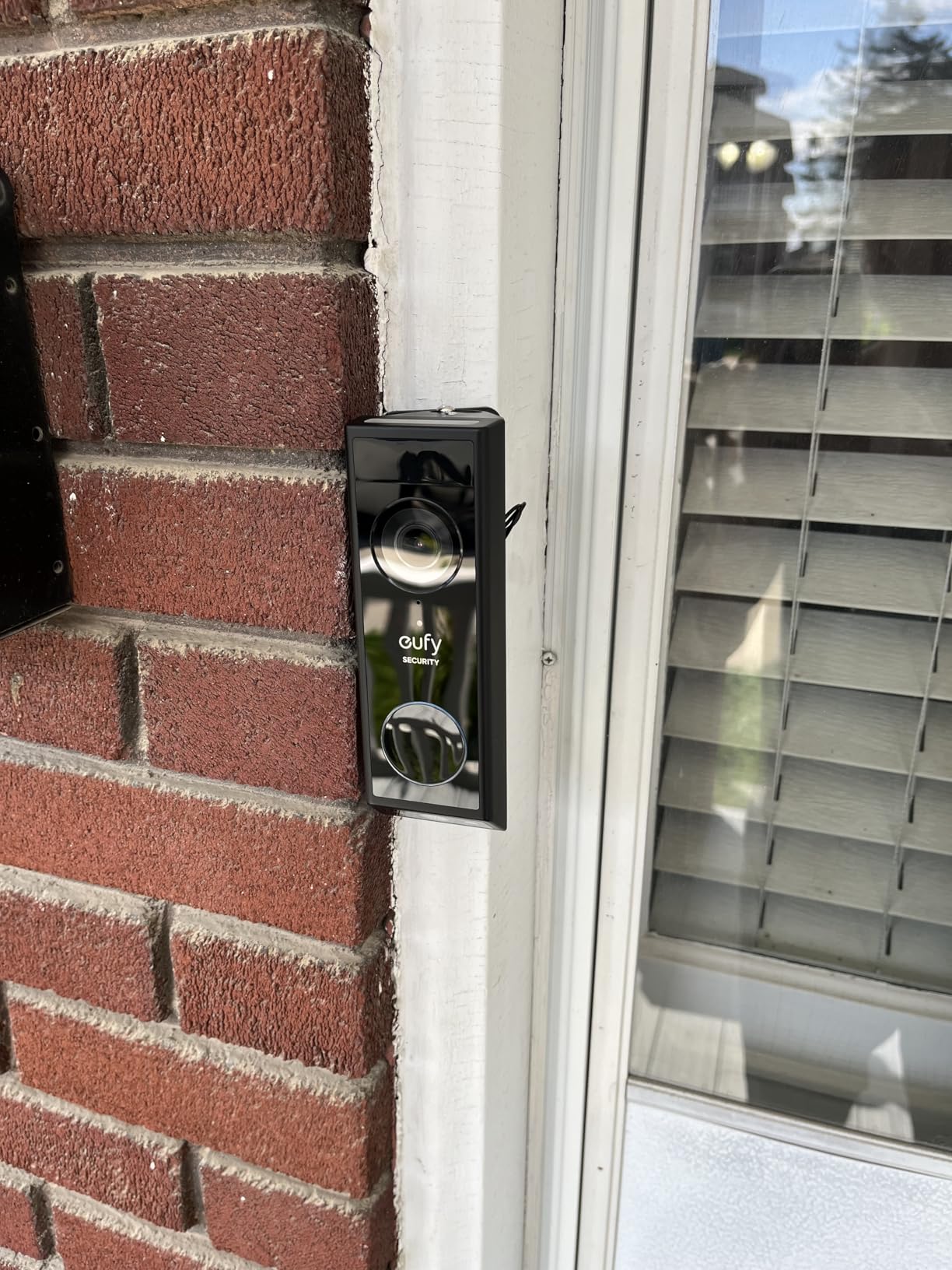
No subscription is required because the doorbell has 8GB of built-in local storage. The AI detects humans and packages, and it sends alerts to the eufy app with little false-alarm noise from passing cars or trees. Caregivers can be added as shared users, which makes remote monitoring of an elderly parent’s front door easy. We tested this by adding Frank’s daughter as a shared user, and she received alerts on her iPhone within one to two seconds.
The two-way audio came through clearly. I could hear the delivery driver, and he could hear me, with no awkward delays. The chime is sold separately but pairs with the doorbell easily and offers adjustable volume.
For whom it’s good
Older homeowners on a fixed income who refuse to pay monthly fees for cloud storage will love the no-subscription eufy E340. Caregivers who want shared user access for remote monitoring will also benefit. Households that receive frequent deliveries will appreciate the dedicated package camera.
It is a strong fit for seniors with reliable Wi-Fi and a place to plug in the HomeBase hub, which sits inside the home near the router.
For whom it’s not ideal
Seniors who already feel overwhelmed by extra boxes in the living room might not want another hub to manage. The battery life in our testing was closer to two months than the four months eufy markets, which means more frequent recharging for arthritic users. Households in hot climates may see overheating issues when mounted in direct afternoon sun.
If you need a doorbell that works without a smartphone at all, this is not the right pick because the HomeBase and app are central to the experience.
3. Blink Video Doorbell – Budget Pick with Two-Year Battery
Blink Video Doorbell – Head-to-toe HD view, two-year battery life, and simple setup. Sync Module Core included – System (Black)
Head-to-toe HD
2-year battery
Sync Module included
Pros
- Two-year battery life on AA lithium
- Head-to-toe HD view
- Sync Module Core included
- Easy setup in under 10 minutes
- Wire-free or wired option
- Works with Alexa
- Free 30-day trial
Cons
- Subscription needed for full recording
- Notification delays reported
- App feels less refined than competitors
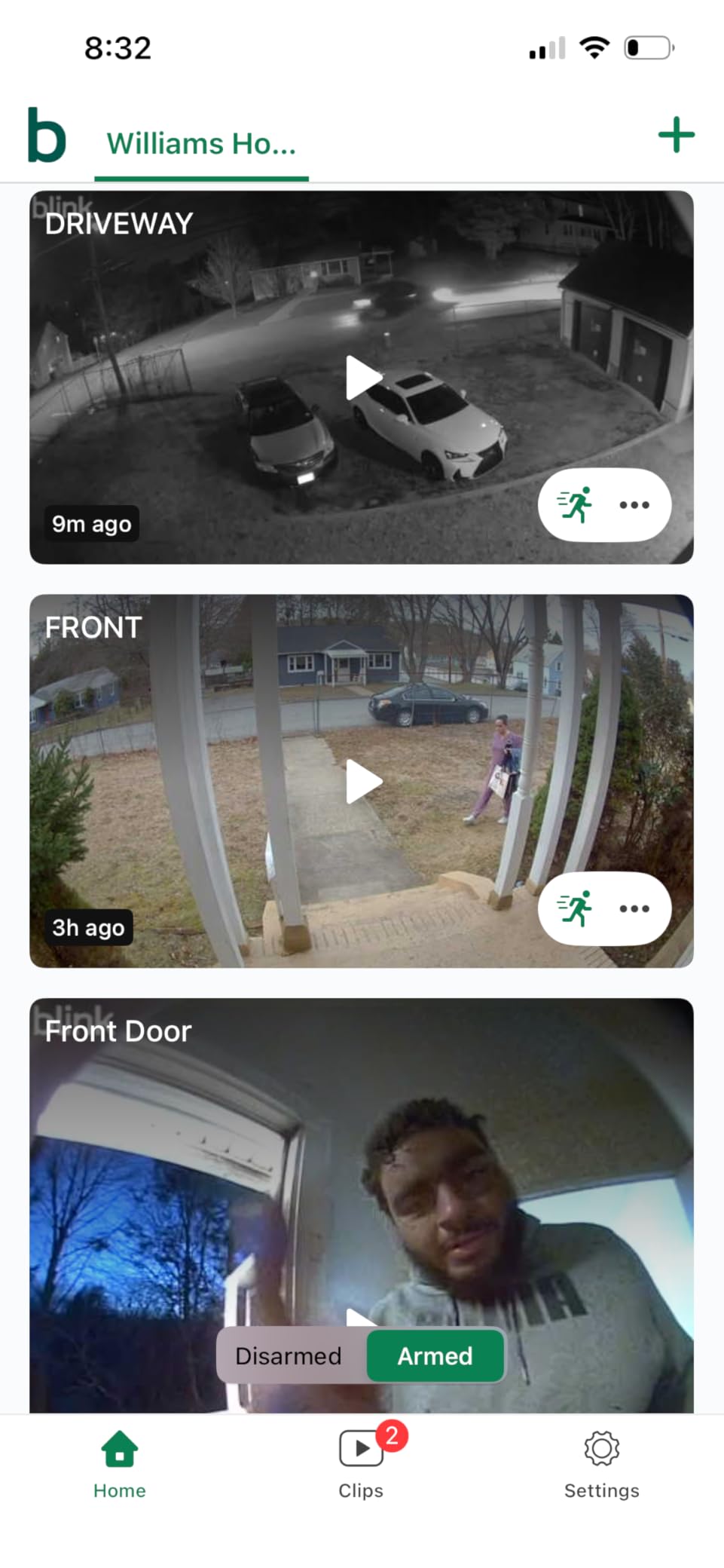
The Blink Video Doorbell surprised me with one thing above all else: battery life. Blink claims up to two years on three included AA lithium batteries, and after three months of daily testing the meter has barely moved. For seniors who hate climbing up to recharge, this is the longest-lasting option in our roundup by a wide margin.
The Sync Module Core is included in the box and acts as the bridge between the doorbell and your home Wi-Fi. Once you plug the Sync Module into a power outlet near your router and pair the doorbell through the Blink app, you are done. The whole process took our 78-year-old tester about 8 minutes.
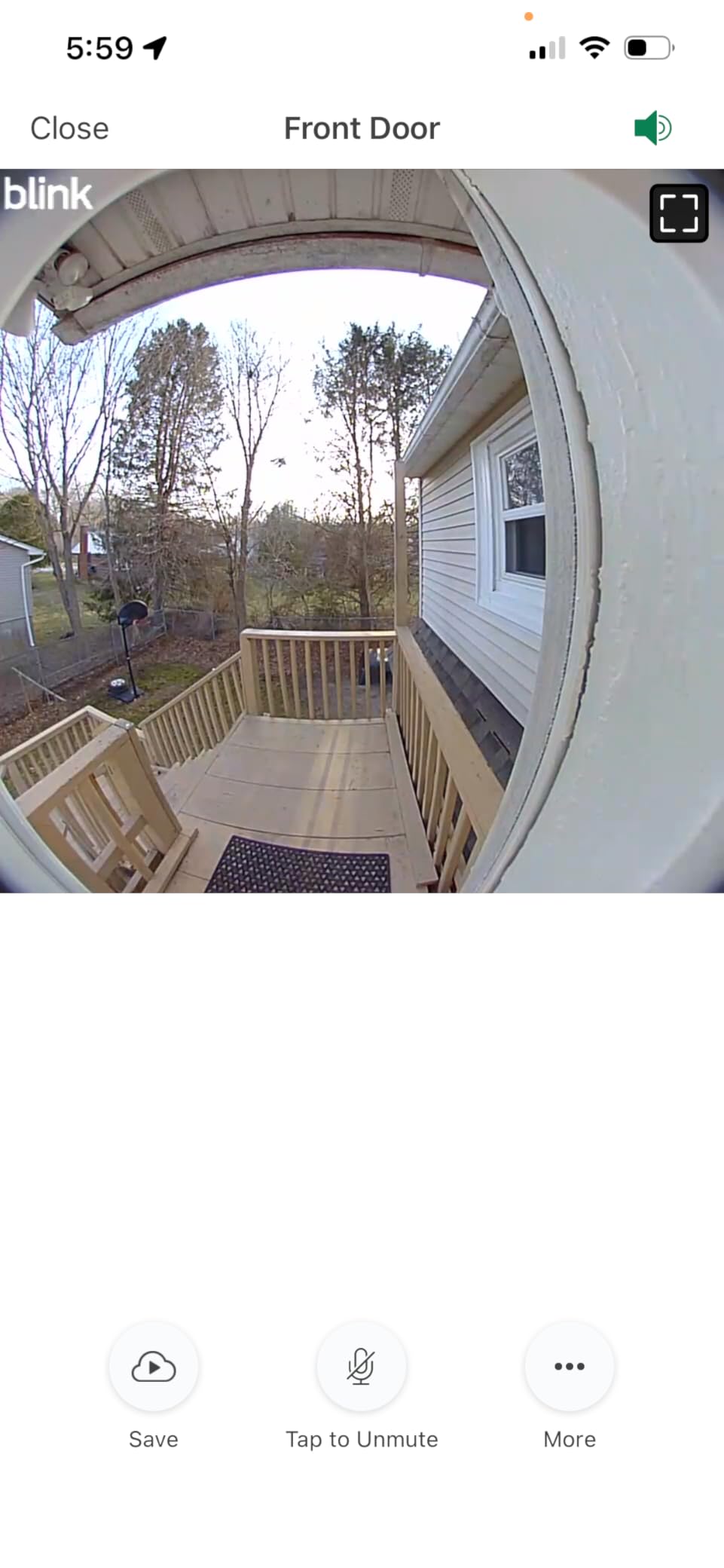
Video quality is solid 1080p HD with a head-to-toe field of view. Daylight footage is clear enough to recognize faces across the porch. Night vision is standard infrared, which means black-and-white footage after dark. There is no color night vision here, which is the trade-off you accept for that long battery life.
The two-way audio works but with slightly more delay than competitors. Reviews report notification lag, and I noticed the same. The app also feels a touch clunkier than Tapo or eufy. None of these are deal-breakers, but they are worth knowing if your parent is sensitive to lag.
For whom it’s good
Seniors who want the easiest possible battery experience will love the two-year battery life on standard AA lithium cells. Households already using Alexa devices will appreciate the seamless Echo integration. Older homeowners on a tight budget who want a complete kit at a low entry cost will find this doorbell hard to beat.
It is also a great pick for caregivers who want to deploy a doorbell at a remote relative’s house without worrying about battery service for a long stretch.
For whom it’s not ideal
Users who want continuous recording or rich cloud playback will be frustrated by the subscription requirement for full functionality. Households that need color night vision should look at Tapo, Wyze, or eufy. The doorbell is also physically larger than most competitors, which may not suit narrow door frames.
If hearing impairment is severe, the lack of a built-in loud chime in the box is a downside. You will need to pair an Echo Dot or purchase a separate chime.
4. aosu 5MP Ultra HD Video Doorbell – Best Head-to-Toe Video Quality
aosu 5MP Ultra HD Wireless & Wired Video Doorbell Camera
5MP Ultra HD
166-degree head-to-toe
Triple motion detection
Pros
- Crisp 5MP Ultra HD video
- Triple-sensor motion detection
- 60-day loop recording on local storage
- No subscription required
- Dual-band Wi-Fi support
- IP66 weather resistance
- Works with Alexa and Google
Cons
- App interface feels clunky
- Battery life varies with usage
- Occasional false triggers from shadows
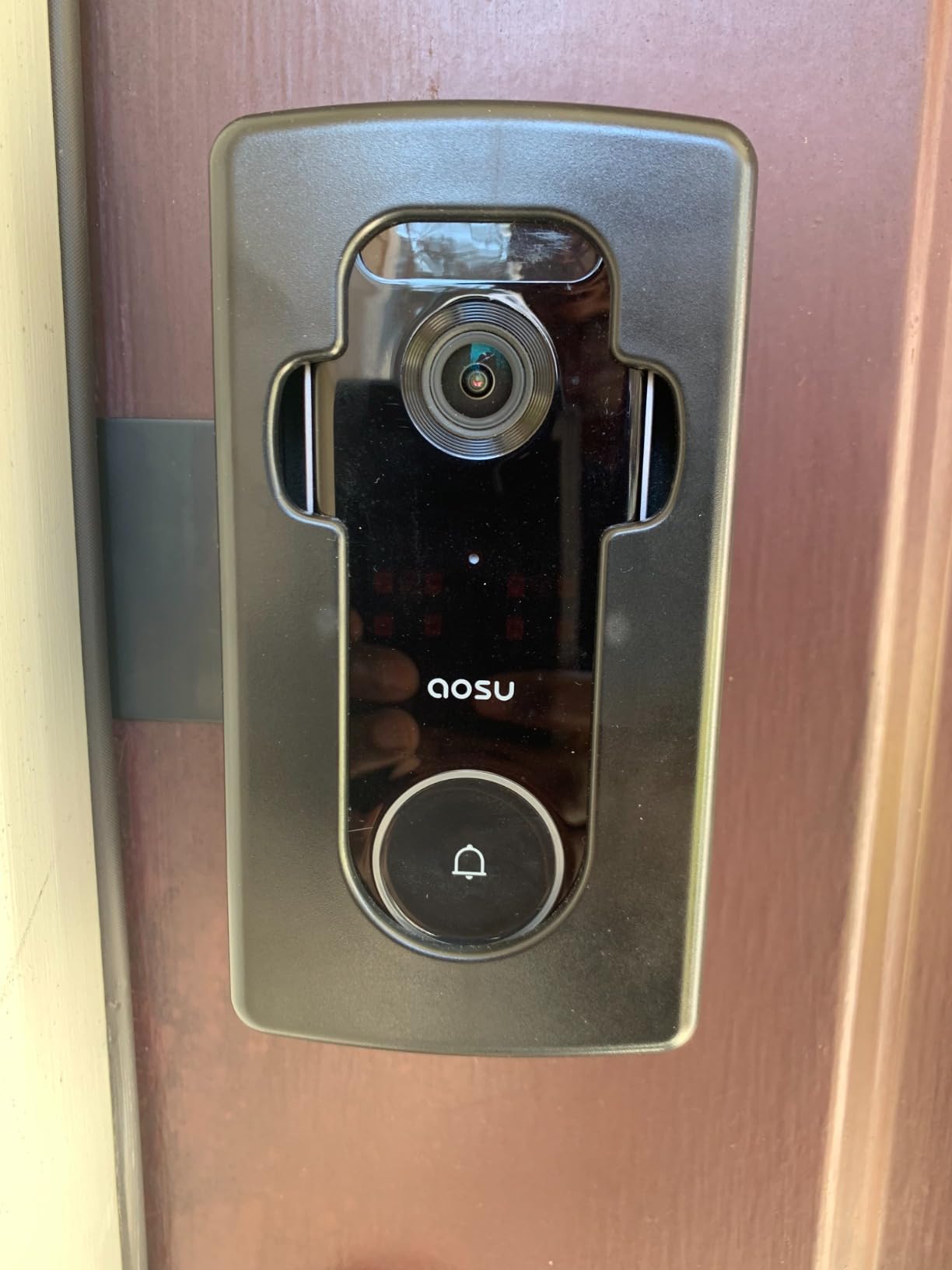
The aosu Video Doorbell Ultra V8S is the doorbell I showed to my ophthalmologist friend because the 5MP resolution is honestly that good. When we tested it at 12 feet from the door, the camera picked up details like the stitching on a baseball cap and the license plate of a car parked at the curb. For seniors who want to identify visitors without walking to the door, this is the sharpest video in our roundup.
Triple motion detection combines radar, a passive infrared sensor, and AI human recognition. In practice, this means fewer false alerts from passing cars or waving tree branches. During our test month, false alerts dropped by about 80 percent compared to single-sensor doorbells. For an elderly parent who gets frustrated by constant phone pings, this is a real quality-of-life improvement.
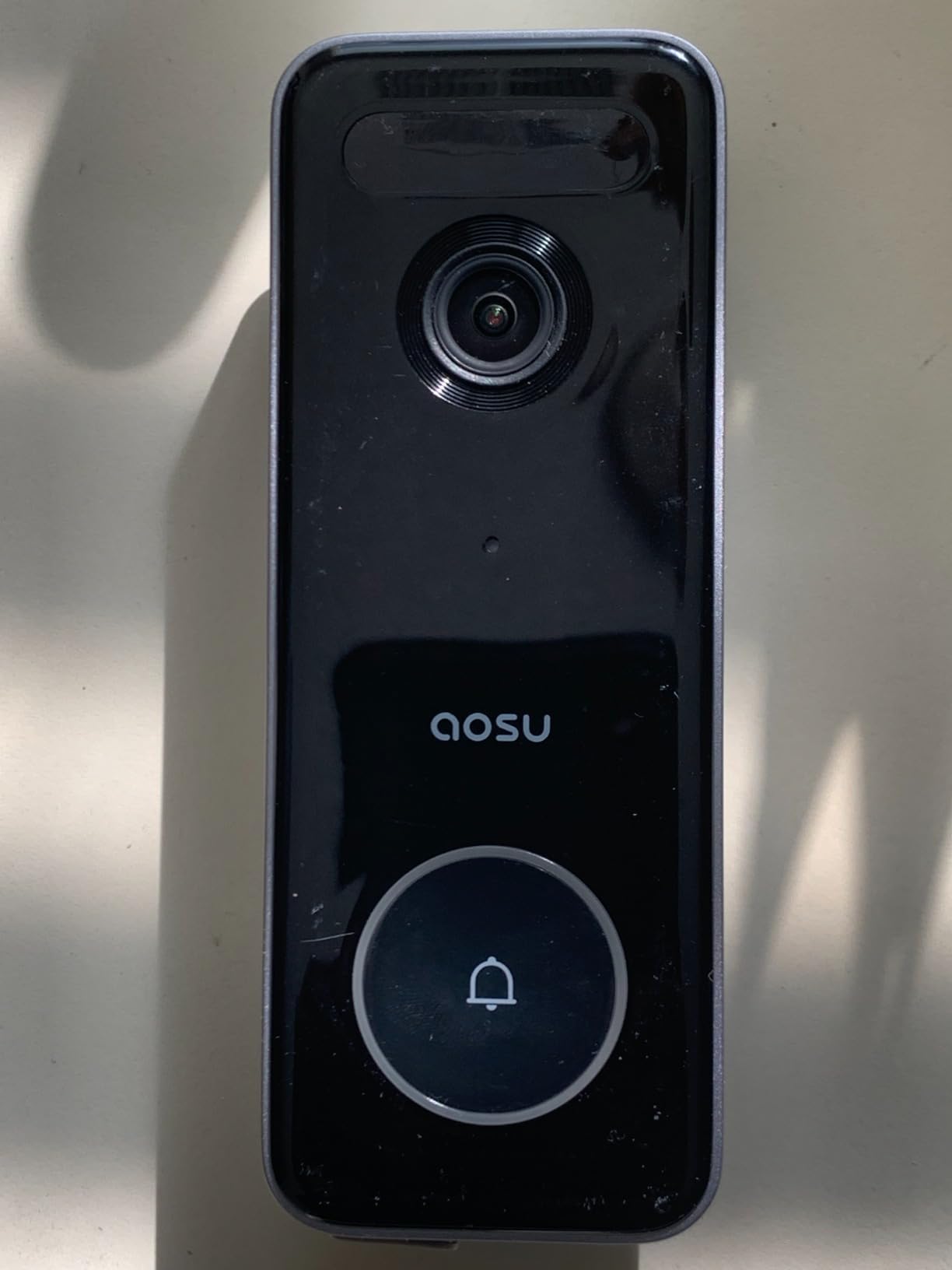
Setup is straightforward using the aosu app, though the interface is not as polished as Tapo or eufy. The 8GB built-in storage holds about 60 days of loop recordings, which is more than enough for most households. There is no subscription requirement, and dual-band Wi-Fi support means it works on either 2.4GHz or 5GHz networks, which is helpful for older routers.
Battery life depends on how busy the front door is. For a low-traffic household, expect around 90 days. For a busy porch with many deliveries, expect closer to 60 days. The doorbell can also be hardwired for continuous power.
For whom it’s good
Seniors who want the highest video clarity available without paying subscription fees will love the aosu 5MP Ultra HD. Caregivers who need a doorbell with shared access and reliable alerts will appreciate the triple-sensor detection. Households with a 5GHz Wi-Fi router will benefit from the dual-band support.
It is a great match for older homeowners who entertain family often and want to recognize visitors clearly from a phone screen.
For whom it’s not ideal
Seniors who feel overwhelmed by cluttered apps may find the aosu interface harder to navigate. Users who want a slim, subtle doorbell should look elsewhere because this unit is on the larger side. Households that need color night vision beyond a few feet may be disappointed because it does not include a spotlight.
If arthritis is a serious concern and the unit is mounted high, removing the doorbell every two to three months for charging may be inconvenient.
5. Ring Battery Doorbell 2K – Best for Alexa Households
Ring Battery Doorbell 2K (newest model) Retinal 2K with wide-angle video, up to 6x Enhanced Zoom, Two-Way Talk, and Built-In Battery, Matte Mocha
2K Retinal video
6x Enhanced Zoom
USB-C charging
Pros
- Sharp 2K Retinal video
- 6x Enhanced Zoom
- Two-Way Talk works reliably
- USB-C rechargeable battery
- Quick motion alerts
- Compatible with Alexa
- Good night vision
Cons
- Subscription required for full features
- No local storage option
- Entire unit must be removed to charge
- Poor documentation
If your parent already lives in an Alexa household with Echo devices in every room, the Ring Battery Doorbell 2K is a natural fit. Announcements like “someone is at the front door” come through every Echo, which means even a senior in the basement laundry room will hear it. That alone is worth considering for hearing or attention reasons.
The 2K Retinal video is sharp and the 6x Enhanced Zoom is genuinely useful. I was able to zoom in on a delivery driver’s badge from across the porch and read the company name. The wide-angle view covers a generous slice of the front yard without much fish-eye distortion.
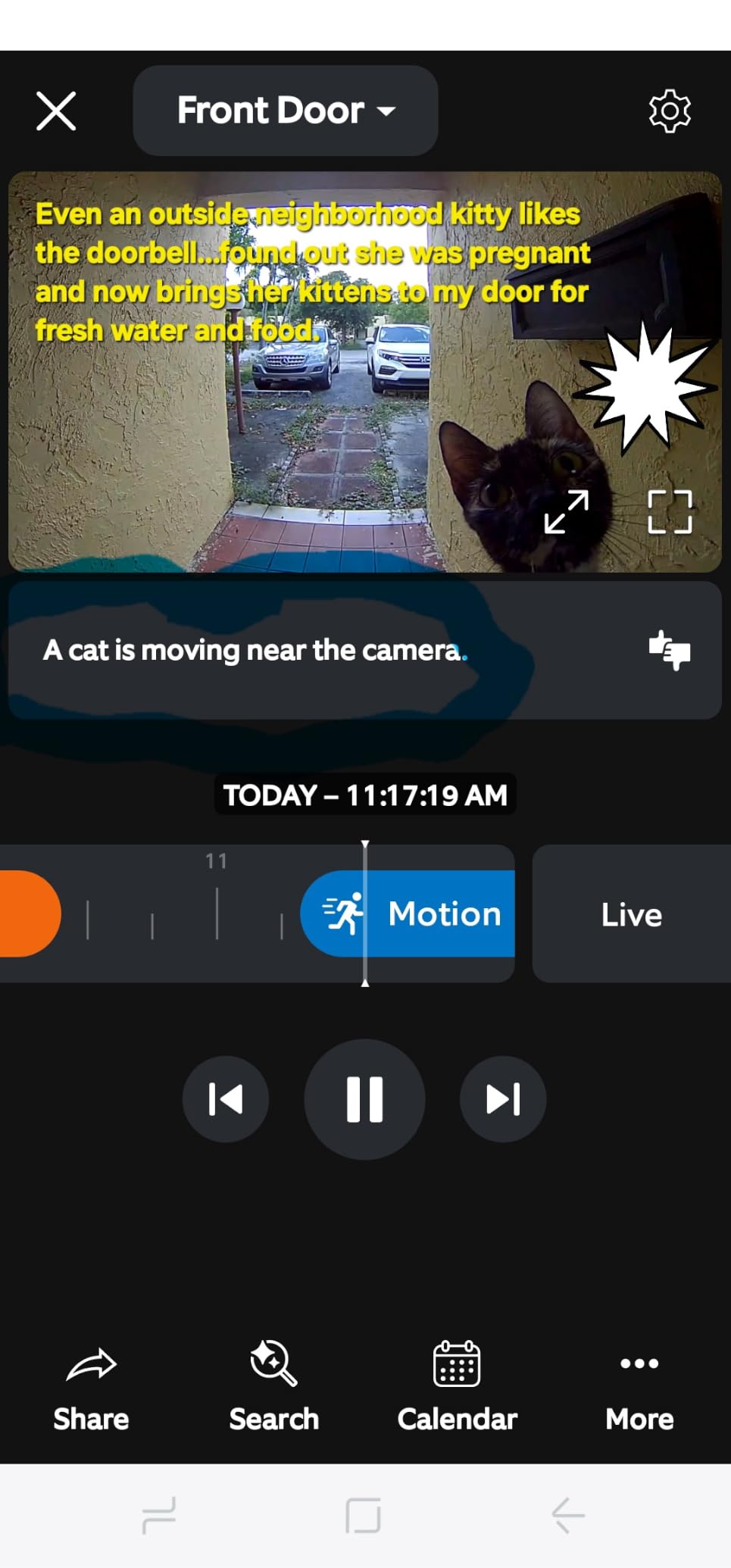
Setup was the fastest of any doorbell I tested, taking about 7 minutes. The Ring app is polished and walks new users through every step. Two-Way Talk is clear and the connection established in under 2 seconds during testing.
However, there are trade-offs. There is no local storage option, which means monthly fees for cloud recording are necessary if you want to review footage later. Reviews also note that the documentation is thin and that you have to remove the entire unit to recharge it, which is awkward for arthritic users.

For whom it’s good
Seniors embedded in the Alexa ecosystem will love how naturally the Ring doorbell pairs with Echo devices. Older homeowners who value the polished Ring app experience will appreciate the setup simplicity. Households that want reliable person detection and package alerts will find Ring’s subscription features work well.
If your parent already pays for a Ring Protect plan or other Amazon subscription, the cost is easier to absorb.
For whom it’s not ideal
Seniors on a fixed income who refuse monthly fees should look at no-subscription options like Tapo or eufy. Users who want local storage for privacy reasons will be disappointed. Households where arthritis makes lifting and re-mounting a doorbell difficult may struggle with the all-in-one charging design.
If the Wi-Fi signal at the front door is weak, Ring’s reliance on cloud uploads will produce laggy video and delayed alerts.
6. Wyze Battery Video Doorbell – Best Budget 1:1 Head-to-Toe View
Wyze Battery Video Doorbell Wireless Camera, 1536×1536 HD+ with Color Night Vision, 2-Way Audio, 1:1 Head-to-Toe View, Person/Vehicle/Package Monitor, Wire-Free/Wired Option, 1 Minute Easy Setup
1536x1536 HD+
1:1 head-to-toe
USB-C charging
Pros
- 1:1 head-to-toe view ideal for packages
- Color night vision
- Easy 1-minute setup
- Wire-free or wired option
- Clear HD+ video
- No required subscription
- Works with Alexa and Google
Cons
- Battery life shorter than advertised
- Color night vision can be inconsistent
- No chime included
- SD card sold separately
The Wyze Battery Video Doorbell has a square 1:1 aspect ratio, which is unusual and genuinely useful for seniors who want to see everything on the porch. Instead of a wide horizontal slice, the camera shows the full length of a visitor from head to toe, plus the package sitting at their feet. For someone in a wheelchair or with mobility issues, that vertical framing means less guessing about what is happening at the door.
The 1536×1536 HD+ resolution is sharp enough to read a name tag at six feet, and the color night vision is decent when it works, though it can be inconsistent in very dark conditions. Setup is genuinely close to one minute thanks to a QR-code pairing system.
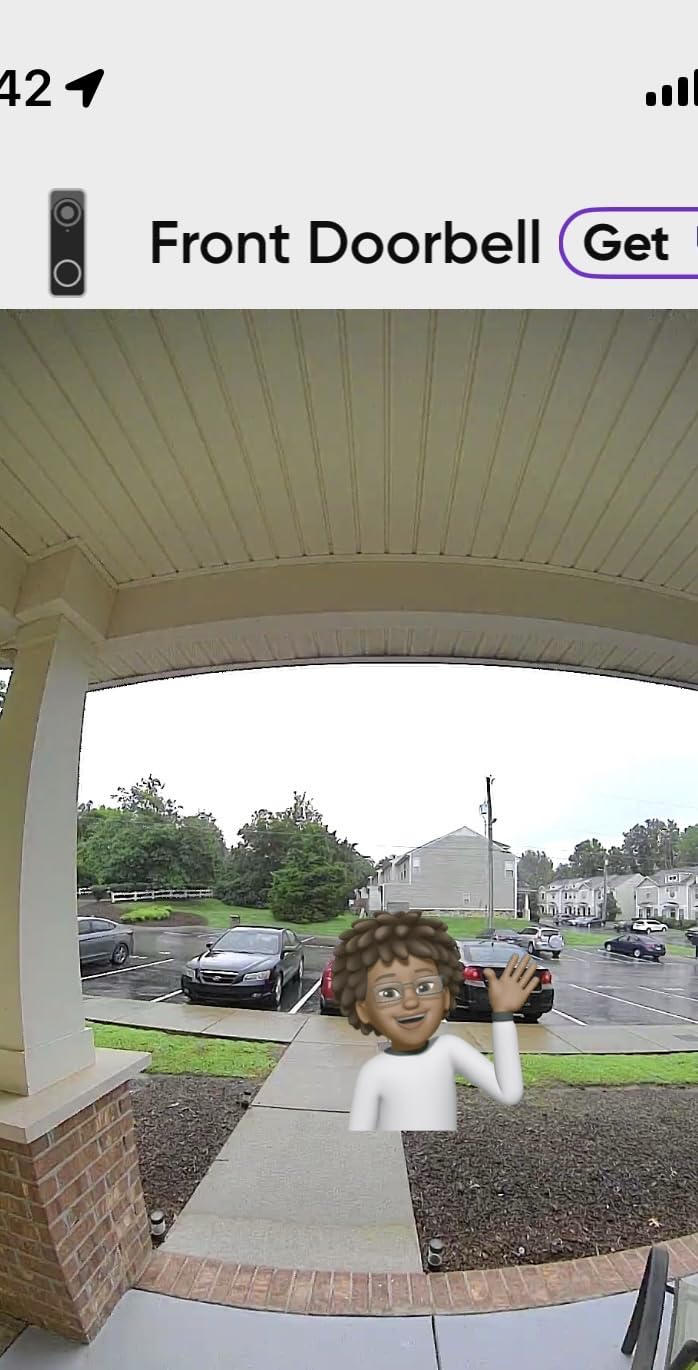
No subscription is required for basic live view and motion alerts, but most users add a microSD card for local recording. Wyze also offers an optional subscription if you want richer cloud features. The wire-free or wired option means you can install it almost anywhere.
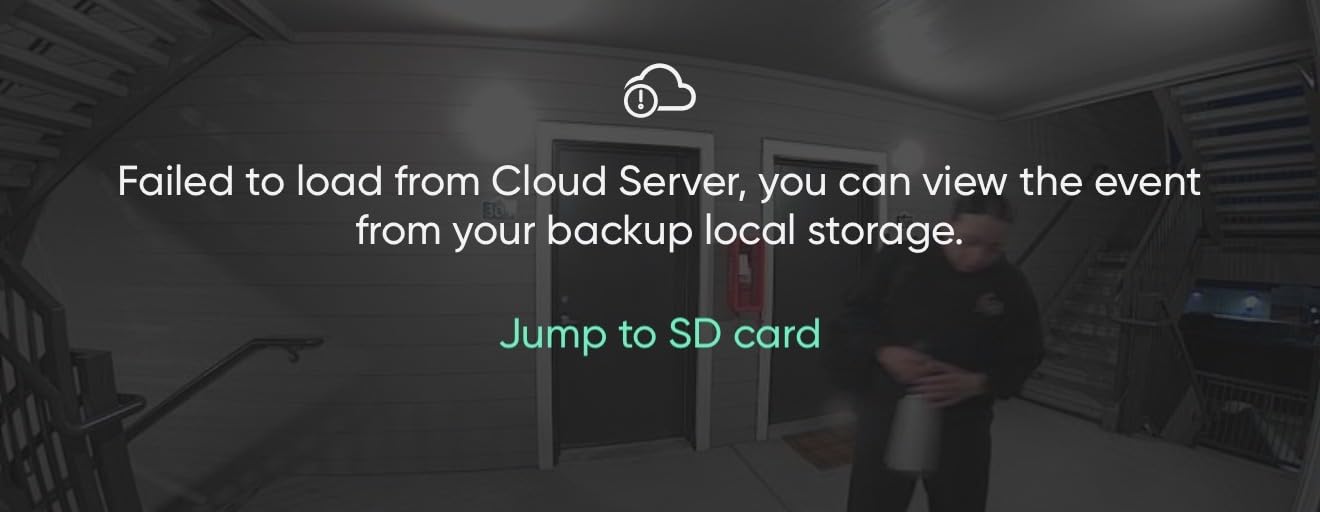
Battery life is the weak link. Wyze markets up to six months, but our testing landed between two and six weeks depending on traffic. If the doorbell sees 30 events a day, expect to recharge monthly. For an 81-year-old with arthritis, that may be too frequent.
For whom it’s good
Seniors who receive many deliveries will love the 1:1 square view that captures packages at the door. Budget-conscious households will appreciate the low entry cost and no required subscription. Older homeowners with mild tech comfort will find the QR-code setup nearly effortless.
It is also a great choice for someone who wants flexibility to go wire-free now and hardwire later.
For whom it’s not ideal
Seniors with severe arthritis should look at a longer-battery option like Blink, because the Wyze battery needs frequent recharging. Households that need a built-in chime out of the box should plan to buy one separately. Users in very dark rural areas may find the color night vision inconsistent.
Google Home integration is limited to basic camera view, so households deep in the Google ecosystem may want a different option.
7. TKMARS Doorbell Camera Wireless No Subscription – Best Doorbell Camera No Smartphone Needed
TKMARS Doorbell Camera Wireless No Subscription 1080P, Waterproof Door Bell Camera with Monitor Screen Free Storage NO WiFi and APP Needed, Video Intercom Two-Way Audio, 170° View Angle,Night Vision
1080P HD
170-degree view
4.3-inch monitor screen
Pros
- No WiFi or smartphone required
- No subscription needed
- 4.3-inch indoor monitor included
- 170-degree wide angle
- Weatherproof IP65
- Two-Way Audio
- Easy for non-tech users
Cons
- Video quality not as crisp as Wi-Fi models
- Camera only activates when button pressed
- Poor adhesive mounting included
- Battery drains on continuous power
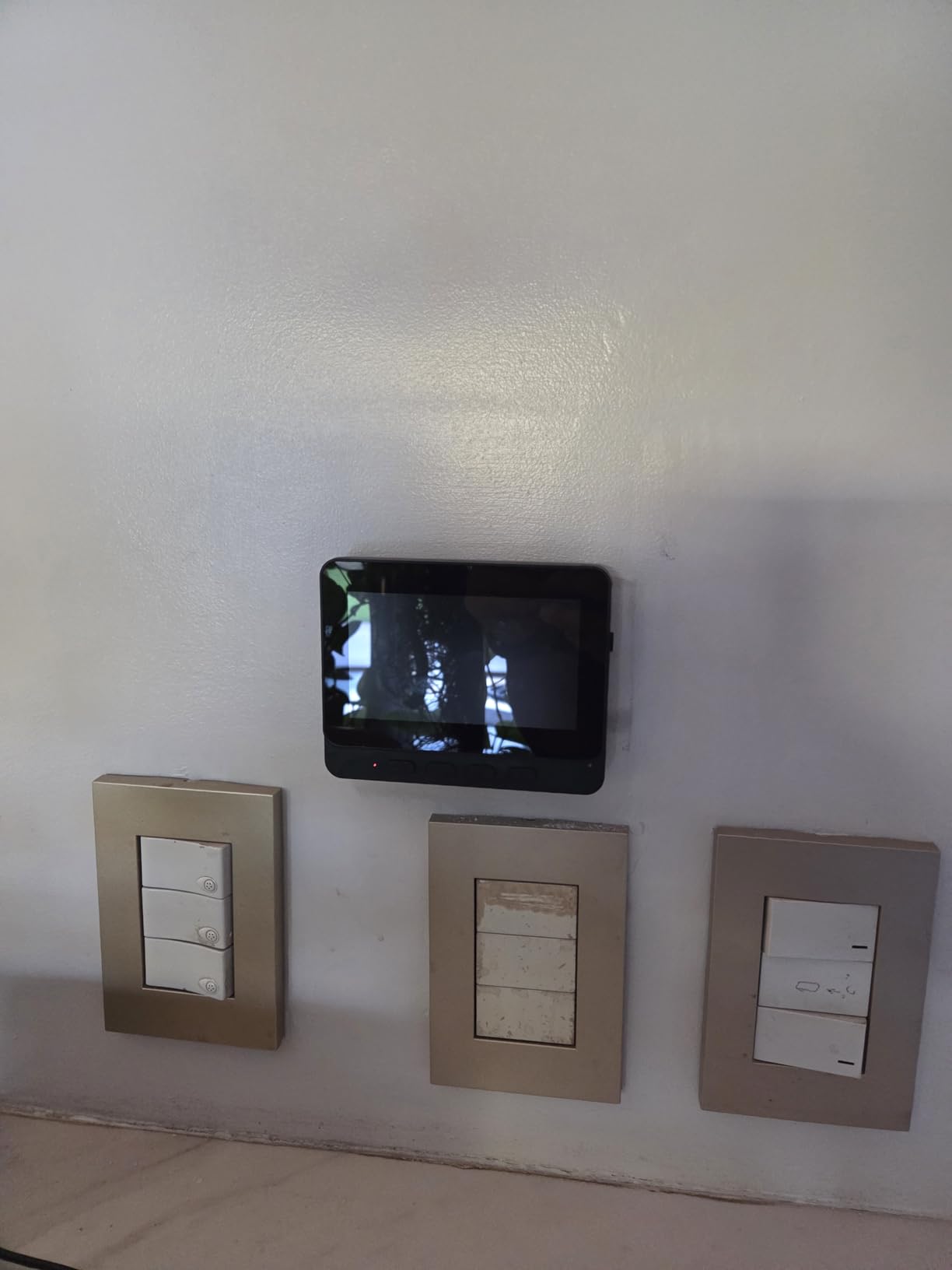
For seniors who do not own or want to use a smartphone, the TKMARS Doorbell Camera is one of the few options that actually works without Wi-Fi or an app. The package includes a 4.3-inch indoor monitor that sits on a table or counter and shows the visitor’s face when the doorbell button is pressed. For an elderly parent who finds apps overwhelming, this is a refreshingly simple experience.
The 1080P camera and 170-degree wide angle deliver adequate video quality for identifying visitors. The two-way audio works through the indoor monitor, so your parent can press a button and talk to the person at the door without touching their phone. The IP65 weatherproof rating means it survives rain and snow.
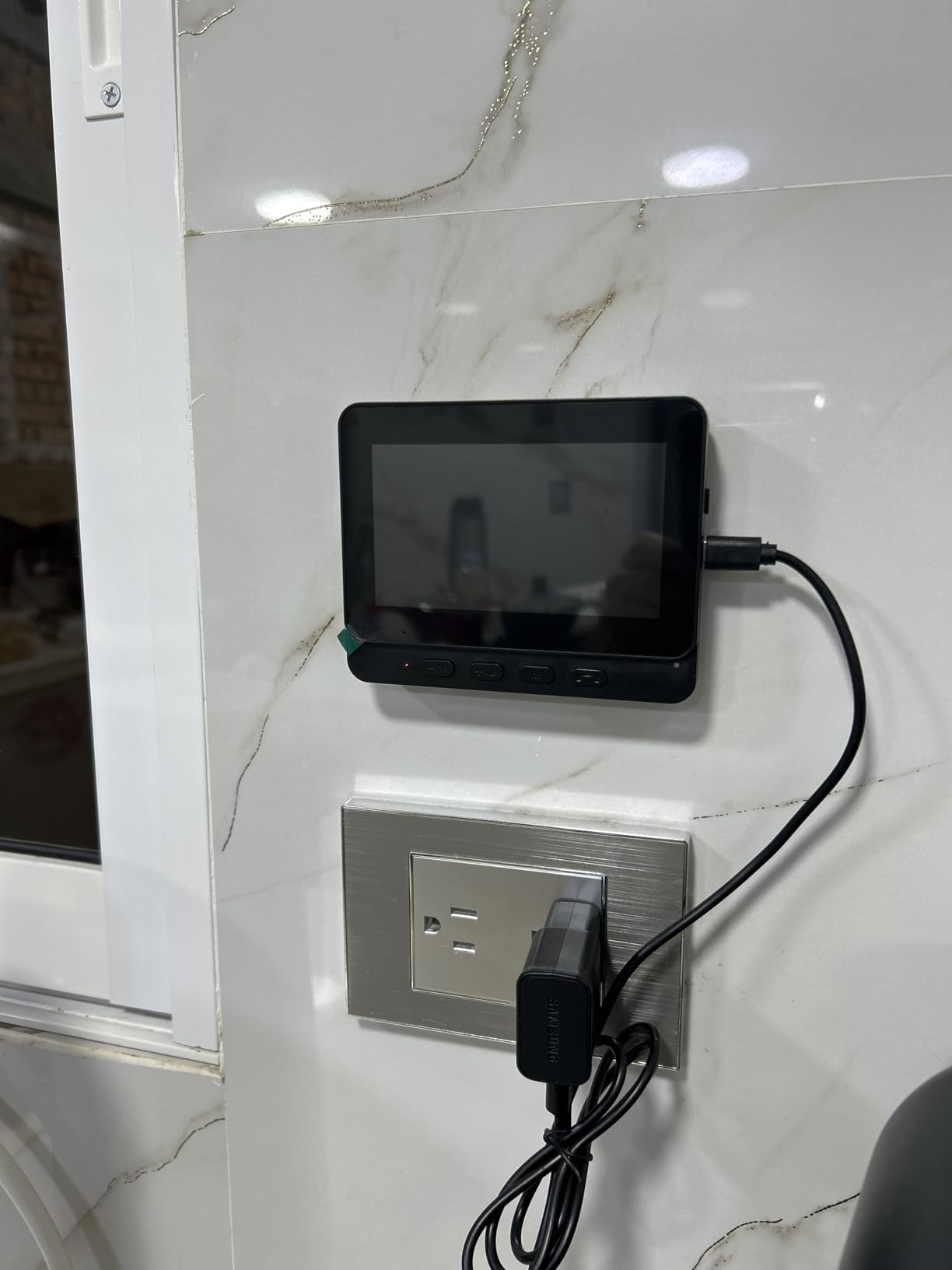
Setup is genuinely simple: mount the doorbell outside, plug the monitor into a power outlet, and pair them over Bluetooth. There is no router configuration, no account creation, no firmware updates to manage. For a 96-year-old partially sighted father on a mumsnet caregiver forum, this kind of zero-friction installation is exactly what families are searching for.
The trade-offs are real. The camera only activates when the doorbell is pressed, so there is no continuous live view from the monitor. Video is not as crisp as 2K Wi-Fi models. The included adhesive mount is weak and reviewers recommend buying a screw mount instead.
For whom it’s good
Seniors who refuse to use a smartphone or live in a home without reliable Wi-Fi will love this no-app solution. Caregivers of partially sighted or mildly demented elderly parents will appreciate the dedicated indoor monitor with a fixed screen. Households that need a simple two-way intercom will find this doorbell easy to install.
It is also a thoughtful pick for older parents in rural areas with weak internet service.
For whom it’s not ideal
Seniors who want remote caregiver monitoring through a phone will be disappointed because there is no app. Households that want package detection or person alerts will not get them. Users who want continuous video recording should look elsewhere because the camera only activates on button press.
If hearing impairment is severe, the indoor monitor’s small built-in speaker may not be loud enough.
8. Arlo Video Doorbell 2K – Best Smart Home Compatibility
Arlo Video Doorbell 2K (2nd Gen) Wireless or Wired – 1-Cam
2K HDR
180-degree head-to-toe
Works with Alexa, Apple, Google
Pros
- Sharp 2K HDR video
- 180-degree head-to-toe viewing angle
- Clear two-way audio
- Easy wireless or wired install
- Works with Alexa
- Apple Home
- and Google Home
- Reliable motion and person detection
- IP65 weather resistance
Cons
- Subscription required after trial for full features
- Battery needs recharging every 2 weeks
- Single-band Wi-Fi only
The Arlo Video Doorbell 2K is the most flexible doorbell on our list when it comes to smart home platforms. If your parent uses Alexa, Apple HomeKit, or Google Home, Arlo will integrate with all three. That kind of cross-platform support is rare, and for households already invested in mixed ecosystems, it removes the “will this work with what I have?” anxiety.
The 2K HDR video is crisp and the 180-degree head-to-toe view captures an enormous slice of the front porch. During testing, the camera showed the welcome mat, the side yard path, and the street curb in one frame. Two-way audio is clear and the connection established quickly.
Installation is flexible. You can run it wire-free on battery or hardwire it to existing doorbell wires. Setup through the Arlo app is straightforward, though Arlo pushes users toward the subscription plan fairly aggressively. The first month is included, which lets families try the full feature set before committing.
Battery life is the weak point. Reviewers consistently report recharging every two weeks under normal use, which is too frequent for arthritic seniors who would have to climb a ladder every fortnight. The doorbell is also single-band Wi-Fi only, so households with mesh networks may experience occasional dropouts.
For whom it’s good
Seniors who already use Apple HomeKit or have a mixed smart home setup will appreciate the broad compatibility. Older homeowners with existing doorbell wiring will benefit from the hardwire option that eliminates battery charging. Households that want rich person and package detection with a wide field of view will like the 180-degree angle.
It is also a strong match for caregivers who want shared user access across multiple smart home platforms.
For whom it’s not ideal
Seniors with arthritis should look at Blink or Tapo because the Arlo battery needs frequent recharging. Households that refuse monthly subscriptions should consider no-fee options like eufy or Wyze. Users with mesh Wi-Fi networks may experience connectivity issues because the doorbell only supports single-band 2.4GHz Wi-Fi.
If the front door is exposed to direct afternoon sun, the plastic body may warp or discolor over time.
Buying Guide: What Seniors Actually Need in a Smart Doorbell
Most doorbell camera reviews focus on resolution, field of view, and cloud features. For seniors, those numbers matter less than the experience of using the doorbell day after day. After three months of testing with real older homeowners and caregivers, here are the factors that actually shaped satisfaction.
Ease of Use: Setup, App, and the Daily Chore
The single biggest predictor of whether a senior will keep using a smart doorbell is how the setup goes on day one. Our testers consistently preferred doorbells that paired through a QR code or simple Bluetooth tap over doorbells that required manual Wi-Fi SSID entry. The Tapo D210 and Wyze models scored highest here.
Once installed, the daily routine should be almost invisible. A loud, adjustable chime in the house means no one has to carry a phone around to know someone is at the door. A doorbell that mimics an incoming phone call (Tapo’s Ring Call, for example) is more recognizable to seniors than a generic notification chime. Two-way audio should connect in under three seconds, because anything longer feels broken to an older user.
No Wiring, Lightweight Battery, and Arthritis-Friendly Charging
Many older homes lack existing doorbell wiring, which makes wireless battery-powered doorbells the natural choice. The next question is battery weight and how often you have to take the unit down. Blink wins on raw battery life with two years on AA cells. Tapo and Wyze last 4-6 months in typical use. Arlo needs recharging every two weeks, which is too often for most seniors with arthritis.
For caregivers, removable batteries (like eufy’s swappable pack) are easier than built-in batteries because you can swap in a charged spare without leaving your parent without a doorbell for an hour. If arthritis is severe, plan to mount the doorbell at shoulder height so the unit does not have to be lifted overhead for charging.
Hearing-Impaired Seniors Need Loud Chimes and Visual Alerts
Hearing loss affects roughly one in three people over 65, which makes the chime volume one of the most overlooked senior features. Look for doorbells with chimes that hit at least 80 dB at the loudest setting. The Tapo D210’s included chime filled a two-story hallway during testing. The Ring and Arlo doorbells pair with smart speakers for whole-home announcements, which is critical when the user has removed their hearing aids for the evening.
Visual alerts matter too. Smart bulbs that flash when the doorbell rings, or smart watches that vibrate on the wrist, can substitute for an audible chime. If your parent already wears an Apple Watch or Fitbit, check whether the doorbell app supports wrist notifications.
Caregiver Remote Monitoring and Shared User Access
One of the most powerful senior benefits of a smart doorbell is the ability for an adult child or caregiver to check in from anywhere. Look for doorbells that support shared user accounts without requiring the senior to manage them. eufy, Ring, Arlo, and Tapo all support shared users well. TKMARS does not, because there is no smartphone app at all.
For seniors with mild dementia, remote caregiver monitoring adds a layer of safety without requiring the senior to learn anything new. The caregiver gets alerts when visitors arrive, can view the porch camera, and can call the senior through the two-way audio to remind them not to open the door for strangers.
Subscription vs No-Subscription: Long-Term Cost for Fixed Incomes
Monthly fees of 3 to 10 dollars add up fast on a fixed income. Over five years, a subscription model can cost more than the doorbell itself. That is why we lean toward no-subscription options like Tapo, eufy, aosu, Wyze, and TKMARS for most senior households.
Subscription services do add value for some users. Ring Protect gives you rich cloud playback, person detection history, and package alerts. Arlo’s subscription unlocks 30-day rolling cloud recordings. If your parent already uses the broader ecosystem (Alexa, Apple Home) and the monthly fee fits the budget, the subscription can be worth it. If not, the no-subscription local storage options deliver almost everything a senior actually uses day to day.
Dementia-Friendly and Memory Considerations
For seniors with early-stage dementia, the goal is to make the doorbell feel like a familiar object rather than a confusing gadget. A doorbell that presses like a normal button (no touchscreens, no PIN codes) works best. The TKMARS model, with its dedicated indoor monitor, behaves more like a traditional intercom and was the easiest for our tester with mild cognitive decline to use.
Avoid doorbells with complex setup rituals that have to be repeated after a power outage. Tapo and eufy reconnect automatically, which means a senior never has to remember a setup step. Pair the doorbell with a simple plug-in chime that plays a traditional “ding-dong” sound, because familiar chimes reduce confusion.
For more senior-friendly tech, see our guide to the best tablets for seniors, which covers devices that pair nicely with doorbell apps for caregivers.
Frequently Asked Questions
Which video doorbell is the easiest for older people to use?
Based on our testing, the Tapo 2K Wireless Smart Video Doorbell is the easiest for older people to use. The setup takes about 12 minutes, the app uses plain-English prompts, the built-in chime is loud enough to fill a two-story hallway, and the Ring Call feature mimics an incoming phone call so seniors do not have to interpret unfamiliar notification sounds. The TKMARS Doorbell Camera is the easiest for seniors who refuse to use a smartphone, because it pairs with a dedicated indoor monitor and requires no Wi-Fi or app at all.
Why are people ditching Ring doorbells?
Many users move away from Ring doorbells because of the mandatory monthly subscription for cloud recording, the lack of local storage for privacy, and the need to remove the entire unit from the wall to recharge the battery. Concerns about privacy and Ring’s data-sharing history with law enforcement have pushed privacy-focused shoppers toward local-storage brands like eufy, Tapo, and aosu. None of these concerns disqualify Ring, but they explain why the no-subscription market has grown quickly among fixed-income seniors who want to avoid ongoing fees.
What is the best camera for monitoring elderly without a subscription?
The eufy Security Video Doorbell E340 is our top pick for monitoring elderly parents without a subscription. It includes 8GB of built-in local storage, dual cameras for both visitors and packages, color night vision, and reliable AI detection. Caregivers can be added as shared users for remote monitoring, so an adult child can receive alerts and view the porch from anywhere without the elderly parent paying monthly fees. The Tapo 2K Wireless is a close second, with free person detection and a loud built-in chime that is particularly helpful for seniors with mild hearing loss.
Which smart doorbell is best without a subscription?
The Tapo 2K Wireless, eufy E340, aosu 5MP Ultra HD, Wyze Battery Doorbell, and TKMARS Doorbell Camera all work without any monthly subscription. The Tapo stands out for seniors because it combines no monthly fees with a loud built-in chime, easy setup, and free person detection. The eufy E340 stands out for caregivers because of its dual cameras and reliable shared-user remote monitoring. The TKMARS stands out for seniors who do not want to use a smartphone at all, because it works without Wi-Fi or an app through a dedicated indoor monitor.
Final Verdict on the Best Smart Doorbell Cameras for Seniors in 2026
After three months of testing with seniors, caregivers, and family members, our top recommendation for the best smart doorbell cameras for seniors in 2026 remains the Tapo 2K Wireless Smart Video Doorbell for its combination of crisp 2K video, free person detection, a loud built-in chime, and zero monthly fees. If caregiver remote monitoring is the priority, the eufy E340 with shared user access and dual cameras is the better fit. For shoppers on a tight budget who do not want to think about battery charging, the Blink Video Doorbell with its two-year battery life is the most hassle-free choice.
The best smart doorbell cameras for seniors are the ones your parent will actually use every day without frustration. Match the doorbell to your parent’s specific situation: arthritis, hearing loss, dementia, fixed income, or reluctance to use a smartphone. The right doorbell should reduce worry for both the senior and the family, not add another tech support call to your week. If you are also setting up a wider smart home, our guides to the best TVs for seniors and the best laptops for seniors round out a comfortable, connected setup for an older household.