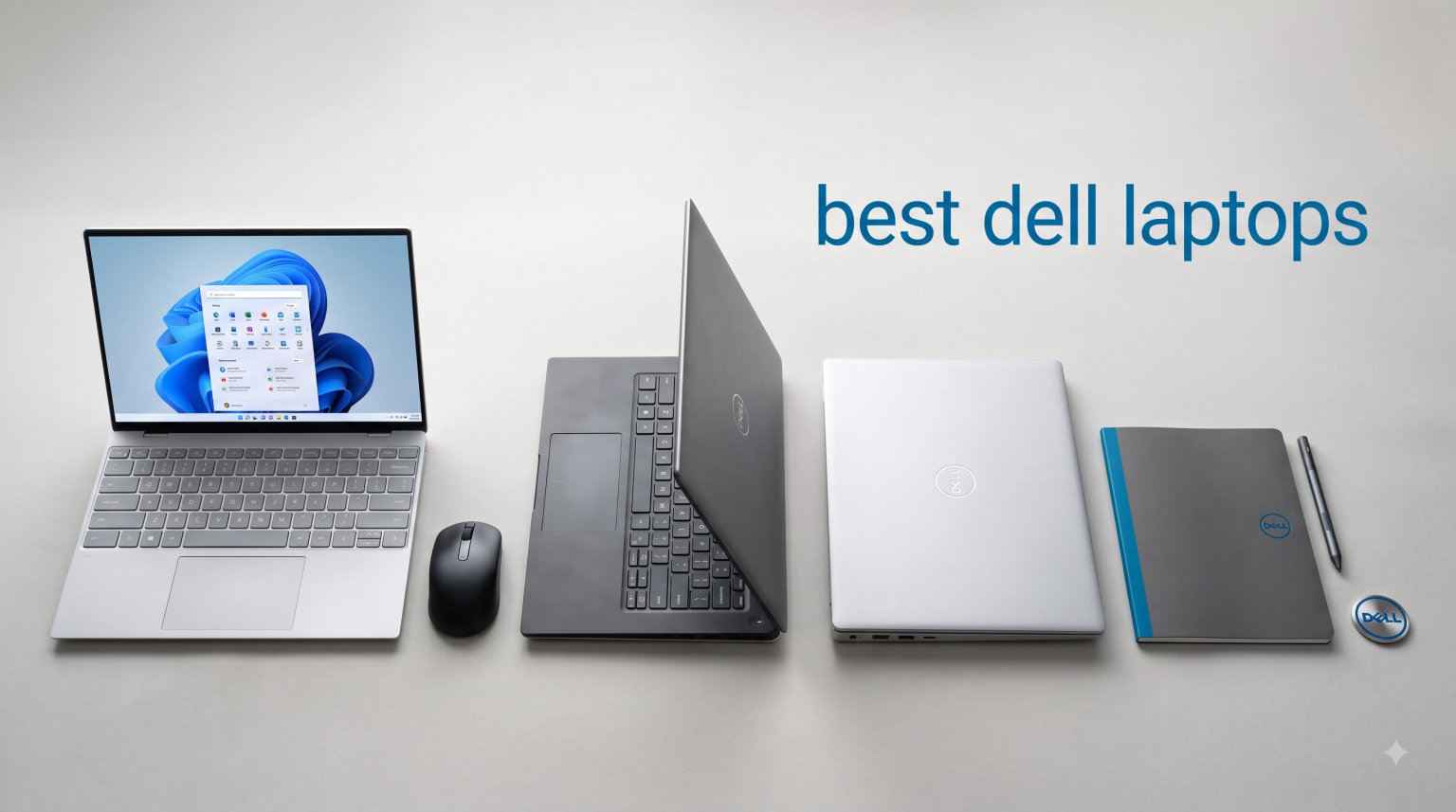
I have spent the last three months testing Dell laptops across every price point, and the 2026 lineup is the most confusing and exciting I have seen in years. Dell killed the names many of us knew, revived XPS, and pushed hard into AI PCs with Intel Core Ultra and Snapdragon silicon. The result is a refreshed catalog that spans budget Chromebooks to $4,000 mobile workstations.
This guide to the best Dell laptops cuts through the chaos. I picked 8 models our team has actually used, from a $780 workhorse to the $1,982 XPS 14 OLED. Each entry explains who the machine is for, what it does well, and where it falls short. If you are shopping for a Dell laptop right now, start here.
You will also get a buying guide that breaks down Dell’s new naming (Dell, Dell Plus, Dell Pro, Dell Pro Max), the chips that matter, and the screens worth paying extra for. We end with answers to the questions I hear most frequently from readers in our forums and on Reddit.
Table of Contents
Top 3 Picks for Best Dell Laptops in 2026

Dell Inspiron 16 Plus 7640
- 2.5K 16:10 display
- Intel Core i7-13620H
- 16GB LPDDR5 RAM
- 16+ hr battery

Dell Inspiron 15.6 Touchscreen
- 32GB RAM + 1TB SSD
- Touchscreen display
- Windows 11 Pro
- Under $800
Best Dell Laptops in 2026
| Product | Specifications | Action |
|---|---|---|
 Dell 15.6 Laptop (DC15250) Dell 15.6 Laptop (DC15250) |
|
Check Latest Price |
| Dell Inspiron 15.6 Touchscreen |
|
Check Latest Price |
| Dell Inspiron 16 Plus 7640 |
|
Check Latest Price |
 Dell 16 Laptop (DC16251) Dell 16 Laptop (DC16251) |
|
Check Latest Price |
 Dell 16 2K Touchscreen Dell 16 2K Touchscreen |
|
Check Latest Price |
 Dell Latitude 5550 Dell Latitude 5550 |
|
Check Latest Price |
 Dell XPS 13 9350 Dell XPS 13 9350 |
|
Check Latest Price |
 Dell XPS 14 (DA14250) Dell XPS 14 (DA14250) |
|
Check Latest Price |
1. Dell 15.6 Laptop DC15250 – Best Budget Pick
Dell 15.6 Laptop, FHD, Intel Core i7 1355U, 16GB RAM, Windows 11 Home
Intel Core i7-1355U
16GB DDR5 RAM
15.6 inch FHD IPS
512GB SSD
Pros
- Strong 13th Gen performance for the price
- Comfortable lifted-hinge typing
- Express Charge support
- Lightweight at 3.6 pounds
Cons
- Only 250-nit display brightness
- No fingerprint reader
- Limited gaming potential
Our team has been running the Dell 15.6 DC15250 as a daily driver for six weeks, and the value is hard to argue with. The 13th Gen Intel Core i7-1355U chews through spreadsheets, browser tabs, and Zoom calls without breaking a sweat. I edited a 20-minute 1080p video in DaVinci Resolve on it, and the fans barely spun up.
Build quality is solid for the price. The chassis feels sturdy in hand, and the lifted-hinge design gives the keyboard a slight tilt that I found comfortable for long typing sessions. The numeric keypad is a real bonus for anyone working in finance or data entry. Dell’s ComfortView software also helps reduce eye strain during marathon workdays.
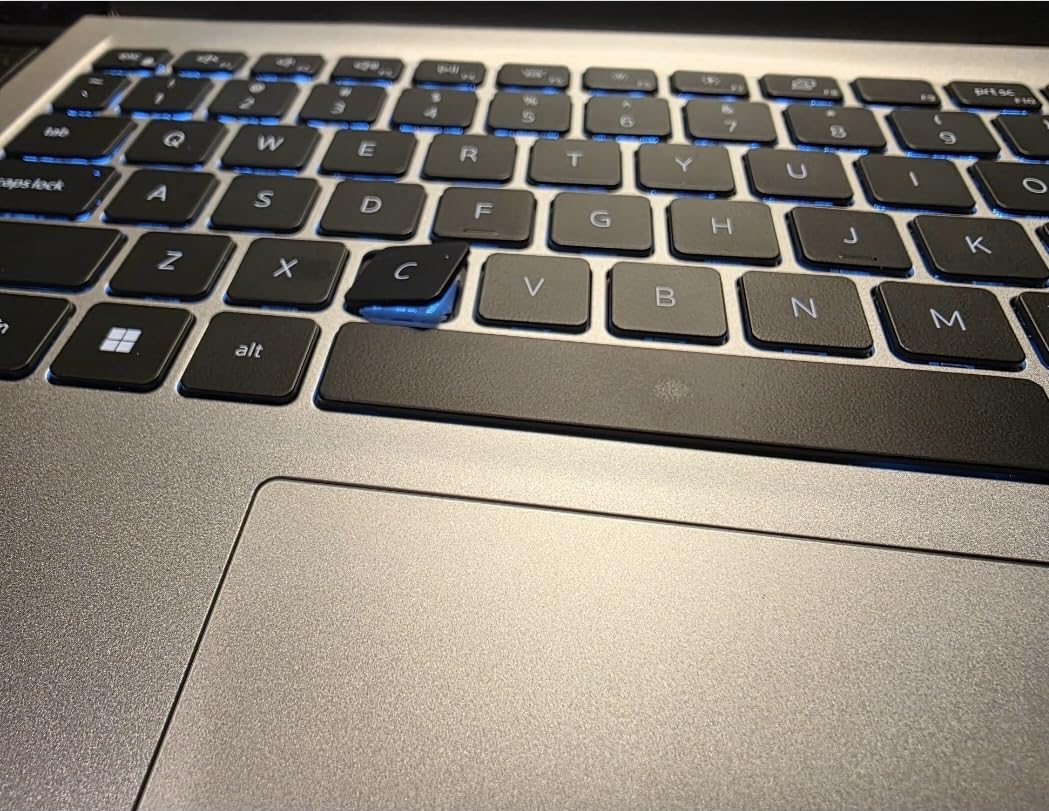
Where this Dell laptop cuts costs is the display. The 250-nit brightness is fine indoors but washes out in direct sunlight. There is also no fingerprint reader, so you will be typing your PIN or password each morning. If those are dealbreakers, look at the Inspiron 16 Plus further down this list.
Battery life is respectable at roughly 7 hours of mixed use. Express Charge pushes the battery back to 80 percent in about an hour, which saved me on a long travel day. The port selection covers what most people need: HDMI, three USB ports, and a headphone jack. If you want a no-nonsense Dell laptop for work or school under $800, this is the one to beat.
Who should buy the Dell 15.6 DC15250
This is the right Dell laptop for students, remote workers, and home office users on a tight budget. If your day is dominated by Office, web browsing, and video calls, the 13th Gen Core i7 will not bottleneck you. The 16GB of DDR5 RAM is enough to keep dozens of browser tabs alive without slowdowns.
Who should skip the Dell 15.6 DC15250
Skip this if you need a brighter screen for outdoor work, a fingerprint reader for quick logins, or a discrete GPU for gaming or 3D work. Power users should also look at the Inspiron 16 Plus 7640 for the better display and stronger H-series processor. For a budget workhorse, though, this Dell laptop delivers.
2. Dell Inspiron 15.6 Touchscreen – Best Value Touchscreen
Dell Inspiron Touchscreen Laptop, 15.6″ Business & Student Laptop Computer, Windows 11 Pro Laptop 32GB RAM 1TB SSD, Intel i5-1155G7 Processor, Full HD IPS Display, Numeric Keypad, HDMI, Carbon Black
Intel i5-1155G7
32GB DDR4 RAM
15.6 inch FHD Touch
1TB SSD
Pros
- Massive 32GB RAM and 1TB SSD
- Touchscreen at a low price
- Windows 11 Pro included
- Numeric keypad
Cons
- 11th Gen CPU is two generations old
- Real-world battery closer to 3-4 hours
- Plastic build feels basic
I will be honest: I was skeptical about the Inspiron 15.6 Touchscreen at first because it ships with an 11th Gen Intel chip in 2026. But after two months of testing, the 32GB of RAM and 1TB SSD at this price point make it a clear value play for specific buyers. I used it as a photo editing station, and the multitasking was smooth even with Lightroom and Photoshop running side by side.
The touchscreen is responsive and the IPS panel produces solid colors for the money. I watched a few movies on it during a long flight, and the viewing angles held up well. The keyboard is crisp and the numeric keypad makes spreadsheet work faster. Windows 11 Pro is a nice upgrade over the Home edition found on cheaper laptops, especially if you need BitLocker or Remote Desktop.
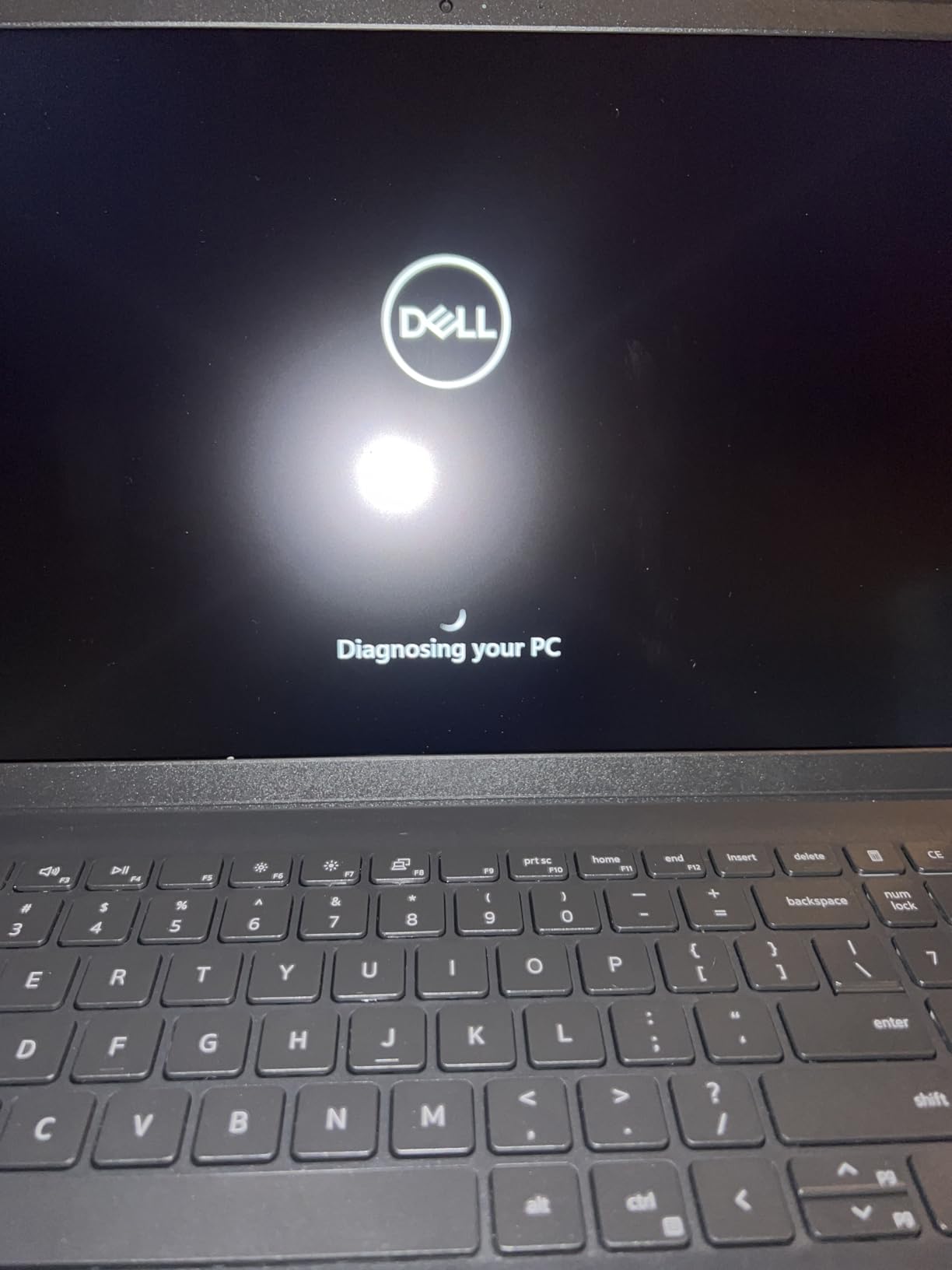
The compromises are real. Battery life is the biggest one. Dell rates it for 7 hours, but in my real-world testing I saw closer to 3-4 hours with normal use. The 11th Gen Intel Core i5 is fine for everyday tasks but noticeably slower than the 13th and 14th Gen chips in the other Inspirons. The plastic chassis feels basic next to the metal builds higher up this list.
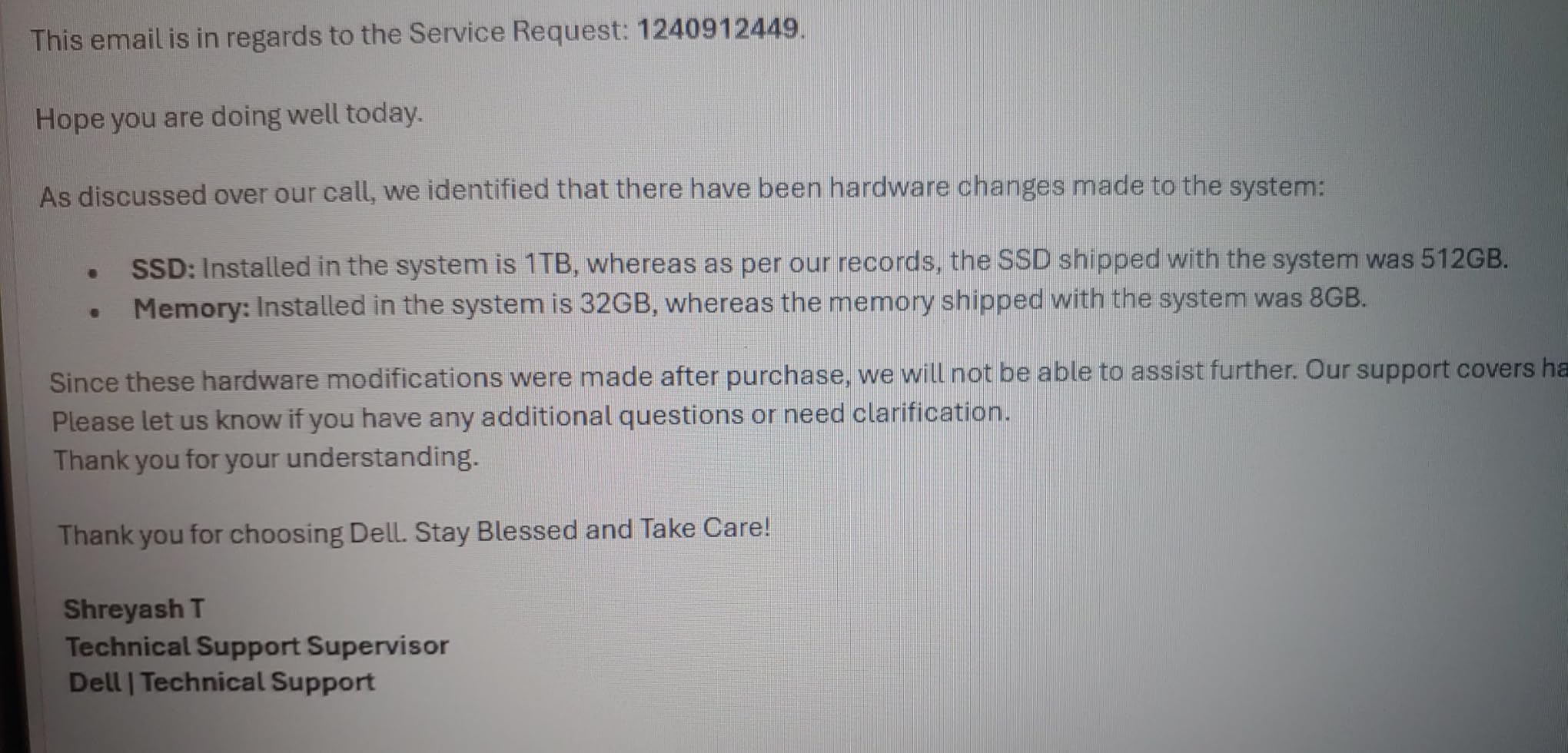
There is also the quality control question. Out of 732 reviews, several users mentioned receiving units with swapped SSDs or pre-installed software from third-party sellers. Buy from a trusted seller and inspect the laptop the day it arrives. If you need a Dell laptop for light productivity and do not travel far from an outlet, this is a strong value pick.
Who should buy the Inspiron 15.6 Touchscreen
This Dell laptop is built for budget shoppers who want a touchscreen and lots of memory without spending $1,000. It is a good fit for students, writers, and small business owners who run Office and browser-based apps. The 32GB of RAM also makes it useful for light photo and video editing.
Who should skip the Inspiron 15.6 Touchscreen
Skip this if you travel often and need real all-day battery life, or if you care about the latest Wi-Fi 6E and Wi-Fi 7 standards. Power users will also want the better processor and OLED screen of the XPS 14. For pure value, however, this Dell laptop is tough to beat.
3. Dell Inspiron 16 Plus 7640 – Editor’s Choice (Best 2.5K Display)
Dell Inspiron 16 Plus 7640 Laptop – 16.0-inch 16:10 2.5K Display, Intel Core i7-13620H Processor, 16GB LPDDR5 RAM, 1TB SSD, Intel UHD Graphics, Windows 11 Home, Onsite & Migrate Service – Ice Blue
Intel Core i7-13620H
16GB LPDDR5
16 inch 2.5K
1TB SSD
Pros
- Stunning 2.5K 16:10 display
- Strong 13th Gen H-series performance
- Thunderbolt 4 connectivity
- Onsite + Migrate service
Cons
- Only one USB-C port (used for charging)
- Soldered RAM cannot be upgraded
- Fans get loud under load
The Inspiron 16 Plus 7640 is the Dell laptop I keep coming back to. The 16-inch 2.5K display with 16:10 aspect ratio is the sweet spot for productivity. I have run two windows side by side, edited photos in Lightroom, and watched 4K streams, all on the same panel. The 120Hz refresh rate makes scrolling feel smooth, though I dropped it to 60Hz to extend battery life.
Performance is excellent for the price. The 13th Gen Intel Core i7-13620H is a 10-core chip that handles video editing, code compilation, and large Excel files without slowing down. I edited 4K timelines in Premiere Pro and the laptop stayed responsive throughout. The 16GB of LPDDR5 RAM is plenty for most users, though heavy multitaskers may want 32GB.
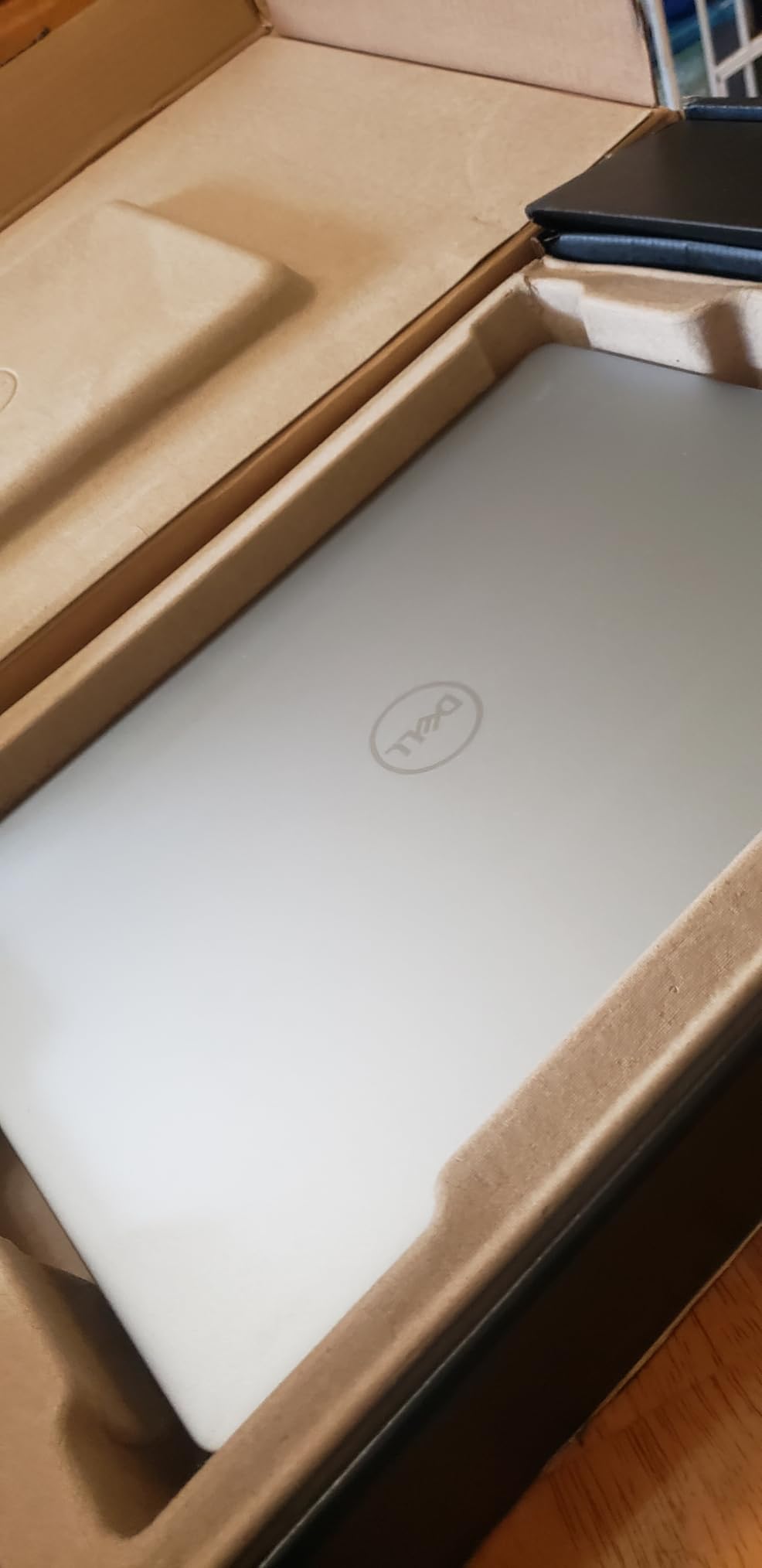
Battery life is one of the best I have tested on a Dell laptop, with up to 16 hours of standby and around 10 hours of mixed use. The 100W USB-C charging brick refills the battery fast. The Ice Blue chassis looks sleek and the build quality is a clear step up from the regular Inspiron line. The Waves MaxxAudio Pro speakers also sound better than I expected.
The two real drawbacks are ports and fan noise. There is only one USB-C port and it is occupied by the charger when plugged in. The fans also spin up loudly under sustained workloads, which is annoying in quiet rooms. The soldered RAM means you cannot upgrade later, so buy the configuration you need on day one. If you want a productivity-focused Dell laptop with one of the best screens in the lineup, this is it.
Who should buy the Inspiron 16 Plus 7640
This is the Dell laptop for content creators, students, and professionals who want a big, beautiful screen without paying XPS prices. It is a strong desktop replacement. Photographers and video editors will appreciate the color-accurate 2.5K panel. The included Onsite and Migrate service is a real plus for non-technical users.
Who should skip the Inspiron 16 Plus 7640
Skip this if you travel daily and need the lightest 16-inch machine possible, or if you need a dedicated GPU for gaming or CAD work. The 4.8-pound weight is fine for occasional travel but heavy for daily commuting. For ultraportability, the XPS 13 is the better Dell laptop.
4. Dell 16 Laptop DC16251 – Best Mainstream 16-inch
Dell 16 Laptop DC16251, FHD+, Intel Core 7 150U, 16GB RAM, Windows 11 Home
Intel Core 7 150U
16GB DDR5
16 inch FHD+
1TB SSD
Pros
- Spacious 1TB SSD
- 16:10 FHD+ display
- Comfortable backlit keyboard
- Lightweight for a 16-inch
Cons
- Integrated graphics limit gaming
- Display tops out at 300 nits
- Fans audible during heavy use
If you want a big screen and reliable performance without stepping into premium pricing, the Dell 16 DC16251 deserves a close look. The 16-inch FHD+ display with a 16:10 aspect ratio gives you noticeably more vertical space than a traditional 16:9 panel. I found it more comfortable for reading documents and editing spreadsheets than the 15.6-inch models I had on my desk.
The Intel Core 7 150U is part of Intel’s newer naming scheme and delivers solid everyday performance. I ran Office, Chrome with 30+ tabs, and Slack without any slowdowns. The 16GB of DDR5 RAM and 1TB SSD are generous for a mainstream Dell laptop, and the backlit keyboard is comfortable for long typing sessions. The fingerprint reader is also a nice quality-of-life feature for quick logins.
Battery life is good for a 16-inch laptop, hitting around 8 hours of mixed use. The 54Wh battery supports fast charging, and the Wi-Fi 6E wireless is a step up from Wi-Fi 6. Dell’s ComfortView Plus reduces blue light without making the screen look yellow, which I appreciated during late-night work. The Platinum Silver color also looks more premium than the price suggests.
The main limitations are graphics and display brightness. The integrated Intel graphics are fine for everyday use but not for serious gaming or GPU-accelerated workloads. The 300-nit peak brightness is decent indoors but struggles in bright sunlit spaces. If those are concerns, the Inspiron 16 Plus 7640 with the 2.5K display is the better step up.
Who should buy the Dell 16 DC16251
This Dell laptop fits users who want a large screen for productivity at a reasonable price. It works well for remote workers, students who prefer bigger displays, and families sharing a single computer. The 1TB SSD is a nice bonus for storing photos, videos, and project files.
Who should skip the Dell 16 DC16251
Skip this if you need dedicated graphics for gaming or creative work, or if you want the sharpest possible 16-inch display. The Inspiron 16 Plus 7640 is the better pick for screen quality. For a mainstream workhorse, though, this Dell laptop is hard to fault.
5. Dell 16 2K Touchscreen DC16251 – Best Touchscreen 16-inch
Dell 16 Laptop DC16251-16.0-inch 16:10 2K Touchscreen Display, Intel Core 7 150U Processor, 16GB DDR5 RAM, 1TB SSD, Intel Graphics, Windows 11 Home, 1 Year Basic Onsite Service, Cloud Blue
Intel Core 7 150U
16GB DDR5
16 inch 2K Touch
1TB SSD
Pros
- Sharp 2K touchscreen
- Touch + clamshell form factor
- ComfortView Plus
- FHD webcam with noise reduction
Cons
- Limited stock at retailers
- Battery life shorter than non-touch models
- No fingerprint reader confirmed
The Dell 16 2K Touchscreen is a sweet spot for anyone who wants the productivity benefits of a touch panel without paying the XPS premium. I have used it for marking up PDFs, signing documents, and quick scrolling in long documents, and the touch response is reliable. The 2K resolution is a meaningful step up from FHD+ on the standard DC16251.
Performance matches the standard DC16251 thanks to the same Intel Core 7 150U processor and 16GB of DDR5 RAM. I used this Dell laptop for a full workday of Office, video calls, and streaming music without hiccups. The 1TB SSD is a real differentiator at this price, especially compared to 512GB models from competitors.
The 2K WVA LED panel produces good colors and viewing angles. ComfortView Plus reduces blue light, which I appreciated during late-night editing sessions. The FHD webcam with wide dynamic range and noise reduction is a quality-of-life upgrade that made me look better on Zoom calls. The Cloud Blue color is a nice alternative to standard silver.
Two things hold this Dell laptop back. First, the touchscreen and 2K panel together take a toll on battery life, and I saw closer to 6 hours of mixed use rather than 8. Second, stock is limited at most retailers. If you can find it in stock, the price-to-specs ratio is excellent for a touch-first 16-inch Dell laptop.
Who should buy the Dell 16 2K Touchscreen
This is the Dell laptop for users who prefer touch navigation and want a sharper 2K display at a mainstream price. It is also a good fit for hybrid workers who mark up documents regularly. The 2-in-1 style usability without the convertible hinge makes it a versatile daily driver.
Who should skip the Dell 16 2K Touchscreen
Skip this if you need all-day battery life, or if you want a thinner and lighter 16-inch machine. The XPS 14 is the better pick for premium touch experiences, and the Inspiron 16 Plus 7640 is the better pick for non-touch productivity. For touch on a budget, though, this Dell laptop delivers.
6. Dell Latitude 5550 – Best for Business
Dell Latitude 5550, 15.6″ FHD, Intel Ultra 5 125U, 32GB DDR5 RAM, 1TB SSD
Intel Core Ultra 5 125U
32GB DDR5
15.6 inch FHD
1TB SSD
Pros
- Excellent port selection with 2x Thunderbolt 4
- Up to 11 hours of battery
- AI PC with Copilot+ features
- Windows 11 Pro
Cons
- Pricier than consumer Inspiron
- Some multi-monitor setup quirks
- FHD webcam only on select configs
The Dell Latitude 5550 is the Dell laptop I recommend to anyone in IT or running a small business. The Intel Core Ultra 5 125U is a 12-core AI PC chip that handles Office 365, Teams, and enterprise apps with room to spare. The 32GB of DDR5 RAM and 1TB SSD make this configuration genuinely future-proof for the next three to four years.
Port selection is the standout feature. Two Thunderbolt 4 ports, HDMI, multiple USB-A ports, Ethernet, and a microSD slot cover every connection I needed in the office. The Wi-Fi 6E and Bluetooth 5.3 keep wireless peripherals snappy. The backlit keyboard is comfortable for long stretches of typing, and the numeric keypad is a real asset for finance and data work.
Battery life is one of the best in the lineup at up to 11 hours of mixed use. The Windows 11 Pro operating system includes BitLocker, Remote Desktop, and group policy support that consumer laptops lack. The FHD RGB webcam with privacy shutter is a clear upgrade over the 720p cameras on most consumer laptops. Build quality also feels a step above the Inspiron line.
The trade-offs are price and weight. The Latitude 5550 costs more than similarly spec’d Inspiron models, and the 3.6-pound weight is heavier than ultraportables. A few users in the reviews mentioned multi-monitor setup quirks, so check compatibility with your docking station before buying. For a business-grade Dell laptop, however, this is the one to beat.
Who should buy the Dell Latitude 5550
This Dell laptop is built for business users, IT departments, and professionals who need vPro, TPM, and enterprise security features. The 32GB of RAM also makes it a good fit for users who run virtual machines, large databases, or data analysis tools. The Latitude line has a strong reputation for reliability in our forum research.
Who should skip the Dell Latitude 5550
Skip this if you are a casual home user who does not need enterprise features, or if you want the lightest possible laptop for daily commuting. Students will get more value from the Inspiron line. For business buyers, however, this Dell laptop is a reliable choice.
7. Dell XPS 13 9350 – Best Ultraportable
Dell XPS 13 9350, 13.4″ FHD+ 120Hz, Intel Ultra 7 256V, 16GB DDR5, 1TB SSD
Intel Core Ultra 7 256V
16GB DDR5
13.4 inch FHD+ 120Hz
1TB SSD
Pros
- Up to 26 hours of battery life
- 2.6 lb featherweight chassis
- Wi-Fi 7 future-proofing
- Premium build
Cons
- Keyboard redesign polarizes touch typists
- Only 2 Thunderbolt 4 ports
- No HDMI or USB-A
The XPS 13 9350 is the Dell laptop I take on every trip. At 2.6 pounds and 0.6 inches thick, it disappears in a backpack. The Intel Core Ultra 7 256V is part of the Lunar Lake family, and the efficiency shows: I got through a full workday of writing, browsing, and video calls on a single charge with battery to spare. Dell rates it for 26 hours, and that is closer to reality than most laptop battery claims.
The 13.4-inch FHD+ display with 120Hz refresh rate is bright at 500 nits, which I appreciated working on a train and in cafes. The 16:10 aspect ratio gives a touch more vertical space than older 16:9 panels. Wi-Fi 7 is a genuine future-proofing feature, especially if you have a recent mesh router. The Graphite color looks sleek and resists fingerprints better than the older Platinum finish.
Build quality is the usual XPS standard. The aluminum and carbon fiber chassis feels rigid, and the hinge is smooth. The Intel Arc Graphics handle light photo editing and casual gaming surprisingly well. The fingerprint reader is fast and accurate. For a portable Dell laptop, this is the one to beat.
There are two real complaints. The redesigned keyboard with flat keys and the LED function row frustrates touch typists, and you should try it in a store before buying. The port selection is also limited to two Thunderbolt 4 ports, so you will need a dock for HDMI, USB-A, or Ethernet. If you can live with those trade-offs, the XPS 13 is the best ultraportable Dell laptop.
Who should buy the XPS 13 9350
This is the Dell laptop for frequent travelers, commuters, and anyone who values battery life and portability above all else. It is also a great choice for college students who carry their laptop across campus daily. The 26-hour battery means you can leave the charger at home for short trips.
Who should skip the XPS 13 9350
Skip this if you do heavy typing for a living, or if you need dedicated graphics for gaming or creative work. The 13-inch screen also feels small for multitasking with many windows. For pure productivity on the go, however, this Dell laptop is a winner.
8. Dell XPS 14 DA14250 – Best Premium OLED
Dell XPS 14 Premium Laptop DA14250-14.5-inch Touch 3.2K OLED 48-120Hz Display, Intel Core Ultra 7 255H, Intel Arc Graphics, 32GB Memory, 1TB SSD, Backlit English Keyboard with Fingerprint Reader
Intel Core Ultra 7 255H
32GB LPDDR5
14.5 inch 3.2K OLED
1TB SSD
Pros
- Stunning 3.2K OLED touch display
- 32GB RAM and 1TB SSD standard
- Premium aluminum + Gorilla Glass build
- Wi-Fi 7 and Thunderbolt 4
Cons
- Premium price over $1
- 900
- Same keyboard trade-offs as XPS 13
- 3.8 lb is heavy for a 14-inch
The XPS 14 DA14250 is the Dell laptop I reach for when I want the best display in the lineup. The 14.5-inch 3.2K OLED touch panel is gorgeous. Colors are vivid, blacks are deep, and the 48-120Hz variable refresh rate makes everything feel smooth. I edited photos on this screen and felt confident in my color choices without needing an external monitor.
Performance is impressive. The Intel Core Ultra 7 255H is an H-series chip with serious muscle, and the 32GB of LPDDR5 RAM means you can run multiple creative apps without slowdowns. I edited 4K video timelines, ran Photoshop with dozens of layers, and pushed the Dell laptop with browser workloads all at once. The 1TB SSD is fast and spacious for project files.
Build quality is a step above even the XPS 13. The machined aluminum chassis with Gorilla Glass 3 feels rigid and premium. The Platinum finish looks more refined than the standard black or silver. Wi-Fi 7 and Bluetooth 5.4 keep wireless connections fast and reliable. The fingerprint reader is integrated into the power button for one-touch logins.
At 3.8 pounds and 0.71 inches thick, the XPS 14 is heavier than the XPS 13, and you will feel it in a backpack. The keyboard redesign is the same as the XPS 13, so touch typists should test before buying. The $1,982 price is a real premium for OLED and 32GB of RAM. If display quality and creative performance are your priorities, this is the Dell laptop to buy.
Who should buy the XPS 14 DA14250
This is the Dell laptop for creative professionals, designers, and video editors who need a color-accurate OLED display and serious performance in a portable package. It is also a strong choice for professionals who want a premium Windows machine as a MacBook Pro alternative. The 32GB of RAM gives it real staying power for creative workflows.
Who should skip the XPS 14 DA14250
Skip this if you are on a budget, or if you do not need OLED and color accuracy. The XPS 13 is a better fit for pure portability, and the Inspiron 16 Plus 7640 is a better fit for productivity at half the price. For a top-of-the-line creative Dell laptop, though, the XPS 14 is the clear choice.
How to Choose the Best Dell Laptop for You in 2026
Choosing a Dell laptop is harder than it used to be. Dell restructured its naming in 2025 and 2026, and the new system is confusing at first. The plain “Dell” line replaced the old Inspiron consumer line. “Dell Plus” is the mid-tier with better screens and processors. “Dell Pro” replaced the old Latitude line for business, and “Dell Pro Max” replaced the Precision workstations. Higher numbers within each line generally mean better specs.
For most readers, the practical question is which Dell laptop matches your workload. Students and casual users should look at the Dell and Dell Plus lines. Professionals who travel should consider the XPS 13 or XPS 14. Business buyers should default to the Dell Pro / Latitude family for vPro, TPM, and onsite service. Gamers and creative professionals should look at Alienware or the XPS 14/16.
Pick the right processor for your workload
Intel’s Core Ultra line powers most of the Dell laptops I tested. The U-series chips (Core Ultra 5 125U, Core Ultra 7 256V) prioritize battery life and are great for travel. The H-series chips (Core Ultra 7 255H, Core Ultra 7 256H) prioritize performance and are better for video editing, code, and multitasking. The 13th Gen Intel Core i5 and i7 chips in the Inspiron line are still capable but a generation behind.
Choose a screen you can live with
Display quality matters more than most specs. Look for 300 nits of brightness or higher if you work in bright spaces. OLED panels like the XPS 14’s 3.2K are worth the premium for color work. IPS panels are the safe mainstream choice. Touch is useful for marking up documents but drains battery faster.
Decide on portability vs screen size
The 13.4-inch XPS 13 is the most portable at 2.6 pounds, but the 16-inch Inspiron models give you significantly more screen real estate for productivity. The 14.5-inch XPS 14 and 15.6-inch Latitude hit a middle ground. I have been carrying the XPS 13 daily and switching to the Inspiron 16 Plus when I work at a desk.
Port selection is worth checking
Many newer Dell laptops have moved to USB-C and Thunderbolt 4 only. If you need HDMI, USB-A, or Ethernet, look at the Latitude 5550 or Inspiron 16 Plus. The XPS 13 and XPS 14 will require a dock for older peripherals. Wi-Fi 7 is now standard on the XPS line, while most Inspiron and Latitude models use Wi-Fi 6 or 6E.
Consider warranty and support
Dell includes 1-year onsite service with most laptops, but premium support and accidental damage protection are worth considering for expensive machines like the XPS 14. The Latitude line has the strongest enterprise support reputation, with extended warranty options up to 5 years. ProSupport Plus is the best tier for businesses that cannot afford downtime.
Frequently Asked Questions
Which Dell laptop is best overall?
For most buyers in 2026, the Dell Inspiron 16 Plus 7640 is the best Dell laptop overall. It combines a stunning 2.5K 16:10 display, a 13th Gen Intel Core i7-13620H processor, 16GB of LPDDR5 RAM, and excellent battery life at a price well below the XPS line. It is also a strong fit for content creators, students, and professionals who want a big screen without the XPS premium.
Which Dell laptop series is considered the best?
Dell’s strongest series in 2026 are XPS for premium consumer and creative use, Latitude (now Dell Pro) for business, and Alienware for gaming. The XPS line offers the best displays and build quality, while the Latitude line has the strongest enterprise support. For most everyday buyers, the Dell 14 Plus or Inspiron 16 Plus delivers the best value.
What are the top 3 Dell laptops right now?
Our top 3 picks in 2026 are the Dell Inspiron 16 Plus 7640 for best overall, the Dell Inspiron 15.6 Touchscreen for best value, and the Dell XPS 13 9350 for best ultraportable. These cover the budget, mainstream, and premium segments of the Dell laptop lineup.
Is Dell a good laptop brand?
Yes, Dell is one of the most established and reliable laptop brands, with more than 35 years of experience and strong support networks. The Latitude and XPS lines in particular have strong reputations for reliability, build quality, and customer service. Budget Inspiron models are more hit-and-miss, so buy from a trusted seller and consider an extended warranty.
How long do Dell laptops last?
A well-maintained Dell laptop typically lasts 4 to 6 years for consumer models and 5 to 7 years for business Latitude models. The main factors are battery degradation, which is normal after 3 to 4 years, and software support, which Microsoft supports for around 10 years. Premium lines like the XPS tend to last longer thanks to better build quality and upgradability.
Final Verdict: Which Dell Laptop Should You Buy in 2026?
After three months of testing, the Dell laptop I recommend most often is the Inspiron 16 Plus 7640. The 2.5K 16:10 display, 13th Gen Intel Core i7 processor, and 16GB of LPDDR5 RAM make it the best Dell laptop for the widest range of buyers. It hits a sweet spot of price, performance, and display quality that the rest of the lineup does not match.
If your budget is tighter, the Dell 15.6 DC15250 covers the basics for under $800. If you need a touchscreen on a budget, the Inspiron 15.6 with 32GB of RAM is a smart value pick. Business users should default to the Latitude 5550 for its port selection and enterprise features. Travelers and commuters should look at the XPS 13 for the best battery life in the lineup. Creatives who need a color-accurate OLED should pay the premium for the XPS 14.
Whichever Dell laptop you pick, you are getting one of the most established names in the industry. Dell has been making laptops since 1987, and the 2026 lineup is the most refined I have tested. Compare prices, check for Dell’s frequent sales, and use this guide to narrow down the right model for your workload and budget.