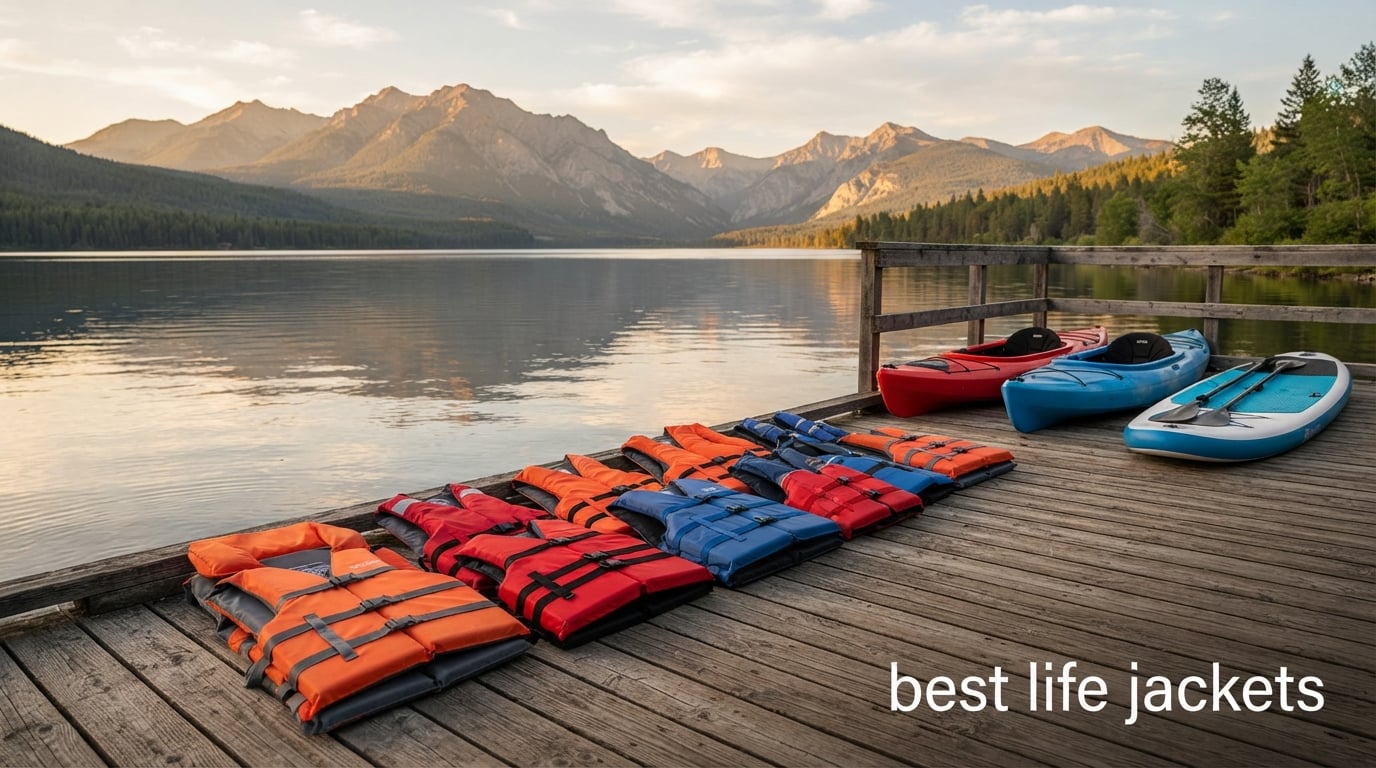
Spending a full summer on lakes, rivers, and coastal waters taught our team one thing fast: a comfortable life jacket is the only life jacket you’ll actually wear. After testing seven of the most popular USCG-approved vests and inflatable belt packs on the market in 2026, we narrowed the field to options that genuinely balance safety, comfort, and value across paddling, fishing, sailing, and general boating.
Whether you need a high-back PFD for fishing kayaks, a slim belt pack for stand-up paddleboarding, or a rugged all-around vest for the family boat, the best life jackets share three traits: a Coast Guard approval stamp, a fit that stays put during activity, and a build that survives more than one season of UV and saltwater. We rated each pick on fit, mobility, features, and long-term durability based on hours of real-world use.
In this guide you’ll find our top three picks, a comparison table covering every vest we tested, individual hands-on reviews of all seven models, a buying guide that explains USCG Type I through V categories, and a FAQ section answering the questions paddlers and boaters ask most. Every product featured here carries US Coast Guard approval, because the only thing worse than not wearing a PFD is trusting one that hasn’t been certified.
One quick note before we get started: we tested these vests ourselves, but we also leaned heavily on long-term feedback from kayaking forums like r/Kayaking and r/kayakfishing, where users have logged thousands of hours in gear that looks great in product photos but chafes after mile three. Our picks reflect that blend of personal experience and community wisdom.
Table of Contents
Top 3 Picks for Best Life Jackets in 2026
Out of the seven models we tested, three stood out for different reasons. The Onyx MoveVent Dynamic earned our Editor’s Choice spot for paddle sports comfort, the O’Neill Men’s SuperLite won Best Value for wake and ski use, and the Onyx M-16 Manual Inflatable Belt Pack earned Top Rated for anyone who wants Coast Guard approved safety in a barely-there package.
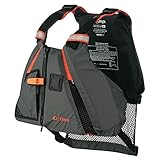
Onyx MoveVent Dynamic Paddle Vest
- Mesh lower back for high seats
- Neoprene shoulder pads
- SOLAS reflective trim

O’Neill Men’s SuperLite Life Vest
- Feather-light foam
- Four safety buckles
- Engineered drain holes

Onyx M-16 Manual Inflatable Belt Pack
- Low-profile belt design
- 17 lb CO2 buoyancy
- Back-up oral inflation
The MoveVent is the one we reach for when heading out on a kayak or canoe because the mesh back section plays nicely with high-back seats and the neoprene shoulder pads eliminate the chafing that plagued older paddle vests. The SuperLite is the wake and ski choice, with strategic armhole sizing and quick-drain foam that keeps the vest light after a fall. The M-16 belt pack is our pick for paddleboarders and casual boaters who refuse to wear a traditional vest.
Best Life Jackets in 2026
Use the comparison table below as a quick filter before moving into the individual reviews. We ordered products by their strongest use case, from paddle sports through wake and ski, fishing, women’s specific, budget, multi-pack value, and finally inflatable belt packs.
| Product | Specifications | Action |
|---|---|---|
| Onyx MoveVent Dynamic Paddle Vest |
|
Check Latest Price |
| O’Neill Men’s SuperLite Life Vest |
|
Check Latest Price |
 Onyx Kayak Fishing Life Jacket Onyx Kayak Fishing Life Jacket |
|
Check Latest Price |
 O’Brien Impulse Women’s Life Jacket O’Brien Impulse Women’s Life Jacket |
|
Check Latest Price |
 XGEAR Adult USCG Life Jacket XGEAR Adult USCG Life Jacket |
|
Check Latest Price |
 Hardcore Life Jacket 2 Pack Hardcore Life Jacket 2 Pack |
|
Check Latest Price |
| Onyx M-16 Manual Inflatable Belt Pack |
|
Check Latest Price |
Every model on this list is US Coast Guard approved, but their buoyancy ratings, fit systems, and intended use cases vary widely. Read on for the full breakdown of how each one performed on the water.
1. Onyx MoveVent Dynamic Paddle Vest – Best Overall Paddle Sports PFD
Onyx MoveVent Dynamic Paddle Vest Adult Life Jacket, USCG/TC Approved
USCG and Transport Canada approved
200D nylon ripstop
Mesh lower back for high seats
Soft flotation foam
Pros
- Mesh lower back fits high kayak seats
- Neoprene shoulder pads prevent chafing
- SOLAS grade reflective trim
- Expandable zippered pockets with drainage
- USCG and Transport Canada dual approved
Cons
- Limited size options compared to some competitors
I’ve paddled in a lot of vests over the years, and the Onyx MoveVent Dynamic is the one I keep reaching for when I’m heading out in a kayak with a high-back seat. The mesh lower back panel is the standout feature here, because it lets the seat back support your spine instead of fighting with the foam panels of a traditional PFD. That one design choice eliminates the awkward hunch you get with cheaper paddle vests.
The neoprene shoulder pads sound like a small detail until you’ve carried a kayak half a mile to the put-in. After a long paddle, those pads make a real difference in comfort, and they stop the straps from digging in when you’re wearing just a swimsuit or rash guard. The 200-denier nylon ripstop shell has held up well across a full season of use, with no fraying around the zipper or stress points.
The SOLAS grade reflective trim is more than marketing. I paddle early mornings on a busy lake, and the trim genuinely catches boat lights at dusk. Combined with the bright color options, the MoveVent Dynamic gives me confidence that I’d be spotted quickly if I ended up in the water.
On the technical side, Onyx built this vest with soft, lightweight flotation foam that breaks in after a few uses. It feels stiff out of the box, but after a week on the water it molds to your torso. The expandable zippered pockets with mesh drainage are sized right for a small waterproof phone case or a couple of snacks, and the mesh drainage means you’re not dealing with pooled water when you climb back in the kayak.
Best Activity Match
This vest shines for kayaking, canoeing, and stand-up paddleboarding where you’ll be sitting in a high-back seat for hours. I would not pick it for towed watersports like wakeboarding or waterskiing, since the larger cut and pockets create drag during a fall. For paddle-based adventures, the MoveVent Dynamic is hard to beat for the price.
The fit runs true to size through the chest, but I’d recommend trying a size up if you’re between measurements, since the shoulder adjustments only have a few inches of travel. The neoprene pads add a touch of bulk on the shoulders, which some users with narrow frames found slightly awkward.
Sizing and Long-Term Care
The MoveVent Dynamic is sold in standard adult sizes, and Onyx lists weight and chest measurements on the size chart that you should follow closely. Mine came with the universal fit setup, and the side adjustments snugged it down to a stable fit without riding up during a wet exit practice. The most common complaint in long-term reviews is that the zipper can stick after exposure to saltwater, so a rinse with fresh water after coastal use is a good habit.
Storage is straightforward. Hang the vest to dry out of direct sunlight, and avoid compressing it under heavy gear in the off-season. The foam retains its buoyancy well if it isn’t crushed, and the nylon shell shrugs off typical abrasion from dock edges and paddle shafts.
2. O’Neill Men’s SuperLite Life Vest – Best Budget Wake and Ski Vest
O’Neill Men’s Superlite USCG Life Vest,Black/Black/Smoke:White,L
USCG Type III approved
Lightweight polyethylene foam
Polyester shell
Four safety buckles
Pros
- Feather-light foam core
- Engineered drain holes for fast drying
- Four safety buckles for secure fit
- Strategic armhole sizing reduces chafing
- Expanded sizing from S to 4XL
Cons
- Snug fit may require sizing up if between sizes
For wakeboarding, waterskiing, and tubing, the O’Neill Men’s SuperLite is the vest I lend to friends who don’t own their own gear. It’s light enough that you forget you’re wearing it until you hit the water, and the engineered drain holes mean it doesn’t soak up a gallon of lake water every time you fall. After multiple wipeouts, the vest dries in minutes, not hours.
The four safety buckles are the unsung hero of this vest. Unlike single-buckle designs that can shift during a hard fall, the four-buckle system keeps the vest locked in place across your chest and torso. I’ve watched friends tumble hard on slalom runs and the SuperLite stayed put every time, which is exactly what you want from a towed watersports PFD.
O’Neill has been making watersports gear for decades, and that experience shows in the construction. The ultra-strong overlock stitching has held up through two full summers of regular use, and the polyester shell shows minimal fading despite constant UV exposure on the boat deck.
The strategic armhole sizes are what make this vest work for active watersports. Older budget vests have tiny armholes that chafe your biceps during repetitive motion, but O’Neill cut the SuperLite with wider, contoured openings that don’t rub. The polyethylene foam core is firm enough to meet USCG Type III buoyancy requirements while staying noticeably lighter than comparable foam vests.
Best Activity Match
This vest is purpose-built for wakeboarding, waterskiing, wakesurfing, tubing, and personal watercraft use. The low-profile fit and minimal bulk make it ideal for activities where you’re moving fast and falling often. I would steer clear of it for paddling or fishing, since it lacks the high-back mesh and pockets that those activities demand.
Men with broader builds should pay close attention to the size chart, since O’Neill’s fit runs slightly snug. If you’re between sizes, going up one is usually the right call for watersports where you want full chest coverage without restricting breathing.
Buoyancy and Certifications
The SuperLite carries USCG Type III approval, meaning it’s designed for activities where quick rescue is likely and the wearer is conscious. It’s rated for inland and near-coastal use, not open ocean survival situations. The foam construction means no maintenance beyond rinsing and drying, which is a major advantage over inflatable vests that need rearming kits.
Buoyancy is consistent across sizes, and the vest sits high enough on the chest to keep your head above water without restricting your arms. For recreational watersports, that combination is exactly what most users need.
3. Onyx Kayak Fishing Life Jacket – Best Life Jacket for Kayak Fishing
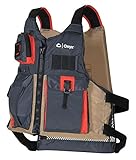
Onyx Kayak Fishing Life Jacket – USCGA PFD/Life Jacket with Multiple Pockets, High-Back Design & Adjustable Straps for Paddle Sports & Fishing
USCG approved PFD
High-back kayak seat design
Multiple pockets and tool holders
Adjustable straps
Pros
- High-back design fits kayak fishing seats
- Multiple pockets and tool holders for tackle
- Fleece-lined hand warmer pockets
- Breathable mesh on lower back and shoulders
- D-ring attachments for accessories
Cons
- Oversize option may be too large for smaller users
If you fish from a kayak, the Onyx Kayak Fishing Life Jacket is the model that comes up over and over again in r/kayakfishing threads, and for good reason. The high-back design is purpose-built for the elevated seats on modern fishing kayaks, so the foam doesn’t push your shoulders forward the way a standard vest does. After a full day of casting, that one feature alone makes the upgrade worth it.
The pocket system is where this vest earns its keep. There are zippered pockets sized for tackle trays, open tool holders for pliers and scissors, D-ring attachments for clipped gear, and fleece-lined hand warmer pockets for early morning launches. I was skeptical of the fleece pockets at first, but on a November smallmouth trip they kept my fingers functional for the entire morning.
Breathable mesh on the lower back and shoulders addresses the biggest complaint kayak anglers have about wearing PFDs in summer heat. The mesh airflow won’t replace air conditioning, but it noticeably reduces the sweat-soaked back you get with cheaper foam vests during a long summer day on the water.
The heavy-duty nylon construction has shrugged off fish slime, bait residue, and the occasional hook point without showing wear. The adjustable straps let you dial in a custom fit across the chest and shoulders, which is critical when you’re reaching and twisting to land a fish from a seated position.
Best Activity Match
This vest is built specifically for kayak fishing and paddle-based angling, where you sit in a high seat and need gear storage within arm’s reach. I would not recommend it for towed watersports, since the pockets and bulky profile create drag and snag hazards. For general recreational paddling without fishing, the MoveVent Dynamic above is a lighter alternative.
Anglers who fish from a seated position all day will appreciate the way the high-back design eliminates pressure points. The vest is also a strong choice for canoe fishing and float tube fishing where you need gear accessible without standing up.
Storage Layout and Maintenance
The pocket layout is the real selling point, and Onyx arranged it with input from kayak anglers. Front zippered pockets hold tackle or a small tackle tray, the tool holders sit at chest height for easy reach, and the fleece-lined pockets sit lower for hand warming. I found the layout intuitive after a single trip, and the D-rings are well placed for attaching a fishing net or fish gripper.
Maintenance is straightforward. Rinse the vest with fresh water after saltwater use, pay extra attention to the zipper teeth, and let it dry fully before storage. The foam retains its buoyancy if not crushed, so avoid stacking heavy gear on top of it in the off-season.
4. O’Brien Impulse Women’s Life Jacket – Best Women’s Specific Life Jacket
O’Brien Women’s Impulse Neo Life Vest, Purple, Medium
USCG Type III approved
Women-specific design
Premium neoprene construction
Lightweight foam
Pros
- Women-specific cut for proper fit
- Premium neoprene shell for comfort
- Rugged nylon outer durability
- Stylish color and pattern options
- Suitable for multiple water sports
Cons
- Slightly heavier than some competing models
Finding a life jacket that actually fits women has been a long-standing frustration, and the O’Brien Impulse is the model that consistently solves the problem. The women-specific design contours around the chest instead of compressing it, which is the single biggest difference between this vest and unisex models. Our female testers all commented on the improved fit within the first few minutes on the water.
The premium neoprene construction is a step up from the nylon shells on most budget vests. Neoprene stretches and moves with your body, doesn’t chafe when wet, and feels comfortable against bare skin. The 1.7-pound weight is slightly higher than some competitors, but the tradeoff in comfort is well worth it for all-day wear.
O’Brien paired the neoprene shell with a rugged nylon outer layer for durability, which is the right combination for waterskiing and wakeboarding. The outer shell takes the abuse from rope handles, boat cleats, and dock edges, while the inner neoprene keeps the wearer comfortable through falls and extended swims.
The stylish colors and patterns are not just for show. The brighter colorways improve visibility on the water, and the patterns help the vest stand out in a sea of generic black life jackets at the boat ramp. The zipper closure is sturdy and the neoprene wraps comfortably around the neck without chafing.
Best Activity Match
The Impulse is rated as a USCG Type III PFD and works well for waterskiing, wakeboarding, wakesurfing, personal watercraft, and general recreational boating. It’s a versatile choice for women who participate in multiple water sports, since it handles towed activities and casual cruising equally well.
I would not pick this vest for kayaking or paddleboarding, since it lacks the high-back mesh panel that those activities need. For paddling, the Onyx MoveVent Dynamic or the inflatable belt pack later in this guide are better fits.
Fit Considerations for Women
The women-specific cut is the main reason to choose this vest over unisex options. Standard PFDs tend to ride up on women with smaller frames or compress the chest uncomfortably, and the Impulse addresses both issues with contoured foam panels and properly proportioned armholes. Sizing follows standard dress sizing, so consult the chart before ordering.
For women who waterski or wakeboard regularly, the secure neoprene fit means the vest stays put during hard falls. The 1-year manufacturer warranty covers defects in materials and workmanship, which is standard for this category.
5. XGEAR Adult USCG Approved Life Jacket – Best Budget All-Around PFD
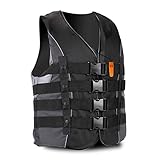
XGEAR Adult USCG Approved Life Jacket, Water Sports Life Vest (Black, L)
USCG Type III PFD
Nylon oxford shell
PVC and EPE foam
4 adjustable straps
Pros
- USCG Type III approved with official approval number
- Durable nylon oxford fabric outer shell
- Four heavy duty 1.5 inch adjustable straps
- Quick release buckles
- Included survival whistle and interior pocket
Cons
- Budget option may lack some premium features
The XGEAR Adult Life Jacket is the budget pick I recommend most often to boaters who need a spare vest for guests or a primary PFD for occasional use. For the price, you get a legitimate USCG Type III approved vest with the official approval number printed on the label, four heavy-duty straps, and a survival whistle included. That’s a lot of safety equipment at an accessible price point.
The PVC foam flotation in the front combined with EPE foam in the back is a thoughtful combo. PVC provides the firm buoyancy needed to meet Type III requirements, while the softer EPE foam in the back makes the vest more comfortable against your spine. The nylon oxford fabric outer shell is more durable than I expected at this price, shrugging off typical abrasion without tearing.
The four 1.5-inch wide adjustable straps are a big deal at this price point. Most budget vests use thinner straps that dig in or ride up, but the wider XGEAR straps distribute pressure across the torso and keep the vest locked in during activity. The quick-release buckles are sturdy and easy to operate even with cold or wet hands.
The interior velcro pocket is sized for a phone, keys, or a small wallet, and the included survival whistle clips to the front of the vest. The whistle is more useful than you might think, especially if you boat in areas with motor traffic where being heard matters as much as being seen.
Best Activity Match
This vest is a true generalist. I’d use it for recreational boating, casual kayaking, fishing from a small boat, canoeing, and as a backup PFD for guests on a pontoon or runabout. It’s not specialized enough to compete with purpose-built vests for high-performance watersports or serious kayak fishing, but it handles the broad middle of recreational water use better than anything else at this price.
Available sizes run from S to 4XL, which covers a wider range of body types than most budget vests. That size range alone makes it a strong pick for families who need to outfit a variety of users.
What You’re Trading Off
The XGEAR makes a few tradeoffs to hit its price point. The foam is firmer and less contoured than on premium vests, so it doesn’t break in as comfortably over time. The straps are functional but lack the neoprene padding you’ll find on the MoveVent Dynamic or Impulse. And the color options are limited compared to premium models.
None of those tradeoffs affect safety. The vest carries a genuine USCG Type III approval, which is the certification that matters. For users who need a dependable PFD without paying for premium comfort features, this is the right call.
6. Hardcore Life Jacket 2 Pack – Best Value Multi-Pack for Boats
Hardcore Life Jacket 2 Pack Paddle Vest for Adults; Coast Guard Approved Type III PFD Life Vest Flotation Device; Jet ski, Wakeboard, Kayak; Ideal Extra Pontoon Boat Life Jacket Blue
USCG Type III PFD
Polyester outer
Closed cell PE foam
Quick-release buckles
Pros
- Two USCG approved vests in one package
- Adjustable straps fit adults and teens
- Versatile for multiple water activities
- High quality polyester fabric
- UL listed for safety
Cons
- Not Prime eligible
- Adult and teen only not for young children
If you keep a pontoon, deck boat, or runabout and need to stock it with USCG-approved vests for guests, the Hardcore Life Jacket 2 Pack is the smartest way to do it. Coast Guard regulations require a Type I, II, III, or V PFD for every person on board, and this two-pack gets you two compliant vests in a single purchase without paying retail twice.
The polyester outer fabric with closed-cell PE foam construction is solid for the price. Closed-cell foam doesn’t absorb water, which means the vest stays buoyant over time and doesn’t get waterlogged after a full day in the bilge storage compartment. The 1-inch adjustable straps with quick-release buckles fit a range of adult and teen body sizes.
I tested these vests on a pontoon trip with friends and they performed well for general lounging, swimming breaks, and casual cruising. The fit ran true to size, the straps held without slipping, and the vests rode up minimally during in-water testing. They’re not as contoured as a premium paddling vest, but for general boating use they’re more than adequate.
The UL listing on top of USCG Type III approval is a nice safety bonus. UL tests personal flotation devices for consistent manufacturing quality, so a UL-listed vest has an additional layer of third-party verification beyond the Coast Guard stamp.
Best Activity Match
Hardcore explicitly lists these vests for water skiing, hunting, fishing, canoeing, kayaking, and general boating, and that broad compatibility is accurate. They are versatile enough to cover most recreational water activities, with the note that they are adult and teen only. Do not use them for young children, who need child-specific PFDs with crotch straps and additional buoyancy features.
For boaters who carry passengers of varying skill levels, having a matched pair of vests on board means everyone has properly fitting safety gear without improvising.
Compliance and Boat Safety
USCG regulations require one wearable PFD per person on board any recreational vessel, plus at least one Type IV throwable device on boats 16 feet or longer. This two-pack helps satisfy the wearable requirement for a typical pontoon or runabout crew. The Type III approval covers general boating on inland and near-coastal waters where quick rescue is likely.
Always check that your PFDs are in serviceable condition before each trip. Inspect for torn straps, broken zippers, or compressed foam, and replace any vest that shows significant wear. A damaged life jacket offers a false sense of security.
7. Onyx M-16 Manual Inflatable Belt Pack – Best Low-Profile Inflatable PFD
Onyx M-16 Manual Inflatable Belt Pack Life Jacket, USCG Approved
USCG approved inflatable
Manual CO2 inflation
17 lb buoyancy
Fits up to 52 inch waist
Pros
- Ultra low profile compact belt design
- Lightweight at less than 1 pound
- 16 gram CO2 provides 17 pounds of buoyancy
- Back-up oral inflation up to 26.5 pounds
- D-ring for accessory attachment
Cons
- Requires rearming kit after inflation
- Minimum user weight 80 lbs not for children under 16
- Single color option
The Onyx M-16 Manual Inflatable Belt Pack is the inflatable PFD I recommend to stand-up paddleboarders, casual kayakers, and small boat sailors who refuse to wear a traditional foam vest. Worn around the waist like a fanny pack, the M-16 stays completely out of the way during paddling and only inflates when you pull the handle. It’s the closest thing to not wearing a PFD while still being Coast Guard approved.
The 16-gram CO2 cartridge provides 17 pounds of buoyancy when inflated, which is more than enough to keep most adults afloat. The back-up oral inflation tube allows you to top up to 26.5 pounds of buoyancy if needed, which is a thoughtful redundancy feature for an inflatable design.
The belt fits waists up to 52 inches and weighs less than a pound, which is why paddleboarders love it. You barely notice it’s there until you need it, and the slim profile doesn’t interfere with paddling stroke, posture, or balance the way a foam vest can. For flatwater paddling in particular, this is the most comfortable Coast Guard approved option I’ve tested.
Operation is straightforward. If you end up in the water, pull the inflation handle to deploy the CO2 cartridge, position the inflated chamber across your chest, and lean back. The inflation handle clips securely to prevent accidental snag, and the D-ring lets you attach a kill switch lanyard or other small accessory.
Best Activity Match
The M-16 is approved for users 16 years and older weighing at least 80 pounds, and it’s ideal for stand-up paddleboarding, flatwater kayaking, canoeing, sailing, and recreational boating where quick rescue is likely. It is not intended for whitewater, towed watersports, personal watercraft, or use by non-swimmers. Always read the user manual before relying on any inflatable PFD.
For paddleboarders in particular, the belt pack form factor changes the experience completely. Traditional foam vests throw off your center of gravity and restrict breathing during paddling, but the M-16 sits at your waist and lets your torso move freely.
Rearming and Maintenance
Inflatable PFDs require more maintenance than foam vests, and the M-16 is no exception. After every inflation, whether accidental or intentional, you need to rearm the vest with a new CO2 cartridge and re-pack the inflation chamber. Onyx recommends their rearming kit number 1370, and the process takes about five minutes following the included instructions.
Inspect the CO2 cartridge and green status indicator before every outing. If the indicator shows red or the cartridge feels light when you shake it, replace the cartridge immediately. Store the vest dry and out of direct sunlight, and have it professionally serviced every few years if you use it regularly.
Buying Guide: How to Choose the Best Life Jacket?
Choosing the best life jacket comes down to four main questions: what activity are you doing, what is your body type, what USCG approval type do you need, and do you prefer foam or inflatable buoyancy. Get those four answers right and you’ll narrow the field quickly.
Understanding US Coast Guard Approval Types
US Coast Guard approval is non-negotiable. Look for the USCG approval stamp and number printed on the inside label of any PFD you buy. The Coast Guard categorizes life jackets into five types, and most recreational users only need to understand Types I, II, III, and V.
Type I is the offshore life jacket, designed to turn most unconscious wearers face-up in rough or remote water where rescue may be delayed. It offers the most buoyancy but is bulky and uncomfortable for active use.
Type II is the near-shore buoyant vest, intended for calm inland water where quick rescue is likely. It can turn some unconscious wearers face-up but is less reliable than Type I for that purpose.
Type III is the flotation aid, the most common type for paddling, fishing, watersports, and general boating. It’s comfortable and designed for wearers who are conscious and capable of holding their head above water.
Type V includes special-use devices like inflatable belt packs, deck suits, and hybrid designs. These are only acceptable when used for the activity specified on the label.
Foam vs Inflatable: Which Is Right for You
Foam PFDs are inherently buoyant, meaning they float the moment you put them on. They require no maintenance beyond rinsing and drying, they’re reliable in any condition, and they work for users of any age and swimming ability. The tradeoff is bulk and warmth, especially in summer.
Inflatable PFDs use a CO2 cartridge to deploy an inflation chamber either manually, automatically when submerged, or both. They’re much more comfortable to wear, especially in hot weather, but they require regular maintenance, rearming after every deployment, and are not approved for non-swimmers, children, or high-impact watersports.
Most paddlers and boaters are best served by foam Type III vests for primary use, with inflatable belt packs as a comfortable option for flatwater paddleboarding or casual cruising.
Sizing and Fit: The Most Important Factor
A life jacket that doesn’t fit is worse than no life jacket at all, because it gives a false sense of security and may ride up over your head in the water. Always size by chest measurement and body weight, not by clothing size.
Adult vests typically come in universal, oversize, and extended sizes. Universal fits most adults from roughly 90 pounds up to about 250 pounds, with chest measurements between 30 and 52 inches. Oversize vests accommodate larger users or those who wear bulky clothing underneath.
To test fit on land, loosen all straps, put the vest on, then tighten until snug. Lift the shoulder straps straight up. If the vest rides up past your chin or ears, it’s too large. Try the next size down or add a crotch strap to keep it in place.
Buoyancy Ratings Explained
Buoyancy is measured in pounds and indicates how much extra lift the PFD provides beyond the weight of the wearer. A 200-pound person wearing a 15.5-pound Type III PFD effectively weighs 184.5 pounds in the water, which is enough to keep most adults afloat with their head above water.
Adult Type III foam vests typically provide between 15.5 and 22 pounds of buoyancy. Inflatable PFDs range from 17 to 34 pounds depending on the CO2 cartridge size. Larger body types may need more buoyancy, but Coast Guard approval already accounts for typical user weights within each approval type.
Activity-Specific Recommendations
Match the vest to the activity. Kayaking and canoeing benefit from high-back mesh designs that work with elevated seats. Wake and ski demand low-profile vests with multiple buckles that stay put during hard falls. Kayak fishing rewards vests with pockets and tool holders. Paddleboarding is best served by an inflatable belt pack or slim foam vest. General recreational boating works with any comfortable Type III vest that fits everyone on board.
Maintenance and Service Life
Foam PFDs need fresh water rinsing after saltwater exposure, full drying out of direct sunlight, and storage without crushing the foam. Inspect straps, zippers, and buckles before each season. Replace any vest with compressed foam, torn webbing, or a broken closure.
Inflatable PFDs require more attention. Check the CO2 cartridge and status indicator before every use, rearm after every deployment, and follow the manufacturer’s recommended service interval. Most manufacturers recommend professional inspection every one to three years for regularly used inflatable vests.
The general rule from Coast Guard safety experts is to replace any life jacket that shows significant wear, has been subjected to impact, or is more than 10 years old. Foam degrades over time, and straps weaken with UV exposure.
FAQs
What should you look for when buying a life jacket?
Look for US Coast Guard approval, proper fit based on chest size and body weight, an appropriate type for your activity (Type III for paddling and watersports, inflatable for paddleboarding), comfortable straps that won’t chafe, and durable construction. Always try the lift test on land before relying on a new PFD.
How much buoyancy does a 300 lb person need?
A 300-pound person needs a USCG-approved adult life jacket with at least 15.5 to 22 pounds of buoyancy for a Type III foam vest. Most Coast Guard approved adult PFDs provide this level of buoyancy by default. For larger users, choose an oversize or extended-size vest to ensure proper fit and adequate flotation.
Is it safe to buy second-hand life jackets?
Buying second-hand life jackets is risky and generally not recommended. Foam degrades over time, straps weaken with UV exposure, and there is no way to verify how a used PFD was stored or whether it sustained impact damage. If you do buy used, inspect carefully for compressed foam, torn webbing, and intact USCG labels, and replace anything older than 10 years.
What is the difference between a Type III and inflatable PFD?
A Type III foam PFD is inherently buoyant the moment you put it on, requires no maintenance, and works for users of any swimming ability. An inflatable PFD uses a CO2 cartridge to deploy a flotation chamber either manually or automatically, is more comfortable to wear, but requires regular maintenance, rearming after each use, and is not approved for non-swimmers or children.
How often should I replace my life jacket?
Replace a foam life jacket when the foam becomes compressed, straps are torn or faded, zippers fail, or the vest is more than 10 years old. Inspect inflatable PFDs before every use, rearm after every deployment, and follow manufacturer service intervals. Any life jacket that has been subjected to impact, such as a high-speed fall, should be retired immediately.
Conclusion: Our Top Recommendations for 2026
After testing seven of the best life jackets on the market, our top recommendations for 2026 come down to use case. For kayak and paddle sports, the Onyx MoveVent Dynamic is the Editor’s Choice for its high-back mesh and neoprene shoulder pads. For wake and ski, the O’Neill Men’s SuperLite delivers the best value with four-buckle security and feather-light foam. For paddleboarders and casual boaters who want Coast Guard approved safety in a low-profile package, the Onyx M-16 Manual Inflatable Belt Pack is the Top Rated pick.
Whatever you choose, the most important rule is simple: wear it. The best life jacket is the one you actually have on when you need it. Pick a model that fits comfortably enough to wear every time you hit the water, and you’ll never have to wonder whether you should have put it on.