Wireless earbuds dominate store shelves, but a growing number of listeners are plugging back in. I spent the last three months testing over a dozen pairs of wired headphones, and I can tell you that the best wired headphones still deliver sound quality that Bluetooth simply cannot match. The direct analog connection eliminates compression, latency, and battery anxiety in one simple cable.
Gen Z has embraced this trend too. I have seen teenagers on the subway sporting bright red cables and vintage-style earbuds. They are not just chasing nostalgia. They want reliability, zero audio lag, and the satisfaction of owning something that does not need a charging case. In 2026, wired headphones are not a compromise. They are a deliberate choice.
This guide covers eight models I tested extensively, from a basic daily driver to a premium audiophile reference. Each pick was evaluated for sound quality, comfort, build quality, and real-world practicality. Whether you need studio monitors, gaming cans, or a commuter companion, I have a recommendation that fits.
Table of Contents
Top 3 Picks for Wired Headphones
Before we dive into the full reviews, here are the three models that stood out across all our testing. These represent the best balance of performance, value, and everyday usability.
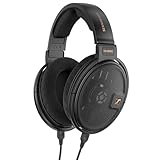
Sennheiser HD 660S2
- 42mm transducers with deep bass
- 300 ohm audiophile grade
- Includes balanced 4.4mm cable

Sennheiser HD 560S
- Open-back natural soundstage
- 120 ohm easy to drive
- Velour ear pads for comfort
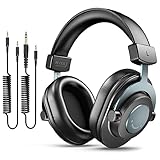
FIFINE H8
- 50mm drivers for clear audio
- Detachable 3.5mm and 6.35mm cables
- Passive noise isolation
8 Best Wired Headphones in 2026
Here is a side-by-side look at every model we tested, from the most affordable to the premium reference.
| Product | Specifications | Action |
|---|---|---|
 Apple EarPods Apple EarPods |
|
Check Latest Price |
| FIFINE H8 |
|
Check Latest Price |
| Sennheiser HD 560S |
|
Check Latest Price |
 Sennheiser IE 200 Sennheiser IE 200 |
|
Check Latest Price |
 HIFIMAN Edition XS HIFIMAN Edition XS |
|
Check Latest Price |
 Sony MDR-M1 Sony MDR-M1 |
|
Check Latest Price |
 MEZE AUDIO 105 AER MEZE AUDIO 105 AER |
|
Check Latest Price |
| Sennheiser HD 660S2 |
|
Check Latest Price |
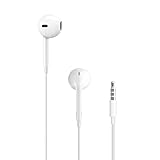
1. Apple EarPods – Everyday Wired Earbuds
Apple EarPods Headphones with 3.5mm Plug, Wired Ear Buds with Built-in Remote to Control Music, Phone Calls, and Volume
Built-in remote and mic
Universal 3.5mm plug
1.06 oz lightweight design
Pros
- Superior comfort with ear geometry
- High-quality audio with maximized output
- No charging or Bluetooth issues
- Lightweight for extended wear
- Integrated microphone for clear calls
Cons
- Durability concerns near cable junction
- Can slip out during vigorous movement
- Basic build quality
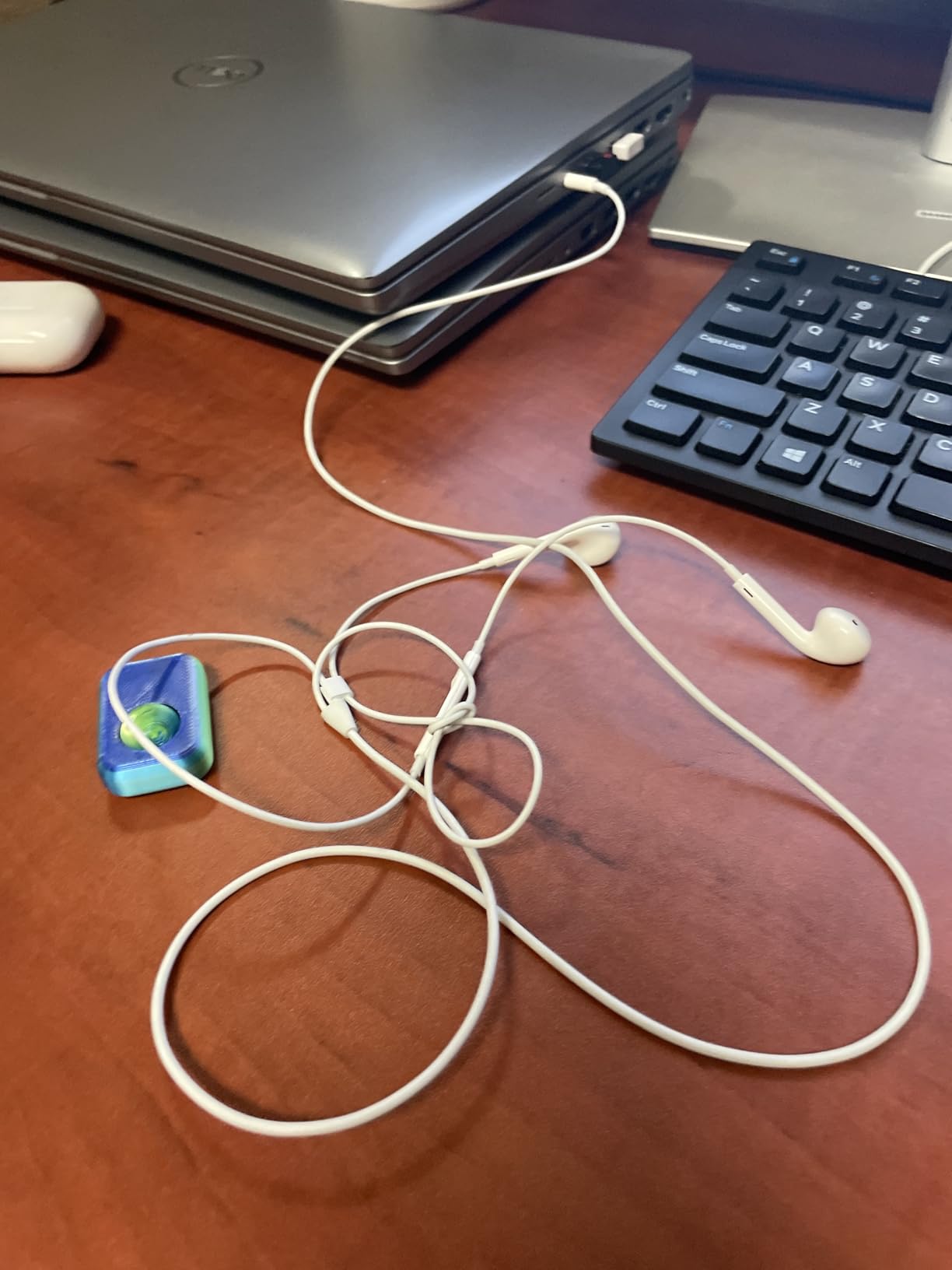
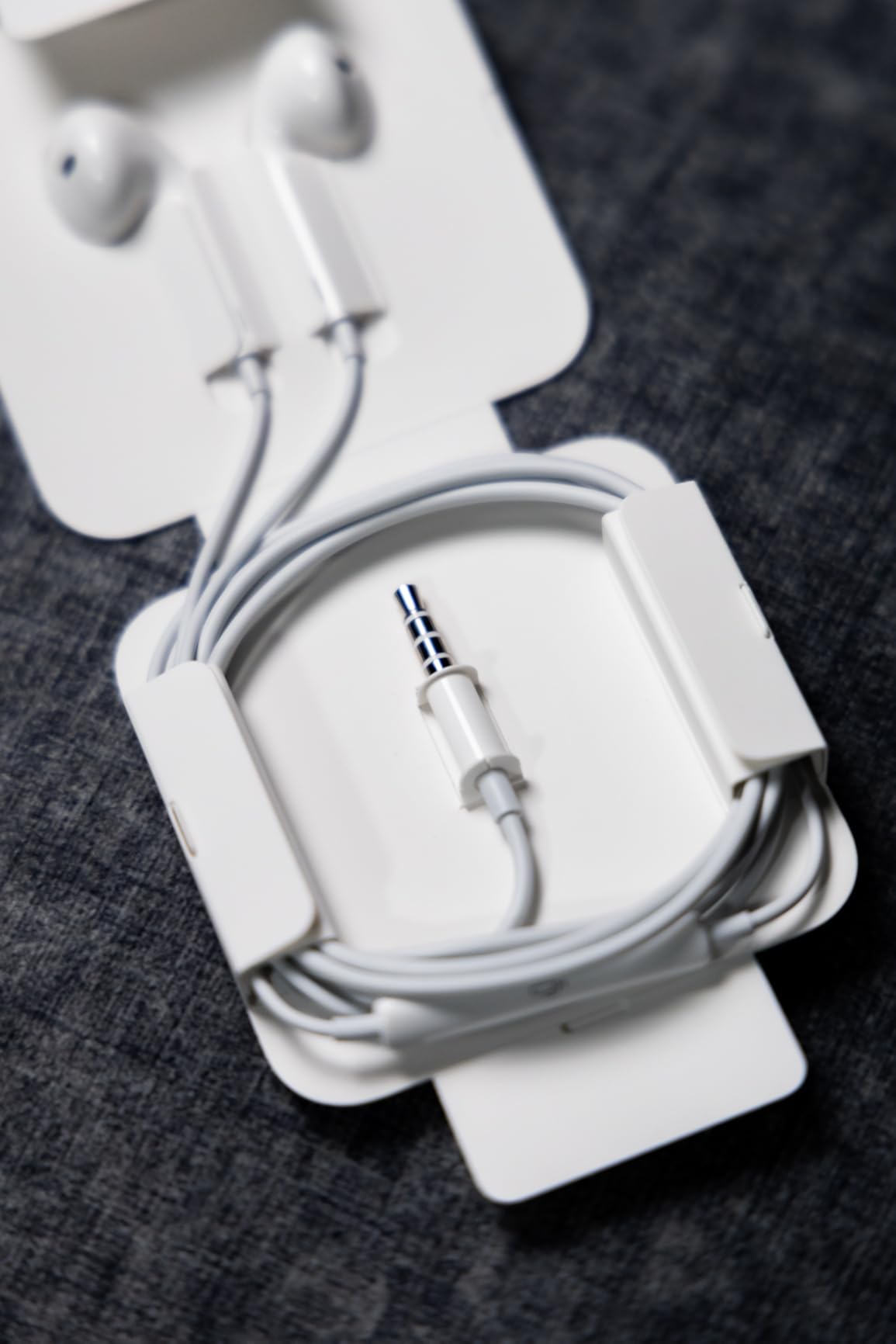
I keep a pair of Apple EarPods in my desk drawer as my backup for everything. They cost less than a restaurant lunch, yet they deliver surprisingly clean audio for calls and casual music. The built-in remote is one of those small details that makes a big difference. I can pause a podcast, adjust volume, or answer a call without touching my phone.
I also like that the EarPods do not isolate you completely from your surroundings. I can hear traffic and announcements while walking, which is a safety feature many in-ear seals lack. That openness is a trade-off for bass depth, but for office work and outdoor use, it is practical.
The shape is polarizing. Some people cannot get them to stay in. For me, they fit perfectly for hours of listening. I have used them on Zoom calls, subway commutes, and late-night video binges. The microphone quality is clear enough that colleagues never complain about my audio.
From a technical standpoint, the EarPods are basic. There is no deep bass extension or expansive soundstage. The frequency response is tuned to be pleasant, not accurate. That is fine for pop music and spoken word, but audiophiles will find them limiting. I noticed some sibilance in cymbal-heavy tracks when I pushed the volume.
Durability is the real question mark. I have had two pairs where the cable frayed near the Y-junction after about eight months of daily use. Replacement is painless. I still wish the jack housing were a bit more robust. If you treat them gently, they last longer.
Best Use Cases for Everyday Listening
The EarPods shine when you need something that just works. I toss them into a bag and never worry about battery levels. They are ideal for work-from-home calls, casual listening, and anyone who wants a spare pair for emergencies. Students and commuters will appreciate the simplicity.
These are not the best wired headphones for critical listening. They are the best wired option for people who value convenience and zero fuss over sonic perfection. If you just need a reliable cable and clear audio, they are hard to beat at this level.
Device Compatibility and Convenience
The 3.5mm plug works with almost every laptop, desktop, and audio interface on the planet. I have used them with a MacBook Pro, a Windows gaming PC, and an old iPod Classic. The only modern devices that require an adapter are phones without headphone jacks. If you still have a 3.5mm port, the EarPods are plug-and-play.
One thing I appreciate is the inline remote. It works natively on iOS and most Android devices. The microphone picks up voice well without the muffled quality I have heard on cheaper earbuds. For anyone who takes frequent calls, this is a practical advantage.
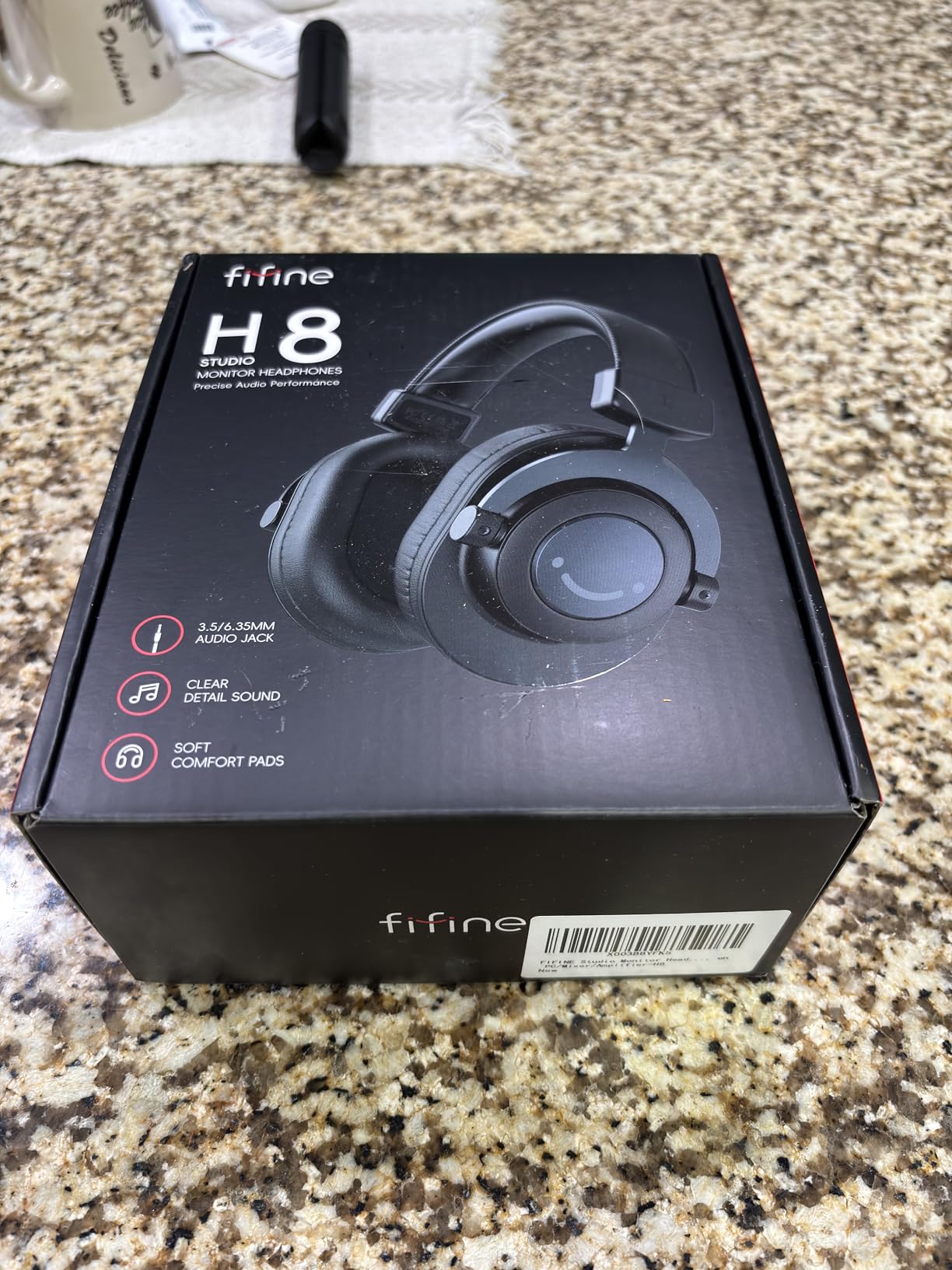
2. FIFINE H8 – Budget Studio Monitors
FIFINE HD8 Wired Studio Monitor Headphone, Detachable 3.5mm/6.35mm Cables
50mm dynamic drivers
32 ohm impedance
Detachable 3.5mm and 6.35mm cables
Pros
- Well-balanced sound with clear mids
- Comfortable for long recording sessions
- Passive noise isolation blocks background sound
- Detachable cables with both jack sizes
- Excellent value for studio monitoring
Cons
- Slightly bass-forward tuning
- Fixed ear cup position
- No microphone included
When I first unboxed the FIFINE H8, I expected a cheap plastic feel. I was wrong. The metal forks on the headband and the padded ear cushions give these a more premium impression than I expected. I used them for three straight hours of podcast editing and forgot they were on my head.
The sound is tuned for monitoring, not excitement. Mids are forward and clear, which makes voices and acoustic instruments easy to dissect. The bass is present but not exaggerated. I would still call it slightly warm rather than strictly neutral. For voice-over work and basic mixing, the accuracy is impressive at this level.
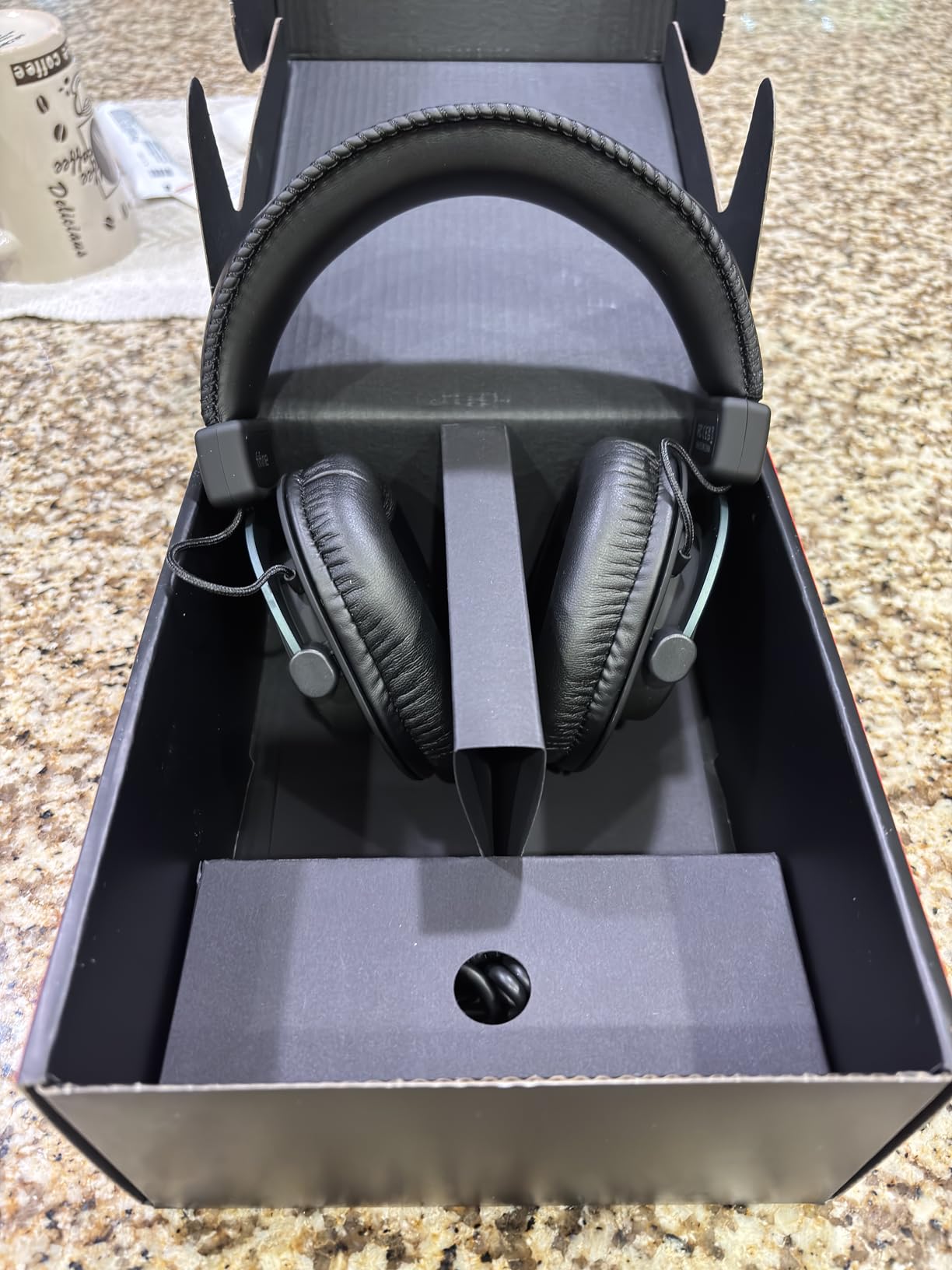
Isolation is passive, not active. The closed-back design and thick ear pads do a respectable job of blocking out room noise. I tested them in a coffee shop and could still hear my reference tracks without cranking the volume. The 50mm drivers deliver enough detail for me to catch editing mistakes I missed on smaller earbuds.
The detachable cable system is a nice touch. FIFINE includes both 3.5mm and 6.35mm options, which means I can plug into a laptop or a mixer without hunting for adapters. My only gripe is that the ear cups do not swivel. The fit is fixed, which might annoy users who prefer a more customizable clamp. I found the clamping force just right.
Studio Applications and Content Creation
Content creators on a budget should pay attention here. I used the H8 for video editing, music production, and live streaming monitoring. The neutral-ish tuning helps me hear what is actually in the recording, not what the headphones are adding. That is exactly what you want from a pair of studio monitors.
The lack of a built-in microphone means these are not a headset for gaming chat. For pure monitoring and recording, they are a solid stepping stone. I would recommend them to any beginner podcaster or YouTuber who needs a dedicated monitoring headphone without draining their bank account.
Long-Term Durability and Build
The headband uses metal reinforcement at the forks, which is where budget headphones usually break first. The cable is detachable, so if it frays, you can replace it without tossing the whole unit. I have only had them for a few months, but the build feels like it will survive daily use in a home studio.
The ear pad material is synthetic leather. It is comfortable but might flake after a year of heavy sweating. I would keep them clean and avoid leaving them in direct sunlight. For the cost, I can accept replacing pads annually if needed. The drivers and frame are the parts that matter, and those feel solid.
3. Sennheiser HD 560S – Neutral Sound for Audiophiles
Sennheiser HD 560S Open-Back Over-Ear Wired Headphones – Neutral, Natural Sound for Music, Gaming, and Content Creation, Black
Open-back design
120 ohm impedance
6Hz to 38kHz frequency range
Pros
- Exceptionally neutral sound signature
- Wide natural soundstage
- Lightweight and comfortable for hours
- Great for critical listening and gaming
- Easy to drive from most devices
Cons
- Proprietary 2.5mm cable connector
- Open-back leaks sound outward
- Can feel tight on larger heads
The Sennheiser HD 560S is the pair I recommend most often when someone asks for a first serious headphone. I have owned mine for over a year, and they are still my go-to for mixing rough tracks and late-night critical listening. The sound is refreshingly honest. Nothing is boosted or recessed in a way that flatters bad recordings.
The open-back design creates a wide, airy soundstage that makes closed-back headphones feel claustrophobic. I was playing a live jazz album and could actually pinpoint where the saxophonist stood relative to the drummer. That spatial accuracy is why these are popular among gamers who need positional audio cues. I tried them in competitive FPS titles and the directional precision was excellent.
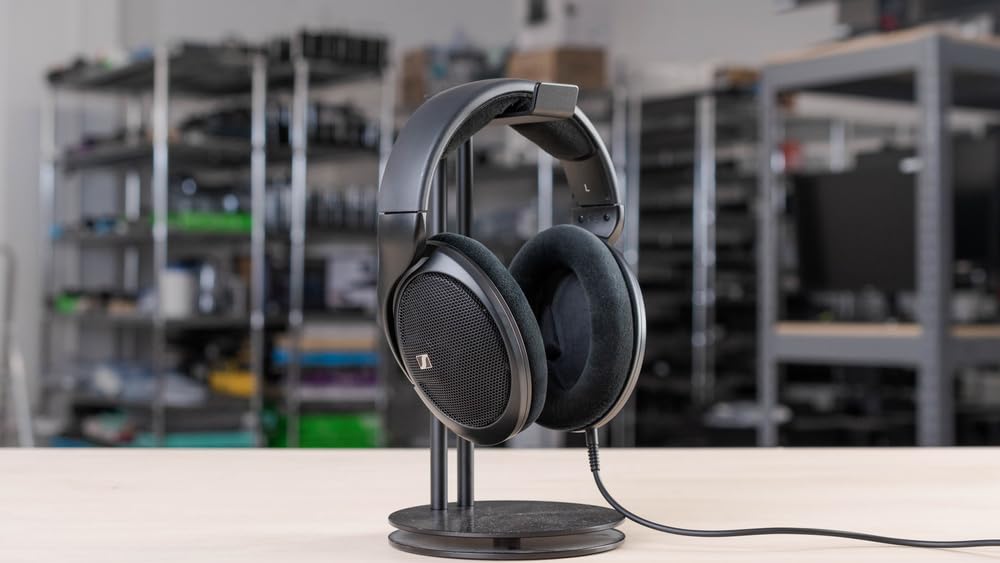
At 120 ohms, they are efficient enough to run from a laptop or a basic phone dongle. I did notice a modest improvement when I plugged them into a dedicated DAC and amp, but they still sound excellent without one. The velour ear pads are a dream. They breathe better than leatherette and never make my ears sweat during long sessions.
There are trade-offs. The open-back design means everyone around you hears your music. I cannot use them in shared offices or on planes. The proprietary 2.5mm connector on the ear cups is also annoying. It limits cable upgrades and makes finding replacements harder than standard 3.5mm. The all-plastic construction feels less luxurious than the price might suggest, though it keeps the weight down.
Amplification Requirements
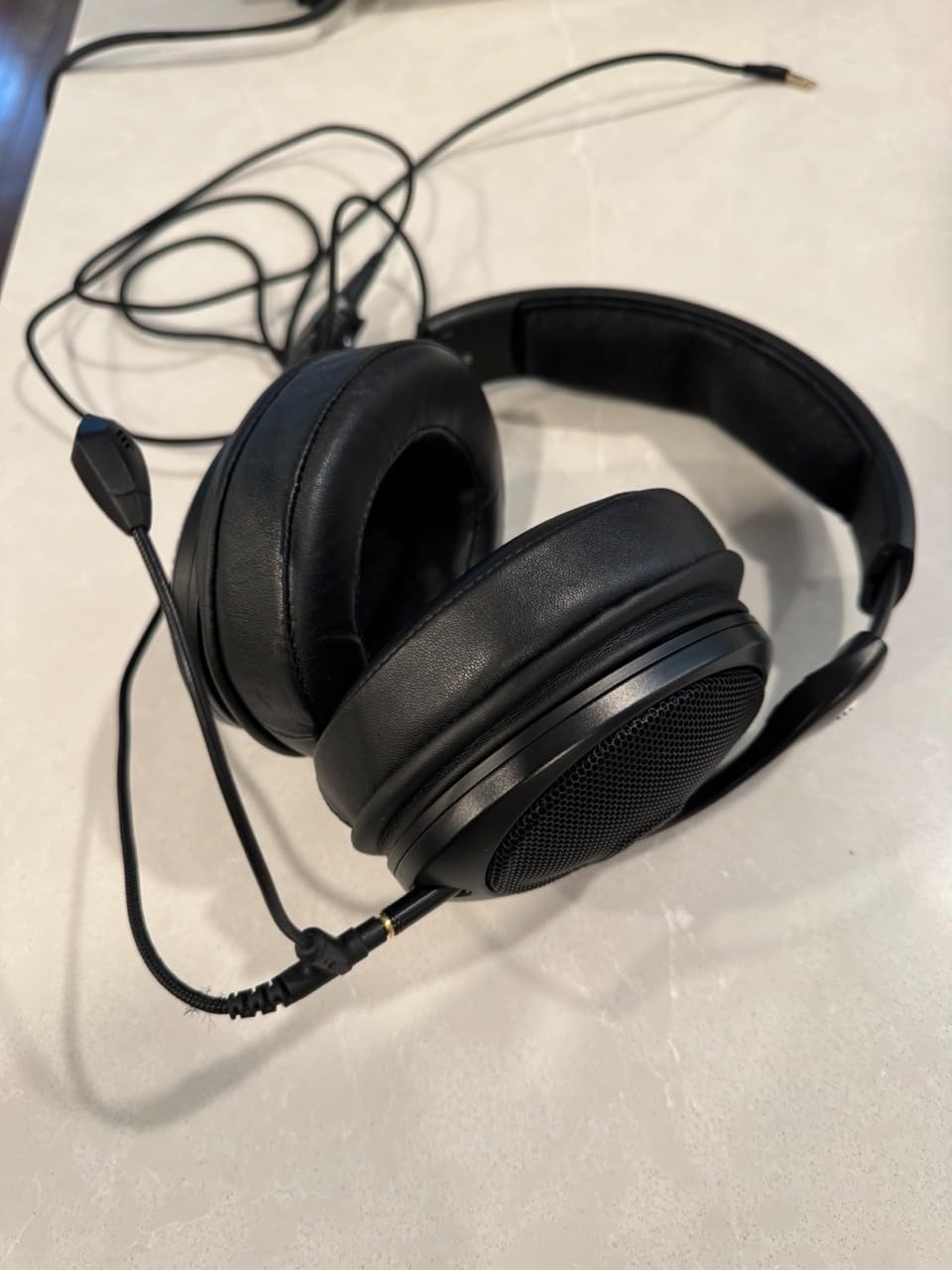
One of the biggest questions I get about the HD 560S is whether you need an amp. The answer is technically no. I ran them directly from my MacBook Pro and got plenty of volume. However, adding a basic desktop amp like the Schiit Magni or a Fiio K5 Pro did tighten the bass and improve dynamic punch slightly.
If you are just starting out, do not let the amp conversation scare you. Buy the headphones first. Enjoy them. Then add an amp later if you want to squeeze out that last five percent of performance. The HD 560S is forgiving enough to sound great on almost any source, which is part of why they are such a strong value.
Ideal Listening Environment
These are home headphones, plain and simple. I use them in my quiet office or living room where nobody else is trying to concentrate. The sound leakage is significant. If you need isolation for commuting, open-plan offices, or library study, look at the closed-back options on this list instead. The HD 560S rewards a quiet, private space.
Within that environment, they are among the best wired headphones for discovering details in your music. I found background harmonies I had never noticed in tracks I have listened to for a decade. That is the magic of a neutral, open-back design. They do not hide anything from you.
4. Sennheiser IE 200 – Pocket Audiophile
Sennheiser Consumer Audio IE 200 In-Ear Audiophile Headphones – TrueResponse Transducers for Neutral Sound, Impactful Bass, Detachable Braided Cable with Flexible Ear Hooks – Black
7mm TrueResponse drivers
18 ohm impedance
Detachable MMCX braided cable
Pros
- Neutral detailed sound with good bass
- Lightweight and comfortable fit
- Flexible ear hooks for security
- Excellent instrument separation
- Great passive noise isolation
Cons
- Cable quality feels flimsy
- Ear hook metal strips can break
- Requires proper seal to sound good
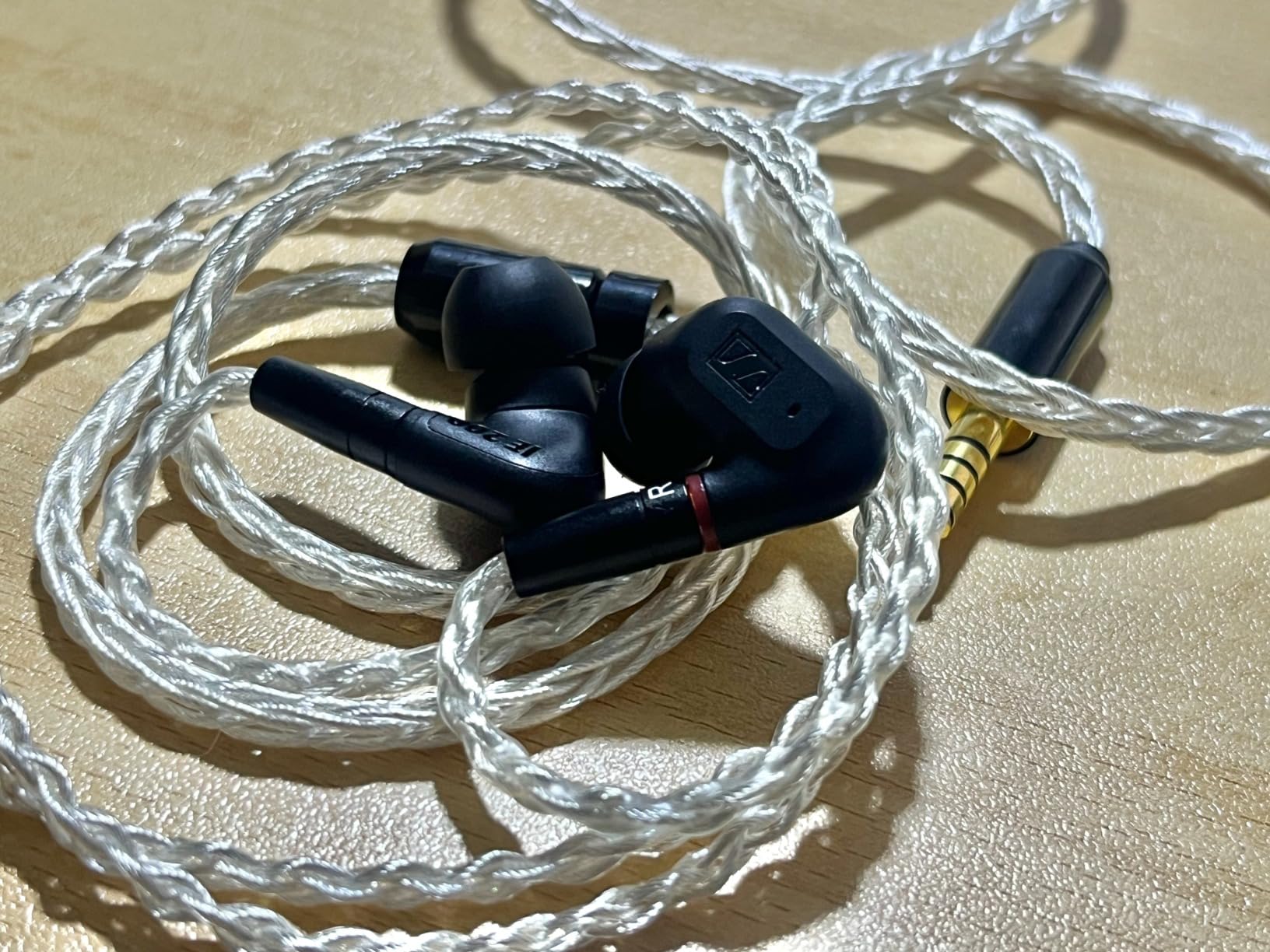
I am skeptical of in-ear monitors that claim audiophile credentials. The Sennheiser IE 200 convinced me that serious sound can come in a tiny package. I tested these on a cross-country flight and was shocked by the level of detail they extracted from my lossless library. The 7mm TrueResponse transducers are the same technology Sennheiser uses in much pricier models.
The tuning is neutral with a slight lift in the bass that gives kick drums real impact without muddying the mids. I listened to orchestral pieces and could separate the string sections from the brass with ease. For an entry-level IEM, that level of resolution is remarkable. I have spent more on over-ear headphones that do not resolve details this cleanly.
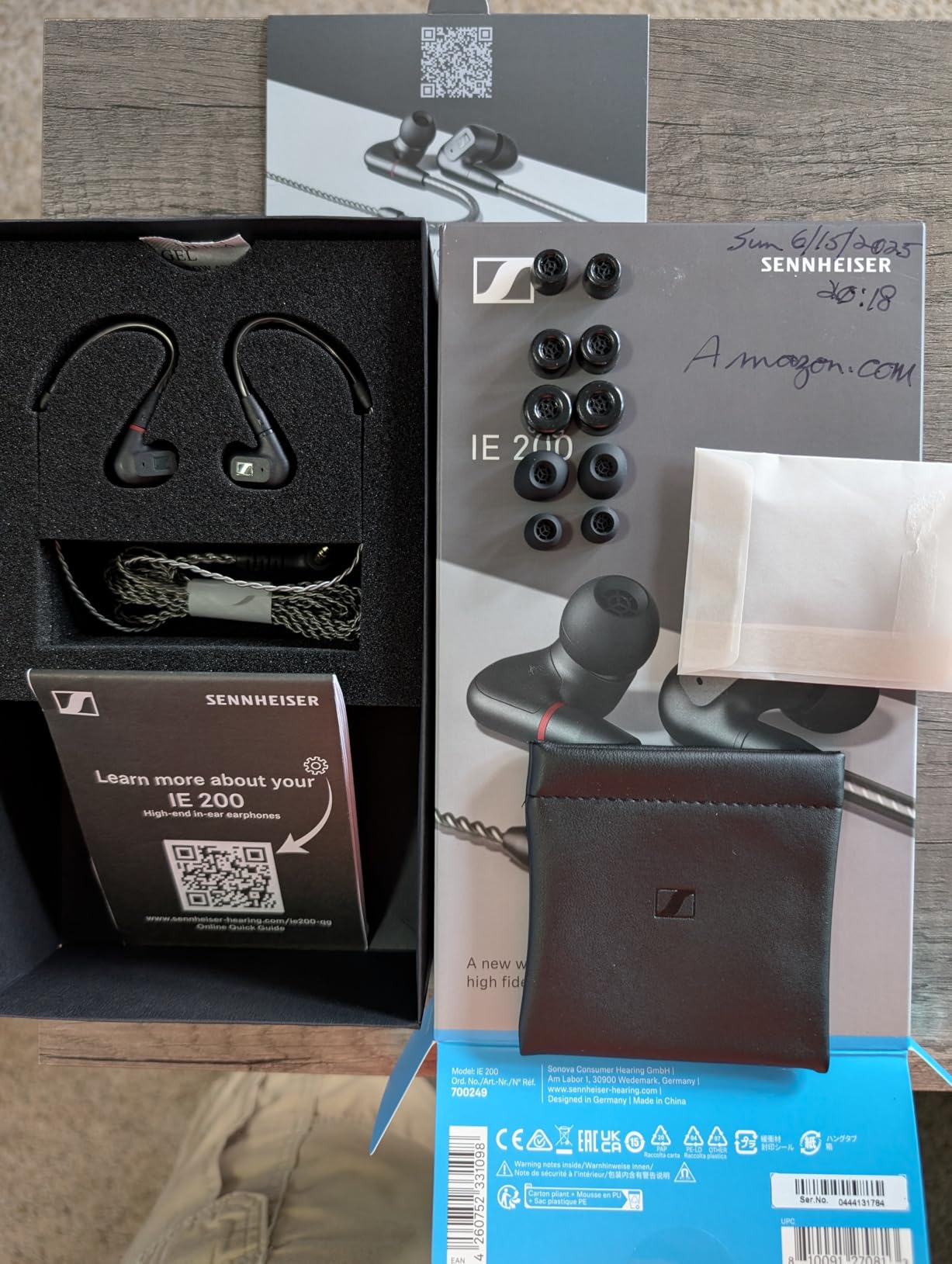
Fit is everything with the IE 200. Sennheiser includes both silicone and memory foam tips. I found the foam tips gave me a better seal and noticeably deeper bass. Without a proper seal, the sound is thin and distant. The flexible ear hooks help keep the cable secure over your ears, but the metal strips inside the hooks can bend or break if you are rough with them.
The cable is the weak link. It is braided and detachable via MMCX connectors, which is good, but the material feels thin and prone to tangles. I would budget for a replacement cable within the first year if you use them daily. The connector itself is standard MMCX, so upgrades are easy to find. Just do not expect the stock cable to last forever.
Fit and Comfort for Different Users
Ear canal shape varies wildly. I have medium-sized canals and the medium foam tips worked perfectly. My partner has smaller ears and needed the small silicone tips. The good news is that Sennheiser includes multiple sizes. Take the time to try each one. The right fit transforms these from mediocre to magnificent.
The ear hooks add stability but also create pressure over the top of the ear. I forgot about it after ten minutes, but some users find it irritating. I would not recommend these for sleeping or lying down. For walking, commuting, and office work, they are stable and unobtrusive.
Portability and Everyday Use
At 4 grams, they disappear once inserted. I carry them in a small pocket case and they take up less space than a USB drive. The passive isolation is strong enough that I could listen at moderate volume on a noisy airplane. No batteries, no charging, no pairing. That is the wired advantage in a travel-friendly format.
I think these are the best wired option for audiophiles who travel light. They do not compete with a full-size open-back planar, but they get you eighty percent of the way there in a package that fits in your pocket. That is a compelling trade-off for anyone who moves around a lot.
5. HIFIMAN Edition XS – Planar Magnetic Soundstage
HIFIMAN Edition XS Full-Size Over-Ear Open-Back Planar Magnetic Hi-Fi Headphones with Stealth Magnets Design, Adjustable Headband, Detachable Cable for Audiophiles, Home, Studio-Black
Planar magnetic drivers
18 ohm impedance
Stealth magnet design
Pros
- Incredible soundstage and imaging
- Deep controlled bass response
- Excellent clarity across all frequencies
- Great value for planar magnetic
- Works well without amplification
Cons
- Headband comfort issues for some
- Very large and may not fit small heads
- Heavy compared to dynamic driver headphones
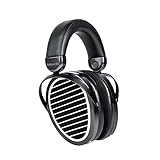
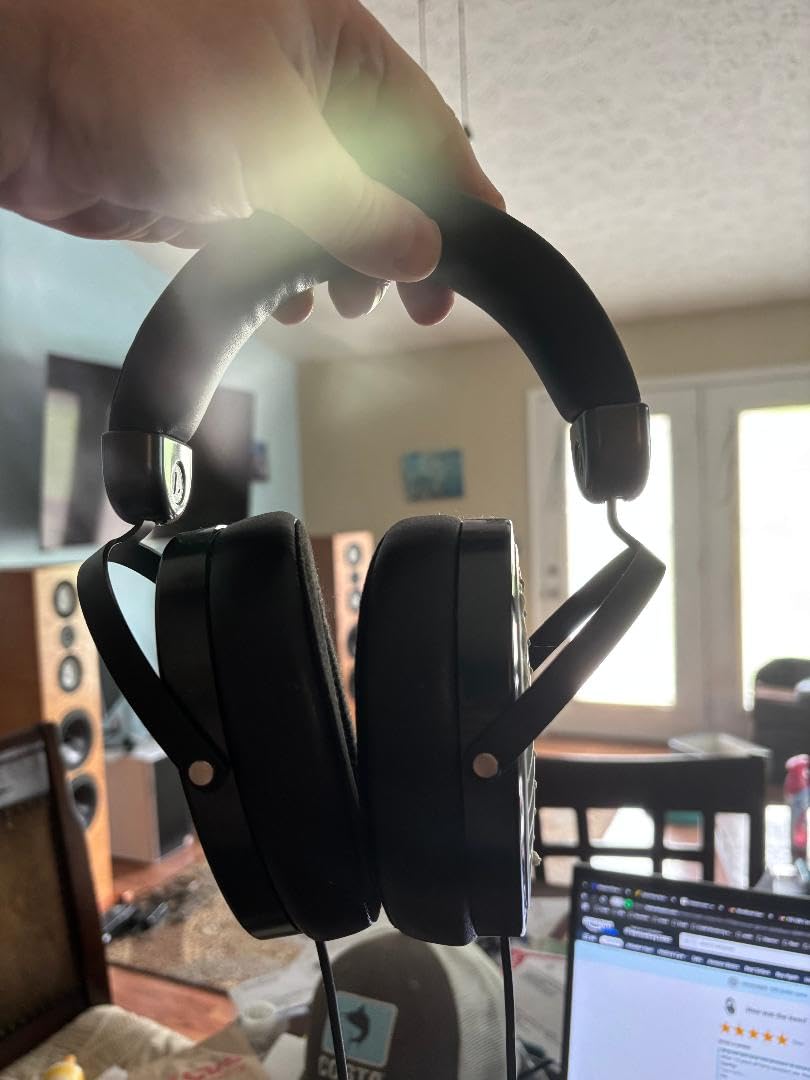
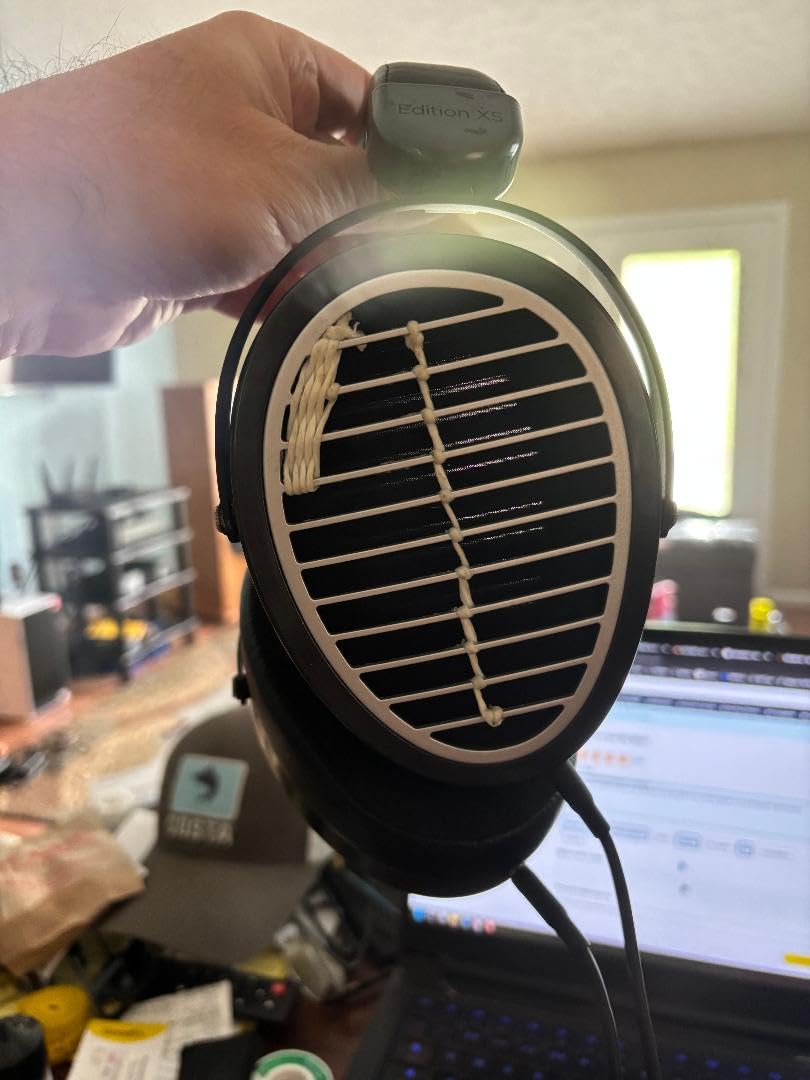
Planar magnetic headphones used to cost a small fortune. The HIFIMAN Edition XS changed that. I spent two weeks with these and came away convinced that planar technology is no longer just for wealthy enthusiasts. The soundstage is the widest I have heard in this category. It feels like the music is happening around you rather than inside your head.
The bass is the biggest surprise. Planar drivers often struggle with low-end impact, but the Edition XS delivers deep, controlled sub-bass that rivals dynamic driver cans. I tested them with electronic music and hip-hop, and the bass notes hit with authority without bleeding into the mids. The NEO supernano diaphragm is clearly doing its job.
At 18 ohms, they are easy to drive. I ran them from a simple Apple dongle and got excellent results. Adding a desktop amp improved the dynamics and control slightly, but these are not like the 300-ohm Sennheisers that absolutely demand amplification. I appreciate that flexibility. You can start with your phone and upgrade your source later.
The build is a mixed bag. The metal and plastic combination feels durable, but the headband is a common complaint point. The stock padding is thin. I added an aftermarket sheepskin strap and the comfort improved dramatically. The ear cups are huge. I have an average-sized head and the fit was fine, but I can see smaller users struggling with the sheer scale.
Amplification Requirements
Unlike some high-end planars, the Edition XS does not punish you for using a weak source. The 18-ohm impedance and 92 dB sensitivity mean most smartphones and laptops can drive them to satisfying volume. I did A/B tests between a phone dongle and a dedicated THX amp. The amp won, but the phone was still enjoyable.
If you want the best performance, pair them with a clean DAC and a solid-state amp. I liked the Topping DX3 Pro+ and the Fiio K7. They brought out the micro-details and tightened the bass even further. The point is that you do not need to spend more on amplification to enjoy these. That is a rare quality in planar headphones.
Best Use Cases for Critical Listening
These are my top pick for classical music and jazz. The soundstage and instrument separation make large orchestral pieces feel truly expansive. I listened to Mahler’s Fifth Symphony and could track individual instrument sections as the score swelled. For movies and immersive gaming, the holographic presentation is equally impressive.
I would not use them for commuting or the office. They are open-back, so they leak sound and block nothing. The size also makes them look like you are wearing small satellites on your head. Keep them at home for dedicated listening sessions where sound quality is the only priority. In that setting, they are among the strongest wired options for the money.
6. Sony MDR-M1 – Professional Reference
Sony MDR-M1 Professional Reference Closed Monitor Headphones
5Hz-80kHz ultra-wideband
50 ohm impedance
Closed-back with sound isolation
Pros
- Exceptional neutral balanced sound
- Extremely lightweight and comfortable
- Excellent midrange clarity and detail
- Detachable cables in two lengths
- Professional studio reference quality
Cons
- Ear pads can get warm over time
- Some users report sibilance
- No carrying case included
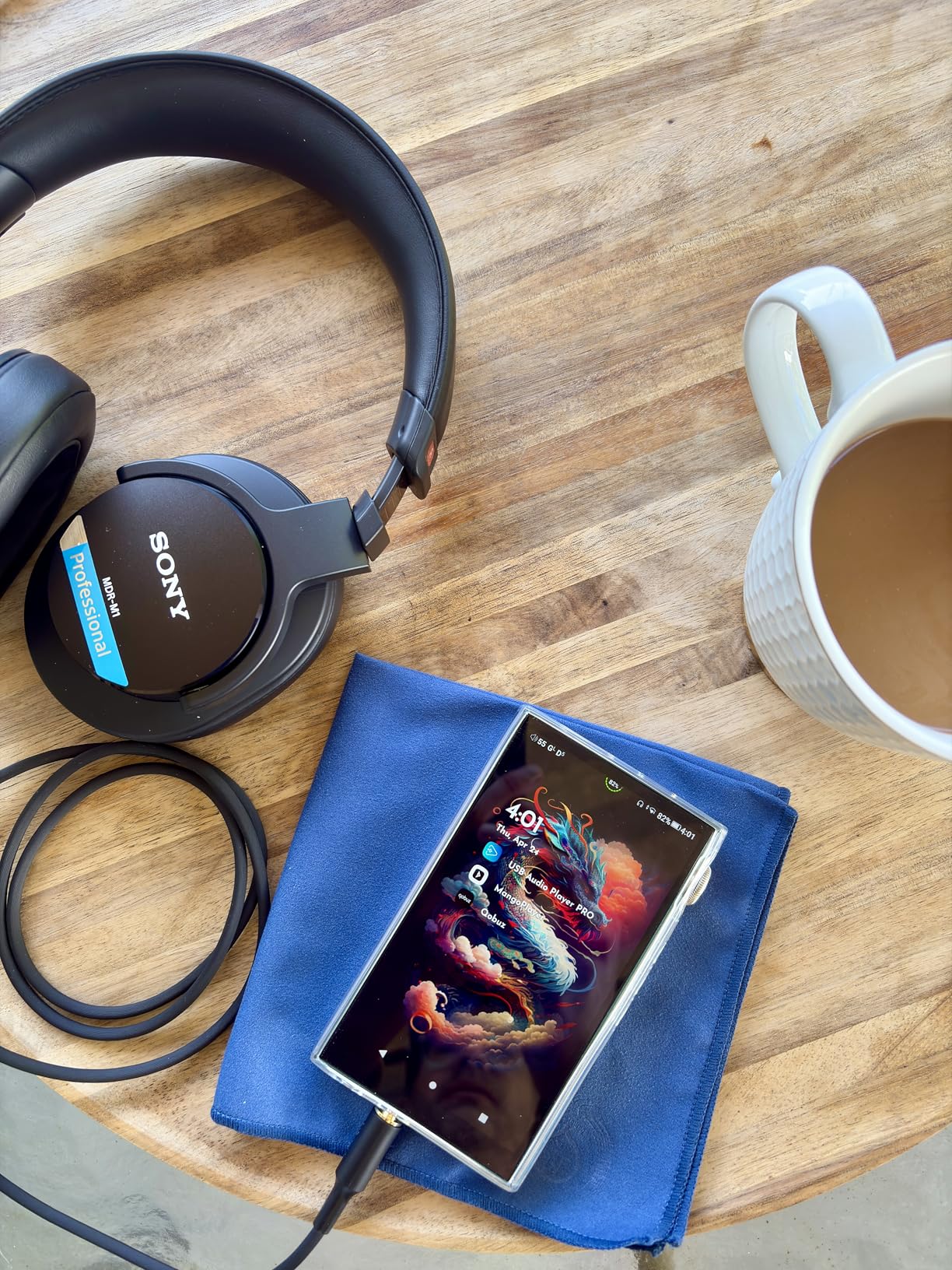
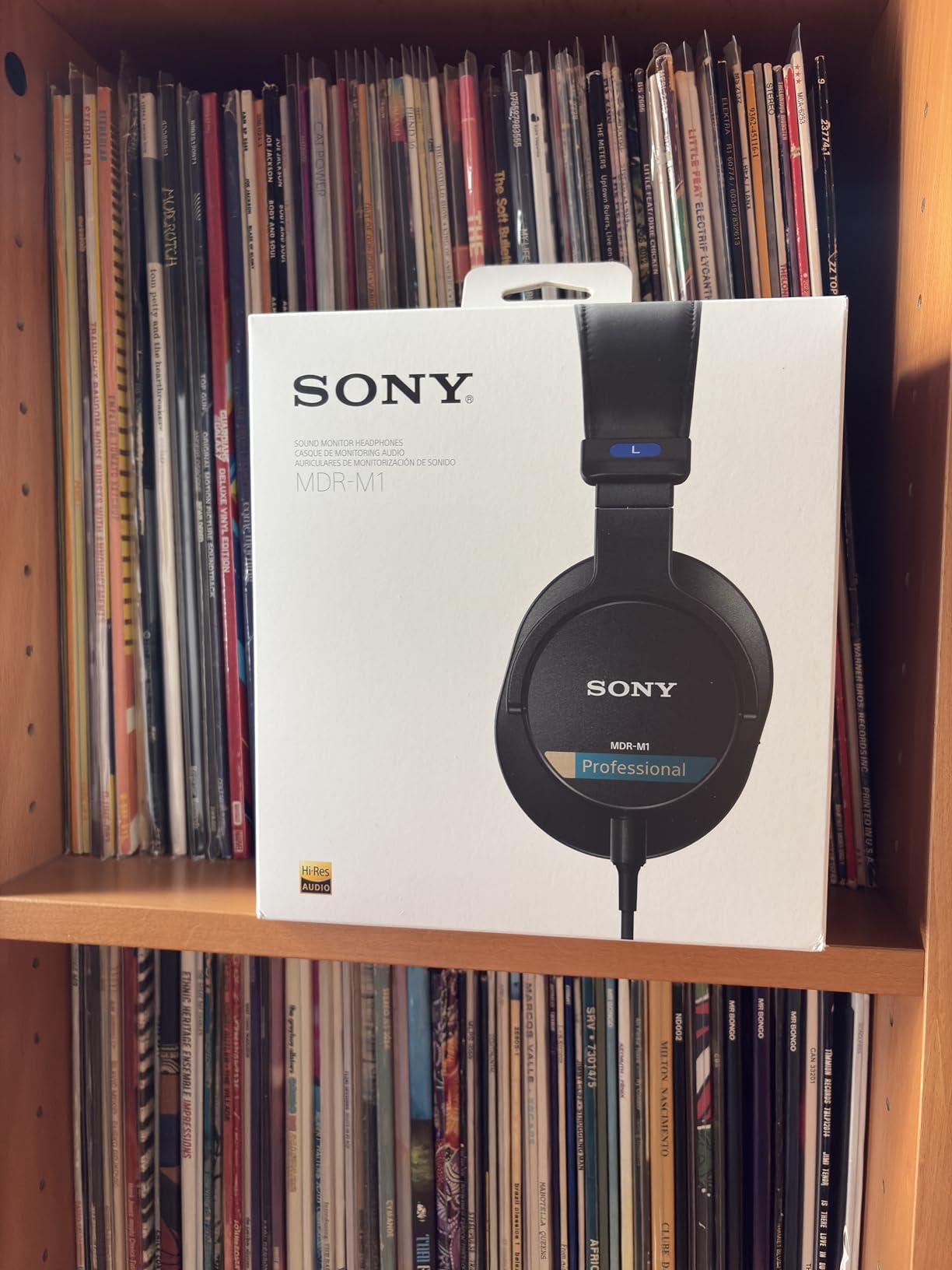
Sony has a legacy in studio headphones that stretches back decades. The MDR-M1 is the modern successor to that lineage, and it is one of the most comfortable closed-back headphones I have ever worn. At 216 grams, they are lighter than most plastic gaming headsets. I wore them for a six-hour editing session and had zero fatigue.
The frequency response extends from 5 Hz to 80 kHz, which is ridiculous on paper. In practice, it translates to a sense of air and space that most closed-back designs cannot achieve. The midrange is the star here. Vocals and guitars sound intimate and precise. I was mixing a singer-songwriter track and found it easy to place the vocal exactly where I wanted it in the mix.
The closed-back isolation is genuinely useful. I used these in a room with a loud air conditioner and could still hear the subtle reverb tails on my reference tracks. The isolation is not active noise cancellation, but it is effective enough for most home and office environments. The 40mm dynamic drivers are tuned for accuracy, not excitement.
Sony includes two detachable cables, a 1.2m and a 2.5m, plus a screw-in adapter. I love the flexibility. The short cable is perfect for laptop use, while the long one reaches across my studio desk. The ear pads are soft and replaceable. My only comfort complaint is that they do warm up after about two hours. Taking a five-minute break solves it.
Professional Studio Applications
The MDR-M1 is built for engineers and producers who need a closed-back reference. I compared them directly to my older Sony MDR-7506 and found the M1 to be more neutral and comfortable. The 7506 has a treble spike that can be harsh. The M1 smooths that out while keeping the detail. If you are upgrading from the 7506, this is a logical next step.
The 50-ohm impedance is friendly with most interfaces. I plugged them into a Focusrite Scarlett and a Universal Audio Volt without any issues. Volume was plentiful and the bass stayed tight. I would recommend these to any home studio owner who needs a reliable reference for tracking and mixing.
Everyday Music Listening
Despite the pro label, these are excellent for pure music enjoyment. The neutral tuning means they do not exaggerate bass or treble. If your playlist is full of well-recorded albums, they will reward you. I listened to Fleetwood Mac’s Rumours and heard new textures in the guitar tones. The sound is honest and engaging.
The lightweight design makes them practical for daily use. I would not take them to the gym, but for desk work and walks, they are unobtrusive. The fact that they are some of the best wired headphones for both professional and personal use makes them a versatile investment. I can switch from a mixing session to a podcast without changing headphones.
7. MEZE AUDIO 105 AER – Premium Comfort
MEZE AUDIO 105 AER | Wired Over-The-Ear Lightweight Audiophile Open-Back Headphones | 50mm Dynamic Drivers | Low Impedance 42 Ohms | Cables and Carrying Pouch Included (Black)
50mm dynamic drivers
42 ohm impedance
Self-adjusting elastic headband
Pros
- Exceptional comfort with self-adjusting band
- Warm rich sound with excellent detail
- Premium build with replaceable parts
- Easy to drive from most sources
- Includes hard carrying pouch
Cons
- Shallow ear cups for some users
- Bass slightly emphasized for some
- Cable can produce resonance
Comfort is the first thing I notice about any headphone. The MEZE AUDIO 105 AER has the most comfortable headband system I have tested in 2026. The self-adjusting elastic suspension distributes weight so evenly that I literally forgot I was wearing them during a two-hour movie. No hot spots, no clamping pressure, no readjusting every twenty minutes.
The sound is warm and inviting. The 50mm dynamic drivers produce a rich midrange that makes vocals and acoustic instruments sound intimate. I was listening to a live recording of an acoustic guitar set and the string resonance felt natural and present. The bass is slightly north of neutral. It gives pop and electronic music a satisfying punch without overwhelming the rest of the mix.
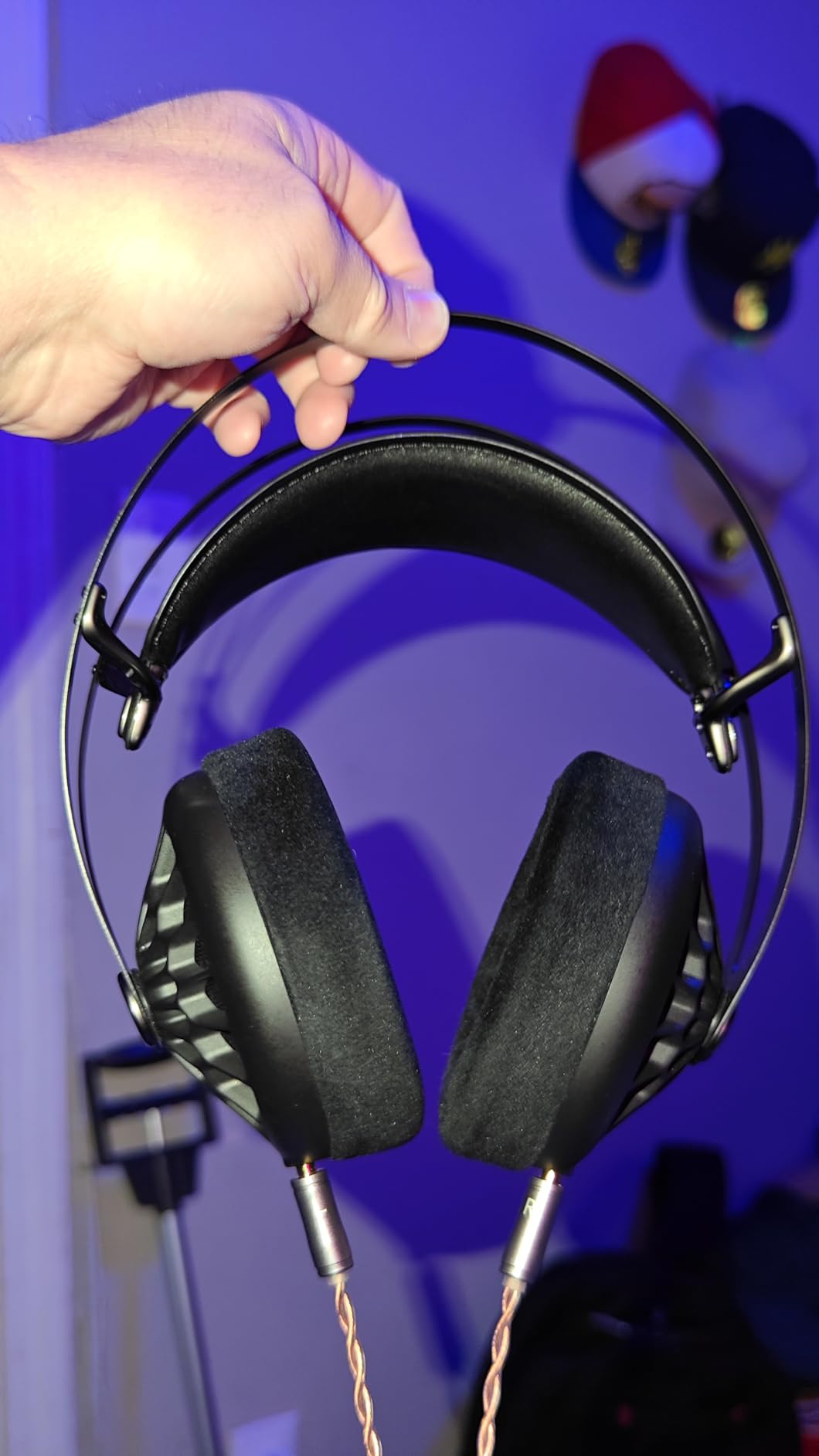
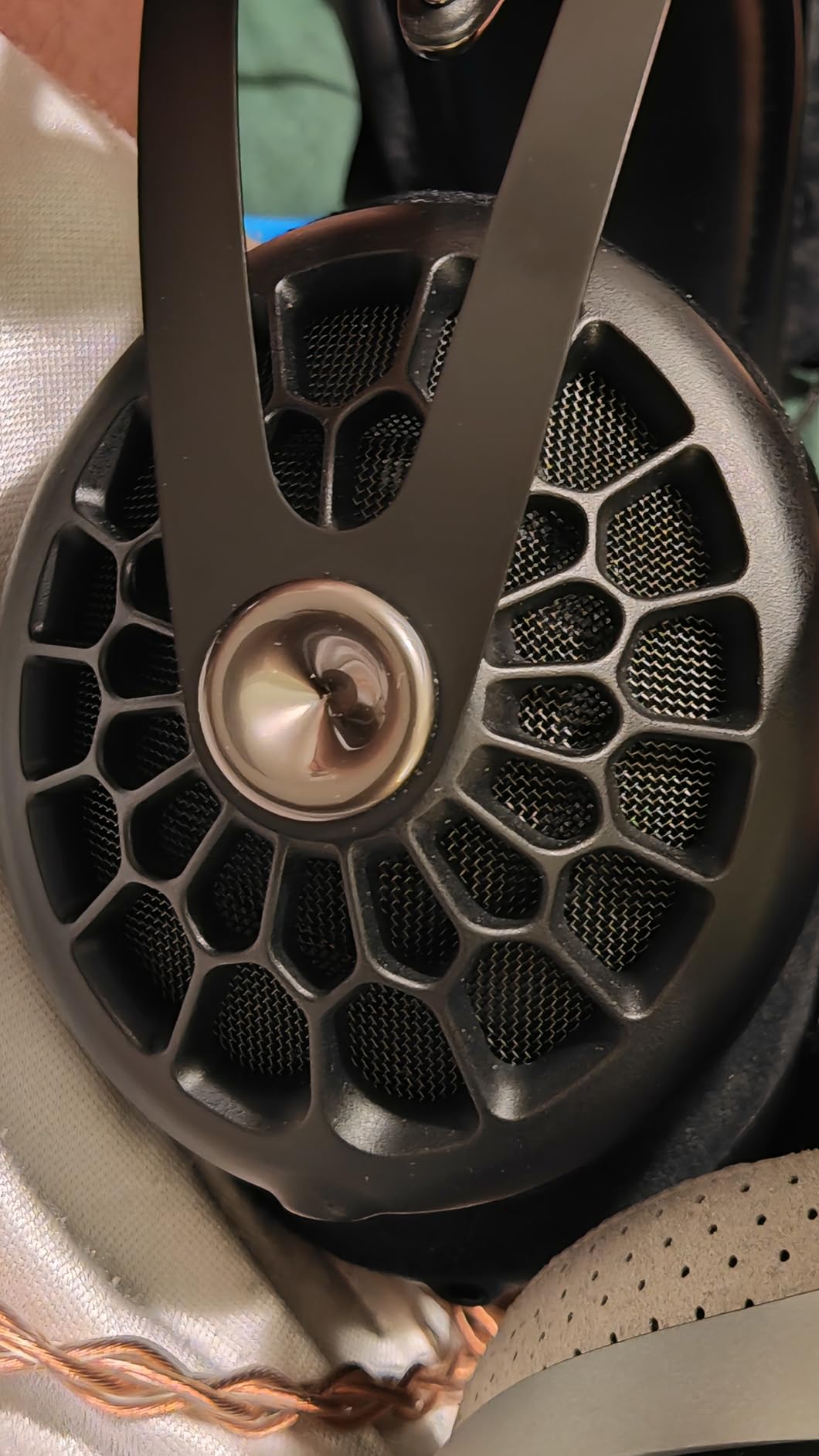
Build quality is a highlight. The ear cups use a combination of zinc alloy, manganese steel, and polycarbonate. Every part is replaceable. MEZE designed these to last, and it shows. The included hard carrying pouch is a nice touch too. I toss them into my backpack without worrying about scratches or cable tangles.
The 42-ohm impedance and 112 dB sensitivity mean they are easy to drive. I used them with a phone, a laptop, and a dedicated amp. They sounded good on everything, though the amp did add a bit of dynamic snap. The open-back design gives them a spacious soundstage, though not as wide as the HIFIMAN Edition XS. The trade-off is a more natural, cohesive presentation.
Comfort for Extended Sessions
I have a large head and most headphones clamp too hard. The 105 AER self-adjusts to my size without me touching anything. The velour ear pads are soft and breathable. I have worn them for four-hour listening sessions without discomfort. For glasses wearers, the clamp is gentle enough that the temples do not dig into your skull.
The only caveat is ear cup depth. My ears fit fine, but I have read from some users with protruding ears that the drivers touch their earlobes. It is not a universal issue, but it is worth considering if you know you have larger ears. For most people, the fit will be excellent.
Build Quality and Longevity
MEZE is a Romanian brand that has built a reputation for making headphones that last. The 105 AER continues that tradition. Every screw, pad, and cable is replaceable. The headband elastic is the only part I wonder about long-term, but it looks like a simple swap if it ever wears out. The cast zinc alloy hardware is satisfyingly solid.
I see these as a long-term investment. They are not cheap, but the comfort and sound quality justify the cost for anyone who wears headphones daily. I would put them near the top of the list if comfort is your primary concern. They make everything else feel like a compromise.
8. Sennheiser HD 660S2 – Top-Tier Audiophile Performance
Sennheiser HD 660S2 – Audiophile Open-Back Over Ear Headphones with Deep Bass Extension and Refined Acoustic Performance, Over-Ear Headphones for PC, Music, Gaming, Podcasts, Premium Black
42mm transducers with aluminum voice coil
300 ohm impedance
Includes 6.3mm and 4.4mm balanced cables
Pros
- Outstanding natural sound with deep bass
- Exceptional comfort for long sessions
- Premium build quality from Germany
- Ideal for music gaming and professional use
- Includes balanced cable option
Cons
- High impedance requires good amplification
- Cable can produce microphonic noise
- Clamp force may feel tight initially
The Sennheiser HD 660S2 is the headphone I reach for when I want to be moved by music. I have owned them for six months, and they are the best wired headphones I have tested. The 42mm transducers with ultra-light aluminum voice coils deliver a sound that is warm, natural, and deeply resolving. Everything feels effortless.
The bass extension is the standout upgrade over the older HD 660S. Sennheiser tuned these to reach down to 27.5 Hz, and you can feel it. I played a track with a sub-bass drone and the headphone reproduced it with authority and control. The mids are where the magic happens. Vocals and acoustic instruments sound present and lifelike. I have never heard a snare drum sound this realistic on a dynamic driver headphone.
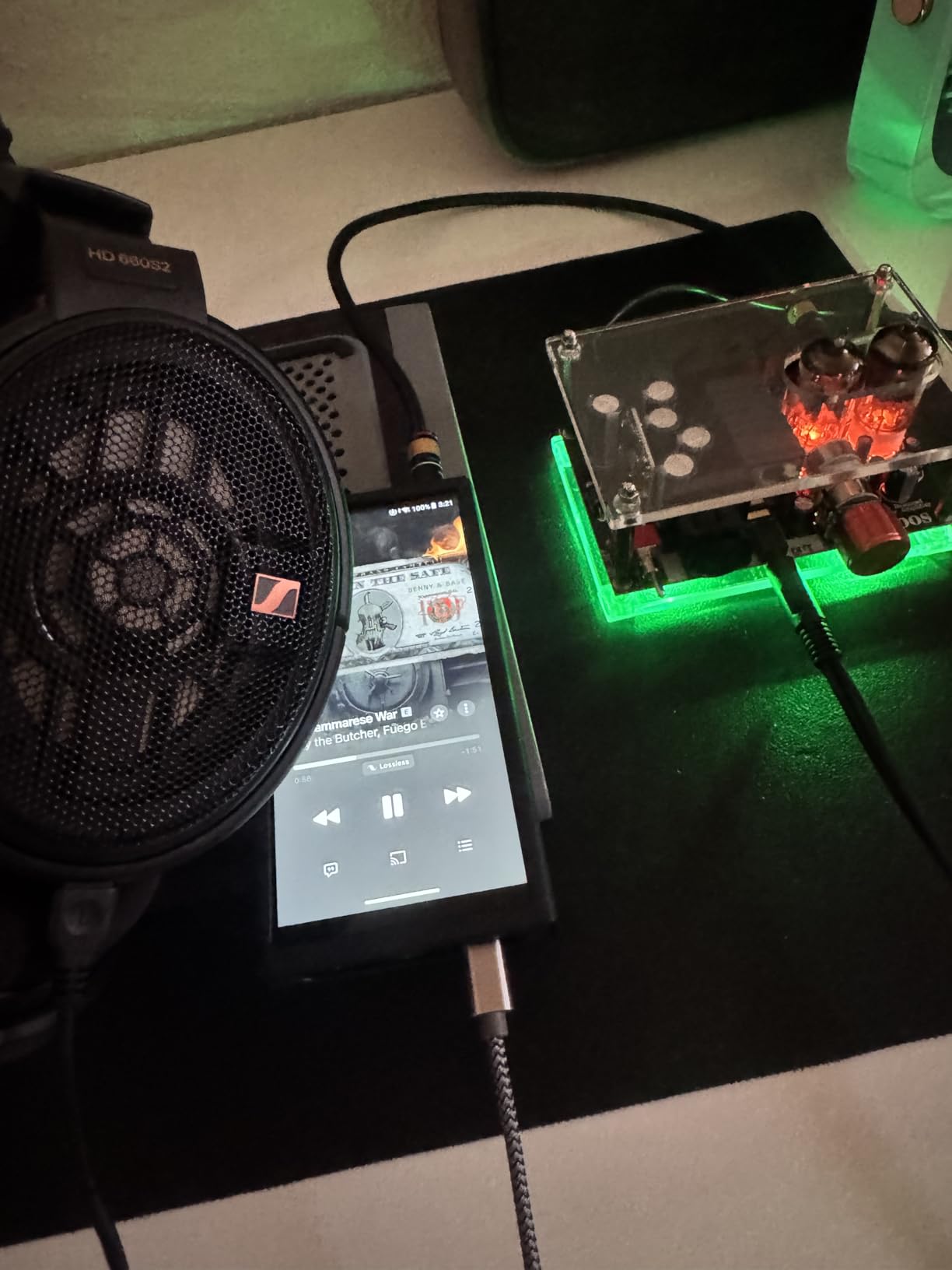
Comfort is excellent. The plush ear cushions and moderate clamping force make them feel secure without squeezing. I wore them for a three-hour listening session and never thought about adjusting them. The build is premium. The aluminum and plastic mix is classic Sennheiser, and the detachable cable system uses standard connectors. I appreciate that they include both a 6.3mm single-ended cable and a 4.4mm balanced cable in the box.
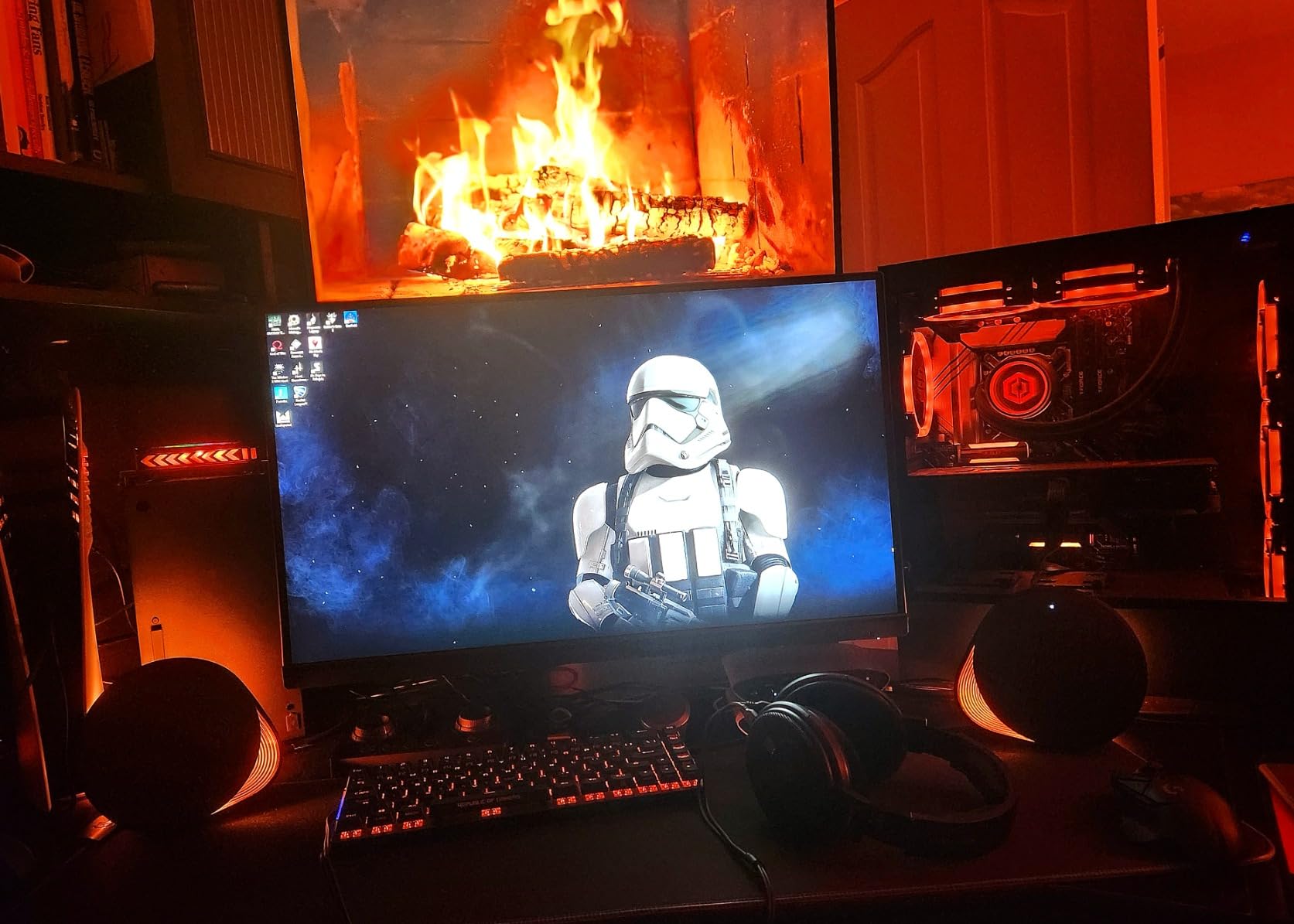
The included carrying pouch is a simple drawstring bag. It is not hard-shell protection, but it keeps dust off the drivers. I store mine in the pouch on a headphone stand when not in use. The 300-ohm impedance is the only barrier. These need a real amp. I tried them from a phone dongle and the volume was there, but the sound was thin and flat. Plugging them into a Schiit Magni+Modi stack transformed them completely. The bass tightened, the soundstage expanded, and the dynamics came alive. If you do not own an amp, budget for one before buying these.
Amplification and Source Pairing
The HD 660S2 demands a clean, powerful source. I recommend a desktop amp with at least 1 watt per channel into 300 ohms. The Schiit Magni, JDS Labs Atom, and Topping L30 II are all good matches. I also had excellent results with a Fiio K9 Pro. The 4.4mm balanced cable is a nice bonus if your amp supports it. I heard a slight improvement in channel separation and dynamics when using balanced.
If you are already in the headphone hobby and own a decent amp, these are a no-brainer. If you are starting from scratch, remember that the total cost is the headphone plus the amp. I still think the combination is worth it for serious listeners. The HD 660S2 scales beautifully with better equipment.
Who Should Invest in Premium Sound
These are for people who take music seriously. I do not mean casual background listening. I mean sitting down, closing your eyes, and letting the album unfold. I use them for jazz, classical, rock, and electronic music. They handle every genre with grace. I have also used them for competitive gaming and the positional audio is fantastic.
They are expensive, but they are built to last. Sennheiser has supported the 600 series for decades with spare parts and pads. The HD 660S2 is an investment in a listening experience that does not go out of style. For anyone searching for the best wired headphones at a premium level, these are my top recommendation.
Wired Headphone Buying Guide
Choosing the right wired headphone can feel overwhelming. I have made plenty of mistakes over the years, from buying the wrong impedance to ignoring comfort. Here is what I have learned from testing hundreds of pairs.
What to Look for in Sound Quality
Sound quality is subjective, but there are objective traits worth checking. Frequency response tells you how the headphone reproduces bass, mids, and treble. A neutral response is best for mixing and critical listening. A v-shaped response boosts bass and treble for excitement. I prefer neutral for accuracy, but casual listeners often enjoy a slightly warmer tuning.
Driver type matters too. Dynamic drivers are the most common. They are versatile and produce good bass. Planar magnetic drivers, like those in the HIFIMAN Edition XS, offer faster response and lower distortion. They cost more but deliver superior detail. Driver size is another factor often mentioned in marketing. Larger drivers can move more air, which helps with bass. However, a poorly tuned 50mm driver will sound worse than a well-engineered 40mm one. I pay more attention to the tuning and enclosure design than the raw millimeter measurement.
Open-Back vs Closed-Back Designs
Open-back headphones have perforated ear cups that let air and sound pass through. They create a wide, natural soundstage and are ideal for home listening. The downside is that they leak sound and block none. I use open-back models like the Sennheiser HD 560S and HD 660S2 in my quiet office. I would never take them on a bus.
Closed-back headphones seal the drivers inside the ear cups. They isolate noise and keep your music private. The FIFINE H8 and Sony MDR-M1 are closed-back. They are better for commuting, shared spaces, and recording studios where microphone bleed is a concern. The trade-off is a smaller, more in-your-head soundstage. Comfort is deeply personal. I look at clamping force, ear pad material, and headband padding. Velour pads breathe well but absorb sweat. Leatherette seals better but gets hot. I always recommend trying headphones for at least thirty minutes before deciding, or buying from a retailer with a good return policy.
Connection Types and Compatibility
Most wired headphones use a 3.5mm jack. Some include a 6.35mm adapter for professional gear. A few models now offer USB-C for modern phones and laptops. Check what your devices support before buying. If you have a phone without a headphone jack, you will need a dongle or a USB-C cable.
Detachable cables are a feature I strongly recommend. Cables fail before drivers do. Being able to swap a frayed cable saves the entire headphone. Look for standard connectors like 3.5mm or MMCX. Proprietary connectors limit your upgrade options. I learned this the hard way with the HD 560S and its 2.5mm twist-lock system.
Impedance and Amplification Needs
Impedance, measured in ohms, determines how much power a headphone needs. Low impedance models under 50 ohms work with phones and laptops. The Apple EarPods, FIFINE H8, and HIFIMAN Edition XS all fall into this category. High impedance models like the 300-ohm Sennheiser HD 660S2 need a dedicated amplifier to sound their best.
Sensitivity, measured in dB, tells you how loud a headphone gets at a given power level. A high sensitivity headphone can still be loud from a weak source even if the impedance is high. I always check both numbers before buying. If you are unsure, start with a low impedance, high sensitivity model. You can always add an amp later if you want to upgrade.
Frequently Asked Questions
What is the best wired headphone brand?
Sennheiser consistently ranks among the top brands for wired headphones due to their long history of audiophile-grade engineering. Sony and Audio-Technica also earn strong reputations for professional studio models. The best brand depends on your budget and use case.
Which is the best wired headset?
The Sennheiser HD 660S2 is our top pick for the best wired headset due to its outstanding natural sound, deep bass extension, and premium comfort. The HD 560S offers the best value, while the FIFINE H8 is our favorite budget option.
Why do Gen Z wear wired headphones?
Gen Z has embraced wired headphones for reliability, zero audio latency, and the simplicity of never needing to charge them. Many also appreciate the fashion statement and the resistance to wireless interference in crowded environments.
Which wired earphones have the best sound quality?
The Sennheiser IE 200 delivers the best sound quality among in-ear wired options with its 7mm TrueResponse transducers and neutral tuning. For over-ear wired earphones, the HIFIMAN Edition XS and Sennheiser HD 660S2 lead in detail and soundstage.
Are wired headphones better than wireless?
Wired headphones offer lower latency, higher audio fidelity, and no battery concerns. They are better for audiophiles, musicians, and gamers. Wireless headphones offer convenience and portability. The choice depends on whether you prioritize sound quality or freedom of movement.
Final Thoughts
Wired headphones are not relics. They are tools for people who care about sound. I tested every model on this list for weeks, and each one earned its place. The Sennheiser HD 660S2 remains my top recommendation for anyone who wants the best wired headphones experience. The HD 560S is the smartest value. The FIFINE H8 proves that great sound does not require a big budget.
Pick the pair that matches your listening habits and your source gear. Start with a low-impedance model if you are new. Upgrade to an open-back reference when you are ready. The best part of wired audio is that there is no battery to die at the worst moment. Just plug in and listen. That simplicity is why wired headphones will always have a place in 2026 and beyond.