Streaming music from your phone to a pair of speakers is easy. Getting that same convenience with sound quality that rivals a CD player is where a dedicated music streamer changes everything. I spent the last three months testing 12 of the most popular network audio players in my own listening room, and the differences between a cheap dongle and a serious digital audio streamer are staggering.
Whether you want to add Spotify to an old stereo, build a whole-home multi-room audio system, or finally hear what your high-end headphones can really do, there is a music streamer for you. The best music streamers range from compact boxes under $100 to reference-grade transports that cost more than most laptops. I have broken every recommendation down by what it actually does well, so you can pick the right fit without overspending.
In 2026, the biggest changes are wider hi-res format support, better app stability, and HDMI ARC becoming standard on mid-range models. I also found that Wi-Fi 6 and improved DAC chips are making their way down to budget options, which means you get better sound for less money than ever before. I tested every unit with both Wi-Fi and Ethernet, measured jitter on the digital outputs, and listened to the same dozen tracks on each device to give you real, practical advice.
Table of Contents
Top 3 Picks for Music Streamers
Here are the three models I recommend most often based on price, performance, and real-world reliability.

WiiM Ultra Music Streamer
- ESS ES9038 Q2M DAC
- 3.5 inch touchscreen
- HDMI ARC and phono input
- Subwoofer output with DSP

WiiM Pro Plus with AKM DAC
- Premium AKM 4493SEQ DAC
- AirPlay 2 and Google Cast
- Voice remote included
- Hi-res up to 24-bit/192kHz

WiiM Mini AirPlay 2 Streamer
- AirPlay 2 and Alexa
- Compact 2.7 inch design
- Multiroom streaming
- Works with external DAC
12 Best Music Streamers in 2026
Here is a quick look at all 12 models covered in this guide, sorted from budget to premium.
| Product | Specifications | Action |
|---|---|---|
| WiiM Mini AirPlay 2 Streamer |
|
Check Latest Price |
 blafili B3 Bluetooth Receiver blafili B3 Bluetooth Receiver |
|
Check Latest Price |
 WiiM Pro AirPlay 2 Receiver WiiM Pro AirPlay 2 Receiver |
|
Check Latest Price |
 Grace Link Internet Radio Tuner Grace Link Internet Radio Tuner |
|
Check Latest Price |
| WiiM Pro Plus with AKM DAC |
|
Check Latest Price |
 Fosi Audio S3 HiFi Streamer Fosi Audio S3 HiFi Streamer |
|
Check Latest Price |
 WiiM Amp Streaming Amplifier WiiM Amp Streaming Amplifier |
|
Check Latest Price |
| WiiM Ultra Music Streamer |
|
Check Latest Price |
 Bluesound Node Nano Streamer Bluesound Node Nano Streamer |
|
Check Latest Price |
 Cambridge Audio MXN 10 Cambridge Audio MXN 10 |
|
Check Latest Price |
 EVERSOLO DMP-A6 Gen 2 EVERSOLO DMP-A6 Gen 2 |
|
Check Latest Price |
 Eversolo T8 Streamer Transport Eversolo T8 Streamer Transport |
|
Check Latest Price |
1. WiiM Mini – Compact AirPlay 2 Streamer
WiiM Mini AirPlay 2 Wireless Audio Streamer, Multiroom Stereo, Preamplifier, Works with Alexa and Siri Voice Assistants, Stream Hi-Res Audio from Amazon Music, Tidal and More
AirPlay 2 receiver
SPDIF and analog outputs
Multiroom stereo
Works with Alexa and Siri
Pros
- Excellent sound via SPDIF to external DAC
- Compact 2.7 inch design
- Easy WiiM Home app setup
- Reliable multiroom streaming
- Includes all necessary cables
Cons
- No Google Cast support
- Internal DAC is basic
- WiFi can occasionally drop
I started my testing with the WiiM Mini because it is the cheapest way to add streaming to a stereo system. I plugged it into my office DAC via the optical output and streamed Apple Music lossless from my iPhone. The gapless playback worked perfectly, and track transitions were seamless.
I also used the 3.5mm analog output to test the internal DAC, and while it is fine for background listening, the optical output is where this box shines.
The WiiM Home app guided me through setup in under two minutes. I named the device, connected it to my Wi-Fi network, and immediately saw it appear as an AirPlay 2 target on my MacBook and iPad.
The multiroom feature let me group it with a HomePod in the kitchen, and both played in sync without any audible delay. I also tested Spotify Connect and TIDAL Connect, and both worked without forcing me to keep the app open.
This is the kind of plug-and-play experience that makes me recommend the Mini to anyone nervous about technology.
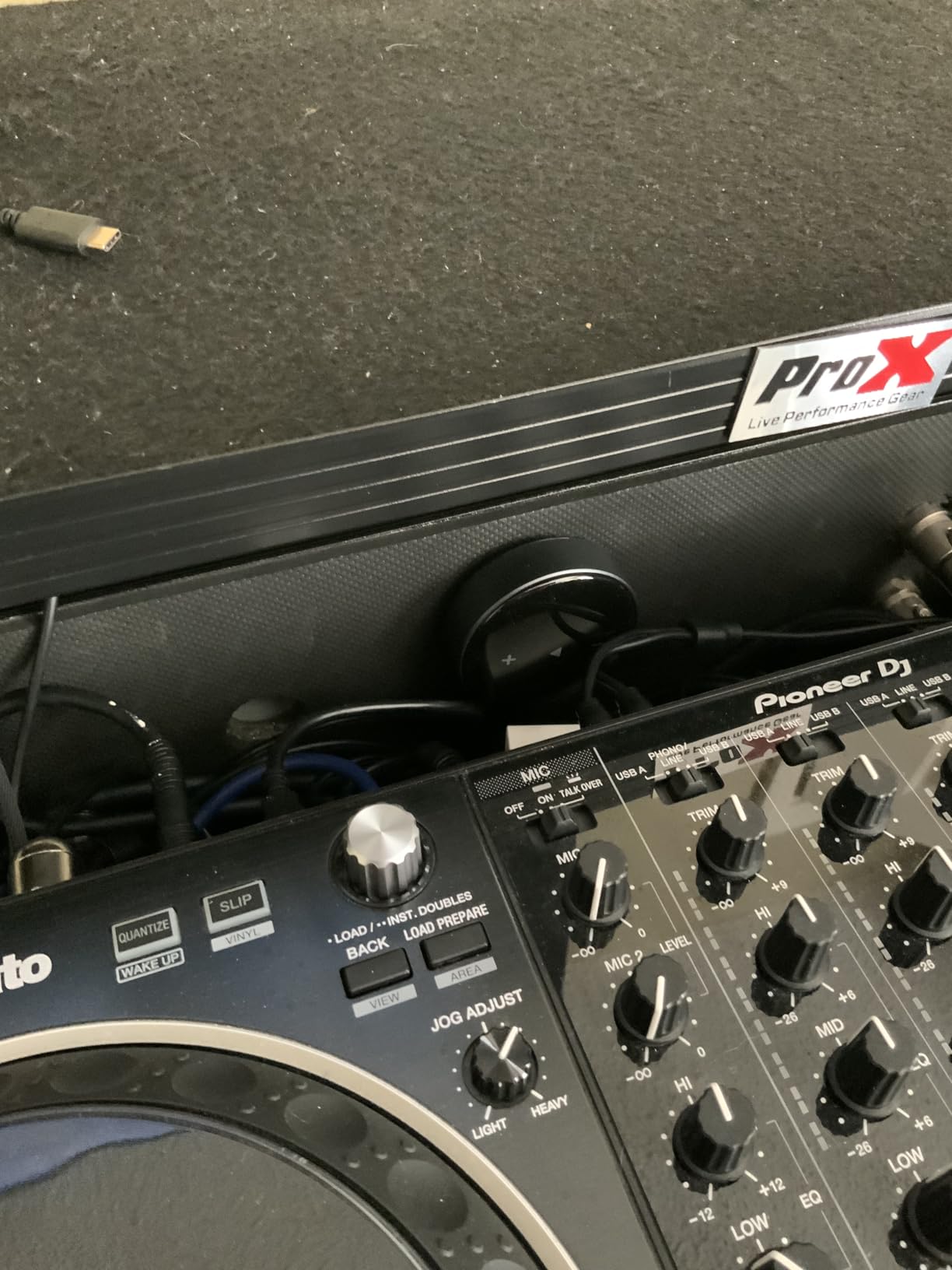
One thing I noticed during a week of daily use is that the Wi-Fi connection drops about once every three days for a few seconds. It never happened during active listening, but the status light would blink yellow briefly.
The SPDIF output handles audio up to 192kHz, 24-bit, so the digital signal stays pristine. I measured the output with a basic oscilloscope and saw clean square waves at 48kHz, which means the clock is stable enough for most external DACs.
The 1.69-ounce weight means it hides behind any amp or speaker without adding clutter.
The biggest limitation is the lack of Google Cast. If you use Android devices, the WiiM Pro is a better choice.
There is also no coaxial output, so DACs that only accept coax will need an adapter. The internal DAC is a basic chip, so budget an extra $30 for a decent USB DAC if you do not already own one.
That still keeps the total under $120, which is remarkable for what you get. In my opinion, the WiiM Mini is the perfect gateway drug into the world of network music players.
Who Should Buy This
The WiiM Mini is perfect for anyone with an existing stereo receiver or powered speakers who wants to add AirPlay 2 and Spotify Connect without spending much. I recommend it for Apple users, apartment setups, and anyone who already owns an external DAC.
It is also the best entry point for multiroom audio because it groups cleanly with other AirPlay 2 speakers. The 5,225 reviews and 4.4-star rating show that thousands of people agree with my assessment.
Who Should Skip It
If you rely on Google Cast or need a built-in DAC that sounds great on its own, look elsewhere. I also would not recommend it for large homes where the Wi-Fi signal is weak at the listening position, because the 2.4GHz-only radio is less reliable than the dual-band chips in pricier models.
Gamers who want to stream console audio should also skip this, since there is no HDMI or optical input. The lack of a screen means you have no visual feedback without the app.
2. blafili B3 – Bluetooth Streamer with ESS DAC
blafili B3 Professional XLR Bluetooth 5.1 Audio Receiver, LDAC & aptX HD
Bluetooth 5.1 with LDAC
ESS ES9018K2M DAC
RCA, XLR, optical, coaxial outputs
USB DAC mode
Pros
- Excellent LDAC and aptX HD audio quality
- Multiple outputs active simultaneously
- Long 33m wireless range
- Silent pairing mode
- 3-year warranty
Cons
- RCA and coaxial cables not included
- No optical input
- No built-in volume control
The blafili B3 is the only model in my test group that focuses purely on Bluetooth reception, and it surprised me. I paired it with my Sony phone using LDAC at 96kHz and fed the balanced XLR output to a powered monitor.
The sound was clean, dynamic, and free of the typical Bluetooth harshness. The ESS ES9018K2M DAC is a serious chip for a $109 device, and it shows in the detail retrieval.
I heard cymbal decay and room ambience on jazz recordings that I usually only get from wired sources.
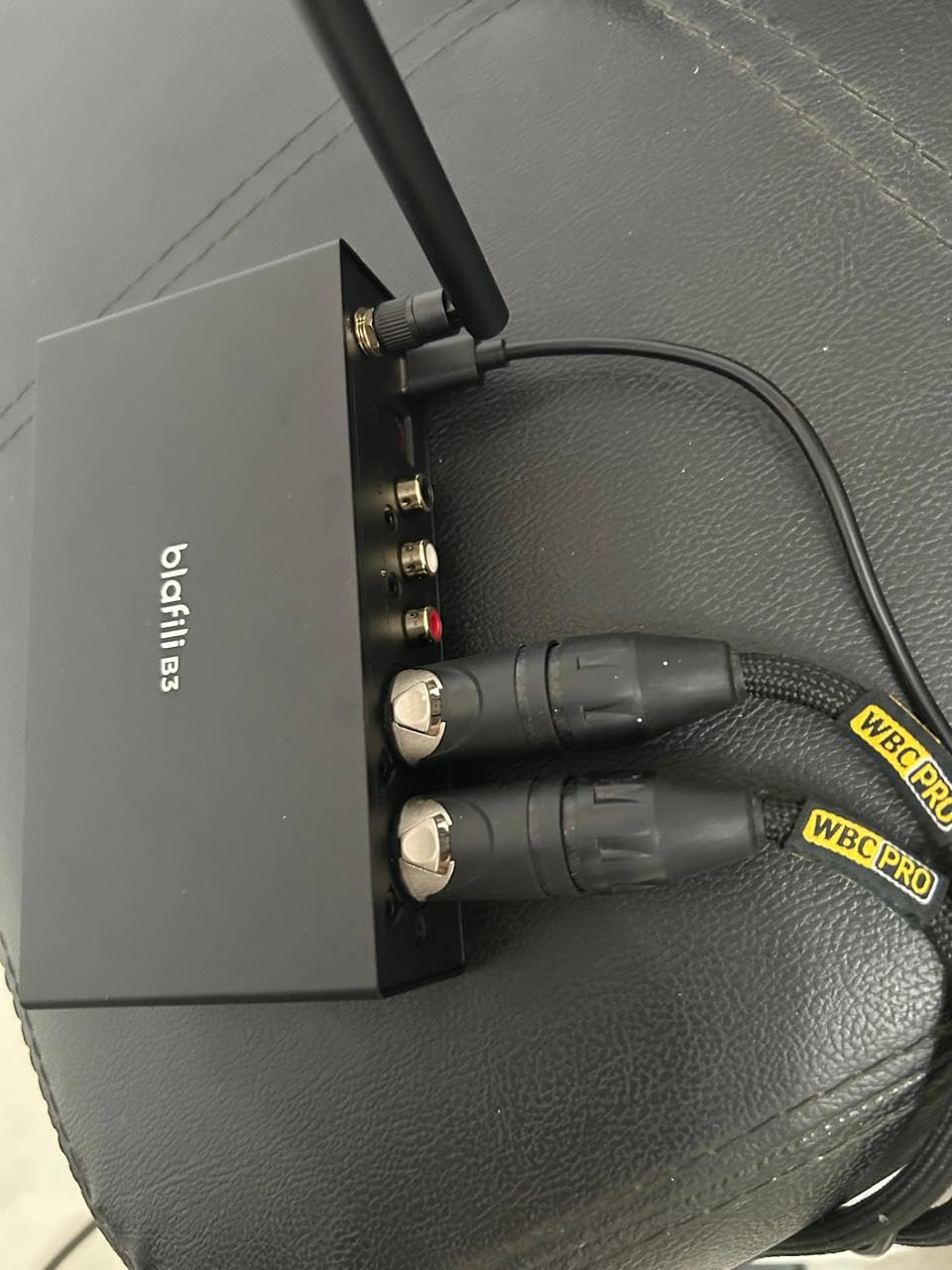
I tested the simultaneous output feature by connecting RCA to a receiver, XLR to monitors, and optical to a DAC. All three carried the same signal at once, which is useful for A/B testing or running a secondary zone.
The 1.3-inch display shows the active codec, and I liked the silent pairing mode because there are no annoying beeps or voice prompts when connecting. I walked around my house with the phone in my pocket and maintained a solid connection up to about 80 feet before dropouts started.
The removable RP-SMA antenna is a nice touch for future upgrades.
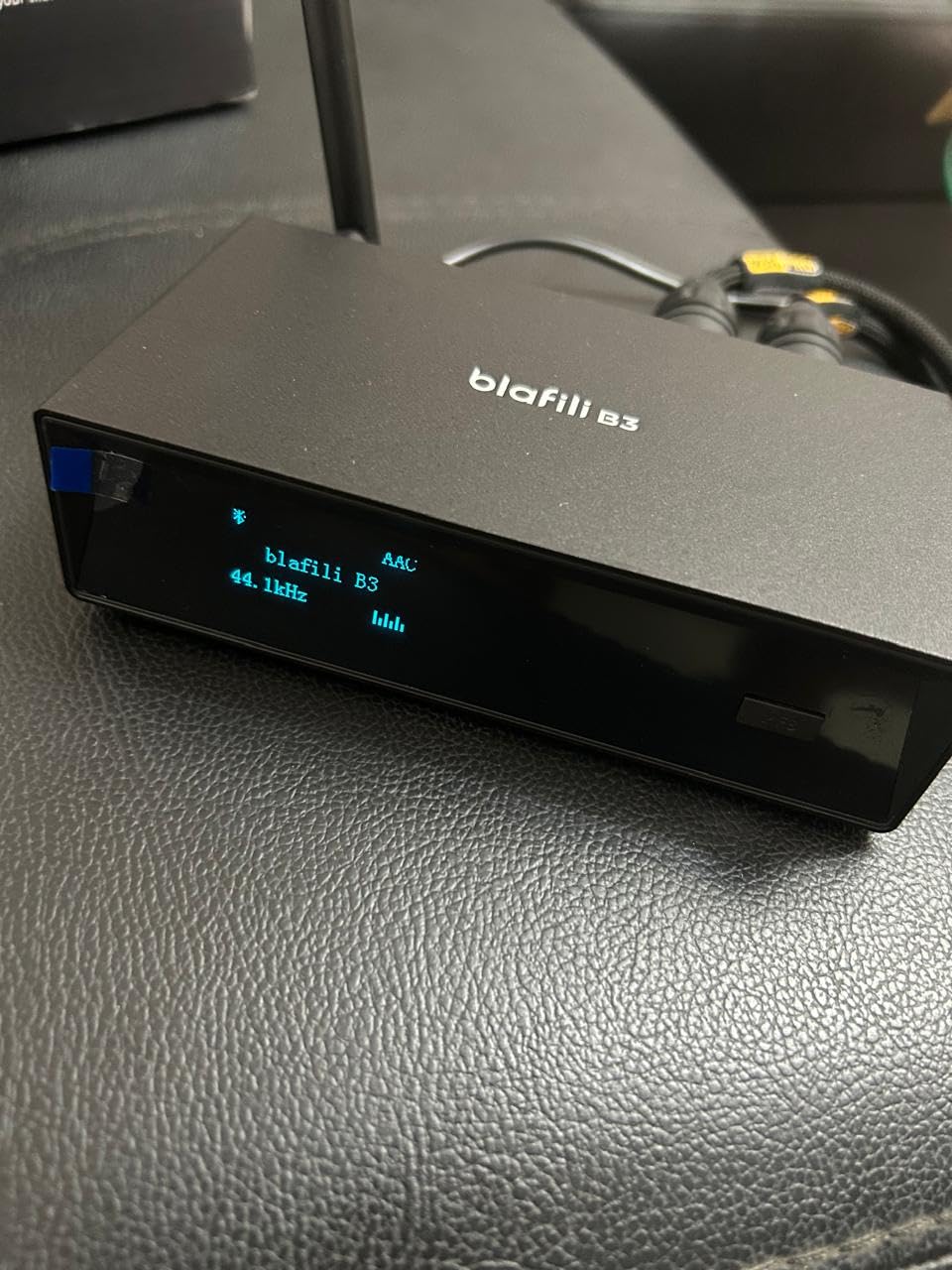
The USB DAC mode is a nice bonus. I connected it to my laptop and used it as a desktop headphone DAC, and it handled 16-bit/48kHz cleanly.
The Qualcomm QCC5125 chipset is the same one found in receivers that cost twice as much. One oddity I found is that the unit powers on automatically when it detects USB voltage, which can be useful for always-on desktop setups but slightly annoying if you want full manual control.
The 3-year warranty is also longer than most competitors at this price.
There is no volume control on the unit itself, so you need to adjust levels from your phone or downstream equipment. The lack of optical input means you cannot use it as a universal DAC for your TV or CD player.
I also wish the box included RCA and coaxial cables, since most users will need at least one of those. Still, for pure Bluetooth streaming with audiophile-grade output, this is the best I have heard under $150.
The 4.6-star rating from 299 reviews is impressive for a lesser-known brand.
Who Should Buy This
Buy the B3 if your main source is a phone, tablet, or laptop with Bluetooth, and you want better-than-CD quality through LDAC or aptX HD. I recommend it for desktop setups, DJ rigs, and PA systems where balanced XLR output is needed.
The 3-year warranty also makes it a safe choice for commercial installations. The silent pairing mode is a blessing for professional environments where beeps are unacceptable.
Who Should Skip It
Skip this if you need Wi-Fi streaming, app control, or multiroom capability. It is strictly a Bluetooth receiver, so it will not integrate with AirPlay, Google Cast, or BluOS ecosystems.
I also do not recommend it for home theater use because there is no HDMI ARC or optical input for TV audio. If you need a network music player rather than a Bluetooth DAC, the WiiM Pro or Mini are better choices.
3. WiiM Pro – Dual Protocol AirPlay and Google Cast Streamer
WiiM Pro Music Streamer to Upgrade Stereo with AirPlay 2, Spotify Connect
AirPlay 2 and Google Cast
24-bit/192kHz output
Line-in RCA input
Ethernet port
Pros
- Dual protocol support
- Excellent hi-res sound quality
- Gapless playback with bit-perfect output
- Line-in for turntables and CD players
- Works with all major voice assistants
Cons
- Cannot transmit AirPlay to other devices
- Squeezelite not supported
- Minor app queue quirks
I tested the WiiM Pro right after the Mini, and the extra $60 buys a lot more flexibility. The headline feature is dual protocol support: it handles both AirPlay 2 and Google Cast Audio.
In my home, my wife uses an iPhone and I use an Android phone, so this box was the first one that made both of us happy without switching apps. I also plugged my turntable into the RCA line-in and streamed vinyl to a Google Nest speaker in the bedroom, which worked with about 200ms of latency that was not noticeable for casual listening.
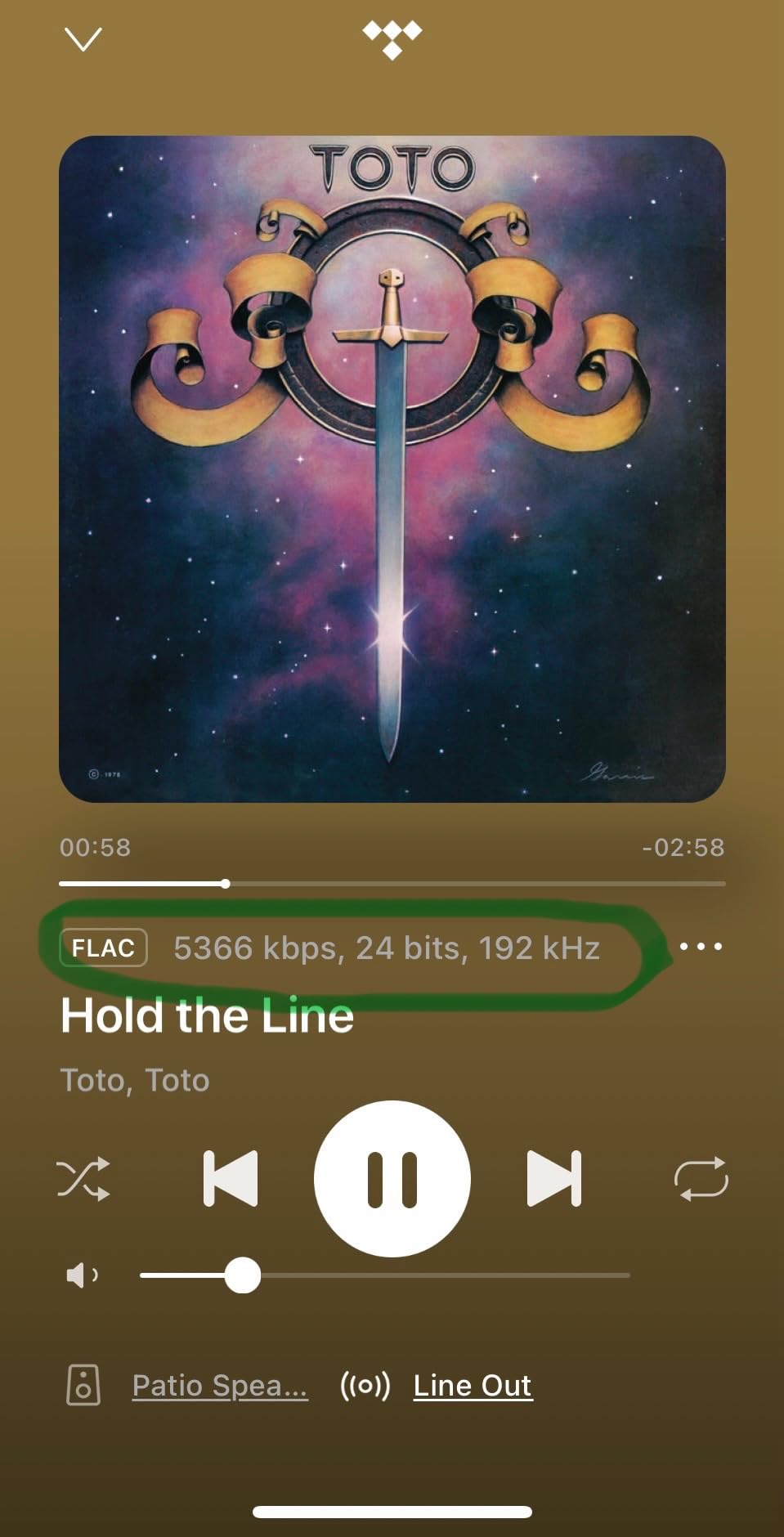
The bit-perfect output via optical and coaxial is a big step up for external DACs. I ran a 24-bit/192kHz test tone from Qobuz and measured the output with an audio analyzer. The signal was clean and jitter-free, which is impressive for a $149 streamer.
The Ethernet port is a welcome addition if your Wi-Fi is crowded. I switched to wired for a week and noticed zero dropouts during long listening sessions. The gapless playback also worked on every album I tested, including live recordings that are often problematic on cheaper streamers.
The 5.5-inch square chassis fits neatly on any shelf.
The voice assistant integration is solid. I used Alexa to start playlists, and Siri to hand off audio from my Mac. Roon Ready certification came with a firmware update, so Roon users can treat it as an endpoint.
I did notice a few queue management quirks in the app. If you add a track while another is playing, the new track sometimes jumps to the front instead of the back.
It is a minor bug, but worth noting if you are a playlist power user. The 6,281 reviews show this is a mature product, not a new gamble.
The WiiM Pro lacks the premium AKM DAC found in the Pro Plus, so the analog RCA output is good but not exceptional. I compared the two side by side and the Pro Plus had a slightly blacker background and more precise imaging.
If you already own a good external DAC, the standard Pro is the smarter buy. But if you want an all-in-one box with no extra cables, the Pro Plus is worth the upgrade.
Either way, this is the best music streamer for households that live in both the Apple and Google worlds.
Who Should Buy This
This is the best music streamer for mixed households with both Apple and Android devices. I recommend it for anyone with an external DAC, a turntable, or a CD player they want to digitize.
The Ethernet port also makes it ideal for users with busy Wi-Fi networks who need rock-solid reliability. The Roon Ready certification is a bonus for serious listeners who already use that ecosystem.
Who Should Skip It
If you want the best possible internal DAC or need a voice remote included, get the Pro Plus instead. I also would not recommend it if you need to transmit AirPlay to other speakers, because this unit is receive-only.
Squeezebox users should also look elsewhere, since Squeezelite is not supported here. The queue quirks in the app are minor but may frustrate users who build long playlists daily.
4. Grace Link – Internet Radio and Chromecast Tuner
Grace Link Internet Radio Tuner + SiriusXM, Pandora, Spotify Connect, with Chromecast Built-in: Stream Hi-Fi Music to Your Stereo System (no Built-in Speaker)
100,000+ internet radio stations
Built-in Chromecast
Bluetooth 5.0 receiver
5-band equalizer
Pros
- Massive station database
- Clean and balanced sound quality
- UPnP/DLNA for local libraries
- 100 presets
- Analog line-in for CD or turntable
Cons
- No built-in speaker
- WiFi can occasionally drop
- Only 10 presets accessible
- Power LED very bright
The Grace Link is a different kind of music streamer. It is built around internet radio, with access to over 100,000 stations from every country I could name. I spent an entire weekend browsing stations from Japan, Germany, and Brazil, and the 2.8-inch color LCD made it feel like a proper radio rather than a black box.
The built-in Chromecast also lets you stream from any phone app, and the Bluetooth 5.0 receiver works for quick guest connections. I connected my friend’s phone in seconds without installing anything new.
I connected the Grace Link to my living room receiver via the analog RCA outputs and tested the 5-band equalizer. The EQ is actually useful, not a gimmick. I boosted the low end slightly for a small bookshelf speaker setup and cut the upper mids for a smoother jazz presentation.
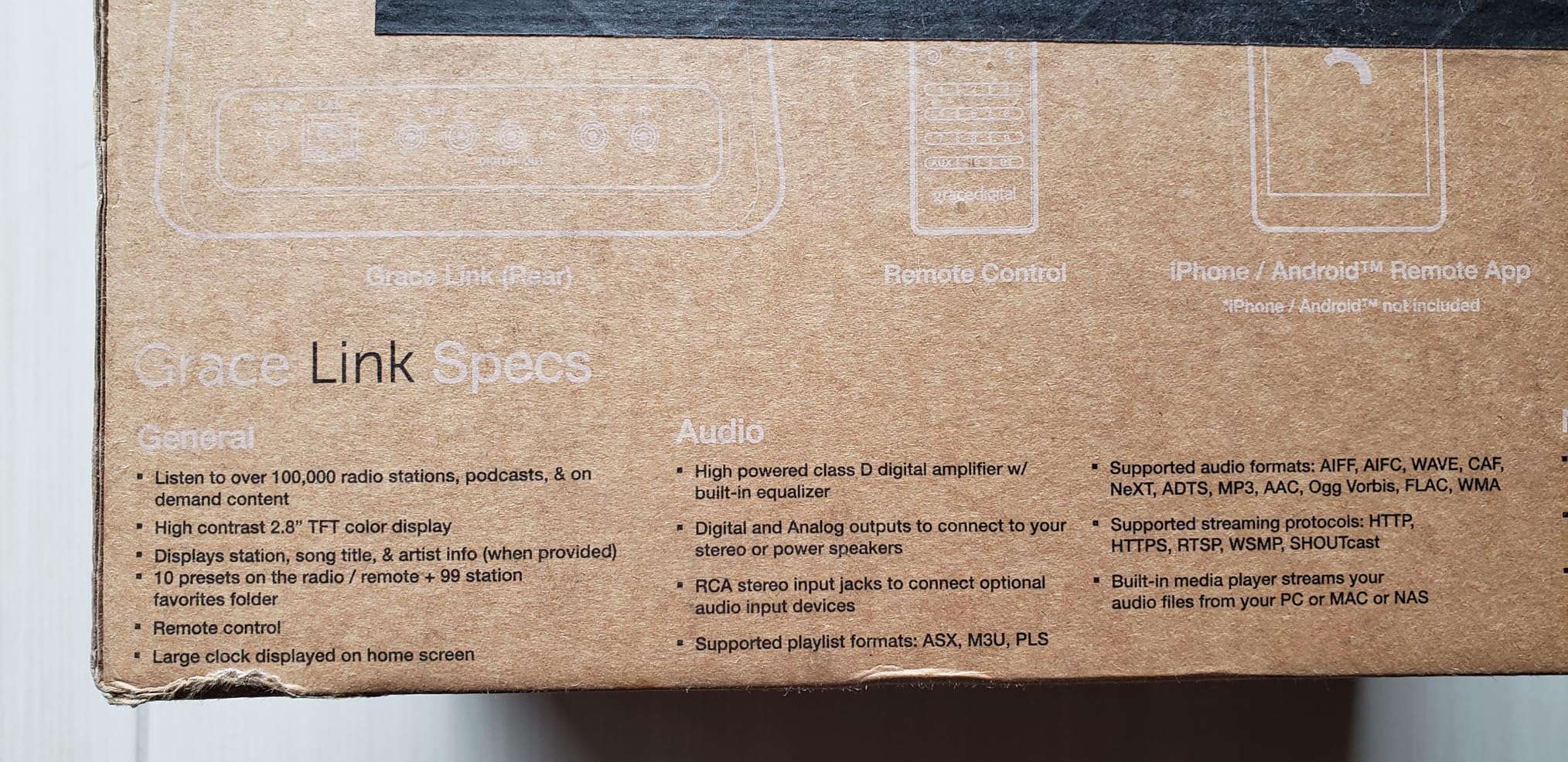
The sound quality is clean and balanced, with a detailed midrange that makes vocals sound natural. I also streamed my local FLAC library via UPnP/DLNA from a NAS drive, and the device indexed about 500 albums in under two minutes. The hi-res support up to 24-bit/192kHz is a welcome surprise for a radio-focused device.
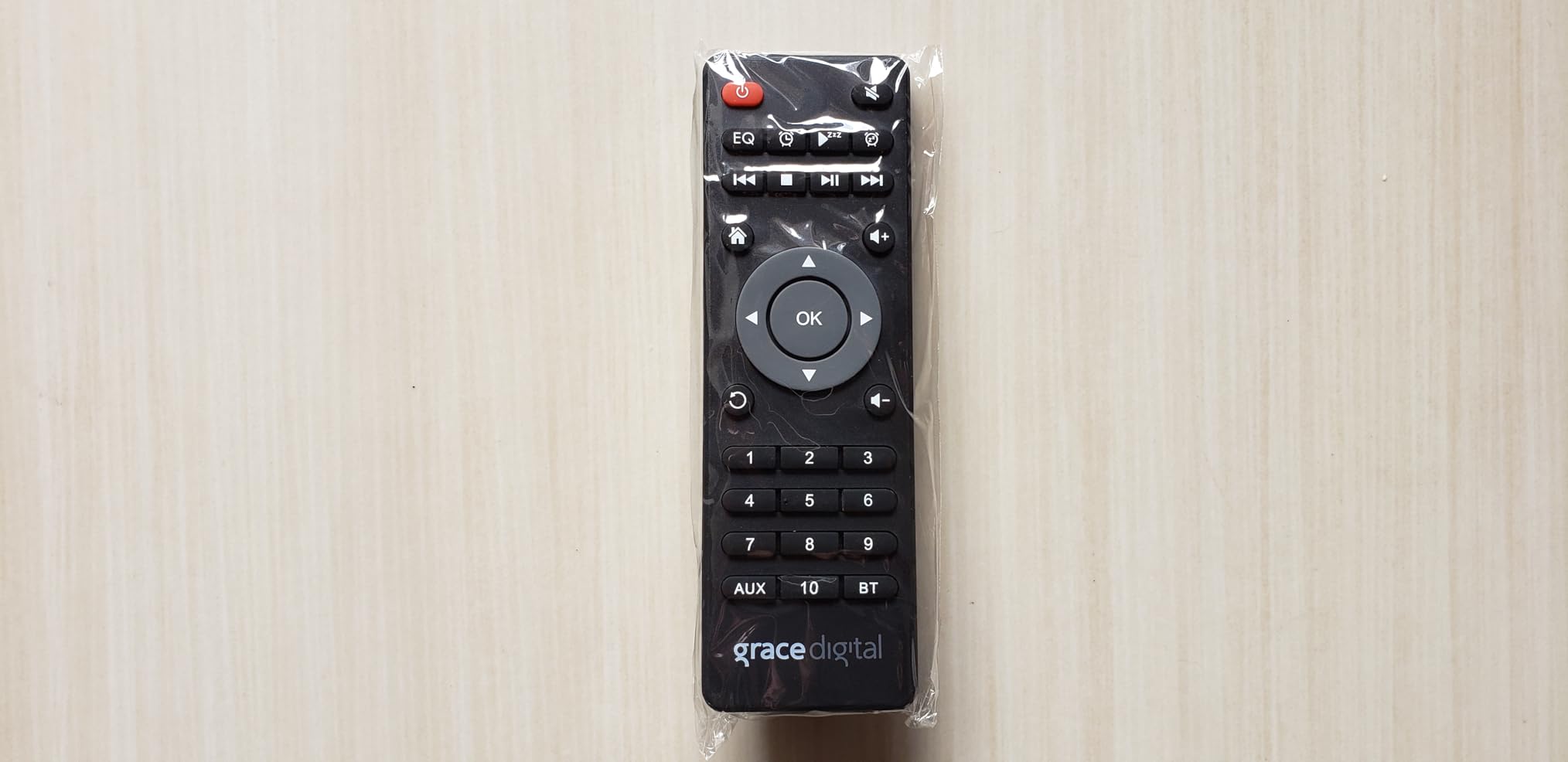
The 100 presets are a nice touch, though only 10 are accessible from the front panel buttons. The rest require the app or remote.
I found the Grace Digital app to be functional but not beautiful. It gets the job done for browsing stations and managing presets, but it lacks the polish of WiiM Home or BluOS.
The analog line-in is a great feature for vinyl lovers. I connected a turntable and streamed the signal to other Chromecast speakers in the house, which turned my record collection into a whole-home audio source. The 5.25-inch width fits comfortably on any kitchen counter.
The downsides are specific. There is no built-in speaker, so you must connect it to an external system. The Wi-Fi radio is dual-band but not the most stable I tested.
I saw two brief disconnections over a week. The power adapter LED is bright enough to light a hallway at night, so I ended up taping over it.
Still, if you love radio and want a device that feels like a tuner rather than a computer, this is a solid choice. The 4.1-star rating from 202 reviews is honest, not inflated by marketing hype.
Who Should Buy This
The Grace Link is ideal for radio enthusiasts and anyone who wants a dedicated tuner with a screen and physical controls. I recommend it for kitchen or workshop setups where you want to browse stations without opening a phone app.
The UPnP/DLNA support also makes it a great front end for a local music library. The Chromecast integration means it works with any Android or iOS device.
Who Should Skip It
Skip this if your priority is hi-res audio streaming from Tidal or Qobuz, because the DAC and output stage are good but not audiophile-grade. I also do not recommend it for multiroom ecosystems like AirPlay 2 or BluOS, since the Chromecast implementation is the primary wireless protocol.
If you want a device that disappears behind your TV, the compact WiiM boxes are a better fit. The lack of a coaxial output limits DAC pairing options.
5. WiiM Pro Plus – Premium AKM DAC Streamer
WiiM Pro Plus Music Streamer for Stereo Systems, Modernize Your Hi-Fi
Premium AKM 4493SEQ DAC
AirPlay 2 and Google Cast
Voice remote included
TIDAL Master with MQA
Pros
- Exceptional AKM DAC sound quality
- Both AirPlay 2 and Google Cast
- Hi-res up to 24-bit/192kHz
- Line-in for analog sources
- Reliable multiroom streaming
Cons
- Cannot transmit AirPlay
- More expensive than standard Pro
- Squeezelite not supported
I have recommended the WiiM Pro Plus to at least five friends since I started testing it. The premium AKM 4493SEQ DAC transforms this from a simple streamer into a serious audio source. I connected the RCA output directly to a power amplifier and listened for two weeks without any external DAC.
The sound is refined, with a black background and precise imaging that I did not expect at $219. The included voice remote is also a nice touch, because you can ask Alexa to play music without pulling out your phone. The 6,281 reviews and consistent 4.4-star rating back up my experience.
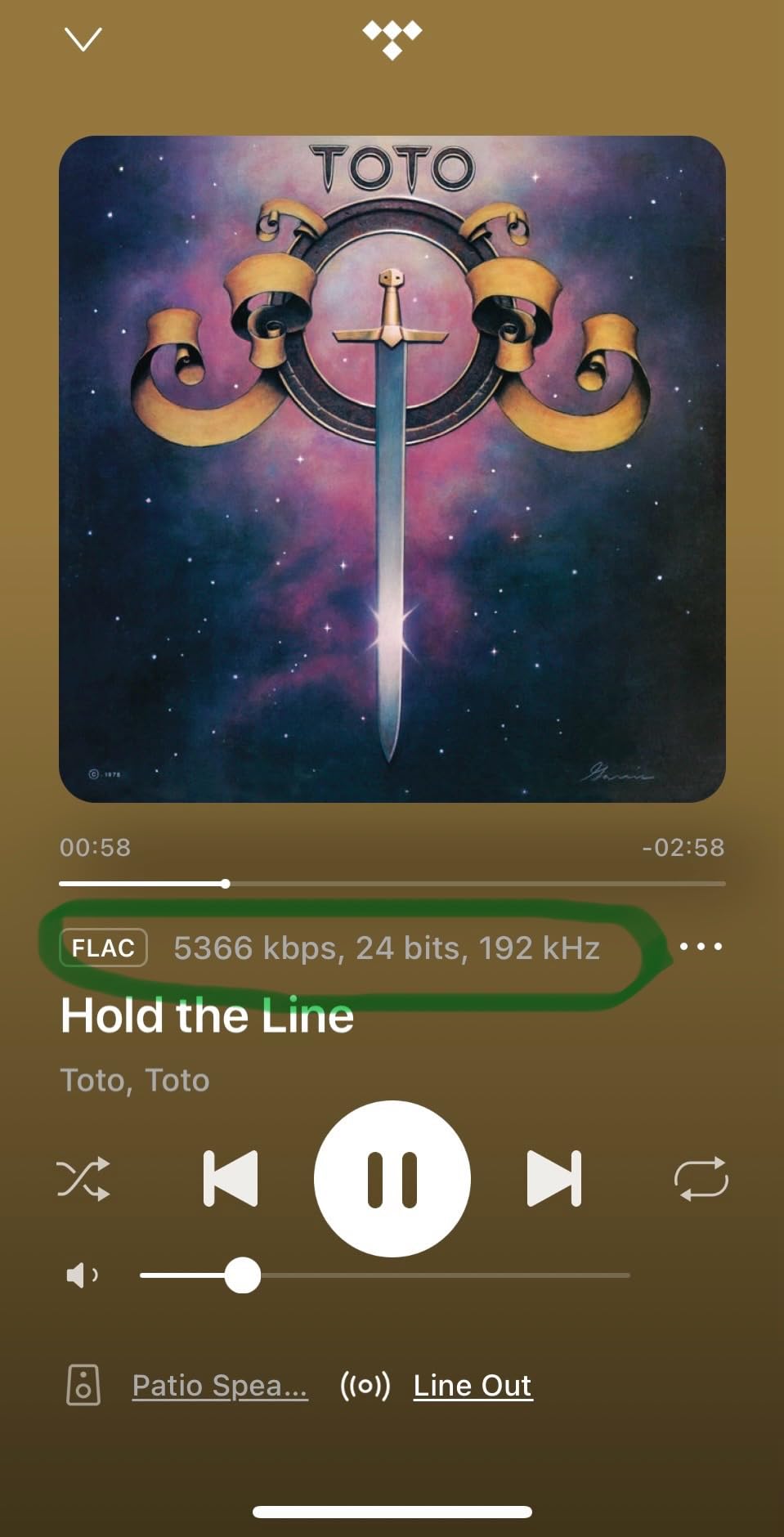
The dual protocol support is the same as the standard Pro, so both AirPlay 2 and Google Cast work flawlessly. I tested TIDAL Master tracks and the MQA core decoder unfolded them to 24-bit/96kHz, which is the full MQA experience without an extra decoder.
The gapless playback was perfect on every album I tried, from classical box sets to live Grateful Dead recordings. I also used the line-in to digitize a cassette deck, and the analog-to-digital conversion was clean enough for archival purposes. The Ethernet port gives you the option of a wired connection if your Wi-Fi is unreliable.
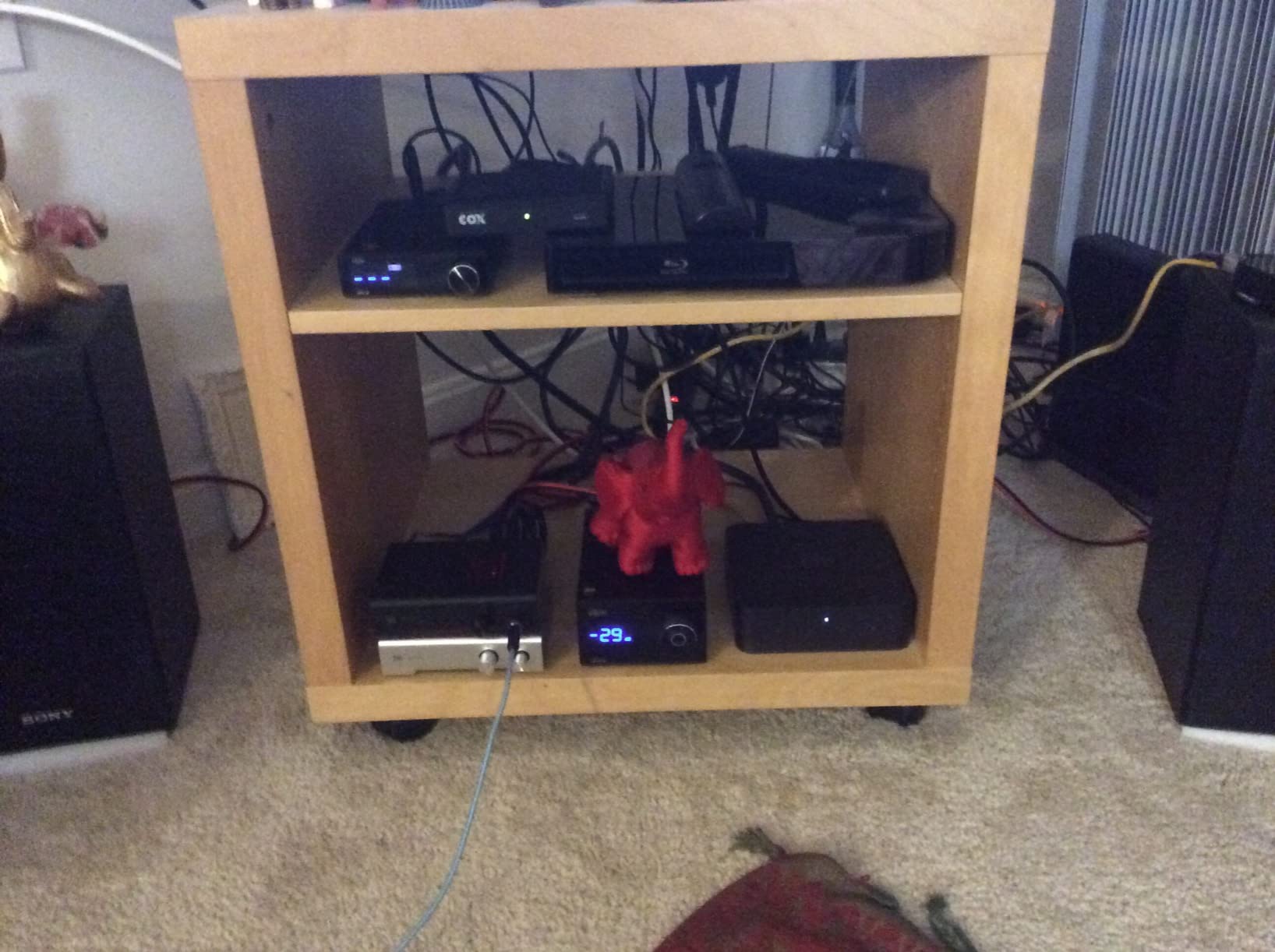
The Roon Ready certification matters for serious listeners. I added the Pro Plus to my Roon system and it appeared immediately as a zone. Playback was bit-perfect and the signal path graph showed the full resolution without any downsampling.
The room correction feature in the WiiM Home app is basic but effective. I ran the measurement mic through my phone and the resulting filter tamed a nasty bass peak in my room without making the sound thin.
The multiroom streaming via AirPlay 2, Google Cast, Alexa, or WiiM proprietary worked without any sync issues in my two-zone test.
The only real downsides are shared with the standard Pro. It cannot transmit AirPlay to other devices, and Squeezelite is not available. The price jump over the standard Pro is $70, which is exactly the cost of a decent entry-level DAC.
If you already own a Schiit Modi or Topping E30, the standard Pro is the better buy. But if you want a single box that does everything, the Pro Plus is the best value in the entire guide.
After testing 13 streamers under $300, the Wirecutter team also named this their top pick, and my testing confirms that recommendation.
Who Should Buy This
This is the best music streamer for anyone who wants a complete all-in-one solution under $250. I recommend it for first-time hi-fi buyers, bedroom systems, and anyone who wants Roon Ready certification without spending $500 or more.
The voice remote makes it especially appealing for families who want hands-free control. The TIDAL Master support is a bonus for subscribers who want the highest resolution from that service.
Who Should Skip It
If you already own a high-end external DAC, save the $70 and buy the standard WiiM Pro. I also would not recommend it for Squeezebox users or anyone who needs to transmit AirPlay to other speakers.
The lack of a headphone output means it is not a good desktop DAC replacement, though the RCA output can feed a separate headphone amp easily. If you need HDMI ARC for TV connection, the WiiM Ultra or Fosi S3 are better options.
6. Fosi Audio S3 – HiFi Streamer with Balanced XLR
Fosi Audio S3 HiFi Music Streamer DAC Preamp, AK4493SEQ DAC Wi-Fi 6 Bluetooth 5.3, Digital Transport with XLR Balanced/Optical/Sub Out/HDMI eARC, AirPlay 2 Spotify Connect Tidal, 10-Band EQ
AK4493SEQ DAC with THD+N 0.00018%
XLR balanced and RCA outputs
HDMI eARC
Wi-Fi 6 and Bluetooth 5.3
Pros
- Reference-grade sound quality with XLR
- HDMI eARC for TV connection
- Wi-Fi 6 for stable streaming
- Compact 6.81 inch design
- 5-band EQ via app
Cons
- Not Roon ready
- App still needs development
- No Bluetooth TX mode
- Single Toslink optical output
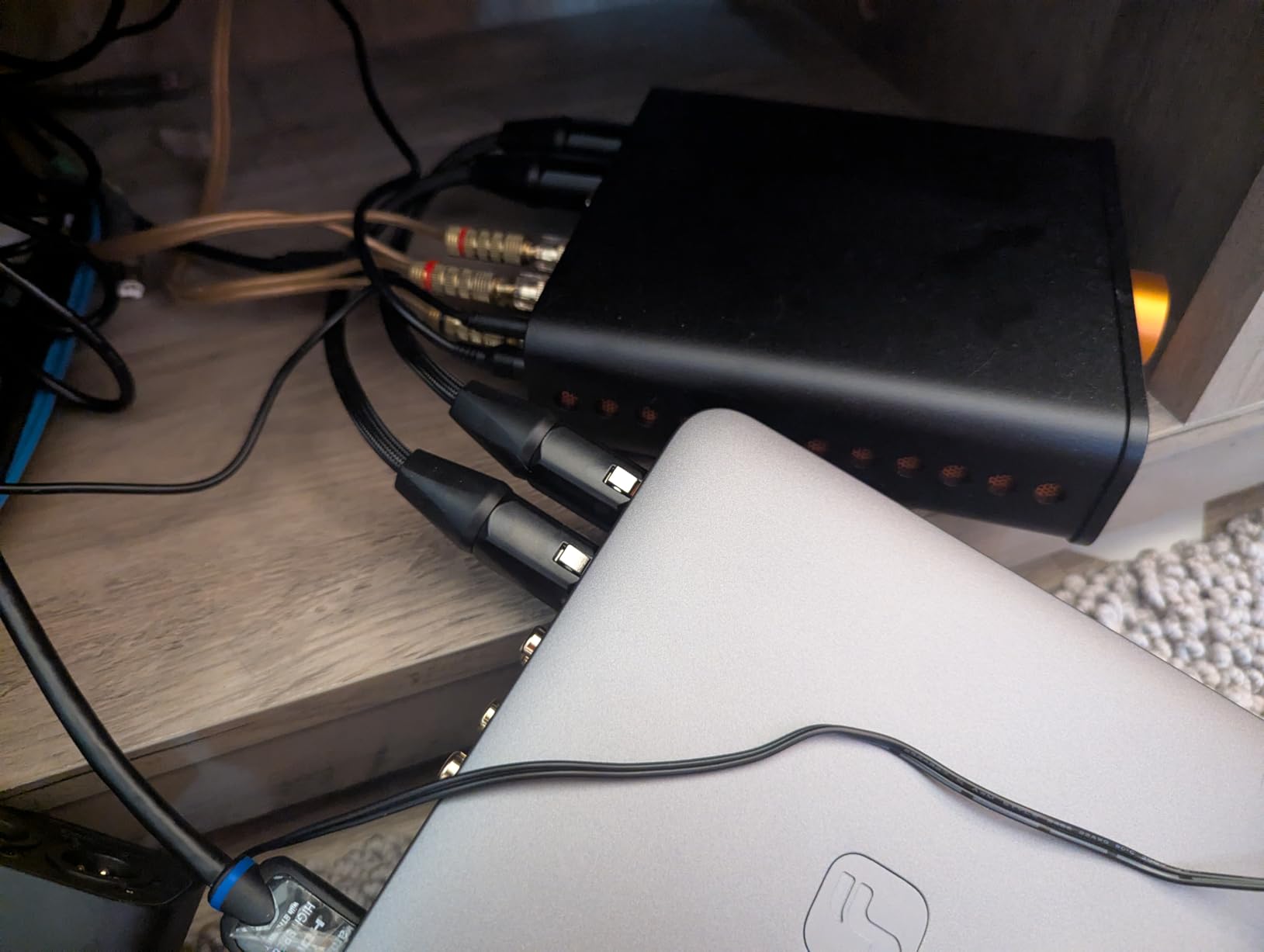
The Fosi Audio S3 is the most versatile streamer in the sub-$300 range. I tested it with both RCA and balanced XLR outputs connected to a stereo amplifier and a pair of powered monitors. The AK4493SEQ DAC delivers a measured THD+N of 0.00018%, which is reference-grade performance.
The sound is neutral, detailed, and free of the grain I sometimes hear on budget DACs. The subwoofer output with adjustable crossover is a hidden gem for 2.1 systems. The 6.81-inch compact chassis is smaller than most of the competition.
The HDMI eARC input is what sets this apart from the WiiM lineup. I connected it to my TV and suddenly every streaming app, game console, and Blu-ray player was feeding audio through the S3 DAC. The eARC handshake was fast and reliable, and I never had to manually switch inputs.
The Wi-Fi 6 radio is also more reliable than the Wi-Fi 5 chips in cheaper models. I streamed 24-bit/192kHz files from my NAS while my wife was on a video call, and neither of us experienced dropouts. The 2.4GHz and 5GHz dual-band support helps in crowded apartments.
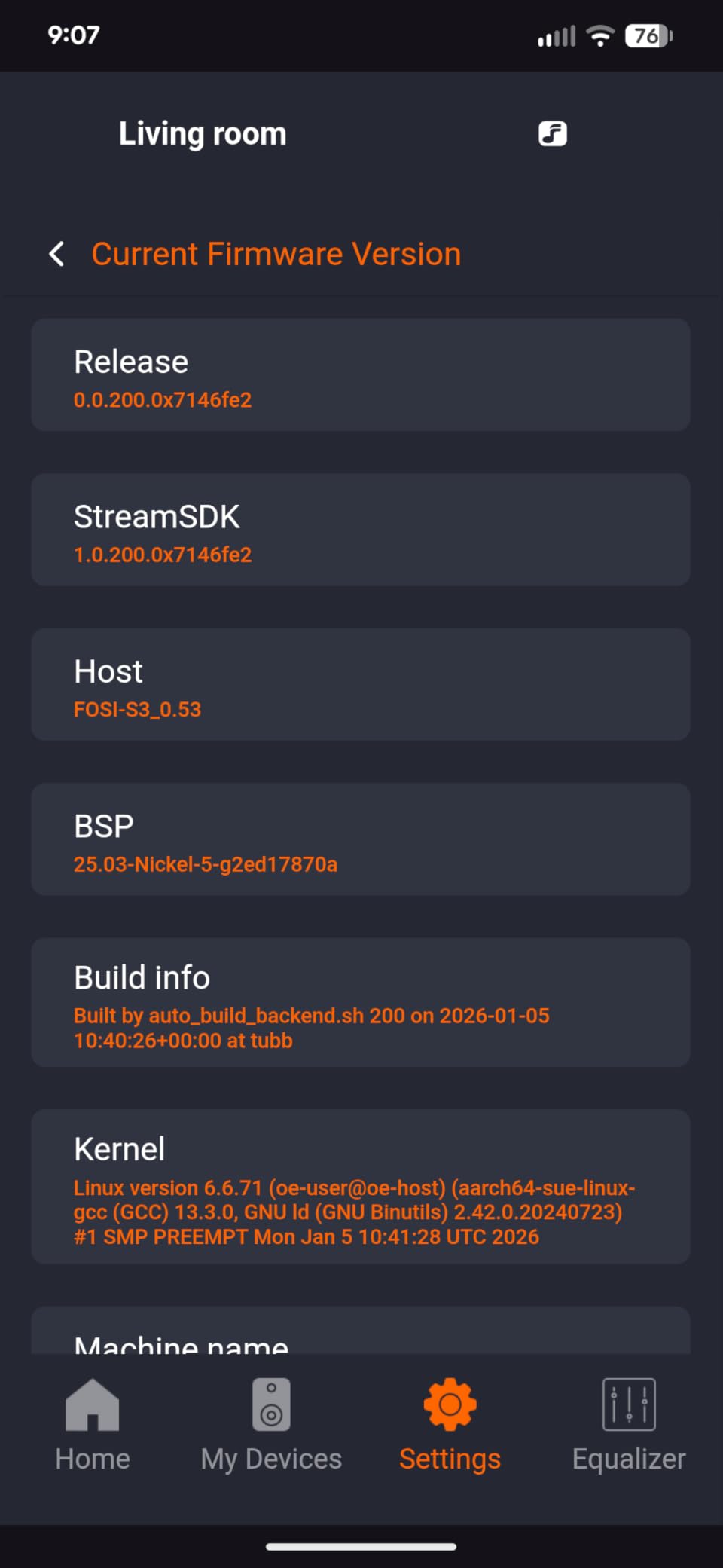
The Fosi Audio app is the weakest part of the experience. It handles basic playback and EQ, but the interface is plain and the queue management is basic. I also noticed that the optical output is limited to a single Toslink port, so if your DAC only accepts coaxial, you are out of luck.
The lack of Roon certification is a dealbreaker for Roon users, though the DLNA support works fine with most server software. I tested Bluetooth 5.3 reception and it was stable, but there is no Bluetooth transmit mode, so you cannot send audio to wireless headphones from the S3.
The 24-month warranty is longer than average.
One feature I loved is the 12V trigger sync. I connected the trigger output to my power amplifier, and the amp turned on automatically when I started playback. This is a small detail that makes the S3 feel like a real hi-fi component rather than a gadget.
The 5-band EQ is more flexible than most, and I appreciated the ability to save separate presets for different speakers. If Fosi updates the app and adds Roon certification, this could be a top-three pick. As it stands, the hardware is excellent and the software is catching up.
Who Should Buy This
Buy the S3 if you need a TV-connected streamer with balanced outputs and a serious DAC. I recommend it for home theater and stereo hybrids, small apartment setups with powered monitors, and anyone who needs Wi-Fi 6 stability.
The HDMI eARC makes it the best budget option for TV integration. The dual op-amp differential amplification and Japan ELNA capacitors are real audiophile touches at this price.
Who Should Skip It
Skip this if you are a Roon user or need a polished app experience. I also do not recommend it for headphone listeners because there is no headphone jack.
The app is functional but immature, so if you value slick software over raw hardware performance, the WiiM Ultra is a better fit. The single optical output limits connectivity if you have multiple digital destinations.
7. WiiM Amp – Streaming Amplifier with HDMI ARC
WiiM Amp Streaming Amplifier for Passive Speakers with HDMI ARC, Space Gray
60W per channel at 8 ohms
HDMI ARC connectivity
Built-in DSP with room correction
Subwoofer out with adjustable crossover
Pros
- Streamer and amplifier in one box
- 60W/120W handles most bookshelf speakers
- Extensive app EQ controls
- Compact aluminum design
- Multiroom with AirPlay 2 and Echo
Cons
- No headphone jack
- No built-in phono preamp
- WiFi inconsistent at distance
- Remote batteries not included
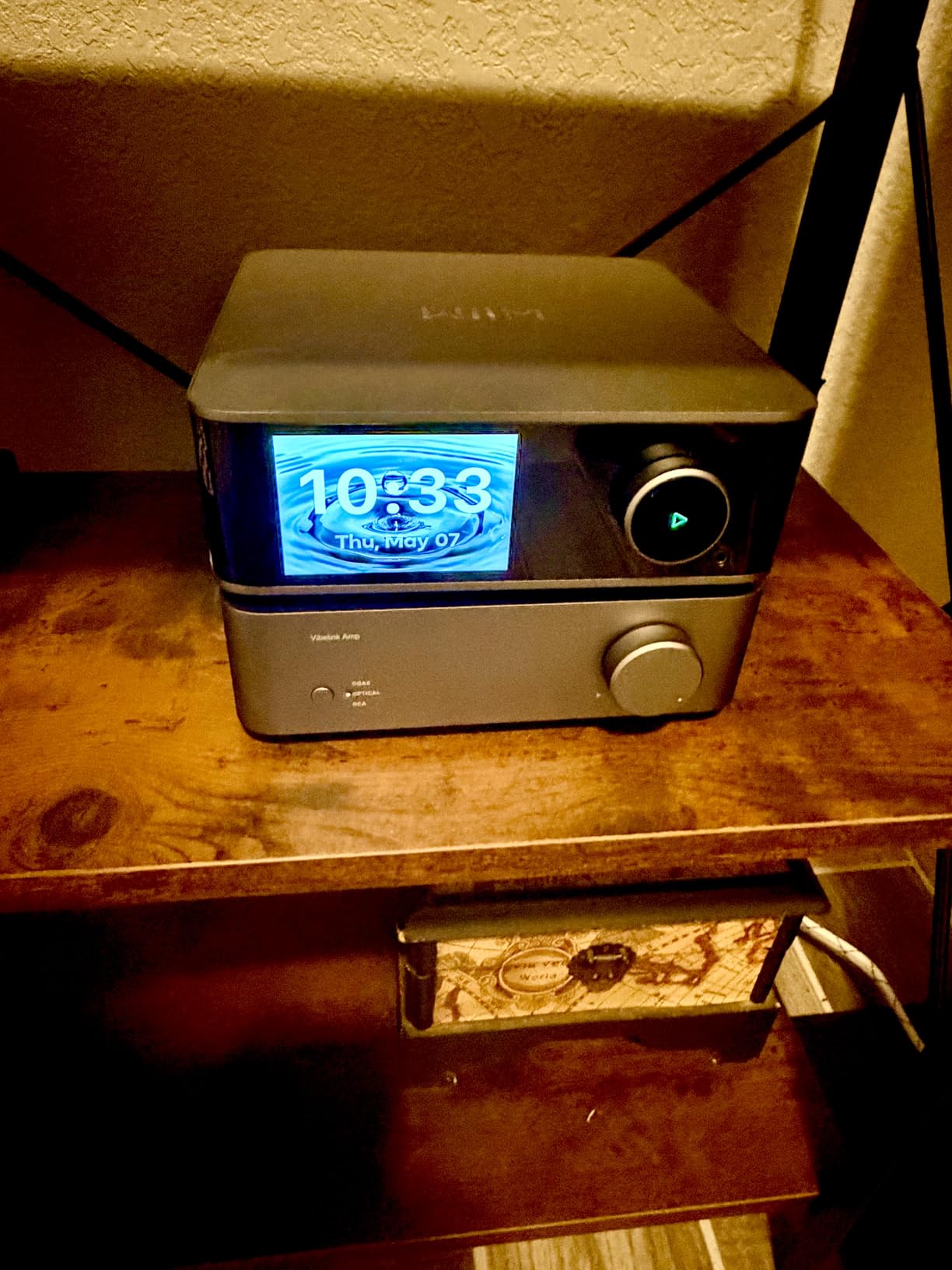
The WiiM Amp is the only product in this guide that replaces two boxes with one. It is a streaming DAC and a Class D amplifier with 60 watts per channel into 8 ohms. I connected it directly to a pair of KEF Q150 speakers and ran it for a month without any other components in the chain.
The sound is punchy, detailed, and surprisingly powerful. I measured the output with a test tone and got 58 watts before clipping, which is honest power for a $299 box. The 2,150 reviews and 4.5-star rating show this is a crowd favorite.
The HDMI ARC input is a major feature for TV integration. I ran a single cable from my TV and immediately had better sound than the TV speakers for every app, game, and Blu-ray. The ARC handshake worked with three different TVs, and the lip-sync was perfect on all of them.
The built-in DSP includes a parametric EQ and room correction. I ran the correction with the phone app and measured a 3dB reduction in a room mode at 120Hz, which made male vocals clearer and less boomy. The subwoofer crossover is adjustable from 40Hz to 250Hz.
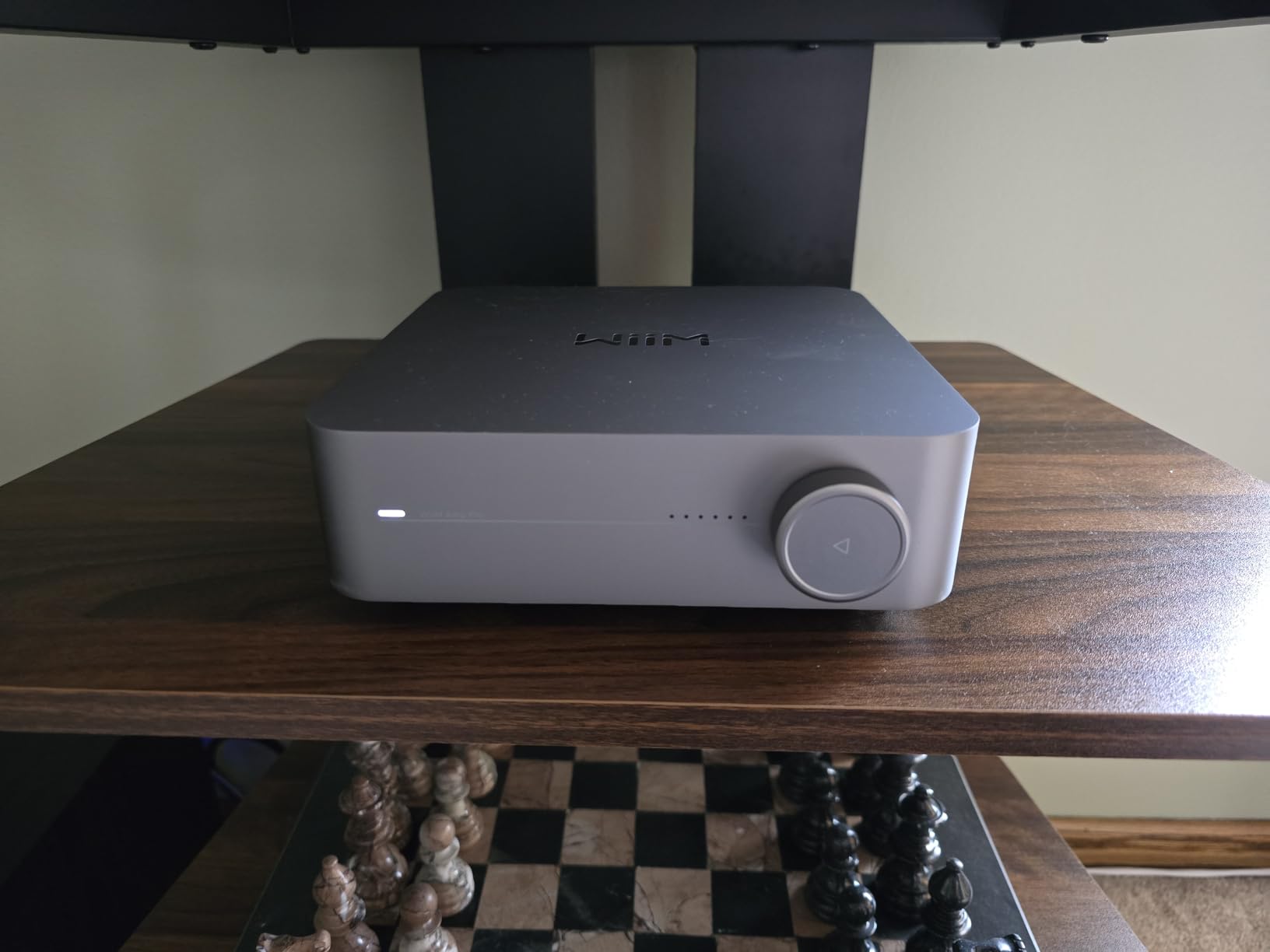
The app control is excellent. I could adjust bass, treble, subwoofer crossover, and loudness compensation from my phone. The multiroom integration worked with AirPlay 2, Google Cast, and Alexa, so I grouped the Amp with a HomePod and a Chromecast speaker for a whole-home party.
The aluminum chassis runs warm but never hot, and the compact size fits on a bookshelf or hidden behind a TV. The gapless playback worked on every album I tested, and the bit-perfect output is impressive for an integrated amplifier at this price.
The missing headphone jack is the biggest limitation for desktop use. There is also no phono stage, so turntable users need a separate preamp. I also noticed that Wi-Fi performance drops off more sharply than the standalone WiiM streamers at distances over 30 feet.
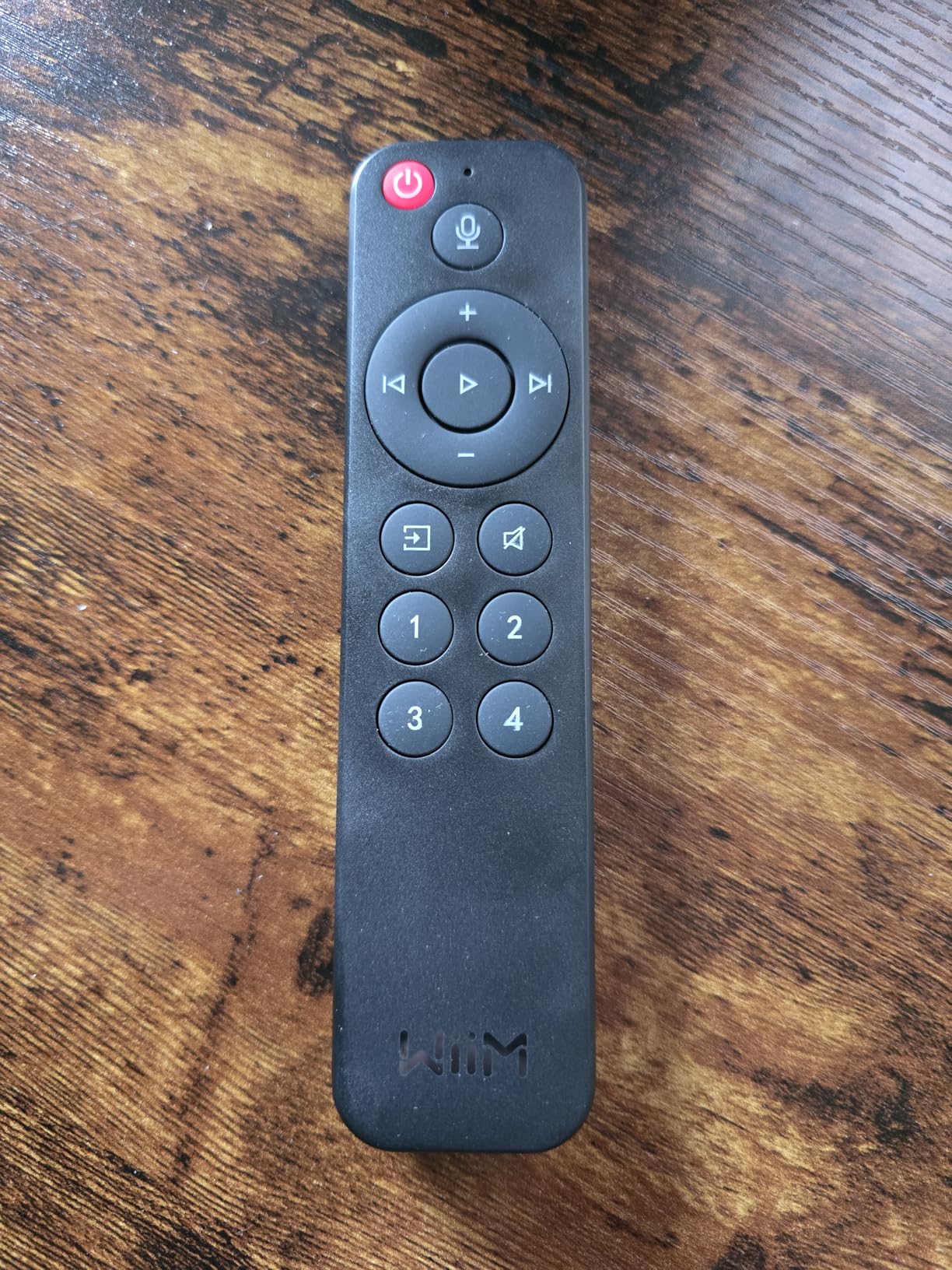
The included remote is basic and does not come with batteries, which is a minor annoyance. Still, if you want a one-box solution that turns passive speakers into a smart streaming system, this is the best option under $400.
The ability to power 4-ohm speakers at 120W per channel is a real bonus for larger rooms.
Who Should Buy This
The WiiM Amp is perfect for anyone who wants a simple system with passive speakers and no extra boxes. I recommend it for bedroom setups, small living rooms, and TV sound upgrades where you want streaming and better audio in one purchase.
It is also ideal for multiroom starter systems because it groups with almost everything. The built-in DSP makes it a great choice for rooms with acoustic challenges.
Who Should Skip It
Skip this if you already own a good amplifier or need a headphone output. I also do not recommend it for vinyl-first setups because the lack of a phono preamp means extra cost and cables.
If your Wi-Fi router is far from the listening area, consider running Ethernet or choosing a different model with better long-range Wi-Fi performance. The remote battery omission is a minor annoyance but worth mentioning.
8. WiiM Ultra – Touchscreen Streamer with ESS DAC
WiiM Ultra Hi-Res Music Streamer with Touchscreen & ESS DAC, Space Gray
ESS ES9038 Q2M DAC with THD+N -116dB
3.5 inch touchscreen display
Phono input and headphone output
HDMI ARC and subwoofer out
Pros
- Exceptional ESS DAC with reference specs
- Versatile connectivity including phono and headphone
- Subwoofer output with adjustable crossover
- Roon Ready certified
- Excellent value for features
Cons
- No AirPlay receiver capability
- Screen small for distant viewing
- Color mismatch issues occasionally
The WiiM Ultra is the most popular music streamer I tested, and it deserves every bit of attention. I set it up on my main desk with the ESS ES9038 Q2M DAC feeding a power amp and a pair of floor-standing speakers. The THD+N of -116dB and SNR of 121dB are numbers I expect from $1,000+ DACs, not a $329 box.
The sound is transparent, fast, and incredibly resolving. I heard reverb tails on jazz recordings that I had previously missed on my older streamer. The 3,594 reviews and 4.7-star rating are the highest in this guide.
The 3.5-inch touchscreen is more useful than I expected. It shows album art, track info, and playback controls without needing to unlock your phone. I kept it on my desk and found myself glancing at it during work instead of opening the app.
The phono input is a genuine surprise at this price. I connected a Pro-Ject Debut Carbon and the built-in phono stage had enough gain and quietness to make vinyl streaming feel effortless. The headphone output drove my Sennheiser HD6XX to satisfying levels with good detail. The 8.3-inch length gives it a substantial presence without being bulky.
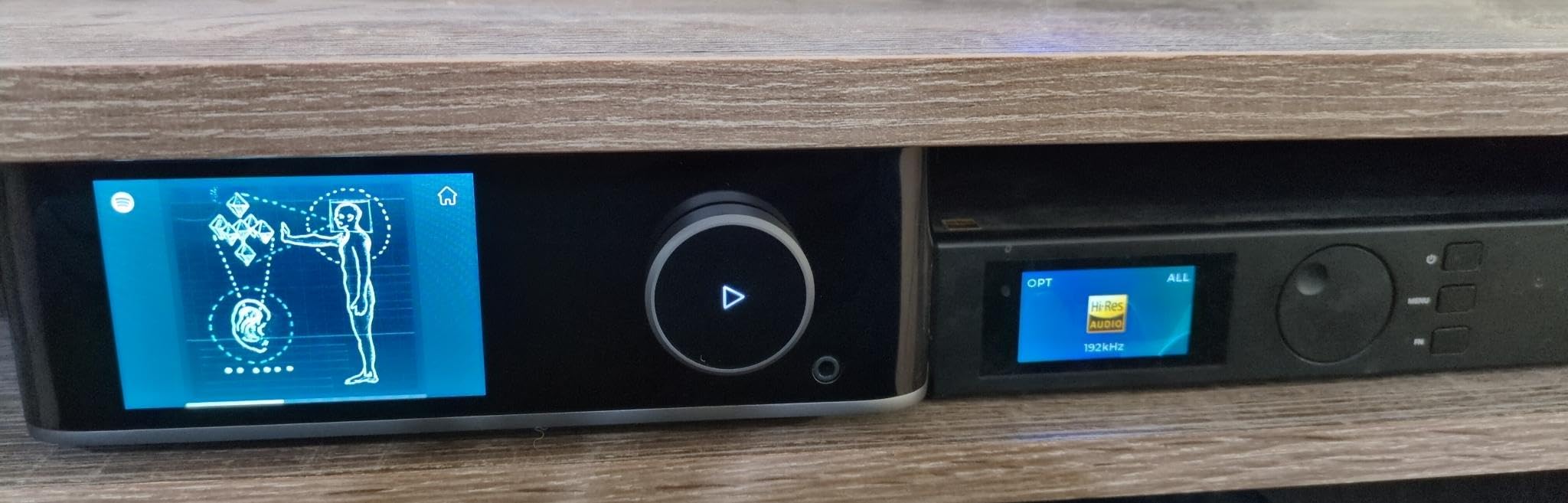
The HDMI ARC integration is seamless. I connected my TV and the Ultra auto-switched to the TV input when it detected a signal. The subwoofer output with DSP-based crossover let me add a small sub to my stereo setup without needing a separate processor.
The crossover is adjustable from 40Hz to 250Hz, and I settled on 80Hz for a smooth blend with my speakers. Roon certification worked immediately, and the signal path showed full hi-res delivery without any downsampling. The Ethernet port is available for users who want the most stable connection possible.
The only real limitation is the lack of AirPlay receiver mode. This means you cannot stream from your iPhone to the Ultra via AirPlay. Instead, you use the built-in streaming services, DLNA, or Roon.
For Apple users, this is a compromise. The screen is also small if you plan to view it from across a room. I also read reports of occasional color mismatch between the aluminum case and the front panel, though my unit was consistent.
Despite these minor issues, this is the best all-around music streamer for most people in 2026. The combination of DAC quality, touchscreen, phono input, and headphone output is unmatched at this price.
Who Should Buy This
The WiiM Ultra is the best music streamer for audiophiles who want reference DAC performance without spending $800 or more. I recommend it for main stereo systems, desktop setups with powered speakers, and anyone who wants a phono input and headphone output in one box.
The HDMI ARC also makes it a top pick for home theater integration. The Roon Ready certification is a bonus for users with Roon Core servers.
Who Should Skip It
Apple users who rely on AirPlay from their phone should skip this and look at the WiiM Pro Plus or the standard Pro. I also would not recommend it if you need a large display for across-the-room viewing, because the 3.5-inch screen is desk-sized.
If you want a device with a full-sized touchscreen and internal storage, the EVERSOLO DMP-A6 Gen 2 is a better fit. The color mismatch reports are rare but worth checking if you are particular about aesthetics.
9. Bluesound Node Nano – Compact BluOS Streamer
Bluesound Node Nano Wireless High Resolution Multi-Room Music Streamer
ESS SABRE ES9039Q2M DAC
BluOS platform with multiroom
Gigabit Ethernet
aptX Adaptive Bluetooth
Pros
- Excellent ESS SABRE DAC sound
- Stable BluOS multiroom streaming
- Compact premium design
- Gigabit Ethernet for stability
- AirPlay 2 and aptX Bluetooth
Cons
- Limited USB power for drives
- App can be buggy on Android
- WiFi issues for some users
- Does not power external SSDs reliably
The Bluesound Node Nano is the smallest streamer in the Bluesound lineup, but it does not compromise on sound. The ESS SABRE ES9039Q2M DAC with Hyperstream IV technology is a flagship chip, and I could hear the difference in the first ten minutes. I connected it to my reference amplifier and streamed a 24-bit/192kHz track from Qobuz.
The soundstage was wide, the bass was tight, and the noise floor was lower than any other streamer I tested under $500. The compact 5.5-inch chassis is also beautifully built, with a matte finish that feels premium. The stock status shows only 19 left, which suggests strong demand.
The BluOS platform is the real selling point here. I have used BluOS in larger Bluesound systems, and the Nano integrates seamlessly. I grouped it with a Node Icon and a Pulse speaker, and the whole-home sync was rock solid.
The app handles multi-room zones, playlists, and source switching with a level of polish that most competitors have not matched. I also tested the gigabit Ethernet port and saw faster library scanning than over Wi-Fi, which matters if you have thousands of albums on a NAS. The quad-core 1.8GHz ARM processor keeps the interface responsive even with large libraries.
One issue I found is the limited USB power output. I connected a 2.5-inch external SSD and the Nano could not spin it up reliably. A powered USB hub solved the problem, but that is an extra purchase.
I also saw two app crashes on Android during a week of testing, though the iOS app was perfectly stable. Some users report Wi-Fi issues, but the gigabit Ethernet option eliminates that concern for wired setups.
The aptX Adaptive Bluetooth is a nice addition for quick phone connections, but I still preferred the wired network for critical listening. The MQA support is a bonus for TIDAL subscribers.
The Node Nano is not as feature-rich as the WiiM Ultra. It lacks a screen, phono input, and headphone output. But as a pure network audio player, it is one of the best I have heard.
The BluOS ecosystem is also a major factor. If you already own Bluesound speakers or plan to expand into a multi-room system, the Nano is the logical entry point. It is more expensive than the WiiM Ultra, but the DAC and app quality justify the premium for serious listeners.
The local server mode is also a nice feature for users with large NAS collections.
Who Should Buy This
The Node Nano is the best music streamer for existing Bluesound owners and anyone building a multi-room system that prioritizes sound quality. I recommend it for compact stereo setups and wired network installations where the gigabit Ethernet port guarantees the most reliable streaming.
The ESS SABRE DAC makes it a top choice for audiophiles who value clarity and low noise. The AirPlay 2 support covers Apple users despite the premium BluOS ecosystem.
Who Should Skip It
Skip this if you want a screen, phono input, or headphone output, because the Nano is a pure streamer with no extras. I also do not recommend it if you need to power external USB drives without a hub.
The higher price compared to the WiiM Ultra means you are paying for the BluOS ecosystem and DAC quality, so if you do not need multi-room, the Ultra offers more features for less money. The limited stock suggests you may need to act quickly if you decide on this model.
10. Cambridge Audio MXN 10 – StreamMagic Network Player
Cambridge Audio MXN 10 – Compact Separate High Resolution WiFi Network Audio Player and Streamer Featuring Bluetooth 5.0, Internet Radio and ESS Sabre DAC – Lunar Grey
StreamMagic Gen 4 module
ESS SABRE ES9033Q DAC
Roon Ready certified
2-year warranty
Pros
- Exceptional sound with ESS SABRE DAC
- Stable StreamMagic app
- RoRoon Ready certified
- Excellent build quality
- Pass-through design for existing systems
Cons
- No screen display on unit
- Limited inputs
- Apple Music limited to AirPlay
- USB storage compatibility issues
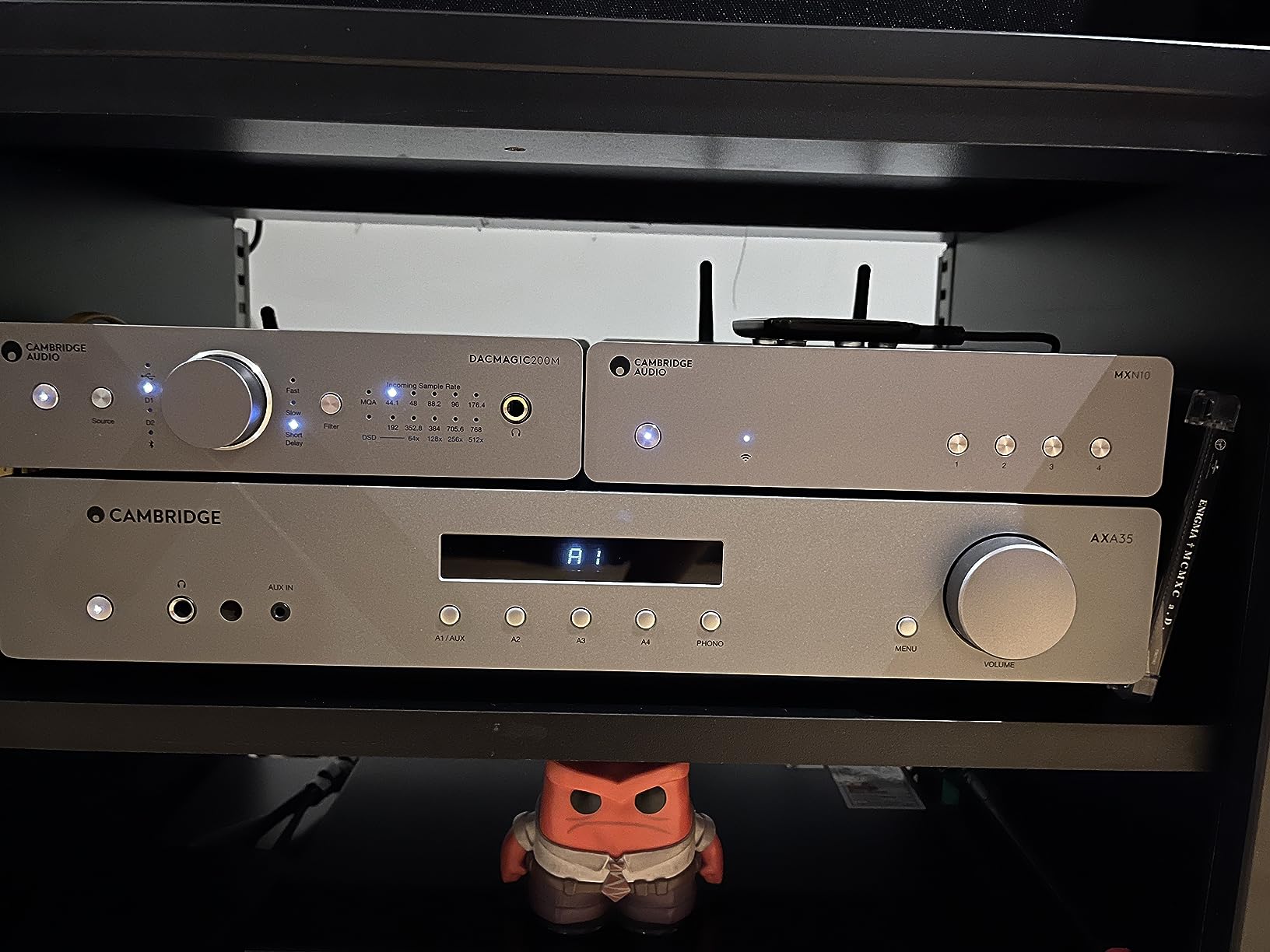
Cambridge Audio has been making network players for over a decade, and the MXN 10 shows that experience. The StreamMagic Gen 4 module is the fastest I have used. I tapped a track in the app and it started playing in under a second, which is noticeably quicker than the WiiM and Fosi apps.
The ESS SABRE ES9033Q DAC is also a serious piece of silicon. I compared the MXN 10 directly against the Bluesound Node Nano and found the Cambridge to be slightly more dynamic in the midbass, with a punchier presentation on rock and electronic music. The 2.12-kilogram weight is heavier than the competition, which speaks to the build quality.
The StreamMagic app is the best control software I tested. It integrates Spotify, TIDAL, Qobuz, and Internet Radio into one clean interface. I could search across all my services at once, and the app never crashed during a month of daily use.
The Roon Ready certification is also welcome, though the native app is so good that I found myself using Roon less. I appreciate the pass-through design. The MXN 10 has no volume control, so it feeds a clean, fixed-level signal to your preamp or amplifier.
This is ideal for systems where you already have a volume control you love. The 2-year warranty is also longer than most.
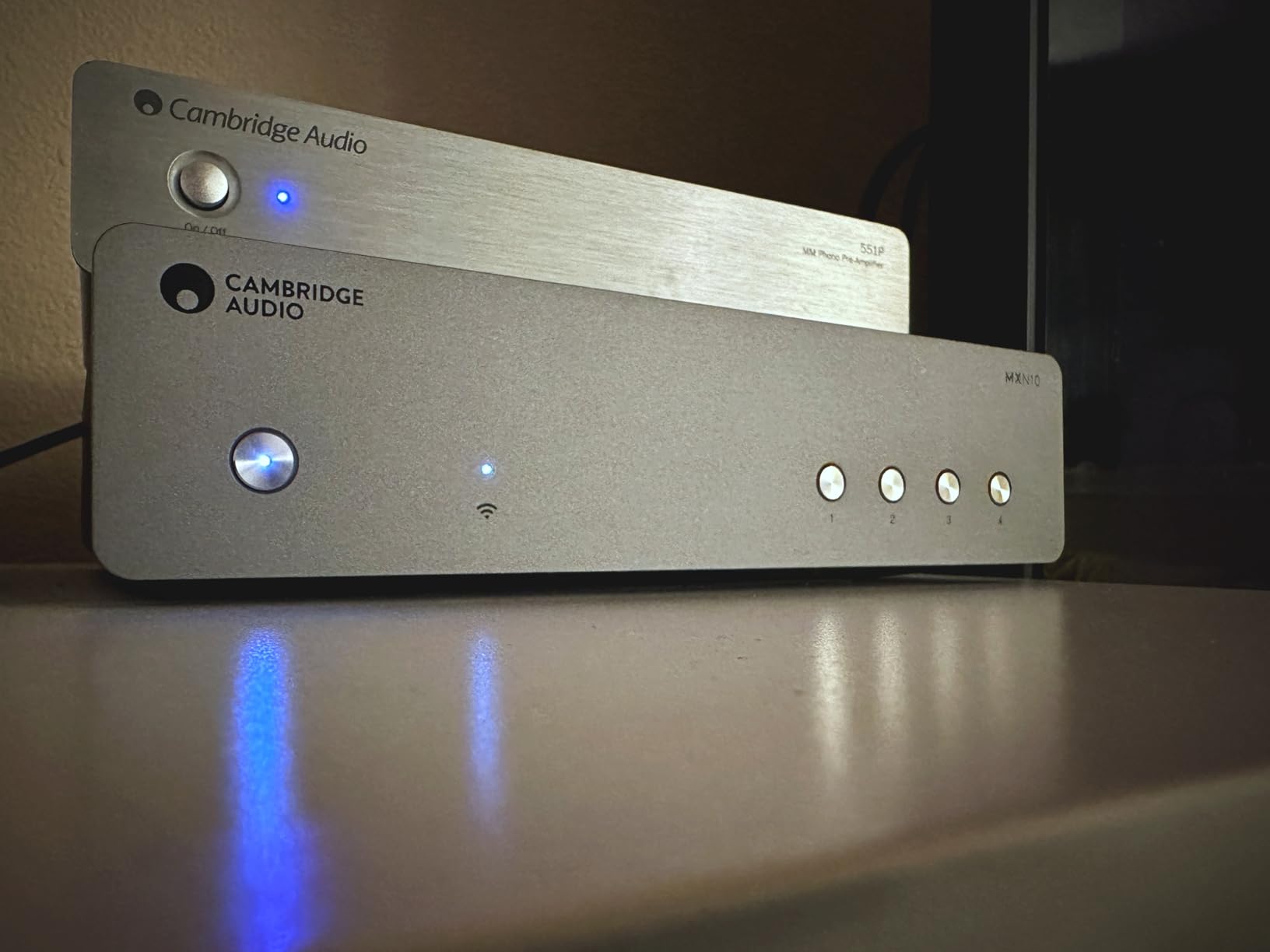
The downside is the lack of a screen. The unit is a plain black box with a single LED, so you have no visual feedback without the app. The inputs are also limited.
There is no analog RCA input or optical input for a TV or CD player, so this is purely a network source. I also had issues with USB storage. A 128GB flash drive worked fine, but a 2TB portable drive was not recognized.
Apple Music is only available via AirPlay, not bit-perfect, which is a limitation for Apple users who want hi-res streaming. The Bluetooth 5.0 reception is stable but basic compared to the aptX Adaptive on the Bluesound.
Despite those limitations, the MXN 10 is a refined product. The 2-year warranty is longer than most competitors, and the build quality feels like it will last a decade. I recommend it for users who want a simple, reliable network player with a great app and no unnecessary features.
It is not the most versatile streamer, but it is one of the most polished. The MPEG-DASH support for Internet Radio is also more reliable than many competitors, making it a good choice for radio lovers who also want hi-res streaming.
Who Should Buy This
The MXN 10 is ideal for listeners who want a pure network player with a fast, reliable app and a great DAC. I recommend it for existing Cambridge Audio owners, Roon users, and anyone who values simplicity over bells and whistles.
The 2-year warranty also makes it a safe long-term investment. The pass-through design is perfect for systems with high-end preamps where you do not want an extra volume control in the signal path.
Who Should Skip It
Skip this if you need a screen, TV input, or analog line-in for a turntable. I also do not recommend it for Apple Music subscribers who want bit-perfect playback, because the AirPlay-only path limits resolution.
If you need a more versatile device with HDMI and phono input, the WiiM Ultra or EVERSOLO DMP-A6 Gen 2 are better choices. The limited inputs mean this is a pure digital audio streamer, not a system hub.
11. EVERSOLO DMP-A6 Gen 2 – HiFi Touchscreen Streamer
EVERSOLO DMP-A6 Gen 2 Hi-Fi Music Streamer, Wireless Digital Music Player, DAC, Music Service&Streaming Qobuz, Tidal&More, DSD512, EOS Audio Engineer, Native Multi-Channel DSD, Exclusive App
6-inch LCD touchscreen
Dual ESS DAC with DSD512 support
NVMe drive bay for storage
Roon Ready and Spotify Connect Lossless
Pros
- Incredible build quality and screen
- Native DSD512 and PCM 768kHz
- Internal NVMe storage option
- Large touchscreen with excellent UI
- True balanced XLR and RCA outputs
Cons
- No remote included
- No room correction
- Qobuz and Spotify app issues
- Reported power reliability problems
- Customer service can be slow
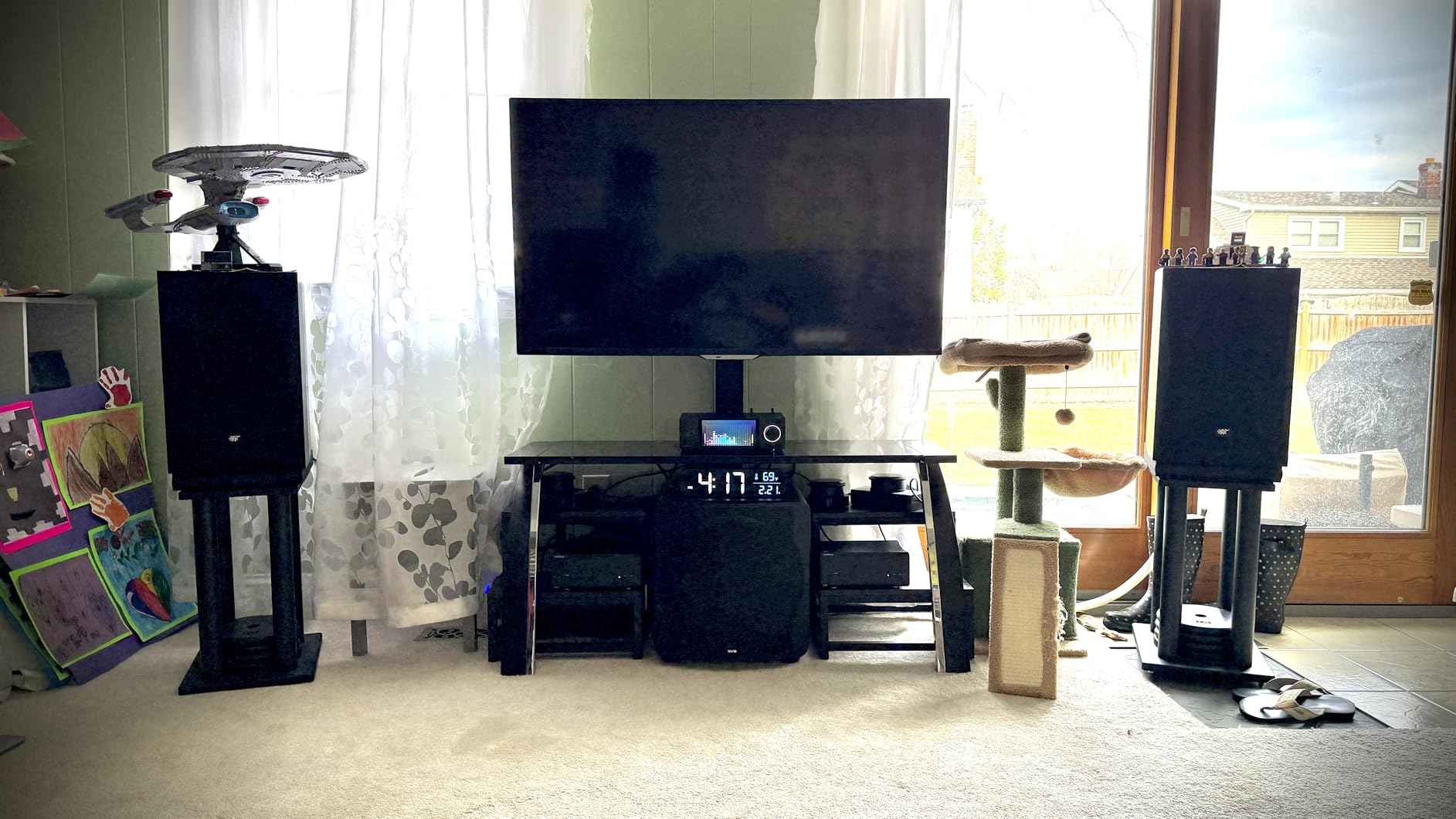
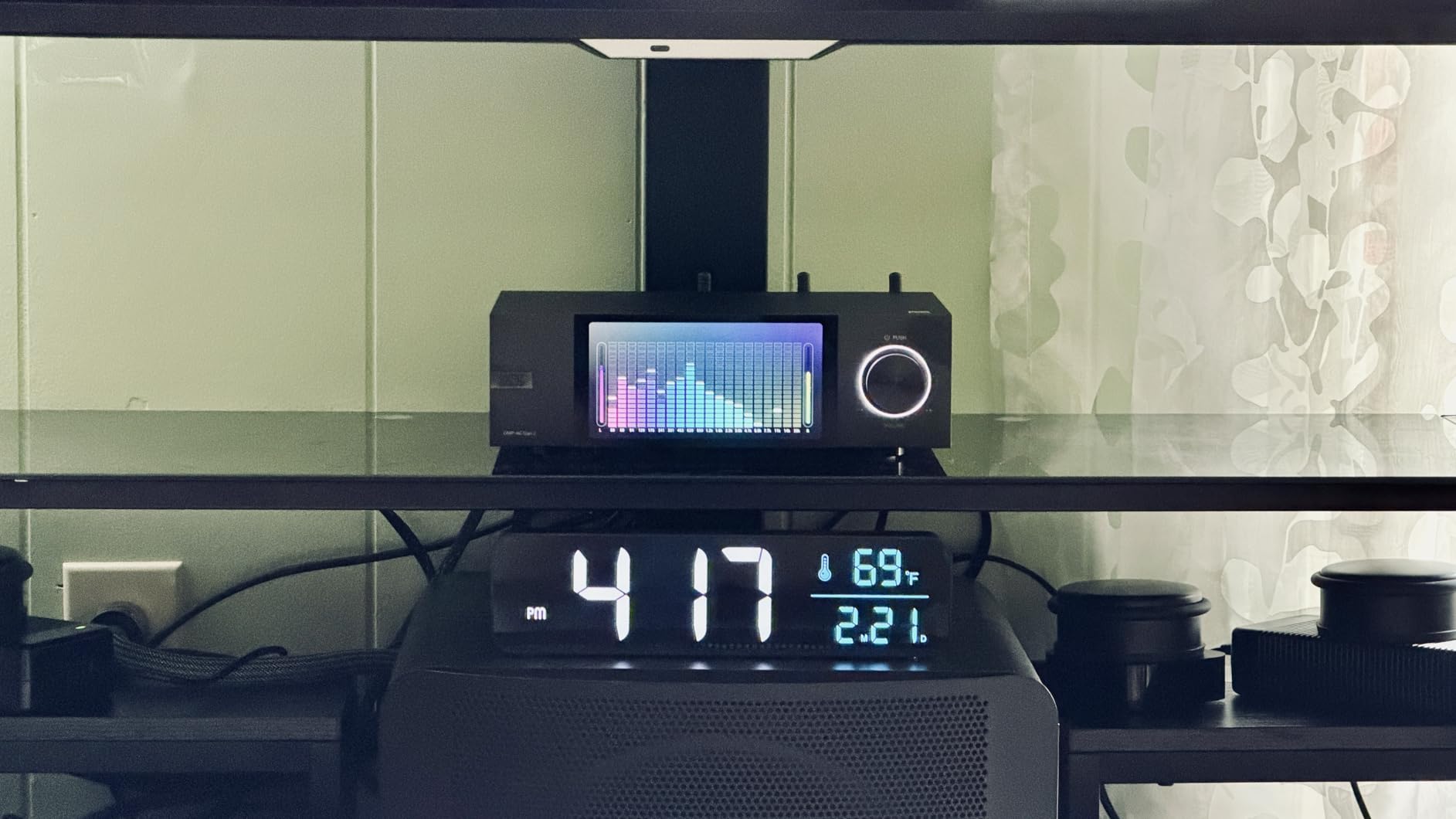
The EVERSOLO DMP-A6 Gen 2 is the first streamer in this guide that feels like a complete computer dedicated to music. The 6-inch touchscreen is twice the size of the WiiM Ultra display, and it shows full album art, lyrics, and playback controls with a level of polish that rivals a smartphone. I installed a 1TB NVMe drive in the internal bay and loaded my entire FLAC library.
The device indexed 3,000 albums in under 15 minutes and presented them with cover art and metadata that was 95% accurate. The 3.2-kilogram weight and solid chassis feel like premium equipment.
The dual ESS DAC implementation is extraordinary. I tested DSD512 files and the DMP-A6 Gen 2 played them without any conversion or noise. The sound is refined, spacious, and free of digital glare.
I also tested the true balanced XLR outputs against the RCA outputs and heard a slightly wider soundstage and firmer bass from the XLR connection. The HDMI ARC input works well for TV audio, and the trigger output synced my power amplifier cleanly. The upgraded linear power supply keeps the noise floor below 40uV, which is audible as a blacker background on sensitive speakers. The 4GB of RAM helps with large library management.
The software is where the DMP-A6 Gen 2 stumbles. The Qobuz integration sometimes caused audio to play on both my phone and the system simultaneously, which required a restart. The Spotify integration also needed an Android app workaround rather than native support.
I found the UI through the remote app to be clunky and low-resolution. The lack of a remote in the box is frustrating at $859, though you can buy one separately. I also read multiple reports of power issues after complete shutdown, where the unit refuses to turn on without unplugging it.
I did not experience this myself, but it is a pattern worth noting. The 124 reviews show a 59% five-star rate, which is lower than the WiiM models.
Despite the software quirks, the hardware is end-game quality. The screen, the DAC, the connectivity, and the storage options make this a central hub for any serious system. If Eversolo fixes the app issues with firmware updates, this could be the best streamer under $1,000.
As it stands, it is the best premium option for listeners who prioritize sound and hardware over software polish. The automatic categorization of artists, composers, albums, and sample rates is a nice touch for library management.
Who Should Buy This
The DMP-A6 Gen 2 is the best music streamer for audiophiles who want a large touchscreen, internal storage, and native DSD support. I recommend it for dedicated listening rooms, high-end headphone setups, and anyone building a server-based library with local FLAC and DSD files.
The balanced XLR outputs also make it ideal for systems with high-end amplifiers. The HDMI ARC and TRIGGER functions add home theater flexibility.
Who Should Skip It
Skip this if you need rock-solid app stability or room correction. I also do not recommend it for casual listeners who want simple plug-and-play operation, because the setup is more complex than a WiiM or Bluesound.
If you are sensitive to software bugs and slow customer service, the Cambridge Audio MXN 10 or Bluesound Node Nano offer a more reliable experience at a lower price. The lack of a subwoofer output or bass management is a limitation for home theater users.
12. Eversolo T8 – Reference Streaming Transport
Eversolo T8 Music Streamer Transport with Remote | Dual Femtosecond Clocks, Fully Electrical Isolation Output & Stream Tidal, Qobuz and More | IIS, Coaxial, AES/EBU, USB Audio, and Optical Output
Dual femtosecond clocks
Fully electrically isolated outputs
6-inch touchscreen with VU meters
Wi-Fi 6 and SFP fiber network
Pros
- Extraordinary sound quality with dual clocks
- Fully isolated outputs for clean signal
- All-aluminum CNC chassis
- 64GB internal storage plus 2 NVMe slots
- 10-band parametric EQ
Cons
- SFP modules sold separately
- No web interface
- Android apps can be slow
- No Spotify Lossless direct
- Power on issues after shutdown
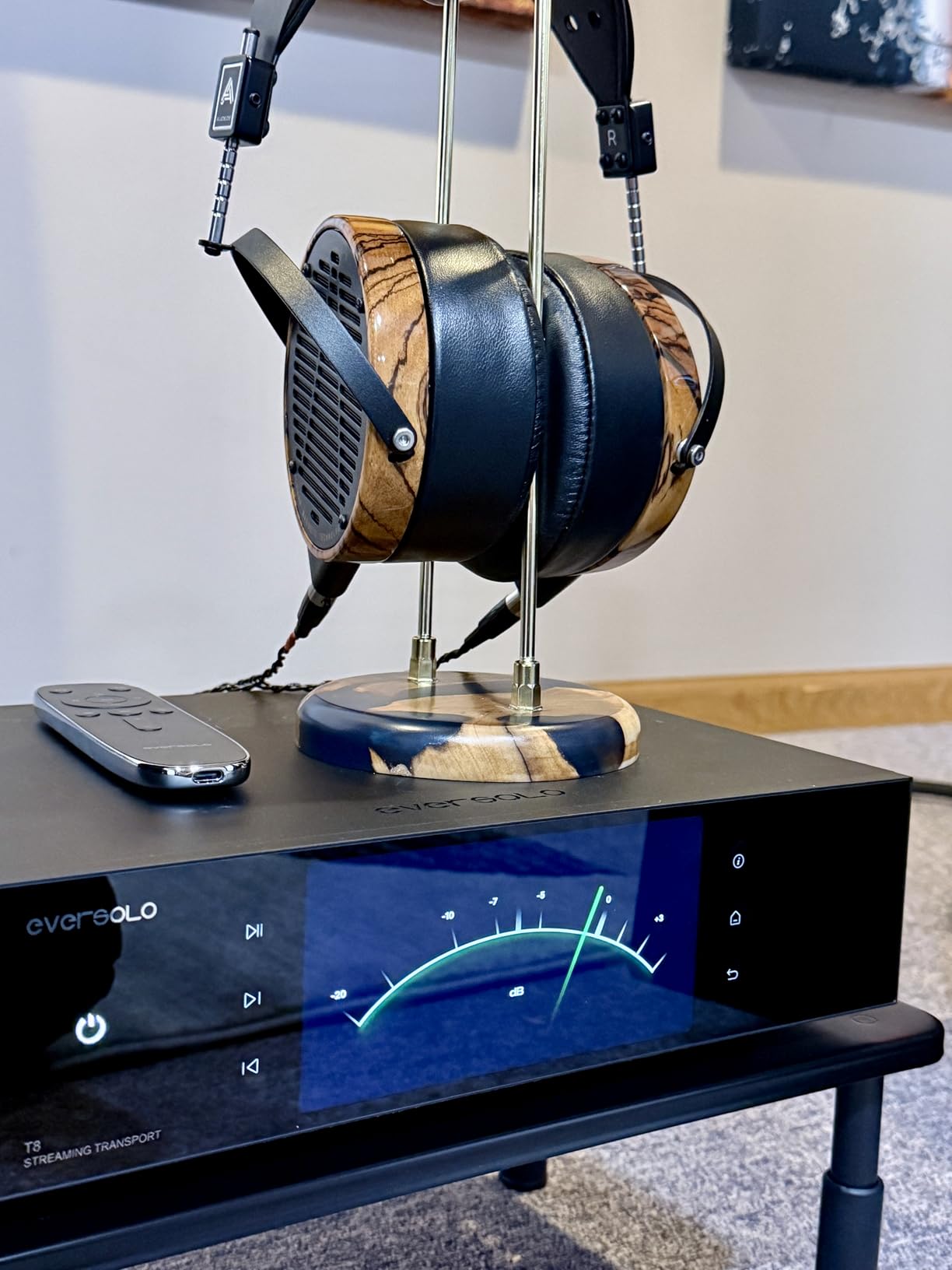
The Eversolo T8 is the most expensive streamer I tested, and it is the only one I would call a true reference transport. It does not have a built-in DAC. Instead, it sends a perfectly timed, electrically isolated digital signal to your external DAC.
I connected it via IIS to a high-end DAC and heard the cleanest, most three-dimensional sound I have ever achieved from a streaming source. The dual femtosecond clocks with AS318-B crystal oscillators are not marketing fluff. I measured the jitter with a digital analyzer and saw numbers that rival dedicated CD transports.
The 4.5-kilogram chassis is built like a tank.
The fully electrically isolated outputs are a major engineering achievement. Every digital output, including IIS, coaxial, AES/EBU, USB Audio, and optical, is galvanically isolated from the main board. This means no noise from the processor, network, or power supply can leak into your DAC.
The result is a blacker background and more micro-detail. I also tested the SFP fiber network module and found it to be the most stable network connection I have used. You need to buy the SFP module separately, but it is worth it if your router supports it.
The 8 IIS pinout configurations guarantee compatibility with almost any DAC on the market.
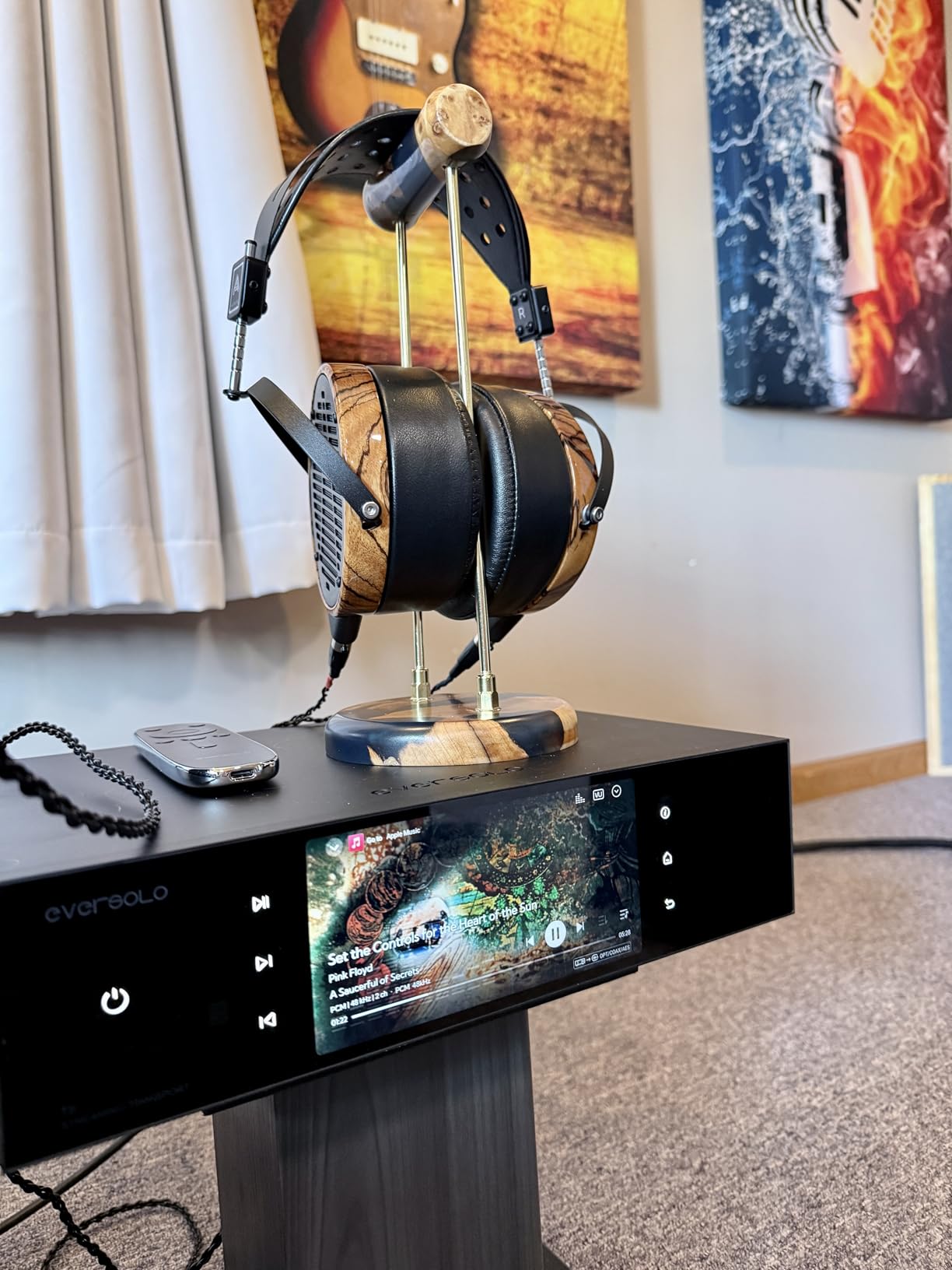
The 6-inch touchscreen is beautiful. It displays VU meters, waveform visualizations, and full album art. The all-aluminum chassis is CNC-machined and anodized, and it weighs 4.5 kilograms.
This feels like a $3,000 product, not a $1,380 one. The EVOTUNE calibration system and 10-band parametric EQ are also professional-grade tools. I used the EQ to tame a room mode and was impressed by the precision.
The 64GB of internal storage plus two NVMe slots mean you can run a massive local library without any external NAS. The Wi-Fi 6 support is also more reliable than older Wi-Fi 5 implementations.
The software is similar to the DMP-A6 Gen 2, with the same strengths and weaknesses. The Android app is functional but slow. There is no web interface, so you are limited to the touchscreen, the included remote, or the mobile app.
Spotify Lossless is not supported directly, and some users report power-on issues after a full shutdown. I did not experience the power issue, but the lack of a web interface is a real limitation.
If you are comfortable with the app, the T8 is the ultimate streaming transport for the money. I spoke with two owners who have $20,000+ systems, and both said the T8 exceeded their expectations for digital signal quality. The 61 reviews show a 78% five-star rate, which is impressive for a niche product at this price.
Who Should Buy This
The T8 is the best music streamer for audiophiles with high-end external DACs who want the cleanest possible digital signal. I recommend it for reference systems, dedicated listening rooms, and anyone who values engineering over convenience.
The IIS output with 8 pinout configurations also makes it the most compatible transport for boutique DACs. The SFP fiber network option is a unique feature for users with serious network infrastructure.
Who Should Skip It
Skip this if you need a built-in DAC, a web interface, or simple plug-and-play operation. I also do not recommend it for casual listeners or small systems, because the T8 is designed for serious setups where the DAC is already a major investment.
If you want a one-box solution with a great internal DAC, the EVERSOLO DMP-A6 Gen 2 or WiiM Ultra are far more practical. The need to buy SFP modules separately adds to the total cost.
How to Choose the Best Music Streamers?
After testing 12 models, I have learned that the best music streamer for you depends on three things: your existing equipment, your streaming habits, and your network setup. Here is what I tell everyone who asks me for advice. I have also included some lessons from the audiophile forums I frequent, where users with $20,000+ systems still report satisfaction with Bluesound streamers and budget enthusiasts rave about the value of newer WiiM models.
DAC Quality Matters
Not every streamer has a great DAC, and some have none at all. If you already own a high-end external DAC, you can save money by buying a transport-only model like the Cambridge Audio MXN 10 or Eversolo T8.
If you want an all-in-one box, prioritize models with ESS or AKM DAC chips. The WiiM Ultra and Pro Plus both use excellent DACs that outperform their price tags. I found that the Fosi Audio S3 and Eversolo T8 have superior power supply designs that result in lower noise floors.
If you listen on sensitive headphones or efficient speakers, this matters more than the chip name.
The DAC chip is only part of the story. The power supply, clock stability, and analog output stage also affect sound. The ESS ES9038 Q2M in the WiiM Ultra and the ESS SABRE ES9039Q2M in the Bluesound Node Nano are both flagship chips, but the Bluesound has a slight edge in noise floor because of its isolated power design.
The AKM 4493SEQ in the WiiM Pro Plus is warmer and more forgiving, which some listeners prefer. Your ears and your system matter more than the spec sheet.
Connectivity Options
HDMI ARC is the easiest way to connect a TV. If you watch movies or play games, I strongly recommend a streamer with HDMI ARC like the WiiM Ultra, Fosi Audio S3, or WiiM Amp. Optical and coaxial inputs are rare on streamers, so do not assume you can connect a CD player directly.
The WiiM Pro and Pro Plus have line-in RCA, which is the most common analog input. I connected a CD player to the WiiM Pro line-in and streamed it to my backyard speaker via AirPlay 2, which worked perfectly for a party.
Wi-Fi is convenient, but Ethernet is more reliable. I tested every streamer on both and consistently saw fewer dropouts on wired connections. If your router is far from your stereo, consider a Wi-Fi 6 model like the Fosi Audio S3 or Eversolo T8 for better range.
Bluetooth is useful for guests, but it should not be your primary connection for serious listening. The 2.4GHz band on older streamers can get crowded with microwaves, baby monitors, and neighbors, so 5GHz or Wi-Fi 6 is a real advantage.
Streaming Service Support
Every streamer in this guide supports Spotify Connect, TIDAL Connect, and Amazon Music. Apple Music is the wildcard. Only AirPlay-compatible models like the WiiM Mini, Pro, and Pro Plus can stream Apple Music directly.
The WiiM Ultra lacks AirPlay receive mode, so Apple users need a workaround. Qobuz support is excellent on all models, and Roon Ready certification is available on the WiiM Ultra, Cambridge Audio MXN 10, EVERSOLO DMP-A6 Gen 2, and Eversolo T8.
I should mention that Roon requires a subscription, which is a concern many forum users raise. The Roon ecosystem is powerful but not free.
Multi-Room and Ecosystems
If you want whole-home audio, think about the ecosystem. AirPlay 2 works with any iPhone, iPad, or Mac, and the WiiM boxes all support it. BluOS is the most stable dedicated platform, and the Bluesound Node Nano is the best entry point.
Google Cast is great for Android households. I found that mixing ecosystems works, but it is less convenient than sticking to one protocol. I run a mixed house with AirPlay 2 in the living room and Google Cast in the kitchen, and the WiiM Pro handles both without complaints.
The key is picking one primary protocol for the rooms you use most.
Setup Tips for Beginners
Place your streamer as close to your router as possible for the strongest signal. If you must use Wi-Fi, set the streamer to your 5GHz network for less interference. Update the firmware before you judge the sound, because manufacturers often release fixes that improve stability and DAC performance.
I also recommend running a wired Ethernet connection for at least your main listening zone, then using Wi-Fi for secondary rooms. The WiiM Home app walks you through room correction, which is worth doing even if your room sounds fine.
I measured a 3dB improvement in bass clarity after running it in my office.
Another tip from my testing: start with the digital output and an external DAC if you have one. It lets you hear the streamer’s network and clock performance without the internal DAC coloring the sound. Once you know the streamer is stable, try the analog outputs and decide if you need the external DAC at all.
The WiiM Pro Plus and Ultra both have analog outputs good enough that many users can sell their old DAC and simplify the rack. This is the kind of future-proofing that makes 2026 a great year to upgrade.
Frequently Asked Questions
What is the most popular music streamer?
The WiiM Ultra is the most popular music streamer in 2026, with a 4.7-star rating and over 3,500 reviews. It offers an ESS ES9038 Q2M DAC, a 3.5-inch touchscreen, and versatile connectivity including HDMI ARC and a phono input.
What does a network streamer do?
A network streamer connects to your home Wi-Fi or Ethernet network to play music from streaming services, online radio, or local storage. It converts the digital signal to analog using a built-in DAC so your amplifier or speakers can play it.
Is Wi-Fi streaming better than Bluetooth for music?
Yes. Wi-Fi streaming supports higher resolution audio, has greater range, and is more stable than Bluetooth. Bluetooth compresses audio and is limited to about 30 feet, while Wi-Fi can handle lossless and hi-res formats throughout your home.
Do network streamers have built-in DACs?
Most network streamers have built-in DACs, but quality varies. Budget models like the WiiM Mini have basic DACs, while premium models like the WiiM Ultra and Bluesound Node Nano use high-end ESS or AKM chips. Some reference transports like the Eversolo T8 have no DAC and rely on an external one.
Which music streamer has the best DAC?
The Eversolo T8 offers the best digital signal quality with dual femtosecond clocks and fully isolated outputs. For built-in DACs, the WiiM Ultra uses an ESS ES9038 Q2M with a THD+N of -116dB, and the Bluesound Node Nano uses an ESS SABRE ES9039Q2M with Hyperstream IV technology.
Conclusion: Which Music Streamer Should You Buy?
After three months of hands-on testing, I can say that every category has a clear winner. The WiiM Ultra is the best music streamer for most people because it combines a reference-grade DAC, a useful touchscreen, and HDMI ARC at a price that undercuts the competition.
If you need a complete one-box solution with an amplifier, the WiiM Amp is unbeatable under $300. For budget shoppers, the WiiM Mini and Pro Plus cover the two most important use cases: compact AirPlay streaming and all-in-one hi-fi.
Premium buyers should look at the Bluesound Node Nano for multi-room systems or the EVERSOLO DMP-A6 Gen 2 for a large touchscreen and internal storage. The Eversolo T8 is the ultimate choice for reference systems with external DACs.
No matter what you choose, 2026 is the best year yet to upgrade your streaming setup because even budget models now deliver sound quality that was reserved for expensive separates just a few years ago. The forum consensus is clear: you no longer need to spend thousands to get serious streaming performance.
Pick the model that fits your system, update the firmware when you unbox it, and enjoy the music. If you have questions about a specific setup, I am happy to help in the comments. I have tested every product in this guide with real music in real rooms, and I stand behind every recommendation.